






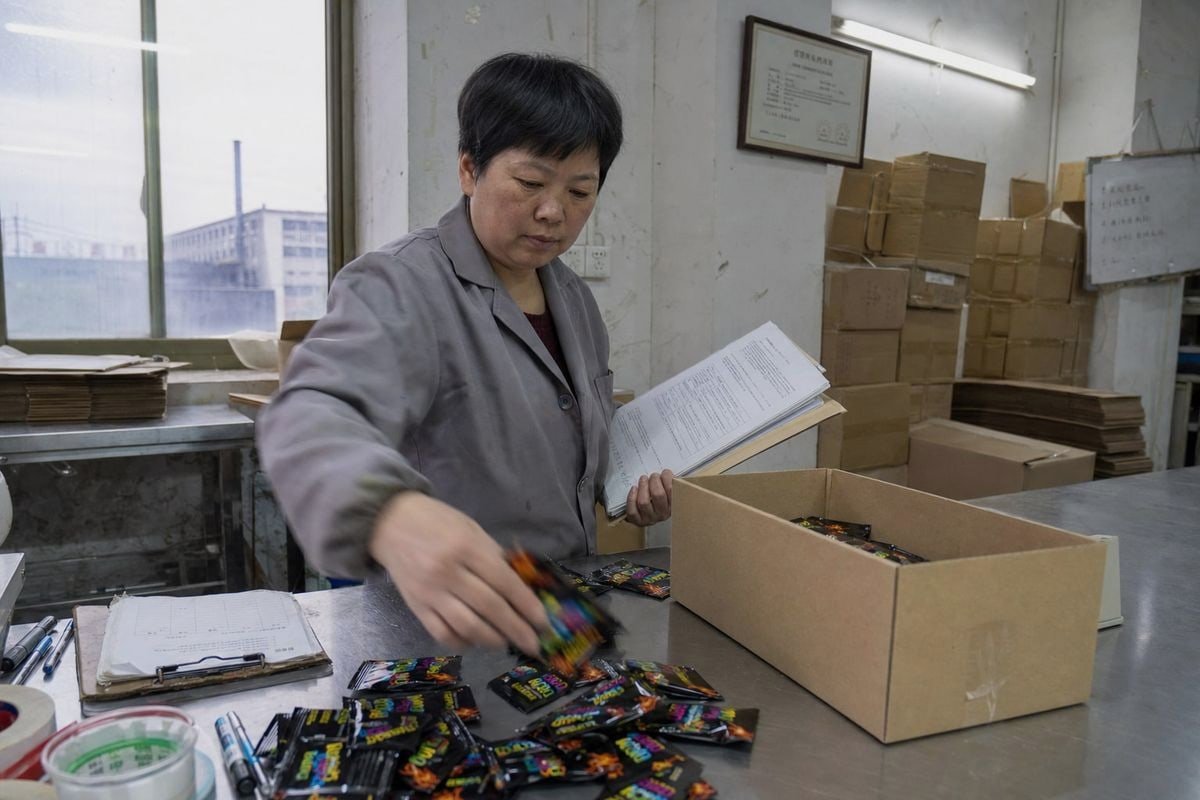
Brandschutzstandards für magisches Feuerpulver verwirren viele Importeure. Ich habe beobachtet, wie Käufer ganze Sendungen am Zoll verloren haben, weil die Compliance-Regeln unserer Branche vor der Auftragserteilung missverstanden wurden.
Magisches Feuerpulver muss die Standards erfüllen, die seiner tatsächlichen chemischen Identität und seinem Anwendungsfall entsprechen: GHS-Gefahrenklassifizierung mit einem konformen Sicherheitsdatenblatt, REACH und CLP in der EU, FHSA und Kennzeichnungsvorschriften der Consumer Product Safety Commission in den USA, plus SGS- oder Intertek-Prüfberichte von Drittanbietern.
Es gibt keinen einzigen universellen Standard für diese Produkte. Die Einhaltung hängt davon ab, wo Sie verkaufen, wie Sie verpacken und was das Pulver enthält. Lassen Sie es mich für Sie aufschlüsseln.
Welche Zertifizierungen sollte ich vor dem Import von Magic Fire Pulver anfordern?
Ein deutscher Händler schickte unserem Team einmal eine einzeilige E-Mail: "Senden Sie alle Zertifikate." Wir schickten ein vollständiges Compliance-Paket, und diese Bestellung wurde zu einer fünfjährigen Partnerschaft. Dokumentation ist so wichtig.
Vor dem Importieren fordern Sie ein GHS-konformes Sicherheitsdatenblatt, SGS- oder Intertek-Prüfberichte über den Schwermetallgehalt und die Zusammensetzung, das ISO 9001-Zertifikat des Werks, einen BSCI-Sozialauditbericht, eine CE-Dokumentation, sofern zutreffend, und eine REACH-Konformitätsbestätigung für Sendungen in die Europäische Union an.

Das Zertifikatspaket ist Ihre erste Verteidigungslinie. Zollbeamte, Einzelhandelskäufer und Versicherer werden diese Dokumente zu verschiedenen Zeitpunkten anfordern. Wenn Ihr Lieferant bei einem davon zögert, betrachten Sie dies als Warnsignal. In unseren siebzehn Jahren des Exports von Farbfackelprodukten in mehr als dreißig Länder haben wir noch nie einen seriösen Einzelhandelskanal gesehen, der ein Produkt ohne Nachweis von Drittanbietern akzeptiert hat.
Die Kerndokumente, geordnet nach Wichtigkeit
| Dokument | Was es beweist | Wer danach fragt |
|---|---|---|
| Sicherheitsdatenblatt (GHS-Format) | Chemische Gefahrenkommunikation, Inhaltsstoffe, Handhabung | Zoll, Einzelhändler, Versicherer |
| SGS / Intertek Prüfbericht | Grenzwerte für Schwermetalltoxizität, Zusammensetzungsprüfung | Einzelhandels-Beschaffungsteams |
| ISO 9001 Zertifikat | Die Fabrik betreibt ein echtes Qualitätsmanagementsystem | Importeure, Prüfer |
| BSCI Auditbericht | Ethische Produktionsbedingungen | Große Einzelhandelsketten |
| REACH-Konformitätserklärung | Chemikalien sind in der EU registriert oder ausgenommen | EU-Importeure |
| CE-Dokumentation | Konformität für anwendbare Produktkategorien | Kostenkategorie Marktüberwachungsbehörden. In unseren über siebzehn Jahren des Exports in über dreißig Länder haben wir gelernt, dass Käufer, die Drittberichte im Voraus anfordern, fast alle nachgelagerten Streitigkeiten vermeiden. Überprüfen Sie das Berichtsdatum, den genauen getesteten Produktnamen und ob die getestete Formel mit der Charge übereinstimmt, die Sie kaufen. Ein alter Bericht über eine andere Formel schützt niemanden. Bestätigen Sie auch, dass die Zertifikatsnummern direkt bei der ausstellenden Stelle überprüfbar sind – gefälschte Zertifikate kursieren in dieser Kategorie. 1 |
Warum das SDB an erster Stelle steht
Das Sicherheitsdatenblatt treibt alles andere an. Es gibt die GHS-Gefahrenklassifizierung 2, Löschmittel, Lagerungsvorschriften und Erste-Hilfe-Maßnahmen an. Ein vages oder kopiertes SDB sagt Ihnen, dass der Lieferant sein eigenes Produkt nie getestet hat. Fragen Sie nach einem, das die tatsächlichen Metallsalze 3 verwendet, da Kupfer und andere Farbstoffe in den meisten Märkten strengen Grenzwerten unterliegen.
Ein weiterer Tipp von unserer Exportabteilung: Testberichte anfordern datiert innerhalb der letzten zwölf Monate. Alte Berichte spiegeln möglicherweise nicht die aktuellen Formulierungen wider, und Einzelhandelsprüfer überprüfen die Daten.
Welche Brandschutzprüfungen bestätigen, dass das Produkt für den Einzelhandelsverkauf sicher ist?
Wenn wir eine neue Magic Fire-Formulierung auf unserer Produktionslinie in Ningbo kalibrieren, beginnen die Tests lange vor dem Verpackungsdesign. Einzelhandelskäufer verlangen zu Recht Nachweise, keine Versprechungen, für jede Charge.
Einzelhandelsfertiges magisches Feuerpulver sollte Schwermetallgehaltstests, Entflammbarkeits- und Brandverhaltensprüfungen, GHS-Gefahrenklassifizierungsprüfung, Verbrennungsproduktanalyse und Prüfungen der Verpackungsintegrität bestehen. Labore von Drittanbietern wie SGS oder Intertek müssen die Berichte für die Akzeptanz im Einzelhandel ausstellen.
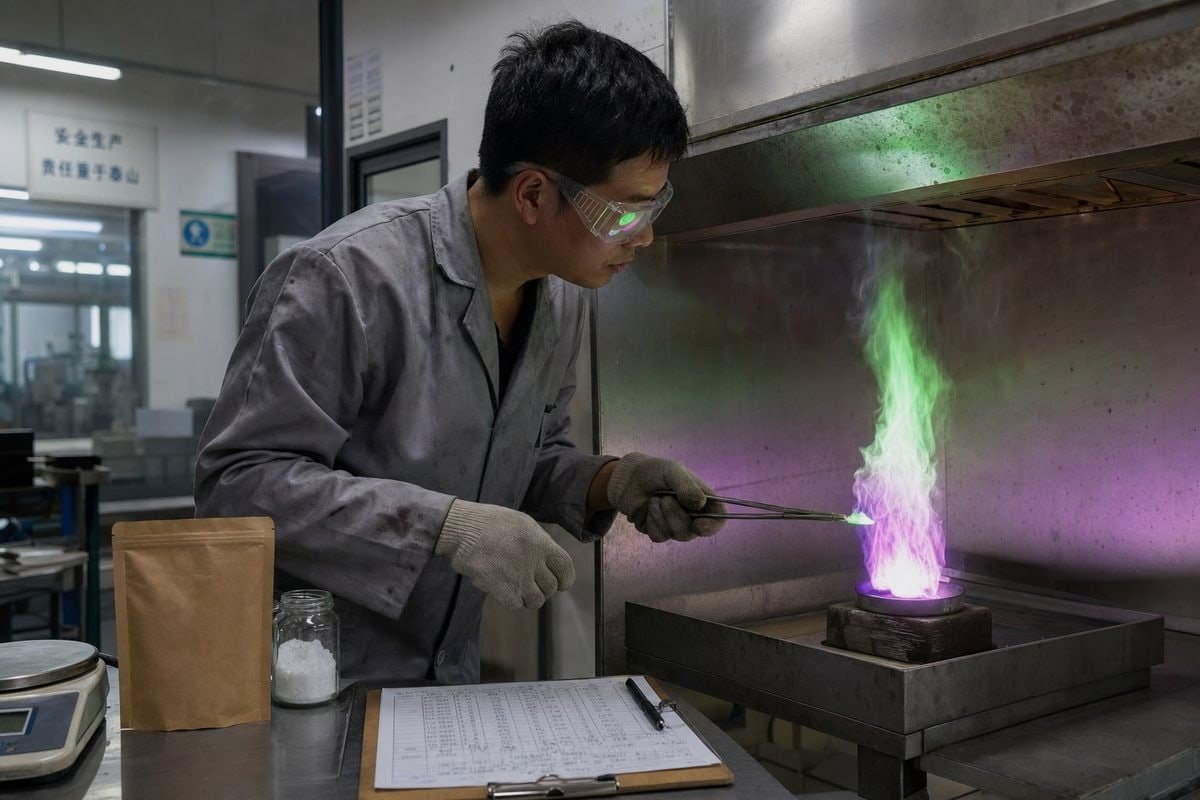
Tests lassen sich in zwei Kategorien einteilen: Was das Pulver enthält und wie es sich im Brandfall verhält. Beides ist wichtig, aber Käufer konzentrieren sich oft nur auf das erste und vergessen das zweite. Lassen Sie mich den vollständigen Testumfang aufschlüsseln, damit Sie Ihr Labor korrekt einweisen können.
Zusammensetzungs- und Toxizitätstests
Schwermetalltoxizität ist der größte Ausschlussgrund. Labore prüfen Blei, Cadmium, Quecksilber, Chrom und Arsen gegen Grenzwerte für Verbraucherprodukte. Unsere eigenen Formulierungen verwenden umweltfreundliche Metallsalze, gerade weil Einzelhandelskanäle in den USA und Deutschland alles ablehnen, was dem Grenzwert nahekommt. Auch Verbrennungsprodukte werden getestet. Ein Pulver kann in der Tüte sauber sein, aber beim Verbrennen problematische Dämpfe freisetzen, daher Inhalationssicherheit im Brandfall ist Teil einer ordnungsgemäßen Bewertung.
Verhaltens- und Leistungstests
| Test | Was es prüft | Warum Einzelhändler sich darum kümmern |
|---|---|---|
| Entflammbarkeitsklassifizierung | Ob das Pulver selbst leicht entzündlich ist | Bestimmt die Versandklasse und den Regalplatz |
| Brandverhalten | Flammenfarbe, Dauer, Funken- oder Fackelrisiko | Bestätigt Marketingaussagen und Benutzersicherheit |
| Verpackungsintegrität | Siegelstärke, Feuchtigkeitssperre, Berstrisiko | Verhindert Lecks und Verklumpungen beim Transport |
| Toxikologische Bewertung | Bewertung chronischer Gefahren gemäß ASTM International Standards, wie z. B. ASTM D-4236 Grundsätze für chemische Verbraucherprodukte | Erforderlich für ordnungsgemäße Warnhinweise |
Eine häufige Verwechslung, die geklärt werden sollte
Ein SDB kann empfehlen, ein Feuer, das das Produkt betrifft, mit Wassersprühnebel, Schaum oder CO2 zu löschen. Diese Brandbekämpfungsanleitung ist keine Produktzertifizierung. Sie beschreibt die Notfallreaktion, nicht die getestete Leistung. Wir erklären diesen Unterschied oft neuen Käufern, da die Vermischung der beiden zu falschen Angaben auf der Verpackung führt.
Wie unterscheiden sich die Compliance-Anforderungen zwischen den USA, der EU und anderen Märkten?
Das Versenden derselben Sachet nach Texas und nach Rotterdam bedeutet die Vorbereitung zweier verschiedener Compliance-Dateien. Dies haben wir früh gelernt, und unser Exportteam erstellt jetzt marktspezifische Dokumentationen für jedes Ziel.
In den USA fällt magisches Feuerpulver unter die Kennzeichnungspflicht der FHSA, die Aufsicht der Consumer Product Safety Commission und die Gefahrenkommunikation der OSHA. In der EU regeln REACH und CLP die chemische Registrierung und Kennzeichnung. Andere Märkte folgen in der Regel GHS-basierten nationalen Vorschriften sowie lokalen Brandschutzbestimmungen.
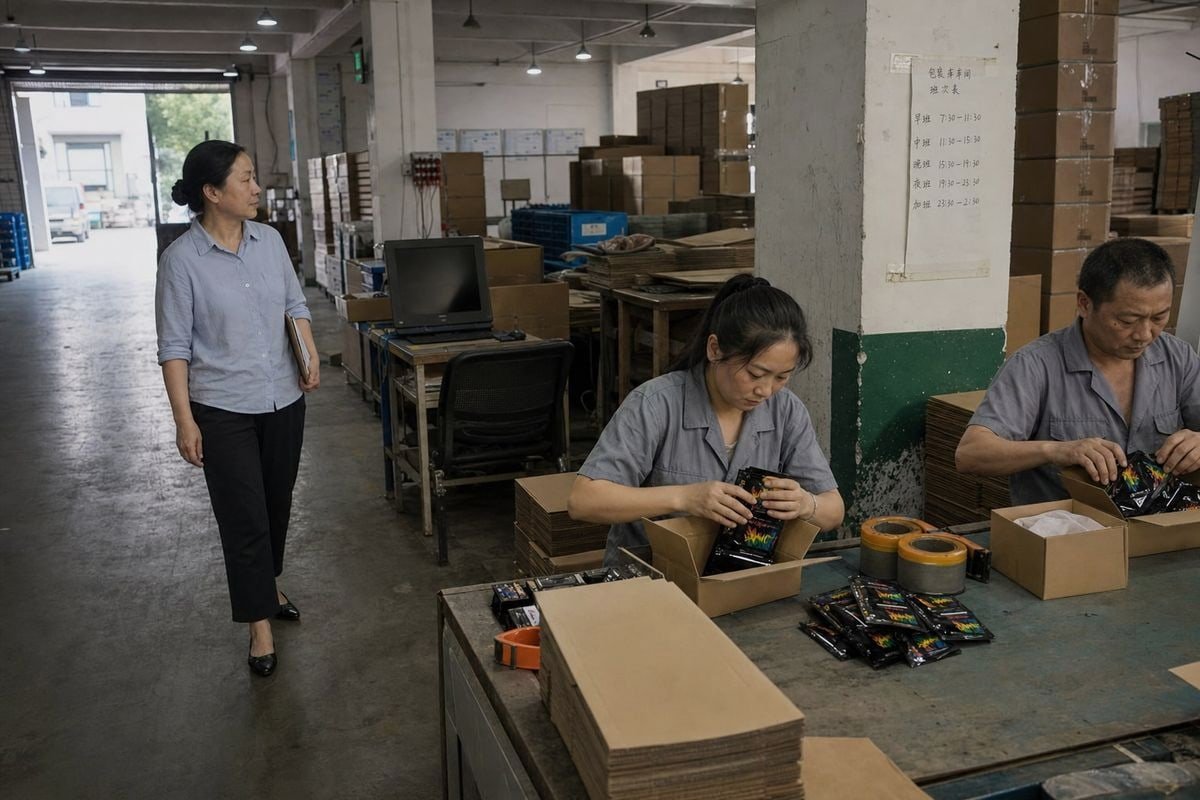
Hier ist das Bild Markt für Markt im Überblick:
| Region | Schlüsselvorschriften | Kennzeichnungsanforderungen | Anmerkungen |
|---|---|---|---|
| Vereinigte Staaten | FHSA, CPSC-Richtlinien, OSHA HazCom | Warnhinweise, Signalwörter, Erste-Hilfe-Text | LHAMA gilt, wenn für Bastel- oder Hobbyzwecke vermarktet |
| Europäische Union | REACH, CLP | GHS-Piktogramme, Gefahren- und Sicherheitshinweise in Landessprachen | Importeur trägt REACH-Verpflichtungen |
| Vereinigtes Königreich | UK REACH, GB CLP | Ähnlich wie EU mit britisch-spezifischer Registrierung | Langsame Abweichung von EU-Regeln |
| Kanada / Australien | GHS-konforme nationale Systeme | Zweisprachige Etiketten in Kanada | Akzeptiert im Allgemeinen EU/US-Testdaten |
| Naher Osten / Brasilien | GHS-Einführung in Arbeit | Arabische oder portugiesische Kennzeichnung oft erforderlich | Konformitätszertifikate können bei der Einfuhr erforderlich sein |
Der US-Schichtkuchen
Amerikanische Compliance stapelt mehrere Gesetze. Der Federal Hazardous Substances Act legt Kennzeichnungspflichten 4 für Reizstoffe und giftige Substanzen. Die Consumer Product Safety Commission hat die allgemeine Befugnis zu handeln, wenn ein Produkt ein unangemessenes Brand- oder Verletzungsrisiko darstellt. OSHA's Gefahrenkommunikationsstandard 5 regelt das SDS-Format für die Handhabung am Arbeitsplatz. Produkte werden normalerweise nicht als Feuerwerkskörper eingestuft, aber Sie müssen dies mit Ihrer Formulierung bestätigen, da die Antwort Versand- und bundesstaatliche Regeln ändert.
Der EU-chemikalienorientierte Ansatz
Europa reguliert die Chemie selbst. REACH-Konformität bedeutet, dass jede Substanz im Pulver bei Ihrem Importvolumen registriert oder ausgenommen ist. CLP diktiert die Piktogramme und Phrasen 6 auf der Verpackung. Aus unserer Erfahrung im Vertrieb nach Deutschland, Frankreich und den Niederlanden prüft die EU-Marktüberwachung Etiketten weitaus aggressiver als der US-Zoll. Übersetzungsqualität ist ebenfalls wichtig; eine Gefahrenphrase nur auf Englisch wird eine niederländische Regalprüfung nicht bestehen.
Lokale Brandschutzvorschriften und Nutzungsbeschränkungen
Über Produktregeln hinaus schränken lokale Vorschriften ein, wo Zusatzstoffe verwendet werden dürfen. Einige Parks, Campingplätze und Pfadfinderprogramme verbieten Chemikalien oder Farbwechsler in Lagerfeuern. Staubexplosionsregeln gelten in Gebäuden, in denen Pulver in großen Mengen umgepackt wird. Kluge Marken drucken klare Nutzungshinweise, damit der Endverbraucher die lokalen Regeln einhält.
Welche Dokumentation sollte mein Lieferant vorlegen, um die laufende Qualitätskontrolle nachzuweisen?
Ein kanadischer Käufer stellte mir einmal eine scharfe Frage: "Ihre Probe war perfekt, aber was garantiert, dass Charge fünf wie Charge eins aussieht?" Diese Frage ist genau die richtige.
Ihr Lieferant sollte chargenbezogene QC-Aufzeichnungen, Analysenzertifikate pro Produktionslauf, ein ISO 9001-Zertifikat mit aktuellen Prüfdaten, Rückverfolgbarkeitsdokumente für Rohmaterialien, aktualisierte SDS-Überarbeitungen, eine Bestätigung der Richtlinie für zurückgestellte Proben und regelmäßige externe Wiederholungsprüfberichte von SGS oder Intertek bereitstellen.

Eine einmalige Zertifizierung besagt, dass das Produkt einen Test bestanden hat. Laufende Qualitätsdokumentation besagt, dass die Fabrik dieses Ergebnis jeden Monat über Jahre hinweg wiederholen kann. Dies sind sehr unterschiedliche Zusicherungen, und die zweite schützt Ihre Marke lange nach der Testbestellung.
Die Checkliste für laufende Dokumentation
Bitten Sie Ihren Lieferanten, sich im Kaufvertrag zu diesen Liefergegenständen zu verpflichten:
- Analysenzertifikat für jede Charge, das die Zusammensetzung und Feuchtigkeitskontrolle abdeckt, da feuchtes Pulver verklumpt und ungleichmäßig verbrennt.
- Chargennummern auf Einzelhandelsverpackungen, die jeden Beutel mit den Produktionsaufzeichnungen verknüpfen.
- Rückverfolgbarkeit der Rohmaterialien, die zeigt, welche Lieferantencharge Metallsalze in welche Fertigcharge gelangte.
- Jährliche externe Wiederholungstests, damit Ihre Compliance-Datei niemals auf veralteten Berichten beruht.
- SDS-Revisionskontrolle mit Benachrichtigung, wenn sich eine Formulierung oder Klassifizierung gemäß den GHS-Gefahrenklassifizierungsregeln ändert.
- Umweltdokumentation, wo erforderlich, da einige Käufer jetzt eine Umweltverträglichkeitsprüfung für Ascherückstände und die Entsorgung von Verpackungen verlangen.
Warum die Fabriktiefe hier wichtig ist
Handelsunternehmen können Zertifikate weiterleiten, aber sie können die Chargenkonstanz nicht kontrollieren, da sie die Produktionslinie nicht betreiben. In unserer Anlage bewahren wir zurückbehaltene Proben 7 von jeder Charge auf und verbrennen sie gegen die ursprünglich genehmigte Probe. Diese Disziplin ist der Grund, warum unsere erste Probe zuverlässig die Massenproduktionsqualität widerspiegelt. Wenn Sie einen potenziellen Lieferanten prüfen, bitten Sie darum, das Regal mit den zurückbehaltenen Mustern zu sehen. Eine Fabrik, die keine zeigen kann, rät bei der Konsistenz.
Überprüfen Sie auch, ob Private-Label-Materialien, Warnhinweise und Barcodes dieselbe Dokumentenkontrolle durchlaufen. Ein konformes Pulver in einem nicht konformen bedruckten Beutel scheitert immer noch im Einzelhandel.
Schlussfolgerung
Die Compliance für magisches Feuerpulver ist eine Karte, kein einzelner Standard. Passen Sie das SDS, die Marktregeln und die Chargendokumentation an Ihr Ziel an und wählen Sie eine Fabrik, die Konsistenz beweist, nicht nur Zertifikate.
Fußnoten
Seite der Europäischen Kommission, die erklärt, wie die Marktüberwachung sicherstellt, dass Produkte in der EU Sicherheitsanforderungen erfüllen. ↩︎
Offizielle OSHA-Landingpage für Gefahrenkommunikation und GHS-Klassifizierungskriterien. ↩︎
Hochrelevante Wikipedia-Seite, die die spezifischen Metallsalze erklärt, die zur Erzeugung farbiger Flammen verwendet werden. ↩︎
CPSC-Leitfaden zu Kennzeichnungspflichten für gefährliche Haushaltssubstanzen gemäß FHSA. ↩︎
OSCHAs Hauptseite für den Hazard Communication Standard, die Anforderungen an chemische Sicherheitsinformationen detailliert. ↩︎
Offizielle ECHA-Erklärung der CLP-Verordnung bezüglich chemischer Piktogramme und Gefahrenhinweise. ↩︎
Maßgebliche Wikipedia-Seite über die industrielle Praxis der Probenahme und Qualitätsbewahrung. ↩︎


 English
  Spanish
  German
  French
  Arabic
  Portuguese
Diskutieren Sie mit