






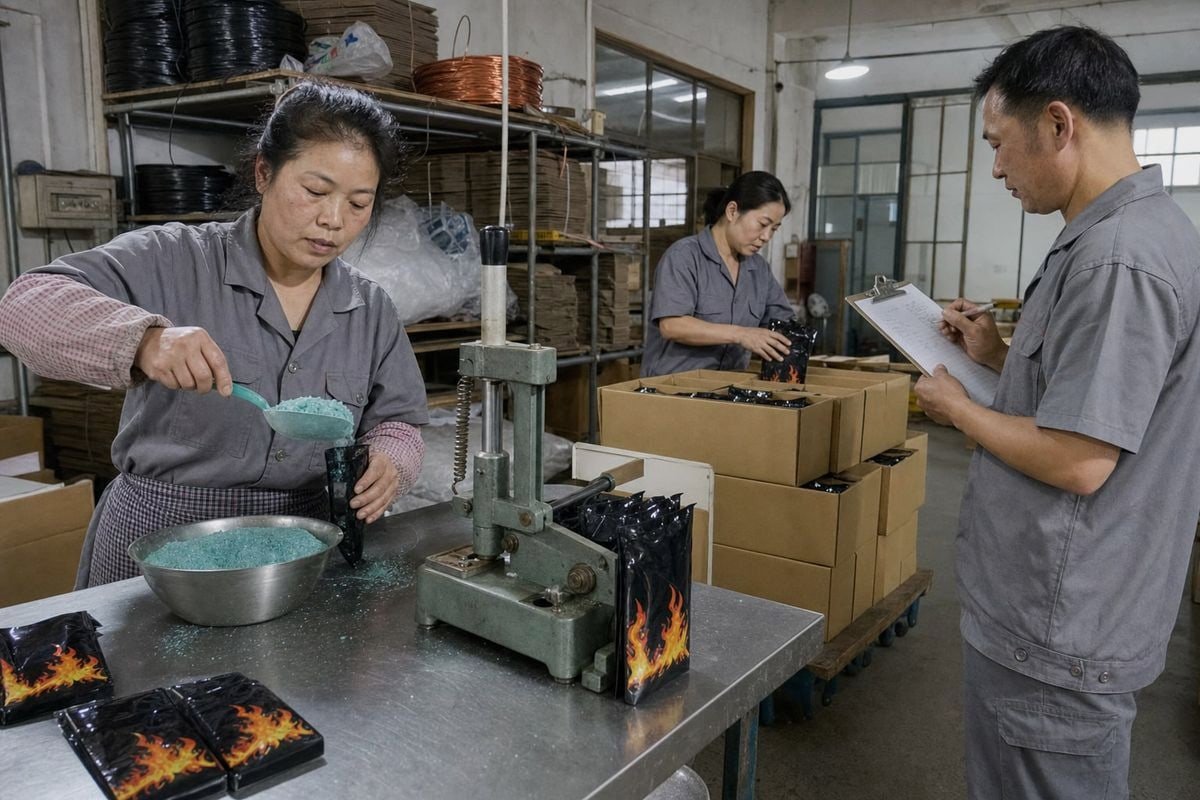
Finding reliable Magic Fire powder suppliers from China is harder than it looks. On our Liuyang production line, we constantly meet buyers burned by traders posing as factories.
Reliable Magic Fire powder suppliers from China are best found through verified B2B platforms like Alibaba and Made-in-China, trade shows such as the Canton Fair, customs export data, and industry referrals — then confirmed through certifications, factory audits, and sample testing before ordering.
No single channel is enough on its own. The smart approach is to stack several channels together, shortlist candidates, and then verify each one hard. Let me walk you through how that works in practice.
What certifications should I check before trusting a Magic Fire powder supplier I find online?
Ein deutscher Händler hat uns einmal nach unserem gefragt SGS-Bericht 1 before he would even discuss pricing. That request made sense. In our 17+ years exporting fire products, certification questions come first from every serious buyer.
Before trusting a Magic Fire powder supplier online, check for ISO 9001 quality certification, SGS or Intertek third-party test reports, MSDS/SDS chemical safety documents, CE compliance for European markets, BSCI social audits, and valid export qualifications for combustible products.
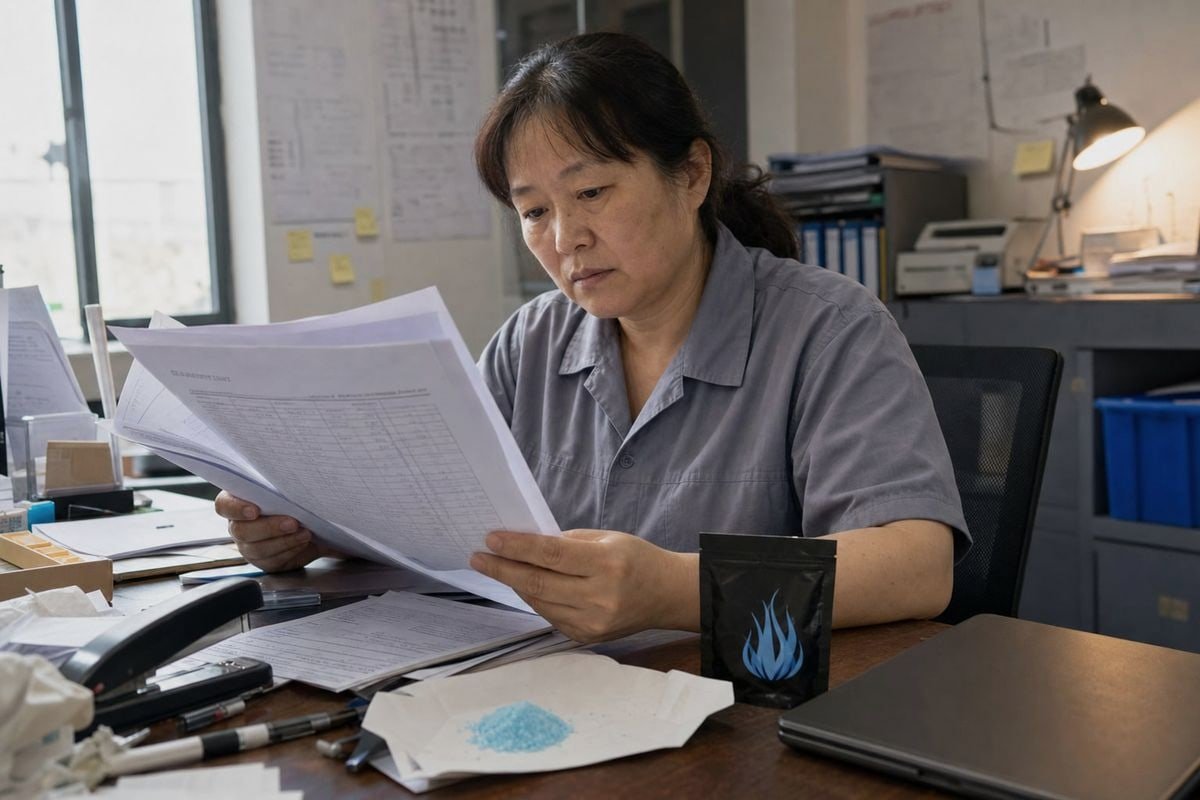
Certifications separate real manufacturers from opportunistic traders faster than any other single check. A trader reselling powder from an unknown workshop usually cannot produce a full document set. A real factory can. At our plant in Ningbo, we keep ISO 9001, BSCI, CE, and SGS/Intertek documentation on file precisely because buyers in the US and Europe treat these as hard requirements, not nice-to-haves.
The core document set to request
Here is what each document actually proves, and why it matters for a fire-related product:
| Dokument | Was es beweist | Why it matters for Magic Fire powder |
|---|---|---|
| ISO 9001 | Qualitätsmanagementsystem vorhanden | Batch-to-batch consistency of color and burn time |
| SGS / Intertek Prüfbericht | Independent lab verified the product | Confirms no harmful chemicals in the formula |
| SDB / SDS | Chemische Zusammensetzung und Handhabungsdaten | Required by customs and freight forwarders |
| CE-Konformität | Erfüllt die EU-Sicherheitsrichtlinien | Mandatory for selling into Europe |
| BSCI-Audit | Ethische Fabrikbedingungen | Required by many large retail chains |
| Export license for the category | Legal right to ship the product class | Prevents customs seizures at origin |
How to spot fake or borrowed certificates
Ask for the certificate number and verify it directly with the issuing body. SGS and Intertek both allow verification. Also check that the company name on the certificate matches the company you are negotiating with. Traders often show a factory's certificate as if it were their own. If the names do not match, ask why. A legitimate supplier will explain the relationship clearly. An unreliable one will get vague. Finally, check the certificate date. Test reports older than two or three years may not reflect the current formula or production process.
Can trade shows or B2B platforms like Canton Fair and Alibaba lead me to verified manufacturers?
Every year, our booth conversations at trade fairs produce our strongest long-term accounts. Buyers who meet us face to face, touch the color-flame packets, and see live demo photos move to orders far faster than cold online inquiries.
Yes. The Canton Fair and platforms like Alibaba and Made-in-China are the two strongest discovery channels for verified Magic Fire powder manufacturers. Trade shows offer face-to-face vetting and live samples, while B2B platforms provide verification badges, trading history, and audited-supplier status for early filtering.
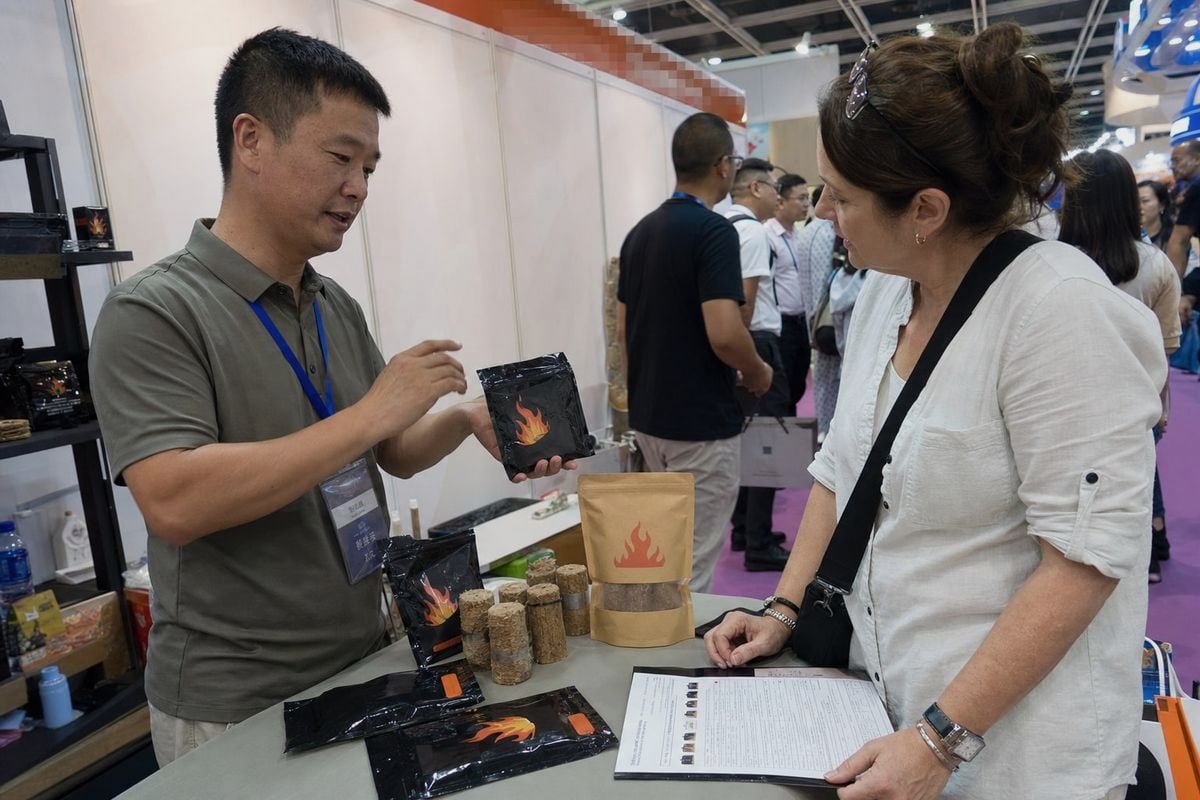
Each channel does a different job, and smart buyers use both. Online platforms are for building a wide shortlist quickly. Trade shows 2 are for building trust with the few suppliers who survive that shortlist. Here is how the main options compare:
| Kanal | Am besten für | Key trust signals | Hauptschwäche |
|---|---|---|---|
| Alibaba 3 | Fast discovery, low-MOQ trial orders | Years on platform, Trade Assurance, onsite verification | Traders mixed in with factories |
| Made-in-China 4 | Comparing many factories at once | Audited Supplier, Diamond Member, Secured Trading | Listing quality varies widely |
| Canton Fair | Face-to-face vetting, sample inspection | Physical presence, real staff, live products | Time and travel cost |
| Niche outdoor/camping shows | Category-specific manufacturers | Product depth on display | Fewer fire-powder exhibitors |
How to work each platform properly
On Alibaba, filter for verified manufacturers with several years on the platform, then read the company profile, not just the product page. Look at reorder rates and transaction history where visible. On Made-in-China, prioritize suppliers carrying the Audited Supplier badge, because a third party has visited the site. At trade shows, ask exhibitors direct factory questions: where is production located, how many lines run, and who handles export documentation. A trader stumbles on these questions. A factory answers instantly. One more tip from our side of the table: search adjacent keywords too. Many suppliers list this product as color flame powder, mystical fire powder, or campfire powder rather than the exact phrase Magic Fire powder. Searching by use case widens your shortlist significantly.
How do I verify a Chinese factory's production capacity before placing a trial order?
The most memorable audit we hosted lasted two full days. A US retail buyer's inspection team checked our mixing equipment, sealing lines, warehouse, and batch records before approving a trial order. We welcomed it, because real capacity holds up under scrutiny.
Verify production capacity by requesting a video factory tour, commissioning a third-party audit from SGS or Bureau Veritas, cross-checking export records on customs data platforms like ImportGenius or Panjiva, and reviewing batch QC records, equipment lists, and monthly output figures in writing.
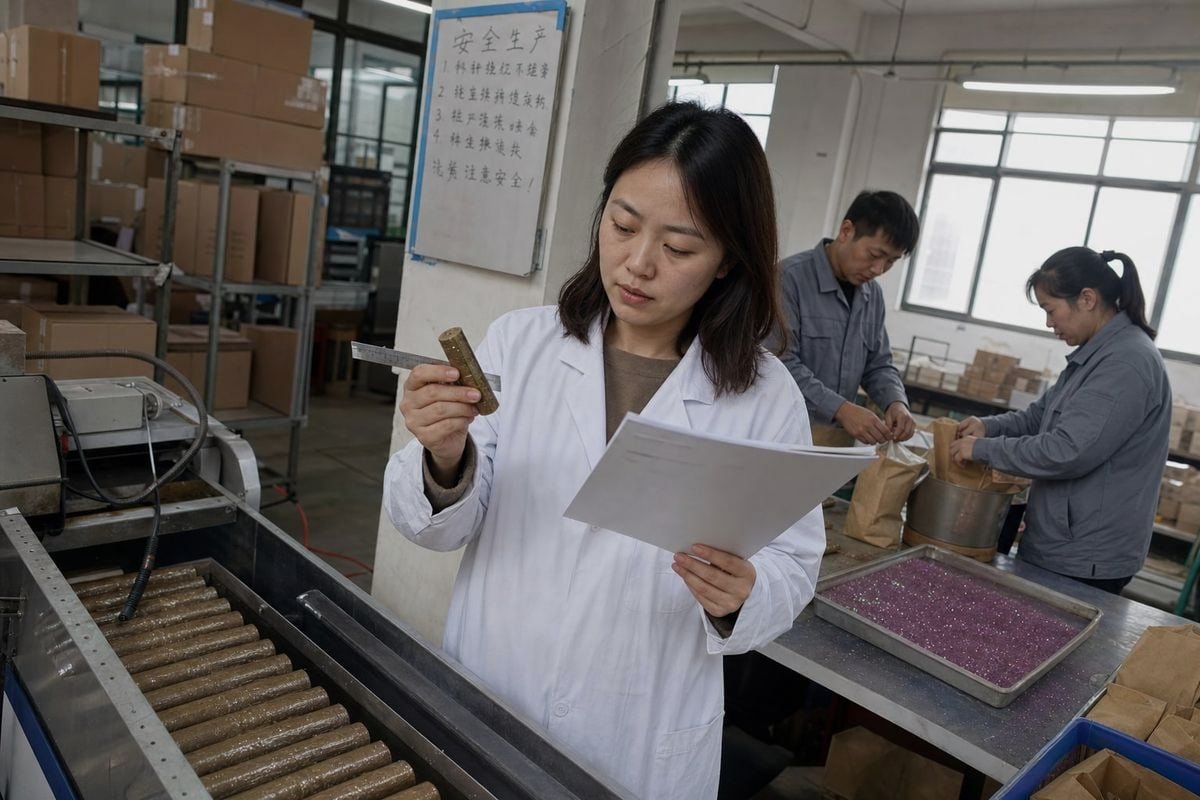
Capacity verification matters because the biggest sourcing failures are not about price. They happen when a small workshop or a trading company accepts an order it cannot actually produce. Lead times slip. Quality drifts between batches. Your retail launch date dies. Here is a practical sequence I recommend, based on what serious buyers do when they vet us.
Ein schrittweiser Verifizierungsprozess
- Request a live video tour. Ask the supplier to walk through the production floor on a video call, in real time. Pre-recorded videos can be borrowed. Live ones cannot.
- Überprüfen Sie die Geschäftslizenz. Confirm the registered business scope covers manufacturing, not just trading. The Chinese business license states this clearly.
- Pull customs export data. Platforms like ImportGenius and Panjiva 5 show real shipment records. If a "factory" shows zero export history under its own name, be cautious.
- Commission a third-party audit. SGS, Bureau Veritas, and similar firms will visit the site, count production lines, photograph equipment, and interview QC staff for a modest fee.
- Ask for batch QC records. A real factory keeps written records of burn-time tests, color consistency checks, and sealing integrity per batch. Ask to see samples of these records.
- Test the trial-order sample against the audit. The first sample should reflect mass-production quality. If a factory hand-makes a golden sample that its lines cannot replicate, batch records will expose the gap.
One honest caveat: verification costs time and a few hundred dollars. But compared to a seized container or a failed product launch, it is the cheapest insurance you will ever buy.
What questions should I ask suppliers to confirm they support private-label and OEM packaging?
Private-label work 6 is where we spend most of our development hours. Last year, our team built custom kraft-bag packaging, barcodes, and multilingual warning labels for a European camping brand — all before their first container shipped.
Ask whether the supplier offers full private-label branding, custom packaging formats like sachets, kraft bags, jars, and display boxes, custom warning labels and barcodes, artwork design support, minimum order quantities per custom SKU, and hazmat-compliant packaging for international shipping.
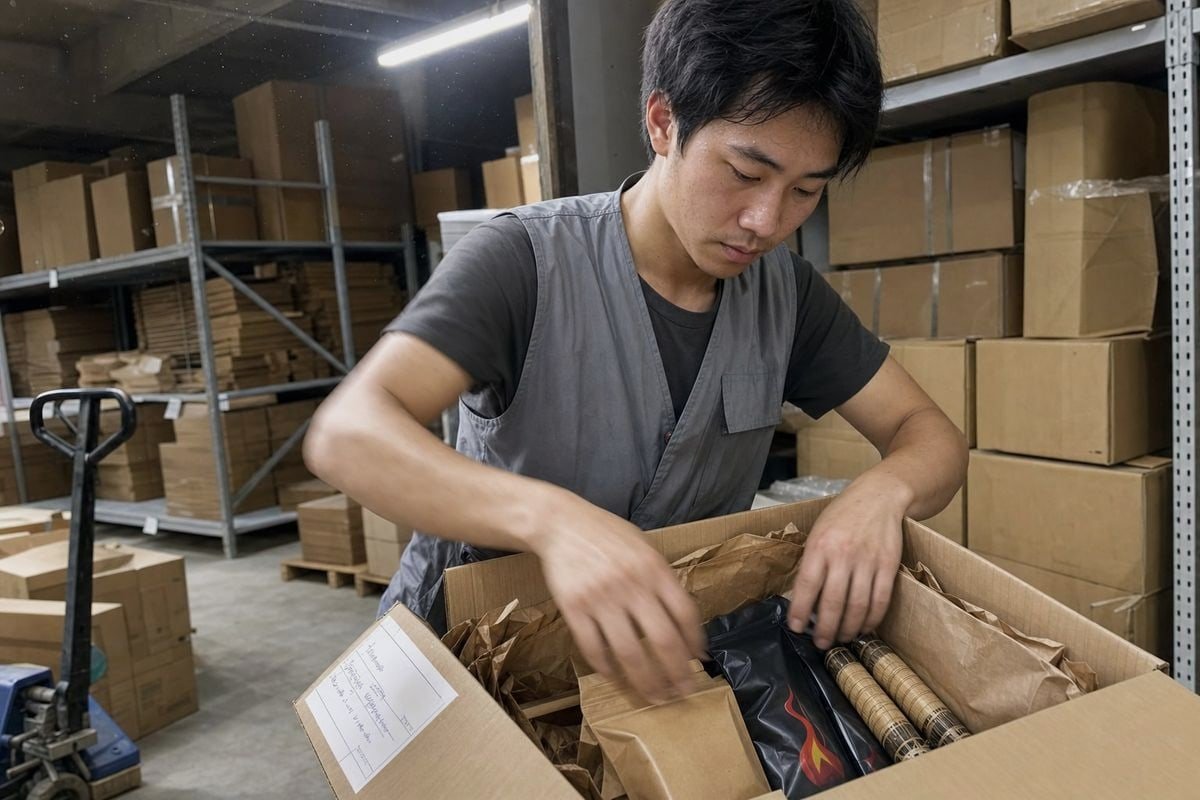
Not every supplier that says "OEM available" actually means it. Some can only print your logo on a stock pouch. Others, like our factory, can adjust the formula, burn time, sachet size, packaging format, and full retail presentation. The questions you ask reveal which type you are talking to.
The questions that separate real OEM partners from label printers
| Frage zu stellen | Wie eine starke Antwort klingt | Red flag answer |
|---|---|---|
| What packaging formats can you produce? | Sachets, kraft stand-up pouches, plastic jars, retail display boxes | Only one stock pouch style |
| Can you customize burn time and packet size? | Yes, formula and fill weight are adjustable | Only the standard product |
| Do you handle warning labels and barcodes? | Yes, compliant labels for your target market | You supply everything print-ready |
| What is the MOQ for a custom SKU? | A clear number, with trial-order flexibility | Vague or extremely high MOQ |
| Can you provide dielines and artwork support? | Yes, with in-house design assistance | No design capability |
| Is your packaging compliant for hazmat shipping? | Yes, with proper documentation for sea/air freight | No clear answer |
Why packaging compliance is the hidden dealbreaker
Fire-related powders face shipping restrictions 7 that generic suppliers routinely underestimate. Ask directly how the supplier packages goods for sea freight, what documentation travels with the shipment, and whether they have shipped to your specific country before. In our experience exporting to the US, Germany, the UK, and thirty other markets, logistics knowledge is as important as product quality. A beautiful custom box means nothing if customs holds the container. Also ask about label regulations in your market. Warning text requirements differ between the US and the EU, and a supplier with real export experience will know this without prompting. Finally, request a pre-production sample of the finished packaged product — not just the powder — so you approve exactly what will sit on your shelf.
Schlussfolgerung
Sourcing Magic Fire powder from China fails when buyers trust one channel blindly. Stack platforms, trade shows, and audits — then verify certifications, capacity, and OEM depth before committing.
Fußnoten
1. SGS is a major third-party inspection body buyers rely on for verification. ↩︎
2. Canton Fair is the flagship trade show for vetting Chinese manufacturers face-to-face. ↩︎
3. Alibaba is a leading B2B platform for discovering and filtering verified Chinese suppliers. ↩︎
4. Made-in-China provides Audited Supplier badges useful for verifying manufacturer legitimacy. ↩︎
5. These customs data platforms let buyers verify real export shipment history. ↩︎
6. Background on private label manufacturing helps buyers understand OEM sourcing options. ↩︎
7. Explains regulatory context for shipping combustible or hazardous powder products internationally. ↩︎
 English
  Spanish
  German
  French
  Arabic
  Portuguese
Diskutieren Sie mit