







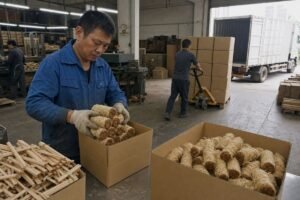
Magic fire powder combo kits sehen auf einem Regal einfach aus, aber auf unserem Produktionslinie 1 in Ningbo ist eine schlechte Verpackung der schnellste Weg, ein gutes Produkt zu ruinieren. Loses Pulver verklumpt, Siegel versagen, Etiketten verfehlen Konformitätskennzeichen – und plötzlich wird ein ganzer Container vom Zoll festgehalten oder von einem Einzelhändler zurückgeschickt. Nach über 17 Jahren Versand von Farbfackelprodukten in über 30 Länder kann ich Ihnen sagen, dass die Verpackung die halbe Miete ist.
Lieferanten verpacken magische Feuerpulver-Kombinationssets in drei Schichten: abgemessene Einweg-Pulverportionen, versiegelt in feuchtigkeitsbeständigen Folien- oder Kraftpapierbeuteln, gruppiert in bedruckten Einzelhandels-Displayboxen oder Multipacks, dann in gekennzeichnete Masterkartons mit Warnhinweisen, Chargencodes und Konformitätsdokumentation für den Export verladen.
Das ist die kurze Antwort. Unten werde ich die Verpackungsoptionen, die Regeln für die Kennzeichnung von Konformität, Möglichkeiten für Eigenmarken sowie die MOQ- und Vorlaufzeitangaben durchgehen, die Sie einplanen sollten.
Welche Verpackungsoptionen kann ich für meine Magic Fire Powder Combo Kits wählen?
Ein deutscher Händler bat uns einmal, die gleichen Flammenfarbpulver-Päckchen in drei Formaten anzubieten – Folienbeutel, Kraftpapierbeutel und Glas – weil sein Kamin-Kanal und sein Camping-Kanal unterschiedliche Regaloptiken wünschten. Diese Anfrage ist häufiger, als Sie vielleicht denken.
Käufer können heißversiegelte Folien- oder Polyethylenbeutel, wiederverschließbare Kraft-Standbodenbeutel oder Plastikgläser als Primärverpackung wählen und diese dann zu bedruckten Verkaufsdisplay-Boxen, schrumpffolienverpackten Multipacks oder Blisterkarten kombinieren. Gängige Kombiformate reichen von 3er-Probierpackungen bis hin zu 25er- oder 50er-Vorteilspackungen.
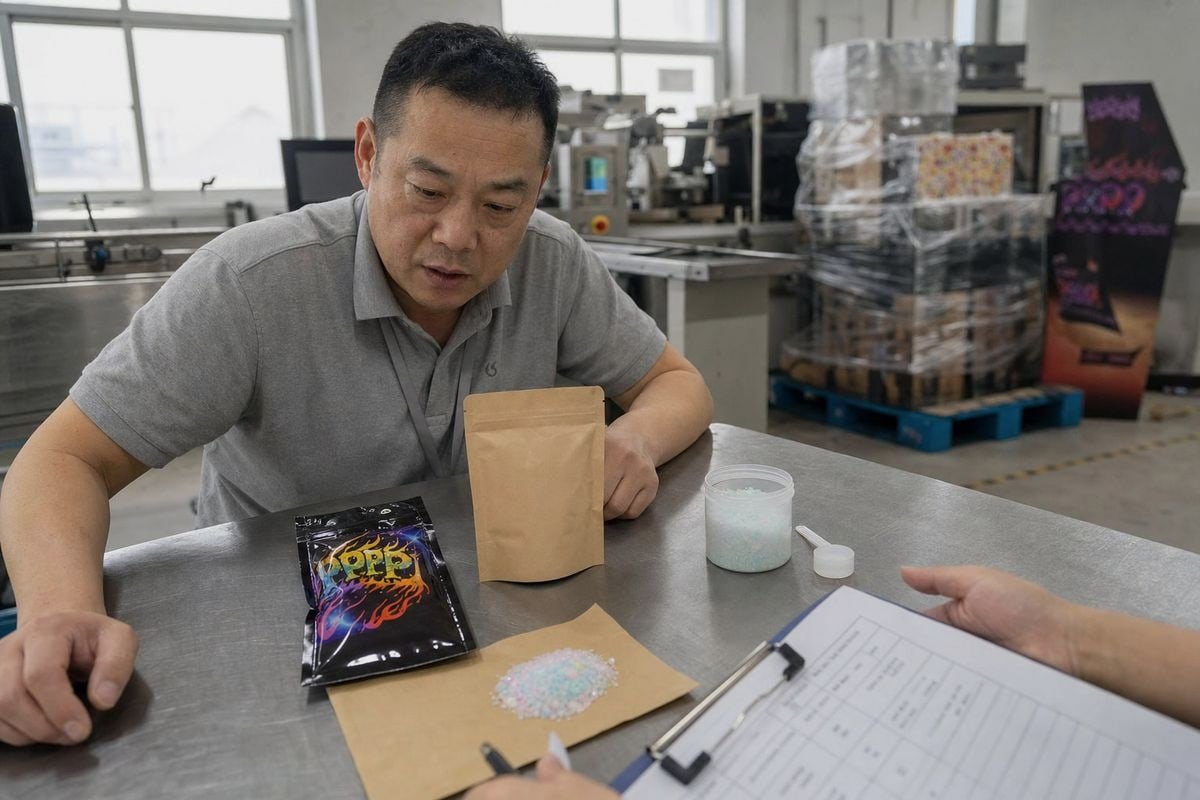
Die richtige Wahl hängt von Ihrem Vertriebskanal, Ihrem Klima und Ihrer Markengeschichte ab. Lassen Sie mich aufschlüsseln, was wir tatsächlich auf unseren Linien produzieren.
Die drei Verpackungsebenen
Jedes Combo-Kit, das wir produzieren, folgt der gleichen Logik. Die Primärverpackung enthält die Dosis. Die Sekundärverpackung verkauft das Produkt. Die Tertiärverpackung übersteht den Versandcontainer.
| Schicht | Formatoptionen | Hauptaufgabe |
|---|---|---|
| Primär | Hitzversiegelter Polyethylen- oder Folienbeutel (10g–30g), Kraftpapierbeutel, Kunststoffglas | Feuchtigkeitsgeschützte Versiegelung, Dosiskontrolle, Einweg-Sicherheit |
| Sekundär | Einzelhandels-Displaybox, Kraftpapier-Standbodenbeutel, Schrumpfverpackung, Blisterkarte | Attraktivität im Regal, Anweisungen, Warnungen, Barcode |
| Tertiär | Wellpapp-Masterkarton (z. B. 24 Schachteln pro Karton) | Exportschutz, Kartonmarkierungen, Chargencodes |
Auswahl Ihrer Primärverpackung
Das Pulver im Inneren ist hygroskopisch. Es zieht Feuchtigkeit aus der Luft. Wenn es verklumpt, schwächt sich der Flammeneffekt ab und die Verbraucher beschweren sich. Deshalb versiegeln wir jeden Beutel hitzebeständig und testen Dichtungsintegrität 2 pro Charge. Folienlaminat bietet die beste Barriere. Behandeltes Kraftpapier 3 bietet eine natürliche, umweltfreundliche Optik – ein großes Plus für europäische Outdoor-Marken – aber es benötigt eine Innenfolie oder Laminierung, um den Schutz von Folie zu erreichen.
Beutel lösen auch ein Sicherheitsproblem. Die Anweisung lautet: "Das ganze Päckchen ins Feuer werfen, nicht öffnen." Ein versiegeltes Einwegpäckchen bedeutet, dass der Verbraucher kein loses Pulver berührt. Gläser hingegen eignen sich für Kaminfeuer-Nutzer, die wiederholt streuen möchten, erfordern aber eine Schaufel, stärkere Warnungen und ein Trockenmittel.
Auswahl Ihrer Combo-Konfiguration
Multipacks dominieren diese Kategorie aus gutem Grund. Ein Päckchen färbt eine Feuersitzung. Camper wollen mehrere Sitzungen pro Reise. Daher produzieren wir typischerweise:
- 3er- oder 5er-Probierpackungen für Impulskäufe und E-Commerce-Tests
- 10er- oder 12er-Geschenkboxen für saisonale und Feiertagsprogramme
- 25er- und 50er-Wertpackungen für Vielnutzer und Großhandelskanäle
Eine beliebte Großhandelsanforderung, die wir produzieren, sind 25 Beutel pro Displaybox und 24 Boxen pro Masterkarton. Das ergibt eine saubere Stückzahl für die Palettenplanung. Unsere modulare Befüllungs- und Kartonierungsanlage ermöglicht es uns, schnell zwischen verschiedenen Kit-Konfigurationen zu wechseln, was wichtig ist, wenn Sie gleichzeitig über Amazon, den Fachhandel und große Einzelhandelsketten verkaufen.
Wie stelle ich sicher, dass meine Kombinationssets internationale Konformitäts- und Sicherheitskennzeichnungsstandards erfüllen?
Früh in unserer Exportgeschichte lag eine Sendung wochenlang in einem europäischen Hafen, weil die eigene Grafik eines Käufers eine erforderliche Warnlinie übersprungen hatte. Diese Lektion prägte, wie unser Compliance-Team heute jede Etikettendatei überprüft.
Konforme Kombi-Kits erfordern deutliche Warnhinweise gegen das Kochen über bunten Flammen, das Öffnen von Päckchen und das Einatmen von Rauch, plus Nettogewicht, Identifizierung der Inhaltsstoffe, Chargennummern und Angaben zum Importeur. Lieferanten müssen Sicherheitsdatenblätter, Testberichte von Drittanbietern und Zertifizierungen wie CE, SGS oder Intertek vor dem Versand bereitstellen.
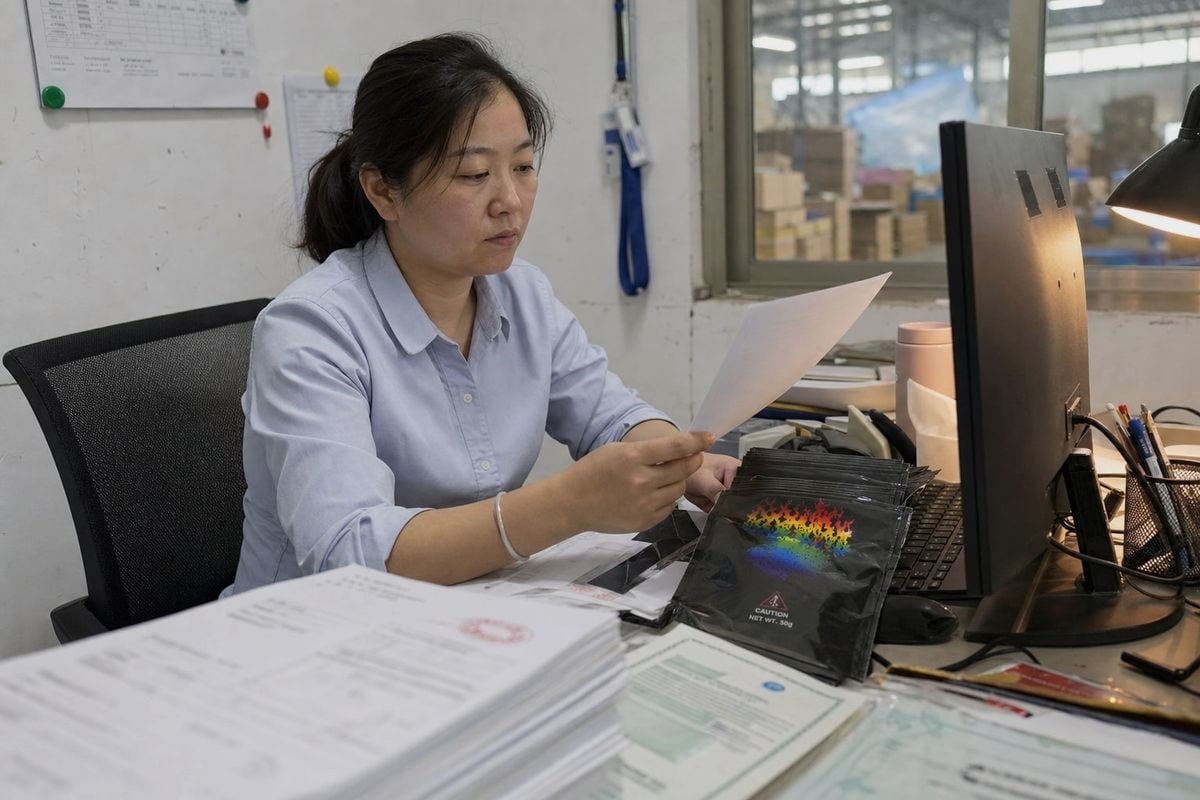
Konformität ist keine Dekoration. Für unsere Käufer in den USA, Deutschland, Großbritannien und Frankreich ist dies eine harte Anforderung, bevor überhaupt ein Kaufauftrag unterzeichnet wird. So strukturieren wir es.
Der Dokumentationsstapel
Ihre Zollmakler 4 und Ihr Einzelhandelskäufer werden beide nach Unterlagen fragen. Bereiten Sie sie vor der Produktion vor, nicht danach.
| Dokument | Wer verlangt es | Zweck |
|---|---|---|
| MSDS/SDS (Sicherheitsdatenblätter) | Spediteure, Zoll, Einzelhändler | Deklariert Zusammensetzung, Handhabung und Transportklassifizierung |
| Drittanbieter-Testberichte (SGS/Intertek) | Einzelhandelskäufer, Importeure | Bestätigt Sicherheitsaussagen und Schwermetallgrenzwerte |
| CE-Kennzeichnungsdatei | EU-Markt | Bestätigt die Konformität für den europäischen Markt |
| ISO 9001 / BSCI-Zertifikate | Einzelhandels-Sourcing-Audits | Beweist Qualitätssysteme und ethische Produktion |
| Chargenprotokolle | QC-Rückverfolgbarkeit | Verknüpft jeden Karton mit einer Produktionscharge |
Wir verfügen über ISO 9001, BSCI, CE und SGS/Intertek-Zertifizierungen, und ich kann aus Erfahrung sagen, dass große Beschaffungskanäle einen Lieferanten ohne diesen Stapel nicht in die engere Wahl ziehen werden.
Kennzeichnung auf der Verpackung, die die Prüfung besteht
Jede von uns gedruckte Verkaufseinheit trägt gut sichtbare Warnhinweise. Die wichtigsten sind:
- Kochen Sie keine Speisen und rösten Sie keine Marshmallows über farbigen Flammen.
- Öffnen Sie das Päckchen nicht; werfen Sie es ganz ins Feuer.
- Use only in outdoor fires, fireplaces, or fire pits with good ventilation.
- Keep away from children; this is not candy or a food product.
- Net weight, product name, batch code, and importer contact details.
Point four drives graphic design decisions too. The powder looks like pastel sugar crystals. So responsible packaging avoids food-style imagery 5, uses flame photography to signal the real use, and keeps warnings on the front panel, not hidden on a flap. Our lines apply batch coding automatically during cartonization, so any question from a market authority can be traced back to a specific production run within hours.
Some buyers worry that heavy warning text hurts shelf appeal. Our experience says the opposite: US and EU retailers now treat clear safety labeling as a listing requirement, and a clean warning panel signals professionalism to end consumers.
Kann ich benutzerdefinierte Branding- und Private-Label-Verpackungen für meine Kombinationskit-Bestellungen erhalten?
A UK camping brand came to us with nothing but a logo file and a mood board. Eight weeks later, they had shelf-ready combo kits under their own name. That project is a fair picture of what true one-stop OEM/ODM work looks like.
Ja. Direktlieferanten ab Werk bieten eine vollständige Lohnfertigung unter Eigenmarke an, einschließlich benutzerdefinierter Sachet-Grafiken, gebrandeter Einzelhandels-Displayboxen, maßgeschneiderter Kit-Anzahlen, benutzerdefinierter Brennzeiten und Paketgewichte, Barcodes, marktspezifischer Warnhinweise und sogar umweltfreundlicher Kraft- oder biobasierter Folienoptionen – alles unter Ihrem Markennamen produziert.
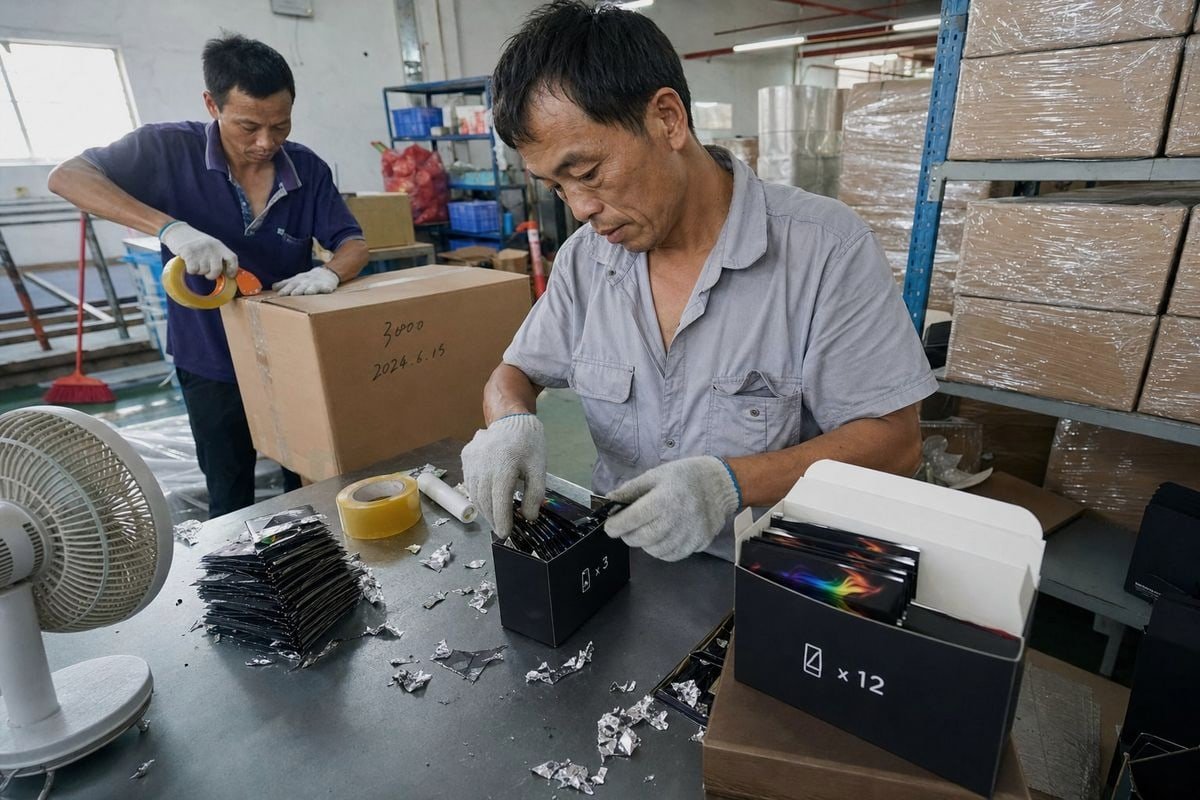
Private labeling in this category goes deeper than slapping a logo on a stock pouch. Because we run the complete production line ourselves — from bulk chemical processing and blending through automated pouch filling — every physical attribute of the kit is open to customization.
Was Sie anpassen können
Here is the practical menu we walk buyers through during development:
- Packet weight: 10g, 15g, 25g, or 30g portions, matched to your target burn duration and price point
- Primary material: glossy foil laminate, matte heat-sealed polyethylene, or lined kraft for a natural aesthetic
- Kit count: 3, 5, 10, 12, 25, or 50 packets per retail unit
- Secondary format: flip-top retail display boxes, resealable kraft stand-up pouches, hang-hole blister cards
- Branding: full-wrap custom artwork, embossing, spot UV, custom flame photography insets
- Retail extras: barcodes, QR codes linking to safety demos and usage videos, multilingual instruction panels
- Logistics: custom carton counts, pallet configurations, and optimized global shipping marks
Standard vs. Custom: The Honest Trade-Off
I always tell buyers the truth here. Custom branding options improve sell-through, but standardized packet formats are easier to control for dosing consistency and compliance approval. Our compromise is simple: we customize the outside freely, but we keep the inner sachet within proven, tested weight and seal specifications. Your brand gets a unique face; your compliance file stays clean. First samples from our line reliably reflect mass-production quality, because the same equipment and the same batch controls produce both.
There is also the sustainability angle. Single-use sachets create more packaging waste than bulk formats, and European buyers raise this often. We answer it with eco-friendly material choices 6 — kraft outer packaging, recyclable cartons, and interest in chlorine-free combustible films — rather than abandoning the single-use format that keeps consumers safe.
Welche MOQ und Lieferzeit sollte ich bei der Verpackung von Kombinationskits im Werk erwarten?
Balancing a buyer's trial-order budget against print-run economics is a conversation our sales team has almost weekly. Custom-printed packaging is the main driver of both minimums and timelines, so it deserves clear numbers.
Erwarten Sie Mindestbestellmengen von etwa 500–1.000 Einzelhandelseinheiten für Standardverpackungen und 2.000–5.000 Einheiten für vollständig kundenspezifische Eigenmarken-Kits. Die Lieferzeiten betragen in der Regel 7–15 Tage für Standarddesigns, 25–35 Tage für die kundenspezifische Produktion, zuzüglich der Zeit für die Freigabe von Grafiken und der Seefracht.
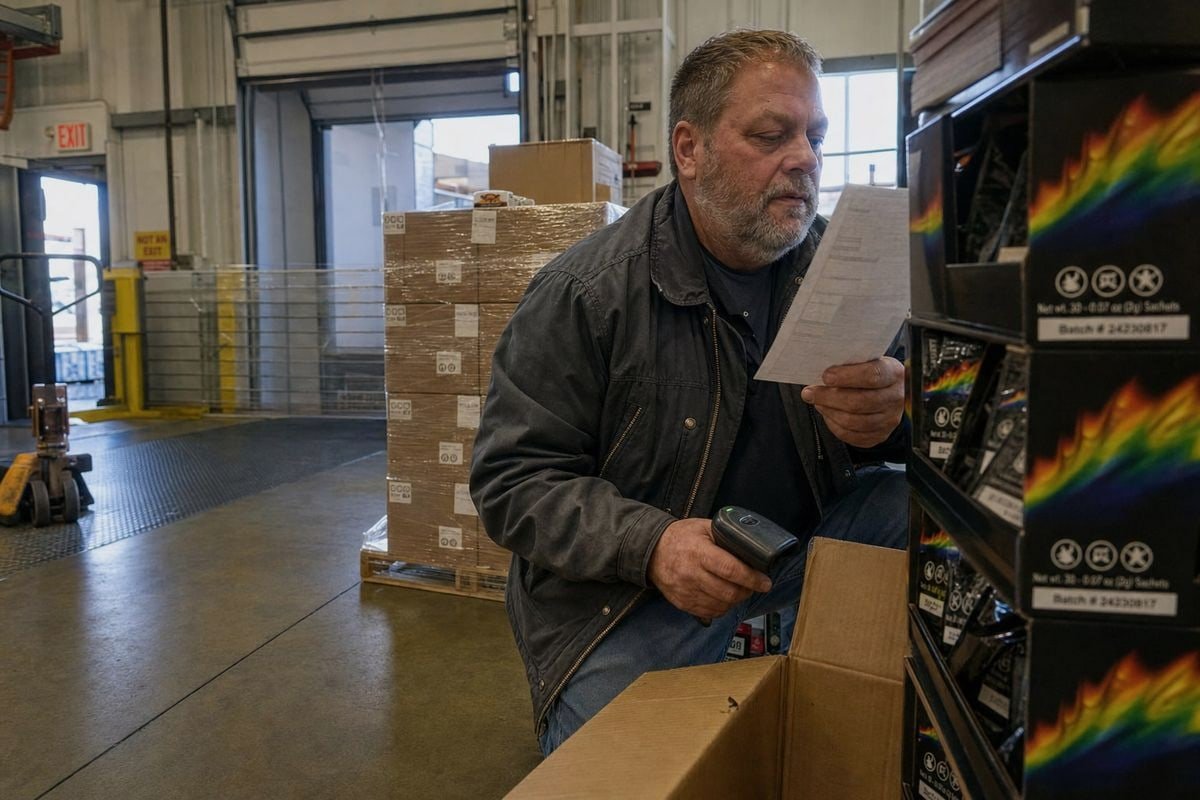
These figures are planning ranges, and I encourage every purchasing manager to confirm them against their specific configuration. Still, the structure behind them is consistent across our order book.
What Drives MOQ Up or Down
The powder itself is not the constraint. Our blending capacity handles large volumes easily. The constraint is printing. Custom retail display boxes and printed foil film have minimum print runs 7, and those minimums set your MOQ floor. A buyer using our stock "Magic Fire" artwork can start small. A buyer wanting five SKU variations, each with unique box art, needs volume per SKU to make the print runs sensible.
| Bestelltyp | Typische MOQ | Typische Lieferzeit | Am besten für |
|---|---|---|---|
| Stock design, standard kit | 500–1.000 Einheiten | 7–15 Tage | Market testing, first trial orders |
| Custom label on stock pouch | 000–2.000 Einheiten | 15–25 Tage | Early private-label launches |
| Full custom private label | 000–5.000 Einheiten | 25–35 Tage | Established brands, retail programs |
| Large retail program | 000+ Einheiten | 30–45 days, scheduled | Big-box and warehouse channels |
How the Timeline Actually Unfolds
A realistic custom order moves through six stages. First, artwork and label review, including our compliance check 8 — usually 3–7 days of back-and-forth. Second, pre-production samples for your sign-off. Third, film and box printing. Fourth, blending, automated pouch filling, and sealing. Fifth, kit assembly, cartonization, and batch coding. Sixth, final inspection covering seal integrity, count accuracy, and print quality, then booking freight.
My honest advice for first-time buyers of wholesale bonfire supplies: start with a stock-design trial order to validate demand in your market, then commit to custom packaging once you know your best-selling kit count. We structure flexible MOQs for exactly this path, because a distributor who tests small and scales up is a better long-term partner than one who over-orders on day one. Also build buffer time around Chinese New Year and the pre-Christmas peak, when every fire-product factory in Hunan and Zhejiang is running at capacity.
Schlussfolgerung
Well-packaged magic fire powder combo kits protect the powder, satisfy regulators, and sell themselves on shelf. Choose a certified factory partner, confirm compliance early, and scale packaging with proven demand.
Fußnoten
1. Authoritative Wikipedia entry defining production line systems in manufacturing. ↩︎
2. Explains the various methods used to test and validate the strength and integrity of packaging seals. ↩︎
3. Technical background on the durable paper material used for eco-friendly packaging options. ↩︎
4. Official International Trade Administration resource explaining the role of customs brokers. ↩︎
5. Federal guidelines on labeling consumer products to prevent misuse or accidental ingestion. ↩︎
6. EPA resources for identifying and choosing environmentally preferable products and materials. ↩︎
7. Explains the industrial printing process that necessitates minimum order quantities for custom packaging. ↩︎
8. Official government resource for ensuring international trade and export regulatory compliance. ↩︎


 English
  Spanish
  German
  French
  Arabic
  Portuguese
Diskutieren Sie mit