






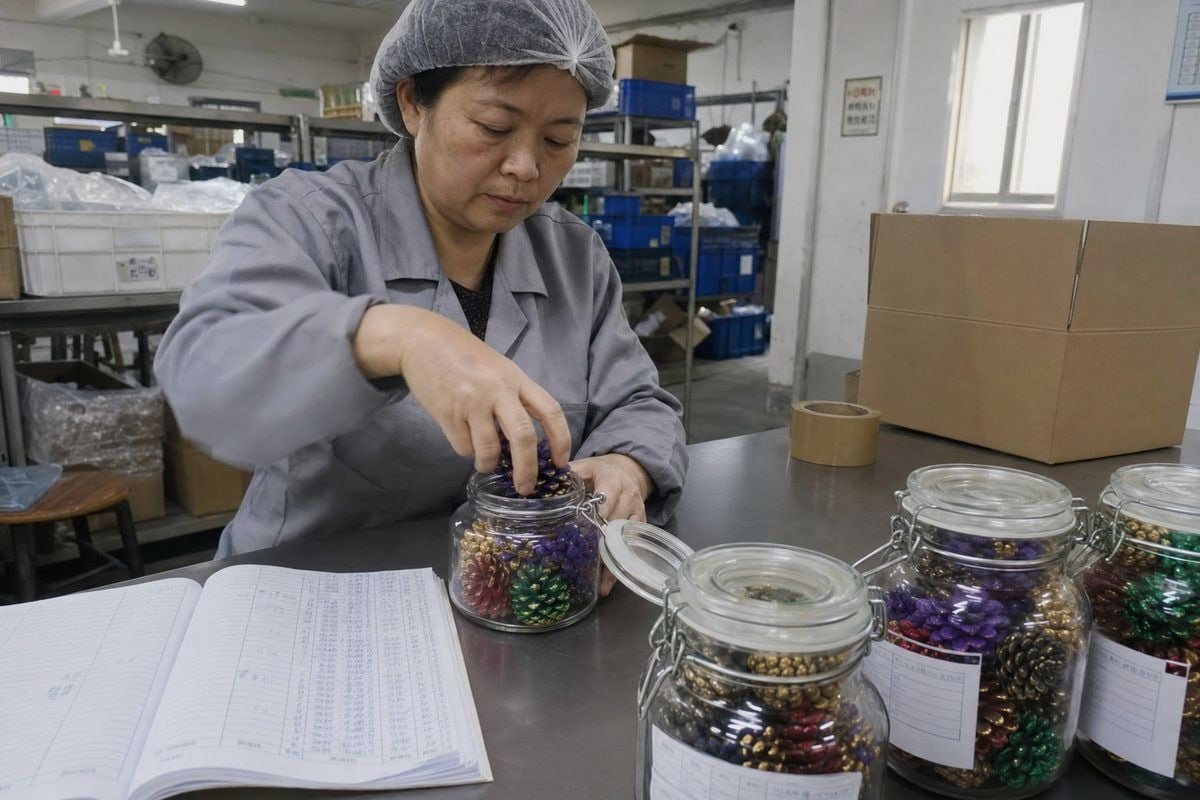
Aufbewahrung von Chargenproben von Kamin-farbigen Kiefernkegeln rettete eines unserer Händlerkonten vor einem kostspieligen Streit BSCI 1. Auf unserer Produktionslinie behandeln wir jeden zurückgehaltenen Zapfen als zukünftiges Beweismittel.
Um Chargenproben von kaminfarbenen Kiefernzapfen als Beweismittel für Reklamationen aufzubewahren, versiegeln Sie repräsentative Einheiten aus jeder Charge in sauberen, luftdichten Behältern, kennzeichnen Sie diese mit Losnummer, Produktionsdatum und Formulierung, protokollieren Sie jeden Bearbeiter in einem Nachweisdokument und lagern Sie sie während des Reklamationszeitraums in einem kontrollierten Bereich.
Eine Beschwerde kann Monate nach dem Versand eintreffen. Wenn Sie keine passende, gut dokumentierte Probe aus derselben Charge vorlegen können, wird der Streit zu Ihrem Wort gegen das des Käufers. Nachfolgend erläutere ich die Schritte zur Lagerung, Zeitplanung, Kennzeichnung und Beschwerdebearbeitung, die eine zurückgehaltene Probe tatsächlich verteidigungsfähig machen.
Was ist der beste Weg, zurückbehaltene Chargenmuster so zu lagern, dass sie Monate später noch als Beweismittel verwendbar sind?
Früh in unserer Exportgeschichte lagerten wir zurückgehaltene Zapfen in einer offenen Ecke des Lagers. Feuchtigkeit schloss die Schuppen und stumpfte die Farbstoffe ab. Dieser Fehler lehrte uns, dass die Lagerbedingungen die Qualität der Beweismittel bestimmen.
Lagern Sie zurückbehaltene Proben in dampfdichten, nicht reaktiven Behältern wie ausgekleideten Metalldosen oder Glasbehältern, die in einem klimatisierten Bereich mit geringer Luftfeuchtigkeit und eingeschränktem Zugang aufbewahrt werden. Stabile Temperatur und Luftfeuchtigkeit verhindern Schimmel, Ablagerungen und Farbabbau, sodass die Probe auch Monate später noch die ursprüngliche Chargenqualität widerspiegelt.
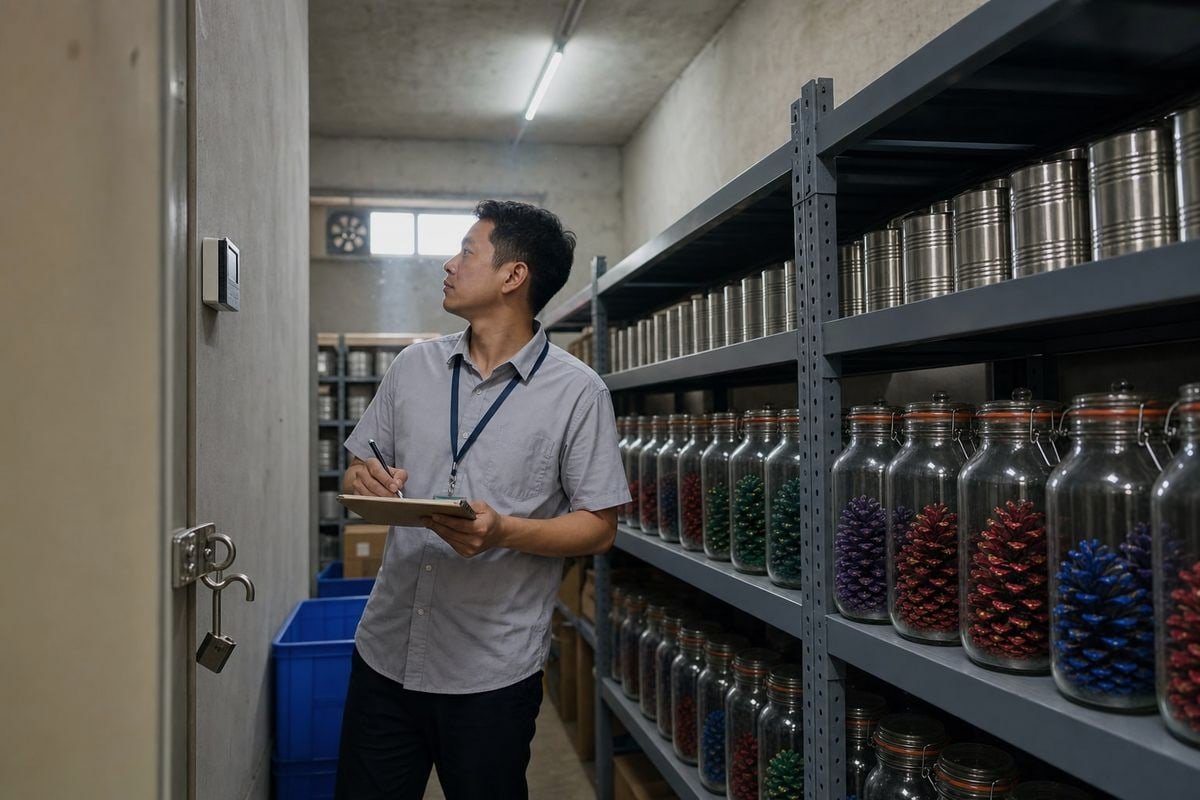
Der Sinn einer zurückgehaltenen Probe ist, dass sie sich später, wenn jemand sie öffnet, wie das Originalprodukt verhalten muss. Kiefernkegel sind hygroskopisch. Sie nehmen Feuchtigkeit auf, schließen ihre Schuppen und können schimmeln. Die Mineralsalze, die die farbigen Flammen erzeugen, können sich auch abbauen oder wandern, wenn sie Feuchtigkeit oder reaktiven Verpackungen ausgesetzt sind. Die Lagerung ist also kein Lagerdetail. Sie ist ein Kernbestandteil Ihrer Qualitätssicherungsprotokolle.
Die Wahl des Behälters ist wichtiger, als Sie denken
In unserer Ningbo-Anlage sind wir vor Jahren von Plastiktüten auf versiegelte, ausgekleidete Behälter umgestiegen. Kunststofffolie kann einen langsamen Feuchtigkeitsaustausch zulassen. Ausgekleidete Metalldosen und Glasgefäße nicht. Sie schützen die Probe auch vor externen Verunreinigungen, was wichtig ist, wenn der Zapfen später von einem Labor getestet wird.
| Behältertyp | Feuchtigkeitsschutz | Kontaminationsrisiko | Urteil für die Beweisverwendung |
|---|---|---|---|
| Offener Karton | Schlecht | Hoch | Nicht akzeptabel |
| Zip-Lock-Plastiktüte | Moderat | Moderat | Nur kurzfristig |
| Ausgekleidete Metalldose, versiegelt | Ausgezeichnet | Niedrig | Empfohlen |
| Glasgefäß mit Dichtungsdeckel | Ausgezeichnet | Sehr niedrig | Empfohlen |
Kontrollieren Sie die Umgebung und beweisen Sie es dann
Das Versiegeln des Behälters ist die halbe Miete. Die andere Hälfte ist der Nachweis, dass die Bedingungen stabil geblieben sind. Wir lagern zurückgehaltene Proben in einem verschlossenen Raum mit kontrollierter Temperatur und Luftfeuchtigkeit. Für Käufer, die zusätzliche Sicherheit wünschen, IoT-fähige Datenlogger 2 erstellen einen kontinuierlichen digitalen Datensatz. Dieses Protokoll ermöglicht es Ihnen zu zeigen, dass die Probe niemals durch Umweltbelastungen beeinträchtigt wurde, was ein häufiges Gegenargument bei Streitigkeiten entkräftet.
Halten Sie den Lagerbereich eingeschränkt. Weniger Hände an der Probe bedeuten eine sauberere Nachhaltige Holzbeschaffung 3, und das unterstützt direkt ihren Wert als Beweismittel.
Wie lange sollte ich feuerfeste gefärbte Kiefernzapfenmuster aufbewahren, bevor sie sicher entsorgt werden können?
Ein deutscher Kaminhändler bat uns einst, Proben nur für eine Saison aufzubewahren. Wir drängten zurück, da Verbraucher saisonale Feuerprodukte oft zwei oder drei Winter lang lagern, bevor sie sie benutzen.
Behalten Sie zurückgehaltene Proben mindestens ein Jahr über die voraussichtliche Haltbarkeit des Produkts hinaus — typischerweise drei Jahre insgesamt für Kamin-farbene Kiefernzapfen. Verwerfen Sie niemals eine Probe, die mit einer offenen Reklamation oder einem Rechtsstreit verbunden ist, und dokumentieren Sie die Entsorgung immer, wenn die Aufbewahrungsfrist endet.
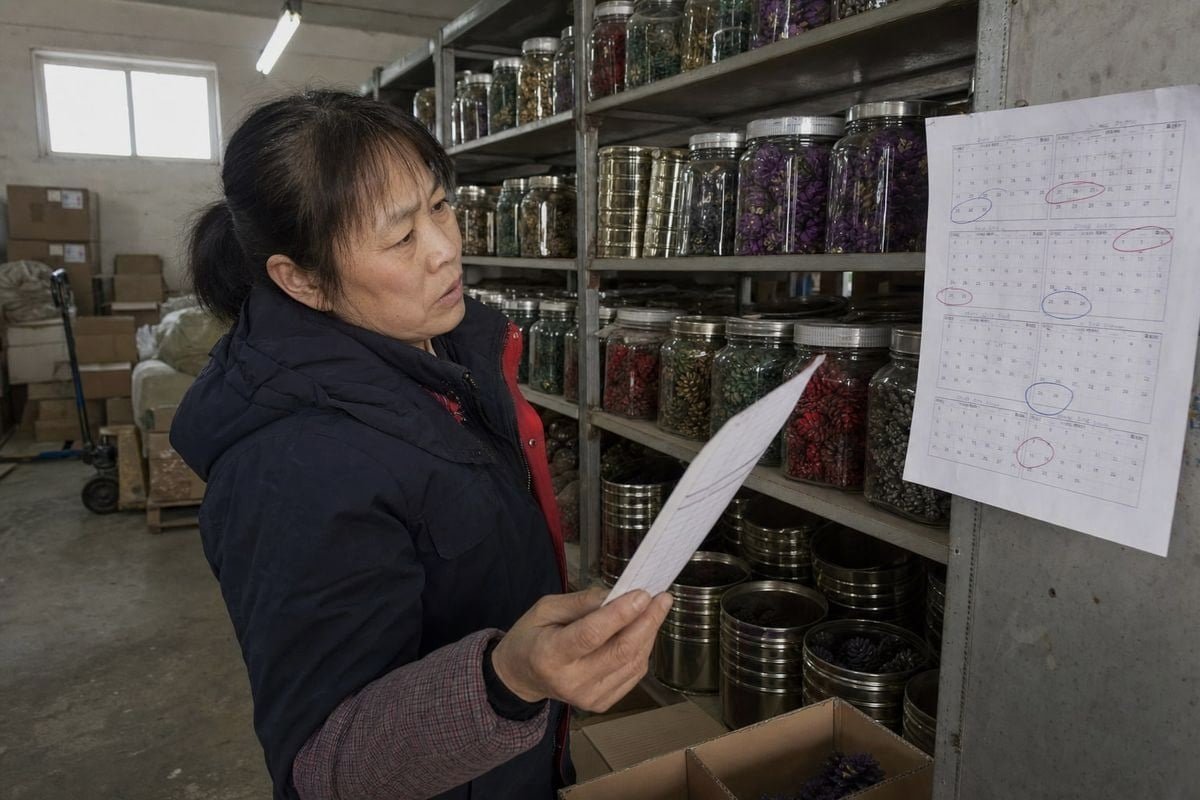
Es gibt in den meisten Märkten keine einzelne gesetzlich festgelegte Aufbewahrungsfrist für dekorative Feuerprodukte. Die ehrliche Antwort ist also, dass die Aufbewahrungsdauer eine politische Entscheidung ist und schriftlich festgehalten werden sollte. Nach unserer Erfahrung im Export in über 30 Länder ist der kluge Ansatz, die Aufbewahrung an das reale Risiko anzupassen, nicht an die Bequemlichkeit des Lagers.
Bauen Sie die Aufbewahrungsfrist um drei Fenster herum auf
Erstens, das Beschwerdefenster. Farbige Kiefernkegel sind saisonal. Ein im September versandter Zapfen wird möglicherweise erst im Dezember oder sogar im folgenden Winter angezündet. Zweitens, das Nachbestellungsfenster. Käufer vergleichen neue Lieferungen mit alten, und eine zurückgehaltene Referenzprobe löst Konsistenzargumente schnell. Drittens, jede gesetzliche oder Garantiefrist, die an Standards für die Sicherheit von Verbraucherprodukten 4 im Zielmarkt gebunden ist.
| Aufbewahrungstreiber | Typische Dauer | Warum es wichtig ist |
|---|---|---|
| Saisonale Nutzung durch Verbraucher | Bis zu 2–3 Winter nach dem Kauf | Saisonartikel liegen vor der Verwendung auf Lager |
| Haltbarkeit des Produkts | Produktlebensdauer + 1 Jahr | Spiegelt die Aufbewahrungspraxis für regulierte Waren wider |
| Beschwerde oder rechtlicher Vorbehalt | Bis der Fall formell abgeschlossen ist | Die Entsorgung von Beweismitteln mitten in einem Streit zerstört Ihre Position |
| Nachbestellungsvergleich | Bis zum nächsten Produktionszyklus | Beweist Konsistenz von Charge zu Charge |
Dokumentieren Sie das Ende des Lebenszyklus, nicht nur den Anfang
Wenn eine Aufbewahrungsfrist endet, protokollieren wir die Entsorgung: wer sie genehmigt hat, wann und wie. Wenn eine neue Charge eine alte ablöst, kommt die neue zurückgehaltene Probe hinein, bevor die alte herauskommt. Eine undokumentierte Lücke in Ihren Chargenkontrollaufzeichnungen ist fast so schädlich wie gar keine Probe. Und wenn ein Beschwerdereferenz noch offen ist, bleibt diese Probe uneingeschränkt bestehen.
Welche Kennzeichnung und Dokumentation benötige ich auf jeder zurückbehaltenen Probe für die Rückverfolgbarkeit bis zu ihrer Produktionscharge?
Ein Kompromiss, den wir ständig abwägen, ist das Detail des Etiketts gegenüber der Geschwindigkeit des Etiketts. Ein minimales Etikett spart Sekunden auf der Linie. Ein vollständiges Etikett spart Wochen während eines Streits. Wir entscheiden uns jedes Mal für vollständig.
Beschriften Sie jede zurückbehaltene Probe mit einer eindeutigen Artikel-ID, dem Produktnamen, der Chargennummer, dem Produktionsdatum, dem Verweis auf die chemische Formulierung, der zurückbehaltenen Menge und dem Lagerort. Verknüpfen Sie das Etikett mit den Chargenkontrollaufzeichnungen, dem Sicherheitsdatenblatt und der Produktionsschicht, damit jede Reklamation direkt auf ihre genaue Charge zurückgeführt werden kann.
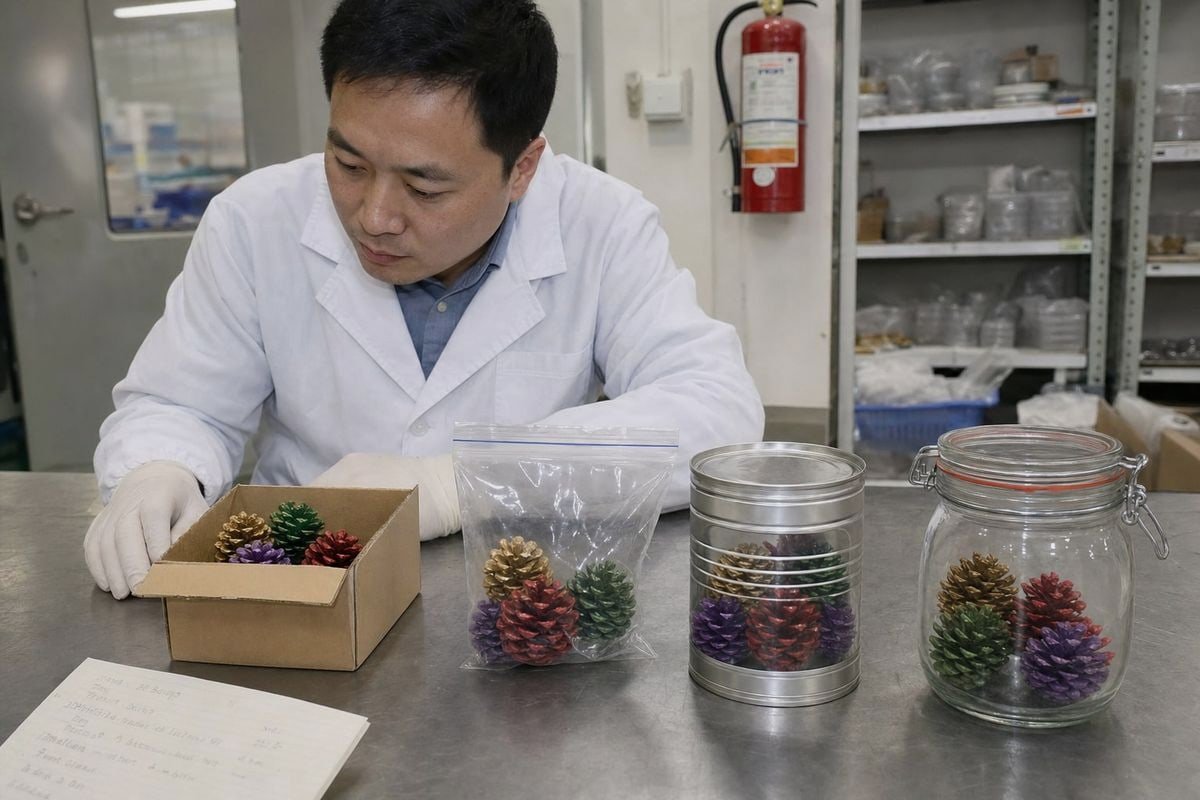
Chargennummernverfolgung ist, wo die meisten Kleinverkäufer versagen. Sie behalten eine Probe, können sie aber nicht mit einer bestimmten Produktionscharge, einer Tauchlösungscharge oder einer Verpackungsversion verbinden. Ohne diese Verbindung beweist die Probe nur wenig. An unseren Linien in Ningbo trägt jede Charge von Farbfackel-Kiefernzapfen einen Chargencode, der die Rohkegelquelle, die Farbstoffformulierung, das Tauchdatum und die Verpackungscharge verbindet. Die zurückbehaltene Probe erbt denselben Code.
Die minimalen Etikettenfelder
| Etikettenfeld | Beispiel-Eintrag | Zweck |
|---|---|---|
| Eindeutige Artikel-ID | RS-2024-1187 | Verhindert Verwechslungen zwischen zurückbehaltenen Einheiten |
| Produktname und SKU | Farbfackel-Kiefernkegel, 500g Beutel | Bestätigt die Produktidentität |
| Charge / Chargennummer | LOT-PC-240915-B | Verankert die Rückverfolgbarkeit zur Produktion |
| Produktionsdatum und Schicht | 2024-09-15, Schicht 2 | Isoliert die genaue Charge |
| Formulierungsreferenz | Farbstoffmischungsreferenz CF-07 | Verknüpft mit chemischen Farbstoffsicherheitsdaten |
| Zurückgehaltene Menge | 6 Einheiten | Zeigt an, dass genügend für Tests durch Dritte vorhanden ist |
| Lagerort | Aufbewahrungsraum A, Regal 3 | Ermöglicht schnelle Abholung |
Die Papierspur hinter dem Etikett
Das Etikett verweist auf Dokumente. Diese Dokumente leisten die Hauptarbeit. Bewahren Sie die Sicherheitsdatenblätter (SDB) 5 für die Farbstoffformulierung, das Massenbilanzverhältnis von chemischem Gewicht zu trockenem Biomasse für die Charge und Inspektionsfreigaben auf. Dies ist Ihre Produkthaftungsdokumentation 6. Wenn ein Käufer eine unsachgemäße chemische Konzentration oder eine gefährliche Verbrennung behauptet, widerlegt oder bestätigt das aufgezeichnete Verhältnis dies wissenschaftlich. Wir empfehlen auch, für jede Charge ein kleines Referenzfläschchen der verwendeten Tauchlösung aufzubewahren. Wenn eine Rückstands- oder Toxizitätsbeschwerde auftritt, ermöglicht dieses Fläschchen eine schnelle Flüssigkeitschromatographie-Prüfung ohne Rätselraten.
Wenn die Probe sich auf eine Beschwerdeuntersuchung und nicht auf die routinemäßige Aufbewahrung bezieht, fügen Sie die Referenznummer des Beschwerdeführers, das Kaufdatum und den Verkaufsort hinzu. Eine vom Werk zurückbehaltene Probe und eine vom Ermittler zurückbehaltene Beschwerdeprobe sind zwei verschiedene Dinge, und ihre Dokumentation sollte angeben, welche welche ist.
Wie verwende ich zurückgestellte Chargenmuster effektiv, wenn ich eine Qualitätsbeschwerde bei meinem Lieferanten einreiche?
Ein britischer Importeur mailte uns einmal wegen Ruß und schwacher Farbe von einer Lieferung. Da beide Seiten versiegelte Muster derselben Charge aufbewahrten, lösten wir den Anspruch in Tagen statt in Monaten.
Präsentieren Sie die versiegelte zurückbehaltene Probe zusammen mit ihrer Chargennummer, dem Chain-of-Custody-Protokoll, Fotos und der Chargendokumentation. Vergleichen Sie das beanstandete Produkt mit der Referenzeinheit, fordern Sie einen gemeinsamen oder externen Burn-Test an und bewahren Sie genügend Probenvolumen für eine unabhängige Überprüfung während des Streits auf.
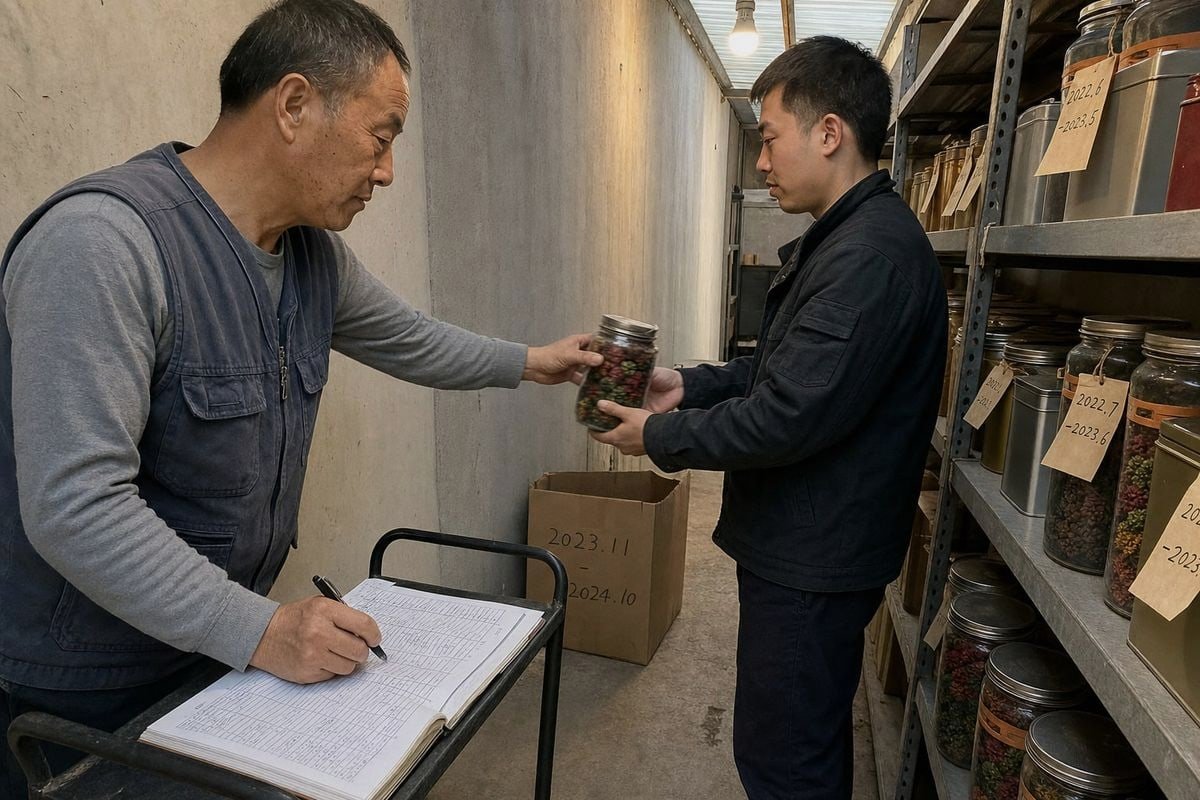
Eine Beschwerde, die durch ein verteidigungsfähiges Probenpaket gestützt wird, verändert die gesamte Konversation mit einem Lieferanten. Anstatt über Eindrücke zu streiten, untersuchen beide Parteien dieselben physischen Beweise. Aus über 17 Jahren Erfahrung mit B2B-Qualitätsdialogen kann ich Ihnen sagen, dass die stärksten Beschwerden einem wiederholbaren Prozess folgen.
Ein Fünf-Schritte-Beschwerdearbeitsablauf
- Identifizieren Sie die genaue Chargennummer des beanstandeten Produkts und ziehen Sie die passende zurückbehaltene Probe heraus. Öffnen Sie sie noch nicht.
- Stellen Sie die Papiere zusammen: repräsentative Probenentnahmedokumente, Nachweise über die Verwahrungskette, die jeden Bearbeiter zeigt, Umweltprotokolle und Kaufdokumente.
- Fotografieren Sie das beanstandete Produkt und die Verpackung vor jeglicher Prüfung. Wenn Sie ein Kontrollverbrennungsvideo für die Charge bei Erhalt aufgezeichnet haben, fügen Sie es bei – visuelle Beweise für die Flammfarben und die Brenndauer zum Zeitpunkt der Produktion sind schwer zu bestreiten.
- Benachrichtigen Sie den Lieferanten schriftlich, unter Angabe der Chargennummer und Beifügung des Beweispakets. Schlagen Sie einen Vergleichsverbrennungstest vor, idealerweise von einer dritten Partei beaufsichtigt oder durchgeführt.
- Bewahren Sie mindestens die doppelte Menge auf, die für einen Standard-Laborverbrennungstest benötigt wird. Ein Teil wird getestet; die Reserve bleibt versiegelt für unabhängige Überprüfung, falls eine der Parteien das Ergebnis bestreitet.
Warum die Verwahrungskette über die Glaubwürdigkeit entscheidet
Die Probe selbst ist nur die halbe Beweismittel. Die andere Hälfte ist die Papierspur, die Identität, Handhabung und Lagerung beweist. Jeder Transfer sollte mit Namen, Daten und dem Grund für den Zugriff protokolliert werden. Eine unterbrochene Verwahrungskette gibt der anderen Seite einen einfachen Ausweg: Sie argumentieren einfach, dass die Probe verändert wurde. Halten Sie die Bearbeiter auf ein Minimum beschränkt, halten Sie die Siegel bis zum vereinbarten Test intakt und dokumentieren Sie alles. Als eine Fabrik, die nach ISO 9001 7 und BSCI zertifiziert ist, begrüßen wir diese Strenge von Käufern – sie schützt beide Seiten und hält die Beziehung auf Fakten.
Schlussfolgerung
Aufbewahrte Chargenmuster von gefärbten Kiefernzapfen für den Kamin schützen Sie nur, wenn sie versiegelt, beschriftet, protokolliert und während des gesamten Beschwerdefensters korrekt gelagert werden – Beweise plus Papierkram gewinnen Streitigkeiten.
Fußnoten
Links zum amfori BSCI Social Compliance Program, das als Werkszertifizierung erwähnt wird. ↩︎
Erläutert die IoT-Technologie zur kontinuierlichen Umweltüberwachung gelagerter Muster. ↩︎
Hintergrundkonzept, das den dokumentierten Handhabungsprozess erklärt, der für die Glaubwürdigkeit von Beweismitteln entscheidend ist. ↩︎
Die CPSC regelt die Standards für die Sicherheit von Konsumgütern, die für die Einhaltung von Kaminprodukten relevant sind. ↩︎
Die Seite zur Gefahrenkommunikation der OSHA erläutert die SDS-Anforderungen, die für Farbstoffformulierungen referenziert werden. ↩︎
Hintergrund zu Produkthaftungskonzepten, die den beschriebenen Dokumentationspraktiken zugrunde liegen. ↩︎
Maßgebliche NIST-Ressource, die die Qualitätsmanagementstandards und die Implementierung von ISO 9001 für Hersteller erläutert. ↩︎



 English
  Spanish
  German
  French
  Arabic
  Portuguese
Diskutieren Sie mit