







Planung der Bestellmenge für Magic Fire Pulver für die Containerbeladungskapazität, die viele Erstimporteure überfordert SGS/Intertek-Testberichte 1. Ich habe Käufer beobachtet, die für halb leere Container bezahlt haben, die unsere Fabrik hätte richtig füllen können.
Um die Bestellmenge für Magic Fire Pulver für die Containerbeladung zu planen, berechnen Sie die Einheiten pro Masterkarton, teilen Sie das nutzbare Volumen des Containers (ca. 28 CBM für 20 Fuß, 58 CBM für 40 Fuß) durch das Kartonvolumen und gleichen Sie diese Zahl dann mit Ihrer MOQ, den Compliance-Grenzen und einem Puffer von 5–10 % ab.
Das ist die kurze Antwort. Unten zerlege ich jeden Schritt mit echten Zahlen aus unserer Exporterfahrung, damit Sie Ihre nächste Bestellung mit Zuversicht bemessen können.
Wie viele Einheiten Magic Fire Powder passen in einen 20-Fuß- oder 40-Fuß-Container?
Letztes Frühjahr stellte uns ein deutscher Distributor genau diese Frage vor seiner ersten Testbestellung CE-Kennzeichnung 2. Unser Versandteam hat die Rechnung mit ihm Karton für Karton durchgerechnet, und die Antwort überraschte ihn.
Ein 20-Fuß-Container (ca. 28 CBM nutzbar) fasst typischerweise 250.000–350.000 Standard-Magic-Fire-Päckchen à 25 g in Masterkartons, während ein 40-Fuß-Container (ca. 58 CBM) etwa 550.000–700.000 Päckchen fasst, abhängig von den Kartonabmessungen und der Display-Box-Verpackung.
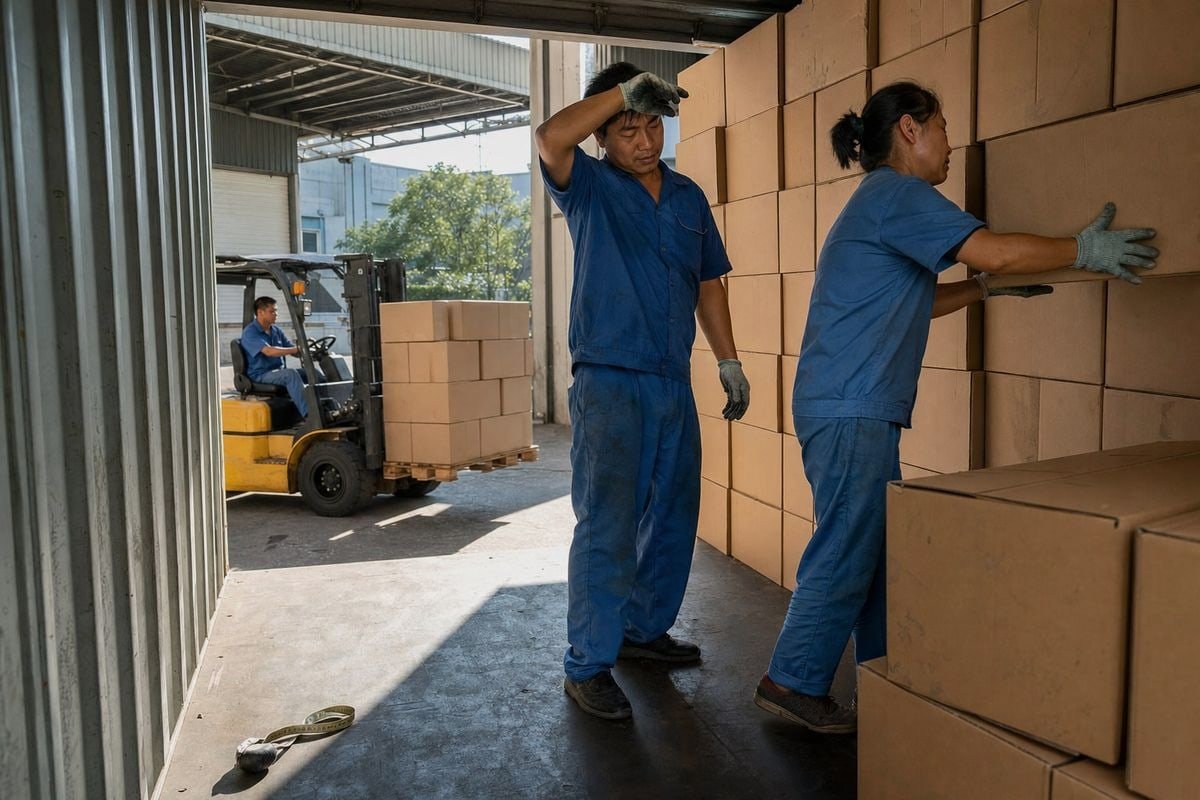
Der Ausgangspunkt ist nie der Container selbst. Es ist der Masterkarton. An unserem Produktionsstandort in Ningbo verpacken wir Sachets in innere Displayboxen, dann in Exportkartons Masterkartons 3. Die Außenmaße und das Bruttogewicht des Kartons entscheiden über alles andere.
Die grundlegende Berechnung, Schritt für Schritt
Hier ist die Methode, die wir jedem neuen Käufer vermitteln:
- Bestätigen Sie die Einheitsgröße (z. B. ein 25-g-Sachet).
- Bestätigen Sie die Einheiten pro Displaybox (oft 24 oder 50).
- Bestätigen Sie die Displayboxen pro Masterkarton.
- Messen Sie die Außenmaße des Masterkartons und berechnen Sie sein CBM.
- Teilen Sie das nutzbare CBM des Containers durch das CBM des Kartons.
- Überprüfen Sie die Nutzlastgewichtsgrenze des Containers.
Typische Kapazitätsreferenz
| Behälter | Nutzvolumen | Nutzlastgrenze | Geschätzte Masterkartons | Geschätzte 25-g-Sachets |
|---|---|---|---|---|
| 20 Fuß | ~28 Kubikmeter | 000–24.000 kg | 550–650 | 250,000–350,000 |
| 40 Fuß | ~58 Kubikmeter | 000–28.000 kg | 1,150–1,350 | 550,000–700,000 |
| 40 Fuß HQ | ~68 Kubikmeter | 000–28.000 kg | 1,350–1,550 | 650,000–800,000 |
Ein wichtiger Punkt: Farbfackel-Sachets sind im Verhältnis zu ihrem Volumen leicht. Nach unserer Erfahrung beim Versand in die USA und nach Europa "würfeln" Magic Fire-Ladungen fast immer aus, bevor sie "auswiegen". Das bedeutet, dass das Volumen und nicht das Gewicht Ihr begrenzender Faktor ist. Daher sind die Optimierung der Kartonabmessungen weitaus wichtiger als die Nutzlastzahl auf dem Datenblatt des Containers. Wir passen oft die Kartongrößen um einige Zentimeter an, um eine zusätzliche Schicht von Kartons hineinzudrücken – eine kleine Änderung, die Tausende von verkaufsfähigen Einheiten pro Container hinzufügen kann.
Beeinflusst meine Wahl des Verpackungsformats, wie viel Produkt ich pro Behälter laden kann?
Das Verpackungsformat ist hier der größte Hebel. Als wir unsere Kraftbeutel-Linie neben dem klassischen Folien-Sachet entwickelten, stellten wir einen zweistelligen Unterschied in der Containerdichte zwischen den beiden fest.
Ja, das Verpackungsformat ändert die Behälterkapazität erheblich. Kompakte Folienbeutel in Großraumkartons maximieren die Dichte; Standbodenbeutel aus Kraftpapier verlieren 10–20% Kapazität durch Kopfraum; Plastikgläser verlieren 25–40% durch starre Luftspalte; und Verkaufsdisplay-Boxen reduzieren die Dichte weiter, sind aber verkaufsfertig.

Jedes Format, das wir produzieren – Folien-Sachet, Kraft-Standbodenbeutel und Plastikglas – hat eine andere Dichtebene. Der Kompromiss ist einfach: Die Formate, die am dichtesten packen, sind nicht immer die Formate, die sich am besten im Einzelhandel verkaufen.
Vergleich unserer drei Hauptformate
| Verpackungsformat | Containerdichte | Einzelhandelsfertigkeit | Typischer Käufer |
|---|---|---|---|
| Folien-Sachet (flach, lose verpackt) | Höchste | Benötigt Displaybox | Großhändler, Eigenmarken |
| Stehbeutel aus Kraftpapier | Mittel | Gute Regalpräsenz | Outdoor- und Campingmarken |
| Plastikglas | Am niedrigsten | Premium-Look | Kamin- und Grillhändler |
| Sachets in Flip-Top-Displaybox | Mittel-niedrig | Vollständig regalfertig | Große Einzelhandelsketten |
Warum Kopfraum und Steifigkeit wichtig sind
Pulver füllt die Verpackung nicht zu 100 %. Flexible Beutel benötigen Kopfraum, damit sich die Granulate setzen können und die Siegel sauber bleiben. Steife Gläser schließen von Natur aus Luft ein – Sie versenden den leeren Raum zusammen mit dem Produkt. In Pulverhandhabung 4 Im Allgemeinen werden Container aus Stabilitäts- und Konsistenzgründen oft nur zu 50–80 % des volumetrischen Fassungsvermögens gefüllt. Wir wenden die gleiche konservative Logik an: Überfüllte Beutel riskieren Siegelversagen, Verklumpung und Staubbildung während des Transports.
Da ist auch die Feuchtigkeitsfrage. Unsere Farbfackel-Granulate sind feuchtigkeitsempfindlich, daher versiegelte Innenschichten und Trockenmittel 5 werden manchmal für feuchte Zielmärkte wie Brasilien oder den Nahen Osten hinzugefügt. Diese Schutzschichten verbrauchen ein kleines Volumen des Kartons. Es ist ein lohnender Tausch – eine abgelehnte Sendung kostet weit mehr als ein paar verlorene Kubikmeter. Wenn wir OEM-Projekte durchführen, modellieren wir all dies vor dem Angebot, sodass die Stückkosten des Käufers die Realität und nicht ein theoretisches Maximum widerspiegeln.
Kann ich mehrere SKUs oder Farben in einem Behälter mischen, ohne Platz zu verschwenden?
Eine britische Campingmarke bat uns einst, Beutel, farbige Kiefernzapfen und Wachskerzen in einem 40-Fuß-Container für ihre erste Saison zu kombinieren. Wir haben es geschafft – mit etwas Planung.
Ja, Sie können mehrere SKUs, Farben oder sogar Produktlinien in einem Behälter mischen, ohne Platz zu verschwenden, vorausgesetzt, alle Masterkartons haben standardisierte Abmessungen, jede SKU erfüllt ihr eigenes Case-Pack-Minimum und der Ladeplan wird vor der Buchung simuliert, um die Stapelhöhe zu bestätigen.

Gemischte Beladung ist gängige Praxis für unsere Exportkäufer und oft der klügste Weg, einen Markt zu testen. Anstatt einen ganzen Container für eine einzige SKU zu verwenden, verteilen Sie die gleichen Frachtkosten auf eine breitere Produktpalette.
Wie wir gemischte Container effizient machen
Das Geheimnis ist die Standardisierung von Kartons. In unserer Fabrik entwerfen wir Masterkartons für verschiedene SKUs rund um gemeinsame Grundflächenmaße, wo immer möglich. Wenn Kartons eine Grundfläche teilen, stapeln sie sich in sauberen, ineinandergreifenden Schichten, unabhängig davon, was sich darin befindet. Wenn nicht, erhalten Sie pyramidenförmige Hohlräume, die bereits bezahlte Kubikmeter verschwenden.
Unser Prozess für eine gemischte Bestellung sieht wie folgt aus:
- Der Käufer sendet Zielmengen pro SKU und Farbe.
- Wir prüfen jede SKU gegen ihre Mindeststückzahl pro Karton und Produktionscharge.
- Unser Logistikteam führt eine Beladungssimulation durch, um die Platzierung der Kartons zu planen.
- Wir passen die Mengen leicht nach oben oder unten an, um Teilschichten zu eliminieren.
- Schwerere Artikel (Gläser, Kiefernzapfenkartons) kommen nach unten; leichtere Beutelkartons werden darauf gestapelt.
Praktische Regeln, die es wert sind, befolgt zu werden
Einige Lektionen aus über 17 Jahren Erfahrung. Erstens, halten Sie die SKU-Anzahl überschaubar – drei bis sechs SKUs pro Container sind handhabbar; fünfzehn führen zu Kommissionierfehlern am Bestimmungsort. Zweitens kostet das Mischen von Farben innerhalb einer Beutel-SKU keine zusätzlichen Platzkosten, da die Verpackungsmaße identisch sind; nur der Druck oder das Etikett ändern sich. Drittens, bestehen Sie auf einer klaren Containerbeladungsplan 6 und Kartonmarkierungsschema, damit Ihr Lager die Sendung bei Ankunft schnell sortieren kann. Aus genau diesem Grund liefern wir mit jeder gemischten Sendung beschriftete Beladungsdiagramme.
Wie balanciere ich meinen MOQ mit der Containerkapazität, um die besten Versandkosten zu erzielen?
Der Kompromiss, den wir mit neuen Käufern am häufigsten besprechen, ist dieser: Unsere flexiblen Test-MOQs sind weit kleiner als ein voller Container, aber die Fracht pro Einheit sinkt stark, wenn Sie sich FCL nähern.
MOQ und Behälterkapazität ausbalancieren, indem Sie in vollen Behälter-Mehrfachen bestellen, wann immer die Nachfrage dies unterstützt, da FCL die Frachtkosten pro Einheit im Vergleich zu LCL drastisch senkt. Für Probebestellungen verwenden Sie eine kleinere MOQ über LCL und skalieren dann auf einen vollen 20-Fuß-Behälter, sobald der Abverkauf nachgewiesen ist.

Frachtökonomie belohnt Volumen, aber nur bis zu dem Punkt, an dem das Bestandsrisiko einsetzt. Das Ziel ist nicht die größtmögliche Bestellung. Es ist die Bestellgröße, bei der die Stückkosten und das Cashflow-Risiko an einem akzeptablen Punkt kreuzen.
FCL vs. LCL: das reale Kostenbild
| Bestellansatz | Frachtkosten pro Einheit | Bestandsrisiko | Am besten für |
|---|---|---|---|
| LCL-Testbestellung (MOQ-Niveau) | Hoch | Niedrig | Markttests, neue SKUs |
| Teilcontainer per LCL | Mittel-hoch | Mittel | Wachsende Nachbestellungen |
| Voller 20-Fuß-Container (FCL) | Niedrig | Mittel | Etablierte Nachfrage für einzelne Märkte |
| Voller 40-Fuß-Container (FCL) | Am niedrigsten | Höher | Multi-Channel- oder saisonale Lagerauffüllung |
Eine einfache Planungsmethode
Hier ist die Reihenfolge, die ich Einkaufsmanagern empfehle:
- Schätzen Sie den realistischen Abverkauf pro Monat und Kanal.
- Multiplizieren Sie dies mit Ihrem Nachbestellzyklus (Produktionsvorlaufzeit plus Transit).
- Fügen Sie einen Puffer von 5–10% für Beschädigungen, Feuchtigkeitsprobleme oder Qualitätsrückhaltungen hinzu.
- Runden Sie die Summe auf die nächste volle Containerladung auf – oder bleiben Sie bewusst bei LCL, wenn die Lücke zu groß ist.
- Buchen Sie im Voraus vor saisonalen Spitzen. Lagerfeuer- und Kaminprodukte erreichen vor Herbst und Feiertagen ihren Höhepunkt, und die Frachtraten steigen mit ihnen.
Ein weiterer Faktor, den Käufer oft übersehen: Compliance-Dokumentation beeinflusst die nutzbare Kapazität und die Terminplanung. Unsere Produkte sind umweltfreundlich und werden mit CE-Kennzeichnung 7 und SGS/Intertek-Prüfberichten versandt, aber die Zollbehörden des Bestimmungsortes verlangen dennoch die richtige Klassifizierung, Warnhinweise und Papiere. Wenn die Dokumentation vor der Buchung korrekt ist, wird das kostspielige Szenario eines im Hafen liegenden Containers vermieden. Nach unserer Erfahrung im Export in über 30 Länder wird eine gut dokumentierte FCL-Sendung schneller abgewickelt als eine schlecht dokumentierte LCL-Sendung – ein weiterer versteckter Grund, warum volle Container oft beim Gesamtkosten gewinnen.
Schlussfolgerung
Das Raten von Containergrößen verschwendet Geld – entweder durch halb leere Container oder unverkauften Lagerbestand. Die Lösung ist einfache Mathematik plus disziplinierte Planung.
Beginnen Sie mit den Abmessungen Ihres Master-Karton, arbeiten Sie sich zum Container-CBM hoch, berücksichtigen Sie das Verpackungsformat und den Kopfraum und gleichen Sie das Ergebnis mit Ihrem MOQ und der saisonalen Nachfrage ab. Das Volumen, nicht das Gewicht, wird Ihre Einschränkung sein, daher zahlt sich die Optimierung des Kartons aus. Ob Sie Markttests mit einer Probebestellung durchführen oder jede Saison 40-Fuß-Container füllen, wir bei Sunrich führen diese Berechnungen vor dem Angebot mit jedem Käufer durch – denn ein gut geplanter Container ist der günstigste, den Sie jemals versenden werden.
Fußnoten
Links zu einer anerkannten Prüfstelle, die die erwähnte Konformitätsdokumentation unterstützt. ↩︎
Offizielle EU-Quelle klärt die CE-Kennzeichnungsanforderungen, auf die für die Konformitätsdokumentation verwiesen wird. ↩︎
Hintergrundinformationen zum Karton-Design helfen Käufern, die Verpackungseinheit zu verstehen, die die Container-Berechnung bestimmt. ↩︎
Erklärt allgemeine Prinzipien hinter den Füllverhältnissen und der volumetrischen Kapazität, auf die im Text verwiesen wird. ↩︎
Klärt das Feuchtigkeitskontrollmaterial, das für Sendungen in feuchte Märkte erwähnt wird. ↩︎
Internationale Handelsregulierungsstelle, die für Versanddokumente und Ladeverfahren relevant ist. ↩︎
Offizielle EU-Quelle erklärt die Konformitätskennzeichnung, die für exportierte Produkte erforderlich ist. ↩︎



 English
  Spanish
  German
  French
  Arabic
  Portuguese
Diskutieren Sie mit