







Etikettierungs- und Dokumentationsarbeiten für Kamin-Kiefernzapfen überraschen viele Importeure USDA-APHIS 1. Unser Exportteam hat beobachtet, wie Käufer wochenlang an der Grenze wegen Unterlagen verloren, von denen sie nie wussten, dass sie existieren.
Kamin-Kiefernkonen, die in Kanada und den USA verkauft werden, benötigen eine Ursprungsangabe, zweisprachige englisch-französische Etiketten für Kanada, Entflammbarkeitswarnungen, korrekte HS-Codes und oft phytosanitäre oder Holzverpackungsdokumente für grenzüberschreitende Sendungen. Der heimische Einzelhandelsverkauf ist gering; Importe tragen die eigentliche Papierlast.
Die gute Nachricht ist, dass nichts davon schwierig ist, sobald Sie die Checkliste kennen Gesetz über Konsumverpackungen und Kennzeichnung 2. Unten zerlege ich jede Anforderung, damit Sie Ihre nächste Bestellung mit Zuversicht planen können.
Welche Zertifizierungen und Testberichte benötige ich, bevor ich Kamin-Kiefernkerne nach Kanada und in die USA importiere?
Ein deutscher Händler fragte einmal unser Team, warum sein US-Käufer SGS-Berichte für "nur Kiefernzapfen" verlangte. Die Antwort lehrte ihn etwas Wichtiges: behandelte Feuerprodukte sind niemals "nur" irgendetwas.
Importeure benötigen Lieferantenprüfberichte, die belegen, dass die Kegel keine schädlichen Chemikalien enthalten, Sicherheitsdatenblätter für jegliche Flammenfärbebehandlung, phytosanitäre Bescheinigungen für unbehandeltes Pflanzenmaterial und Werkszertifizierungen wie ISO 9001 und BSCI. Chemisch behandelte Kegel können auch WHMIS- oder OSHA-HazCom-Dokumentationen erfordern.

Die erste Frage, die Ihnen ein Zollagent stellen wird, ist einfach: Sind dies rohe natürliche Kiefernzapfen oder behandelte Feuer-Effekt-Produkte? Die Antwort entscheidet über Ihren gesamten Dokumentationsstapel. Unbehandelte Zapfen werden als Wald- oder Agrarprodukte eingestuft. Das bedeutet, dass grenzüberschreitende Sendungen oft Phytosanitäre Zertifikate von CFIA 3 auf der kanadischen Seite oder USDA-APHIS auf der US-Seite benötigen, da die Grenzbehörden Waldschädlinge, Unkrautsamen und Erde vom Transport zwischen Regionen abhalten wollen. Zapfen aus Gebieten, die für Schädlinge wie den Schwammspinner unter Quarantäne stehen, unterliegen zusätzlich zu den Standardzertifikaten zusätzlichen regionsspezifischen Unterlagen.
Behandelte Zapfen verlagern die Last von der Pflanzengesundheit auf die chemische Sicherheit. Wenn die Zapfen Metallsalzfarbstoffe für Flammeneffekte tragen, sollten Käufer Anfragen nach Sicherheitsdatenblättern und Gefahrendokumentation gemäß WHMIS in Kanada und OSHA HazCom in den USA erwarten. In unseren über 17 Jahren des Exports von Farbflammenprodukten in mehr als 30 Länder haben wir festgestellt, dass SGS- oder Intertek-Testberichte die meisten dieser Fragen beantworten, bevor sie überhaupt gestellt werden. Unsere Käufer behandeln die Einhaltung als harte Anforderung, nicht als wünschenswert, und wir erstellen unsere Produktionsdateien auf die gleiche Weise.
Dokumentation nach Produkttyp
| Produkttyp | Wichtigste Zertifizierungsfrage | Typische Dokumente |
|---|---|---|
| Rohe natürliche Zapfen | Pflanzengesundheit / Schädlingsrisiko | Phytosanitäres Zertifikat, Ursprungserklärung |
| Farbige, behandelte Zapfen | Chemische Sicherheit | SDS, SGS/Intertek-Testbericht, Gefahrenprüfung |
| Einzelhandelsverpackte Konsumgüter | Allgemeine Produktsicherheit | Fabrikzertifikate (ISO 9001, BSCI), Kennzeichnungskonformität |
| Stark gesättigte Farbstoffzapfen | Transportklassifizierung | Mögliche UN3077 Gefahrgutdokumentation |
Ein Punkt, der direkt angesprochen werden sollte: Einige Verkäufer gehen davon aus, dass umweltfreundliche Formulierungen sie von Tests befreien. Das tun sie nicht. Sie benötigen immer noch eine Dokumentation, die die sichere Formulierung beweist. Genau deshalb bewahren wir Chargen-Testberichte auf – Beweise sind wichtiger als Behauptungen.
Welche Warnhinweise und Sicherheitsangaben sind gesetzlich auf meiner Kamin-Kiefernzapfenverpackung vorgeschrieben?
Die Abwägung von Warntexten gegen Verpackungsästhetik ist ein Kompromiss, mit dem sich unser Designteam bei fast jedem Eigenmarkenprojekt befasst. Ein rustikaler Kraftbeutel sieht toll aus – bis erforderliche Warnungen die Grafik überlagern.
Verpackungen müssen Produktidentität, Nettomenge und Händlername und -adresse in beiden Ländern tragen. Als Feuerstarter vermarktete Produkte benötigen Entflammbarkeitswarnungen und sichere Anwendungshinweise. Kanada verlangt englischen und französischen Text, während behandelte Zapfen unter WHMIS- oder HazCom-Regeln Gefahrenhinweise benötigen können.
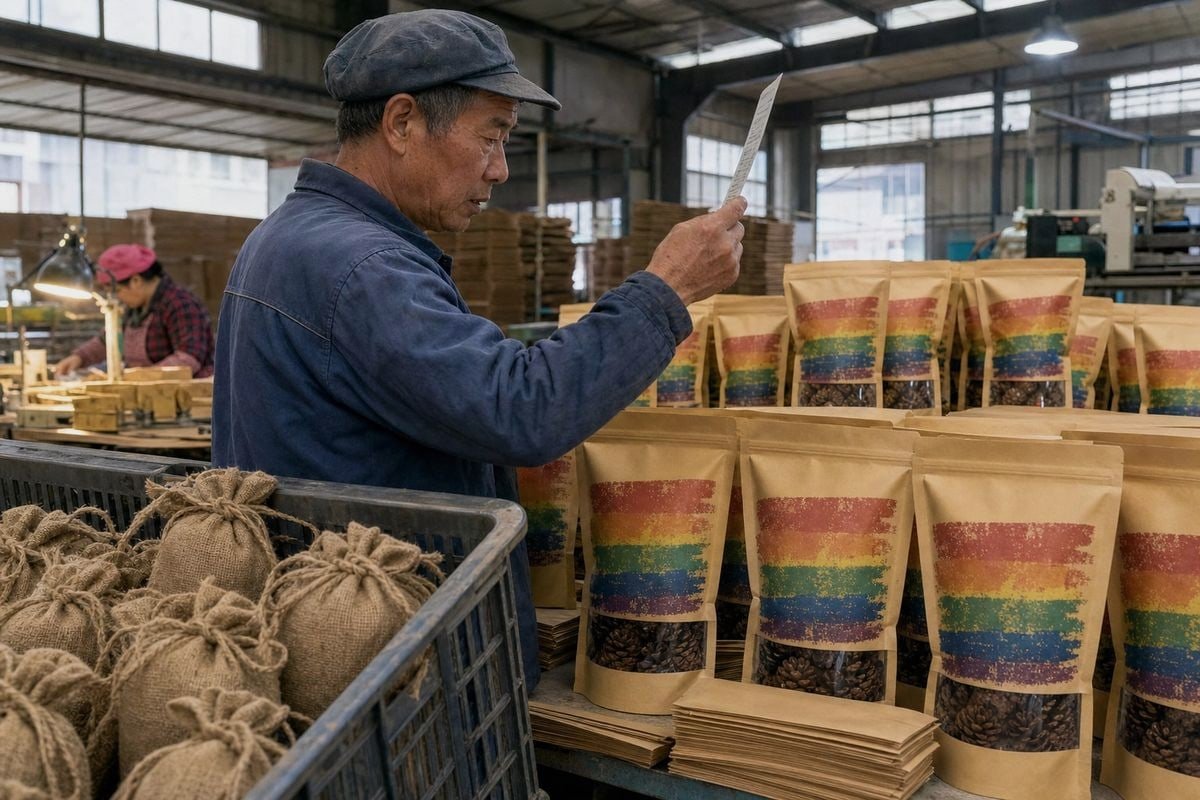
Wie Sie das Produkt vermarkten, ändert, was auf dem Etikett stehen muss. Zapfen, die rein als Feiertagsdekoration verkauft werden, unterliegen leichteren Warnanforderungen als Zapfen, die als Feuerstarter oder Flammenfarbenprodukte verkauft werden. Sobald Ihre Verpackung einen brennenden Kamin oder ein Lagerfeuer zeigt – wie die Regenbogenflammen-Kaminbilder auf unseren eigenen Produktbeuteln – behandeln Regulierungsbehörden und Einzelhandelskäufer es als Feuerstarter-Zubehör. Dies löst strengere Warnungen vor Entflammbarkeit, Hinweise zum Fernhalten von Kindern und klare Gebrauchsanweisungen aus.
Hier sind die grundlegenden Etiketteninhalte, die wir in jedes verkaufsfertige Paket einbauen, das wir produzieren:
- Produktidentität — ein klarer Name wie "Farbflammen-Kamin-Kiefernzapfen"."
- Nettofüllmengenangabe — Gewicht oder Anzahl, in metrischen Einheiten für Kanada.
- Händleridentität — Name und Adresse des verantwortlichen Importeurs oder Herstellers.
- Herkunftslandkennzeichnung — lesbar, dauerhaft und sichtbar auf der Verpackung.
- Warnungen vor Entflammbarkeit und sicherer Verwendung — für die Positionierung als Feuerstarter.
- Gefahrenhinweise — wo die Farbstoffchemie sie erfordert.
Dekor versus Feuerstarter: Warum die Positionierung wichtig ist
| Marketingposition | Warnlast | Praktische Auswirkung |
|---|---|---|
| Nur dekoratives Ornament | Leicht – grundlegende Verbraucherbeschriftung | Einfachste Verpackung |
| Feuerstarter / Flammenfarbstoff | Schwerer – Warnungen vor Entflammbarkeit, Gebrauchsanweisungen | Mehr obligatorischer Etikettenplatz |
| Mit Gefahrstoffen behandelte Chemikalien | Am schwersten – WHMIS/HazCom-Erklärungen | Erfordert SDS-konforme Kennzeichnungstexte |
Ein häufiger Einwand von Käufern, den wir hören, ist, dass Warnungen Verbraucher abschrecken. Unsere Erfahrung sagt das Gegenteil. Große Einzelhandels-Beschaffungskanäle verlangen zunehmend von Lieferanten bereitgestellte Konformitätsnachweise und Haftungsdokumentationen als private Due-Diligence-Schicht. Saubere, konforme Warnetiketten signalisieren ein professionelles Produkt. Deshalb beinhaltet unser OEM-Service standardmäßig das Design von Warnetiketten, Barcodes und Display-Verpackungen – damit die Grafik und der juristische Text gemeinsam gelöst werden und nicht später darüber gestritten wird.
Kann mein Hersteller zweisprachige Etiketten und Dokumentationen für den US-amerikanischen und kanadischen Markt bereitstellen?
Ein kanadischer Großhändler schickte unserem Team einmal einen abgelehnten Etikettenentwurf seines früheren Lieferanten – die französische Übersetzung war maschinell erstellt und rechtlich falsch. Die Behebung verzögerte seine gesamte Weihnachtszeit.
Ja, ein fähiger Hersteller kann voll zweisprachige englisch-französische Etiketten, übersetzte Warnhinweise und marktspezifische Dokumentationen aus einer einzigen Produktionscharge liefern. Der Schlüssel liegt darin, zu bestätigen, dass die Fabrik über echte Private-Label-Erfahrung in beiden Märkten verfügt und nicht nur die Bereitschaft hat, übersetzten Text zu drucken.

Zweisprachige Fähigkeiten klingen einfach, trennen aber erfahrene Exporteure von Druckereien. Kanadas Gesetz über Konsumverpackungen und Kennzeichnung 4 schreibt Englisch und Französisch für die meisten vorverpackten Einzelhandelswaren vor. Quebec geht weiter: Französisch muss auf Etiketten, Anleitungen, Warnungen und Garantietexten mindestens so prominent sein wie Englisch. Ein rein amerikanisches Etikettendesign kann einfach nicht nach Norden versendet werden, ohne überarbeitet zu werden.
Die effiziente Antwort ist, von Anfang an ein nordamerikanisches Etikett zu entwerfen. Wenn wir entwickeln Private-Label-Verpackungen für Käufer, die in beide Märkte verkaufen, bauen wir die Grafik um zweisprachige Textblöcke, metrische und imperiale Nettogewichtsangaben und Herkunftsangaben auf, die sowohl die CBSA als auch die US CBP zufriedenstellen. Ein Etikett, ein Drucklauf, beide Märkte. Dies spart unseren Käufern echtes Geld bei der Verpackungsinventur, da sie die Lagerung von zwei separaten SKUs desselben Produkts vermeiden.
Was Sie Ihren Hersteller fragen sollten
- Können Sie frühere zweisprachige Etikettenprojekte für Kanada zeigen, nicht nur Übersetzungen auf Anfrage?
- Wer überprüft den französischen Warntext – ein Übersetzer oder jemand, der mit den Prominenzregeln von Quebec vertraut ist?
- Können Dokumente (SDS, Testberichte, Herkunftsangaben) erstellt werden, die zu den zweisprachigen Etiketten passen?
- Können Barcodes, Chargencodes und Importeur-Identifikationsblöcke pro Käufer angepasst werden?
Unser One-Stop-OEM/ODM-Setup existiert genau dafür. Wir kümmern uns um kundenspezifische Kartons, Warnetiketten, Barcodes und Display-Verpackungen im eigenen Haus, und unsere Chargen-zu-Chargen-Qualitätskontrolle bedeutet, dass das Etikett auf dem Massenproduktionslauf exakt mit dem genehmigten Muster übereinstimmt. Nach unserer Erfahrung vermeiden Käufer, die die zweisprachige Fähigkeit vor der Musterung bestätigen, die häufigste Ursache für kanadische Einzelhandelsablehnungen.
Wie bereite ich Zollpapiere und Compliance-Dateien vor, um Verzögerungen an der Grenze zu vermeiden?
Die teuerste Lektion, die wir einen Käufer lernen sahen, beinhaltete eine Palette, keine Kiefernzapfen. Sein Produkt bestand die Inspektion – seine unbehandelte Holzpalette nicht, und die gesamte Sendung blieb in einem Zolllager.
Bereiten Sie eine Compliance-Datei vor, die die Handelsrechnung mit korrekten HS-Codes, Ursprungsdeklarationen, phytosanitären oder Behandlungszeugnissen, Sicherheitsdatenblättern und Testberichten für behandelte Zapfen sowie ISPM 15-Dokumentation für Holzverpackungen enthält. Vollständige Dateien passieren den Zoll; fehlende einzelne Dokumente führen zu Verzögerungen.
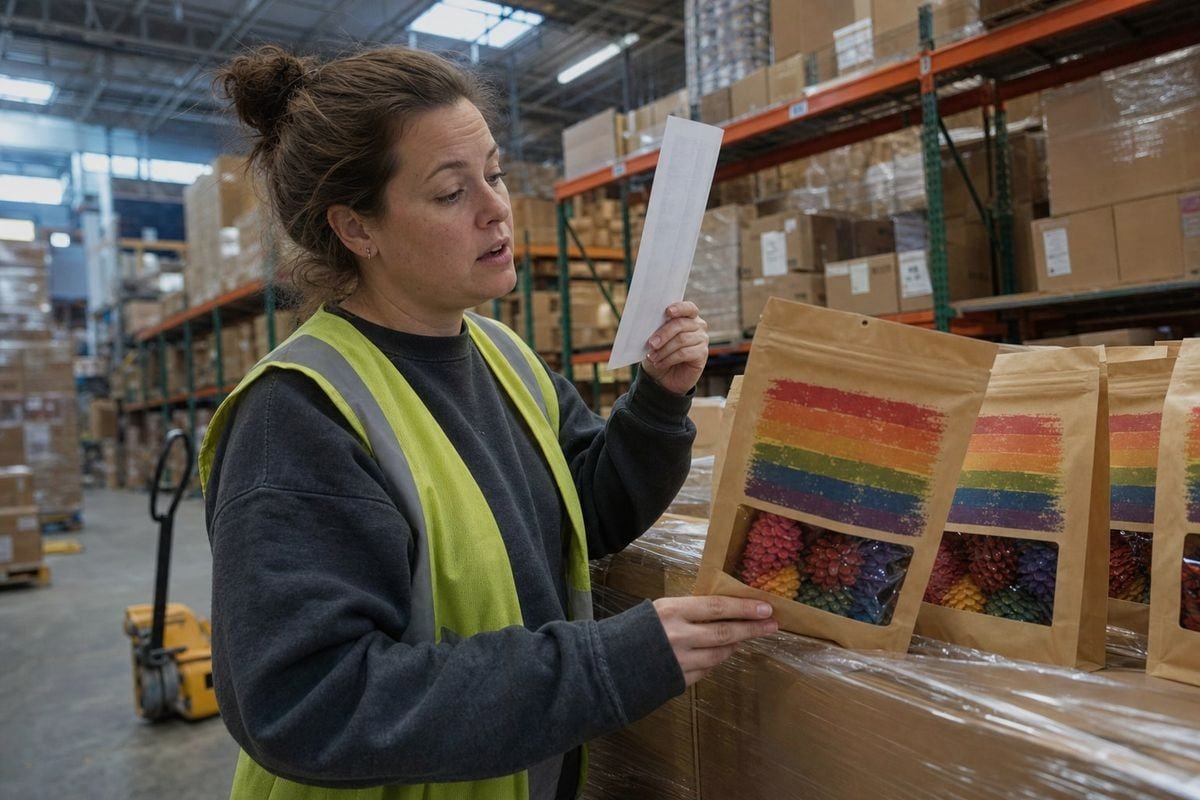
Zollbehörden kümmern sich um drei Dinge: was das Produkt ist, woher es stammt und ob es ein Schädlings- oder Chemikalienrisiko birgt. Ihre Unterlagen müssen alle drei beantworten, bevor ein Beamter fragen muss. Beginnen Sie mit der Klassifizierung. Der HS-Zolltarifcode 5 den Sie angeben, bestimmt die Zollsätze und welche Behörde die Einfuhr prüft, und ein Code für Naturdekor im Gegensatz zu einem Code für Feuerstarter kann die Sendung sehr unterschiedlich leiten. Machen Sie das falsch und Sie laden zur Inspektion ein.
Die Herkunftsangabe ist die zweite Säule. US-Vorschriften verlangen, dass importierte Artikel den englischen Namen des Ursprungslandes auffällig, leserlich und dauerhaft für den Endkäufer angeben. Kanada wendet ähnliche Kennzeichnungsvorschriften an, und für CUSMA 6-Waren kann die Kennzeichnung in englischer oder französischer Sprache erfolgen. In beiden Ländern muss die Verpackung selbst gekennzeichnet sein, wenn die Einzelhandelsverpackung die Kennzeichnung des Produkts verdeckt.
Die dritte Säule ist die, die Käufer unterschätzen: die Verpackungsmaterialien um das Produkt herum. Holzpaletten und Kisten lösen ISPM 15 7 Wärmebehandlungs-Kennzeichnungspflichten aus – eine separate Konformitätsfrage als die Zapfen selbst. Bemerkenswerterweise erfordert die Kanada-USA-Ausnahme von ISPM 15 immer noch Versanddokumente, die besagen, dass die nicht gekennzeichneten Holzverpackungen in Kanada oder den USA aus kanadischem oder US-amerikanischem Holz hergestellt wurden, und sie gilt nicht für Hawaii oder US-Territorien. Selbst die Ausnahme erzeugt Papierkram.
Checkliste für Zollkonformitätsakten
| Dokument | Zweck | Häufiger Fehlerpunkt |
|---|---|---|
| Handelsrechnung + HS-Code | Klassifizierung und Zoll | Falscher oder vager Zolltarifcode |
| Ursprungslandangabe | Kennzeichnungskonformität | Ursprungsmarkierung durch Einzelhandelsverpackung verdeckt |
| Pflanzengesundheitszeugnis | Pflanzengesundheitsfreigabe (unbehandelte Zapfen) | Annahme, dass kleine Pakete ausgenommen sind |
| SDS + Testberichte | Chemische Sicherheit (behandelte Zapfen) | Keine Dokumentation für Farbstoffchemie |
| ISPM 15-Markierung oder Ausnahmegenehmigung | Konformität von Holzverpackungen | Unbehandelte, undokumentierte Paletten |
Von unserem Produktionsstandort in Ningbo aus bereiten wir dieses Dokumentenpaket für jede Exportlieferung vor und stimmen die Verpackungsentscheidungen auf den Zielmarkt ab, bevor die Waren das Werk verlassen. Nachverfolgbare Unterlagen, nicht schicke Etiketten, sind das, was Kartons tatsächlich durch den Zoll bringt.
Schlussfolgerung
Kamin-Kiefernzapfen sehen einfach aus, aber grenzüberschreitende Verkäufe erfordern Ursprungsmarkierungen, zweisprachige Etiketten, Warnungen und nachverfolgbare Dokumente. Arbeiten Sie mit einer konformitätsbereiten Fabrik zusammen, und der Papierkram wird zur Routine.
Fußnoten
USDA-APHIS ist die US-Behörde, die für die Pflanzengesundheit und die phytosanitären Importanforderungen zuständig ist. ↩︎
Offizielles kanadisches Gesetz, das zweisprachige Kennzeichnungspflichten vorschreibt, wird im Artikel diskutiert. ↩︎
Die offizielle kanadische Food Inspection Agency überwacht die phytosanitäre Zertifizierung für den Import von Pflanzenmaterial. ↩︎
Offizielle kanadische Regierungsseite mit Details zu den zweisprachigen Kennzeichnungspflichten gemäß diesem Gesetz. ↩︎
Wikipedia erklärt das Harmonisierte System, das für die Zollklassifizierung und Zollsätze verwendet wird. ↩︎
6



 English
  Spanish
  German
  French
  Arabic
  Portuguese
Diskutieren Sie mit