






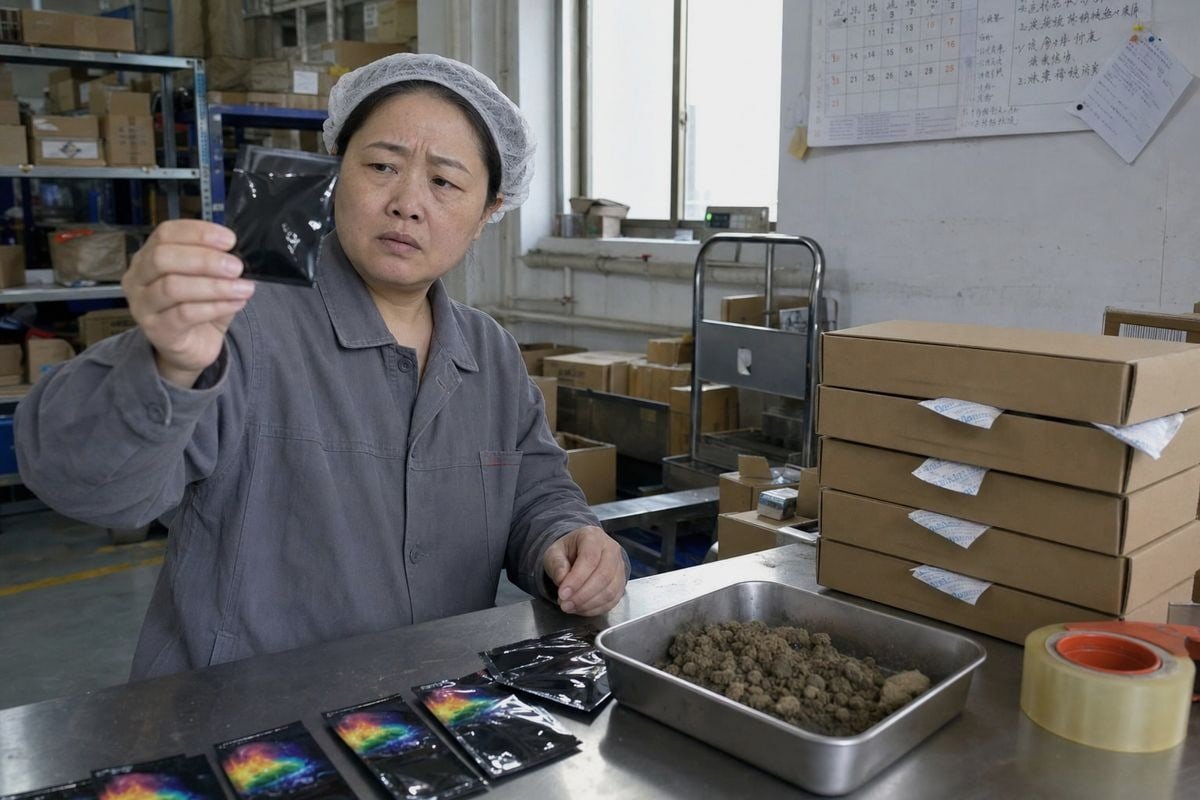
Nothing frustrates a buyer more than Magic Fire Powder arriving with weak, muddy colors Metallverbindungen 1. I have seen it happen at our factory in Liuyang when packaging fails during long ocean transit. The good news? It is preventable.
Long-distance transport affects Magic Fire Powder's coloring effect only indirectly. Distance itself does not degrade the chemistry. Moisture absorption, temperature swings, and packaging damage during transit are the real risks. Properly sealed, moisture-proof packets arrive with full color intensity, even after weeks at sea.
So the real question is not how far your shipment travels. It is how well the product is protected along the way. Let me break down what actually matters, based on what we have learned exporting to 30+ countries over 17 years.
What packaging should I choose to protect Magic Fire Powder during long-distance shipping?
A few years back, a distributor in Brazil asked us why a competitor's packets arrived clumped and dull. We opened one together on a video call. The foil seal had a pinhole leak. That single flaw ruined the whole batch.
Choose heat-sealed foil or laminated plastic sachets with crimped edges as the primary barrier, then add desiccant-lined master cartons and reinforced outer boxes. Kraft stand-up pouches work for retail appeal, but they need an inner foil liner for humid ocean routes.
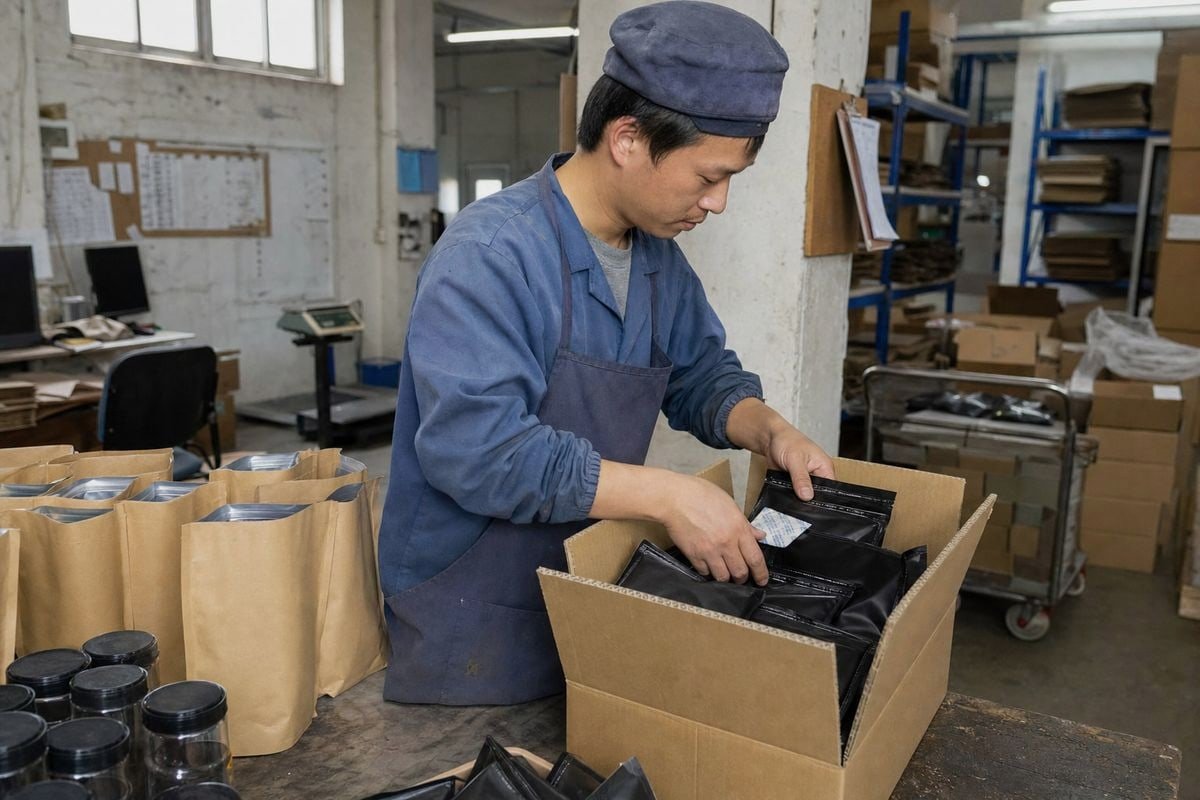
Packaging is the single biggest factor in preserving coloring performance. The metal salts inside color-flame packets are often hygroscopic. That means they pull moisture from the air. Once damp, the powder clumps, burns unevenly, and produces weaker, shorter-lasting colors. So the packaging job is simple to state: keep air and water out, and keep physical stress from breaking the seal.
The three layers that matter
At our Ningbo production lines, we think in three layers. Each one solves a different transit problem.
| Schicht | What we use | Wogegen es schützt |
|---|---|---|
| Primärbeutel | Heat-sealed foil or laminated plastic | Moisture, air, contamination |
| Innere Verpackung | Kraft pouch, jar, or display box with liner | Abrasion, light, retail handling |
| Masterkarton | Reinforced corrugated box with desiccant | Compression, stacking, humidity swings |
Matching packaging to your route
Not every route needs the same protection. A truck shipment from our factory to a Chinese port is gentle. A 35-day ocean container to Rotterdam or Los Angeles is not. Containers see stacking pressure, vibration, and daily humidity cycles. For those routes, we recommend foil sachets inside sealed jars or lined boxes, plus Trockenmittelpaketen 2 in every master carton.
We also pressure-test seals on random samples from each batch before loading. It takes extra time. But it is far cheaper than a claim on a full container. When we build private-label packaging for OEM clients, we design the barrier layer first and the branding second. A beautiful pouch that leaks helps nobody.
How do humidity and temperature changes during transit impact the coloring effect?
There is a trade-off we weigh on every quotation: faster air freight with stable conditions, or cheaper Seefracht 3 with weeks of humidity cycling. For color-flame products, the answer depends almost entirely on the seal quality, not the calendar.
Humidity is the primary threat. Absorbed moisture makes the powder clump, delays ignition, and mutes flame colors. Temperature swings alone rarely harm sealed packets, but repeated heat cycling can stress seals and cause condensation inside cartons, which then introduces moisture indirectly.
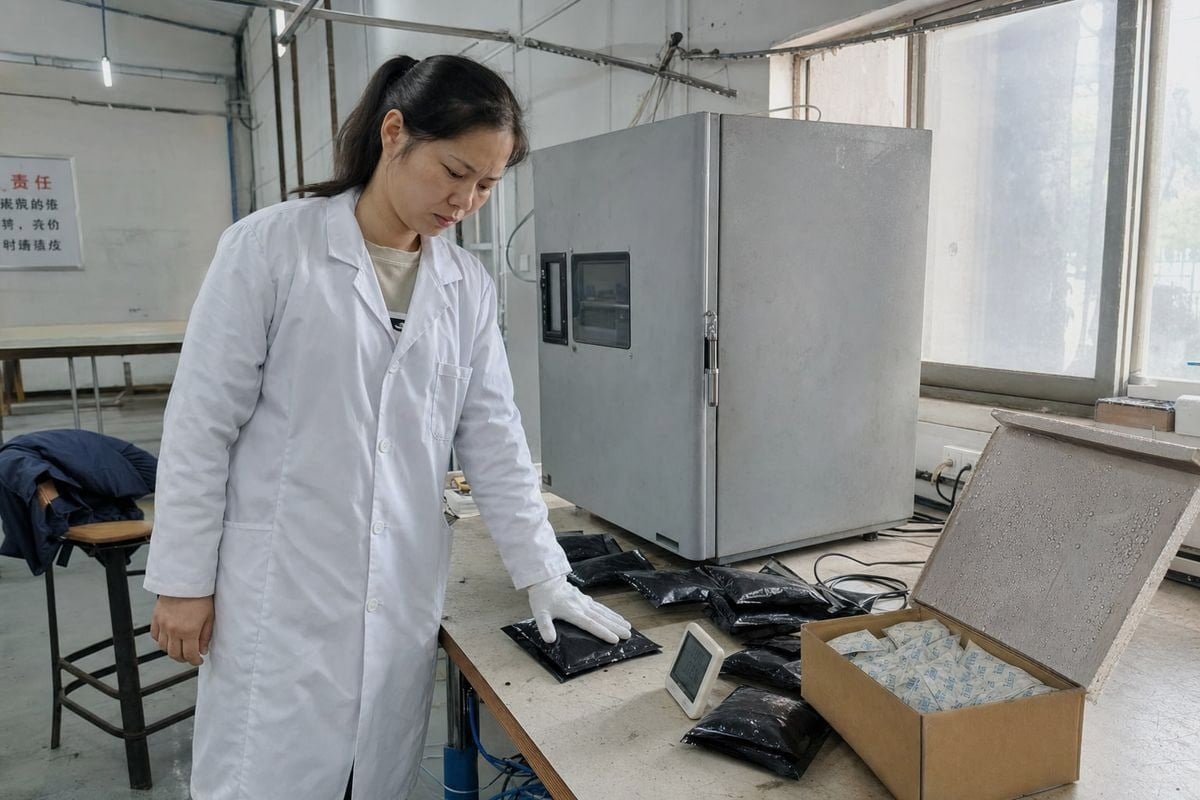
Flammenfarbe kommt von Metallverbindungen 4. When they burn, they emit light at specific wavelengths. Copper salts give blue-green. Other salts give purple, orange, or red. This chemistry only works cleanly when the powder is dry and evenly mixed. Water changes everything. A damp packet burns cooler and slower. Cooler combustion means weaker light emission 5. The result is a washed-out color, more smoke, and a delayed onset instead of the vivid effect users expect within about fifteen seconds of tossing a packet into the fire.
What each condition actually does
| Transit condition | Effect on the powder | Effect on coloring |
|---|---|---|
| High humidity, broken seal | Clumping, partial dissolving | Dull colors, uneven burn, more smoke |
| Heat cycling (day/night in container) | Kondensation in Kartons | Gradual moisture ingress over weeks |
| Extreme heat (over ~60°C) | Possible softening of seal adhesive | Risk of seal failure, then moisture entry |
| Vibration and shock | Settling or separation of mixed granules | One color dominating, inconsistent packets |
| Freezing temperatures | Minimal direct effect on dry powder | Usually none if the packet stays sealed |
Why distance gets blamed unfairly
Here is the point I stress with every new buyer. A sealed, dry packet that travels 10,000 kilometers performs the same as one that travels 100. Distance only matters because longer transit means more time exposed to whatever conditions exist. Fix the conditions with proper barriers that prevent moisture absorption, and distance stops being a variable. In our experience shipping to Australia, Brazil, and the Middle East — some of the most humid and hottest routes we serve — well-sealed batches consistently arrive performing exactly like our pre-shipment samples.
Which certifications ensure my Magic Fire Powder stays compliant after international shipping?
When a German fireplace distributor first audited us, their checklist had compliance at the top and price near the bottom. That meeting shaped how we run our factory today. For buyers in the US and EU, certification is a hard gate, not a bonus.
Look for ISO 9001 for consistent production quality, BSCI for ethical factory auditing, CE marking for EU market access, and SGS or Intertek test reports confirming the formula contains no harmful chemicals. These documents remain valid regardless of shipping distance or transit conditions.
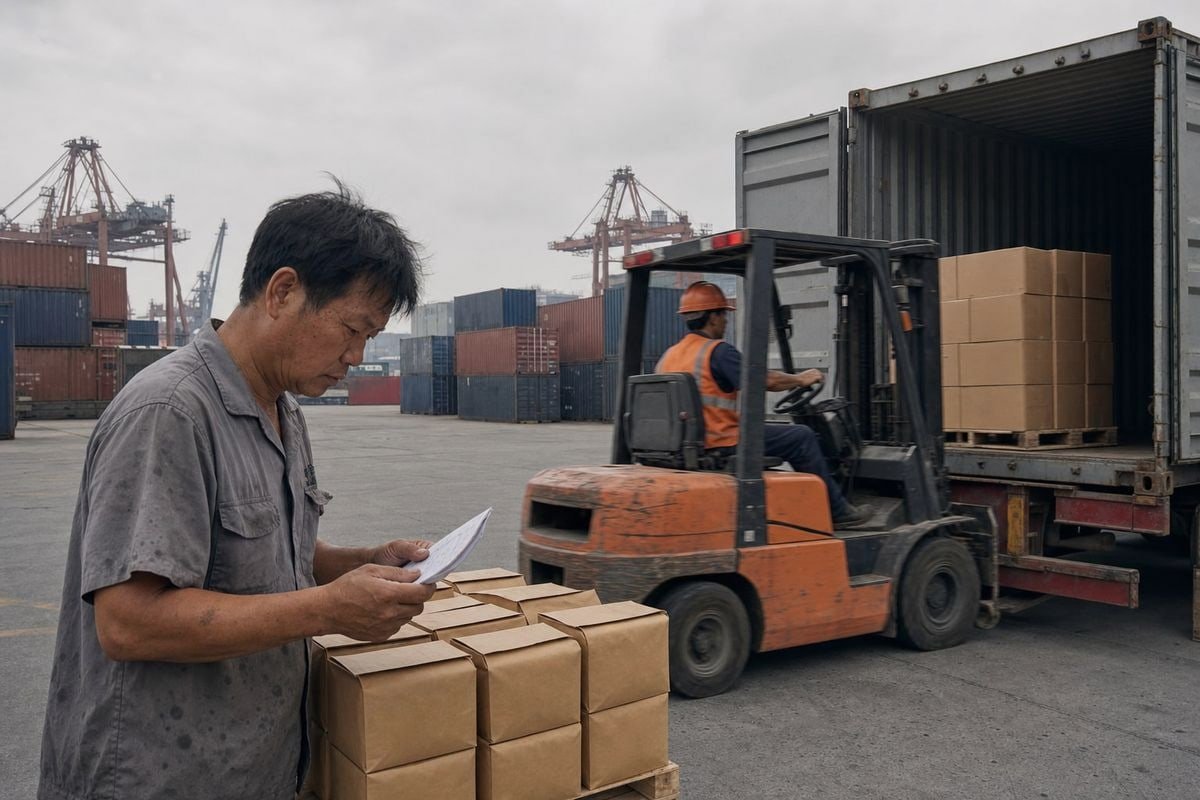
Compliance works on two levels. First, the product itself must be safe and legal to sell in your market. Second, the shipment must clear customs without delays. Both depend on paperwork prepared before the container leaves China, not after it arrives.
What each certification covers
| Zertifizierung / Bericht | Was es beweist | Why it matters for your market |
|---|---|---|
| ISO 9001 | Qualitätsmanagementsystem | Every batch matches the approved sample |
| BSCI | Geprüfte soziale Compliance | Required by many large US/EU retail chains |
| CE | Conformity with EU safety standards CE-Kennzeichnung 6 | Legal requirement for European shelf placement |
| SGS / Intertek-Berichte | Chemische Prüfung durch Dritte | Confirms eco-friendly, no harmful substances |
Compliance and transit are separate problems — mostly
A certificate does not stop a packet from getting wet at sea. But it does something equally important. It proves that what you tested is what you receive. Our batch-to-batch quality control means the sample your team approved reflects mass production. If transit damage occurs, your documentation lets you isolate the cause quickly: the paperwork proves the product left the factory compliant, so the investigation focuses on logistics, not formulation.
There is one transit-specific piece worth adding: correct warning labels and shipping classifications. We prepare warning labels, barcodes, and export documents as part of our one-stop OEM service. Missing or wrong labels are one of the most common causes of customs holds — and a container sitting in a humid port for two extra weeks is exactly the exposure you want to avoid.
Can I get a stability test report to verify coloring performance before placing a bulk order?
One lesson our export team learned early: buyers do not want promises, they want proof they can forward to their own quality department. That is why we build testing into our sampling process rather than treating it as a special request.
Yes. A credible supplier should provide third-party test reports plus internal stability data, including burn tests on samples after simulated or real transit. At our factory, we support trial orders with SGS or Intertek reports and batch QC records before any bulk commitment.
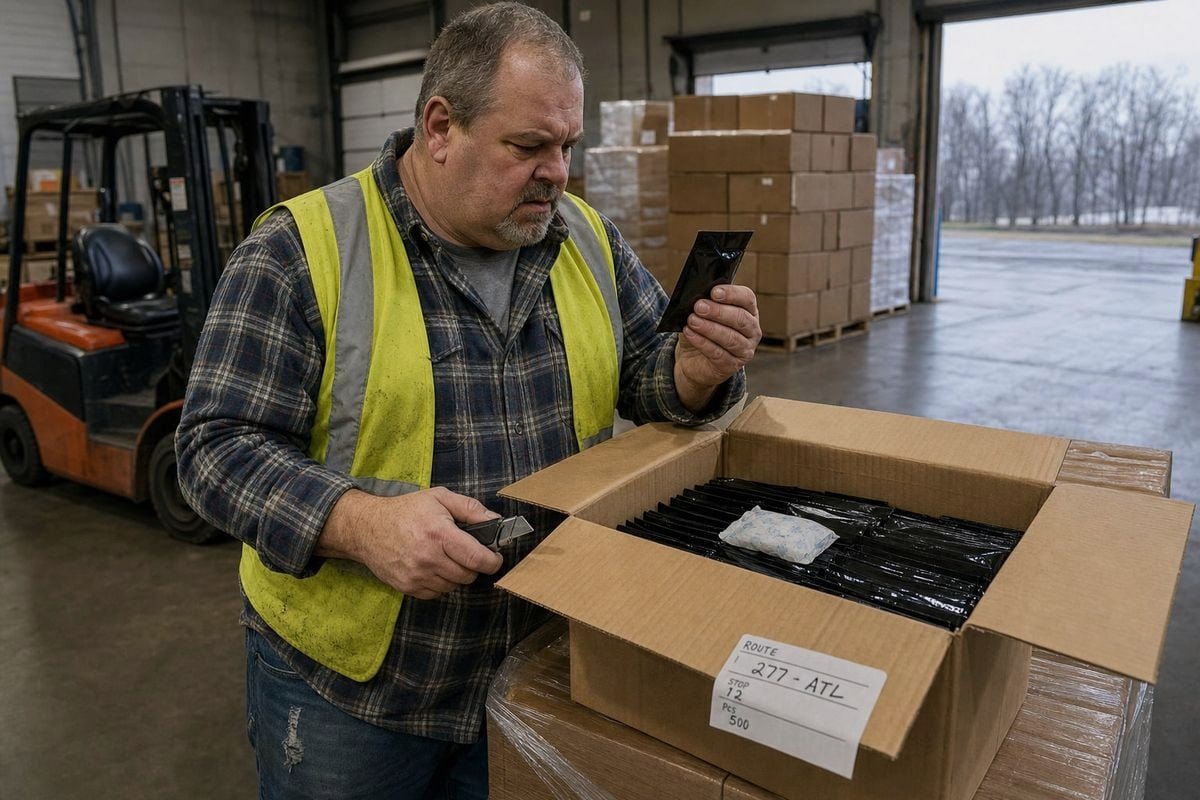
A stability test answers one practical question: will the coloring effect you saw in the sample survive real-world logistics and storage? Here is how we recommend structuring the verification process before you commit to a full container.
Ein praktischer Verifizierungsprozess vor der Bestellung
- Request current third-party test reports. SGS or Intertek documentation 7 should confirm the chemical safety profile and be recent enough to cover the current formula.
- Order a trial batch with your final packaging. Testing the retail sachet inside a plain sample bag proves nothing. The barrier layer is part of the product.
- Ship the trial via your actual route. If your bulk orders will move by ocean to Hamburg or Long Beach, send samples the same way, not by express air.
- Run comparative burn tests on arrival. Compare color intensity, onset time, burn duration, and smoke against a factory-fresh reference. A healthy packet shows color quickly and holds it — sellers commonly quote 30 to 60 minutes of effect per pouch depending on fire size.
- Check the physical condition. Look for clumping, seal integrity, and granule separation before you even light anything.
We keep retained samples from every production batch at our facility. If a buyer ever reports a performance difference, we burn the retained sample side by side with their feedback in mind. In 17+ years, this simple habit has resolved disputes faster than any contract clause. It also keeps our flexible-MOQ trial orders low-risk: you verify stability on a small quantity first, then scale with confidence.
Schlussfolgerung
Distance does not weaken Magic Fire Powder — moisture, heat cycling, and packaging failure do. Sealed foil barriers, verified certifications, and route-tested samples keep every shipment burning bright.
Fußnoten
1. Explains how burning metal salts emit specific wavelengths, producing distinct flame colors. ↩︎
2. Background on how desiccants absorb moisture, supporting the packaging protection recommendation. ↩︎
3. International Maritime Organization oversees ocean shipping standards relevant to long transit conditions. ↩︎
4. Explains the chemistry behind how metal compounds produce colored flames when burned. ↩︎
5. Scientific background on emission spectra explains why cooler combustion weakens flame color. ↩︎
6. Official EU source confirming CE marking requirements for product market access. ↩︎
7. Official Intertek site verifies the third-party testing service referenced for chemical safety. ↩︎

 English
  Spanish
  German
  French
  Arabic
  Portuguese
Diskutieren Sie mit