







Die DOT-Gefahrgutversandvorschriften für Magic Fire-Pulver verwirren viele Importeure. Ich habe gesehen, wie Käufer ganze Container am Zoll verloren haben, weil die Papierkramregeln unserer Branche missverstanden wurden.
Um sicherzustellen, dass Magic Fire Pulver den DOT-Gefahrgutversandvorschriften entspricht, klassifizieren Sie das Produkt zuerst anhand seines Sicherheitsdatenblatts, bestätigen Sie die UN-Nummer und die Gefahrenklasse, fordern Sie SGS- oder Intertek-Prüfberichte an, verwenden Sie UN-zertifizierte Verpackungen mit den richtigen Etiketten und stellen Sie sicher, dass Ihr Lieferant über ISO 9001- und CE-Zertifizierungen verfügt.
Der Produktname allein sagt den Regulierungsbehörden nichts. Die Klassifizierung kommt zuerst. Ich führe Sie durch jeden Schritt, von den Zertifizierungen bis zur Auswahl des richtigen Fabrikpartners.
Welche Zertifizierungen sollte ich anfordern, um die DOT-Gefahrgutkonformität für Magic Fire Pulver zu bestätigen?
Ein deutscher Händler schickte unserem Team einmal eine einfache Frage per E-Mail: "Welches einzelne Zertifikat beweist, dass mein Farbfلامmenpulver legal versendet werden kann?" Meine Antwort überraschte ihn – es gibt keines. Sie brauchen einen Stapel.
Fordern Sie das Sicherheitsdatenblatt mit Abschnitt 14 Transportdaten, Testberichten von Drittanbietern wie SGS oder Intertek, einem Transportklassifizierungsbericht, der die UN-Nummer und die Gefahrenklasse bestätigt, Werkszertifizierungen wie ISO 9001 und BSCI sowie die CE-Kennzeichnung für europäische Ziele an.

Die Konformität für Farbfلامmenpulver beginnt mit dem Verständnis, was "Magic Fire-Pulver" unter den Gefahrgutvorschriften 1. ist. Der Handelsname bedeutet der PHMSA nichts. Was zählt, ist die chemische Zusammensetzung, und das Sicherheitsdatenblatt ist der Anfang dieser Geschichte.
Der Kern-Dokumentenstapel
In unseren über 17 Jahren Export in über 30 Länder haben wir gelernt, dass Käufer, die den vollständigen Dokumentensatz im Voraus anfordern schneller den Zoll passieren und weniger Ablehnungen durch Spediteure erfahren. Hier ist, was Sie verlangen sollten, bevor Sie eine Kauforder unterschreiben.
| Dokument | Was es beweist | Wer stellt es aus |
|---|---|---|
| Sicherheitsdatenblatt 2 (16 Abschnitte) | Zusammensetzung, Gefahren, Transportdaten | Hersteller |
| Transportklassifizierungsbericht | UN-Nummer 3, Gefahrklasse, Verpackungsgruppe | Drittanbieterlabor (SGS/Intertek) |
| Testberichte (chemisch/Schwermetalle) | Keine schädlichen oder eingeschränkten Chemikalien | SGS oder Intertek |
| ISO 9001 Zertifikat | Konsistente Qualitätskontrolle | Amfori-Prüfer |
| CE-Dokumentation | Konformität mit dem EU-Markt | Hersteller + benannte Stelle, wo erforderlich |
| BSCI-Auditbericht | Ethische Fabrikbetriebe | Auditstelle |
Warum Abschnitt 14 am wichtigsten ist
Abschnitt 14 des Sicherheitsdatenblatts listet die UN-Nummer, den ordnungsgemäßen Versandnamen, die Transportgefahrenklasse und die Verpackungsgruppe auf. Für die meisten umweltfreundlichen Farbfلامmenformulierungen wie unsere landet die Klassifizierung typischerweise in Gefahrenklasse 4.1 4 (Entzündbare Feststoffe) oder, bei einigen Formulierungen, Klasse 9. Einige wirklich geringfügig gefährliche Formulierungen sind möglicherweise überhaupt nicht reguliert – aber Sie benötigen Laborbefunde, um dies zu beweisen, keine mündliche Zusage des Lieferanten.
Eine Vorsichtsmaßnahme aus der Forschungsabteilung: Pulverprodukte können in sehr unterschiedliche regulatorische Kategorien fallen. Schwarzpulver zum Beispiel ist ein Explosivstoff der Division 1.1, und einige Kleinwaffenpulver können nur mit einer EX-Zulassung zur Division 4.1 umklassifiziert werden. Farbfلامmenpulver sind chemisch anders als pyrotechnische Blitzkompositionen, aber ein Zollbeamter wird Ihnen nicht glauben. Der Klassifizierungsbericht ist Ihr Beweis.
Wie kann ich die Prüfberichte und SGS/Intertek-Dokumentation meines Lieferanten überprüfen, bevor ich eine Bestellung aufgeben?
Letztes Jahr leitete uns eine US-Campingmarke einen "SGS-Bericht" eines Konkurrenten zur Bewertung weiter. Unser Qualitätsteam erkannte das Problem in wenigen Minuten: Die Berichtsnummer existierte nicht in der Verifizierungsdatenbank von SGS. Fälschungen sind häufiger, als Käufer ahnen.
Testberichte verifizieren, indem Sie die Berichtsnummer direkt über die Online-Verifizierungsportale von SGS oder Intertek überprüfen, bestätigen, dass das getestete Produkt mit Ihrer genauen SKU und Formulierung übereinstimmt, das Berichtsdatum als aktuell prüfen und einen Videoanruf anfordern, um Originaldokumente im Werk einzusehen.

Die Überprüfung von Dokumenten ist keine Paranoia. Es ist eine Standard-Due-Diligence, und seriöse Fabriken begrüßen sie. Wenn Käufer unsere Produktionsstätte in Ningbo prüfen oder unsere Berichte abgleichen, sehen wir dies als Beginn einer langfristigen Partnerschaft, nicht als Beleidigung.
Ein praktischer Verifizierungsprozess
Befolgen Sie diese Schritte in der Reihenfolge, bevor Sie eine Anzahlung überweisen:
- Holen Sie sich die Berichtsnummer und die ausstellende Stelle. Jeder legitime SGS- oder Intertek-Bericht trägt eine eindeutige Referenznummer.
- Nutzen Sie das offizielle Verifizierungsportal. Beide Labore bieten Online-Tools oder E-Mail-Verifizierung über ihre lokalen Büros an. Verifizieren Sie niemals über einen Link, den Ihnen der Lieferant sendet – gehen Sie direkt auf die Website des Labors.
- Stimmen Sie die getestete Probe mit Ihrem Produkt überein. Ein Bericht für einen "Wachs-Feuerstarter" deckt kein kristallines Farbfلامmenpulver ab. Überprüfen Sie die Produktbeschreibung, die Formulierungsreferenz und den Verpackungstyp Zeile für Zeile.
- Überprüfen Sie den Umfang der Tests. Hat das Labor die Transportklassifizierung getestet oder nur Schwermetalle? Ein chemischer Sicherheitsbericht ist kein DOT-Transportklassifizierungsbericht. Möglicherweise benötigen Sie beides.
- Überprüfen Sie das Datum. Formulierungen ändern sich. Ein fünf Jahre alter Bericht über ein eingestelltes Rezept schützt niemanden.
- Fordern Sie Chargenrückverfolgbarkeit an. Fragen Sie, wie die Fabrik die Massenproduktionschargen mit der getesteten Formulierung verknüpft. Unsere eigene Chargen-zu-Chargen-Qualitätskontrolle existiert genau deshalb, damit die erste Probe das widerspiegelt, was im Container versendet wird.
Rote Flaggen, die eine Bestellung stoppen sollten
Achten Sie auf unscharfe gescannte PDFs mit inkonsistenten Schriftarten, Berichte, bei denen der Antragsteller ein Handelsunternehmen und kein Werk ist, und Lieferanten, die den vollständigen Bericht vor der Zahlung "nicht teilen können". Eine echte Fabrik hat nichts zu verbergen. Bestätigen Sie auch, dass der Bericht PHMSA-konformitätsrelevante Daten abdeckt, wenn Sie in die USA versenden – insbesondere die Transportklassifizierung, die der Tabelle der Gefahrgüter entspricht.
Welche Verpackungs- und Kennzeichnungsvorschriften muss ich für den sicheren internationalen Versand von Gefahrgut einhalten?
Verpackung ist, wo ich das meiste Geld verbrennen sehe. Einer unserer kanadischen Käufer importierte zuvor von einem kostengünstigen Lieferanten, dessen Folienbeutel feines Pulver im Versandkarton auslaufen ließen. Der Spediteur weigerte sich, die gesamte Palette am Terminal anzunehmen.
Geregelter magischer Feuerpulver erfordert UN-zertifizierte Außenverpackung gemäß 49 CFR Teil 178, versiegelte auslaufsichere Innentaschen, das korrekte Gefahrenetikett wie der rot-weiß gestreifte Diamant der Klasse 4.1 oder die Kennzeichnung für begrenzte Mengen, den korrekten Versandnamen und die UN-Nummer sowie konforme Versandpapiere mit einer 24-Stunden-Notfallkontaktnummer.

Das Kennzeichnungs- und Beschriftungsgerüst befindet sich in 49 CFR Teil 172 5, und es funktioniert neben den Verpackungsleistungsstandards. Wenn man eines richtig macht, während man das andere ignoriert, führt dies immer noch zu einem Verstoß. Lassen Sie mich beide Ebenen aufschlüsseln.
Verpackung: Innere und äußere Anforderungen
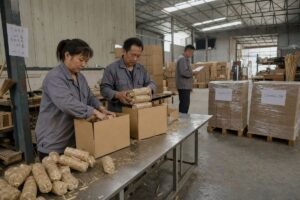
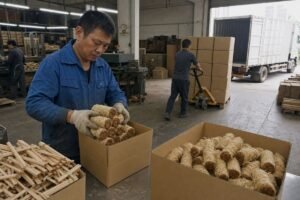
Unsere Magic Fire-Päckchen werden in heißversiegelten Folienbeuteln, Kraft-Standbodenbeuteln oder Plastikgläsern versandt. Jedes Format benötigt eine andere Master-Karton-Strategie. Für regulierte Sendungen muss die Außenverpackung getestet und nach UN-Leistungsstandards zertifiziert sein – ein generischer Karton reicht nicht aus. Wenn das Produkt der Verpackungsgruppe III (die niedrigste Gefahrenstufe, die üblicherweise für brennbare Feststoffe gilt) zugeordnet ist, muss die zertifizierte Verpackung dennoch Fall-, Stapel- und Integritätstests bestehen.
| Anforderung | Vollständige Gefahrgutsendung | Ausnahme für begrenzte Mengen 6 |
|---|---|---|
| Außenverpackung | UN-spezifikationszertifiziert | Starke Kombinationsverpackung, Nicht-UN-Spezifikation erlaubt |
| Gefahrzettel | Klasse 4.1 Rautenetikett | Kennzeichnung für begrenzte Mengen |
| Versandpapiere | Vollständige Erklärung des Versenders erforderlich | Im Allgemeinen nicht erforderlich für den Bodenverkehr |
| Kennzeichnung | Über Schwellenwerte hinaus erforderlich | Nicht erforderlich |
| Transportmittel | Boden, See oder zugelassene Luft | Boden stark bevorzugt; Luft stark eingeschränkt |
| Grenzwerte für Innenverpackungen | Gemäß Tabelle für gefährliche Güter | Strenge Obergrenzen pro Innenverpackung und Bruttogewicht |
Der Weg der begrenzten Menge
Die Ausnahme für begrenzte Mengen gemäß 49 CFR 173.151 ist für Verbrauchergrößen-Sachets wirklich nützlich. Wenn jeder innere Beutel unter dem regulatorischen Schwellenwert bleibt und das gesamte Bruttokartongewicht eingehalten wird, können Sie für den Bodenverkehr auf vollständige Kennzeichnung und formelle Versandpapiere verzichten. Dies ist einer der Gründe, warum wir unsere Einwegpäckchen klein gestaltet haben. Aber die Ausnahme hat Grenzen: Der Lufttransport für brennbare Pulver bleibt gemäß den IATA-Vorschriften stark eingeschränkt, daher planen Sie für Boden- und Seefracht.
Etiketten, Kennzeichnungen und Papiere
Für nicht befreite Mengen muss das Versandpapier den korrekten Versandnamen, die UN-Nummer, die Gefahrenklasse, die Verpackungsgruppe, die Paketanzahl und den Pakettyp sowie eine 24-Stunden-Notrufnummer und eine beglaubigte Unterschrift enthalten. Nicht übereinstimmende Beschreibungen und fehlende Notfallkontakte gehören zu den häufigsten Verstößen, die Inspektoren anführen. Einige unserer Käufer fügen jetzt QR-Code-Etiketten hinzu, die mit dem Sicherheitsdatenblatt verknüpft sind – eine digitale Ebene, die Notfallhelfern hilft, obwohl sie die erforderliche Papierdokumentation niemals ersetzt.
Die Wahl zwischen zwei Angeboten, die sich um 15% unterscheiden, ist ein Kompromiss, den ich wöchentlich mit Käufern bespreche. Die billigere Fabrik spart diesen Aufschlag normalerweise irgendwo unsichtbar – oft bei der Compliance-Dokumentation, die Sie nicht vermissen werden, bis ein Container am Hafen feststeckt.
Wählen Sie einen Hersteller mit über 10 Jahren nachgewiesener Exporte in Ihren Zielmarkt, überprüfbaren ISO 9001-, BSCI-, CE- und SGS/Intertek-Zertifizierungen, internem Klassifizierungswissen, Gefahrgut-bewusstem Verpackungsdesign, Unterstützung für Private-Label-Etikettierung und Referenzen von Distributoren in regulierten Märkten wie den USA und der EU.

Erfahrung mit grenzüberschreitender Compliance ist nichts, was ein Handelsunternehmen lange vortäuschen kann. Unser Hauptsitz befindet sich in Liuyang, Hunan – Chinas Feuerproduktzentrum – mit Produktion in Ningbo, und diese Geografie ist wichtig: Wir haben über 17 Jahre damit verbracht, genau zu lernen, welche Dokumente jeder Zielmarkt verlangt.
Die Bewertungs-Scorecard
Bewerten Sie potenzielle Lieferanten anhand konkreter Beweise, nicht anhand von Marketingaussagen.
| Kriterium | Schwaches Lieferantensignal | Starkes Lieferantensignal |
|---|---|---|
| Exportgeschichte | "Wir versenden weltweit" (kein Beweis) | Genannte Märkte, z. B. USA, Deutschland, Großbritannien, Frankreich, Kanada, Australien |
| Zertifizierungen | Nur Logos auf der Website | Nachweisbare ISO 9001, BSCI, CE, SGS/Intertek-Berichte |
| Compliance-Kenntnisse | Kann UN-Nummer oder Gefahrenklasse nicht erklären | Spricht fließend über Gefahrenklasse 4.1, begrenzte Mengen, SDS-Updates |
| Fabrikstatus | Wiederverkauf durch Handelsunternehmen | Echte Fabrik mit Produktionslinien, die Sie prüfen können |
| Qualitätskonsistenz | Muster unterscheidet sich von Großauftrag | Strenge Chargen-zu-Chargen-Qualitätskontrolle, Muster entspricht der Produktion |
| Kennzeichnungsunterstützung | Nur generische Verpackung | Kundenspezifische Warnetiketten, Barcodes, marktspezifische Compliance-Texte |
Fragen, die echte Erfahrung offenbaren
Fragen Sie den Lieferanten, der seine Schulung für Gefahrgutbeauftragte 7 und wie oft diese aufgefrischt wird – DOT schreibt eine dokumentierte Schulung mit dreijährigen Verlängerungszyklen vor, und eine Fabrik, die regulierte Waren versendet, sollte dies aus dem Effeff kennen. Fragen Sie, wie sie Einschränkungen für Zusteller auf der letzten Meile handhaben, da viele regionale Kuriere interne Gefahrgutverbote durchsetzen, die strenger sind als bundesstaatliche Vorschriften. Fragen Sie, ob sie Stabilitätsprüfungen für Massensendungen durchführen; feine Pulver können sich bei heißem, feuchtem Transport unvorhersehbar verhalten, und eine seriöse Fabrik testet dies auch dann, wenn es nicht streng vorgeschrieben ist.
Wägen Sie schließlich die OEM/ODM-Tiefe ab. Die Einhaltung von Vorschriften endet nicht mit der Klassifizierung – Ihre Einzelhandelsverpackung benötigt korrekte Warnetiketten, Barcodes und marktspezifische Sprache. Wir integrieren diese in unseren One-Stop-Private-Label-Service, denn ein verkaufsfertiges Produkt, das eine Etikettenprüfung nicht besteht, ist nicht verkaufsfertig. Ein Hersteller, der die Einhaltung von Vorschriften als harte Anforderung und nicht als nette Zusatzleistung behandelt, schützt Ihre Marke jedes Mal, wenn ein Container eine Grenze überquert.
Schlussfolgerung
Die DOT-Konformität für Magic Fire-Pulver beginnt mit der Klassifizierung, dann der Verpackung, den Papieren und der Schulung. Überprüfen Sie jeden Bericht, fordern Sie UN-zertifizierte Verpackungen an und arbeiten Sie mit einer bewährten, zertifizierten Fabrik zusammen.
Fußnoten
Direkter Link zum offiziellen Electronic Code of Federal Regulations (eCFR) für die HMR. ↩︎
Hintergrundreferenz, die das standardisierte Dokumentenformat für die Gefahrenklassifizierung erklärt. ↩︎
Erklärt die internationale Identif

 English
  Spanish
  German
  French
  Arabic
  Portuguese
Diskutieren Sie mit