






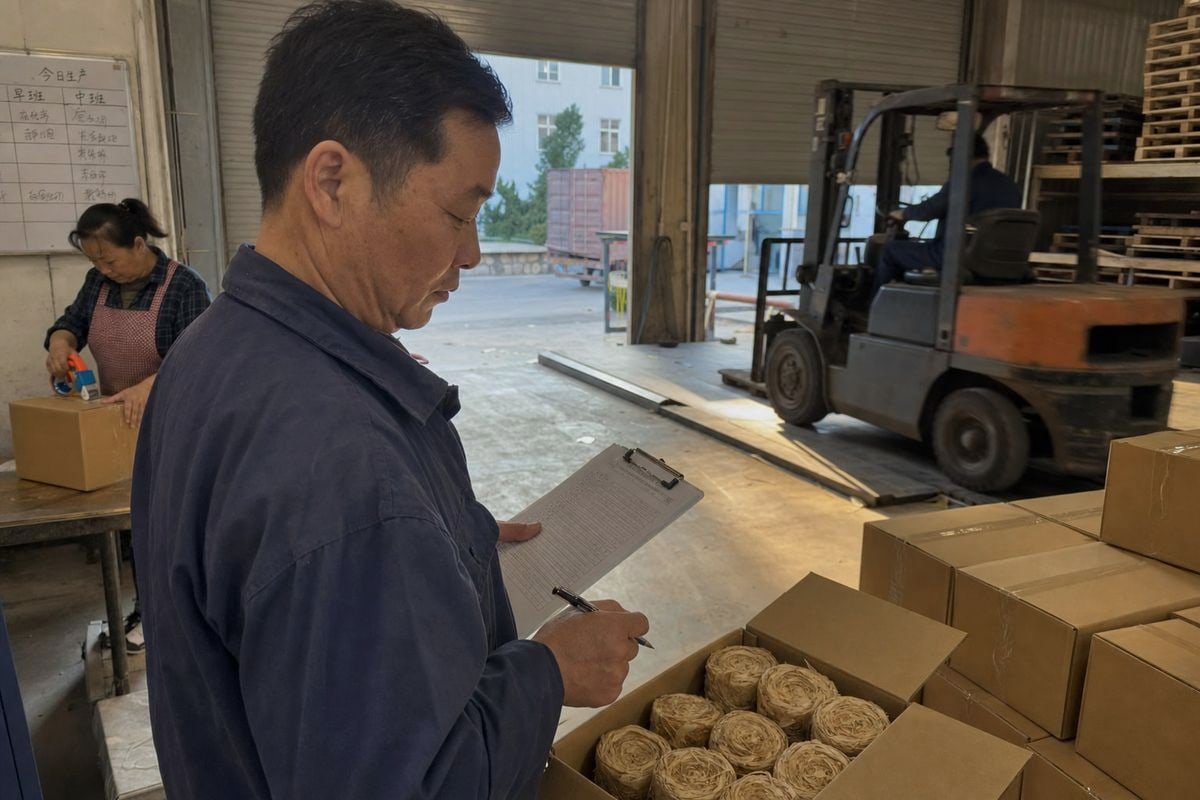
Buying wood fire starters sounds simple until customs asks for a phytosanitary certificate 1 you never requested. On our production line, we prep this paperwork before buyers even ask — because delays hurt.
Wood fire starters usually count as processed wood, but that does not automatically exempt them from a phytosanitary certificate. The answer depends on the product's composition, its treatment history, and the importing country's plant-health rules — not on the retail label "fire starter."
Let me break this down step by step. I will explain what triggers the certificate, how wax processing changes classification, and exactly which documents you should demand from your supplier.
What Determines Whether My Wood Fire Starters Need a Phytosanitary Certificate?
A German distributor once asked me why his previous supplier's container sat at Hamburg port for three weeks correct HS code 2. The answer was one missing plant-health document. We fixed it for his next order.
Three factors determine whether wood fire starters need a phytosanitary certificate: the raw material used, the level of processing applied, and the destination country's plant-health regulations. If the product can still harbor pests, most authorities treat it as a regulated wood commodity.

Plant-health authorities do not care what your product is called CE marking 3. They care about pest risk. A phytosanitary certificate exists for one reason: to confirm that a shipment cannot introduce quarantine pests 4 into the importing country. So the question is never "is this a fire starter?" The question is always "can this item still carry insects, larvae, or fungi?"
The Three Deciding Factors
Here is how border authorities actually evaluate wood fire starters:
| Factor | Low Risk (often exempt) | High Risk (often regulated) |
|---|---|---|
| Material | Sawdust bonded with wax, wood fiber fully saturated | Wood wool, bark pieces, raw kindling, split wood |
| Processing | Heat-treated, pressed, chemically bonded | Only cut, dried, or loosely compressed |
| Destination | Markets with processed-wood exemptions | Markets that regulate all forest products broadly |
International guidance from the FAO and IPPC 5 makes the logic clear. Certificates apply to regulated articles, and that can include processed plant products such as wood — if pest risk remains. At the same time, the guidance says importing countries should not demand certification when processing has made the material incapable of infestation.
That "if" is the whole game. Kiln-drying alone does not always qualify. Compression alone does not always qualify. In our seventeen-plus years exporting fire-starting goods to more than thirty countries, we have learned that Canada, the EU, and Great Britain each draw the line differently. Canada's forest product directives, for example, require heat treatment reaching 56°C throughout the wood core for at least 30 minutes when that standard applies — and the treatment must appear on the certificate itself.
So the honest answer for buyers is this: classify your product by material, treatment, and destination. Never classify it by its marketing name.
How Does Wax-Dipped Processing Affect the Customs Classification of My Wood Firestarters?
When we developed our wax-dipped wood rolls, we tested paraffin saturation levels for weeks. The compliance benefit surprised us as much as the burn-time improvement did.
Wax-dipping shifts wood firestarters toward the "fully processed" category because paraffin saturation seals the wood fiber and eliminates most pest habitat. Many customs authorities then classify them as manufactured firelighters rather than regulated wood, though acceptance still varies by country.
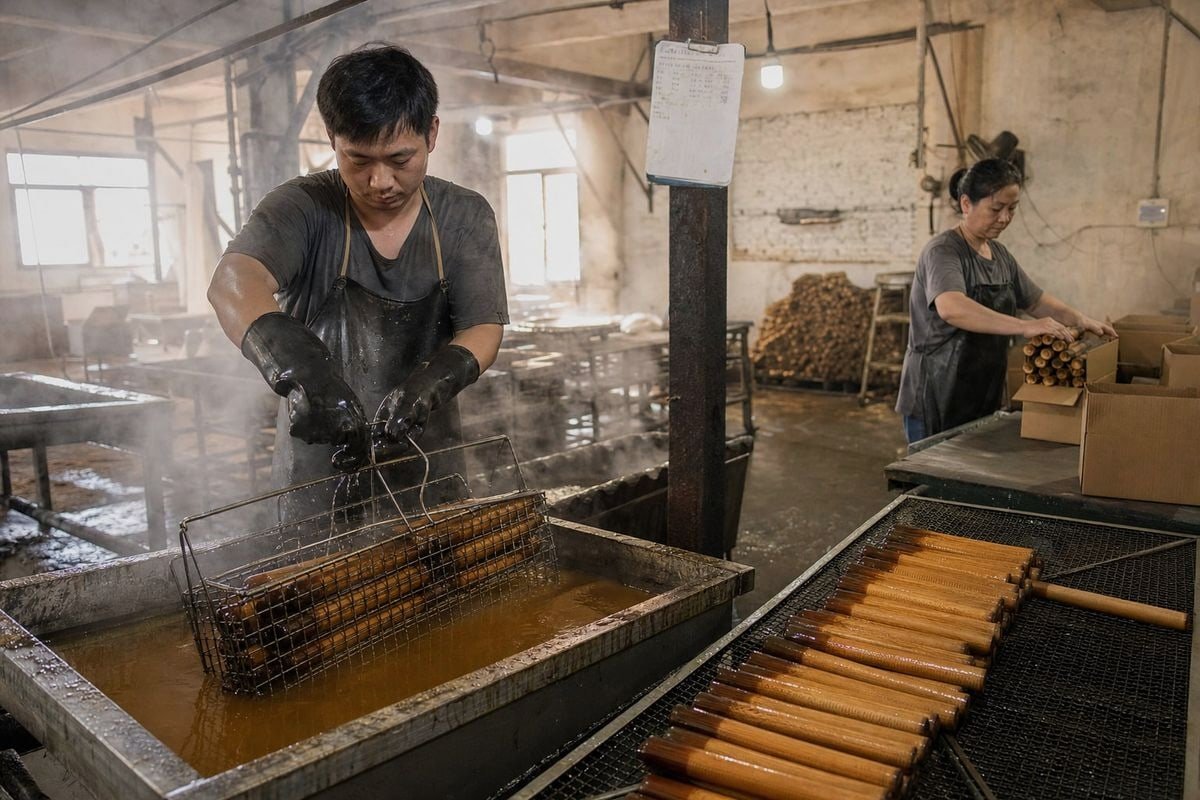
Wax changes everything — but not everywhere, and not automatically. Let me explain why.
Why Saturation Depth Matters
A wood roll that is fully saturated in molten paraffin is a different object, biologically speaking, from a dry wood roll with a thin wax coating. Full saturation displaces air, seals fiber channels, and makes the material inhospitable to insects and fungi. A surface-only coating leaves the core untouched. Border inspectors know this difference, and so should you.
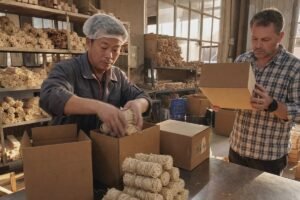
Our own wax-dipped wood rolls run through a controlled dipping process where the paraffin penetrates the fiber, not just the surface. That distinction matters when a buyer's customs broker needs to argue that the product is fully processed. It also matters for the product itself — deeper saturation means longer, more consistent burn times, which is why our QC team checks wax uptake batch by batch.
Classification Outcomes for Wax-Processed Products
| Processing Level | Typical Classification | Phytosanitary Certificate Likely? |
|---|---|---|
| Raw kindling, no wax | Regulated wood product | Yes, in most markets |
| Kiln-dried wood wool, no wax | Often still regulated wood | Frequently yes |
| Wax-coated (surface only) | Ambiguous — depends on inspector | Sometimes |
| Fully wax-saturated (e.g., 50% wood fiber, 50% paraffin) | Manufactured firelighter | Often no, but confirm per destination |
There is a second classification angle to note. Paraffin-heavy firelighters can trigger flammable-goods documentation instead of plant-health paperwork. That is a different compliance track — one covering transport safety rather than pests. A good supplier handles both. Because we hold SGS and Intertek test reports on our fire products, our buyers can present laboratory evidence of composition when either question arises at the border.
The takeaway: wax-dipping helps your case substantially, but "wax-dipped" on a label proves nothing. Documented saturation and composition do.
Which Import Documents Should I Request From My Supplier to Avoid Customs Delays?
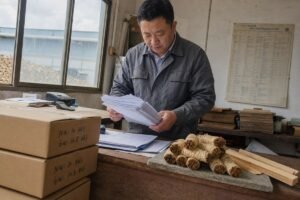
One lesson cost an early customer of ours dearly: he assumed his freight forwarder would "handle the paperwork." Nobody had the treatment declaration. We now issue a standard document pack with every fire-starter shipment.
Request five documents: a phytosanitary certificate or written exemption confirmation, a manufacturer's declaration of processing method, a material composition sheet, third-party test reports, and the commercial invoice with the correct HS code. Confirm all five before the goods leave the factory.
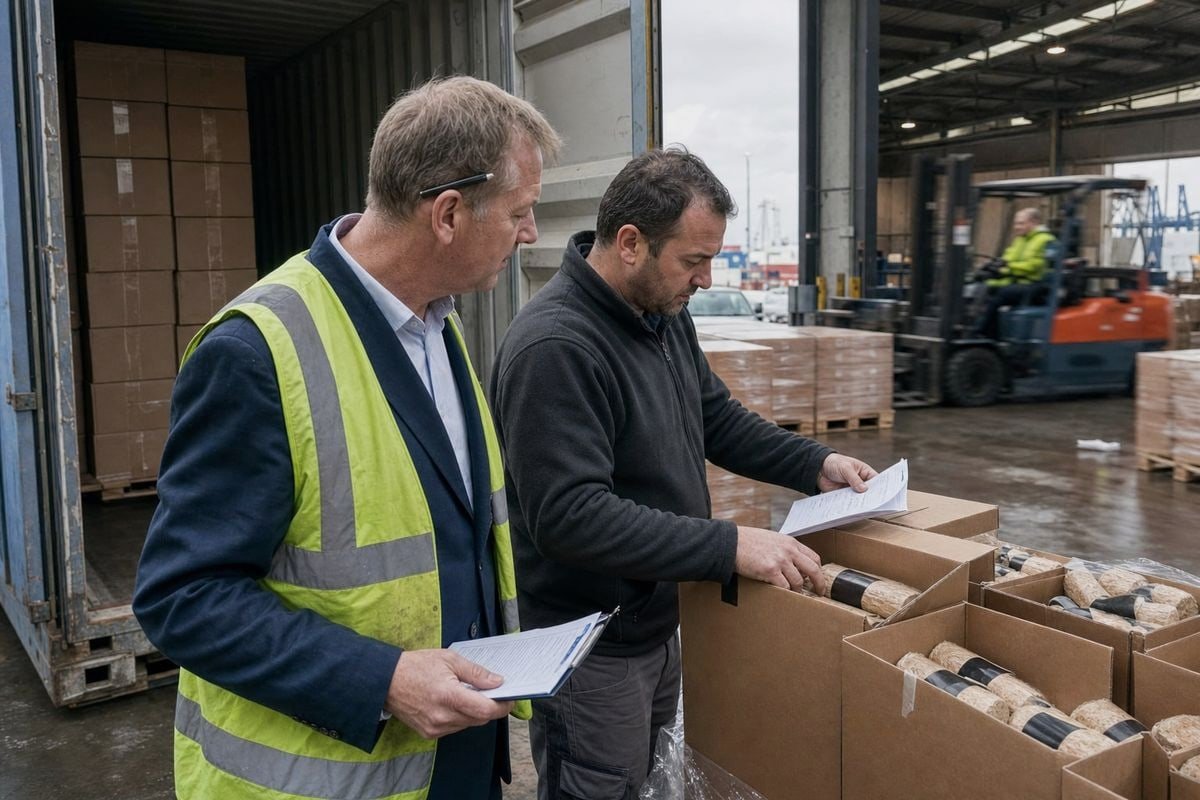
Documents win customs clearances. Arguments do not. Here is the pack I recommend every purchasing manager assemble before a single carton ships.
The Five-Document Checklist
- Phytosanitary certificate or exemption confirmation. If your destination regulates the product, the certificate must accompany the shipment and, where required, state the treatment method and temperature. If the product is exempt, get that exemption in writing from your supplier or broker — do not rely on assumption.
- Manufacturer's declaration of processing. This states heat-treatment temperature and duration, compression method, and wax saturation percentage. For fully processed firelighters, this document often matters more than the phytosanitary certificate itself.
- Material composition sheet. A clear breakdown — for example, 50% wood fiber and 50% paraffin — lets your broker classify the goods correctly the first time.
- Third-party test reports. Reports from recognized labs give inspectors independent evidence. We supply SGS or Intertek 6 documentation with our shipments because our US and EU buyers treat it as a hard requirement, not a bonus.
- Commercial invoice with correct HS code. Firelighters, wood products, and wood packaging sit under different codes. A wrong code invites inspection even when everything else is perfect.
Match Documents to Destination
| Destination | Key Extra Requirement |
|---|---|
| Canada | Possible import permit plus certificate showing heat-treatment details |
| European Union | Broad plant-product controls; even personal consignments of plant products need certification |
| Great Britain | Regulated wood and wood products require registered exporters and certificates |
| United States | Composition proof and correct classification; verify per product with APHIS guidance |
One more practical tip from our export desk: request draft documents before production finishes. Reviewing a draft phytosanitary certificate or declaration takes ten minutes. Fixing a rejected one while a container waits at port takes weeks.
Can My Supplier Provide Compliance Proof So I Don't Face Unexpected Border Inspections?
A UK fireplace distributor recently told me she chose us over a cheaper quote for one reason: we answered her compliance questions with actual documents, not promises. That conversation shaped how I think about supplier vetting.
Yes — a legitimate manufacturer can provide compliance proof, including phytosanitary certificates, processing declarations, factory certifications like ISO 9001 and BSCI, and third-party lab reports. If a supplier cannot produce these before you order, expect problems at the border later.
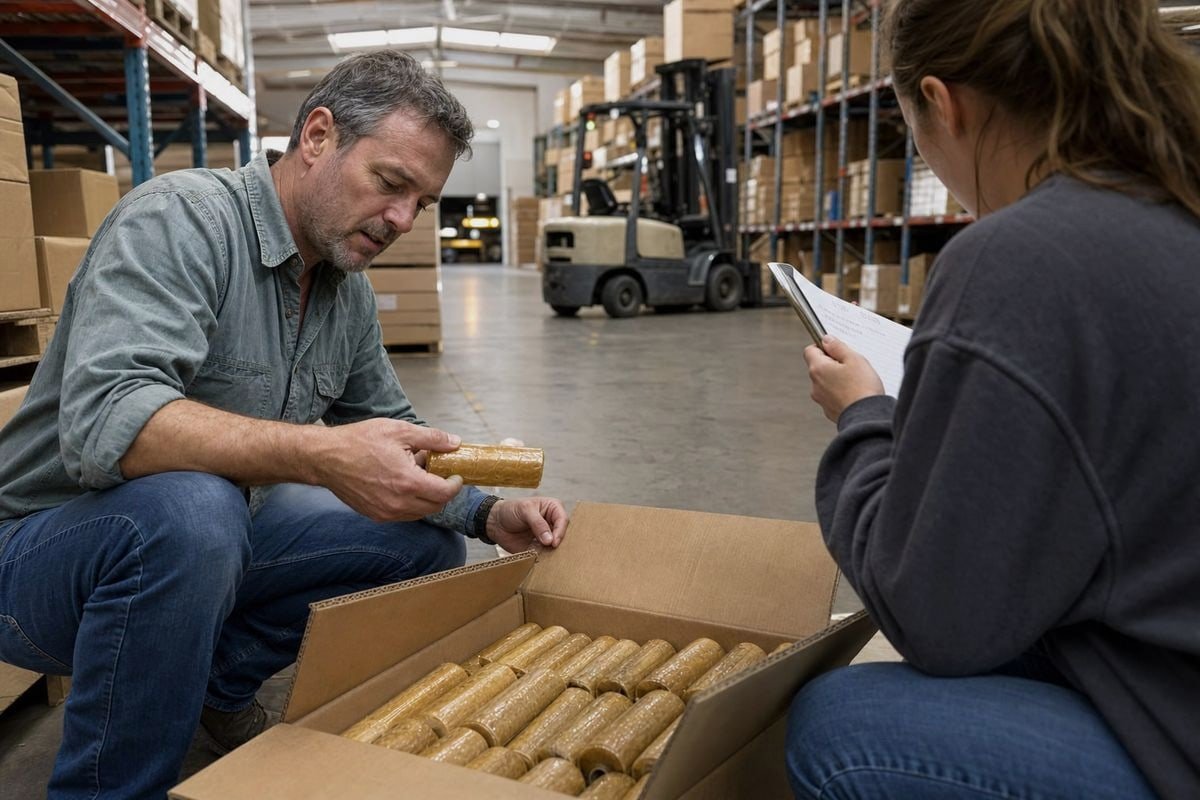
Border inspections rarely come out of nowhere. They come from gaps — a missing declaration, an inconsistent composition claim, a supplier who cannot answer a follow-up question in time. So your best defense is choosing a supplier who treats compliance as part of the product, not an afterthought.
What Real Compliance Proof Looks Like
Genuine proof falls into three layers. First, product-level documents: the phytosanitary certificate or exemption basis, the treatment declaration, and lab test reports on composition and safety. Second, factory-level credentials: quality-system certification such as ISO 9001, social-compliance audits such as BSCI 7, and CE marking where applicable. Third, batch-level consistency: evidence that what was tested is what actually ships.
That third layer is where trading companies stumble. A trader can forward a certificate from one factory while sourcing your actual goods from another. When customs pulls a sample and the composition does not match the paperwork, you own that problem. This is exactly why we keep production in-house at our own facility in Ningbo, with batch-to-batch quality control — so the sample you approve is the product that clears customs.
Questions to Ask Before You Order
- Can you send a copy of a phytosanitary certificate from a recent shipment to my country?
- What is your documented heat-treatment temperature and duration?
- What is the exact wood-to-paraffin ratio, and can a lab report confirm it?
- Who issues your test reports, and are they dated within the last two years?
- Do you produce these goods yourself, or do you source them?
A supplier who answers all five quickly, in clear English, with attachments, has almost certainly cleared customs in your market before. A supplier who hesitates is asking you to run their compliance experiment with your container. In my experience exporting to the US, Germany, the UK, and Canada, responsive documentation is the single most reliable predictor of a smooth first shipment.
Conclusion
Wood fire starters may count as processed wood, but processed does not mean paper-free. Verify material, treatment, and destination rules — and demand full documentation from your supplier before shipping.
Footnotes
1. IPPC defines phytosanitary certificates and their role in preventing pest introduction via trade. ↩︎
2. Provides authoritative lookup for harmonized system classification codes mentioned in document checklist. ↩︎
3. Wikipedia explains CE marking, a compliance credential mentioned alongside ISO and BSCI. ↩︎
4. Background definition of quarantine pests clarifies why certain wood products require certification. ↩︎
5. Links to official IPPC guidance on phytosanitary certification for processed plant products. ↩︎
6. SGS is a recognized third-party testing lab cited for composition and safety verification. ↩︎
7. amfori's official page describes the BSCI social-compliance audit framework mentioned for factory credentials. ↩︎

 English
  Spanish
  German
  French
  Arabic
  Portuguese
Join the Conversation