






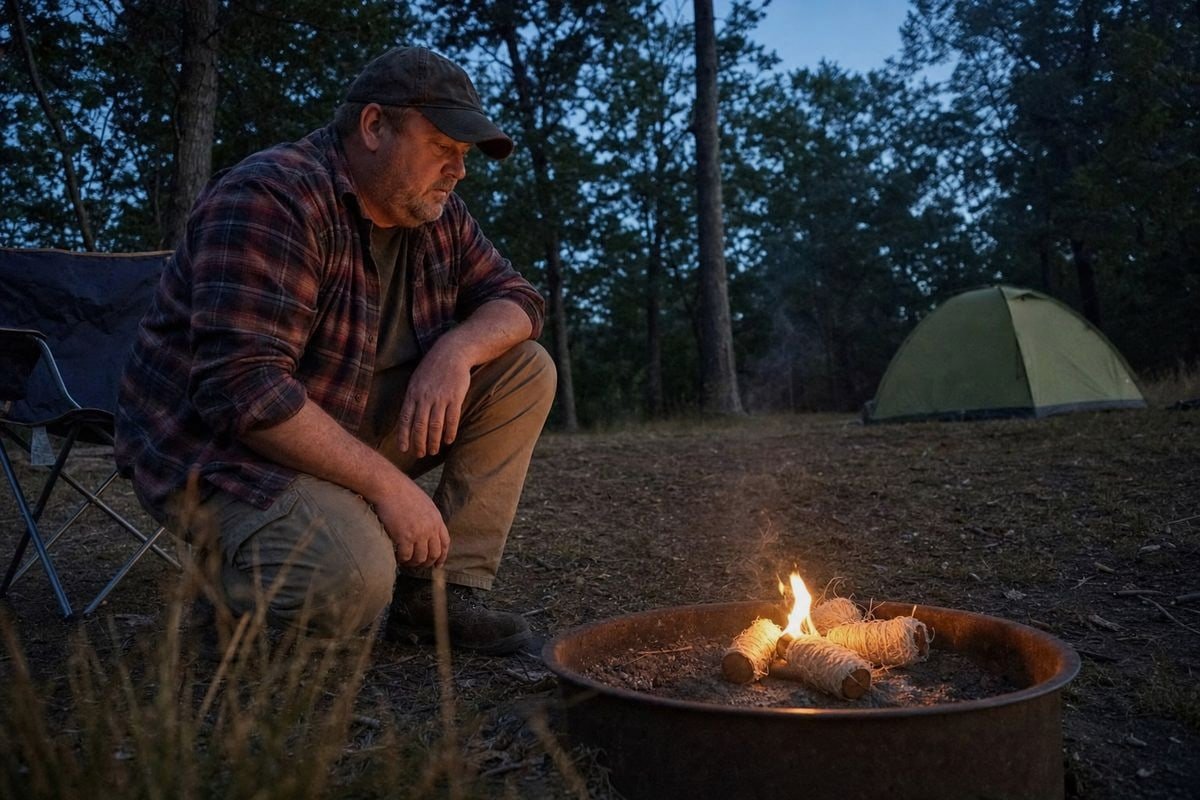
سألني موزع ذات مرة عما إذا كان يمكن استخدام بادئات الحريق الخشبية لدينا كمدفئات للخيمة. هذا السؤال أقلقني - لأن بادئات الحريق الخشبية والخيم يمكن أن تكون مزيجًا قاتلاً.
لا. لا ينبغي أبدًا حرق بادئات إشعال النار الخشبية داخل خيمة. أي لهب أو احتراق متوهج ينتج أول أكسيد الكربون، وهو غاز عديم الرائحة يمكن أن يصل إلى مستويات قاتلة في غضون دقائق في مأوى مغلق. استخدم بادئات إشعال النار الخشبية في الخارج فقط، بعيدًا عن جدران الخيمة.
هذا هو الجواب المختصر. ولكن كمشتري، تحتاج إلى أكثر من مجرد نعم أو لا. تحتاج إلى معرفة سبب أهمية هذا الأمر، وكيفية توصيله للعملاء، وكيفية الحصول على منتجات تحمل التحذيرات الصحيحة. دعني أرشدك خلال كل جزء.
ما هي مخاطر أول أكسيد الكربون التي يجب أن أحذر العملاء منها قبل استخدامهم لبادئات النار الخشبية داخل خيمة؟
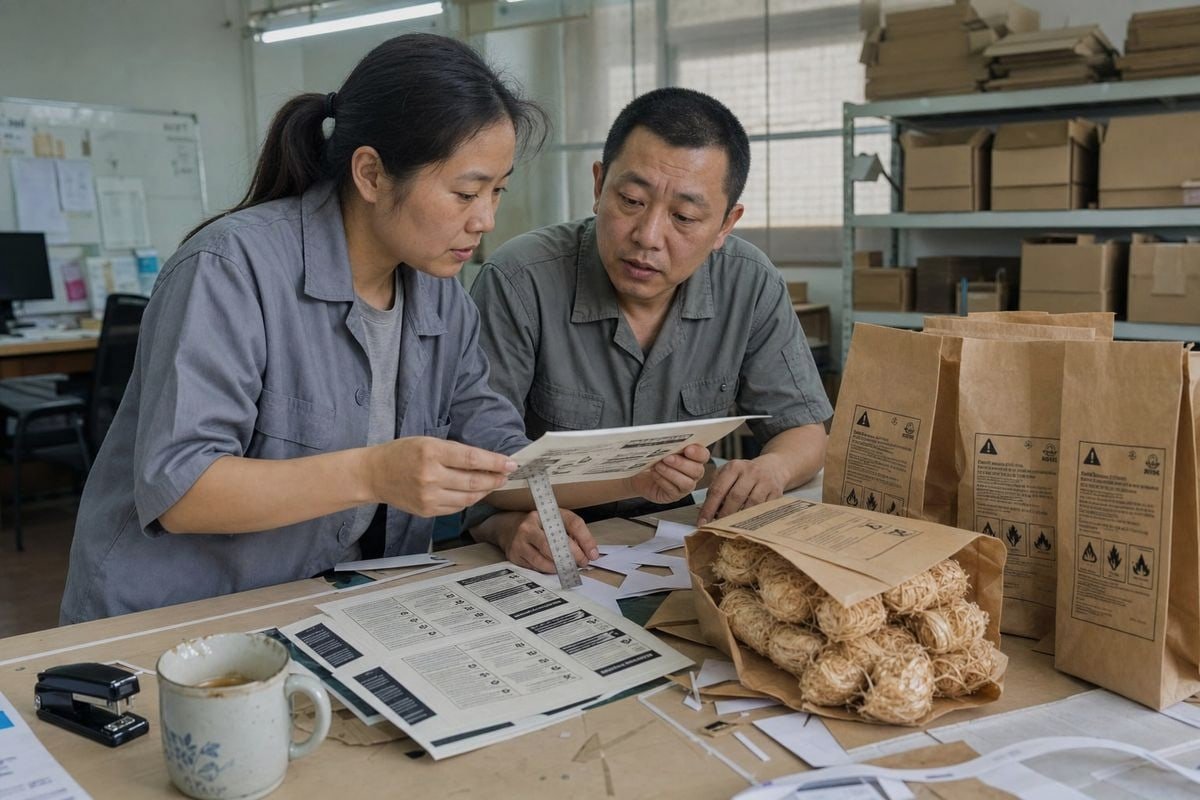
أثناء مراجعة التعبئة والتغليف في منشأتنا في نينغبو قبل بضع سنوات، ناقش فريقنا ما إذا كان تحذير المساحة المغلقة يستحق طباعة أكبر. جعلناها أكبر. جاء هذا القرار من تقارير حوادث حقيقية قرأناها في أسواق التصدير لدينا.
حذّر العملاء من أن إشعال أي مشعل حطب في خيمة ينتج عنه أول أكسيد الكربون بسبب الاحتراق غير الكامل. أول أكسيد الكربون عديم اللون والرائحة والطعم، ويتراكم في دقائق، ويبقى خطيرًا حتى من الجمر المتوهج، ولا يمكن تهويته بشكل موثوق عن طريق فتح أغطية الخيمة أو النوافذ.
الخطر الأساسي ليس الدخان. الدخان مرئي، وله رائحة. يتفاعل الناس معه. أول أكسيد الكربون مختلف. لا يقدم أي تحذير حسي على الإطلاق. لهذا السبب تدرج وكالات الصحة العامة الخيام والمظلات والمخيمات والمركبات الترفيهية وأكشاك الصيد كمساحات مغلقة عالية الخطورة لأي جهاز يحرق الوقود - وبادئ الحريق المشتعل هو جهاز يحرق الوقود.
لماذا الخيام خطيرة بشكل فريد
الخيمة لها حجم هواء صغير. حتى اللهب الخفيف يمكن أن يغير تركيز أول أكسيد الكربون بسرعة. تنص إرشادات التخييم الرسمية على أن مستويات أول أكسيد الكربون الخطرة يمكن أن تتراكم في دقائق أو أقل في المساحات المغلقة. والأسوأ من ذلك، أن نقص الأكسجين داخل الخيمة يتسارع احتراق غير كامل 1, ، مما يعني أن اللهب ينتج المزيد من أول أكسيد الكربون مع انخفاض جودة الهواء. تصبح حلقة تغذية راجعة.
فخ الاحتراق البطيء
هذا هو الخطر الذي يغفل عنه معظم المخيمين. قد لا يزال بادئ الحريق الذي "احترق" لا يزال يشتعل ببطء. تحذر هيئات سلامة الحرائق من أن مصدر الشواء أو الجمر البارد يستمر في إطلاق أول أكسيد الكربون السام داخل الخيمة أو المظلة. انطفاء اللهب لا يعني انتهاء الخطر.
أعراض التسمم بأول أكسيد الكربون التي يجب أن يعرفها عملاؤك
غالبًا ما يتم الخلط بين أعراض التسمم المبكر بأول أكسيد الكربون ومرض المرتفعات أو التعب أو الأنفلونزا - وهو تشخيص خاطئ خطير حقًا عندما يكون الضحية مستلقيًا داخل المأوى نفسه الذي يسممه.
| مرحلة التعرض | الأعراض النموذجية | ما يلومه المخيمون غالبًا |
|---|---|---|
| مبكر | صداع، غثيان، دوخة | المرتفعات، الجفاف، طعام سيء |
| معتدل | ارتباك، خمول، ضعف | إرهاق من المشي لمسافات طويلة |
| شديد | فقدان الوعي، نوبات | - (لم يعد الضحية قادرًا على الاستجابة) |
إذا كان هناك اشتباه في التعرض، فإن الإرشادات بسيطة: اذهب إلى الهواء النقي فورًا واتصل بخدمات الطوارئ 2. يجب أن تقول إدخالات منتجك ذلك بالضبط.
كيف يمكنني التحقق من أن بادئات إشعال النار الخشبية الخاصة بي تلبي معايير السلامة الدولية للتحذيرات في الأماكن المغلقة؟
في أكثر من سبعة عشر عامًا من تصدير سلع إشعال النار إلى الولايات المتحدة وألمانيا والمملكة المتحدة وثلاثين سوقًا أخرى، هناك درس واحد بارز: يتم فحص وثائق الامتثال عند الحدود، وليس عند نقطة البيع. الورق المفقود يوقف الحاويات.
تحقق من الامتثال عن طريق طلب تقارير اختبار صالحة من طرف ثالث من مختبرات مثل SGS أو Intertek، وتأكيد علامة CE عند الاقتضاء، ومراجعة شهادات ISO 9001 و BSCI للمورد، والتحقق من أن العبوة تحمل تحذيرات صريحة "للاستخدام الخارجي فقط" وتحذيرات المساحة المغلقة من أول أكسيد الكربون في لغة السوق الخاص بك.
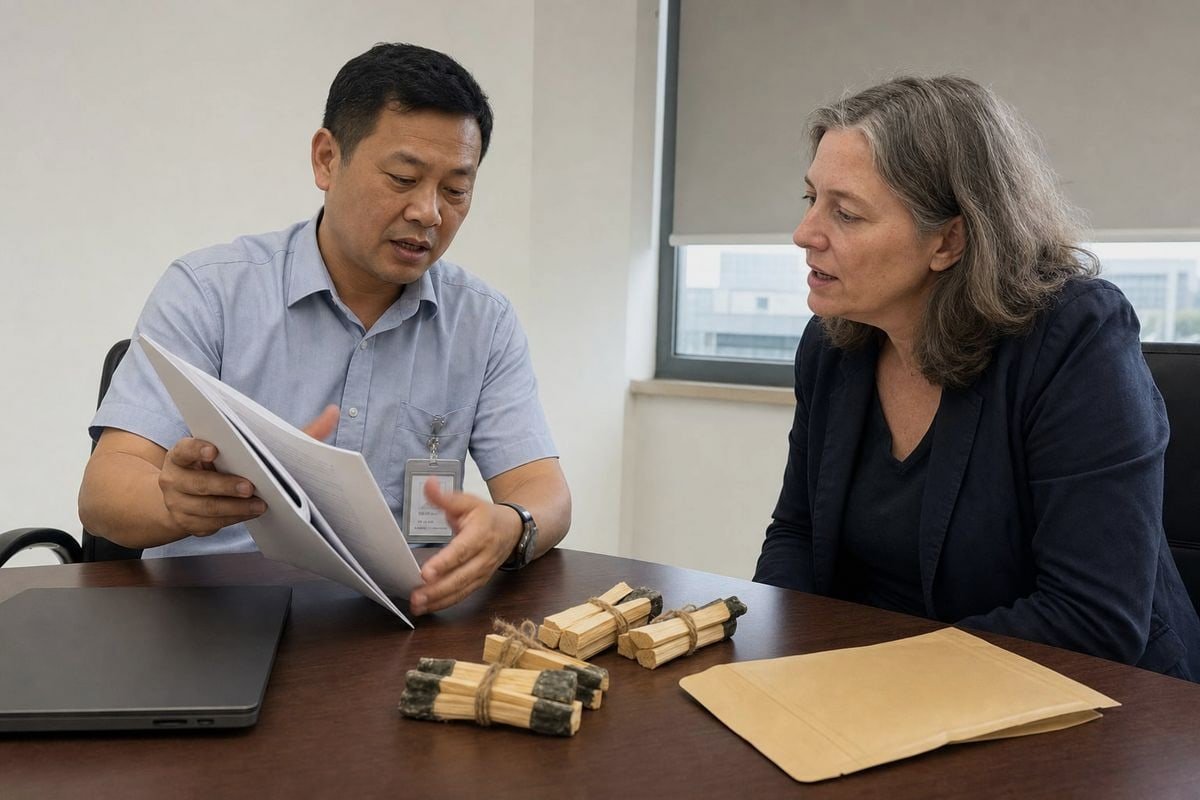
التحقق هو عملية، وليس شهادة واحدة. أوصي المشترين باتباع هذه الخطوات بالترتيب:
- اطلب تقارير الاختبار الفعلية، وليس مجرد أرقام الشهادات. يمكن للمصنع الحقيقي أن يرسل لك SGS أو Intertek 3 تقارير حديثة في غضون يوم. تحقق من تاريخ التقرير ووصف المنتج الذي تم اختباره واسم مقدم الطلب. يجب أن يتطابق مقدم الطلب مع المصنع الذي تشتري منه.
- طابق المعيار مع سوقك. يتوقع الاتحاد الأوروبي الامتثال المتعلق بعلامة CE ووضع العلامات التحذيرية بأسلوب CLP لخلائط الشمع والبارافين. يميل السوق الأمريكي إلى قواعد وضع العلامات الخاصة بـ FTC وتوقعات سلامة المنتج العامة. تتطلب المملكة المتحدة الآن اعتبارات UKCA جنبًا إلى جنب مع وثائق CE القديمة.
- قم بتدقيق لغة التحذير نفسها. يجب أن تنص الملصقات على أن المنتج للاستخدام الخارجي فقط، ويجب أن تشير إلى مخاطر أول أكسيد الكربون أو المساحات المغلقة، ويجب أن تتضمن سطر "إبعاد عن الأطفال". العبارات الغامضة مثل "استخدم بحذر" لا ترضي فرق الامتثال لدى تجار التجزئة.
- تأكيد شهادات نظام الجودة. ISO 9001 4 يخبرك أن المصنع يتحكم في عملياته دفعة بدفعة. تخبرك BSCI أن المصنع يجتاز عمليات التدقيق الاجتماعي - وهو مطلب صعب للعديد من قنوات التوريد الكبيرة لتجار التجزئة.
- اسأل عن إمكانية تتبع الدُفعات. إذا شكك بائع تجزئة في علبة واحدة، فهل يمكن للمورد تتبعها إلى تاريخ الإنتاج ودفعة المواد الخام؟ في مصنعنا، تحمل كل دفعة رمزًا قابلاً للتتبع، وقد وجدنا أن هذه الممارسة الواحدة تحل معظم نزاعات بائعي التجزئة بسرعة.
قائمة التحقق من الوثائق حسب السوق
| السوق | المستندات الرئيسية المطلوب طلبها | فجوة شائعة |
|---|---|---|
| الولايات المتحدة الأمريكية | تقرير اختبار SGS/Intertek، إثبات وضع العلامات المتوافقة مع FTC | نص تحذير مفقود باللغة الإنجليزية بشأن أول أكسيد الكربون |
| الاتحاد الأوروبي (ألمانيا، فرنسا، هولندا، بولندا) | ملف الامتثال لعلامة CE، مراجعة ملصق المخاطر CLP، إعلان REACH | تحذيرات ليست باللغة المحلية |
| المملكة المتحدة | وثائق UKCA/CE، ملف السلامة بأسلوب GPSR | تقارير ما قبل خروج بريطانيا من الاتحاد الأوروبي قديمة |
| كندا / أستراليا | إثبات الملصقات ثنائية اللغة أو المحلية، تقارير الاختبار | لا يوجد تحذير من الأماكن المغلقة على الإطلاق |
ما هي المكونات وخصائص الاحتراق التي يجب أن أبحث عنها في بادئات إشعال النار الخشبية لتقليل مخاوف الأبخرة السامة؟
عندما قمنا بتطوير لفائف الخشب المغطاة بالشمع، اختبرنا عشرات النسب من الشمع إلى الألياف. المقايضة التي وازناها باستمرار: لهب أكثر سخونة وأسرع يشعل المواد القابلة للاشتعال بسرعة، ولكن احتراقًا أنظف وأكثر ثباتًا ينتج دخانًا أقل وضوحًا وشكاوى أبخرة أقل من المستخدمين النهائيين.
اختر بادئات إشعال مصنوعة من ألياف الخشب الطبيعي أو الخشب المبشور المربوط بالبارافين الغذائي أو شمع الخضروات، بدون سائل إشعال أو كيروسين أو مسرعات كيميائية. ابحث عن لهب ثابت، ودخان مرئي قليل، ورائحة قليلة، ووقت احتراق ثابت، واحتراق كامل مع بقايا قليلة.
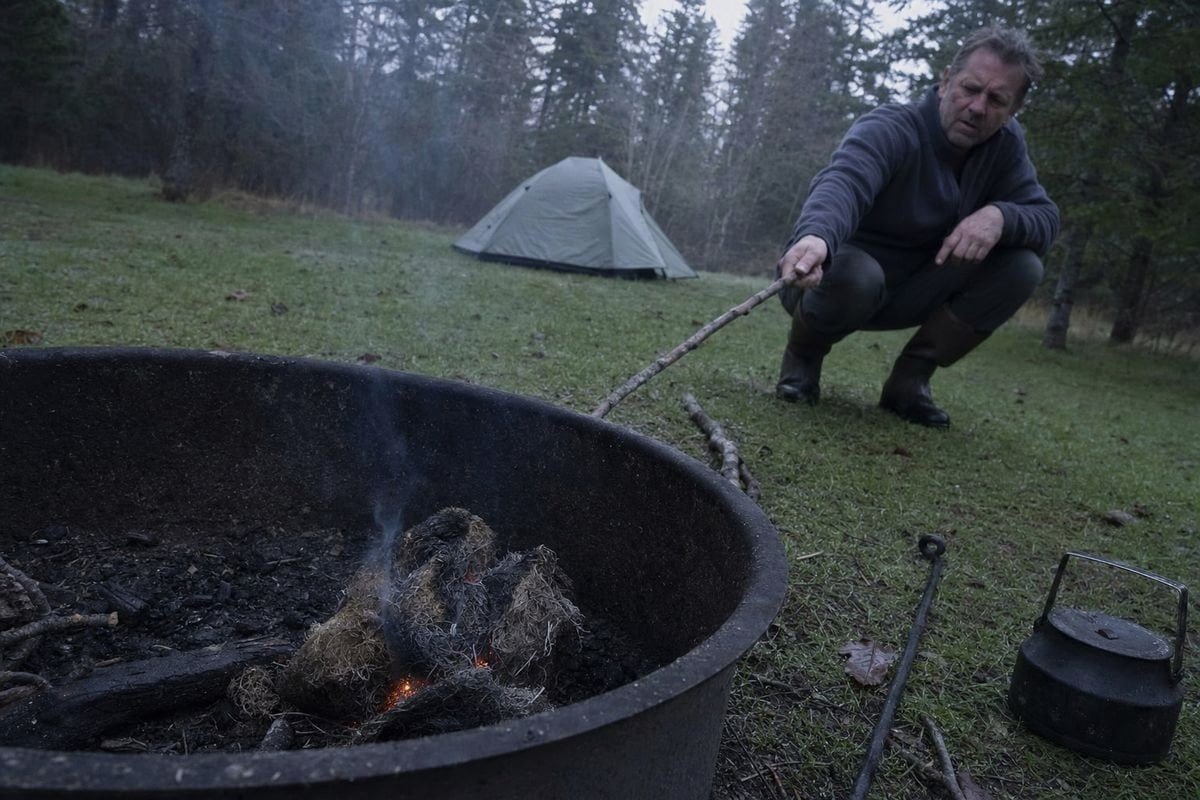
على الرغم من عدم وجود أي مشعل آمن داخل خيمة، إلا أن جودة المكونات لا تزال مهمة للغاية للاستخدام في الهواء الطلق. التركيبات الأنظف تعني أبخرة أقل تهيجًا عند حفرة النار، وشكاوى أقل من العملاء، ومراجعات امتثال أسهل.
المكونات: ما يجب قبوله وما يجب رفضه
أعواد إشعال طبيعية، خشب دهني،, صوف الخشب 5, ، وإكسلسيور مضغوط مربوط بـ البارافين المكرر أو شمع العسل هي المواد الأساسية المفضلة في الصناعة. المواد الكيميائية المسرعة هي العلامة الحمراء. سائل الإشعال، الكتل المشبعة بالكيروسين، والمذيبات البترولية تطلق مركبات عضوية متطايرة 6 وتخلق مخاطر الاشتعال - وهي بالضبط المنتجات التي تؤدي إلى سحب المنتجات.
| مكون | مقبول | رفض |
|---|---|---|
| قاعدة الألياف | إكسلسيور، صوف الخشب، نشارة الخشب، خشب دهني | ألياف معاد تدويرها بطلاءات أو غراء غير معروف |
| المادة الرابطة | بارافين مكرر، شمع عسل، شمع نباتي | كيروسين، سائل إشعال، مخاليط مذيبات |
| إضافات | لا شيء، أو شمع طبيعي خالٍ من العطور | مسرعات كيميائية، أصباغ تحتوي على معادن ثقيلة |
| التركيب النموذجي | ~50% ألياف خشبية / ~50% شمع | مخاليط وقود غير معلن عنها أو "خاصة" |
خصائص الاحتراق التي تشير إلى الجودة
أقوم بتقييم العينة بخمسة سلوكيات. يجب أن تشتعل بعود ثقاب واحد. يجب أن يستقر اللهب في غضون ثوانٍ، ولا يتطاير أو يشتعل. يجب أن يكون الدخان خفيفًا وشاحبًا، وليس أسود. يجب أن يكون وقت الاحتراق ثابتًا عبر الدفعة - في خطوطنا، نقوم باختبار مدة الاحتراق من كل دفعة إنتاج لأن تشبع الشمع غير المتسق هو أول علامة على انحراف الجودة. أخيرًا، يجب أن يحترق المشعل بالكامل تقريبًا. البقايا الثقيلة تشير إلى تكرير شمع ضعيف أو مواد مالئة.
فارق بسيط آخر للمشترين الذين يخدمون المناطق الجبلية: في الارتفاعات العالية، يعزز الأكسجين الأقل احتراقًا غير كامل، لذلك قد يدخن تركيبة تحترق بشكل نظيف عند مستوى سطح البحر أكثر عند الارتفاع. مشعل ليفي مشبع جيدًا وذو تدفق هواء عالٍ يتعامل مع هذا بشكل أفضل من كتلة مضغوطة كثيفة.
كيف يمكنني الحصول على مشعلات نار خشبية بعلامات تحذير مناسبة ووثائق امتثال لسوقي؟
أعاد مستورد ألماني ذات مرة أول كرتونة عينة لدينا مع نص التحذير محاطًا بحبر أحمر - كان الخط أصغر بنقطتين من معيار سلسلة البيع بالتجزئة الخاصة به. قمنا بتعديل العمل الفني في غضون أسبوع، وقد أعاد هذا الحساب الطلب منذ ذلك الحين. الملصقات تفوز أو تخسر مساحة الرفوف في متاجر البيع بالتجزئة.
المصدر من مصنع مدقق، وليس شركة تجارية. تتطلب الموافقة على الأعمال الفنية قبل الشحن لملصقات التحذير بلغة السوق الخاص بك، وتقارير اختبار SGS أو Intertek صالحة، وشهادات ISO 9001 و BSCI، وسجلات مراقبة الجودة على مستوى الدفعة، ودعم OEM الخاص بالعلامة التجارية للتغليف المتوافق والجاهز للعرض.
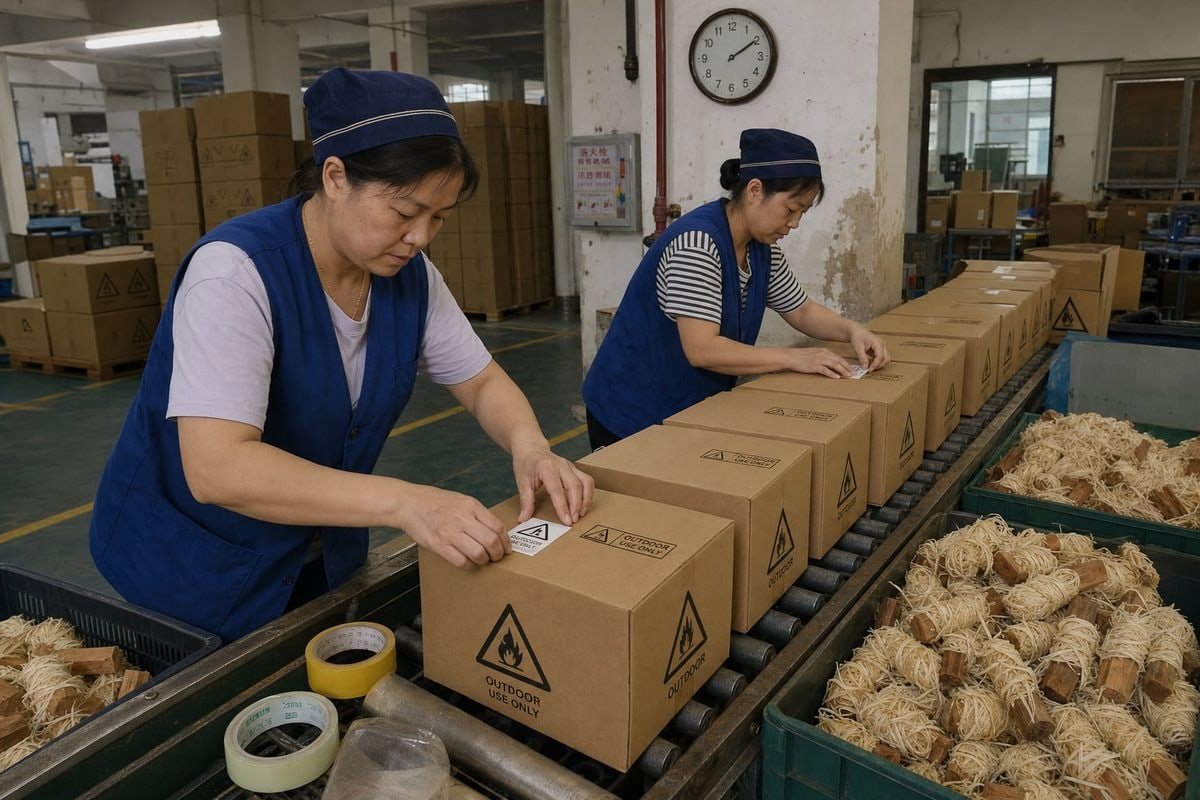
يأتي الحصول على مشعلات متوافقة في النهاية إلى التحكم في ثلاثة أشياء: المورد، الملصق، وسلسلة الأوراق.
اختر نوع المورد عن قصد
المصنع الحقيقي يتحكم في تركيبته الخاصة، ومصدر الشمع الخاص به، وطباعة الملصقات الخاصة به. شركة تجارية لا تتحكم في أي من هذه الأمور، مما يعني اكتشاف أخطاء ملصقات التحذير بعد شحن البضائع. عندما يزور المشترون خطوط الإنتاج لدينا، فإن أول شيء نعرضه هو محطة الملصقات والتعبئة - لأن هذا هو المكان الذي يحدث فيه الامتثال أو يفشل. اسأل أي مورد محتمل ثلاثة أسئلة: من يطبع ملصقاتك؟ من يحتفظ بتقارير الاختبار؟ هل يمكنك تخصيص نص التحذير لكل بلد وجهة؟ التردد في أي من هذه هو إجابتك.
قم ببناء ملصق التحذير بشكل صحيح
يجب أن يتضمن ملصق تحذير قابل للدفاع عنه لمشعلات الخشب، كحد أدنى:
- "للاستخدام الخارجي فقط" مذكور بشكل بارز
- صريح تحذير من أول أكسيد الكربون / الأماكن المغلقة يغطي الخيام والمقطورات والمناطق الداخلية بدون تهوية مناسبة
- "يحفظ بعيدًا عن متناول الأطفال" ولغة "الابتعاد عن المواد القابلة للاشتعال"
- الكشف عن التركيب (على سبيل المثال، نسب ألياف الخشب والبارافين)
- ترجمة باللغة المحلية لكل سوق وجهة
- رمز الدفعة وتفاصيل الاتصال بالمستورد
إذا كان عملاؤك يشملون شريحة التخييم الساخن، يمكن لعبواتك أن تشير بمسؤولية إلى أن أجهزة حرق الوقود تنتمي فقط إلى الملاجئ المصممة خصيصًا - تلك التي تحتوي على قماش مقاوم للحريق، وتركيب مدخنة مناسب، ومدخنة كاملة تلبي ممارسة سلامة مواقد الخشب المحمولة, ، ومتطلبات تهوية الخيمة المصممة في الهيكل، وكاشف أول أكسيد الكربون يعمل بالبطارية في جميع الأوقات. غالبًا ما يختار مستخدمو معدات التخييم الساخن الجادون أجهزة مراقبة أول أكسيد الكربون منخفضة المستوى 7 التي تنبه عند 10-30 جزء في المليون، لأن أجهزة الإنذار السكنية القياسية تنطلق متأخرة جدًا لحجم خيمة صغير. حتى في هذه الحالة، يجب إشعال المشعل نفسه في الموقد - وليس أبدًا كشعلة مفتوحة في مساحة المعيشة.
هيكلة الطلب للامتثال
ننصح المشترين باتباع عملية مرحلية: الموافقة على عينة مادية، التوقيع على تصميم الملصق، تقديم طلب تجريبي بحد أدنى للكمية مرن، ثم التوسع. أصر على أن يتطابق الإنتاج الضخم مع العينة المعتمدة - العمق التصنيعي الحقيقي يعني أن العينة الأولى تعكس بشكل موثوق ما يصل إلى حاويتك.
خاتمة
تبدأ مشعلات حطب النار في الخارج - لا تستخدم أبدًا في الخيام، حيث يقتل أول أكسيد الكربون بصمت. احصل على منتجات طبيعية تحترق بشكل نظيف مع شهادات موثقة وتحذيرات واضحة للأماكن المغلقة، وسيبقى عملاؤك آمنين بينما تظل علامتك التجارية متوافقة.
ملاحظات ختامية
يشرح العملية الكيميائية التي تولد أول أكسيد الكربون في الأماكن المغلقة قليلة الأكسجين مثل الخيام. ↩︎
تدعم إرشادات التسمم بأول أكسيد الكربون الرسمية من مركز السيطرة على الأمراض نصائح الاستجابة للطوارئ المقدمة للمخيمين. ↩︎
SGS هي مختبر اختبار رائد من طرف ثالث يُنصح المشترون بطلب تقاريره مباشرة. ↩︎
يحدد موقع ISO الرسمي معيار إدارة الجودة المشار إليه للتحكم في عمليات المصنع. ↩︎
معلومات أساسية عن السعف / الصوف الخشبي، وهي مادة الألياف الطبيعية الموصى بها لمشعلات حطب النار التي تحترق بشكل نظيف. ↩︎
تشرح وكالة حماية البيئة التأثيرات الصحية للمركبات العضوية المتطايرة المشار إليها فيما يتعلق بالمواد الكيميائية المسرعة. ↩︎
تدعم أدلة السلامة الخاصة بـ CPSC بشأن أول أكسيد الكربون النصائح المتعلقة بمراقبة مستويات أول أكسيد الكربون المنخفضة لأحجام الخيام الصغيرة. ↩︎
 English
  Spanish
  German
  French
  Arabic
  Portuguese
انضم إلى المحادثة