







شحن بادئات إشعال النار الخشبية من الصين إلى أوروبا يبدو بسيطًا حتى تفوت حاوية موسم الشتاء الخاص بك شروط الشحن 1. لقد شاهد فريق الإنتاج لدينا في نينغبو المشترين وهم يخسرون عروضًا ترويجية كاملة بسبب اختيار شحن سيءسي 2.
الشحن البحري هو الطريقة الأرخص لشحن مشعلات النار الخشبية من الصين إلى أوروبا، ويستغرق 30-45 يومًا بتكلفة تتراوح تقريبًا بين 1500-4500 دولار لكل حاوية. يستغرق الشحن بالسكك الحديدية 15-25 يومًا بتكلفة تتراوح بين ضعف وثلاثة أضعاف تكلفة الشحن البحري. يستغرق الشحن الجوي 3-7 أيام ولكنه يكلف 4-8 دولارات للكيلوغرام الواحد.
هذه الأرقام الرئيسية هي مجرد نقطة البداية تصنيف رمز النظام المنسق 3. الإجابة الحقيقية تعتمد على حجم طلبك، وموسمك، وكيفية تصنيف منتجك لدى الجمارك. دعني أرشدك خلال كل عامل بالطريقة التي أشرحها لمشترينا.
ما هي طريقة الشحن التي تمنحني أفضل توازن بين التكلفة ووقت التسليم لبادئات إشعال النار الخشبية؟
طلب مني موزع ألماني ذات مرة أن أقدم عرض سعر لنفس المنصة بثلاث طرق مختلفة قبل أن يوقع. بعد 17 عامًا من تصدير منتجات الإشعال إلى أكثر من 30 دولة، أقوم الآن بإجراء هذه الحسابات لكل مشتري جديد بشكل افتراضي.
يوفر الشحن البحري أفضل توازن بين التكلفة والوقت لمعظم طلبات مشعلات النار الخشبية لأن المنتج ذو قيمة منخفضة وضخم. يصبح السكك الحديدية هو التوازن الأفضل عندما تحتاج إلى مخزون في غضون ثلاثة أسابيع. لا يكون الشحن الجوي منطقيًا إلا للعينات أو عمليات إعادة التخزين الطارئة التي تقل عن 200 كيلوجرام.

الطريقة الصحيحة لتأطير هذا ليست "أي وسيلة هي الأسرع" بل "أي وسيلة تحمي هامشي لكل عبوة بيع بالتجزئة". بادئات إشعال النار الخشبية كثيفة في الكراتين ولكنها رخيصة لكل وحدة. هذا المزيج يعاقب وسائط الشحن باهظة الثمن بسرعة كبيرة.
هذه هي المقارنة التي أشاركها مع المشترين قبل أن يحجزوا:
| وضع الشحن | وقت من الباب إلى الباب | التكلفة النموذجية | الأفضل لـ |
|---|---|---|---|
| بحر (FCL 4) | 30–45 يومًا | 1500 دولار - 4500 دولار للحاوية | مخزون موسم كامل، برامج البيع بالجملة |
| بحر (LCL) | 35–50 يومًا | 50 دولار - 100 دولار لكل متر مكعب | طلبات تجريبية من 2-10 متر مكعب |
| سكة حديد | 15–25 يومًا | 2-3 أضعاف تكلفة الشحن البحري | تجديد منتصف الموسم |
| الهواء | 3-7 أيام | 4 دولارات - 8 دولارات للكيلوغرام | عينات، إنقاذ عاجل من نفاد المخزون |
| البريد السريع | 3-5 أيام | الأعلى لكل كجم | عينات صغيرة فقط، إذا قبلت شركات الشحن البضائع |
فكر في اقتصاديات الوحدة، وليس أسعار الشحن
تحتوي كرتونة قياسية من بادئات إشعال النار الخشبية الملفوفة بالشمع المكونة من 100 قطعة على حجم معروف. في حاوية كاملة مقاس 40 قدمًا، قد يضيف الشحن البحري بضعة سنتات فقط لكل صندوق بيع بالتجزئة. نفس الصندوق الذي يتم شحنه عن طريق الجو يمكن أن يحمل عبئًا شحنًا أعلى من تكلفة المصنع الخاصة بك. هذا هو السبب في أن مشترينا الذين يشحنون بحرًا يمكنهم الاحتفاظ بأسعار البيع بالتجزئة بينما لا يستطيع المنافسون الذين يشحنون جوًا.
الوقت ليس مجرد وقت العبور
يستغرق الشحن من الباب إلى الباب دائمًا وقتًا أطول من الشحن من الميناء إلى الميناء. التخليص الجمركي، والمناولة في المحطة، والشحن البري إلى مدن مثل ميونيخ أو ليون يضيف أيامًا في كلا الطرفين. عندما نحدد أوقات التسليم من خط إنتاج نينغبو الخاص بنا، فإننا دائمًا ما نضيف وقت الإنتاج فوق وقت العبور. قم بوضع ميزانية للسلسلة الكاملة، وليس لجدول الإبحار.
كم تستغرق الشحن البحري حقًا من الصين إلى أوروبا مقارنة بالسكك الحديدية والجو؟
درس تعلمه فريق التصدير لدينا مبكرًا: يمكن لمشتري في روتردام ومشتري في وارسو حجز نفس السفينة واستلام البضائع بفارق أسبوع. الجغرافيا داخل أوروبا مهمة بقدر عبور المحيط نفسه.
الشحن البحري من الصين إلى أوروبا يستغرق واقعيًا 30-45 يومًا من الباب إلى الباب، على الرغم من أن الشحنات من ميناء إلى ميناء تستغرق 25-35 يومًا. يستغرق الشحن بالسكك الحديدية عبر طرق مثل دويسبورغ أو مالاشيفيتشي 15-25 يومًا. تصل الشحنات الجوية في 3-7 أيام بما في ذلك التوحيد والتخليص.
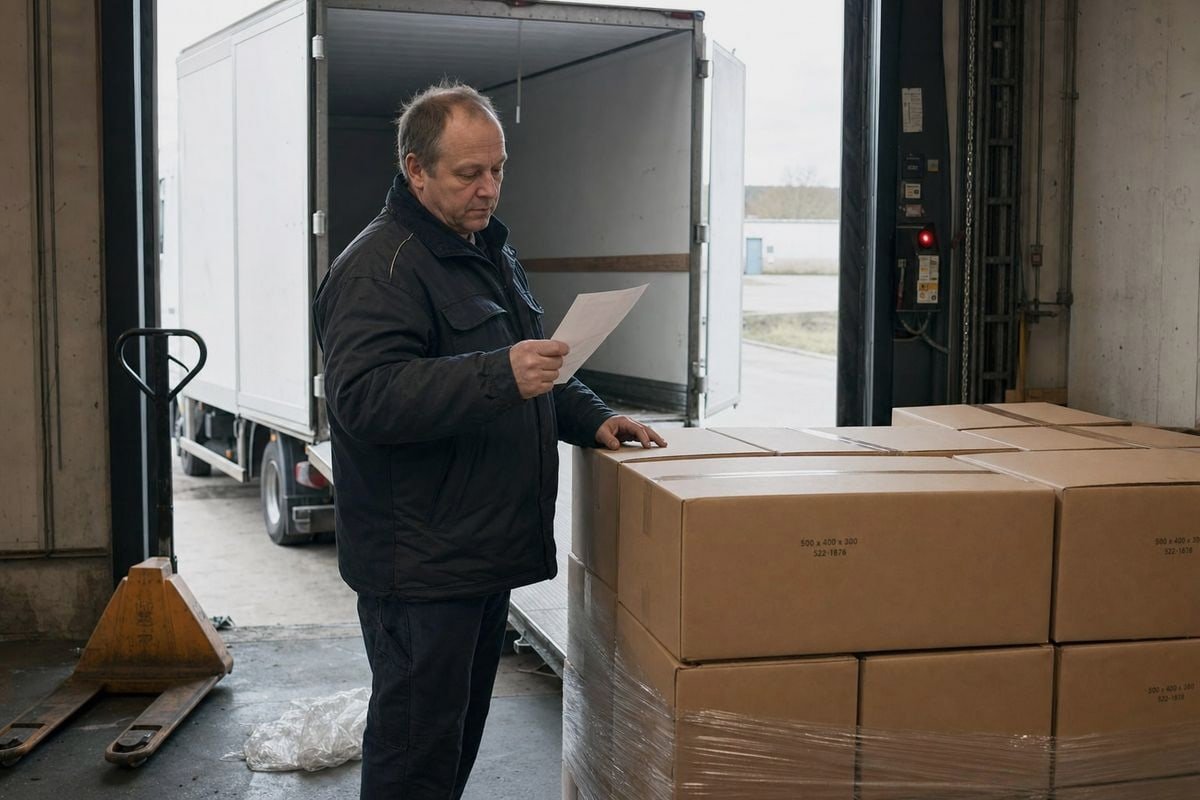
تقتبس المصادر المختلفة أرقامًا مختلفة، وهناك سبب وجيه لذلك. وقت العبور ليس رقمًا واحدًا. إنه مجموعة من الأجزاء، وكل جزء يمكن أن يتمدد.
لماذا تختلف الأوقات المقتبسة كثيرًا
تفسر أربعة عوامل معظم الفارق الذي تراه عبر الإنترنت:
- اختيار المسار. الشحنات المباشرة من شنغهاي أو نينغبو إلى روتردام أسرع من المسارات ذات الشحن العابر في سنغافورة أو الشرق الأوسط.
- مدن المنشأ والوجهة. إنتاجنا في نينغبو، بالقرب من ميناء رئيسي، مما يوفر أيامًا من النقل. الوجهة الأوروبية الداخلية تضيف وقت الشحن بعد الوصول.
- التوحيد. شحنات البحر LCL وشحنات الجو الموحدة تنتظر لملء المساحة. الحجوزات FCL والجو المخصصة تتحرك بشكل أسرع.
- الموسم والازدحام. الطلب قبل الشتاء في الربع الثالث والرابع على منتجات بادئات الإشعال يزدحم ممرات الصين وأوروبا بالضبط عندما تحتاج إليها أكثر.
الجدول الزمني الواقعي حسب الجزء
| شريحة | بحر (FCL) | سكة حديد | الهواء |
|---|---|---|---|
| استلام المنشأ + التخليص الجمركي للتصدير | 2-4 أيام | 2-4 أيام | 1-2 يوم |
| الجزء الدولي الرئيسي | 25-35 يومًا | 12-18 يومًا | 1-3 أيام |
| التخليص الجمركي + المناولة للاستيراد | 2-5 أيام | 2-4 أيام | 1-2 يوم |
| التسليم البري في أوروبا | 1-5 أيام | 1-4 أيام | 1-3 أيام |
أضف وقت الإنتاج قبل أن يبدأ كل هذا. عندما يقوم مشترينا بتخطيط برامج البيع بالتجزئة الشتوية, ، نحن نعمل بشكل عكسي من تاريخ رفهم، وليس للأمام من تاريخ مصنعنا. هذه العادة الواحدة تمنع معظم الكوارث الموسمية.
هل يمكنني تقليل تكاليف الجمارك والشحن عند استيراد مشعلات النار الخشبية بكميات كبيرة؟
أوراق الامتثال هي المكان الذي رأيت فيه أكبر قدر من المال يُفقد بهدوء. مصنعنا يحتفظ ISO 9001 5, ، BSCI، CE، و SGS/Intertek شهادات بالضبط لأن الوثائق النظيفة تخليص الجمارك الأوروبية أسرع وأرخص من أي خصم شحن تم التفاوض عليه.
نعم. يمكنك خفض التكاليف من خلال التصنيف الصحيح لرمز النظام المنسق، والتعبئة المتوافقة مع المعيار الدولي لتدابير الصحة النباتية 15، والاختيار الذكي لشروط التجارة الدولية، وحجز مساحة الشحن البحري في الربع الثاني قبل موسم الذروة، ودمج الطلبات التجريبية في حاويات كاملة. توثيق البضائع الخطرة النظيف يتجنب الرسوم الإضافية ورفض الناقل.

دعني أفصل الروافع الخمسة التي تحرك الرقم فعليًا.
احصل على التصنيف الصحيح قبل الحجز
يمكن أن تندرج بادئات إشعال النار الخشبية المصنوعة من ألياف الخشب والبارافين ضمن فئة البضائع الخطرة 4.1 المواد الصلبة القابلة للاشتعال تحت مدونة البضائع الخطرة الدولية البحرية 6 وقواعد IATA، اعتمادًا على التركيبة ونتائج الاختبار. هذه ليست تفصيلاً. إنها تحدد ما إذا كانت بعض شركات النقل الجوي ستقبل شحنتك، ويمكن أن تضيف رسوم البضائع الخطرة 20-40٪ إلى الشحن. نحن نوفر تقارير اختبار مع كل شحنة حتى يتمكن وكلاء الشحن لدى مشترينا من تصنيف البضائع بشكل صحيح في اليوم الأول. تحقق من التصنيف مع وكيل الشحن الخاص بك قبل الالتزام بوضع معين.
قواعد تغليف الخشب
أي منصات أو صناديق خشبية صلبة تدخل الاتحاد الأوروبي تحتاج إلى ISPM 15 7 معالجة حرارية أو أختام تبخير. الختم المفقود يعني الحجر الصحي، أو إعادة التعبئة، أو الإرجاع. لقد قمنا بتوحيد المنصات المتوافقة منذ سنوات بعد رؤية تكلفة حاوية واحدة محتجزة لأحد العملاء.
اختر شروط التجارة الدولية عن قصد
| مصطلح الشحن الدولي (Incoterm) | أنت تتحكم | مستوى الخطر | الأفضل عندما |
|---|---|---|---|
| فوب | الشحن والتأمين والتخليص الجمركي | معتدل | لديك وكيل شحن موثوق به في الاتحاد الأوروبي |
| سيرتيفيكات الاستيراد والتصدير | التخليص الجمركي للاستيراد والتسليم | معتدل | تريد شحنًا بحريًا مرتبًا من قبل المورد |
| DDP | لا شيء تقريبًا | جهد منخفض، رؤية أقل للسعر | تريد سعرًا واحدًا شاملاً |
عادةً ما يختار المستوردون ذوو الخبرة FOB من نينغبو أو شنغهاي ويديرون علاقاتهم الخاصة مع وكلاء الشحن. غالبًا ما يفضل المشترون لأول مرة DDP للبساطة.
احجز مبكرًا، اشحن بكثافة
احجز مساحة بحرية في الربع الثاني. تتدهور الأسعار وتوافر الحاويات في الربع الثالث والرابع عندما يزداد الطلب على منتجات إشعال النار الشتوية. اعمل أيضًا مع المورد الخاص بك على أبعاد الكرتون. نقوم بإعادة هندسة الكراتين الرئيسية للمشترين بشكل روتيني لتناسب المزيد من وحدات البيع بالتجزئة لكل متر مكعب. التعبئة الأكثر كثافة هي أرخص خصم شحن موجود.
ما هو خيار الشحن الذي يجب أن أختاره لطلب تجريبي مقابل شحنة حاوية كاملة؟
أوامر التجربة هي المكان الذي يبدأ فيه عملاؤنا من مصنعي المعدات الأصلية عادةً، لذا فإن فريقي يقدم عروض أسعار لهذا السيناريو أسبوعيًا. بدأت علامة تجارية للتخييم في هولندا مؤخرًا بثلاثة أمتار مكعبة عن طريق الشحن الجزئي للحاويات (LCL)، وتحققت من البيع في موسم واحد، ثم انتقلت إلى حاويات كاملة.
لطلب تجريبي، استخدم الشحن البحري LCL إذا كان لديك 8-12 أسبوعًا، أو الشحن الجوي للعينات الصغيرة المتوافقة التي تقل عن 100 كيلوجرام. للشحنات المعبأة بالكامل، احجز الشحن البحري FCL، واحتفظ بالسكك الحديدية فقط عندما يجعل الموعد النهائي للموسم تكلفة الشحن الأعلى بمرتين إلى ثلاث مرات جديرة بالاهتمام.

التجربة والتوسع هما مشكلتان مختلفتان. حلهما بشكل منفصل.
كتيب أوامر التجربة
اتبع هذا التسلسل وتجنب الخطأين الكلاسيكيين: دفع مبالغ زائدة مقابل سرعة لا تحتاجها، واختبار بشحنة لا تمثل الإنتاج الضخم.
- ابدأ بعينات البريد السريع, ، إذا قبلت شركات النقل تصنيف المنتج. تأكيد الجودة، ووقت الاحتراق، والتعبئة في متناول اليد في غضون أسبوع.
- ضع طلب تجريبي من 2-10 متر مكعب عن طريق الشحن البحري الجزئي للحاويات (LCL). بسعر 50-100 دولار لكل متر مكعب، يمكنك التحقق من السوق دون الالتزام بمستوى الحاوية. إن الحد الأدنى لكميات الطلب المرنة لدينا موجود بالضبط لهذه المرحلة.
- اختبر عملية التخليص الجمركي الخاصة بك على التجربة. تكشف الشحنة الصغيرة عن مشكلات رمز النظام المنسق، وفجوات وثائق البضائع الخطرة، ومشكلات ISPM 15 بتكلفة منخفضة. قم بإصلاحها قبل أن تكون الحاوية في الماء.
- تتبع معدل البيع الخاص بك. يخبرك هذا ما إذا كانت دورة إعادة الطلب الخاصة بك تناسب الشحن البحري أو تتطلب الشحن بالسكك الحديدية.
التوسع إلى حاويات كاملة
بمجرد إثبات الطلب، يصبح الشحن البحري للحاويات الكاملة هو الخيار الافتراضي. تناسب حاوية 20 قدمًا الموزعين متوسطي الحجم؛ تزيد حاوية 40 قدمًا من التوفير لكل وحدة لبرامج البيع بالجملة. تحذير واحد من الخبرة: يجب شحن أول حاوية كاملة لك مبكرًا. استهدف وصول البضائع إلى أوروبا بحلول أواخر الصيف لمبيعات بادئات إشعال النار الشتوية. إذا تأخر الإنتاج أو توقيت الطلب، فإن الشحن بالسكك الحديدية هو وثيقة التأمين الخاصة بك. إنها تكلف أكثر، لكنها تتفوق على رف فارغ في نوفمبر.
طابق الوضع مع نموذج عملك
يجب على تجار الجملة ذوي الطلب المستقر تشغيل الشحن البحري على تقويم ثابت. غالبًا ما يمزج بائعو أمازون والتجارة الإلكترونية ذوو السرعة المتقلبة بين الشحن البحري للمخزون الأساسي والشحن بالسكك الحديدية للزيادات المفاجئة. يجب على تجار التجزئة الموسمين اعتبار حجز الشحن البحري في الربع الثاني أمرًا غير قابل للتفاوض. احتفظ بالشحن الجوي كاحتياطي لحالات الطوارئ الحقيقية لنفاد المخزون فقط.
خاتمة
تُفسد أخطاء الشحن على بادئات إشعال النار الخشبية هامش الربح بصمت. اختر الشحن البحري للتكلفة، والشحن بالسكك الحديدية للسرعة الموسمية، والشحن الجوي لحالات الطوارئ - وتحقق من التصنيف والتعبئة والتوقيت قبل الحجز.
ملاحظات ختامية
خلفية ويكيبيديا حول جدول شروط التجارة الدولية تقارن FOB و CIF و DDP. ↩︎
صفحة الاتحاد الأوروبي الرسمية التي تشرح شهادة علامة CE المشار إليها للشركة المصنعة. ↩︎
مورد تجاري لمنظمة التجارة العالمية ذي صلة بالتصنيف الصحيح للنظام المنسق للجمارك. ↩︎
خلفية عن الشحن بحمولة حاوية كاملة مشار إليها في مقارنة الشحن. ↩︎
صفحة ISO الرسمية تشرح شهادة إدارة الجودة المذكورة للمصنع. ↩︎
خلفية عن مدونة البضائع الخطرة البحرية التي تحكم تصنيف المواد الصلبة القابلة للاشتعال. ↩︎
يشرح معيار تغليف الأخشاب الدولي المشار إليه للامتثال الجمركي للاتحاد الأوروبي. ↩︎


 English
  Spanish
  German
  French
  Arabic
  Portuguese
انضم إلى المحادثة