







وثائق السلامة المطلوبة لمسحوق النار السحري تتعثر في المزيد من العلامات التجارية أكثر من التسعير على الإطلاق. لقد شاهدت المشترين في خط الإنتاج لدينا في نينغبو يسألون عن الأوراق قبل أن يسألوا عن التكلفة. تقرير اختبار مفقود واحد، وصفقة بيع بالتجزئة واعدة تتعثر لأشهر - ينتقل المشتري، وتذهب مساحة الرف إلى منافس وصل بحزمة امتثال كاملة. بعد 17 عامًا من شحن منتجات اللهب الملون إلى أكثر من 30 دولة، تعلمنا أن الحارس الحقيقي ليس المنتج نفسه أبدًا. إنها مجلد الوثائق الذي تسلمه إلى فريق الامتثال لدى بائع التجزئة.
وثائق السلامة لمسحوق ماجيك فاير في المتاجر المتسلسلة تتضمن صحيفة بيانات السلامة المتوافقة مع النظام المنسق عالميًا، وتقارير اختبارات معملية من طرف ثالث من SGS أو Intertek، وشهادة مطابقة عامة، وملصقات تحذير متوافقة مع FHSA، وتسجيل WERCSmart، وتصنيف المواد الخطرة، وإثبات التأمين ضد المسؤولية عن المنتجات.
هذه هي القائمة المختصرة. كل عنصر له قواعده الخاصة، ويقوم تجار التجزئة بفحص كل واحد منها. دعني أريك كل وثيقة، ولماذا هي مهمة، وكيفية الحصول عليها بشكل صحيح في المرة الأولى.
ما هي الشهادات التي أحتاجها قبل أن توافق سلسلة متاجر على مسحوق Magic Fire الخاص بي؟
أرسل موزع ألماني ذات مرة مجلد الامتثال الخاص بنا إلى مشتري التجزئة الخاص به قبل أن يؤكد التسعير معنا. تمت الموافقة على الطلب في ثلاثة أسابيع. علمني ذلك كيف يقرر المشترون بالفعل.
عادةً ما تتطلب متاجر التجزئة المتسلسلة صحيفة بيانات السلامة المتوافقة مع النظام المنسق عالميًا، وشهادة المطابقة العامة المستندة إلى اختبارات الطرف الثالث، وشهادة المصنع ISO 9001، ووضع علامة CE لأسواق الاتحاد الأوروبي، وتسجيل المواد الكيميائية WERCSmart، وتأمين المسؤولية عن المنتج بقيمة 2 مليون دولار أو أكثر قبل الموافقة على منتج مسحوق اللهب الملون.

كومة الشهادات لـ ملون لهب مبتكر 1 أكبر مما يتوقع معظم المستوردين لأول مرة. السبب بسيط: لا يصنف تجار التجزئة منتجك حسب نص التسويق الخاص بك. إنهم يصنفونه حسب الكيمياء. يمكن التعامل مع عبوة لهب ملونة كابتكار للمستهلك، أو مقالة قريبة من الألعاب النارية، أو مادة كيميائية خطرة 2, ، اعتمادًا على التركيبة والاختصاص القضائي. يجب أن تثبت وثائقك أي فئة تنطبق - وأن تثبتها بأدلة من طرف ثالث، وليس ادعاءات المورد.
الوثائق الأساسية، مرتبة حسب عدد المرات التي يسأل فيها المشترون
| وثيقة | ما يثبته | من يصدرها |
|---|---|---|
| صحيفة بيانات السلامة 3 (صحيفة بيانات السلامة) | المخاطر، الإسعافات الأولية، مكافحة الحرائق، التخزين، التخلص | الشركة المصنعة، تنسيق GHS |
| شهادة المطابقة العامة | الامتثال لقواعد CPSC المعمول بها | المستورد، بناءً على اختبارات المختبر |
| تقرير اختبار SGS / Intertek | عدم وجود الرصاص، الزرنيخ، أملاح الزئبق، الكلورات المحظورة | مختبر معتمد من طرف ثالث |
| تسجيل WERCSmart | فحص سلامة المواد الكيميائية لتجار التجزئة مثل وول مارت، تارجت، وما شابه ذلك | منصة طرف ثالث |
| آيزو 9001 / بي إس سي آي | جودة المصنع والامتثال الاجتماعي | هيئة التصديق |
| تأمين مسؤولية المنتج | تغطية مالية للمطالبات المتعلقة بالمواد الكيميائية أو اللهب | شركة التأمين، غالبًا ما تكون إضافات بقيمة 1 مليون دولار+ |
صحيفة بيانات السلامة هي الأساس. يجب أن تتطابق مع SKU والتركيبة الدقيقة - وليس نسخة عامة لمنتج مشابه. تقرأ فرق امتثال تجار التجزئة القسم 2 (المخاطر)، والقسم 5 (تدابير مكافحة الحرائق)، والقسم 7 (المناولة والتخزين) بعناية أكبر، لأن هذه الأقسام تحدد ما إذا كان يمكن وضع العنصر على رف مفتوح.
ثم تأتي شهادة المطابقة العامة. في إطار قانون سلامة المنتجات الاستهلاكية، يصدر المستورد المسؤول شهادة المطابقة العامة، ولكن يجب أن تستند إلى اختبارات معملية حقيقية. إذا كان الأطفال يمكن أن يكونوا المستخدمين بشكل معقول، فإن شهادة منتج الأطفال 4 مع اختبار طرف ثالث تحل محل شهادة المطابقة العامة وترفع المستوى أكثر. غالبًا ما يطلب منا المشترون لدينا في الولايات المتحدة تزويدهم بـ تقرير SGS أو Intertek 5الأساسية حتى تقف شهادة المطابقة العامة على أساس متين.
أخيرًا، منصات امتثال بائعي التجزئة مثل WERCSmart غير قابلة للتفاوض بالنسبة لأكبر السلاسل. يتطلب التسجيل بيانات التركيب الكاملة الخاصة بك، لذا اختر موردًا على استعداد لتقديم بيان تركيب سري مباشرة إلى المنصة.
كيف أحصل على تقارير اختبار SGS أو Intertek لمنتجات Color-Flame؟
كل تركيبة جديدة نطورها تذهب إلى المختبر قبل أن تذهب إلى العميل. لقد تعلمنا هذا الانضباط مبكرًا، بعد أن علمنا شحنة متأخرة أن إعادة الاختبار بعد حقيقة الأمر تكلف أكثر بكثير من الاختبار مقدمًا.
للحصول على تقارير SGS أو Intertek، قم بتقديم عينات دفعة الإنتاج من مسحوق اللون واللهب الخاص بك مع الكشف الكامل عن التركيبة، واطلب الاختبار وفقًا لـ CPSC 16 CFR 1500/1507، وفحص المعادن الثقيلة، ومعايير القابلية للاشتعال، ثم استلم تقريرًا معتمدًا عادةً في غضون أسبوعين إلى أربعة أسابيع.

عملية الاختبار واضحة بمجرد معرفة ما تطلبه. الخطأ الذي يرتكبه معظم المستوردين هو تقديم عينات دون تحديد بروتوكولات الاختبار الصحيحة، ثم تلقي تقرير لا يجيب على أسئلة بائع التجزئة الفعلية. إليك التسلسل الذي نتبعه في مصنعنا في ليويانغ، وهو يعمل لأن المختبرات تعرف بالضبط ما يجب قياسه.
عملية الاختبار المكونة من خمس خطوات
- حدد السوق المستهدف أولاً. يرغب تجار التجزئة في الولايات المتحدة في الإشارة إلى الاختبار وفقًا لمعايير CPSC بموجب 16 CFR الجزء 1500 و 1507. يرغب المشترون في الاتحاد الأوروبي في تصنيف متوافق مع CLP، وبالنسبة للمطالبات المتعلقة بالحرف اليدوية، فإن التفكير في المطابقة مشابه لمعايير ASTM D4236 لوضع العلامات على المخاطر المزمنة. يوفر الاختبار لكليهما في وقت واحد جولة ثانية.
- تقديم عينات إنتاج حقيقية. المختبرات تختبر ما ترسله. إذا اختلفت عينتك التجريبية عن دفعة الإنتاج الضخم الخاصة بك، فإن التقرير لا قيمة له. تضمن مراقبة الجودة من دفعة إلى أخرى لدينا بالضبط أن العينة الأولى تعكس الإنتاج النهائي.
- الكشف عن التركيب الكامل. يحتاج المختبر إلى قائمة المكونات الحقيقية لإجراء تقييم مخاطر سمية مناسب. اتفاقيات السرية تحمي الصيغة؛ إخفاء المكونات يبطل التقرير فقط.
- طلب فحص المعادن الثقيلة والمواد الكيميائية المحظورة. يبحث تجار التجزئة على وجه التحديد عن تأكيد أن المنتج لا يحتوي على الرصاص أو الزرنيخ أو أملاح الزئبق أو الكلورات المقيدة. غالبًا ما يقرر هذا الصفحة الواحدة من التقرير الموافقة.
- اطلب تنسيق تقرير يقبله بائع التجزئة. تتطلب برامج بائعي التجزئة المسماة أحيانًا قوالب أو نطاقات محددة. تأكد من ذلك قبل بدء الاختبار، وليس بعده.
تختلف التكلفة مع النطاق، ولكن حزمة كاملة - فحص كيميائي، سلوك قابلية الاشتعال، ومراجعة الملصقات - هي جزء صغير من أمر شراء واحد مفقود. في تجربتنا في التصدير إلى الولايات المتحدة وألمانيا والمملكة المتحدة، يعامل المشترون تقرير SGS أو Intertek الحالي كأقوى إشارة ثقة واحدة يمكن أن يقدمها مورد جديد. ومع ذلك، يُعامل التقرير الأقدم من التركيبة الحالية على أنه لا يوجد تقرير على الإطلاق. أعد الاختبار كلما تغيرت الصيغة أو أملاح التلوين أو حجم الحبيبات.
ما هي ملصقات التحذير ومعلومات الامتثال التي يجب أن تظهر على عبوتي لرفوف البيع بالتجزئة؟
التعبئة والتغليف هي المكان الذي نقضي فيه معظم الوقت ذهابًا وإيابًا مع عملاء العلامات الخاصة. تصميم كيس قوس قزح جميل لا يعني شيئًا إذا فشل لوحة التحذير في تدقيق الامتثال في مركز التوزيع.
يجب أن تعرض عبوة البيع بالتجزئة لمسحوق ملون للهب كلمة إشارة متوافقة مع FHSA مثل "تحذير" أو "تنبيه"، وبيانات المخاطر الرئيسية، ونص "بعيدًا عن متناول الأطفال"، وتعليمات الاستخدام والتخزين، وإرشادات الإسعافات الأولية، والوزن الصافي، وتفاصيل الاتصال بالمورد، وترميز الدُفعات، وأي تحذير مطلوب بموجب قانون كاليفورنيا 65.

يخضع وضع العلامات لمجموعات قواعد متداخلة، ويجب أن تلبي عبواتك جميعها في وقت واحد. في الولايات المتحدة، يدفع قانون المواد الخطرة الفيدرالية الملصقات التحذيرية 6 على منتجات المستهلك الكيميائية. تحدد متطلبات وضع العلامات GHS منطق الاتصال بالمخاطر وراء ذلك. وتضيف القواعد على مستوى الولاية - وأبرزها كاليفورنيا Proposition 65 - طبقتها الخاصة للمعادن الثقيلة النزرة أو السيليكا البلورية الموجودة أحيانًا في أملاح التلوين.
تدقيق عناصر الملصقات لدى تجار التجزئة
| عنصر الملصق | المتطلب | فشل شائع |
|---|---|---|
| كلمة الإشارة | تحذير أو تنبيه حسب مستوى الخطر FHSA | مفقود، أو صغير جدًا مقارنة باسم المنتج |
| بيان الخطر | يذكر الخطر الرئيسي بوضوح | صياغة غامضة مثل "استخدم بحذر" |
| نص سلامة الأطفال | يحفظ بعيدًا عن متناول الأطفال | مدفون في طباعة دقيقة |
| تعليمات الاستخدام | واضح، خطوة بخطوة، يتطابق مع SDS | يتعارض مع قسم التعامل في SDS |
| بيان الإسعافات الأولية | يتطابق مع القسم 4 من SDS | تم نسخه من منتج غير ذي صلة |
| رمز الدفعة وقابلية التتبع | يتيح الاستدعاء وتتبع الدفعات | لا يوجد علامة دفعة على الكيس نفسه |
| تحذير Prop 65 (إذا كان منطبقًا) | تنسيق تحذير واضح ومعقول | تم حذفه بعد تخطي التقييم |
نقطة واحدة تفاجئ العديد من المشترين: تصميم العبوة نفسه هو قضية امتثال. يتحقق المنظمون وتجار التجزئة من أن المنتج المسحوق البلوري لا يشبه الطعام أو الحلوى، لأن الابتلاع العرضي من قبل الأطفال هو نمط خطر موثق لعناصر الكيمياء الجديدة. يقوم فريق التصميم لدينا بمراجعة كل عمل فني خاص بالعلامة التجارية مقابل هذه القاعدة قبل الموافقة على الطباعة - مسحوق باستيل لامع بجوار حروف فقاعية يمكن أن ينحرف نحو "شبيه الحلوى" أسرع مما يدركه المصممون.
يجب أن يروي الملصق وصحيفة بيانات السلامة (SDS) نفس القصة. إذا قالت SDS "يُخزن بعيدًا عن مصادر الحرارة" ولم يذكر الكيس شيئًا عن التخزين، فإن مدقق الامتثال يحدد عدم التطابق. عندما ننتج صناديق مخصصة، وتغليف عرض، وملصقات تحذير للعملاء، نقوم بإجراء فحص اتساق سطرًا بسطر بين SDS، والكيس، وصندوق العرض الخارجي. إنه عمل شاق. كما أنه يمنع احتجاز الشحنات في مستودع بائع التجزئة.
هل يمكن لموردي تقديم وثائق تلبي متطلبات التجزئة الأمريكية والأوروبية؟
طلب مستورد بريطاني ومستورد أمريكي نفس عبوات اللهب الملون منا في نفس الشهر. نفس المنتج، مجلدان وثائقيان مختلفان تمامًا. هذا التباين يفسر هذه المسألة برمتها.
نعم، يمكن لمورد ذي خبرة توفير وثائق مزدوجة السوق: صحائف بيانات السلامة بتنسيق GHS باللغات المطلوبة، ووضع علامة CE وتصنيف CLP للاتحاد الأوروبي، وتقارير اختبار مرجعية CPSC ودعم GCC للولايات المتحدة، بالإضافة إلى وثائق شحن البضائع الخطرة وإرشادات التخزين الصالحة في كلتا المنطقتين.
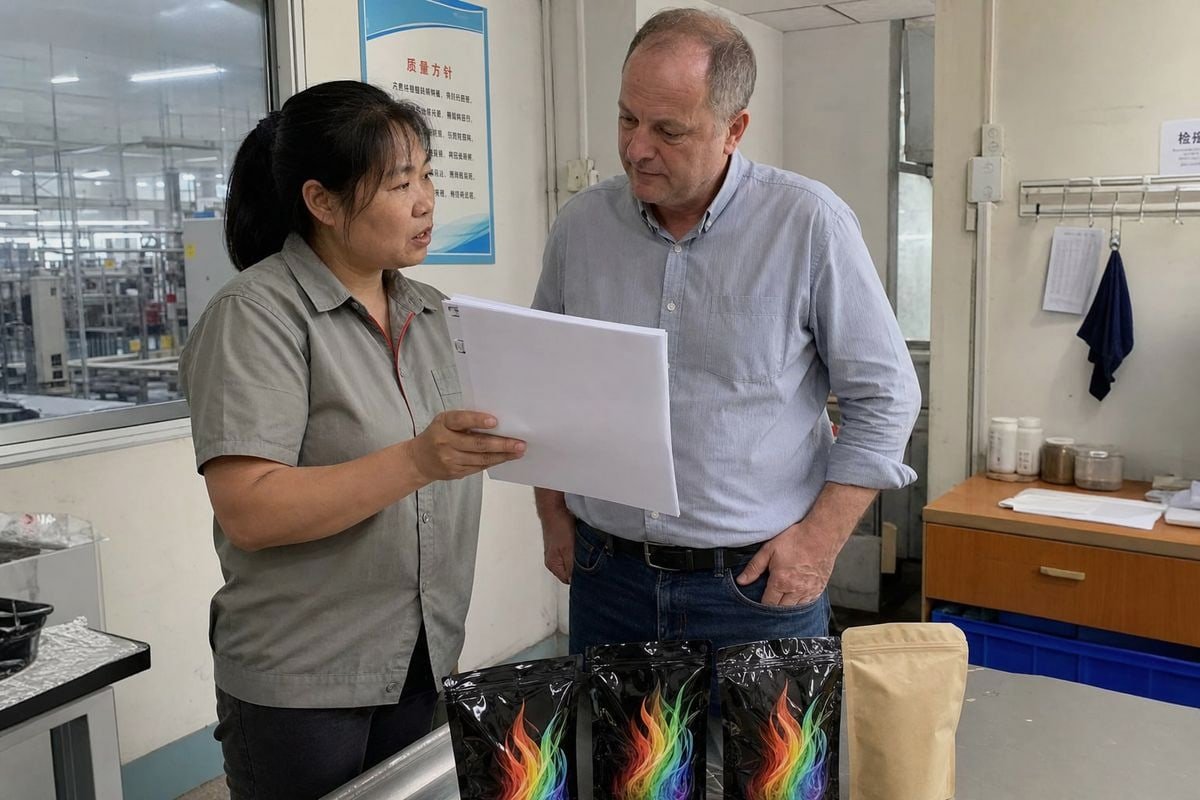
عدم الاتساق عبر الولايات القضائية هو أكبر صداع وثائقي في هذه الفئة. قد يعامل سوق واحد منتجك على أنه لعبة استهلاكية عادية. قد يميل سوق آخر نحو ضوابط تشبه الألعاب النارية، مع تقييمات مخاطر تغطي كميات الرف، وفصل مصدر الاشتعال، وموضع العرض. المورد الذي يعرف سوقًا واحدًا فقط سيترك فجوات في السوق الآخر - وأنت، المستورد المسجل، تتحمل المسؤولية.
كيف يختلف السوقان
| منطقة المتطلبات | الولايات المتحدة الأمريكية | الاتحاد الأوروبي / المملكة المتحدة |
|---|---|---|
| الإطار الأساسي | قانون سلامة المنتجات الاستهلاكية، FHSA، CPSC 16 CFR 1500/1507 | لائحة CLP، علامة CE، اعتبارات REACH |
| الشهادة | GCC أو CPC صادر عن المستورد | إعلان المطابقة حيثما ينطبق |
| صيغة SDS | متوافق مع GHS، باللغة الإنجليزية | متوافق مع CLP، باللغة المحلية للسوق |
| فحص تجار التجزئة | WERCSmart للسلاسل الرئيسية | تقييم المخاطر وقواعد التخزين الخاصة بتجار التجزئة |
| طبقة الولاية / المحلية | تقييمات كاليفورنيا Prop 65 | قواعد كميات التخزين والعرض الوطنية |
| تخزين المستودعات | تصنيف المواد الخطرة NFPA 400 للتكديس والإخماد | إرشادات السلامة من الحرائق المحلية وحدود المخزون |
بالإضافة إلى الشهادات، فإن وثائق الخدمات اللوجستية لا تقل أهمية. تحتاج مراكز التوزيع إلى بيان امتثال واضح للنقل: هل المنتج مصنف على أنه بضائع خطرة 7, ، هل يحمل رقم أممي، وهل هناك قيود شحن لتلبية طلبات التجارة الإلكترونية؟ إذا كانت الإجابة "غير منظم للنقل"، فيجب أن يكون هذا البيان مكتوبًا - يُعامل الفراغ على أنه خطر، وليس ضوءًا أخضر. نقوم بإعداد وثائق شحن البضائع الخطرة أو بيانات غير منظمة لكل مسار تصدير نخدمه، من روتردام إلى لوس أنجلوس، لأن الحاوية المحتجزة في الجمارك تمحو أي مدخرات من مورد أرخص.
هناك أيضًا طبقة الاستجابة للطوارئ. تتطلب بعض المواد المسحوقة وسائط إطفاء جافة وتحظر الماء. يريد تجار التجزئة إرشادات استجابة للحريق توضح أي طفايات تعمل وأيها لا تعمل. نظرًا لأن تركيبات Magic Fire لدينا مبنية على كيمياء صديقة للبيئة بدون إضافات ضارة، فإن وثائق الطوارئ لدينا أبسط من تلك الخاصة بمسحوق المعادن التفاعلية - لكننا لا نزال نقدمها، لأن مسؤول السلامة من الحرائق لدى المشتري سيسأل على أي حال. الاختبار العملي لأي مورد هو هذا: اطلب مجلد الوثائق الكامل قبل تقديم طلب التجربة. المصنع الذي يتمتع بعمق امتثال حقيقي يرسله في غضون أيام. تبدأ شركة تجارية في إجراء المكالمات.
خاتمة
توافق سلاسل المتاجر على حزم الامتثال الكاملة، وليس المنتجات. قم ببناء صحائف بيانات السلامة الخاصة بك، وتقارير الطرف الثالث، والشهادات، ووضع العلامات، وإثبات التأمين مبكرًا - مع مصنع يعامل التوثيق بنفس جدية الإنتاج.
ملاحظات ختامية
نظرة عامة على ويكيبيديا على الأملاح والمركبات الكيميائية المستخدمة لإنتاج لهب ملون في الألعاب النارية. ↩︎
المورد الأساسي لإدارة السلامة والصحة المهنية لتحديد وإدارة المواد الكيميائية الخطرة في مكان العمل والمنتجات الاستهلاكية. ↩︎
صفحة رسمية لإدارة السلامة والصحة المهنية تشرح الغرض والمتطلبات الخاصة بصحائف بيانات السلامة المتوافقة مع النظام المنسق عالميًا. ↩︎
إرشادات رسمية من CPSC بشأن الشهادة المطلوبة للمنتجات التي يستخدمها الأطفال في الولايات المتحدة. ↩︎
صفحة رسمية لـ SGS، وهي مزود عالمي رائد لخدمات الاختبار والشهادات من طرف ثالث للسلع الاستهلاكية. ↩︎
المتطلبات الرسمية للحكومة الأمريكية لوضع العلامات التحذيرية على المنتجات الاستهلاكية الخطرة

 English
  Spanish
  German
  French
  Arabic
  Portuguese
انضم إلى المحادثة