







يشعر المشترون الذين يسألون عن معدات إنتاج وملء مسحوق النار السحري غالبًا بإجابات غامضة. لقد رأيت طلبات تفشل لأن لا أحد [تحقق من الخط خلف عرض المبيعات](https://sunrichfire.com/how-verify-supplier-production-capacity-magic-fire-powder-orders/). تعلم مصنعنا هذا الدرس مبكرًا، والآن نرحب بالأسئلة الصعبة.
اسأل الموردين لمعدات إنتاج وتعبئة مسحوق النار السحري عن شهادات السلامة، وتوحيد الخلط، وتفاوتات دقة التعبئة، ومراقبة الجودة من دفعة إلى أخرى، والإنتاج اليومي الفعلي، ومرونة تنسيق التعبئة، والقدرة على العلامة التجارية الخاصة، ووثائق الامتثال مثل صحائف بيانات السلامة وتصنيف النقل قبل الالتزام بأي طلب.
تبدو هذه الأسئلة بسيطة. لكن كل واحد منها يفصل مصنعًا حقيقيًا عن شركة تجارية تعيد بيع آلات عامة. أدناه، سأفصل مجالات الأسئلة الأربعة الأكثر أهمية، بناءً على ما يسأله عملاؤنا فعليًا.
ما هي الشهادات التي يجب أن أطلبها للتأكد من أن عملية الإنتاج تلبي معايير السلامة الدولية؟
فتح موزع ألماني ذات مرة مكالمته الأولى معنا بطلب تقارير التدقيق الخاصة بنا قبل أن يطلب حتى التسعير. في تجربتنا في التصدير إلى أكثر من 30 دولة، هذا هو بالضبط الترتيب الصحيح للأولويات.
طلب شهادة ISO 9001 لإدارة الجودة، وشهادة BSCI للامتثال الاجتماعي للمصنع، ووضع علامة CE حيثما ينطبق، وتقارير اختبار من طرف ثالث من مختبرات مثل SGS أو Intertek. اطلب أيضًا صحيفة بيانات سلامة المنتج (SDS)، وتفاصيل تصنيف النقل، والوثائق التي تثبت أن المسحوق لا يحتوي على مواد كيميائية مقيدة.

تقوم أسئلة الشهادات بوظيفتين في وقت واحد. أولاً، تؤكد أن المنتج النهائي يمكن أن يدخل سوقك بشكل قانوني. ثانيًا، تكشف ما إذا كان المورد يدير مصنعًا مُدارًا أم ورشة عمل مرتجلة. المورد الذي لا يمكنه إنتاج ISO 9001 1 شهادة في غضون يوم واحد ربما لا يملك واحدة.
المستندات الأساسية المطلوب طلبها
في موقع الإنتاج الخاص بنا في نينغبو، نحتفظ بحزمة مستندات دائمة جاهزة للمشترين، لأن مستوردي الولايات المتحدة والاتحاد الأوروبي يحتاجون دائمًا إلى نفس العناصر. إليك قائمة التحقق التي أوصي بإرسالها في بريدك الإلكتروني الأول لطلب عرض أسعار:
| وثيقة | ما تثبته | من يطلبها عادة |
|---|---|---|
| شهادة ISO 9001 | نظام إدارة جودة عامل | جميع المشترين الجادين من الشركات إلى الشركات |
| تقرير تدقيق BSCI | ظروف العمل اللائق والمصنع الأخلاقية | تجار التجزئة في الاتحاد الأوروبي، السلاسل الكبيرة |
| SGS / إنترتيك 2 تقارير اختبار | التحقق المستقل من سلامة المنتج | مستوردون أمريكيون وأوروبيون |
| SDS (صحيفة بيانات السلامة) | التركيب الكيميائي وإرشادات التعامل | الجمارك، وكلاء الشحن، تجار التجزئة |
| تصنيف النقل | ما إذا كان المنتج يشحن كبضائع خطرة | وكلاء الشحن، شركات التأمين |
| وثائق CE | المطابقة لسوق الاتحاد الأوروبي حيثما ينطبق ذلك | موزعو الاتحاد الأوروبي |
الأسئلة التي تتجاوز الأوراق
لا تتوقف عند جمع ملفات PDF. اسأل متى تم تجديد كل شهادة آخر مرة. اسأل أي مختبر أصدر تقارير الاختبار وما إذا كان يمكنك التحقق من رقم التقرير مباشرة مع المختبر. اسأل ما إذا كانت صحيفة بيانات السلامة تتطابق مع التركيبة الدقيقة التي ستتلقاها، وليس نسخة عامة. في ليويانغ، حيث يقع مقرنا الرئيسي داخل تجمع الألعاب النارية في الصين، نرى الكثير من الموردين يستعيرون المستندات من الشركات ذات الصلة. مكالمة تحقق مدتها خمس دقائق مع مختبر الاختبار تغلق هذه الثغرة تمامًا.
اسأل أيضًا عن بيئة الإنتاج نفسها. يجب أن تحتوي خطوط مناولة المساحيق على تحكم في الغبار، وتأريض، وفصل واضح بين مناطق الخلط والتعبئة. إذا تردد المورد في إظهار هذه المناطق في مكالمة فيديو، فاعتبر ذلك إجابتك.
كيف يمكنني التحقق من أن معدات التعبئة تضمن أداءً ثابتًا للون اللهب عبر كل دفعة؟
في وقت مبكر من سنواتنا الـ 17 في صنع منتجات اللهب الملون، اكتشفنا أن مشاكل لون اللهب نادرًا ما تبدأ عند رأس التعبئة. تبدأ في المنبع، في مرحلة الخلط، وآلة التعبئة ببساطة تقفل الخطأ في كل كيس.
تحقق من الاتساق عن طريق السؤال عن تقنية الخلط ووقت المزج، وتحمل وزن التعبئة لكل كيس، وكيف يمنع الخط فصل المسحوق بين الخلاط والمعبئ، وما إذا كان المورد يقوم بإجراء اختبار حرق للعينات من البداية والوسط والنهاية لكل دفعة إنتاج.
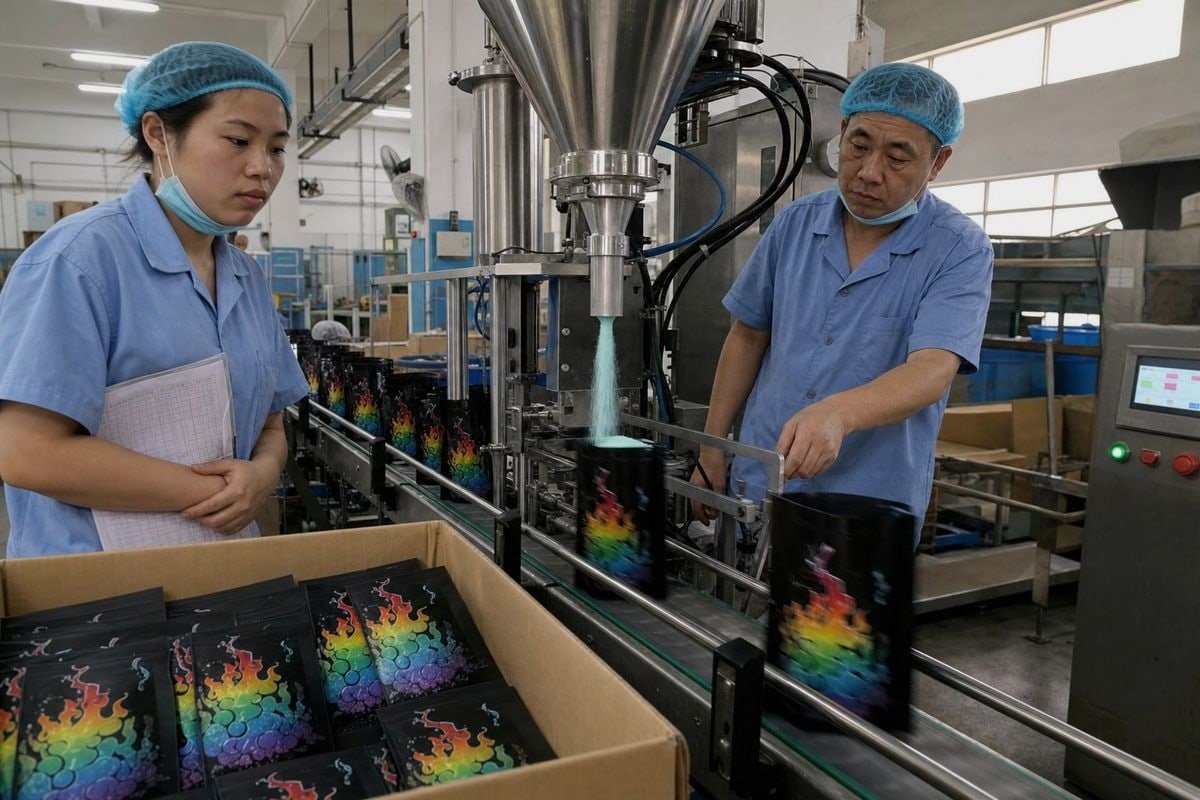
يعتمد أداء اللهب الملون على بقاء الكيمياء موحدة من أول عبوة إلى الأخيرة. إذا كان ملونات الأملاح المعدنية 5 يستقر أو ينفصل أثناء الإنتاج، فإن كيسًا بوزن 25 جرامًا من الساعة الأولى سيحترق بشكل مختلف عن كيس من الساعة الثامنة. سيلاحظ عملاؤك ذلك، وستظهر مراجعاتك ذلك.
اتبع المسحوق عبر الخط
أقترح هيكلة أسئلتك حول رحلة المسحوق، خطوة بخطوة:
- الخلط. ما هو نوع الخلاط المستخدم، وما هو وقت المزج المُصدق؟ التشتت الموحد للملونات هو أساس لون اللهب المتسق.
- النقل. كيف ينتقل المسحوق من الخلاط إلى آلة التعبئة؟ تتسبب السقوط الطويل والاهتزاز في فصل الجسيمات الأثقل عن الجسيمات الأخف.
- الجرعات. ما هي طريقة التعبئة المستخدمة للأكياس الصغيرة مقابل الجرار الكبيرة؟ تعمل آلات التعبئة بالولب والأكواب الحجمية بشكل مختلف مع المنتجات الحبيبية.
- التحكم في الوزن. ما هي تسامح وزن التعبئة، وهل آلات فحص الوزن متصلة بالخط أم يدوية؟
- غمس شمعي رقيق بعد التجفيف يخلق حاجزًا ماديًا يحبس الأملاح ويمنع الغبار، على غرار كيفية تشطيب بادئات الحريق المغطاة بالشمع لدينا. كيف يتم اختبار الأختام؟ ختم ضعيف يسمح بدخول الرطوبة، والرطوبة تقتل كل من قابلية التدفق وأداء اللهب.
اطلب دليل احتراق، وليس وعودًا
على خطوطنا، نسحب الأكياس على فترات متباعدة عبر التشغيل ونحرقها جنبًا إلى جنب. اسأل المورد الخاص بك عما إذا كانوا يفعلون الشيء نفسه، واطلب مقاطع فيديو احتراق من دفعة إنتاج فعلية بدلاً من عينة تسويقية. اسأل أيضًا عن التنظيف الانتقالي بين تركيبات الملونات المختلفة. يمكن أن يؤدي بقايا مزيج سابق إلى تغيير لون اللهب للتشغيل التالي، لذا فإن التحقق من صحة التنظيف مهم بنفس قدر دقة التعبئة.
ما هي خطوات مراقبة الجودة التي يجب أن أسأل عنها لتجنب التناقضات بين العينات والإنتاج الضخم؟
أحد المقايضات التي نرفض القيام بها في مصنعنا هو السرعة مقابل دقة العينة. عينة معتمدة من المشتري هي عقد، ويجب أن تتطابق دفعة الإنتاج الضخم معها - هذا المبدأ حافظ على معدل طلباتنا المتكررة مرتفعًا عبر الولايات المتحدة وأوروبا.
اسأل كيف يقوم المورد بتوثيق مواصفات العينة المعتمدة، وما إذا كانت المواد الخام تُختبر لكل دفعة، وما تغطيه فحوصات العمليات من حيث الوزن والرطوبة وسلامة الختم، وما إذا كانت كل دفعة مشحونة قابلة للتتبع إلى سجل الخلط واختبار الاحتراق الخاص بها.
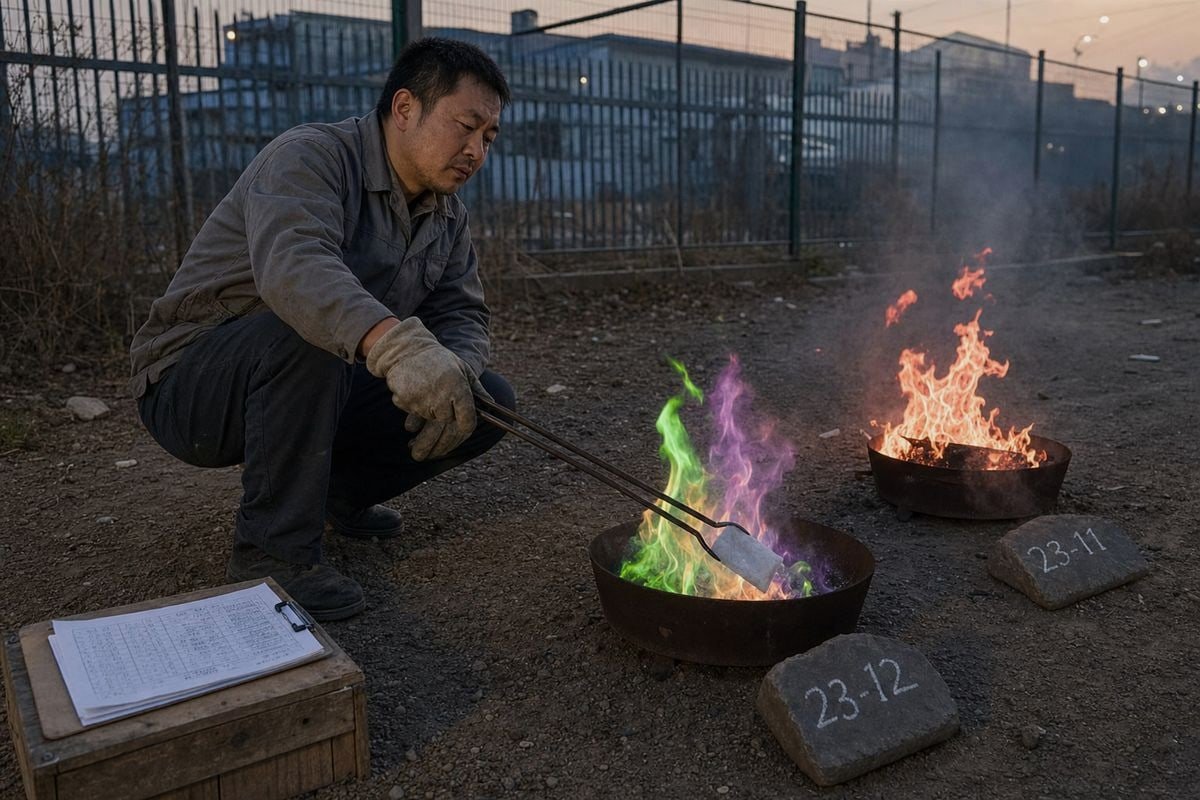
فجوة العينة مقابل الإنتاج هي الشكوى الأكثر شيوعًا التي أسمعها من مديري المشتريات الذين يغيرون الموردين. يتم اعتماد عينة مصقولة. ثم تصل الحاوية بملء أخف، أو مسحوق متكتل، أو لهب يتلاشى بسرعة كبيرة. السبب دائمًا هو غياب الانضباط في مراقبة الجودة، وليس سوء النية.
نقاط فحص مراقبة الجودة التي تهم حقًا
إليك خريطة عملية لما يجب السؤال عنه في كل مرحلة. إذا كان بإمكان المورد الإجابة على جميع الصفوف الخمسة بتفاصيل محددة، فأنت تتعامل مع عملية إنتاج حقيقية.
| المدة النموذجية | خطوة مراقبة الجودة للسؤال عنها | المخاطر إذا تم تخطيها |
|---|---|---|
| المواد الواردة | اختبار الدفعات للملونات والحبيبات الأساسية | تحول اللون بين دفعات الإنتاج |
| الخلط | فحوصات توحيد المزج وأوقات المزج المسجلة | لون لهب غير متساوٍ داخل دفعة واحدة |
| التعبئة | فحوصات الوزن أثناء التشغيل وسجلات تحمل الملء | أكياس مملوءة بشكل ناقص أو مفرط |
| الختم | قوة الختم واختبار التسرب | تسرب الرطوبة، التكتل، فشل الرف |
| قبل الشحن | اختبارات الاحتراق من علب عشوائية، عينات محفوظة | منتج يفشل في أيدي العميل النهائي |
التتبع يغلق الحلقة
اسأل عما إذا كانت كل دفعة تحمل رمزًا يربطها بسجل الخلط الخاص بها، وسجل التعبئة، ونتيجة اختبار الاحتراق. في خطوطنا، نحتفظ بعينات مختومة من كل دفعة، لذلك إذا أثار المشتري سؤالًا بعد أشهر، يمكننا سحب المرجع الدقيق والمقارنة. اسأل المورد الخاص بك عن المدة التي يحتفظون بها بالعينات والسجلات. لا يمكن للمورد الذي لا يحتفظ بعينات التحقيق في شكوى - يمكنه فقط الاعتذار.
أخيرًا، اسأل من يوقع قبل الشحن. دور مراقبة الجودة المسمى الذي لديه سلطة الاحتفاظ بدفعة يساوي أكثر من أي شهادة فحص.
ما هي الأسئلة التي تساعدني في تقييم قدرة المورد على التعبئة والتغليف الخاص والعطور المخصصة؟
أرسلت لنا علامة تجارية بريطانية للتخييم مؤخرًا إرشادات علامتها التجارية الكاملة قبل طرح سؤال واحد حول المسحوق. أخبرني ذلك أنهم فهموا شيئًا مهمًا: بالنسبة للبيع بالتجزئة، فإن قدرة التعبئة هي نصف المنتج.
اسأل عن تنسيقات الأوزان التي يدعمها المورد، وما إذا كانت الأعمال الفنية، وملصقات التحذير، والرموز الشريطية تتم معالجتها داخليًا، والحد الأدنى لكمية الطلب لكل وحدة حفظ المخزون المخصصة، ووقت التغيير بين التنسيقات، وما إذا كان يمكن تعديل متغيرات التركيبة مثل وقت الاحتراق ومزيج الألوان لسوقك.
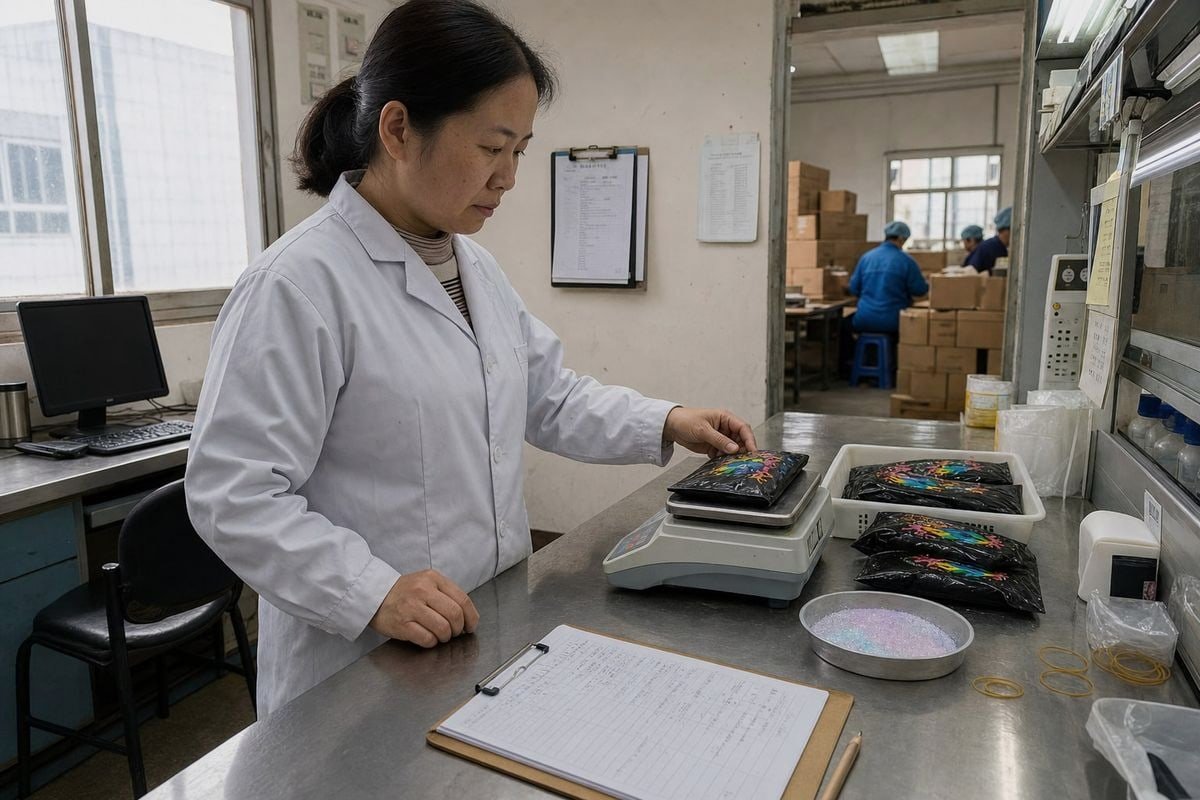
يختلف عمق الملصق الخاص بشكل كبير بين الموردين. يمكن للبعض فقط طباعة شعارك على كيس قياسي. شريك حقيقي شريك OEM/ODM 6 يمكنه تعديل المنتج، العبوة، والعرض التقديمي للبيع بالتجزئة معًا. تساعد الأسئلة أدناه في اكتشاف أي واحد تتحدث إليه.
ارسم نطاق التنسيق الخاص بهم مقابل خطتك
يقدم الموردون في هذا المجال عادةً أكياسًا تتراوح من حوالي 10 جرامات إلى 100 جرام، بالإضافة إلى أشكال جرار أو علب أكبر في نطاق 250-500 جرام. اسأل تحديدًا عن أي من هذه تعمل على الأدوات الحالية، لأن الأدوات الجديدة تعني التكلفة ووقت التسليم. يعمل خط Magic Fire الخاص بنا على أكياس بلاستيكية، وأكياس كرافت، وجرار بلاستيكية، وتعلمنا أن الإجابات الصادقة حول حدود التنسيق تبني ثقة أكبر من الوعد بكل شيء.
| منطقة السؤال | ما يبدو عليه الرد القوي |
|---|---|
| أحجام العبوات | أوزان محددة على الأدوات الحالية، مع تحملات مذكورة |
| مواد | خيارات الرقائق، الكرافت، والجرار مع شروحات حاجز الرطوبة |
| العلامة التجارية | دعم التصميم الداخلي، تدقيق الأعمال الفنية، عينات مطبوعة قبل التشغيل الجماعي |
| جاهزية البيع بالتجزئة | صناديق العرض، ملصقات التحذير، الباركود، نص متعدد اللغات |
| التركيبة | وقت احتراق قابل للتعديل، تركيز اللون، وتأكيد المكونات الصديقة للبيئة |
| الحد الأدنى لكمية الطلب وتغيير التشغيل | الحد الأدنى لكمية الطلب الواضح لكل SKU وأوقات تغيير واقعية بين التنسيقات |
اختبر عمليتهم، وليس فقط كتالوجهم
اطلب رؤية مشروع ملصق خاص حديث مشابه لمشروعك، مع إخفاء اسم العميل. اسأل عن عدد جولات مراجعة الأعمال الفنية المضمنة. اسأل عما إذا كانت التعبئة شبه الآلية متاحة لتشغيلات تجريبية أصغر، حيث أن الخطوط الآلية بالكامل غالبًا ما تحمل الحد الأدنى لكميات الطلب الأعلى. واسأل كيف يتعاملون مع متطلبات ملصقات سوق الوجهة - يجب على المورد الذي يشحن بالفعل إلى بلدك تسمية نص التحذير و معايير الباركود 7 دون التحقق.
خاتمة
الادعاءات المثيرة للإعجاب رخيصة؛ القدرة المثبتة ليست كذلك. إذا تركك مورد غامض معرضًا للخطر فيما يتعلق بالامتثال أو الاتساق أو التعبئة، فاستخدم مجموعات الأسئلة هذه لتصفية الشركاء قبل تحريك الأموال. يجيب مصنعنا على كل هذه الأسئلة بسرور - يجب أن يفعل مصنعك ذلك أيضًا.
ملاحظات ختامية
ISO 9001 هو معيار إدارة الجودة المعترف به دوليًا والذي تتم الإشارة إليه للتحقق من الموردين. ↩︎
Intertek هو مختبر اختبار طرف ثالث مسمى تصف مقالة أنظمة التحقق الخاصة به. ↩︎
مصدر رسمي للاتحاد الأوروبي يشرح ما تصدقه علامة CE بالفعل للمنتجات التي تدخل السوق. ↩︎
amfori BSCI هي الهيئة الرسمية وراء تدقيق الامتثال الاجتماعي المذكور في المقالة. ↩︎
مرجع خلفي يشرح كيف تنتج الملونات المعدنية الملحية لون اللهب في المنتجات النارية. ↩︎
يشرح نموذج التصنيع OEM/ODM المشار إليه عند تقييم قدرة مورد الملصق الخاص. ↩︎
تحدد GS1 معايير الباركود العالمية الرسمية التي يجب على الموردين اتباعها لتغليف البيع بالتجزئة. ↩︎

 English
  Spanish
  German
  French
  Arabic
  Portuguese
انضم إلى المحادثة