






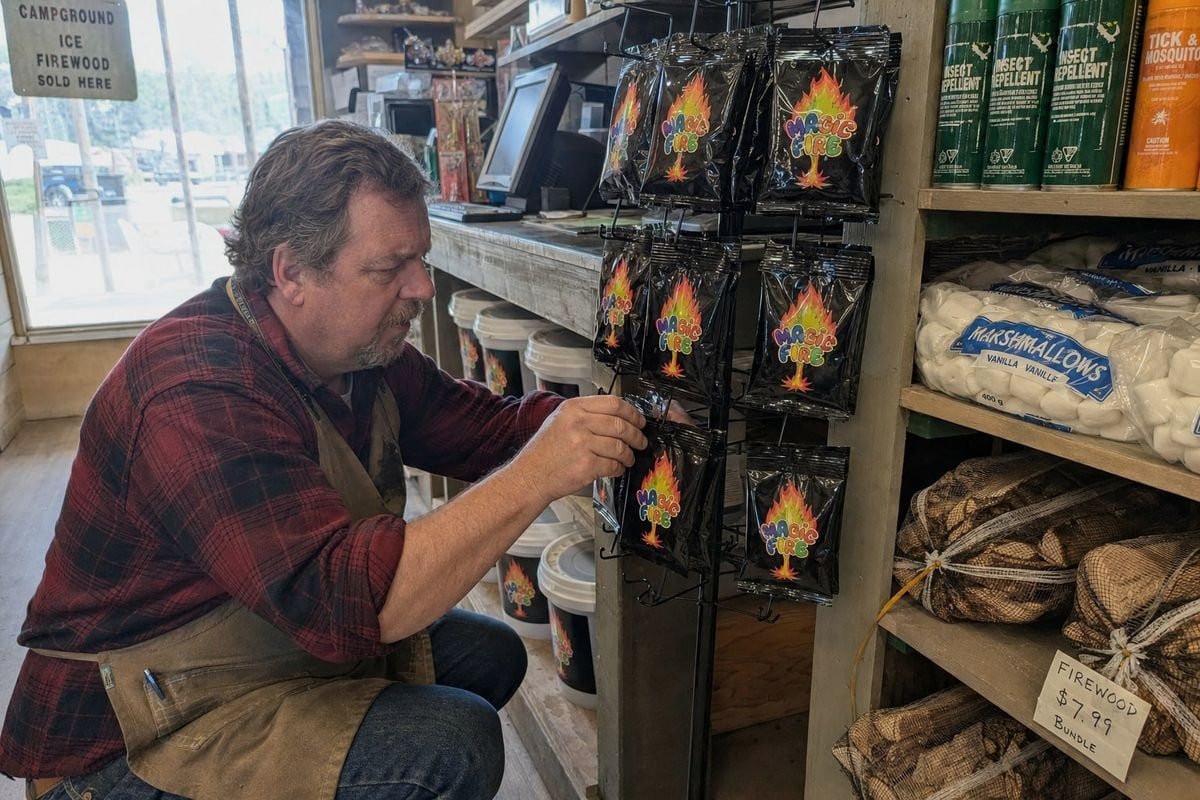
أحجام عبوات مسحوق النار السحري تصنع أو تكسر البيع في المتاجر الصغيرة. في خط الإنتاج الخاص بنا، شاهدنا علبًا كبيرة الحجم تتوقف بينما تطير أكياس صغيرة مدمجة من رفوف المخيمات المزدحمة.
بالنسبة لتجار التجزئة ذوي الرفوف المحدودة مثل متاجر المخيمات، فإن أفضل عبوة لمسحوق سحر النار هي كيس للاستخدام مرة واحدة بوزن 20-25 جرامًا، ويُباع بشكل مثالي من خلال صندوق عرض على سطح الطاولة مكون من 25 وحدة. تعمل العبوات التجريبية الأصغر بوزن 10-15 جرامًا والعبوات الصغيرة المتعددة بشكل جيد بعد ذلك؛ تناسب الأكياس التي تزن 50 جرامًا أو أكثر المتاجر الكبيرة أو القنوات عبر الإنترنت.
مساحة الرف هي القيد الحقيقي هنا، وليس السعر لكل جرام. في هذا الدليل، سأوضح لك أي أحجام العبوات تستحق مكانها، وكيفية أخذ العينات قبل الالتزام، وكيف يؤثر الحجم على الحد الأدنى لكمية الطلب والتسعير، وأي المواد تحافظ على امتثال المنتج وجاهزيته للعرض.
ما هي أحجام العبوات التي تعمل بشكل أفضل لأرفف متاجر المخيمات المدمجة؟
أخبرني أحد المشترين من موزع تخييم كندي ذات مرة أن متاجرهم كان لديها بالضبط شريط تثبيت واحد ونصف طاولة احتياطية. أعاد هذا الحوار تشكيل كيفية تصميمنا لـ تشكيلة عبوات اللهب الملون للمساحات البيعية الضيقة.
العبوة ذات الاستخدام الواحد التي تزن 20-25 جرامًا هي أفضل حجم عبوة لأرفف المخيمات المدمجة. إنها تناسب الأوتاد، وشرائط المشابك، وصناديق العرض على الطاولات، وتدفع المشتريات الاندفاعية، وتتوافق مع كيفية استخدام المعسكرين للمنتج فعليًا - شعلة ملونة واحدة لا تُنسى لكل عبوة، دون مشكلة تخزين متبقية.
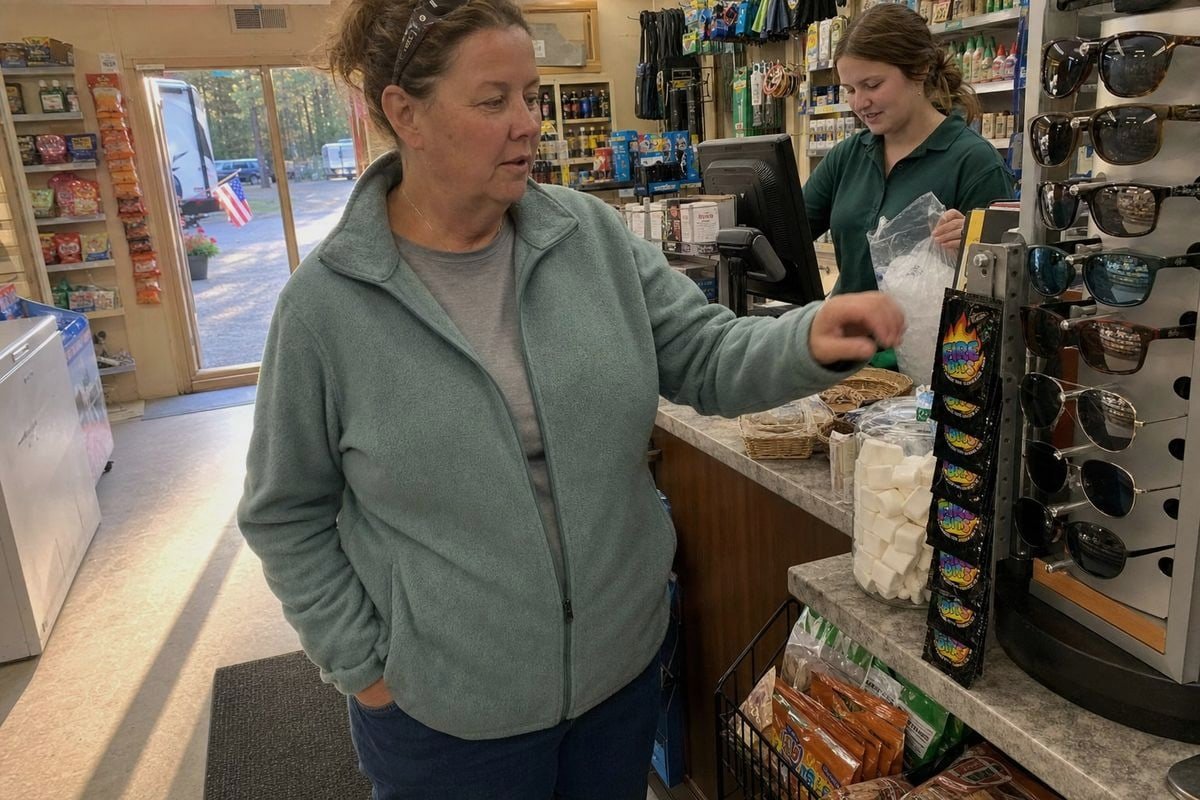
مستلزمات متاجر التخييم المريحة تعيش أو تموت حسب معدل الدوران لكل بوصة مربعة. يسير المخيم في الحصول على الثلج والمارشميلو، ويرى مسحوق اللهب الملون عند أمين الصندوق، ويضيفه إلى السلة. تحدث هذه اللحظة الاندفاعية فقط إذا كانت العبوة صغيرة ومرئية ورخيصة بما يكفي لالتقاطها دون تفكير.
مقياس الحجم لتجارة التجزئة ذات الرفوف المحدودة
إليك كيف ننصح المشترين بالتفكير في نطاق الحجم:
| حجم العبوة | مواقد، مواقد نار، تخييم | ملاءمة البيع في المخيمات |
|---|---|---|
| 10–15 جرام | حجم تجريبي، إضافة عند الدفع | ممتاز — مدمج للغاية، أقل سعر |
| 20–25 جرام | عبوة قياسية للاستخدام مرة واحدة | الأفضل بشكل عام — النقطة المثالية |
| 50 جرام | إضافة مميزة، لهب كامل واحد | مقبول للمتاجر الكبيرة في المخيمات |
| كيس 150 جرام | استخدام عدة أمسيات | هامشي — يتطلب عمق رف حقيقي |
| جرة/علبة 500 جرام | المخيمون الموسمييون أو الجماعيون | ملاءمة سيئة — احتفظ بها للمتاجر عبر الإنترنت أو الوجهات |
البصمة المادية مهمة بقدر وزن الجرام. يبلغ قياس كيس نموذجي بحجم 25 جرامًا حوالي 105 × 60 × 10 مم — وهو رفيع بما يكفي لعرض اثني عشر وحدة في شريط أوسع قليلاً من اليد. قارن ذلك بعلبة بحجم 500 جرام، والتي تشغل نفس المساحة التي تشغلها ست إلى ثماني أكياس بينما تخدم مشتريًا أضيق بكثير: المشتري المخطط له، وليس المتسوق الاندفاعي.
هناك حجة مضادة تستحق المعالجة. يضغط بعض تجار التجزئة على أحجام أكبر لأن العبوة الأكبر تزيد من القيمة المتصورة والهامش لكل معاملة. هذا المنطق يعمل في المتاجر الكبرى الخارجية ومحلات الهدايا ذات الرفوف العميقة. ولكن في متجر المخيمات، مساحة الرف هي القيد الملزم. كيس بحجم 150 جرام بطيء الحركة يشغل مساحة يمكن أن يتم تدوير خمسة أكياس فيها في نفس الأسبوع. عندما نبني تشكيلات مع شركائنا في التوزيع، فإن الشكل المدمج للاستخدام مرة واحدة يفوز دائمًا بقناة المخيمات.
هل يمكنني الحصول على عينات تغليف قبل الالتزام بطلب بالجملة؟
قبل أن تغادر أي حاوية من منشأة نينغبو الخاصة بنا، ندفع المشترين إلى حمل العبوة الفعلية في أيديهم أولاً. الصور تسطح كل شيء — لمعان الرقائق، وملمس الختم، ووضوح الطباعة لا تكشف عن نفسها إلا جسديًا.
نعم. توفر المصانع ذات السمعة الطيبة عينات ما قبل الإنتاج للتعبئة والتغليف والمنتج قبل الطلبات بالجملة. توقع عينات المخزون في غضون أيام وعينات خاصة بالعلامة التجارية الخاصة في غضون أسبوع إلى ثلاثة أسابيع. عادة ما تكون تكاليف العينات متواضعة وغالبًا ما يتم ردها مقابل طلب الإنتاج الأول الخاص بك.
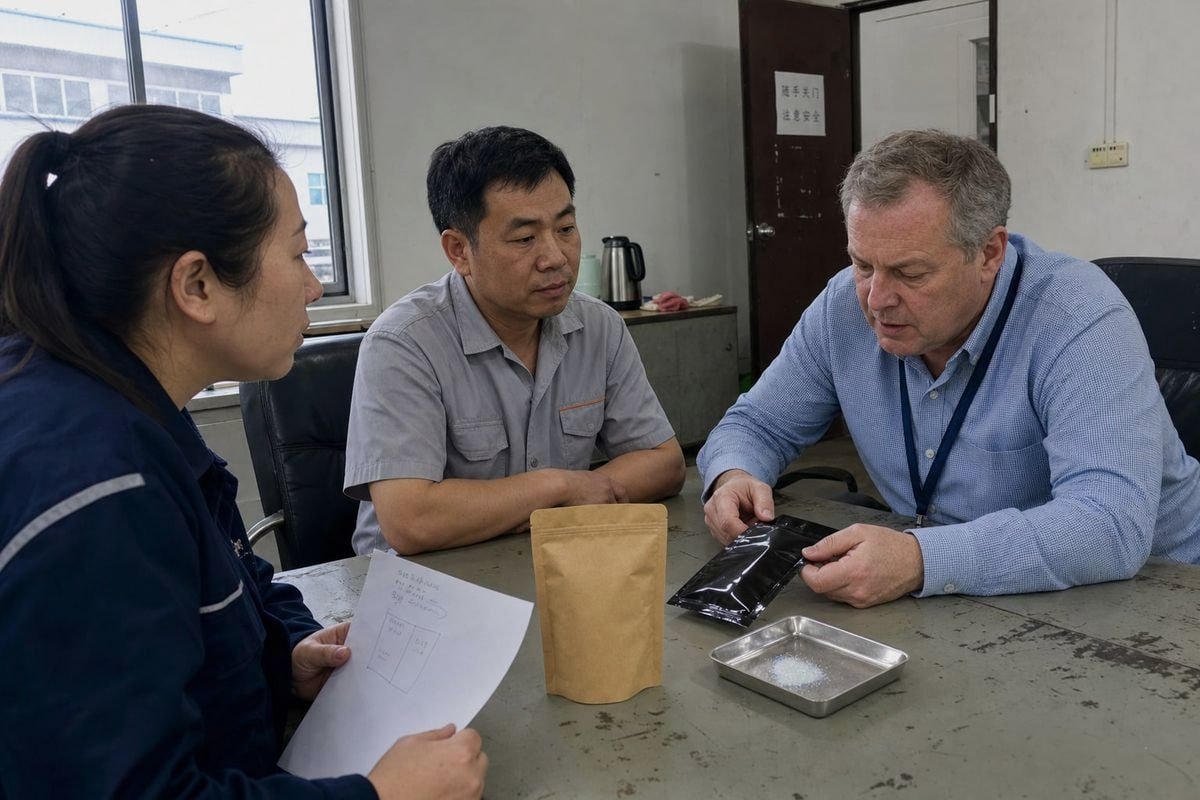
أخذ العينات ليس خطوة مجاملة. إنه نقطة فحص مراقبة الجودة الخاصة بك قبل تحرك الأموال الحقيقية. في أكثر من 17 عامًا من تصدير عبوات لهب متغيرة الألوان إلى أكثر من 30 دولة، فإن المشترين الذين يأخذون عينات شاملة نادرًا ما يواجهون مفاجآت في مرحلة الحاوية. المشترون الذين يتخطونها يفعلون ذلك أحيانًا.
ما يبدو عليه عملية أخذ عينات مناسبة
- اطلب عينات مخزون أولاً. تُظهر هذه جودة المواد الأساسية — كيس الرقائق، الحقيبة الورقية، الجرة — والمسحوق نفسه. يمكنك اختبار المنتج بالنار والتحقق من تأثير اللهب الملون بعينيك.
- انتقل إلى العينات المخصصة. إذا كنت تريد العلامات التجارية الخاصة 1, ، فاطلب عينة مطبوعة مع عملك الفني، ووضع الباركود، و وسجلات التبخير لمعظم أسواق الوجهة. يضيف الصنوبر الملون طبقة أخرى: اختبار سلامة الملونات، 2. هذا هو المكان الذي تتحقق فيه من تسجيل الطباعة ودقة الألوان.
- تحقق من عبوة العرض. اطلب عينة من صندوق عرض سطح الطاولة، وليس فقط الكيس. كرتون جاهز للعرض يصل مثنيًا أو ضعيفًا سيبدو أسوأ بعد الشحن البحري.
- تأكد من أن العينة تعكس الإنتاج الضخم. هذا هو السؤال الذي ينساه معظم المشترين. نظرًا لأننا ندير خطوط إنتاج كاملة داخلية مع مراقبة الجودة من دفعة إلى أخرى 3, ، فإن عينتنا الأولى تتطابق بشكل موثوق مع ما يتم شحنه في الحاوية. مع الشركات التجارية، يمكن أن ينكسر هذا الرابط — تأتي العينة من مصنع واحد والطلب بالجملة من مصنع آخر.
اختبر أيضًا التفاصيل العملية أثناء أخذ العينات: هل يعلق الكيس على خطاف قياسي؟ هل يتحمل الختم التعرض للرمي في حقيبة ظهر؟ هل يبقى المسحوق جافًا بعد أسبوع في غرفة رطبة؟ عينة بقيمة عشرة دولارات تجيب على أسئلة لا يمكن أن تتحمل طلبية بقيمة عشرة آلاف دولار طرحها.
كيف تؤثر أحجام التعبئة الأصغر على متطلبات التسعير والحد الأدنى لكمية الطلب؟
المقايضة التي نزنها في كثير من الأحيان في التسعير بسيطة: العبوات الأصغر تعني المزيد من الختم، والمزيد من الطباعة، والمزيد من العمالة لكل جرام — ولكنها تفتح أيضًا طلبات تجريبية أصغر وأكثر أمانًا للمشتري.
العبوات الأصغر تحمل تكلفة أعلى لكل جرام بسبب المواد المضافة وعمالة الختم، لكنها تخفض قيمة الطلب الإجمالية اللازمة للوصول إلى الحد الأدنى لكمية الطلب. يتطلب طلب تجريبي من أكياس 25 جرامًا عادةً رأس مال أقل بكثير من نفس الحد الأدنى لكمية الطلب في عبوات كبيرة، مما يقلل من مخاطر المشتري.
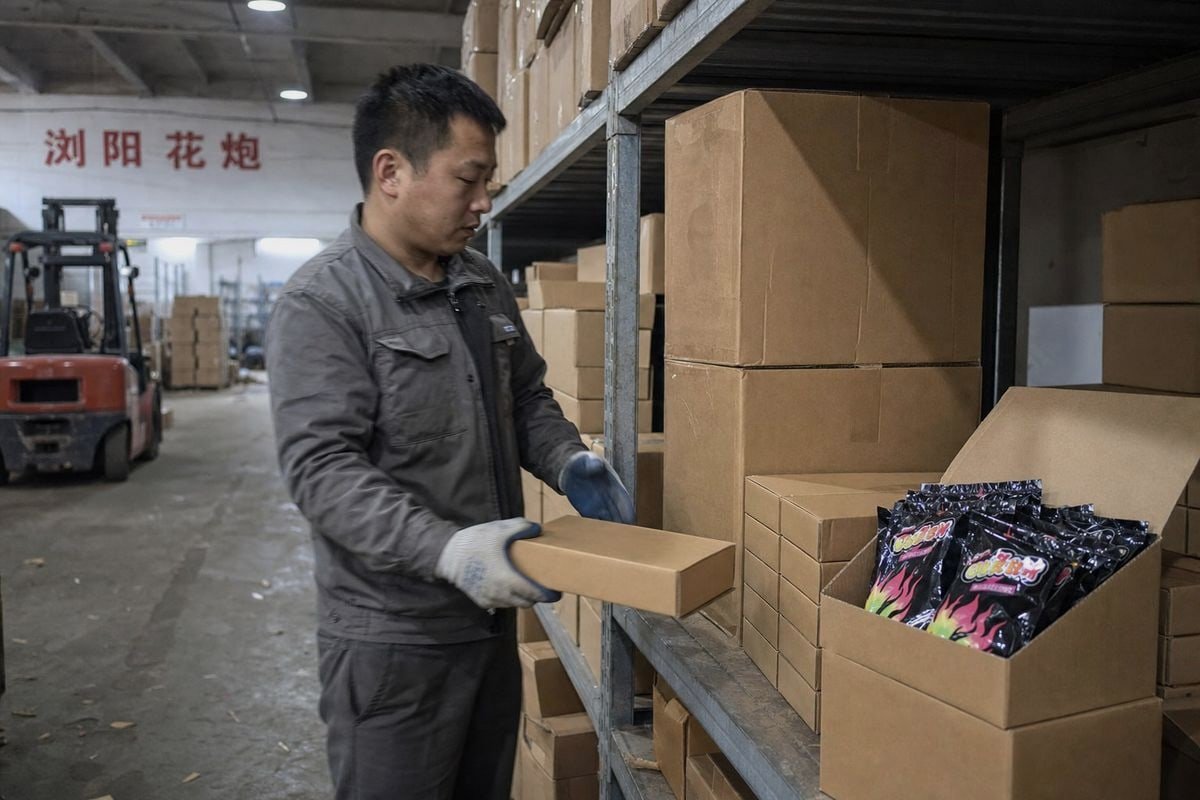
يفترض مديرو المشتريات غالبًا أن التعبئة الصغيرة تعني اقتصاديات وحدات عقابية. الواقع أكثر دقة. نعم، فيلم التعبئة والطباعة والختم الحراري هي تكاليف ثابتة لكل وحدة، لذا فإن كيسًا بحجم 10 جرام يكلف نسبيًا أكثر لكل جرام من جرة بحجم 500 جرام. لكن تسعير التجزئة يستوعب هذا بسهولة. يباع كيس الاستخدام مرة واحدة بسعر مناسب للاندفاع مع هامش نسبة صحي، بينما تتطلب علبة كبيرة سعرًا أكبر يرفضه العديد من متسوقي المخيمات ببساطة.
كيف تقارن الاقتصاديات
| عامل | أكياس صغيرة (10–25 جم) | عبوات متعددة (مثل، 8 × 10 جم) | أشكال مجمعة (150–500 جم) |
|---|---|---|---|
| التكلفة لكل جرام | الأعلى | متوسط | الأدنى |
| هامش البيع بالتجزئة | قوي | قوي | معتدل |
| رأس المال المطلوب للحد الأدنى لكمية الطلب | منخفض | متوسط | أعلى |
| خطر المخزون الميت | منخفض | متوسط | عالي |
| مناسب للمنتجات التي يتم شراؤها بشكل عفوي | ممتاز | جيد | ضعيف |
مرونة الحد الأدنى لكمية الطلب للطلبات التجريبية
نحن نحافظ عمدًا على الحد الأدنى لكميات الطلب مرنًا للطلبات الأولى لأننا نفضل كسب شريك طويل الأمد بدلاً من عملية شراء كبيرة واحدة. نهج نموذجي لملونات النار بالجملة: ابدأ بكمية معقولة من العلب التي تحتوي على أكياس في صناديق عرض, ، اختبر البيع على مدار موسم واحد، ثم قم بالتوسع. هيكل علبة شائع - حوالي 25 وحدة لكل عرض والعديد من العروض لكل علبة - يسمح لسلسلة صغيرة بتزويد اثني عشر موقعًا دون مخاطر التخزين.
نقطة أخرى حول حسابات التشكيلة. العبوات المتعددة، مثل حزمة 8 × 10 جم، تقع بين الطرفين. إنها تزيد من حجم سلة التسوق للعائلات التي تخطط لعدة حرائق خلال عطلة نهاية الأسبوع، بينما تظل كل وحدة مدمجة. بالنسبة لمعظم برامج المخيمات، نوصي بكيس واحد بحجم الدخول بالإضافة إلى عبوة متعددة واحدة، وتجنب الأحواض الكبيرة الحجم ما لم يكن المتجر قد أثبت منتجات ذات دوران مرتفع في فئة ملحقات مواقد النار.
ما هي مواد التعبئة والتغليف التي تحافظ على مسحوق نار السحر متوافقًا وجاهزًا للعرض؟
في وقت مبكر من تاريخ تصديرنا، علمنا شحنة متجهة إلى سوق ساحلي رطب درسًا قاسيًا حول حواجز الرطوبة - ودفعنا إلى ترقية كل مواصفات الأكياس التي نستخدمها اليوم.
متوافق، جاهز للعرض، عبوات مسحوق نار سحري تستخدم أكياس رقائق معدنية مقاومة للرطوبة ذات حاجز عالٍ مع تحذيرات سلامة واضحة، معبأة في صناديق جاهزة للعرض. تضيف الأكياس الخارجية المصنوعة من ورق الكرافت جاذبية ريفية للعرض، بينما تلبي علامة CE وتقارير اختبار SGS/Intertek وملصقات التحذير المناسبة متطلبات البيع بالتجزئة في الولايات المتحدة والاتحاد الأوروبي.
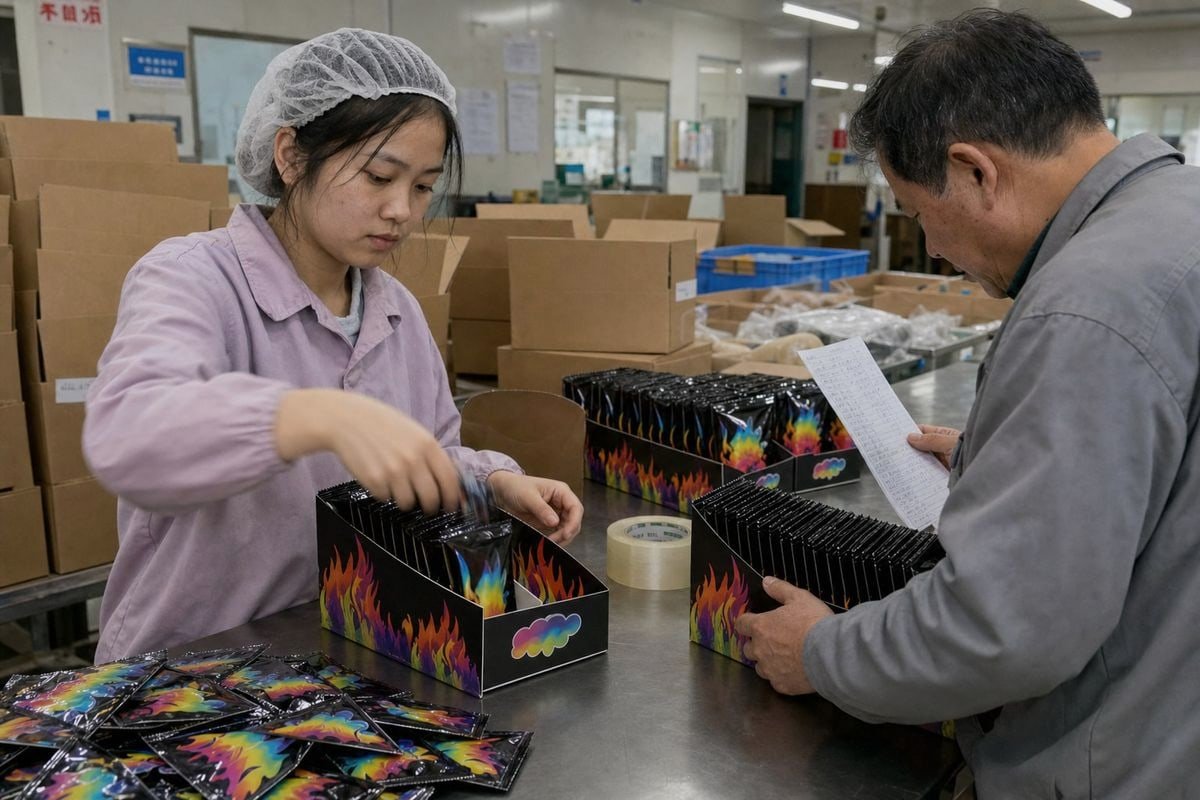
تقوم المواد بعملين في وقت واحد: فهي تحمي المنتج وتبيعه. بالنسبة لمتاجر المخيمات - غالبًا ما تكون شبه خارجية ورطبة وموسمية - يصبح كلا العملين أكثر صعوبة.
طبقة الحماية
المتطلب الأساسي هو بطانة رقائق معدنية عالية الحاجز. مساحيق اللهب الملون مسترطبة 4; ؛ الرطوبة تقلل من الأداء قبل وقت طويل من ظهور اللهب بشكل خاطئ للعين المجردة. كيس رقائق معدنية مختوم بالحرارة بشكل صحيح يحافظ على جفاف المسحوق البلوري ويدعم مدة صلاحية متعددة السنوات، وهو أمر مهم للغاية لتجارة التجزئة الموسمية حيث قد تبقى العرض خلال فصل الشتاء البطيء. عندما نقوم بالإنتاج في نينغبو، يتم فحص سلامة الختم دفعة بدفعة، لأن درزة واحدة متسربة في متجر مخيم رطب تعني محادثة استرداد لاحقًا.
طبقة الامتثال
بالنسبة لمشترينا من الشركات في الولايات المتحدة وألمانيا والمملكة المتحدة وخارجها، يعد الامتثال مطلبًا صارمًا، وليس شيئًا لطيفًا. إليك ما يعنيه الجاهز للعرض في الممارسة العملية:
| عنصر | لماذا هو مهم |
|---|---|
| علامة CE وتقارير اختبار SGS/Intertek | مطلوبة من قبل المستوردين الجادين وقنوات البيع بالتجزئة الكبيرة |
| تحذيرات السلامة عالية التباين | يقلل من المسؤولية في البيئات الخدمية الذاتية؛ يجب أن تكون تعليمات "لا تفتح العبوة" واضحة لا لبس فيها |
| رموز الباركود والطباعة الخاصة بالعلامة التجارية | تتيح المسح في أي نقطة بيع دون الحاجة إلى ملصقات إضافية |
| ISO 9001 5 / شهادة مصنع BSCI | يضمن الإنتاج المتسق والمصادر الأخلاقية لعمليات تدقيق البيع بالتجزئة |
| تركيبة صديقة للبيئة وغير ضارة | مطلوبة بشكل متزايد من قبل العلامات التجارية الخارجية والتخييم |
طبقة البيع
كيس رقائق معدنية أسود لامع مع رسومات قوس قزح نابضة بالحياة يلفت الأنظار عند الخزينة. إقرانه مع كيس خارجي من ورق الكرافت أو عناصر عرض من ورق الكرافت يضيف الجمالية الريفية التي تناسب علامة متجر المخيم. وحدات العرض على سطح الطاولة - صناديق قابلة للطي تحتوي على حوالي 25 كيسًا - تحول زاوية طاولة فارغة إلى عرض نقطة البيع 6 دون المطالبة بعمق الرف. تذهب بعض العلامات التجارية إلى أبعد من ذلك مع رمز الاستجابة السريعة 7 يربط بفيديو قصير لتأثير اللهب، حتى يرى العملاء اللهب الأزرق والأخضر قبل الشراء ولا يحتاج الموظفون أبدًا إلى شرح المنتج. نحن نتعامل مع كل هذا - صناديق مخصصة، وتغليف عرض، وملصقات تحذير، ورموز شريطية - كجزء من خدمة OEM/ODM الشاملة، لذلك الكيس الذي يصل إلى الرف جاهز حقًا للبيع.
خاتمة
الأرفف الضيقة تعاقب العبوات الكبيرة الحجم. ابدأ بأكياس للاستخدام مرة واحدة بحجم 20-25 جم في عروض سطح الطاولة، وأضف عبوة متعددة صغيرة، واطلب مواد مقاومة للرطوبة معتمدة، وقم بأخذ عينات قبل الالتزام.
ملاحظات ختامية
Alibaba هي منصة التوريد الرائدة للشركات المصنعة الخاصة والتعبئة المخصصة. ↩︎
مرجع مستقر ومتاح لملصقات تحذير المنتج، وتجنب أخطاء 403 الشائعة على المواقع التنظيمية. ↩︎
يحدد ISO معايير لمراقبة جودة الدُفعات المتسقة في عمليات التصنيع. ↩︎
يشرح لماذا تتطلب المساحيق الماصة للرطوبة تغليفًا حاجزًا للحفاظ على الأداء. ↩︎
تضمن شهادة ISO 9001 للمشترين مراقبة جودة المصنع المتسقة لعمليات تدقيق الامتثال. ↩︎
خلفية حول استراتيجية عرض نقطة البيع ذات الصلة بتسويق البيع بالتجزئة على سطح الطاولة. ↩︎
خلفية حول تقنية رمز الاستجابة السريعة المستخدمة لربط العملاء بمقاطع فيديو توضيحية للمنتج. ↩︎

 English
  Spanish
  German
  French
  Arabic
  Portuguese
انضم إلى المحادثة