






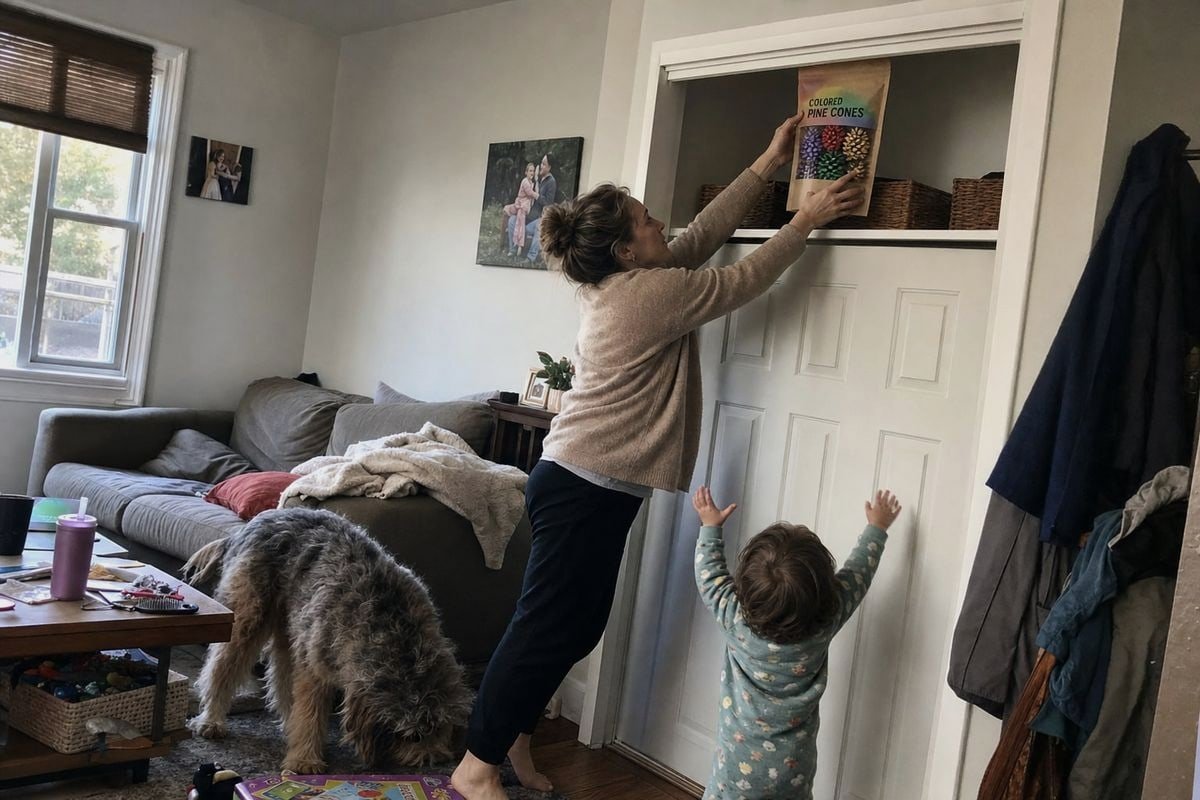
المخاريط الصنوبرية الملونة تباع بسرعة كل موسم عطلة، ولكن على خط الإنتاج لدينا نسمع سؤالًا واحدًا من المشترين باستمرار: ماذا يحدث عندما يمسك طفل صغير أو كلب بأحدها؟
مخاريط الصنوبر الملونة آمنة حول الأطفال والحيوانات الأليفة عند استخدام طلاءات غير سامة ومعتمدة، وتحمل ملصقات تحذير واضحة، ويتم تخزينها جافة ومغلقة وبعيدًا عن متناول اليد. المخاطر الحقيقية هي الاختناق، وإصابات المضغ، والتعرض للمواد الكيميائية من الأصباغ غير المعتمدة أو التخزين غير السليم.
الخبر السار هو أنه يمكن إدارة كل واحد من هذه المخاطر. أدناه، سأستعرض الأسئلة الأربعة التي يطرحها المستوردون علينا في أغلب الأحيان، والإجابات التي نقدمها لهم.
ما هي الشهادات التي يجب أن أطلبها للتأكد من أن مخاريط الصنوبر الملونة آمنة للمنازل التي بها أطفال وحيوانات أليفة؟
أخبرني موزع ألماني ذات مرة أن سلسلة متاجر التجزئة الخاصة به رفضت حاوية كاملة من المنتجات ذات الألوان النارية من مورد آخر لأنها تقارير اختبار 1 كانت نسخًا ضوئية بدون أرقام مرجعية معملية. هذه القصة شكلت كيفية تعاملنا مع التوثيق في مصنعنا اليوم.
اطلب تقارير اختبار المعادن الثقيلة والسمية من SGS أو Intertek، ووثائق المطابقة CE، وشهادة نظام الجودة ISO 9001، وتدقيق الامتثال الاجتماعي BSCI. تحقق من كل تقرير برقم مرجع المختبر الخاص به، وتأكد من مطابقته لرقم SKU المحدد، وتحقق من أن تاريخ الاختبار حديث.
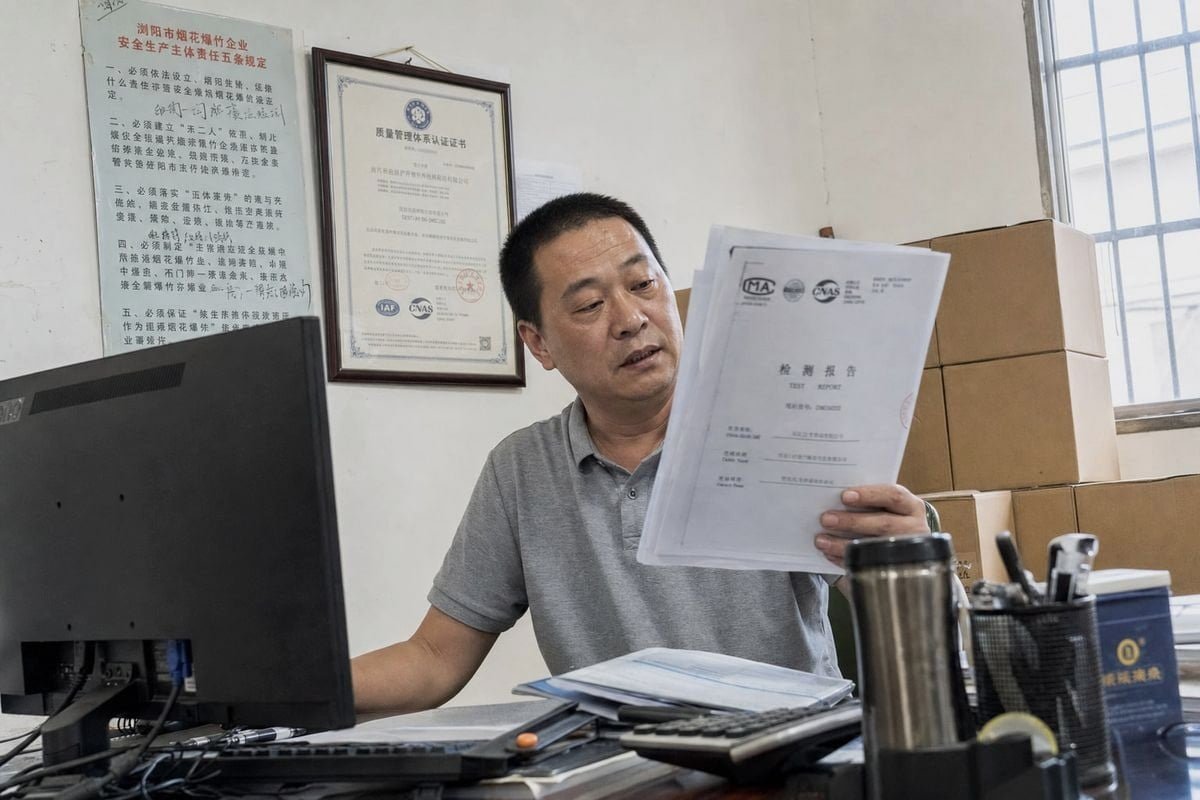
الشهادة ليست مجرد أوراق شكلية. بالنسبة للأسر التي لديها أطفال وحيوانات أليفة، فهي الدليل الموضوعي الوحيد على أن الملونات الموجودة على المخروط الصنوبري لن تسبب ضررًا من خلال الاتصال العرضي. في أكثر من 17 عامًا من تصدير المخاريط الصنوبرية الملونة باللهب إلى الولايات المتحدة وألمانيا والمملكة المتحدة وأكثر من 30 سوقًا أخرى، لم نشحن حاوية أبدًا بدون ملف اختبار مطابق، لأن الجمارك ومشترين التجزئة في تلك الأسواق يعتبرونها مطلبًا صارمًا.
الوثائق الأربعة الأكثر أهمية
| شهادة | ما تثبته | لماذا هو مهم للأطفال والحيوانات الأليفة |
|---|---|---|
| تقرير اختبار SGS / Intertek | محتوى المعادن الثقيلة، فحص سمية الطلاءات | يؤكد عدم وجود الرصاص أو الزرنيخ أو أملاح المعادن المحظورة في طبقة اللون |
| مطابقة CE | المنتج يلبي توجيهات السلامة الأوروبية | مطلوب قانونًا للبيع في معظم قنوات البيع بالتجزئة الأوروبية |
| ISO 9001 | نظام إدارة جودة متسق | اتساق الدفعة بالدفعة، بحيث تتساوى جودة العينة مع جودة الشحنة |
| تدقيق BSCI | بيئة إنتاج أخلاقية ومنضبطة | يشير إلى مصنع حقيقي بعمليات قابلة للتتبع، وليس مجرد إعادة تسمية |
كيفية التحقق، وليس مجرد التجميع
الشهادة لا تكون مفيدة إلا إذا كانت أصلية وحديثة. أوصي بثلاثة فحوصات. أولاً، قم بتأكيد الرقم المرجعي للمختبر مباشرة مع SGS أو Intertek عبر الإنترنت. ثانيًا، طابق وصف المنتج 2 الموجود على التقرير مع رمز SKU الخاص بك بالضبط، بما في ذلك تركيبة الملون. ثالثًا، تحقق من تاريخ الإصدار؛ قد لا يعكس التقرير الذي يزيد عمره عن عامين أو ثلاثة أعوام الوصفة الحالية. عندما نقوم بمشاريع OEM، نعيد الاختبار كلما تغيرت التركيبة أو مادة التعبئة والتغليف، لأن التقرير المرتبط بدفعة قديمة لا يحمي أحدًا.
نقطة أخرى يغفلها المشترون أحيانًا: اسأل عما إذا كان الملون مطبقًا باستخدام تشطيبات خالية من المركبات العضوية المتطايرة 3 بدلاً من الورنيشات القائمة على المذيبات. يمكن أن تنبعث من طلاءات المذيبات غازات في كرتون الشحن المغلق، وهذه الرائحة وحدها تؤدي إلى إرجاع المنتجات في قنوات البيع بالتجزئة التي تركز على الأسرة.
هل المواد الكيميائية المستخدمة لإنشاء ألوان اللهب غير سامة إذا قام عميلي بتخزين المنتجات بشكل غير صحيح؟
عندما كنا نطور خط إنتاج Magic Fire Pinecone الخاص بنا، قمنا عمدًا باختبار العينات تحت ضغط في مستودع رطب لموسم كامل قبل الموافقة على التركيبة. التخزين غير السليم ليس حدثًا نادرًا. إنه الواقع الافتراضي للبيع بالتجزئة.
مخاريط الصنوبر المعتمدة ذات اللهب الملون المصنوعة من الأملاح المعدنية الصديقة للبيئة تظل غير سامة حتى عند تخزينها بشكل سيء، ولكن التخزين غير السليم لا يزال يخلق مخاطر حقيقية: نمو العفن، والطلاء المتشقق الذي يشكل خطر الاختناق، والمخاريط المتضررة من الرطوبة التي تتساقط منها شظايا يمكن للحيوانات الأليفة ابتلاعها.

دعني أفصل بين قضيتين يخلط بينهما المشترون غالبًا: السمية الكيميائية وتدهور التخزين. إنهما مشكلتان مختلفتان بحلول مختلفة.
تعتمد السمية على التركيبة، وليس على التخزين
تعتمد المنتجات الملونة بالنار الرخيصة أحيانًا على أملاح معدنية قوية، و مركبات النحاس 4 على وجه الخصوص لها سمعة بأنها خطيرة إذا تم لمسها أو ابتلاعها بكميات كبيرة. هذا القلق مشروع للمنتجات غير المعتمدة. هذا هو بالضبط سبب صياغتنا للملونات المعدنية الصديقة للبيئة ودعم كل دفعة بفحص السمية من SGS أو Intertek. المخروط المصاغ بشكل صحيح لا يصبح سامًا لمجرد أنه بقي في مرآب رطب. الكيمياء مستقرة في ظروف التخزين في درجة حرارة الغرفة.
ينطبق نفس المنطق على المخاريط الحرفية الزخرفية. إذا كان الطلاء عبارة عن طلاء حرفي غير سام أو يستخدم أصباغًا غذائية، فلن تجعله الرطوبة سامًا. ما تفعله الرطوبة هو تدهور المنتج جسديًا.
ما يسببه التخزين غير السليم فعليًا
المخاريط الصنوبرية مسترطبة. تسحب الرطوبة من الهواء، وتحبس قشورها المتراكبة الرطوبة بالداخل حيث لا يمكنك رؤيتها. هذا هو المكان الذي تبدأ فيه المشكلة الحقيقية.
| خطأ التخزين | ماذا يحدث | خطر على الأطفال والحيوانات الأليفة |
|---|---|---|
| حاويات تخزين محكمة الإغلاق مع مخاريط رطبة | رطوبة داخلية محتبسة، عفن مخفي داخل القشور | تهيج الجهاز التنفسي، ابتلاع العفن |
| تخزين مفتوح في أقبية رطبة | عفن سطحي، طلاءات لينة | يصبح الطلاء المتشقق جزيئات قابلة للابتلاع |
| تخزين فضفاض على مستوى الأرض | تتناثر المخاريط، تنكسر القشور | خطر الاختناق للأطفال الصغار؛ إصابات المضغ للكلاب |
| تخزين بالقرب من الطعام أو طعام الحيوانات الأليفة | تلوث متبادل للرائحة | تتعامل الحيوانات الأليفة مع المخاريط كطعام وتمضغها |
لاحظ الفروق الدقيقة في الحاويات: صناديق محكمة الإغلاق 5 ممتازة، ولكن فقط إذا كانت المخاريط جافة تمامًا عند إغلاقها. إغلاق المخاريط الرطبة هو أسرع طريق للعفن غير المرئي. لـ منع العفن والفطريات, ، ننصح بتجفيف المخاريط تمامًا قبل التعبئة وإضافة كيس مجفف داخل أكياس قابلة لإعادة الإغلاق. تم تصميم أكياسنا المصنوعة من ورق الكرافت القابلة للوقوف مع وضع هذا في الاعتبار.
هناك قلق آخر متعلق بالتخزين وهو منع انتشار الآفات. يمكن أن تحتوي المخاريط الطبيعية غير المعالجة على يرقات الحشرات؛ المعالجة الحرارية للمخاريط قبل الطلاء، وهي قياسية في خطنا، تقضي على ذلك قبل وصول المنتج إلى المستودع.
ما هي ملصقات التحذير وتعليمات الاستخدام التي يجب أن أدرجها على العبوة لتقليل مخاطر المسؤولية؟
نص الملصق هو أحد أكثر طلبات مصنعي المعدات الأصلية تكرارًا التي نتعامل معها. طلب مستورد أمريكي منا إعادة تصميم كيس خاص بالعلامة التجارية ثلاث مرات قبل أن توافق عليه فرقته القانونية، وكل مراجعة علمتنا شيئًا عن كيفية عمل لغة المسؤولية في الواقع في البيع بالتجزئة.
قم بتضمين تحذير "يحفظ بعيدًا عن متناول الأطفال والحيوانات الأليفة"، وبيان "ليست لعبة، وليست للاستهلاك"، وتعليمات الاستخدام عند الاحتراق، وإرشادات التهوية، وإشعار خطر الاختناق للأجزاء الصغيرة، ونصائح الاتصال بالإسعافات الأولية، وعلامات الامتثال الخاصة بالبلد مثل CE لسوق الاتحاد الأوروبي.

الملصقات الواضحة تؤدي وظيفتين في وقت واحد. إنها تحمي المستخدمين النهائيين، وتحمي عملك عندما يحدث خطأ ما على الرغم من أفضل جهودك. في تجربتنا في توفير عبوات خاصة بالعلامات التجارية للمشترين في الولايات المتحدة وكندا وألمانيا وفرنسا وأستراليا، فإن الملصقات التي تصمد قانونيًا تتبع هيكلًا متسقًا.
عناصر الملصق السبعة التي نوصي بها
- تحذير الخطر الأساسي. "يحفظ بعيدًا عن متناول الأطفال والحيوانات الأليفة" بخط عريض، موضوع على اللوحة الأمامية، وليس مخفيًا في الخلف.
- بيان سوء الاستخدام. "ليست لعبة. ليست للاستهلاك. ليست مضغة للحيوانات الأليفة." تنجذب الكلاب إلى قرمشة المخروط، لذا فإن هذا السطر أكثر أهمية مما يبدو.
- إشعار خطر الاختناق. القشور المكسورة هي أجزاء صغيرة. يحذر تحذير خطر الاختناق من الأطفال والحيوانات على حد سواء.
- تعليمات الاستخدام. أضف مخروطًا واحدًا إلى نار مشتعلة؛; لا تطبخ الطعام فوق اللهب الملون; ؛ استخدم في مدفأة مهواة، أو حفرة نار، أو نار مخيم.
- ملاحظة التهوية وحساسية الحيوانات. الطيور والثدييات الصغيرة حساسة لـ أبخرة الاحتراق 6 من أي نوع، لذا نصح بالاستخدام المهوى وإبعاد الأقفاص عن الموقد.
- إرشادات الإسعافات الأولية. "في حالة الابتلاع، اتصل بمركز مكافحة السموم أو طبيب بيطري" مع مساحة لرقم الخط الساخن الإقليمي.
- علامات الامتثال وقابلية التتبع. علامة CE للاتحاد الأوروبي، ورقم الدفعة، وتفاصيل الاتصال بالمستورد، بحيث يمكن تتبع أي حادث إلى دفعة إنتاج محددة.
طابق الملصق مع السوق
تختلف المتطلبات حسب الوجهة. يتوقع تجار التجزئة في الاتحاد الأوروبي علامة CE 7 وتحذيرات متعددة اللغات. تتوقع قنوات البيع بالجملة الأمريكية بيانات تحذيرية باللغة الإنجليزية العادية وغالبًا ما تكون مراجعتها القانونية الخاصة. نقوم ببناء كل هذا في خدمة مصنعي المعدات الأصلية الشاملة لدينا، بما في ذلك الملصقات التحذيرية المخصصة، والرموز الشريطية، وعبوات العرض، بحيث يصل المنتج جاهزًا للعرض بدلاً من الحاجة إلى إعادة وضع الملصقات في مستودع الوجهة. لقد وفرت هذه الخطوة الواحدة للعديد من المشترين لدينا أسابيع من التأخير في الجمارك والامتثال.
كيف تنصح تجار التجزئة بتخزين وعرض هذه المخاريط الصنوبرية بأمان قبل وصولها إلى المستهلك النهائي؟
نصيحة عرض البيع بالتجزئة هي مقايضة أزنها مع المشترين في كل طلب تقريبًا: الرؤية تبيع المنتج، ولكن النوع الخاطئ من الرؤية يضعه في متناول طفل صغير فضولي في عربة تسوق أو كلب في متجر صديق للحيوانات الأليفة.
ننصح تجار التجزئة بعرض الأكياس المغلقة على مستوى عين البالغين، وليس أبدًا كأقماع مفتوحة في سلال، وتخزين المخزون الاحتياطي في ظروف باردة وجافة بعيدًا عن الأرض. حافظ على وضع المعروضات بعيدًا عن ممرات أغذية الحيوانات الأليفة ومصادر الحرارة ومناطق الخروج حيث يمكن للأطفال التقاط العبوات.

تجار التجزئة هم نقطة الفحص الأخيرة قبل دخول منتجك إلى منزل عائلي، لذا فإن الإرشادات التي تقدمها لهم تؤثر بشكل مباشر على سجل سلامة علامتك التجارية. إليك الإطار الذي نشاركه مع شركائنا الموزعين في الولايات المتحدة وأوروبا وأستراليا.
قواعد العرض التي تمنع الحوادث
القاعدة الأكثر أهمية بسيطة: بيع مغلق، وليس مفتوحًا أبدًا. تبدو السلال المفتوحة من المخاريط الملونة ساحرة، لكنها تدعو إلى التعامل، وتلقي جزيئات تشبه البريق ورقائق الطلاء على الأرض، وتسمح للأطفال بوضع المنتج غير المعبأ في أفواههم. يجب أن يغادر كل مخروط الرف داخل كيسه القابل لإعادة الإغلاق الأصلي أو الجرة مع الملصق التحذيري سليمًا.
الموضع مهم بنفس القدر. ترحب العديد من سلاسل متاجر التجزئة الأمريكية بالكلاب، وتشكل رفوف منخفضة من المخاريط المقرمشة ذات الرائحة الراتنجية دعوة مفتوحة لكلب مقيد ينتظر في ممر. سمية النسغ والراتنج مصدر قلق بسيط مقارنة بإصابة المضغ و خطر انسداد الجهاز الهضمي 8 عندما يشق الكلب المخروط إلى شظايا حادة.
قائمة التحقق من تخزين المخزون الاحتياطي لتجار التجزئة
| الممارسة | افعل | تجنب |
|---|---|---|
| الموقع | غرفة تخزين باردة وجافة، مصفوفة على الأرض | أقبية رطبة، أرصفة تحميل، أشعة الشمس المباشرة |
| حاوية | أكياس مغلقة أصلية؛ مخاريط جافة فقط في صناديق مغلقة | إغلاق المخزون الرطب؛ كراتين رئيسية ممزقة أو مفتوحة |
| الدوران | أولاً في، أولاً خارج مع أرقام الدُفعات | خلط الدُفعات القديمة والجديدة على الرف |
| التجاور | قسم ملحقات المدفأة | ممرات طعام الحيوانات الأليفة، عروض الطعام، سخانات |
| التعامل مع التلف | تخلص من الوحدات المسحوقة أو المتعفنة | إعادة تغليف المخاريط المكسورة للبيع بسعر مخفض |
ملاحظة إضافية لتجار التجزئة الذين يبيعون أيضًا الديكور المعطر: احتفظ بمخاريط الصنوبر ذات اللهب الملون منفصلة بوضوح عن منتجات البوت بوري التي تستخدم الزيوت العطرية. حتى عندما يدعي المورد أن الزيوت العطرية آمنة للحيوانات الأليفة، فإن القطط حساسة بشكل غير عادي للعطور المركزة، وخلط الفئات على رف واحد يربك المتسوقين بشأن الغرض من كل منتج. مخاريطنا مصممة للنار، وليس لوعاء الفاكهة، ويجب أن يعكس العرض ذلك.
خاتمة
مخاريط الصنوبر الملونة آمنة فقط بقدر شهاداتها وملصقاتها وتخزينها. اختر تركيبات غير سامة تم التحقق منها، وأصر على تقارير المختبر، وقم بتوجيه تجار التجزئة بشأن العرض المغلق والمرتفع.
ملاحظات ختامية
توفر SGS تحققًا مستقلاً من تقارير الاختبار لسلامة المنتجات الاستهلاكية والامتثال.
 English
  Spanish
  German
  French
  Arabic
  Portuguese
انضم إلى المحادثة