






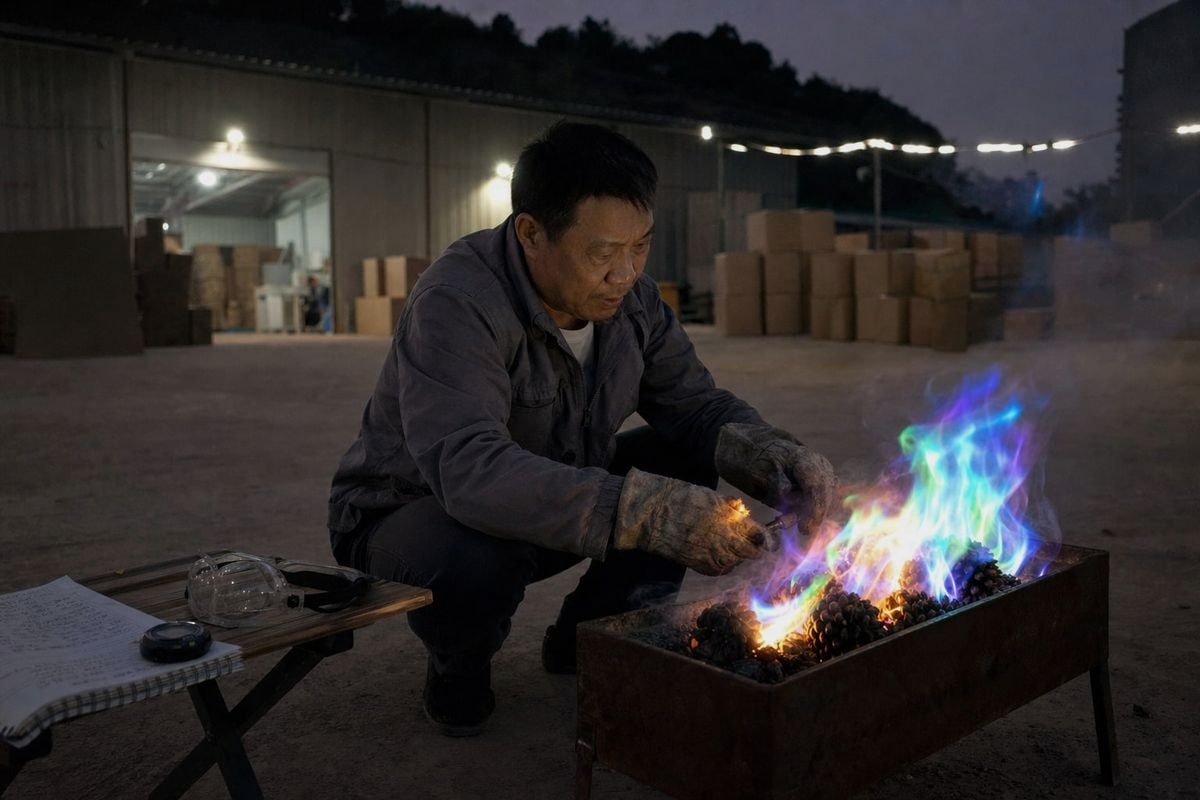
أقماع الصنوبر الملونة هي واحدة من أكثر العناصر المطلوبة في خط إنتاجنا، ومع ذلك، فإن العديد من المشترين لا يستطيعون الإجابة على سؤال أساسي للعملاء: ما هي ألوان اللهب التي يصنعونها بالفعل؟
أكواز الصنوبر الملونة تنتج في الغالب ألسنة لهب زرقاء وخضراء، يتم إنشاؤها بواسطة مركبات النحاس. يمكن لتركيبات أخرى أن تنتج ألوان لهب حمراء (أملاح السترونشيوم أو الليثيوم)، وبنفسجية (أملاح البوتاسيوم)، وصفراء (أملاح الصوديوم)، وبرتقالية (كلوريد الكالسيوم)، وبيضاء (كبريتات المغنيسيوم).
هذه الإجابة القصيرة تخفي الكثير من التفاصيل العملية. إذا كنت تشتري أو تبيع أو تحمل علامة تجارية خاصة لهذه المنتجات، فإن المكونات مهمة للامتثال والسلامة وتكرار المبيعات. دعني أريك ما تعلمناه على مدار 17 عامًا من تصنيع منتجات اللهب الملون.
ما هي المركبات الكيميائية التي تخلق كل لون لهب محدد في هذه المخاريط الصنوبرية؟
طلب مني مشترٍ من ألمانيا ذات مرة أن أدرج كل مادة مضافة في أقماع الصنوبر الملونة الخاصة بنا قبل أن ينظر حتى في الأسعار. هذا الطلب شكل كيف نوثق تركيباتنا بصراحة الآن.
كلوريد النحاس أو كبريتات النحاس يخلق لهبًا أزرق وأخضر، وكلوريد السترونشيوم يخلق لهبًا أحمر، وكلوريد الليثيوم يخلق لهبًا ورديًا محمرًا، وكلوريد البوتاسيوم يخلق لهبًا بنفسجيًا، وكلوريد الصوديوم يخلق لهبًا أصفر، وكلوريد الكالسيوم يخلق لهبًا برتقاليًا، وكبريتات المغنيسيوم تخلق لهبًا أبيض. المخروط الصنوبري نفسه هو مجرد حامل لهذه الأملاح المعدنية.

يشتعل سائل الإشعال في أقل من ثانية ولكنه ينطفئ في 30 إلى 60 ثانية، وهو وقت قصير جدًا لإشعال نار خشبية - التحمل هو معيار الأداء الحقيقي. علم وراء ألوان اللهب بسيط بمجرد تجريده من المصطلحات. عندما يتم تسخين ملح معدني في نار، تمتص أيونات المعادن الطاقة الحرارية. تقفز الإلكترونات إلى حالات طاقة أعلى. عندما تسقط هذه الإلكترونات مرة أخرى، فإنها تطلق الطاقة كـ ضوء مرئي 1. كل عنصر يطلق الضوء بطوله الموجي الخاص به. هذا الطول الموجي هو اللون الذي تراه. النحاس يعطي الأزرق المخضر. السترونشيوم يعطي الأحمر. البوتاسيوم يعطي الليلك. مخروط الصنوبر يحترق فقط ويحمل الملح إلى اللهب.
جدول الألوان القياسي للمكونات
هنا الجدول المرجعي الذي نشاركه مع المشترين أثناء تطوير المنتج:
| لون اللهب | المكون الرئيسي | مصادر الأكواز الخام |
|---|---|---|
| أزرق / أزرق مخضر | كلوريد النحاس (كلوريد النحاس الثنائي) | التأثير التجاري الأكثر حيوية والأكثر شيوعًا |
| أخضر | كبريتات النحاس، حمض البوريك، أو البوراكس | مركبات الباريوم 2 تعمل أيضًا ولكنها تثير أعلام الامتثال |
| أحمر / قرمزي | كلوريد السترونشيوم | أحمر عميق ومشبع |
| وردي-أحمر / أرجواني | كلوريد الليثيوم | أكثر إشراقًا، وأكثر وردية من السترونشيوم |
| بنفسجي / أرجواني | تهيج الجهاز الهضمي | ليلك خفيف؛ يمكن حجبه بسهولة بواسطة الصوديوم |
| أصفر | كلوريد الصوديوم (ملح الطعام) | مهيمن جدًا؛ يمكن أن يلغي الألوان الأخرى |
| برتقالي | كلوريد الكالسيوم | نغمة برتقالية دافئة |
| أبيض | كبريتات المغنيسيوم (ملح إبسوم 3) | ) |
ومضات بيضاء ساطعة
لماذا مخروط الصنوبر أقل أهمية من الملح.
نحن نصدر أقماع الصنوبر الطبيعية، ولكن أنواع الأقماع تكاد لا تؤثر على اللون. ما يهم هو كيفية تطبيق الملح. النقع يعطي اختراقًا أعمق ومدة لون أطول. الطلاء السطحي يعطي دفعة أولية أسرع وأكثر إشراقًا. في مصنعنا، ننقع ونجفف ثم نحرق عينات اختبار من كل دفعة. يجب أن ينتج مخروط معالج بشكل صحيح لونًا مرئيًا لمدة خمس إلى عشر دقائق تقريبًا، وهو ما يتطابق مع ما يتوقعه معظم مشتري التجزئة للطباعة على عبواتهم.
كيف يمكنني التحقق من أن المكونات تلبي معايير السلامة والامتثال لسوقي؟
المخروط هو مجرد حامل يحترق. الملح المعدني المطبق عليه يحدد اللون، وليس نوع المخروط أو حجمه. تقارير اختبار 4 الامتثال هو المكان الذي تعيش فيه الصفقات أو تموت فيه. في تجربتنا في التصدير إلى الولايات المتحدة وألمانيا والمملكة المتحدة و 27 دولة أخرى، لن يقوم أي موزع جاد بتقديم طلب حاوية بدون.
تحقق من الامتثال عن طريق طلب تقارير اختبار من طرف ثالث من مختبرات مثل SGS أو Intertek، وتأكيد علامة CE للاتحاد الأوروبي، والتحقق من أن المورد يحمل شهادة ISO 9001 و BSCI، ومراجعة الإفصاح الكامل عن المكونات مقابل قوائم المواد المقيدة مثل الباريوم وحدود المعادن الثقيلة في سوقك.

في متناول اليد أولاً. مركبات الباريوم 5 لا يتم التعامل مع جميع مواد تلوين اللهب بشكل متساوٍ من قبل الجهات التنظيمية. هذا هو أهم شيء يجب فهمه قبل اختيار خط إنتاج. بعض ملونات اللهب التقليدية تحمل مخاطر تنظيمية حقيقية.
تحقق من رقم التقرير مع المختبر مباشرة.
تنتج لهبًا أخضر تفاحيًا جميلًا، لكن الباريوم سام ومقيد بشدة في العديد من أسواق المستهلكين. يجب أن يكون أي مورد لا يزال يستخدم أملاح الباريوم للون الأخضر علامة حمراء لفريق التوريد الخاص بك. نحن نصمم تأثيرات خضراء ببدائل قائمة على النحاس وبدائل قائمة على البورون خصيصًا لإبقاء المشترين بعيدًا عن هذه المشكلة.
- عند تقييم مورد، اتبع هذه الخطوات بالترتيب:. اطلب قائمة المكونات الكاملة كتابيًا.
- المصنع الذي يتردد هنا يخفي شيئًا. اطلب تقارير اختبار SGS أو Intertek الحالية.
- تأكيد تحقق من تاريخ التقرير وتأكد من أنه يغطي المنتج الفعلي، وليس منتجًا مشابهًا.. وثائق CE لمبيعات الاتحاد الأوروبي.
- تحقق من شهادات مستوى المصنع. يعامل مشترو الاتحاد الأوروبي هذا على أنه غير قابل للتفاوض، وتتحقق الجمارك منه بشكل متزايد. BSCI 6 يشير ISO 9001 إلى وجود نظام الجودة.
- يشير إلى أن المصنع يجتاز عمليات التدقيق الاجتماعي، والتي تتطلبها سلاسل البيع بالتجزئة الكبيرة. راجع متطلبات وضع العلامات. يجب أن تتطابق ملصقات التحذير وتعليمات الاستخدام والرموز الشريطية مع سوق وجهتك. نقوم بإنتاج هذه داخليًا لـ.
- طلبات العلامة الخاصة. Documents matter, but so does watching the product perform.
There are also disclosure points that responsible sellers should pass on to end users. Ash from colored pine cones should not go into gardens or compost, because residual metal salts can harm plants and soil life. Repeated heavy use in a fireplace can leave chemical residue in chimney flues over time. And the product should always be used in well-ventilated spaces 7, kept away from children and pets. Putting these points on your packaging is not just ethical. It reduces your liability and builds trust with retail partners.
ما هي ألوان اللهب الأكثر مبيعًا لدى عملائي، وكيف أختار المزيج المناسب؟
Choosing a color mix is a trade-off we discuss with nearly every new client. More colors sound better on packaging, but each added colorant raises cost, complicates compliance testing, and can muddy the visual effect in the fire.
اللهب الأزرق والأخضر هو الأكثر مبيعًا لأن التأثيرات القائمة على النحاس هي الأكثر حيوية ضد نيران الخشب البرتقالية، وهي تلتقط الصور بشكل جيد. تقود معظم المنتجات الناجحة في مجال البيع بالتجزئة باللون الأزرق والأخضر، ثم تضيف اللون الأرجواني أو الأحمر كخيار فاخر متعدد الألوان لقطاعات العطلات والتخييم.

Why do blue and green dominate? A normal wood fire already burns yellow and orange. Sodium and calcium effects blend into that background. Copper's blue-green sits at the opposite end of the نحو نغمات باهتة. لذا أخبر العملاء ببناء نار أكبر قليلاً في الأمسيات الرطبة. قم أيضًا بتضمين ملاحظة حول صيانة حفرة النار الخارجية: يمكن أن تكون بعض كيمياء الملونات مسببة للتآكل بشكل طفيف عند الرطوبة، لذا يجب على العملاء حرق البقايا والحفاظ على حفر النار الفولاذية جافة ومغطاة بعد الاستخدام. هذه النصيحة الصغيرة تمنع شكاوى التلطيخ التي تقع على علامتك التجارية. 8, so it creates maximum contrast. Your customer throws one cone into the fire and immediately sees the magic. That instant, obvious payoff drives repeat purchases and word of mouth.
Matching Colors to Customer Segments
Different buyers want different things. Here is how we typically advise clients to segment:
| Customer Segment | Recommended Color Focus | نمط التعبئة والتغليف | لماذا يعمل |
|---|---|---|---|
| علامات تجارية للتخييم / في الهواء الطلق | Blue-green plus purple | كيس كرافت قابل لإعادة الإغلاق | Rugged look; vivid colors show well at night campfires |
| Fireplace / hearth retailers | Blue-green classic | كيس برباط من الخيش | Cozy, giftable, matches hearth décor aesthetics |
| Holiday gift traders | Multicolor mix with red | Painted decorative cones, display boxes | Red and gold fit seasonal themes; strong impulse buy |
| الشواء | Blue-green, longer burn | Jar or bulk bag | Value positioning; used across many fire sessions |
| Festival and LARP buyers | Purple, green, red | Custom-branded pouches | Dramatic, theatrical color effects for events |
One Cone at a Time, or a Rainbow?
Here is a nuance worth putting on your packaging. Burning several differently treated cones at once can cause the colors to overlap and muddy each other. Sodium in particular dominates almost everything else. For the most vivid single-color effect, users should burn one cone at a time. Some of our clients turn this into a selling point: a variety pack becomes a sequence of color moments rather than one confused blaze. Others want a blended multicolor cone, which we formulate deliberately so the colors flicker in succession rather than cancel out. Both approaches work. What matters is that the product delivers what the package promises.
For trial orders, we usually suggest starting with a blue-green core SKU plus one multicolor variant, then letting sell-through data decide the expansion.
كيف أتأكد من أن ألوان اللهب تظل متسقة عبر كل دفعة إنتاج؟
A lesson we learned early: a beautiful first sample means nothing if batch fifty burns dull. One of our longest-standing US clients came to us after a previous supplier's third shipment produced weak, patchy color and triggered retail returns.
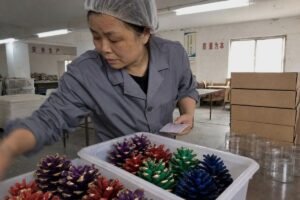
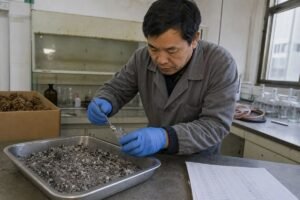
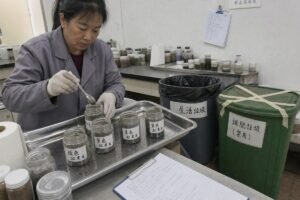
تأتي ثبات الدفعة من تركيز الملح المتحكم فيه، ووقت النقع القياسي وظروف التجفيف، وتوريد أحجام مخروطية موحدة، وحرق عينات عشوائية من كل دفعة إنتاج. اطلب من المورد الخاص بك توثيق هذه الضوابط وضمان تطابق العينة الأولى مع الإنتاج الضخم.

Flame color intensity is sensitive to several production variables. If a factory does not control them, the color drifts. Here are the variables that matter most and how we handle each one on our lines in Ningbo:
The Variables That Cause Color Drift
| متغير | What Goes Wrong If Uncontrolled | تحضير الألياف |
|---|---|---|
| Salt concentration | Weak or oversaturated color | Fixed solution ratios, measured per batch |
| Soaking time | Uneven absorption between cones | Standardized soak duration for every run |
| Drying conditions | Moisture left inside dulls color and slows ignition | Controlled drying with moisture checks before packing |
| Cone size and density | Different burn rates and color duration | Sorted, graded cones from consistent sources |
| تلوث الصوديوم | Yellow overrides the target color | Clean water and clean handling throughout treatment |
| Storage humidity | Salts absorb moisture and leach out | Sealed, moisture-barrier packaging options |
أسئلة لطرحها على المورد الخاص بك
You do not need to run a factory to audit one. Ask these questions and listen for specific answers:
- Do you test-burn samples from every batch, and can you share the records?
- What is your documented soaking and drying procedure?
- How do you grade and sort incoming pine cones?
- What moisture level do you allow before packing?
- Will the mass-production goods match the approved sample, and will you put that in the contract?
A supplier with genuine manufacturing depth answers these in detail. A trading company usually cannot, because it does not control the process. After 17 years, we treat batch-to-batch consistency as the product itself. The color is what your customer pays for. If it varies, your brand pays the price, not the factory's. That is why we tie our quality guarantee to the approved sample and keep retained samples from each production run for comparison.
خاتمة
Colored pine cones produce blue-green flames most reliably, with red, purple, yellow, orange, and white possible through specific metal salts. Choose a certified factory partner, verify ingredients, and demand batch consistency.
ملاحظات ختامية
1. Background reference explaining how metal ions emit visible light in flame tests. ↩︎
2. Background on barium's chemical and toxicological properties supports the safety warning. ↩︎
3. Epsom salt is magnesium sulfate, explaining the chemical basis of the color debate. ↩︎
4. SGS is a leading third-party testing lab referenced for compliance verification. ↩︎
5. Supports claim that barium compounds are toxic and heavily regulated. ↩︎
6. BSCI is the amfori social audit certification mentioned for supplier verification. ↩︎
7. CDC guidance on indoor air quality supports the ventilation safety recommendation. ↩︎
8. Explains the physics of visible light wavelengths referenced for flame color contrast. ↩︎
 English
  Spanish
  German
  French
  Arabic
  Portuguese
انضم إلى المحادثة