







تعبئة مسحوق النار السحري القديم تحت مشروع القانون 96 1 تقلق العديد من المشترين الكنديين لدينا. المستودعات تحتفظ بأكياس باللغة الإنجليزية فقط، والمواعيد النهائية تقترب، وافتراض واحد خاطئ يمكن أن يترك آلاف الوحدات غير مباعة.
يمكن بيع عبوات مسحوق السحر القديم للنار المصنعة قبل 1 يونيو 2025 بشكل عام في كيبيك حتى 1 يونيو 2027 بموجب فترة السماح للقانون 96، شريطة أن تستوفي الشروط المتعلقة بالعلامات التجارية. بعد 1 يونيو 2027، يجب إزالة المخزون غير المتوافق من الرفوف أو إعادة تعبئته بملصقات فرنسية متوافقة.
هذه هي الإجابة المختصرة. لكن التفاصيل مهمة. فترة السماح مشروطة، وليست تلقائية. أدناه، سأوضح ما يتطلبه القانون، وكيف تعمل المواعيد النهائية، وماذا يحدث إذا فاتتك، وكيفية إصلاح عبوتك قبل حلول الموعد النهائي.
ما هو بالضبط ما يتطلبه مشروع القانون 96 لتعبئة مسحوق النار السحري الخاص بي بعد يونيو 2025؟
أرسل لنا موزع في مونتريال بريدًا إلكترونيًا العام الماضي بسؤال بسيط: هل يمكن أن تظل أكياس تلوين اللهب باللغة الإنجليزية فقط على الرفوف؟ قانون تغليف المستهلك ووضع العلامات 2كان علينا أن نمرر له القواعد الجديدة بعناية.
يتطلب مشروع القانون 96 أن تعرض جميع عبوات المنتجات المباعة في كيبيك نصوصًا فرنسية بارزة بنفس القدر على الأقل مثل أي لغة أخرى. يجب أن تظهر النقوش والتعليمات والتحذيرات باللغة الفرنسية، ولا يُعفى من العلامات التجارية غير الفرنسية إلا إذا لم يكن هناك إصدار فرنسي مسجل للعلامة.

عدّل مشروع القانون 96 قانون كيبيك. ميثاق اللغة الفرنسية 3. دخلت متطلبات التعبئة في المراحل المتأخرة حيز التنفيذ في 1 يونيو 2025. من ذلك التاريخ فصاعدًا، يجب أن تعامل العبوات المباعة في كيبيك اللغة الفرنسية كلغة تجارية أساسية. هذا ليس مجرد تعديل بسيط للملصقات. إنه يغير كيفية تصميم العلامات التجارية للأكياس والصناديق والملصقات للسوق الكندي.
بالنسبة لمنتج تلوين اللهب المبتكر مثل مسحوق النار السحري، فإن المتطلبات العملية تنقسم على النحو التالي. يجب أن تظهر أسماء المنتجات التي هي أوصاف عامة باللغة الفرنسية. يجب أن تكون تعليمات الاستخدام باللغة الفرنسية. يجب أن تكون نصوص التحذير والتنبيه باللغة الفرنسية. يُسمح بأي نص باللغة الإنجليزية، ولكن يجب أن يكون الإصدار الفرنسي مرئيًا بوضوح وأن يكون على الأقل بنفس القدر من البروز.
استثناء العلامة التجارية أصبح أضيق
قبل مشروع القانون 96، اعتمدت العديد من العلامات التجارية على استثناء "العلامة التجارية المعترف بها" للاحتفاظ بأسماء العلامات التجارية باللغة الإنجليزية على العبوات. ضيّقت اللوائح النهائية هذا. الآن يحمي الاستثناء بشكل عام علامة تجارية غير فرنسية 4 فقط عندما لا توجد نسخة فرنسية من تلك العلامة التجارية مسجلة. وحتى العلامة التجارية المحمية قد تحتاج إلى وصف عام فرنسي بالقرب منها إذا كانت العلامة تتضمن مصطلحات وصفية.
ما يعنيه هذا لكيس تلوين اللهب النموذجي
| عنصر التعبئة والتغليف | متطلب مشروع القانون 96 بعد 1 يونيو 2025 |
|---|---|
| اسم العلامة التجارية (علامة تجارية مسجلة، لا توجد نسخة فرنسية مسجلة) | قد يبقى باللغة الإنجليزية بموجب استثناء العلامة التجارية |
| وصف المنتج (على سبيل المثال، "مسحوق تلوين اللهب") | يجب أن يظهر باللغة الفرنسية |
| تعليمات الاستخدام | يجب أن يظهر باللغة الفرنسية، بنفس القدر من البروز |
| ملصقات التحذير والتنبيه | يجب أن يظهر باللغة الفرنسية |
| الادعاءات التسويقية والشعارات | يجب أن يظهر باللغة الفرنسية، بنفس القدر من البروز |
في عملنا، غالبًا ما تكون التعبئة والتغليف هي المكان الذي تكمن فيه معظم التكاليف الأولية. الطباعة المخصصة لها حد أدنى خاص بها وموردوها الخاصون وفترة إنتاج خاصة بها. نتعامل بشكل روتيني مع العمل مع مصنعي المعدات الأصلية (OEM) 5, ، نقوم الآن ببناء رسومات ثنائية اللغة في كل ملف تعبئة موجه إلى كندا افتراضيًا. يكلف تقريبًا لا شيء في مرحلة التصميم. يكلف الكثير لإصلاحه بعد طباعة الأكياس وختمها.
ما هي مدة الفترة المسموح بها لمخزوني الحالي قبل يونيو 2025 بموجب القانون 96؟
تهيمن أسئلة التوقيت على مكالمات التوريد التي نتلقاها من المستوردين الكنديين هذه الأيام. لا أحد يريد شطب حاوية من السلع النهائية بسبب خطأ في قراءة الموعد النهائي.
فترة السماح تمتد لعامين، من 1 يونيو 2025 إلى 1 يونيو 2027. يمكن توزيع المنتجات غير المتوافقة المصنعة قبل 1 يونيو 2025، أو بيعها بالتجزئة، أو بيعها خلال هذه الفترة إذا كانت تستوفي الشروط المتعلقة بالعلامة التجارية. فترة السماح هي مرحلة انتقالية، وليست إعفاءً دائمًا.
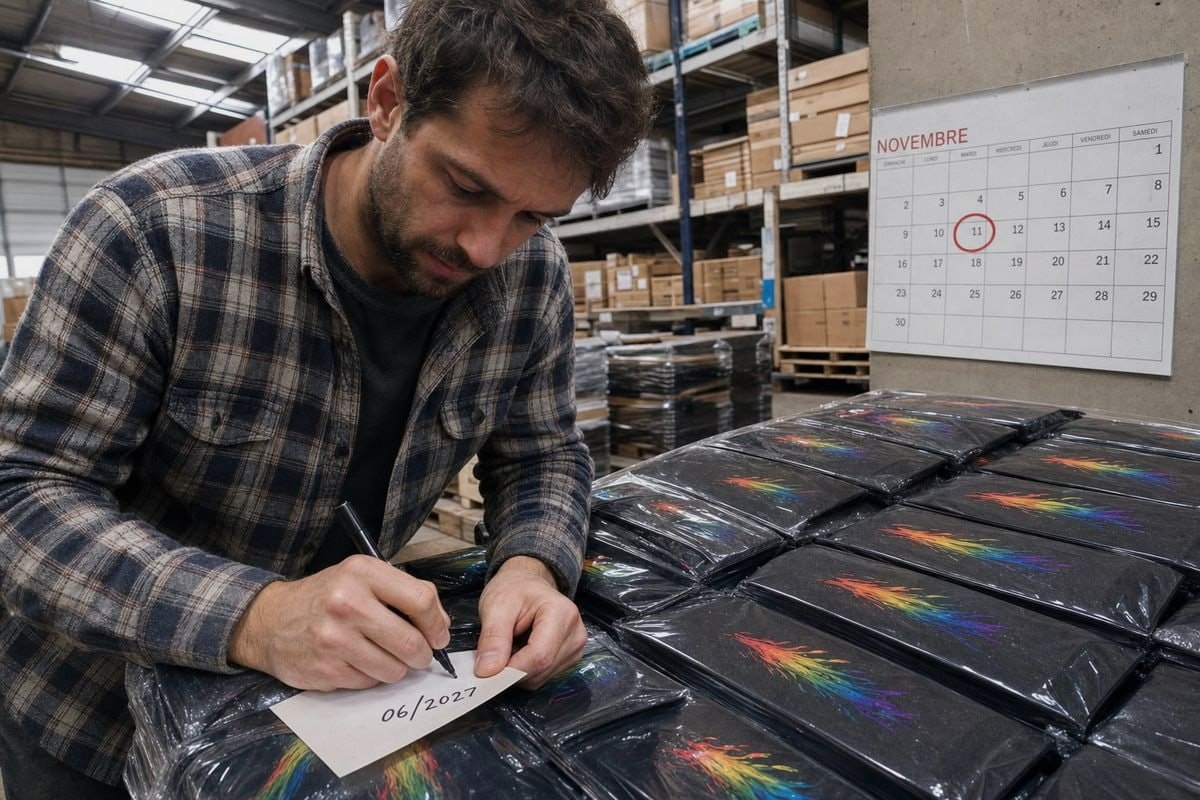
تقترح بعض الملخصات المتداولة عبر الإنترنت أن المخزون قبل يونيو 2025 "مُعفى" إلى أجل غير مسمى. لقد رأيت المشترين يتمسكون بهذا التفسير لأنه يبدو مريحًا. لا تعتمد عليه. أفضل تفسير مدعوم للوائح النهائية هو فترة انتقالية مدتها عامان مع توقف صارم. يمكن لبعض المنتجات غير المتوافقة المصنوعة قبل 1 يونيو 2025 أن تظل في السوق حتى 1 يونيو 2027 - ولا أكثر.
الجدول الزمني بعبارات بسيطة
| التاريخ | ما الذي يتغير |
|---|---|
| قبل 1 يونيو 2025 | تنطبق قواعد الميثاق الأقدم؛ استثناء أوسع للعلامات التجارية متاح |
| 1 يونيو 2025 | تدخل متطلبات التعبئة الجديدة حيز التنفيذ؛ يجب أن تمتثل جميع المنتجات المصنعة حديثًا |
| 1 يونيو 2025 - 1 يونيو 2027 | فترة السماح: يمكن بيع المخزون المؤهل غير المتوافق قبل يونيو 2025 |
| 1 يونيو 2027 | تنتهي فترة السماح؛ يجب إزالة المخزون المتبقي غير المتوافق من الرفوف |
شروط مرتبطة بفترة السماح
الأهلية مشروطة. الشروط الرئيسية للتحقق هي هذه. أولاً، يجب أن يكون المنتج قد تم تصنيعه قبل 1 يونيو 2025 - يجب عليك الاحتفاظ بسجلات الإنتاج أو وثائق الاستيراد أو رموز الدُفعات التي تثبت التاريخ. ثانيًا، يجب استيفاء شرط العلامة التجارية، والذي يعني بشكل عام أنه لم يتم تسجيل نسخة فرنسية من العلامة بحلول الموعد النهائي ذي الصلة. ثالثًا، يجب ألا يكون المنتج قد تم تعديله بعد ذلك. قد يؤدي إعادة التركيب، أو ادعاء تحذير جديد، أو حتى تغيير في الباركود بعد 1 يونيو 2025 إلى جعله رمز SKU جديدًا يجب أن يمتثل على الفور.
لاحظ فرقًا آخر. ينطبق هذا البيع على عبوات المنتجات. اللافتات العامة والإعلانات التجارية تتبع قواعد منفصلة، ولم تحصل اللافتات على فترة سماح مماثلة. لا تفترض أن إعفاء العبوات يغطي عروضك في المتجر.
ما هي المخاطر التي أواجهها إذا واصلت بيع عبوات غير متوافقة بعد الموعد النهائي؟
سنوات من شحن البضائع ذات الطابع الناري إلى الأسواق المنظمة علمت فريقنا درسًا واحدًا: مخاطر الإنفاذ نادرًا ما تكون افتراضية. إنها تصل فقط في وقت لاحق مما يتوقعه الناس.
بيع عبوات مسحوق السحر الناري غير المتوافقة في كيبيك بعد 1 يونيو 2027 يعرضك لتحقيقات OQLF، وإشعارات تحذير رسمية، وغرامات تتراوح تقريبًا بين 3000 دولار و 30000 دولار لكل انتهاك، مع مضاعفة العقوبات للمخالفين المتكررين. يتحمل تجار التجزئة والموزعون والباعة عبر الإنترنت هذا التعرض.

يشتعل سائل الإشعال في أقل من ثانية ولكنه ينطفئ في 30 إلى 60 ثانية، وهو وقت قصير جدًا لإشعال نار خشبية - التحمل هو معيار الأداء الحقيقي. مكتب اللغة الفرنسية في كيبيك 6 (OQLF) هي الهيئة التنفيذية. يمكنها التصرف بناءً على شكاوى المستهلكين، ونصائح المنافسين، أو عمليات التفتيش الخاصة بها. بمجرد فتح ملف، قد تتلقى إشعارًا يطالب بالتصحيح خلال فترة محددة. تجاهلها، وتتبعها الغرامات. يمكن أن يُعتبر كل خط إنتاج غير متوافق بمثابة انتهاك منفصل، لذا فإن رفًا مليئًا بـ SKUs المختلفة يضاعف التعرض بسرعة.
هناك أيضًا مشكلة عبء الإثبات. إذا كنت تعتمد على فترة السماح، فيجب أن تكون قادرًا على إثبات تاريخ التصنيع أو الاستيراد للمخزون. لا توجد سجلات دفعات، لا دفاع. هذا هو أحد الأسباب التي تجعلنا نطبع رموز الدفعات وتواريخ الإنتاج على كل دفعة من Magic Fire تغادر منشأتنا في نينغبو - يحتاج المشترون الكنديون لدينا إلى هذا المسار الورقي، ليس فقط لقانون اللغة ولكن لتتبع المنتج بشكل عام.
مخاطر تتجاوز الغرامة نفسها
العقوبة المباشرة هي جزء فقط من الضرر. ضع في اعتبارك الآثار المتتالية:
- إلغاء الإدراج في متاجر التجزئة. تقوم السلاسل الكبيرة بمراجعة امتثال الموردين. يمكن أن يؤدي انتهاك قانون اللغة إلى مراجعة أوسع لملف المورد الخاص بك.
- مخزون عالق. يجب إعادة تسمية المخزون الذي تم سحبه بعد 1 يونيو 2027، أو إعادة تغليفه، أو تدميره. غالبًا ما تتجاوز تكاليف إعادة العمل تكلفة التغليف الأصلية.
- ضرر بالسمعة. يمكن أن تصبح إجراءات OQLF علنية. يلاحظ المستهلكون في كيبيك ومشترو التجزئة ذلك.
- تعرض فيدرالي موازٍ. قد يخضع منتج جديد قابل للاشتعال أيضًا لقواعد Health Canada و قانون تغليف المستهلك ووضع العلامات 7, ، والتي تفرض متطلبات ثنائية اللغة خاصة بها. إصلاح الامتثال في كيبيك دون التحقق من القواعد الفيدرالية يترك فجوة.
- التجارة الإلكترونية ليست ثغرة. الشحن إلى كيبيك من أونتاريو أو الولايات المتحدة أو الخارج لا يتجاوز القانون 96. تتبع القواعد البيع إلى المقاطعة.
تحذير واحد يستحق الإشارة بصدق: القانون 96 ينظم اللغة على العبوات. لا يقول شيئًا عما إذا كان منتج تلوين اللهب مسموحًا به أو مصنفًا أو مقيدًا بموجب لوائح السلامة. تعامل مع هذا كسؤال قانوني خاص بالتعبئة وتحقق من قواعد فئة المنتج بشكل منفصل.
كيف يمكنني جعل الشركة المصنعة الخاصة بي تحديث عبواتي للامتثال للقانون 96؟
عندما وصلت طلبات القانون 96 الأولى إلى مكتبنا، قمنا بتحويل الأعمال الفنية ثنائية اللغة في غضون دورة عينات واحدة - وقد شكلت هذه التجربة قائمة المراجعة التي أشاركها أدناه.
أرسل إلى الشركة المصنعة الخاصة بك موجزًا ثنائي اللغة للعمل الفني يغطي أوصاف المنتج الفرنسي والتعليمات والتحذيرات بنفس القدر من الأهمية، وقم بتأكيد حالة علامتك التجارية، واطلب إثباتًا قبل الإنتاج، وحدد تاريخ التغيير. يمكن لشريك OEM الماهر تقديم تغليف متوافق في دورة إنتاج عادية واحدة.
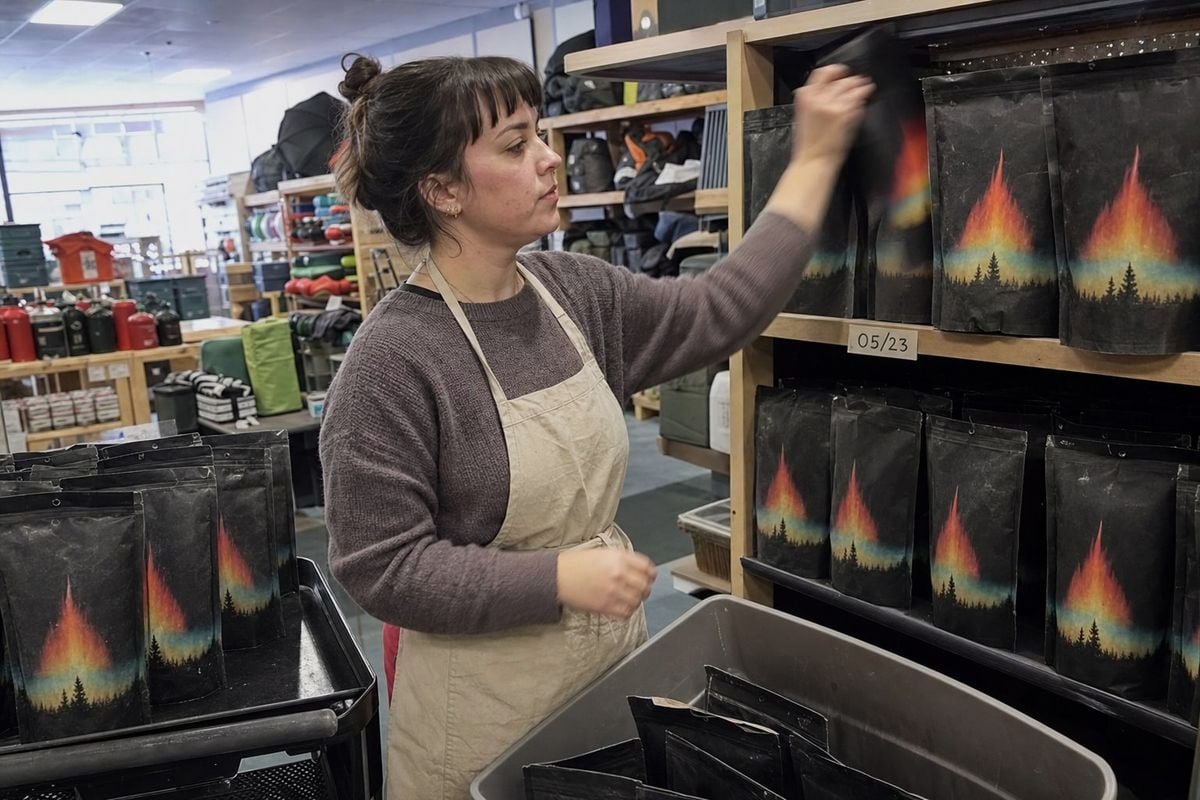
تحديث العبوات يبدو شاقًا، ولكن بالنسبة لكيس رقائق أو صندوق عرض، فهو في الغالب تمرين على الأعمال الفنية وسير العمل. الفخ هو الانتظار طويلاً جدًا. إذا نفد مخزون فترة السماح الخاص بك في أوائل عام 2027 وكانت عبواتك الجديدة المتوافقة لا تزال في البحر، فستخسر رف كيبيك بالكامل. اعمل للخلف من 1 يونيو 2027 وقم ببناء وقت احتياطي.
عملية تغيير عملية
هذا هو التسلسل الذي نتبعه مع عملائنا الخاصين بالعلامات التجارية:
- مراجعة الأعمال الفنية الحالية. قم بإدراج كل عنصر نصي على الكيس والصندوق والحقيبة. قم بتمييز أي شيء باللغة الإنجليزية فقط: الأوصاف، التعليمات، التحذيرات، الادعاءات.
- التحقق من حالة العلامة التجارية. تحقق مما إذا كان اسم علامتك التجارية مسجلاً وما إذا كان هناك إصدار فرنسي مسجل. هذا يحدد ما يمكن أن يبقى باللغة الإنجليزية.
- تكليف بترجمات فرنسية. استخدم مترجمًا محترفًا على دراية باتفاقيات وضع العلامات في كيبيك، وليس مخرجات آلية. يجب أن تكون لغة التحذير على وجه الخصوص دقيقة.
- إعادة بناء الأعمال الفنية. يجب أن تكون اللغة الفرنسية بارزة بنفس القدر على الأقل. على كيس صغير، يعني ذلك عادةً تخطيطًا ثنائي اللغة كاملاً، وليس ملاحظة سفلية صغيرة باللغة الفرنسية.
- الموافقة على نسخة مادية. أصر على عينة مطبوعة قبل الإنتاج، وليس مجرد ملف PDF. تبدو الألوان وسهولة القراءة وحجم النص مختلفًا على الرقائق اللامعة.
- جدولة تبديل الإنتاج. حدد تاريخًا صارمًا لا يتم بعده طباعة أي عبوات قديمة. إيقاف إعادة الطلبات مبكرًا يقلل من المخزون القديم الذي يجب عليك إدارته.
- فصل المخزون. احتفظ بالمخزون قبل يونيو 2025 منفصلاً ماديًا ورقميًا عن المخزون الجديد المتوافق، مع سجلات مؤرخة لكل منهما.
ما يجب أن تسأله لموردك
| طلب | لماذا هو مهم |
|---|---|
| دعم الأعمال الفنية ثنائية اللغة | يضمن بناء بروز اللغة الفرنسية، وليس إضافتها لاحقًا |
| رموز دفعات مؤرخة على كل دفعة | يثبت تواريخ التصنيع إذا طلبت OQLF |
| تشغيل تجريبي منخفض الحد الأدنى للطلب للعبوات الجديدة | يسمح لك باختبار التصميم المتوافق قبل الالتزام بالحجم |
| تقارير الاختبار والشهادات (SGS/Intertek، CE، ISO 9001) | يغطي ملف السلامة والجودة جنبًا إلى جنب مع ملف اللغة |
| ملصقات تحذير ورموز شريطية مخصصة | يتجنب التعديلات بعد يونيو 2025 التي تبطل فترة السماح |
يتعامل مصنعنا مع هذا كعمل قياسي من مصنع المعدات الأصلية - أكياس مخصصة، أكياس كرافت، جرار، صناديق عرض, ، ملصقات تحذير، ورموز شريطية يتم تعديلها جميعًا داخليًا، لذلك يتم شحن الإصدار المتوافق من نفس الخط مثل الإصدار الأصلي. هذه الاستمرارية مهمة: يجب أن تتطابق أول عينة ثنائية اللغة مع الإنتاج الضخم تمامًا، دفعة بعد دفعة.
خاتمة
يمكن بيع عبوات مسحوق النار السحري غير المتوافقة المصنوعة قبل 1 يونيو 2025 في كيبيك حتى 1 يونيو 2027، إذا كانت مؤهلة. قم بمراجعة المخزون، وتحقق من العلامات التجارية، وقم بالتبديل إلى التعبئة ثنائية اللغة الآن.
ملاحظات ختامية
السجل الرسمي للهيئة التشريعية في كيبيك للقانون 96، القانون الذي يتم شرحه في المقال. ↩︎
النص الرسمي للقانون الفيدرالي الذي يفرض واجبات الملصقات ثنائية اللغة جنبًا إلى جنب مع القانون 96. ↩︎
خلفية عن قانون كيبيك الذي عدله القانون 96، مما يوفر للقراء سياقًا قانونيًا. ↩︎
<span id="


 English
  Spanish
  German
  French
  Arabic
  Portuguese
انضم إلى المحادثة