







Choosing between a single large order and rolling orders for Magic Fire Powder keeps many buyers up at night. I've watched importers tie up an entire season's budget in one container, then panic when sell-through lagged. Others ordered too little, ran out mid-season, and lost shelf space. After 17+ years running our color-flame production lines in China, I can tell you the answer is not one-size-fits-all — but there is a clear framework.
Neither strategy is universally better for Magic Fire Powder. A single large order wins on unit price and logistics efficiency when demand is proven. Rolling orders win on cash flow, storage costs, and risk control when demand is uncertain. Most buyers should pilot small, then scale.
Let me walk you through the factors that actually move the math, based on real orders we ship to distributors in the US, Germany, the UK, and beyond.
What factors should I consider before choosing between a single large order and rolling orders for Magic Fire Powder?
A German fireplace distributor once asked me this exact question on his first call with our factory. Before quoting, I asked him five questions back — because those answers decide the strategy.
Before choosing an ordering strategy for Magic Fire Powder, evaluate demand certainty, cash flow capacity, storage costs, sales seasonality, supplier reliability, and compliance requirements. Buyers with proven demand and strong capital favor large orders; buyers testing a new market favor rolling orders.

The first thing to understand is that Magic Fire Powder is not a standardized commodity. Marketplace listings for this category vary wildly — some sellers ask for 20 boxes minimum, others 500 bags, some 5,000 bags, while retail listings sell a single pouch. Product naming is just as inconsistent: "magic fire powder," "magic flames," "fire color powder," "magical flames." That variation tells you something important. You are not just choosing an order size. You are choosing a channel strategy.
The six factors that matter most
Here is how I frame it for every new buyer we onboard:
| عامل | Favors a Single Large Order | Favors Rolling Orders |
|---|---|---|
| Demand certainty | Proven sell-through data | New market or unproven SKU |
| التدفق النقدي | Strong working capital | Capital is tight or spread across SKUs |
| التخزين | Cheap or owned warehouse space | Paying per-pallet 3PL fees |
| الموسمية | Predictable peak (e.g., camping season) | Demand spread unevenly across the year |
| Supplier trust | Verified factory with certifications | Untested supplier, first cooperation |
| الامتثال | Documents already validated | Still confirming labels, tests, and customs handling |
Buyer type changes the answer
An event prop trader buying for one LARP festival needs one well-timed shipment. A national retail chain feeding a Home Depot–type program needs scheduled replenishment tied to shelf velocity. A first-time importer testing color-flame packets in a new country should almost always start with a trial order. In our experience exporting to 30+ countries, the buyers who get burned are the ones who copy someone else's ordering pattern without matching it to their own demand data. Start with your sales forecast, not with the supplier's MOQ sheet.
How do rolling orders help me manage cash flow and reduce storage costs compared to one large shipment?
Last year, a UK camping brand switched from one annual container to quarterly shipments with us. Their finance director told me it freed up capital equal to two new product launches. That conversation stuck with me.
Rolling orders spread payments across multiple smaller invoices instead of one large upfront cost, keeping working capital available. They also cut warehousing fees, since stock arrives as it sells rather than sitting in storage for months awaiting demand.
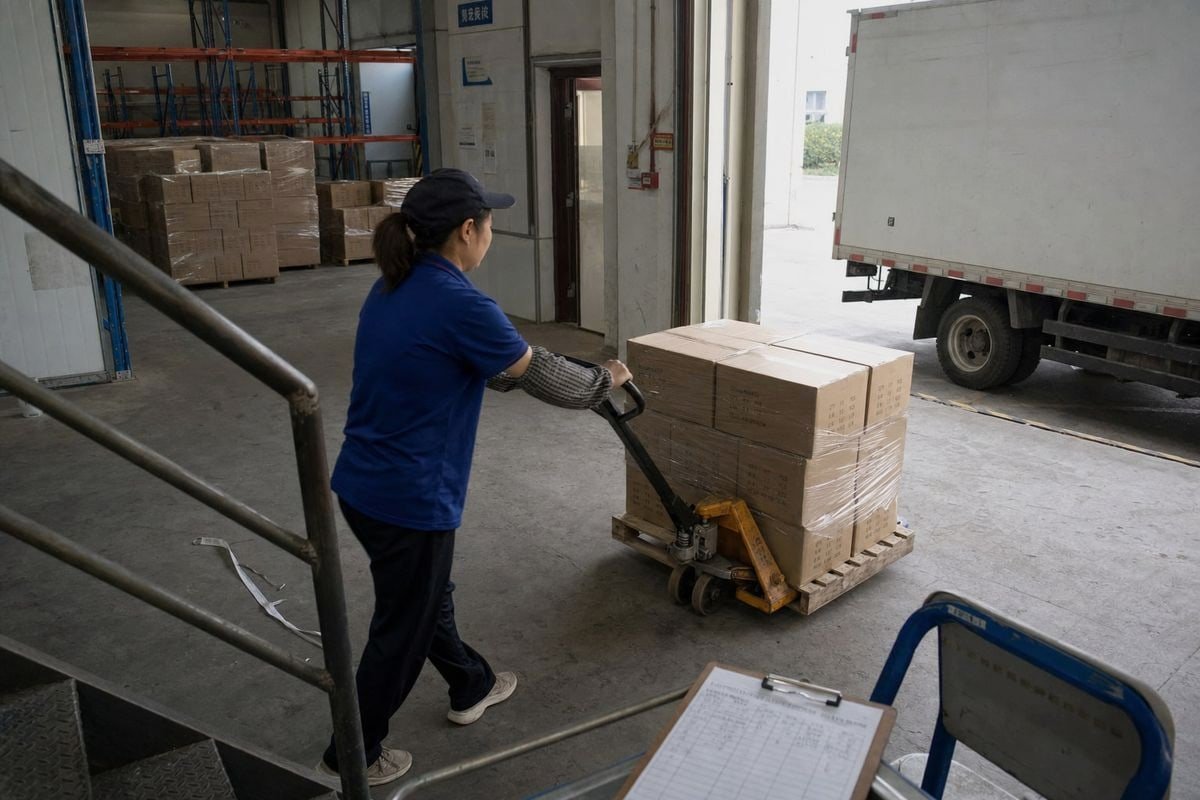
Cash flow is the quiet killer in seasonal novelty products. Magic Fire Powder sells hardest around camping season, holidays, and outdoor events. If you buy a full year of stock in January, your money sits in a warehouse for six to nine months before it converts back to cash. Rolling orders reverse that. You pay for what you can sell in the next cycle, sell it, and use the revenue to fund the next purchase order.
Where the storage savings come from
Storage costs are not just rent. They include:
- Per-pallet 3PL fees that accrue monthly whether the product sells or not.
- التأمين on higher inventory value.
- Handling and shrinkage — more stock means more touches and more loss.
- Obsolescence risk — packaging refreshes or label rule changes can strand old stock.
That last point matters more than people think. ملصقات التحذير 1 and retail packaging requirements evolve. We produce عبوات العلامة الخاصة بك with custom warning labels and barcodes for our clients, and when a client updates their artwork, buyers holding a year of old-design stock feel real pain. Rolling buyers simply update on the next run.
النقطة المقابلة الصادقة
Rolling orders are not free. Each shipment carries its own freight cost, documentation, and customs cycle, and smaller batches usually price higher per unit. Some buyers push back on me here — and they are right that per-shipment overhead adds up. My answer: negotiate a اتفاقية شاملة 2. Commit to an annual volume for pricing purposes, but schedule releases quarterly. You get most of the bulk price with rolling-order cash flow. We structure this regularly for our distributor partners in the US and Europe.
Will a single large order give me better pricing and more consistent quality control from my Magic Fire Powder supplier?
On pricing, yes — that trade-off is real, and I quote it every week. On quality, the answer is more nuanced than most buyers expect, and it depends heavily on which factory you choose.
A single large order usually secures better unit pricing through volume tiers and consolidated logistics. However, quality consistency depends on the supplier's batch-to-batch control systems, not order size — a large order from a weak factory concentrates defect risk in one shipment.

The pricing logic is straightforward. One production run of 50,000 packets amortizes setup, material purchasing, and printing costs far better than five runs of 10,000. Wholesale listings in this category are built around volume tiers 3 for exactly this reason — some show explicit price breaks between small-quantity and 200+ piece tiers. Add consolidated freight and one customs entry instead of five, and the landed cost gap widens further.
But here is the quality trap
Many buyers assume a big order guarantees consistent quality because it all comes from "one batch." That logic cuts both ways. If a formulation or sealing issue slips into that batch, your entire year of inventory is affected at once. With rolling orders, a defect touches only one smaller shipment, and you catch it before the next run.
The real variable is the factory's التحكم في العملية 4. At our plant, we run strict batch-to-batch QC on every color-flame production lot precisely so that the first sample a buyer approves reflects what mass production delivers — order after order. We back that with ISO 9001, BSCI, CE, and SGS/Intertek test reports, because for our US and European buyers, compliance documentation is a hard requirement, not a nice-to-have.
How the trade-offs stack up
| Dimension | Single Large Order | Rolling Orders |
|---|---|---|
| سعر الوحدة | Lowest, via volume tiers | أعلى لكل وحدة |
| Freight & customs | One consolidated cycle | Multiple cycles, more admin |
| Defect exposure | Entire stock at risk if one batch fails | Contained to one shipment |
| التحقق من المورد | Requires trust upfront | Builds trust incrementally |
| Negotiation leverage | Strong on that one PO | Strong through recurring relationship |
One more point buyers often miss: recurring orders keep you visible to your supplier. A one-time bulk buyer can get deprioritized later. A rolling buyer becomes a relationship, which usually earns faster responses, priority production slots, and flexibility when you need a rush run before peak season.
How can I decide which ordering strategy minimizes my risk of stockouts or excess inventory for Magic Fire Powder?
The costliest mistake I've seen came from a festival gift trader who ordered big on gut feel, missed his sell-through estimate by half, and stored pallets for two years. The fix was not a smaller order — it was a better decision process.
Match order size to demand certainty. Use a pilot order to validate sell-through and supplier quality, then scale: proven, stable demand justifies a large order; seasonal or unproven demand calls for rolling replenishment. A hybrid model balances both risks.
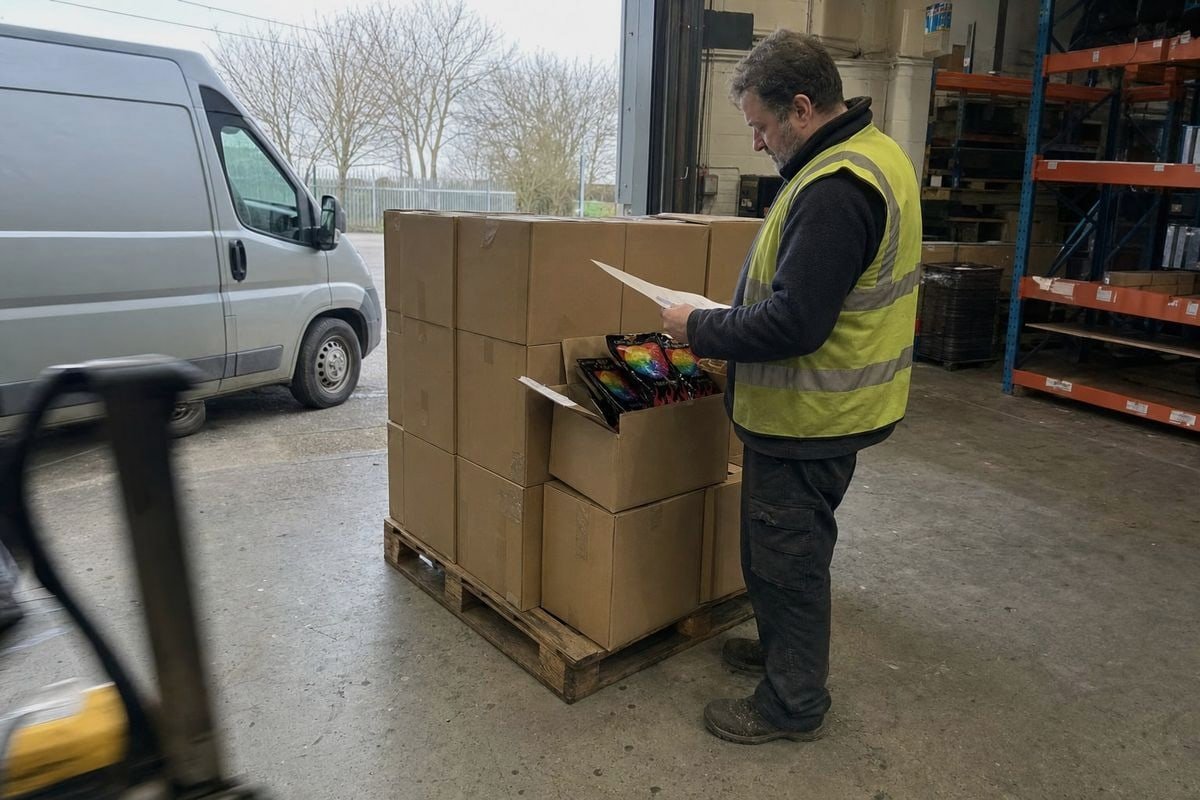
Stockouts and excess inventory are two sides of the same forecasting problem. A stockout in July — peak campfire season — means empty shelves at the exact moment demand peaks, and reorder مهل التسليم 5 from overseas rarely rescue you in time. Excess inventory means dead capital, storage fees, and eventual markdowns. Your ordering strategy is really a bet on your forecast accuracy.
A simple decision framework by buyer type
| Buyer type | Demand profile | Recommended strategy |
|---|---|---|
| New importer / first-time buyer | Unproven | Pilot order, then reassess |
| Camping or BBQ brand | Seasonal, semi-predictable | Moderate pre-season bulk + in-season rolling top-ups |
| National retail program | High volume, data-driven | Blanket agreement with scheduled releases |
| Event / LARP prop buyer | Event-driven spikes | Timed single orders per event |
| Wholesaler serving mixed clients | Steady but variable | Rolling orders with a safety-stock floor |
The hybrid model most of our buyers land on
In practice, the strongest performers follow a three-step path. First, a trial order — we deliberately keep MOQs flexible for first cooperations so buyers can test quality, packaging, and market response without betting the budget. Second, a moderate pre-season bulk order once sell-through data exists, sized to cover the forecast baseline. Third, scheduled rolling replenishments to chase upside demand, timed against real lead times.
Lead time is the variable you must respect. الشحن البحري 6 from China, التخليص الجمركي 7 for fire-related goods, and inland delivery all add weeks. Build your reorder points around total landed lead time, not production time alone. And one safety note that affects planning: color-flame packets are designed to go into the fire unopened, so consumer-facing packaging, instructions, and warning labels must be finalized before you scale volume. We handle those label and compliance details in our OEM packaging work because a labeling error discovered after a large order is far more expensive than one caught on a pilot run.
خاتمة
Big orders buy price; rolling orders buy flexibility. Pilot first, prove demand, then scale with a certified factory partner — that sequence protects both your margin and your shelf.
ملاحظات ختامية
1. US federal law governing hazardous substance warning labels relevant to flame-color products. ↩︎
2. Wikipedia explains blanket purchase agreements used to combine bulk pricing with scheduled releases. ↩︎
3. Alibaba.com illustrates typical wholesale volume-tier pricing structures buyers reference. ↩︎
4. Explains the industrial concept underpinning batch-to-batch quality consistency in manufacturing. ↩︎
5. Defines the supply chain concept of lead time referenced in reorder planning. ↩︎
6. IMO oversees international shipping regulations governing ocean freight transport. ↩︎
7. WTO trade facilitation resource explaining international customs clearance procedures for importers. ↩︎



 English
  Spanish
  German
  French
  Arabic
  Portuguese
انضم إلى المحادثة