






ملصقات تحذير Prop 65 لبادئات الحريق الخشبية توقع البائعين ذوي العلامات الخاصة باستمرار. لقد شاهدت مشترين يخسرون صفقات البيع بالتجزئة بسبب ملصق واحد مفقود على شحنات خط الإنتاج الخاص بنا.
نعم، يحتاج معظم بائعي العلامات الخاصة لبادئات إشعال النار الخشبية إلى ملصقات تحذيرية بموجب القانون المقترح 65 للمبيعات في كاليفورنيا. حرق المنتج يطلق أول أكسيد الكربون والسخام ومنتجات الاحتراق الأخرى الموجودة في قائمة المواد الكيميائية في كاليفورنيا، لذلك يلزم وجود تحذير واضح ومعقول ما لم تثبت الاختبارات الموثقة أن التعرض يقع دون مستويات الملاذ الآمن.
هذا الجواب المختصر يخفي تفاصيل مهمة. دعني أريك ما يقوله القانون، ومتى ينطبق، وكيفية التعامل مع الملصقات قبل أن تغادر حاويتك المصنع.
ما هو بالضبط القانون 65 ولماذا ينطبق على مشعلات الخشب الخاصة بي؟
سألني موزع ألماني ذات مرة لماذا احتاجت لفائف الخشب المغمسة بالشمع المتجهة إلى الولايات المتحدة إلى ملصق كاليفورنيا الذي لم تكن طلبات الاتحاد الأوروبي الخاصة به تتطلبه. هذا السؤال يظهر في كل مفاوضات أمريكية تقريبًا نجريها.
65 هو قانون في كاليفورنيا يتطلب من الشركات تحذير المستهلكين قبل تعريضهم لأي من المواد الكيميائية المدرجة البالغ عددها 900+. تشعل بادئات إشعال الخشب هذا القانون لأن الاحتراق يطلق أول أكسيد الكربون والسخام والدخان - وجميعها مواد مدرجة - مما يجعل التحذير ضروريًا أثناء الاستخدام العادي المقصود.
Prop 65، رسميًا قانون المياه الآمنة للشرب وإنفاذ السموم 1 لعام 1986، تديره OEHHA، مكتب تقييم مخاطر الصحة البيئية في كاليفورنيا. القانون لا يحظر أي منتج. إنه ببساطة يتطلب تحذيرًا واضحًا ومعقولًا قبل أن تعرض شركة شخصًا في كاليفورنيا عن علم لمادة كيميائية مدرجة فوق عتبات معينة.
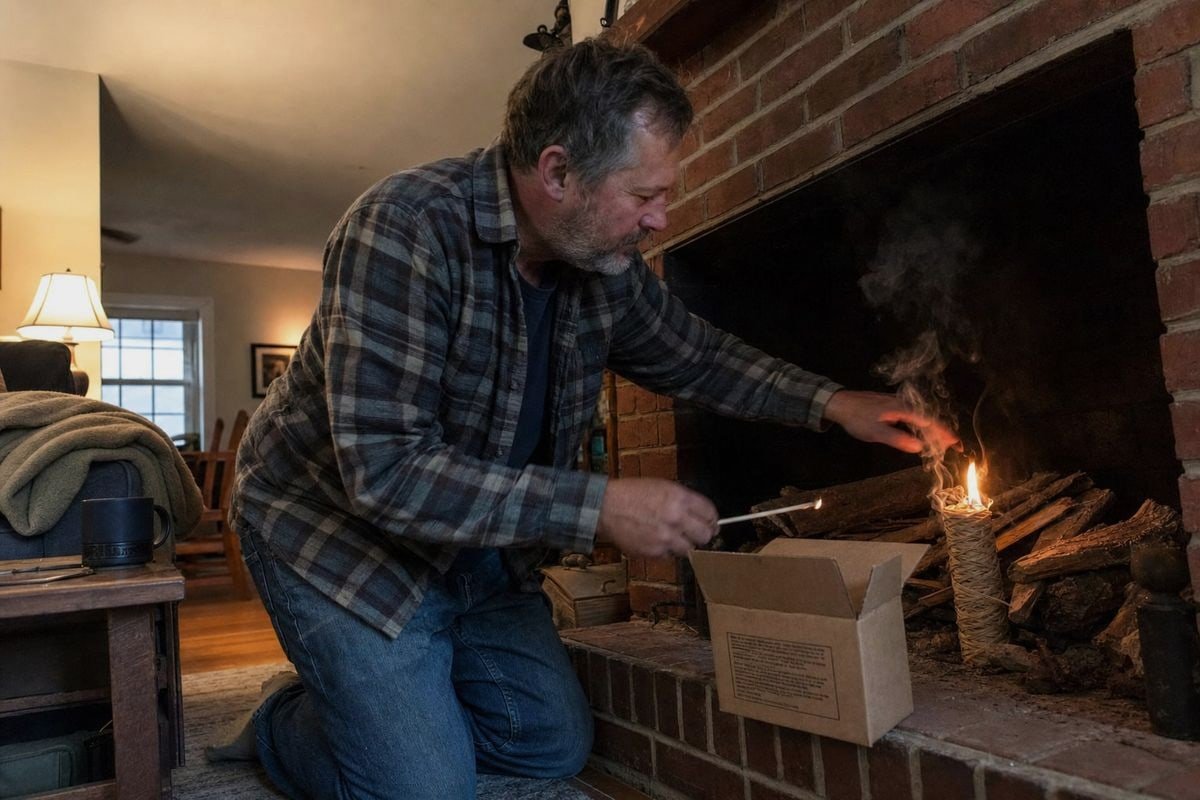
هذه هي النقطة الرئيسية لبادئات الحريق. المحفز عادة ليس الخشب نفسه. إنه التعرض أثناء الاستخدام. عندما يشعل عميلك بادئ حريق في مدفأة أو حفرة نار، تنتج اللهب تتجمع نواتج الاحتراق 2. العديد من هذه المنتجات الثانوية موجودة في OEHHA 3 القائمة.
المواد الكيميائية المهمة لبادئات الحريق
| المادة الكيميائية المدرجة | المصدر في بادئ الحريق | نقطة النهاية المدرجة |
|---|---|---|
| مدرج؛ يمكن أن يحفز النحاس بالإضافة إلى PVC الغني بالكلور تكوين الديوكسينات أثناء الاحتراق في درجات حرارة منخفضة | أي احتراق أثناء الاستخدام | ضرر إنجابي |
| السخام / الدخان | حرق ألياف الخشب والشمع | السرطان |
| غبار الخشب | التعامل مع مكونات الخشب أو تكسيرها أو تآكلها | السرطان |
| البنزين 4 | بعض المواد الرابطة من البارافين أو البترول أثناء الاشتعال | السرطان والضرر الإنجابي |
لذا فإن Prop 65 لبادئات الحريق الخشبية هو سؤال تعرض، وليس سؤال فئة. مجرد وجود مادة كيميائية لا يتطلب تحذيرًا. ولكن نظرًا لأن منتجك مصمم ليتم حرقه، فإن التعرض لمنتجات الاحتراق الثانوية يمكن توقعه ويصعب إنكاره. لهذا السبب تحمل قوائم معظم كبار تجار التجزئة الأمريكيين لبادئات الحريق التحذير. في أكثر من 17 عامًا من تصدير سلع إشعال النار إلى الولايات المتحدة، لم نر أبدًا مشترًا كبيرًا لتجارة التجزئة الأمريكية يقبل شحنة بادئ حريق دون معالجة هذه المشكلة مقدمًا.
كيف أعرف ما إذا كانت منتجات العلامة التجارية الخاصة بي تؤدي بالفعل إلى متطلبات تحذير Prop 65؟
في وقت مبكر من عملنا في مجال تصنيع المعدات الأصلية (OEM)، افترض أحد العملاء الأمريكيين أن تقارير اختبار SGS الخاصة بنا وحدها حسمت سؤال Prop 65 الخاص به. لقد ساعدوا، لكن تحليل التعرض كان لا يزال مسؤوليته القانونية - وهو تمييز فاجأه.
إن بادئات الإشعال الخاصة بعلامتك التجارية الخاصة تثير متطلبًا للتحذير إذا كان الاستخدام المتوقع يعرض سكان كاليفورنيا لمادة كيميائية مدرجة فوق مستويات الملاذ الآمن. نظرًا لأن بادئات الإشعال مصنوعة للاحتراق، يُفترض أن التعرض للاحتراق أمر متوقع، لذلك يجب عليك التحذير ما لم يوثق تقييم مؤهل التعرض أقل من الحد.
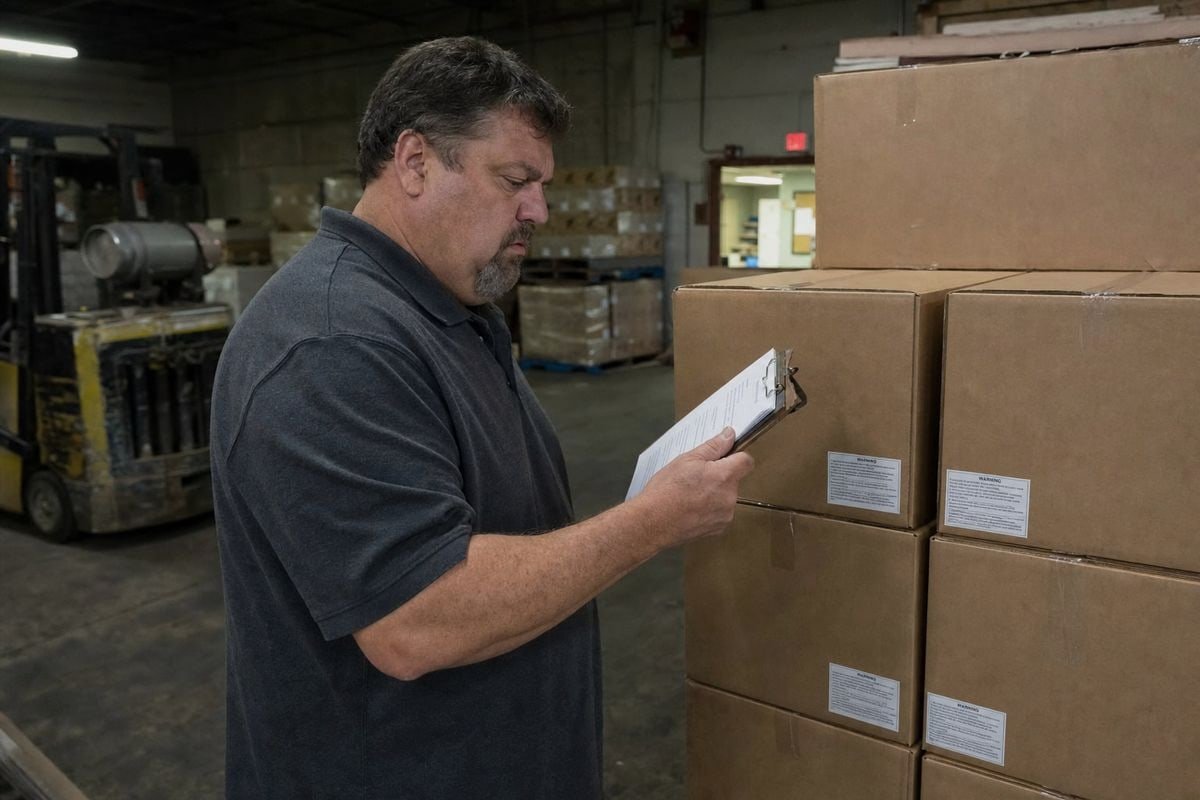
وضع العلامة الخاصة يغير وضعك القانوني أكثر مما يدرك معظم البائعين. عندما تحمل علامتك التجارية على الصندوق، تعاملك كاليفورنيا كشركة مصنعة أو موزع لأغراض عملية. مصنعك في الصين خارج متناول المحاكم في كاليفورنيا. أنت لست كذلك. رسائل الإنفاذ، ومطالبات تجار التجزئة، ومراجعات السوق كلها تصل إلى مكتبك.
ثلاثة أسئلة يجب طرحها قبل الشحن
- هل المنتج مخصص للحرق؟ بالنسبة لبادئات الحريق، نعم بحكم التعريف. منتجات الاحتراق الثانوية مثل أول أكسيد الكربون والسخام هي جزء من الاستخدام المتوقع.
- هل تحتوي المواد على مواد كيميائية مدرجة؟ يمكن للمواد الرابطة من البارافين إطلاق البنزين عند الاشتعال. المواد اللاصقة، والطلاءات، وأحبار الطباعة التي تحتوي على معادن ثقيلة، و الفثالات 5 في غلاف بلاستيكي يمكن لكل منها تشغيل المتطلبات بشكل مستقل.
- هل يمكنك إثبات أن التعرض أقل من الحد؟ يقع عبء الإثبات لـ "عدم وجود خطر كبير" بالكامل عليك، أيها البائع. بدون اختبار سلامة المنتج وتقييم تعرض موثق، ليس لديك دفاع.
لماذا يعتبر تخطي التحذير رياضة مالية محفوفة بالمخاطر
| المسار | التكلفة النموذجية | مستوى الخطر |
|---|---|---|
| أضف ملصق تحذير متوافق | سنتات لكل وحدة في المصنع | منخفض جداً |
| تكليف اختبار التعرض لتخطي التحذير | آلاف الدولارات، مستمرة لكل تركيبة | معتدل |
| الشحن بدون تحذير وبدون تحليل | صفر مقدمًا | مرتفع - إشعار لمدة 60 يومًا، غرامات مدنية تصل إلى 2500 دولار لكل انتهاك في اليوم |
ترفع شركات المحاماة الخاصة "صيادي المكافآت" بنشاط إشعارات لمدة 60 يومًا ضد منتجات الحريق غير المسماة. التسويات شائعة لأن تكاليف الاختبار أكثر من تكلفة الملصق. يوجد إعفاء الـ 10 موظفين في القانون، ولكن قواعد الامتثال من أمازون واتفاقيات بائعي التجزئة الكبار غالبًا ما تتجاوز ذلك، وتتطلب إفصاحات من جميع البائعين بغض النظر عن حجمهم.
أين وكيف يجب أن أضع ملصقات قانون الاقتراح 65 على عبواتي لكي أظل ملتزمًا؟
الموضع هو المكان الذي أرى فيه معظم إعادة العمل. أرسل أحد المشترين لنا رسومات نهائية مع التحذير مخبأً داخل إدراج مطوي؛ رفض بائع التجزئة التصميم بأكمله قبل بدء الإنتاج.
ضع تحذير Prop 65 بشكل واضح على العبوة الخارجية حيث يراه المستهلكون قبل الشراء، باستخدام رمز المثلث الأصفر، ونص تحذير جريء، واسم مادة كيميائية واحدة على الأقل لكل نقطة نهاية، ورابط P65Warnings.ca.gov. يجب أيضًا عرض التحذير في القوائم عبر الإنترنت قبل إتمام عملية الشراء.
مكتب تقييم المخاطر الصحية البيئية لوائح الملاذ الآمن 6 توضح بالضبط كيف يبدو التحذير المتوافق. اتبع التنسيق بدقة وستحصل على حماية الملاذ الآمن، مما يعني أن التحذير يعتبر واضحًا ومعقولًا بحكم تعريفه. انحرف، وستدعو إلى تحدٍ حول ما إذا كان إصدارك كافيًا.
قائمة تدقيق تنسيق الملاذ الآمن
| عنصر | المتطلب |
|---|---|
| رمز | مثلث متساوي الأضلاع أصفر مع نقطة تعجب سوداء |
| كلمة الإشارة | تحذير بأحرف كبيرة جريئة |
| تسمية المواد الكيميائية | مادة كيميائية مدرجة واحدة على الأقل لكل نقطة نهاية (مثل، أول أكسيد الكربون للضرر التناسلي، السخام للسرطان) |
| رابط | www.P65Warnings.ca.gov مضمن في النص |
| التنسيب | واضح، قابل للقراءة، ومرئي قبل التعرض أو الشراء |
بالنسبة لمشعل النار، فإن اللغة القياسية للسوق تقرأ تقريبًا: "تحذير: يمكن أن يعرضك احتراق هذا المنتج للمواد الكيميائية بما في ذلك أول أكسيد الكربون والسخام ومنتجات الاحتراق الأخرى، والتي يُعرف أنها تسبب السرطان والعيوب الخلقية أو غيرها من الأضرار التناسلية في ولاية كاليفورنيا."
لا تنسَ القائمة عبر الإنترنت
الملصقات المادية وحدها لا تكفي للتجارة الإلكترونية. يجب أن يظهر التحذير على صفحة تفاصيل المنتج قبل إتمام الشراء. توفر أمازون حقلًا مخصصًا للقانون 65 في Seller Central لهذا الغرض بالضبط. لدى Walmart Marketplace متطلبات مماثلة. إذا كان منتجك يُشحن في كيس بولي داخل صندوق رئيسي، فلا يزال يتعين على الوحدة المواجهة للبيع بالتجزئة أن تحمل تحذيرها المرئي الخاص بها.
تغيرت التحذيرات المختصرة في تحديثات OEHHA الأخيرة: يجب عليها الآن تسمية مادة كيميائية واحدة على الأقل لكل نقطة نهاية للحفاظ على حالة الملاذ الآمن. لم تعد الملصقات الغامضة مثل "قد يحتوي هذا المنتج على مواد كيميائية" مؤهلة.
هل يمكن لمصنعي مساعدتي في إضافة ملصقات تحذيرية متوافقة قبل الشحن إلى الولايات المتحدة؟
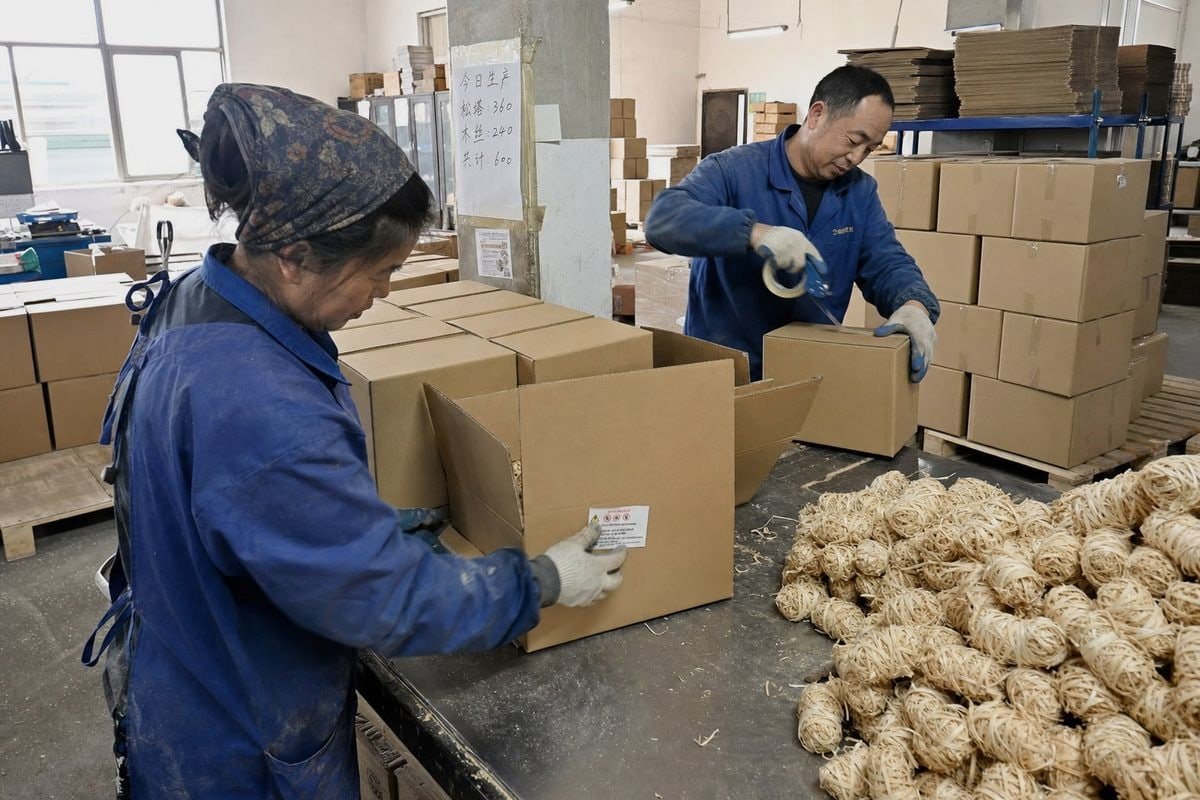
أصبح دمج الملصقات الآن خطوة قياسية في خط تعبئة التغليف لدينا في نينغبو. حوالي نصف طلبات العلامات الخاصة المتجهة إلى الولايات المتحدة الخاصة بنا للفائف الخشب المغطاة بالشمع تتضمن نص القانون 65 مطبوعًا مباشرة في رسومات الصندوق.
نعم، يمكن لشركة تصنيع المعدات الأصلية (OEM) القادرة طباعة تحذيرات Prop 65 مباشرة على عبواتك المخصصة، ووضع ملصقات متوافقة على الوحدات النهائية، وتوفير تقارير اختبار داعمة قبل الشحن. قم بتأكيد صياغة الملصق وموضعه والموافقة على الأعمال الفنية أثناء مرحلة أخذ العينات، وليس بعد بدء الإنتاج الضخم.
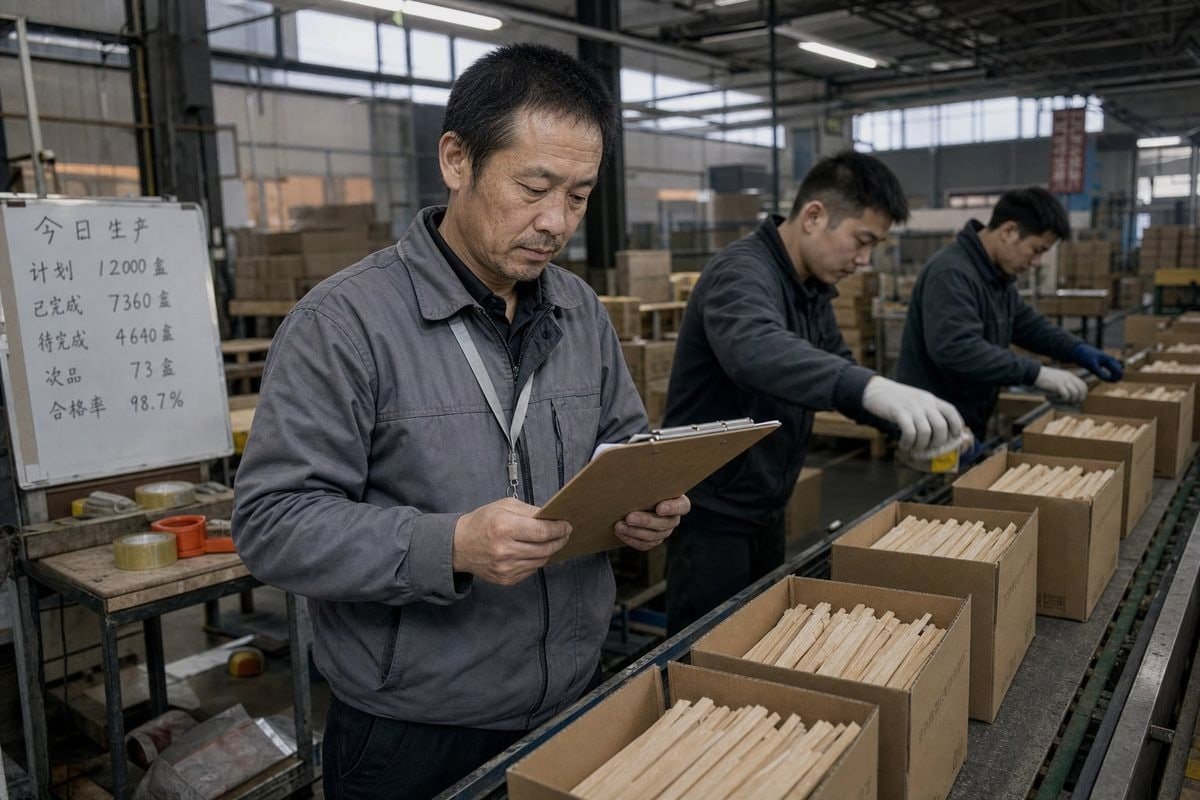
يعد التعامل مع التحذير في المصنع أرخص وأكثر نظافة بكثير من إصلاحه بعد الوصول. إعادة تسمية حاوية مشعلات النار في مستودع أمريكي تكلف عدة أضعاف ما تكلفه الطباعة المتكاملة في المنشأ. كما أنه يؤخر إطلاق منتجك لأسابيع. في تجربتنا في تشغيل مشاريع OEM المتكاملة للعلامات التجارية الخارجية والمواقد، فإن المسار الأكثر سلاسة يتبع تسلسلًا واضحًا.
سير عمل امتثال عملي من جانب المصنع
- تأكيد نظرية التحذير. قرر مع مستشارك في الامتثال ما إذا كنت تحذر من منتجات الاحتراق، أو محتوى المواد، أو كليهما. بالنسبة لمشعل النار من الألياف الخشبية والبارافين، فإن لغة الاحتراق هي الخيار الشائع.
- تثبيت الصياغة الدقيقة. أرسل إلى مصنعك نص الملاذ الآمن النهائي، بما في ذلك المواد الكيميائية المسماة ورابط P65Warnings. لا تدع المصنع يرتجل اللغة.
- الدمج في الرسومات. طباعة التحذير في تصميم الصندوق يبدو أنظف من الملصق ولا يمكن أن يسقط. نقوم ببنائه في خطوط التصميم جنبًا إلى جنب مع الباركود وبيانات التركيب.
- التحقق من عينة ما قبل الإنتاج. تحقق من لون الرمز، وشكل المثلث، ووزن الخط، والموضع على العينة المادية. قم بتصويرها لسجلاتك.
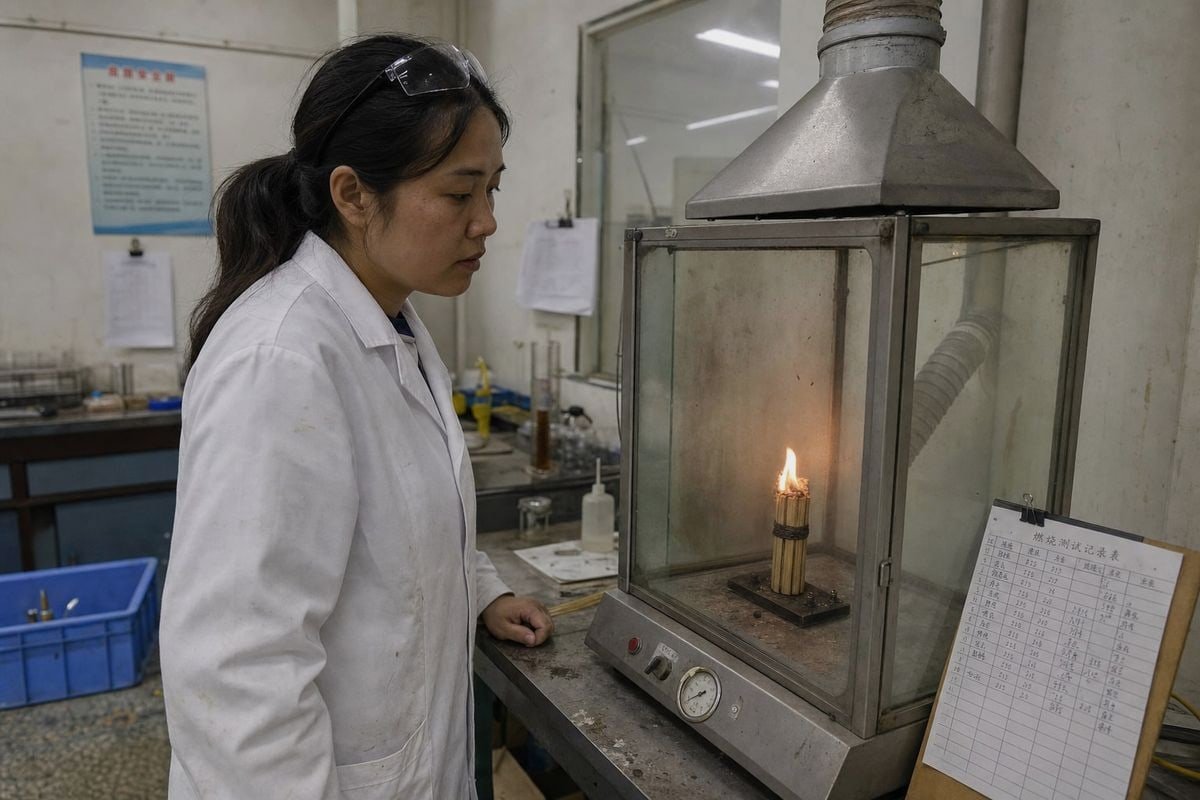
- جمع الوثائق. اطلب من المصنع أوراق تركيب المواد وتقارير الاختبار من طرف ثالث. تقارير SGS و Intertek الخاصة بنا، بالإضافة إلى ISO 9001 7 وتدقيقات BSCI، تشكل المسار الورقي الذي يتزايد الطلب عليه من قبل تجار التجزئة الأمريكيين قبل إطلاق منتج نار.
- عكس التحذير عبر الإنترنت. قم بتحميل نفس التحذير إلى حقول الامتثال الخاصة بك وصفحات المنتجات على أمازون قبل بيع الوحدة الأولى.
تحذير واحد: يقوم مصنعك بتنفيذ الملصق، ولكن التحديد القانوني يبقى لك. سيقوم شريك المصنع الجيد بتطبيق ما توافق عليه بالضبط، والإبلاغ عن العناصر المفقودة، والاحتفاظ بسجلات الدُفعات بحيث تتطابق كل دفعة إنتاج مع العينة المعتمدة. هذا الاتساق هو ما يحميك عندما يطلب بائع التجزئة أو شركة المدعي إثباتًا.
خاتمة
عادةً ما تكون ملصقات تحذير القانون 65 لمشعلات النار الخشبية ضرورية، ورخيصة الإضافة، ومكلفة لتخطيها. قم بفرز الصياغة والموضع والطباعة في المصنع قبل الشحن، وتصبح كاليفورنيا روتينية.
ملاحظات ختامية
يقدم خلفية عن القانون الرسمي الذي تتم مناقشته في المقال. ↩︎
يشرح مورد وكالة حماية البيئة الآثار الصحية لانبعاثات الاحتراق المشار إليها كمحفز. ↩︎
صفحة وكالة كاليفورنيا الرسمية التي تدير متطلبات تحذير Prop 65. ↩︎
خلفية عن هذه المادة الكيميائية المدرجة والتي تنبعث من مواد الربط البارافينية أثناء الاشتعال. ↩︎
يشرح هذه المادة الكيميائية المدرجة الموجودة في غلاف بلاستيكي والتي يمكن أن تؤدي إلى إطلاق تحذيرات. ↩︎
موقع الولاية الرسمي الذي يفصل تنسيق التحذير الخاص بالملاذ الآمن الذي تمت مناقشته هنا. ↩︎
مصدر موثوق به من .gov يشرح ISO 9001 وأنظمة إدارة الجودة للمصنعين. ↩︎



 English
  Spanish
  German
  French
  Arabic
  Portuguese
انضم إلى المحادثة