






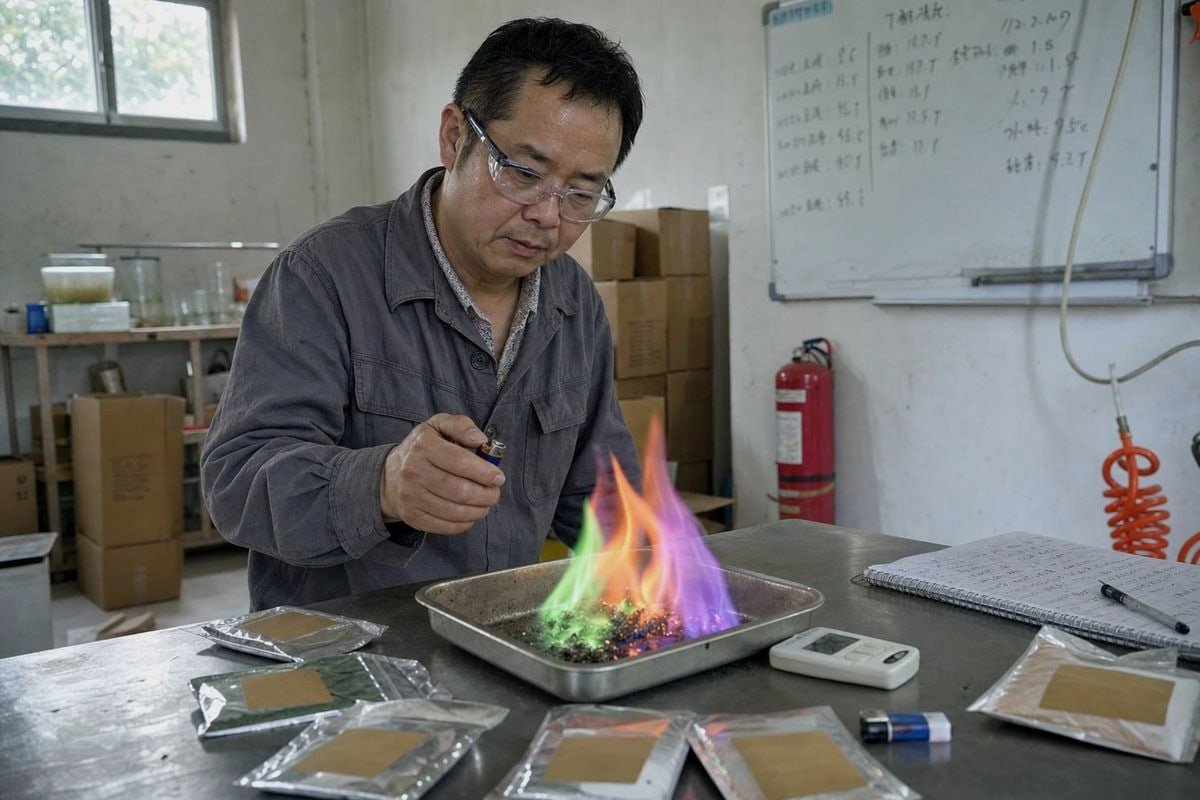
يسألني المشترون غالبًا عما إذا كان مسحوق Magic Fire Powder يؤدي نفس الأداء في النرويج كما في دبي. إنه قلق مشروع - منتج يذهل في الاختبار ولكنه يفشل في فناء العميل الخلفي يقتل إعادة الطلبات بسرعة. بعد 17 عامًا من تشغيل خطوط إنتاج اللهب الملون 1 في الصين وشحنها إلى أكثر من 30 دولة، تعلمنا بالضبط أين يكون المناخ مهمًا وأين لا يكون.
تظل كيمياء مسحوق النار السحري المنتجة للألوان ثابتة عبر المناخات والارتفاعات، لأن الأملاح المعدنية تبعث دائمًا نفس الألوان الطيفية. ومع ذلك، يمكن أن تؤثر الرطوبة ودرجات الحرارة الباردة وانخفاض كثافة الأكسجين في المرتفعات على موثوقية الاشتعال وسطوع اللهب ومدة الاحتراق في الظروف الواقعية.
دعني أفصل هذا قسمًا تلو الآخر. سأغطي المناخات الباردة، والارتفاع، والرطوبة مقابل الجفاف، وكيفية التحقق من الأداء قبل الالتزام بطلب بالجملة.
هل سيظل مسحوق نار السحر يؤدي أداءً جيدًا إذا قمت باستيراده إلى مناخات الشتاء الباردة؟
يبيع موزعونا في كندا وبولندا وشمال ألمانيا غالبية عبوات اللهب الملون الخاصة بهم بين أكتوبر وفبراير. الشتاء ليس مشكلة - إنه في الواقع موسم الذروة.
نعم، مسحوق نار السحر يؤدي أداءً جيدًا في المناخات الشتوية الباردة. يحدث احتراق الملح المعدني داخل النار، حيث تتجاوز درجة حرارة اللهب أي برودة محيطة. طالما أن النار المضيفة قد تأسست وتحترق بقوة، فإن الهواء الخارجي تحت الصفر له تأثير ضئيل على عرض الألوان.

الفكرة الرئيسية بسيطة. المسحوق لا يحترق في الهواء المحيط. إنه يحترق داخل نار خشبية موجودة، حيث تصل درجة حرارة اللهب الأساسية عادةً إلى عدة مئات من الدرجات المئوية. سواء كان الهواء خارج تلك النار -20 درجة مئوية أو +30 درجة مئوية، فإن منطقة الاحتراق نفسها هي بيئة متماثلة تقريبًا. لهذا السبب يظل معدل التفاعل الكيميائي الذي يدفع انبعاث اللون دون تغيير جوهريًا.
ومع ذلك، فإن المناخات الباردة تقدم عوامل غير مباشرة. إليك كيف أشرحها لمشترينا الأوروبيين.
ما يؤثر عليه البرد فعليًا
الهواء البارد هو هواء أكثر كثافة. الهواء الكثيف يحمل في الواقع المزيد من الأكسجين لكل حجم، مما قد يساعد في كفاءة الاحتراق. المخاطر الحقيقية في فصل الشتاء عملية، وليست كيميائية:
| عامل الشتاء | التأثير على الأداء | كيفية إدارته |
|---|---|---|
| هواء بارد وكثيف | إمداد أكسجين أفضل قليلاً؛ محايد إلى إيجابي | لا يلزم اتخاذ إجراء |
| حطب مبلل أو مغطى بالثلج | نار مضيفة أضعف، درجة حرارة لهب أقل، ألوان باهتة | توجيه المستخدمين النهائيين لاستخدام الخشب الجاف والمُعتّق |
| برودة الرياح والعواصف | وميض اللهب؛ تبدو الألوان أقل ثباتًا | يوصى بحفر نار محمية |
| تكثف أثناء التخزين | رطوبة داخل العبوة إذا فشلت الأختام | استخدم أكياس رقائق معدنية مختومة بالحرارة عالية الجودة |
الخطر الشتوي الحقيقي الوحيد هو رطوبة الوقود. إذا بنى عميلك النهائي نارًا بحطب رطب، فلن تصل النار أبدًا إلى درجة حرارة اللهب اللازمة لتبخير ملونات الألوان النارية بالكامل. النتيجة هي عرض ألوان ضعيف - ولكن المسحوق ليس هو السبب. لهذا السبب، فإن تعليمات الاستخدام الخاصة بنا، والتي نقوم بتخصيصها لمشتري العلامات الخاصة، تحدد دائمًا نارًا خشبية راسخة جيدًا قبل إضافة الكيس.
على جانب الإنتاج، نقوم بختم أكياسنا بالحرارة في رقائق معدنية بالضبط حتى لا تسمح تقلبات درجات الحرارة أثناء الشحن الشتوي والتخزين في المستودعات غير المدفأة بتسرب الرطوبة. تشمل مراقبة الجودة لدينا فحوصات سلامة الأختام لهذا السبب بالضبط.
هل يمكن أن يؤثر الارتفاع الشاهق أو انخفاض مستويات الأكسجين على شدة لون اللهب الذي أحصل عليه من هذه المنتجات؟
سألنا أحد المشترين في كولورادو هذا السؤال بالضبط قبل تقديم أول طلب تجريبي له، حيث أن العديد من عملائه بالتجزئة يخيمون على ارتفاعات تزيد عن 2500 متر. دفعنا ذلك إلى التفكير في الفيزياء بعناية.
يمكن أن يؤثر الارتفاع العالي بشكل متواضع على شدة لون اللهب. يقلل الضغط الجوي المنخفض من كثافة الهواء وتركيز الأكسجين، مما يبطئ معدل الاحتراق الكتلي. تظل الألوان بنفس الدرجات اللونية، ولكن قد تبدو الألسنة أكثر نعومة قليلاً وتحترق لفترة أطول قليلاً. التأثير طفيف في نار جيدة البناء.
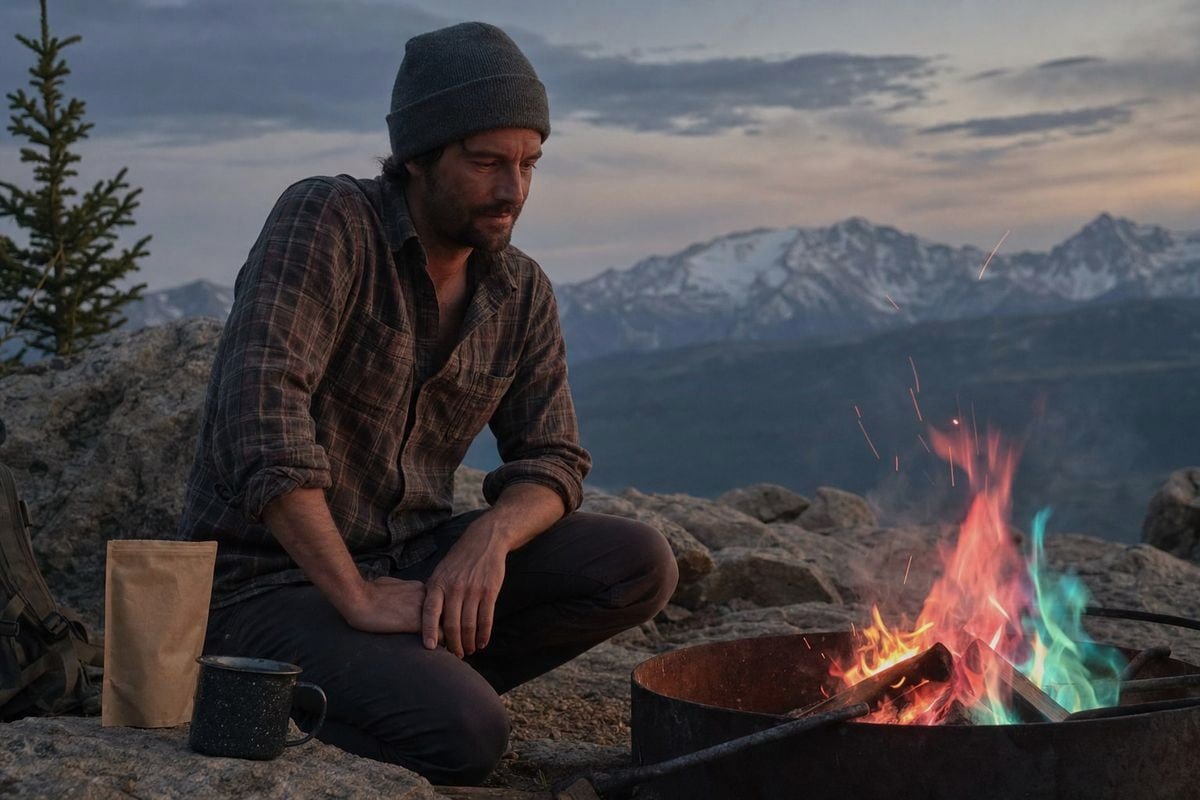
يؤثر الارتفاع على بيئة النار، وليس على الملون. الانبعاث الطيفي للملح المعدني ثابت بالفيزياء. مركبات السترونشيوم تنبعث منها اللون الأحمر. مركبات النحاس تنبعث منها اللون الأزرق والأخضر. البوتاسيوم ينبعث منه اللون البنفسجي. لا تتغير تلك الأطوال الموجية لأنك صعدت جبلًا. ما يمكن أن يتغير هو مدى كفاءة النار في توصيل الطاقة لتبخير تلك الأملاح.
مقايضة كثافة الأكسجين
عند 3000 متر،, ينخفض الضغط الجوي 4 بنحو 30٪ مقارنة بمستوى سطح البحر. هذا يعني أن كل نفس من الهواء الذي يغذي النار يحمل كمية أقل من الأكسجين. يتبع ذلك شيئان:
- ينخفض معدل حرق الكتلة. الوقود والملون يستهلكان ببطء أكبر.
- الاحتراق يعمل بشكل أبرد قليلاً ويمكن أن يصبح أكثر دخانية إذا كان الحريق محرومًا من الهواء.
ومن المثير للاهتمام، أن الاحتراق الأبطأ ليس سيئًا تمامًا لعميلك النهائي. أفاد العديد من شركائنا على المدى الطويل في الأسواق الجبلية أن تأثير اللون يبدو أنه يستمر لفترة أطول قليلاً عند الارتفاع، حتى لو كانت ذروة السطوع ألطف قليلاً. يتم إطلاق الملون تدريجيًا لأن كل شيء في النار يستهلك ببطء أكبر.
ما يؤدي فعليًا إلى تدهور اللون عند الارتفاع
العدو الحقيقي على الارتفاعات العالية هو النار المبنية بشكل سيء، وليس المسحوق. إذا كان الحريق يفتقر إلى تدفق الهواء،, احتراق غير كامل 5 ينتج دخانًا، ويمكن أن يحجب الضباب الرمادي فعليًا انبعاث الضوء من الملونات. الحل سلوكي: هيكل نار جيد التهوية مع وقود جاف يعيد معظم الأداء. هذه هي الإرشادات التي نساعد بها عملاء OEM لدينا على طباعتها مباشرة على عبواتهم المخصصة لوحدات SKU الخاصة بالأسواق الجبلية.
للأغراض العملية، أقول للمشترين هذا: أقل من 2000 متر، توقع عدم وجود فرق ملحوظ. فوق ذلك، توقع لونًا ألطف قليلاً وأطول أمداً - فرق لن يسجله معظم المستهلكين أبدًا كعيب.
هل أحتاج إلى تركيبات مختلفة للمناطق الساحلية الرطبة مقابل الأسواق الصحراوية الجافة؟
نشحن نفس التركيبة الأساسية إلى هولندا وإلى الشرق الأوسط - وهما من أكثر أسواق التصدير ازدحامًا وأكثرها تباينًا مناخيًا. ما يتغير ليس الكيمياء. إنها استراتيجية التعبئة والتغليف.
لا، لا تحتاج إلى تركيبات مختلفة. تركيبة واحدة جيدة الصنع تعمل في المناخات الرطبة والجافة على حد سواء، بشرط أن تمنع العبوة الرطوبة. الرطوبة النسبية العالية لا تؤدي إلا إلى تدهور الأداء إذا وصلت إلى الحبيبات، لذا فإن الأكياس المصنوعة من رقائق الحاجز للرطوبة والجرار المغلقة هي الحل المناخي الحقيقي.
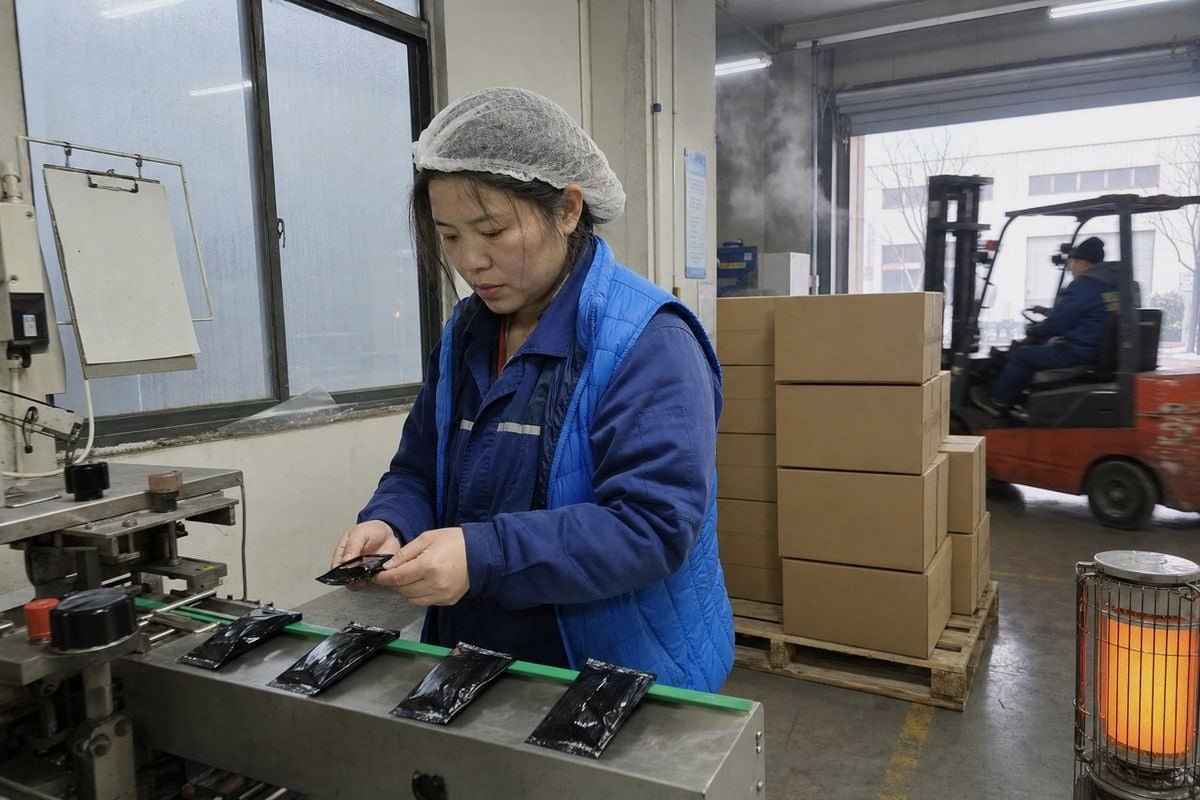
الرطوبة هي الشاغل المناخي الأكثر شرعية في هذه القائمة. بعض الأملاح المعدنية مسترطبة، مما يعني أنها تسحب الرطوبة من الهواء الرطب إذا تعرضت لها. يسرق الماء الممتص الطاقة من النار، لأن اللهب يجب أن يتبخر هذا الماء قبل أن تتمكن الأملاح من التبخر. النتيجة المرئية هي اشتعال أبطأ، ولون باهت، وأحيانًا انبعاث متقطع بدلاً من انبعاث سلس. يمكن أن يتسبب تدوير الرطوبة أيضًا في تكتل الجسيمات داخل عبوة سيئة الإغلاق، حيث تتكتل الحبيبات وتتحرر بشكل غير متساوٍ.
ولكن هذه هي النقطة الحاسمة لمدير المشتريات: كل واحد من أوضاع الفشل هذه يحدث قبل النار، أثناء التخزين. بمجرد وضع العبوة في اللهب سليمة، فإن الرطوبة في الهواء المحيط ليس لها أي تأثير تقريبًا على احتراق الأملاح المعدنية. لذا فإن مشكلة الهندسة هي مشكلة تغليف، وهذا هو المكان الذي نستثمر فيه.
كيف نطابق التعبئة والتغليف مع سوقك
| مناخ السوق | التعبئة والتغليف الموصى بها | لماذا يعمل |
|---|---|---|
| رطب ساحلي (هولندا، المملكة المتحدة، ساحل البرازيل) | أكياس رقائق معدنية متعددة الطبقات مختومة بالحرارة | الرقائق المعدنية حاجز شبه كامل للرطوبة؛ تنسيق الاستخدام الفردي يعني عدم إعادة فتح العبوات |
| جاف صحراوي (الشرق الأوسط، جنوب غرب الولايات المتحدة) | أكياس رقائق معدنية أو جرار بلاستيكية | منخفض الرطوبة النسبية 6 يشكل مخاطر قليلة؛ الجرار تناسب تنسيقات البيع بالتجزئة متعددة الاستخدامات |
| مختلط / أربعة مواسم (الولايات المتحدة، ألمانيا، كندا) | أكياس رقائق معدنية في صناديق عرض | يتعامل مع تقلبات الرطوبة الموسمية من الصيف إلى الشتاء |
| استوائي حار ورطب | رقائق معدنية مقواة بأختام قوية | سلامة ختم إضافية للتعرض المطول للمستودعات |
في منشأتنا في نينغبو، تعد قوة الختم جزءًا من مراقبة الجودة الروتينية للدُفعات، وتغطي وثائق الاختبار الخاصة بنا من SGS و Intertek المنتج النهائي المعبأ - وليس فقط المسحوق السائب. بالنسبة للمشترين في الأسواق الرطبة، ننصح أيضًا بتعليمات البيع بالتجزئة التي تفيد بأن المستهلكين يحتفظون بالعبوة مغلقة حتى الاستخدام، مما يحمي كل من الحبيبات والمستخدم من الغبار الناعم.
تركيبة واحدة، تغليف ذكي، تسميات خاصة بالسوق. هذا هو النموذج الذي صمد عبر أكثر من 30 دولة بالنسبة لنا.
كيف يمكنني التحقق من أداء احتراق ثابت عبر مناطق مناخية مختلفة قبل تقديم طلب بالجملة؟
في وقت مبكر من مسيرتي المهنية، شاهدت منافسًا يخسر حسابًا أوروبيًا كبيرًا لأن دفعة الإنتاج الضخم لديهم احترقت بشكل مختلف عن العينة المعتمدة. هذا الدرس شكل كيفية هيكلة عملية التحقق الخاصة بنا مع المشترين الجدد.
تحقق من الأداء عن طريق طلب تقارير اختبار معتمدة، وطلب عينات لاختبارات الاحتراق في ظروف السوق الفعلية الخاصة بك، وتأكيد إجراءات مراقبة الجودة دفعة بدفعة، والبدء بطلب تجريبي مرن. سيدعم المصنع الموثوق به جميع الخطوات الأربع ويوثق أن العينات تتطابق مع جودة الإنتاج الضخم.

لا تحتاج إلى أخذ أي ادعاءات مناخية لأي مورد على محمل الجد. تزيل عملية التحقق المنظمة التخمين. إليك التسلسل الذي أوصي به لكل موزع جديد يتصل بنا، سواء كانوا في فينيكس أو روتردام.
عملية تحقق من أربع خطوات
-
مراجعة مستندات الامتثال أولاً. اطلب ISO 9001 7, ، BSCI، شهادة CE، وتقارير اختبار SGS أو Intertek من طرف ثالث. تؤكد هذه التقارير أن المنتج يتم تصنيعه تحت عمليات خاضعة للرقابة وقابلة للتكرار. بدون التحكم في العملية، يكون الاتساق المناخي مستحيلاً، لأن المنتج نفسه غير متسق.
-
إجراء اختبارات الاحتراق في بيئتك الخاصة. اطلب عينات واختبرها حيث سيستخدمها عملاؤك فعليًا - في أمسية خريف رطبة، أو حفرة نار خارجية باردة، أو كابينة جبلية إذا كان هذا هو سوقك. راقب سرعة الاشتعال، ووضوح اللون، ومدة الاحتراق، وسلاسة الانبعاث.
-
تدقيق عملية مراقبة الجودة للدُفعات. اسأل المصنع عن كيفية التحكم في رطوبة المواد الخام 8, ، وحجم الجسيمات، ووزن التعبئة، وسلامة الختم من دفعة إلى أخرى. تبدأ كفاءة الاحتراق في الميدان بالاتساق على خط الإنتاج. في مصنعنا، يتم سحب العينة الأولى من نفس الخط والعملية مثل الإنتاج الضخم، لذا فإن ما تختبره هو ما تشحنه.
-
ضع طلب تجريبي قبل التوسع. يتيح لك طلب تجريبي مرن للحد الأدنى لكمية الطلب (MOQ) زرع المنتج عبر مناطقك وجمع ملاحظات حقيقية عبر موسم كامل قبل الالتزام بكميات الحاويات.
ما يجب مقارنته عبر الموردين
| نقطة التحقق | إشارة مورد ضعيفة | إشارة مورد قوية |
|---|---|---|
| وثائق الاختبار | ادعاءات شفهية فقط | تقارير SGS/Intertek الحالية عند الطلب |
| سياسة العينة | العينات تختلف عن الإنتاج بالجملة | عينات مسحوبة من خط الإنتاج |
| شفافية مراقبة الجودة | إجابات غامضة حول العملية | فحوصات الدُفعات الموثقة، اختبارات الختم |
| مرونة التجربة | حد أدنى مرتفع للطلب (MOQ) | كميات تجريبية معقولة معروضة |
| إرشادات المناخ | "يعمل في كل مكان، ثق بنا" | مناقشة صادقة لعوامل التخزين وبناء النار |
سيخبرك الموردون الصادقون بما أخبرتك به في هذه المقالة: كيمياء الملون مستقرة، ولكن ظروف التخزين وجودة نار المستخدم النهائي مهمة. أي شخص يعد بنتائج بصرية متطابقة في كل ظرف يمكن تخيله، دون مناقشة التحكم في الرطوبة أو جودة الوقود، فهو يبالغ في البيع.
خاتمة
يغير المناخ والارتفاع كيفية احتراق مسحوق السحر الناري - ولكنه لا يغير الألوان التي ينتجها أبدًا. تحكم في الرطوبة من خلال التعبئة والتغليف، ووجه المستخدمين النهائيين بشأن جودة النار، وتحقق من العينات المعتمدة قبل الالتزام بحجم الإنتاج بالجملة.
ملاحظات ختامية
نظرة عامة على ويكيبيديا على كيمياء وإنتاج الألعاب النارية المستخدمة في منتجات اللهب الملون. ↩︎
يشرح كيف تنبعث أملاح المعادن بألوان محددة عند تسخينها، مما يتناسب مع سياق المقالة. ↩︎
مدخل ويكيبيديا موثوق يشرح عملية التبخير وتأثيرات درجة الحرارة. ↩︎
مصدر موثوق من NOAA يشرح كيف ينخفض ضغط الهواء وكثافته في الارتفاعات العالية. ↩︎
شرح تفصيلي للاحتراق غير الكامل ونواتجه الكيميائية. ↩︎
شرح دائرة الأرصاد الجوية الوطنية للرطوبة النسبية وتأثيرها على امتصاص الرطوبة. ↩︎
نظرة عامة شاملة على معيار إدارة الجودة ISO 9001. ↩︎
يحدد محتوى الرطوبة وتأثيره على خصائص المواد والاحتراق. ↩︎
 English
  Spanish
  German
  French
  Arabic
  Portuguese
انضم إلى المحادثة