







استيراد مسحوق السحر الناري بموجب شروط FOB مقابل CIF يربك العديد من المشترين. لقد شاهدت مستوردين يخسرون هامش الربح بسبب زيادات أسعار الشحن المخفية - وهي تكاليف كان يمكن لفريق التصدير لدينا الإشارة إليها في اليوم الأول.
يوفر مصطلح تسليم ظهر السفينة (FOB) شفافية أفضل للتكاليف وتحكمًا في الشحن عند استيراد مسحوق Magic Fire، لأن المشتري يختار وكيل الشحن، ويرى أسعار الشحن والتأمين الفعلية، ويدير المناولة في الوجهة. مصطلح تكلفة التأمين والشحن (CIF) أبسط في البداية ولكنه غالبًا ما يخفي زيادات أسعار الشحن ويقلل من التحكم في تحديد المسار والرسوم المحلية.
هذا هو الجواب المختصر. لكن القرار الحقيقي يعتمد على خبرتك، وحجم طلبك، واحتياجات الامتثال الخاصة بك. دعني أشرح لك كل عامل.
كيف أقارن تكاليف FOB و CIF عند استيراد مسحوق نار سحري بكميات كبيرة؟
سأل موزع ألماني فريق التصدير لدينا ذات مرة لماذا بدا عرض أسعار FOB الخاص بنا "غير مكتمل" بجوار سعر CIF للمنافس. بعد ستة أسابيع، جدول تكاليف الوصول روى قصة مختلفة.
قارن بين FOB و CIF من حيث التكلفة الإجمالية للوصول، وليس سعر الفاتورة. بموجب FOB، اطلب عروض أسعار منفصلة للشحن والتأمين من وكيل الشحن الخاص بك. بموجب CIF، اطلب من المورد تفصيل بنود المنتج والشحن والتأمين، ثم قارن هذه الأرقام بمعدلات السوق الحالية.

أكبر خطأ أراه في الشراء بالجملة هو مقارنة سعر CIF مباشرة بسعر FOB. إنهما ليسا نفس الشيء. يجمع عرض أسعار CIF المنتج والشحن البحري والحد الأدنى للتأمين في رقم واحد. يغطي عرض أسعار FOB المنتج المسلم على متن السفينة في ميناء المنشأ. كل شيء بعد تلك النقطة هو مسؤوليتك - وفرصتك للتفاوض.
إليك كيف تنقسم مكونات التكلفة بموجب كل شرط:
| مكون التكلفة | فوب | سيرتيفيكات الاستيراد والتصدير |
|---|---|---|
| المنتج + التعبئة للتصدير | البائع | البائع |
| تحميل ميناء المنشأ | البائع | البائع |
| الشحن البحري | المشتري (مرئي، قابل للتفاوض) | البائع (مجمع، غالبًا ما يتم زيادة سعره) |
| التأمين البحري | المشتري (التغطية المختارة) | البائع (الحد الأدنى للتغطية فقط) |
| رسوم ميناء الوجهة | المشتري (وكيلك) | المشتري (وكيل البائع، تختلف الرسوم) |
| التخليص الجمركي + التسليم الداخلي | المشتري | المشتري |
لماذا تعتبر رؤية البنود مهمة
بموجب FOB، يمكنك سحب ثلاثة عروض أسعار من وكلاء الشحن ورؤية سعر السوق الحقيقي للحاوية من نينغبو إلى روتردام أو لوس أنجلوس. بموجب CIF، يقع رقم الشحن داخل فاتورة المورد. يمرر بعض الموردين الشحن بالتكلفة. يضيف آخرون هامش ربح لن تراه أبدًا. عندما نقدم عرض أسعار FOB من قاعدة إنتاجنا في نينغبو، يقارن المشترون بانتظام رسوم التحميل والتوثيق لدينا مع الموردين الآخرين. هذه القابلية للمراجعة تبني الثقة بين الطرفين.
زاوية أساس الواجب
هناك طبقة تكلفة ثانية يغفلها العديد من المشترين. تقييم الجمارك 1 يختلف حسب البلد. تقيّم الولايات المتحدة بشكل عام الرسوم الجمركية على أساس قيمة FOB، بينما تستخدم العديد من الأسواق الأخرى التقييم على أساس CIF. هذا يعني أن اختيارك لشروط التجارة الدولية 2 يمكن أن يغير أساس الرسوم الجمركية الخاصة بك، وليس فقط فاتورة الشحن الخاصة بك. قم بنمذجة كلا السيناريوهين قبل الالتزام بطلب بالجملة.
ما هي مخاطر التحكم في الشحن التي يجب أن أنتبه إليها عند الاختيار بين شروط الشحن FOB و CIF؟
على مدار 17 عامًا من تصدير منتجات اللهب الملون إلى أكثر من 30 دولة، تعلم فريق اللوجستيات لدينا أن من يتحكم في حجز السفينة يتحكم في كل شيء تقريبًا لاحقًا.
بموجب اتفاقية CIF، يختار البائع الناقل والطريق ووكيل الوجهة، لذا فإن المشترين معرضون لخطر بطء العبور، والناقلين غير المؤهلين، ورسوم الوصول غير الشفافة، والمحطات غير المناسبة لبضائعهم. يتيح اتفاق FOB للمشترين اختيار وكلاء شحن معتمدين، والتحكم في الجداول الزمنية، وترتيب معالجة الوجهة المتوافقة بأنفسهم.

التحكم يبدو مجردًا حتى تقف حاوية في ميناء لم تختره، ويتعامل معها وكيل لم تتحدث إليه مطلقًا. دعني أقسم المخاطر إلى ثلاثة مجالات عملية.
مخاطر الناقل والطريق
بموجب CIF، يحجز البائع السفينة. هذا يعني عادةً أرخص رحلة تناسب جدول البائع، وليس جدولك. يمكن أن تمتد أوقات العبور. موانئ إعادة الشحن 3 تتضاعف. بموجب FOB، تختار وكيل الشحن والطريق. إذا كنت بحاجة إلى وصول البضائع قبل موسم التخييم الخريفي الخاص بك، يمكنك الدفع مقابل خدمة مباشرة أسرع. هذا الخيار لك، وليس لموردك.
مخاطر تصنيف المنتج ومناولته
هذه النقطة مهمة للغاية بالنسبة للبضائع ذات تأثير اللهب. تقع الألعاب النارية التقليدية والمواد المفرقعة ضمن فئة البضائع الخطرة 1 4, ، والعديد من الموانئ لا تسمح إلا لمحطات معينة بهذا النوع من الشحن. قد يفتقر الناقل الذي اختاره البائع إلى الشهادة الصحيحة، أو قد يلجأ إلى ميناء غير مجهز لمثل هذا التفريغ، مما يعرضه لخطر الرفض عند الوصول. عبوات Magic Fire color-flame الخاصة بنا هي فئة منتج مختلفة - ملونات لهب صديقة للبيئة، وليست متفجرات - ولكن الدرس لا يزال ينطبق. يجب عليك تأكيد التصنيف الدقيق لمنتجك، ثم التأكد من تطابق الناقل والمحطة معه. بموجب FOB، يمكنك التحقق من ذلك قبل الحجز. بموجب CIF، تكتشف ذلك عند وصول البضائع.
مخاطر وكيل الوجهة
تصل شحنات CIF عبر الوكيل المعين من قبل البائع. يضيف بعض الوكلاء رسوم مناولة محلية لم تكن موجودة في عرض الأسعار الأصلي أبدًا. لديك القليل من النفوذ في تلك المرحلة لأن بضاعتك في أيديهم بالفعل. مع FOB، يقدم وكيلك عروض أسعار لرسوم الوجهة قبل إبحار السفينة.
أي مصطلح تجاري دولي يمنحني رؤية أفضل للوثائق الامتثال مثل تقارير اختبار SGS و CE؟
وثائق الامتثال هي أول ما يطلبه منا المشترون الجادون - عادةً قبل أن يطلبوا السعر. ملفات ISO 9001 و BSCI و CE و SGS / Intertek الخاصة بنا تسافر مع كل عرض أسعار نرسله.
يمنح مصطلح FOB رؤية أفضل لوثائق الامتثال لأن وكيل الشحن الخاص بك يتحقق من تقارير اختبار SGS و CE وصحائف بيانات السلامة وإعلانات الشحن قبل الحجز. بموجب مصطلح CIF، يتحكم وكيل الشحن الخاص بالبائع في تدفق المستندات، وقد تظهر الثغرات فقط في جمارك الوجهة.
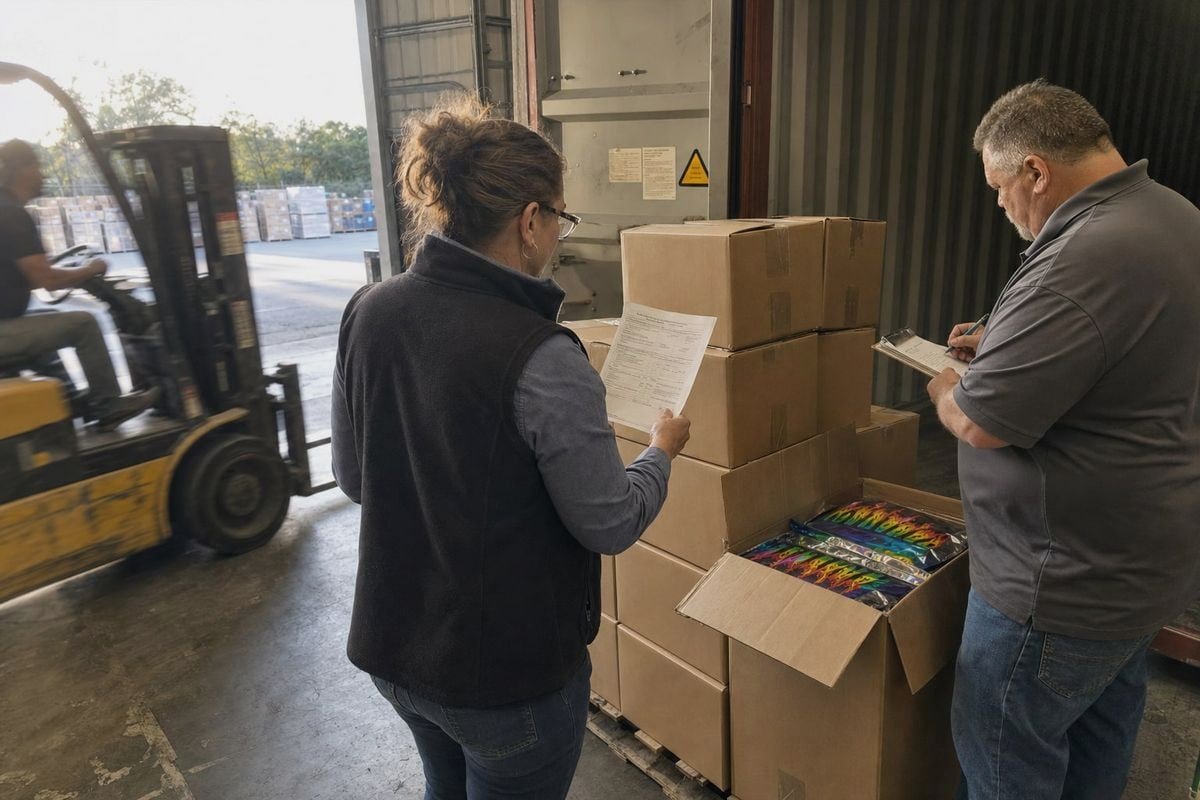
الوثائق هي المكان الذي يصبح فيه اختيار شرط التجارة الدولية خيار امتثال بصمت. يحتاج منتج تلوين اللهب الذي يعبر إلى الولايات المتحدة أو الاتحاد الأوروبي إلى سجل ورقي نظيف: تقارير اختبار، وصحائف بيانات السلامة، و ضع علامة على الفواتير التجارية للعينات بـ "عينات: لا قيمة تجارية" وقم بتضمين رموز النظام المنسق الموحد المحددة لتقليل التعرض للرسوم الجمركية وتسريع التخليص. بالنسبة لمعدات العرض القابلة لإعادة الاستخدام، فإن 5, الصحيحة، وإعلانات النقل، وملصقات التحذير الجاهزة للعرض. بموجب FOB، يعمل وكيل الشحن الخاص بك كنقطة فحص ثانية. يقومون بمراجعة حزمة المستندات، والتشكيك في أي شيء غير واضح، والاحتفاظ بالحجز حتى تكتمل الملفات. بموجب CIF، يتعامل وكيل الشحن الخاص بالبائع مع الأوراق، ويكون حافزه هو الشحن بسرعة، وليس حماية تخليصك في الوجهة.
إليك مقارنة عملية لوضوح المستندات:
| نقطة فحص المستندات | فوب | سيرتيفيكات الاستيراد والتصدير |
|---|---|---|
| تقارير اختبار SGS / Intertek | تمت مراجعته بواسطة وكيل الشحن الخاص بك قبل الحجز | يتم إرساله بواسطة البائع، غالبًا بعد الإبحار |
| دليل علامة CE | تم التحقق منه قبل الشحن | يتحقق المشتري بعد الوصول |
| دقة صحيفة بيانات السلامة | يؤكد وكيلك تصنيف النقل | يعلن وكيل البائع عنه |
| رمز النظام المنسق وإقرارات الجمارك | تم التنسيق مع وسيطك مقدمًا | تم تصحيحه عند الوجهة إذا كان خاطئًا |
| ملصقات تحذير ورموز شريطية | تم فحصه عند التحميل | تم اكتشافه عند فك التوحيد |
لماذا نرحب بالتدقيق
عندما يشحن المشترون FOB من منشأتنا في نينغبو، يقوم وكلاء الشحن المعينون من قبلهم أحيانًا بمراجعة عملية التحميل لدينا والتحقق من تقارير الاختبار لدينا مقابل البضائع. نحن نشجع ذلك. نظرًا لأننا ندير خطوط إنتاج كاملة مع مراقبة الجودة من دفعة إلى أخرى 6, ، فإن مستنداتنا تتطابق مع شحناتنا - كل دفعة، وليس فقط العينة الأولى. غالبًا ما يكون الموردون الذين يقاومون وكلاء الشحن المعينين من قبل المشتري بموجب FOB هم نفس الموردين الذين تصل شحناتهم CIF مع مفاجآت في الأوراق. تعامل مع استعداد المورد للعمل FOB كإشارة خفية لثقة المستندات.
كيف أقرر بين FOB و CIF لأول طلب تجريبي لي مع مورد جديد لمسحوق السحر الناري؟
الطلبات التجريبية هي المكان الذي أرى فيه المقايضة بوضوح تام. أخبرتني مشترية لأول مرة في كندا مؤخرًا أنها اختارت CIF تقريبًا فقط لأن تنسيق الشحن البحري بدا مخيفًا.
للطلب التجريبي الأول، اختر FOB إذا كان لديك وكيل شحن أو يمكنك تعيين واحد، لأنه يختبر شفافية المورد مبكرًا. اختر CIF فقط إذا كنت تفتقر إلى أي شبكة شحن وكان الشحن صغيرًا - ولكن اطلب تكاليف الشحن والتأمين مفصلة كتابيًا.

دعني أكون منصفًا مع CIF هنا، لأن حجة الراحة حقيقية. إذا لم تكن قد استوردت من قبل، فإن FOB يمنحك ثلاث وظائف جديدة: حجز الشحن البحري، وشراء التأمين البحري، وتنسيق مستندات الشحن. هذه الأعباء حقيقية، وبالنسبة لحاوية تجريبية واحدة، قد لا يكون بناء علاقة مع وكيل شحن أمرًا يستحق العناء. يزيل CIF هذه المهام. يقوم البائع بحجز كل شيء، وتنتظر إشعار الوصول.
لكن الراحة تحمل ثلاث تكاليف يجب أن تزنها بصدق. أولاً، تفقد رؤية أسعار الشحن التي تجعل نموذج تكلفة الوصول الخاص بك موثوقًا للطلبات المجمعة المستقبلية. ثانيًا،, تأمين CIF 7 هو عادةً تغطية دنيا - حوالي 110% من قيمة الفاتورة - لذلك قد تحتاج إلى تأمين إضافي على أي حال. ثالثًا، لا تتعلم شيئًا عن انضباط الخدمات اللوجستية للمورد، وهو بالضبط ما يجب أن يكشفه الطلب التجريبي.
استخدم إطار العمل هذا لاتخاذ القرار:
| وضعك | المصطلح الموصى به | لماذا |
|---|---|---|
| مستورد راسخ لديه علاقات مع وكلاء الشحن | فوب | شفافية وتحكم كامل من الطلب الأول |
| مستورد لأول مرة، شحنة تجريبية صغيرة | CIF (مع عرض أسعار مفصل) | البساطة تفوق التحكم عند الحجم المنخفض |
| التخطيط للتوسع إلى طلبات مجمعة بعد التجربة | فوب | تغذي بيانات الطلب التجريبي نماذج تكلفة الوصول المجمعة الدقيقة |
| إطلاق موسمي حساس للوقت | فوب | أنت تتحكم في أوقات الإبحار والوصول |
| شحنة هدية لمرة واحدة أو شحنة احتفالية | سيرتيفيكات الاستيراد والتصدير | جهد التنسيق يتجاوز إمكانات التوفير |
مسار وسطي نقترحه غالبًا
يبدأ بعض مشتري الطلبات التجريبية لدينا بـ CIF للشحنة الأولى، ثم ينتقلون إلى FOB بمجرد أن يثقوا في المنتج ويعينوا وكيل شحن. نحن ندعم كلا المصطلحين، ونقوم دائمًا بتفصيل الشحن عند تسعير CIF. في تجربتي، الموردون الذين يرفضون تفصيل عرض أسعار CIF يخبرونك بشيء مهم حول الأرقام الموجودة بداخله. تلعب وحدات الحد الأدنى للطلب المرنة دورًا هنا أيضًا - المورد الذي يقبل طلبًا تجريبيًا متواضعًا بموجب أي من المصطلحين يشير إلى عقلية شراكة طويلة الأجل، وليس بيعًا لمرة واحدة.
خاتمة
تخفي علامات الشحن المخفية هوامش الاستيراد بهدوء. إذا تُركت دون رقابة، فإنها تتراكم مع كل طلب. اختر FOB للشفافية والتحكم؛ احتفظ بـ CIF للشحنات التجريبية الصغيرة حيث تفوز البساطة حقًا.
ملاحظات ختامية
تشرح منظمة التجارة العالمية كيف تؤثر طرق تقييم الجمارك على تقييم الرسوم الجمركية عبر أسواق الاستيراد. ↩︎
ICC هي الناشر الرسمي لقواعد Incoterms التي تحكم تعريفات FOB و CIF. ↩︎
يشرح مفهوم إعادة الشحن ذي الصلة بتأخيرات التوجيه بموجب حجوزات CIF التي يتحكم فيها البائع. ↩︎
خلفية حول تصنيف البضائع الخطرة ذات الصلة بشحن البضائع النارية والمتفجرة. ↩︎
تحدد منظمة الجمارك العالمية رموز النظام المنسق المستخدمة في الإقرارات الجمركية. ↩︎
تحدد ISO 9001 معايير إدارة الجودة التي تدعم توثيق إنتاج الدُفعات المتسق. ↩︎
تشرح الخلفية حول شروط CIF سبب حاجة التأمين الأدنى غالبًا إلى تغطية إضافية من المشتري. ↩︎



 English
  Spanish
  German
  French
  Arabic
  Portuguese
انضم إلى المحادثة