






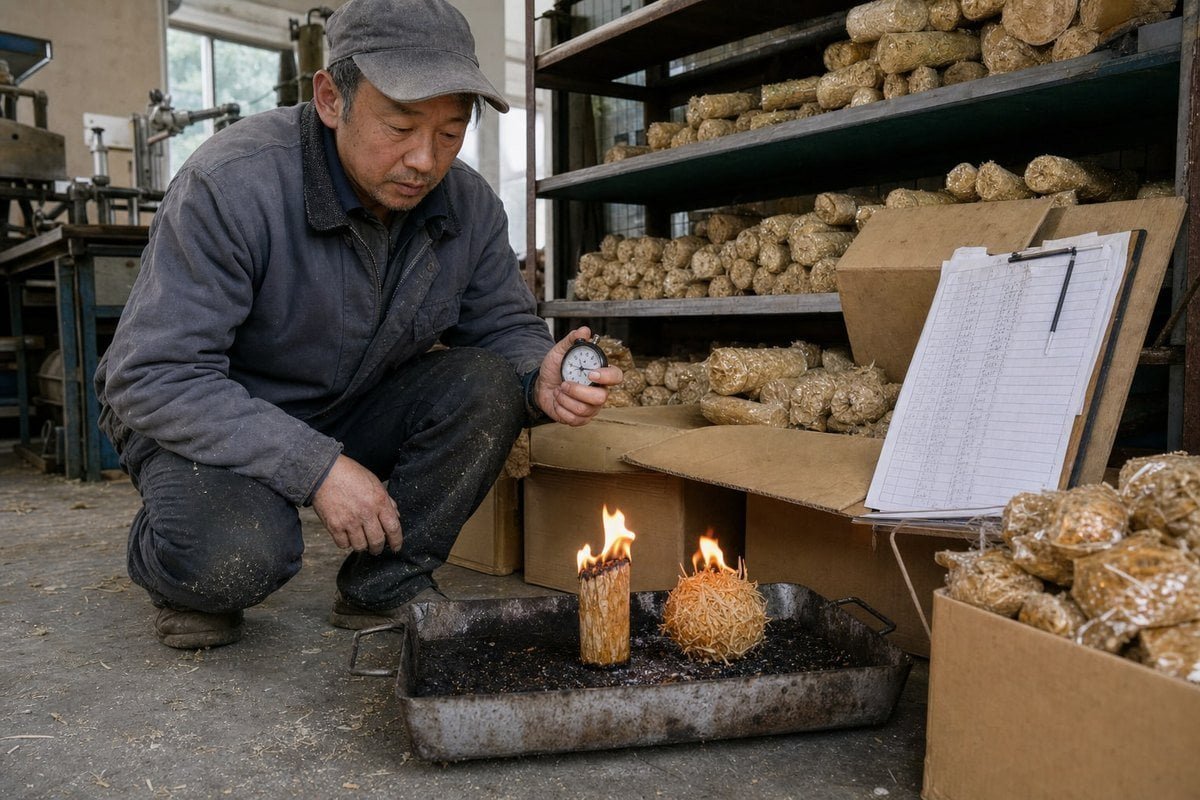
Wood fire starter specs confuse many buyers, and I see it weekly on our production line. Order the wrong spec, and your retail returns 1 climb fast. Let me explain the real differences.
Wood fire starter specs differ mainly in burn time, moisture resistance, size, and packaging. Fireplace starters need 8–12 minutes of clean, steady burn for dry seasoned wood, while camping starters demand waterproof ignition, compact portability, and longer or hotter flames for damp, windy conditions.
Those four spec differences sound simple. But each one changes how a product should be engineered, packaged, and certified. Let me walk you through what actually matters, spec by spec.
What burn time and size specifications should I look for in each type of wood fire starter?
At our Ningbo facility, we run burn-time tests on every batch of wax-dipped wood rolls. A buyer from Germany once rejected samples over a 90-second variance, and he was right to.
Fireplace fire starters should burn 8–12 minutes to ignite dry, seasoned split logs. Camping fire starters need 10–15 minutes or higher heat intensity to overcome damp wood and wind. Camping units should also be smaller and lighter, typically finger-length, for easy packing.

Burn time duration is the first spec every purchasing manager asks us about. But the right number depends entirely on the fire environment, not on the starter alone. Indoors, your customer lights dry, seasoned wood in a sheltered hearth. A steady 8-minute flame does the job. Outdoors, the wood may be damp, the wind may steal heat, and the logs may be oversized. That raises the bar.
Recommended spec ranges at a glance
| المواصفات | Fireplace Use | Camping Use |
|---|---|---|
| مدة وقت الاحتراق | 5-8 دقائق | 10–15+ minutes |
| حجم الوحدة | Larger pucks or rolls acceptable | Finger-length, compact |
| Weight per unit | Less critical | Critical for backpacking |
| أولوية الحرارة | Steady, moderate flame | عالي ناتج حرارة وحدة حرارية بريطانية 2 |
| Pack quantity | Bulk (50–100 pcs) | Small counts (6–24 pcs) |
Why heat intensity matters as much as duration
A long, weak flame fails on wet wood. A short, fierce flame fails on large indoor logs. Fatwood sticks burn hot and fast thanks to natural resin 3, which makes them excellent for rekindling coals or fighting damp fuel. Wax-and-fiber products, like our wood wool tumbleweeds with a طلاء شمع البارافين 4, give a longer and steadier ignition window. For fireplace lines, we usually calibrate for duration. For camping lines, we push BTU heat output higher, because outdoor conditions punish marginal products.
Size also drives packaging decisions. Home users store bulk boxes in a garage. Backpackers count grams. When we develop OEM specs with outdoor brands, unit weight is often negotiated before burn time is.
How do moisture resistance and packaging requirements differ between fireplace and camping firestarters?
One lesson our export team learned early: a container crossing the Pacific in summer can hit humidity levels that ruin unprotected wood fiber. That shaped how we spec packaging for every market.
Camping firestarters require waterproof ignition and sealed, water-resistant packaging because they face rain, humidity, and long storage in gear kits. Fireplace firestarters need only basic moisture protection, but they must handle cleanly, produce no oily residue, and suit bulk indoor storage.
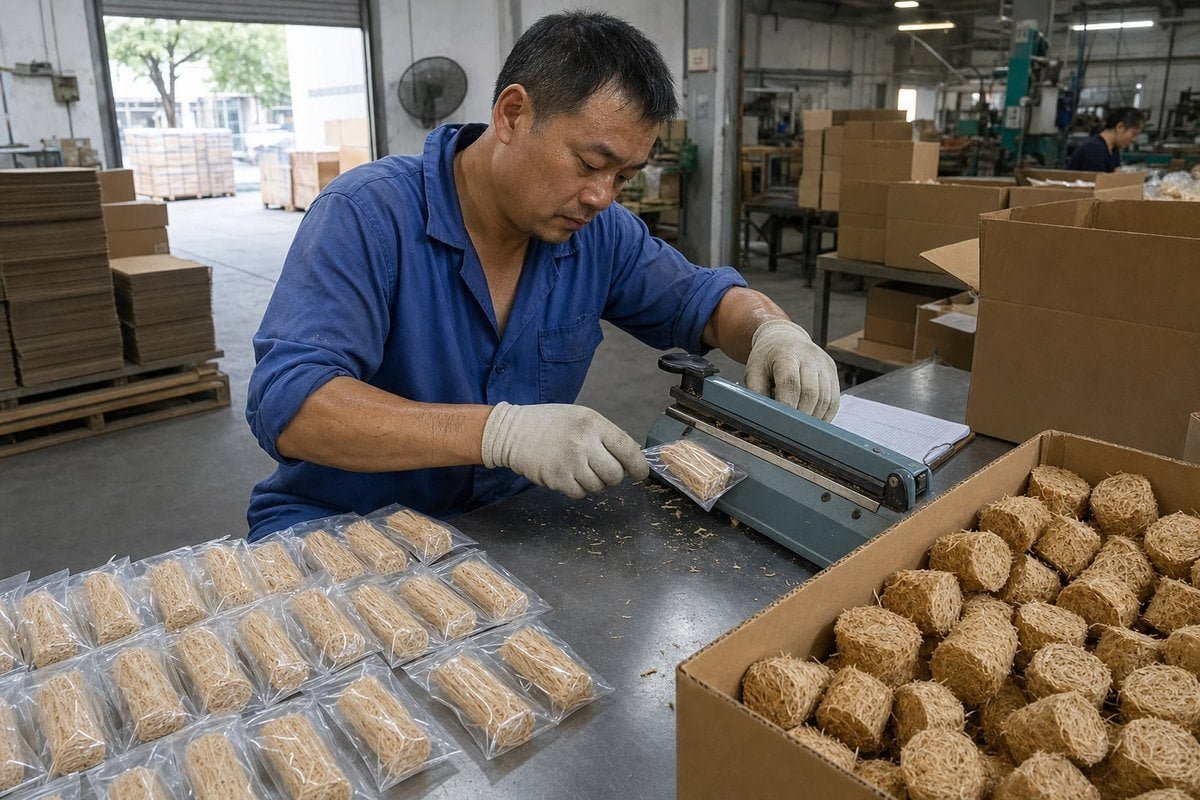
مقاومة الرطوبة is where the two product lines truly split. A fireplace starter lives in a dry living room or garage. It gets used within a season. A camping starter may sit in a damp tent, a truck bed, or a survival kit for years. That difference dictates both the material spec and the packaging spec.
Material-level moisture protection
The paraffin wax coating on a wood fire starter does two jobs. It fuels the flame, and it seals the fibers against humidity. For camping lines, we increase the wax saturation so the product delivers waterproof ignition even after exposure to light rain. Some buyers request individually wrapped units with wrappers that light directly, so campers never touch wax or fiber with wet hands. For fireplace lines, a lighter coating is fine, and it keeps hands clean during indoor handling.
Packaging by channel
| Packaging Feature | تجزئة المدافئ | Camping Retail |
|---|---|---|
| Individual wrapping | Optional | موصى به بشدة |
| Sealed or hermetic barrier | نادرًا ما يكون مطلوبًا | Common for survival kits |
| تنسيق الصندوق | Large bulk display boxes | Compact pouches or small cartons |
| Shelf messaging | Clean burn, low creosote | Waterproof, windproof, all-weather |
| Storage life focus | One season | Multi-year |
Camping packaging also protects volatile wax components from slow evaporation during long storage. Fireplace packaging, by contrast, prioritizes shelf appeal and easy dispensing at home. When we run private-label projects, we often produce both formats from the same core product, just with different saturation levels and different boxes.
What safety certifications do I need for fire starters sold in indoor versus outdoor markets?
Compliance questions dominate my first calls with new distributors. Our ISO 9001, BSCI, CE, and SGS/Intertek documentation exists because retail buyers in the US and EU will not list a fire product without it.
Indoor fire starters typically require stricter documentation covering emissions, indoor air quality, chemical-free composition, and clean-burn behavior, plus CE marking and third-party test reports for the EU. Outdoor products still need safety testing, warning labels, and compliant packaging, but face fewer air-quality demands.
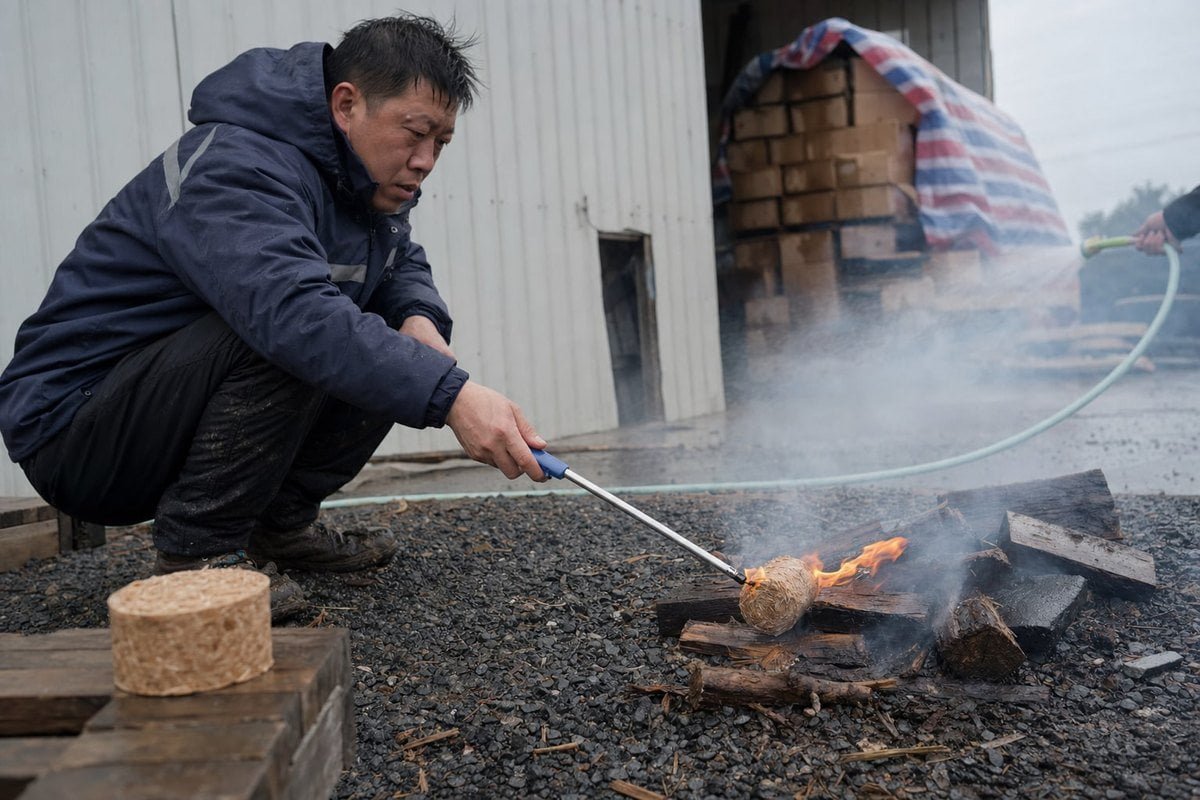
Certifications are not a nice-to-have in this category. They are the entry ticket. But the exact requirements shift depending on whether the product is positioned for indoor hearths or outdoor campsites.
Indoor market requirements
Indoor starters burn in enclosed spaces where people breathe the air. Retailers and regulators therefore focus on what the product releases. A chemical-free composition matters here. Products built from wood fiber and food-grade paraffin, with no accelerant chemicals, protect indoor air quality and reduce creosote buildup in chimneys. Low-ash and low-residue behavior also matters for buyers serving markets with EPA-certified wood stoves 5, where catalytic components are sensitive to contamination. In the EU, علامة CE 6 and SGS or Intertek test reports are standard requests from importers. In our experience exporting to Germany, France, and the Netherlands, buyers ask for batch-level test documentation, not just a one-time certificate.
Outdoor market requirements
Outdoor products enjoy more tolerance on smoke and odor levels. But they still need clear warning labels, child-safety wording, proper barcodes, and transport-compliant packaging. Many outdoor brands also ask us to verify قضيب فيروسيريوم 7 compatibility, since bushcraft customers light wood wool starters with sparks rather than matches. That is a performance spec, not a legal one, but it appears in outdoor buyer checklists constantly.
Certification checklist by market
| المتطلب | Indoor (Fireplace) | Outdoor (Camping) |
|---|---|---|
| Third-party lab test report | Essential | Essential |
| Emissions / clean-burn data | Frequently required | Rarely required |
| علامة CE (الاتحاد الأوروبي) | قياسي | قياسي |
| Factory audit (BSCI / ISO 9001) | متوقع من كبار تجار التجزئة | متوقع من كبار تجار التجزئة |
| ملصقات تحذير ورموز شريطية | مطلوب | مطلوب |
My practical advice: ask your supplier for current test reports before sampling, not after. A factory that hesitates on documentation will hesitate on quality too.
Can I request custom specifications for both fireplace and camping firestarter product lines?
A UK distributor once asked us whether one product could serve both his fireplace catalog and his camping catalog. Our answer was yes, with two calibrations of the same core recipe, and that project taught us how flexible OEM specs need to be.
Yes. Reputable factories offer full OEM/ODM customization across both lines, including burn time, unit size, wax saturation, wood fiber blend, pack counts, private-label packaging, warning labels, and barcodes. One base product can be calibrated separately for indoor clean-burn specs and outdoor waterproof specs.
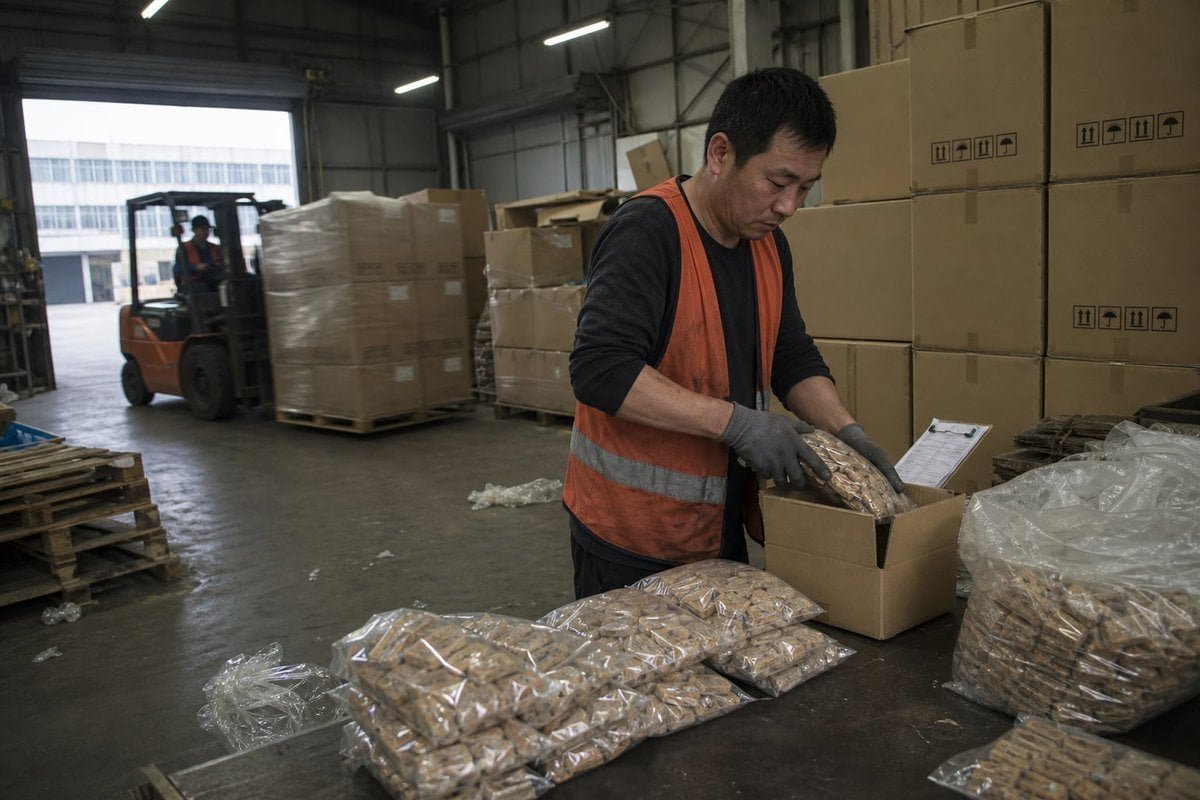
Customization is where a real factory separates itself from a trading company. When you control the production line, every spec becomes adjustable. When you resell someone else's stock, nothing is.
What you can typically customize
Here is how a dual-line development project usually runs on our side:
- Define the use case. Fireplace, camping, or both. This sets the burn time duration target and the heat profile.
- Select the core format. Wood wool tumbleweeds, wax-dipped rolls, cubes, or fatwood-style sticks. Each format has different strengths for indoor consistency versus outdoor ruggedness.
- Calibrate the wax. Lighter paraffin wax coating for clean indoor handling; heavier saturation for waterproof ignition outdoors.
- Set unit dimensions and pack counts. Bulk 100-piece boxes for fireplace retail; compact 12-piece pouches for camping shelves.
- Design the packaging. Private-label branding, display boxes, warning labels, and barcodes tailored per market and language.
- Sample, test, and lock the spec. The first sample should reflect mass-production quality. If it does not, batch-to-batch quality control is weak, and you should walk away.
Practical advice on MOQs and lead times
For trial orders, ask about flexible MOQs. Established factories with 17+ years of production depth can usually run smaller first orders per SKU, then scale. Also confirm that burn-time tolerance is written into your spec sheet. A stated 10-minute burn should mean 10 minutes on every pallet, in every season, not just in the sample box. That consistency, more than price, determines whether your fireplace and camping lines succeed at retail.
خاتمة
Choosing the wrong wood fire starter spec costs you returns, reviews, and shelf space. Match burn time, moisture resistance, size, and certifications to the fire environment, and partner with a factory that documents both.
ملاحظات ختامية
1. Provides context on how costly incorrect product returns are for retailers. ↩︎
2. Technical definition of the heat measurement unit used to compare camping starter intensity. ↩︎
3. Explains the resin-rich fatwood material referenced as a natural fire starter fuel. ↩︎
4. Wikipedia entry detailing the properties of paraffin wax used for waterproofing and fuel. ↩︎
5. EPA program details clean-burning wood stove standards relevant to indoor air quality claims. ↩︎
6. Official European Commission page on the CE marking required for products sold in the EU. ↩︎
7. Wikipedia page explaining the material used in bushcraft fire starters mentioned in the text. ↩︎



 English
  Spanish
  German
  French
  Arabic
  Portuguese
انضم إلى المحادثة