







التحقق من محتوى أملاح المعادن في مسحوق Magic Fire هو سؤال أسمعه باستمرار من المشترين، لأن دفعة واحدة سيئة يمكن أن تؤدي إلى عمليات سحب، وقد بنى مصنعنا في Liuyang نظام مراقبة الجودة الخاص به لمنع ذلك بالضبط.
للتحقق من أن محتوى ملح المعدن في مسحوق Magic Fire يطابق المواصفات، اطلب شهادة تحليل مع بيانات العناصر بواسطة ICP-OES أو XRF، وتحقق من الهوية باختبار لهب نوعي، وقارن صحيفة بيانات السلامة، وقم بتكليف مختبر طرف ثالث مستقل بالتحقق من دفعات الإنتاج العشوائية.
هذه الإجابة المختصرة تغطي الخطوات الأساسية. ولكن كل خطوة لها تفاصيل مهمة. دعني أشرحها لك واحدة تلو الأخرى، بدءًا من التقارير التي يجب أن تطلبها إلى الملفات التي يجب أن تحتفظ بها.
ما هي تقارير الاختبارات المعملية التي يجب أن أطلبها للتأكد من دقة تركيبة ملح المعدن؟
قبل بضع سنوات، طلب منا موزع ألماني "إثباتًا" لتكويننا قبل التوقيع. هذا الطلب الوحيد أعاد تشكيل كيفية قيام فريقنا بتعبئة وثائق الاختبار لكل طلب لهب ملون نقوم بشحنه.
اطلب شهادة تحليل تُظهر تحديد العناصر بواسطة ICP-OES، وتقرير فحص XRF لنسب المعادن، وصحيفة بيانات السلامة التي تسرد الأملاح مع أرقام CAS ونسب الوزن، بالإضافة إلى نتائج ملوثات المعادن الثقيلة التي تؤكد أن المسحوق يلبي معايير النقاء الكيميائي.

الفكرة الرئيسية بسيطة. لا يوجد تقرير واحد يثبت التركيبة. تحتاج إلى مجموعة صغيرة من المستندات التي تجيب على ثلاثة أسئلة مختلفة: ما هو موجود في المسحوق، وكم هو موجود فيه، وما لا ينبغي أن يكون فيه.
الأسئلة الثلاثة التي يجب أن تجيب عليها كل مجموعة تقارير
أولاً، الهوية. ال صحيفة بيانات السلامة 1 يجب أن يذكر مواد تلوين اللهب الدقيقة المستخدمة - على سبيل المثال،, كبريتات النحاس خماسي الهيدرات 2 لتأثيرات اللون الأزرق والأخضر أو كلوريد السترونشيوم للأحمر. شكل الملح المحدد مهم. يتغير الأنيون الذوبان، والاستقرار الحراري، وشدة اللون، لذلك "مركب النحاس" ليس جيدًا بما فيه الكفاية. أصر على أرقام CAS.
ثانيًا، الكمية. هذا هو المكان الذي يتألق فيه ICP-OES. يقوم المختبر بإذابة العينة وقياس الأيونات المعدنية المذابة مقابل أهداف جزء في المليون. يمكن لـ ICP-OES اكتشاف كل أيون معدني تقريبًا ذي صلة بتحليل تركيبات الألعاب النارية، لذلك يلتقط كلاً من ما يجب أن يكون موجودًا وما لا يجب أن يكون موجودًا. يعد اختبار فلورية الأشعة السينية مكملاً أسرع لأنه يعمل على المسحوق الجاف دون احتراق.
ثالثًا، التلوث. اطلب فحص ملوثات المعادن الثقيلة 3 - الرصاص والكادميوم والزئبق والزرنيخ. يجب ألا تحتوي منتجات اللهب الملون للنيران المخيمات والمواقد على هذه المواد، وتشمل تقارير SGS الخاصة بنا هذا الفحص لكل سوق تصدير نخدمه.
| نوع التقرير | ما تثبته | ما لا يمكن إثباته |
|---|---|---|
| شهادة تحليل (CoA) | تكوين الدفعة المحدد والتفاوتات | اتساق الدفعات المستقبلية |
| تقرير ICP-OES للعناصر | تركيزات المعادن الدقيقة في جزء في المليون | أي شكل ملح (أنيون) تم استخدامه |
| تقرير فحص XRF | نسب المعادن في المسحوق الجاف، غير مدمر | دقة المستوى الأثري للعناصر الخفيفة |
| صحيفة بيانات السلامة (SDS) | المكونات المعلنة، أرقام CAS، المخاطر | المحتوى الفعلي للدفعة في اليد |
| فحص المعادن الثقيلة | غياب الملوثات السامة | أداء اللون العام |
عندما نقوم بضم مشترٍ جديد من شركة إلى أخرى، نرسل هذه المجموعة الكاملة مع أول شحنة عينة. إذا تردد المورد في تقديم حتى واحد من هذه، فاعتبر ذلك إشارة.
هل يمكنني الوثوق بنتائج SGS أو Intertek الخاصة بالمورد دون التحقق المستقل؟
إليك مقايضة أناقشها بصراحة مع مديري المشتريات: يحتفظ مصنعنا بتقارير SGS و Intertek، ومع ذلك ما زلت أخبر المشترين بالتحقق بشكل مستقل. هذا يبدو غريبًا من مورد، لذا دعني أشرح السبب.
تقارير SGS أو Intertek المقدمة من المورد هي نقاط انطلاق موثوقة، ولكن لا يزال يتعين عليك التحقق بشكل مستقل، لأن التقارير قد تكون قديمة، أو مرتبطة بدفعة مختلفة، أو في حالات نادرة مزورة. قم بتأكيد رقم التقرير مباشرة مع المختبر واختبر عينات عشوائية من الشحنات.
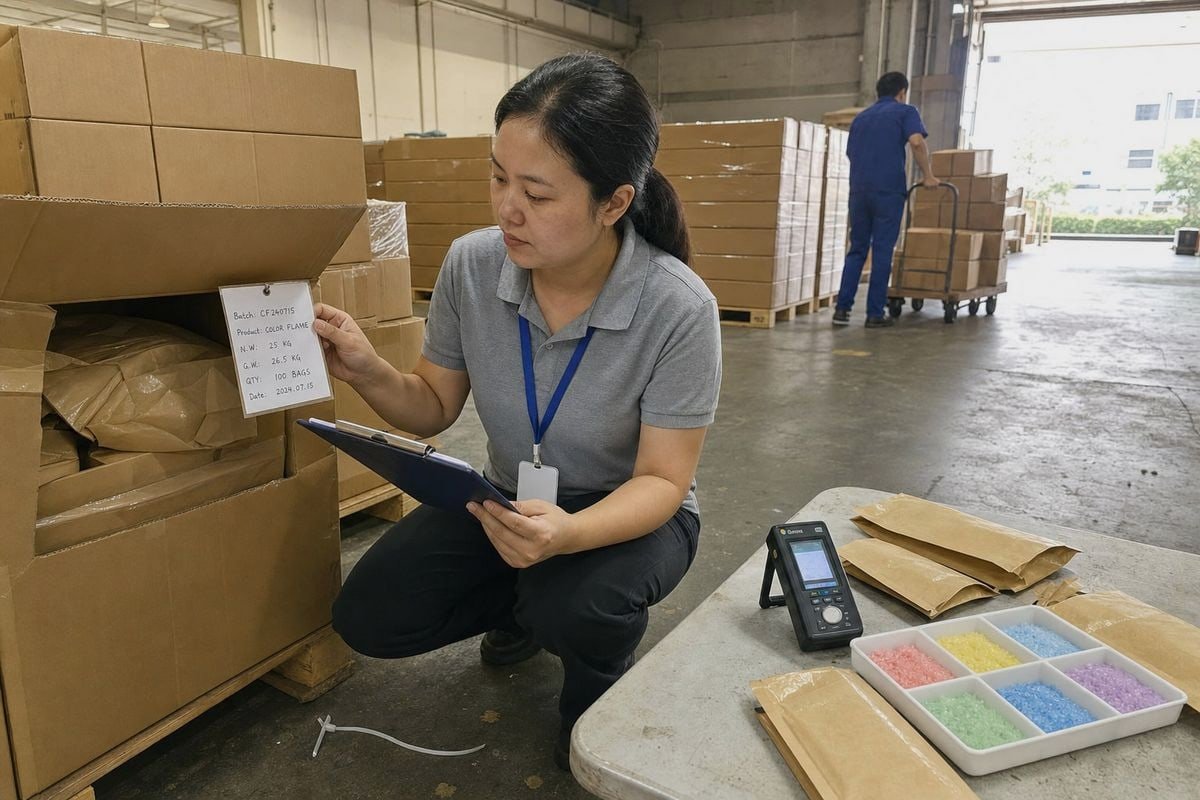
تحمل التقارير الأصلية من طرف ثالث وزنًا حقيقيًا. تضع SGS و Intertek سمعتهما على الدقة. المشكلة ليست عادةً المختبر. المشكلة هي كيفية استخدام التقرير بعد ذلك.
أين ينهار الثقة
يصف التقرير الأصلي فقط العينة الدقيقة التي اختبرها المختبر، في التاريخ الذي تم اختباره فيه. تظهر ثلاث فجوات شائعة بين هذا التقرير والمنصة في حاويتك:
- فجوة الدفعة. قد يغطي التقرير عينة ذهبية من عامين مضيا، وليس شحنتك الحالية.
- فجوة النطاق. قد يختبر التقرير القابلية للاشتعال أو التعبئة، وليس محتوى أملاح المعادن. اقرأ المعلمات المختبرة بعناية.
- فجوة الأصالة. تقوم بعض شركات التجارة بتعميم تقارير مستعارة من مصانع أخرى. هذه مشكلة معروفة في صناعتنا، وهي أحد الأسباب التي تدعونا لدعوة المشترين لتدقيق موقع إنتاجنا في نينغبو مباشرة.
روتين تحقق عملي
يحمل كل تقرير من SGS و Intertek رقم تقرير فريد. يقدم كلا المختبرين خدمات تحقق حيث تقدم هذا الرقم وتتلقى تأكيدًا بأن المستند أصلي وغير متغير. يستغرق هذا دقائق ولا يكلف شيئًا. افعل ذلك في كل مرة.
بعد ذلك، أوصي بجدول زمني بسيط قائم على المخاطر. اختبار مستقل كامل لطلبك الأول. ثم فحوصات عشوائية - اختبار لهب نوعي بالإضافة إلى مسح XRF - على الشحنات اللاحقة. لن يؤكد اختبار اللهب السريع التركيزات، ولكنه سيكشف فورًا عن ملح خاطئ: إذا كان كلوريد السترونشيوم 4 احتراق الظرف الأحمر برتقاليًا مصفرًا، فقد تغير شيء ما. تصعيد إلى تحليل مطيافية اللهب الكامل أو ICP-OES فقط عندما يبدو الفحص خاطئًا.
من واقع خبرتنا في التصدير إلى أكثر من 30 دولة، فإن المشترين الذين لديهم أقل نزاعات جودة هم أولئك الذين يتحققون بأدب ولكن باستمرار. المصانع الجيدة ترحب بذلك. نحن نفعل ذلك، لأنه يحمي كلا الجانبين.
كيف تؤثر التناقضات بين الدُفعات على تركيز الأملاح المعدنية في مسحوق اللهب الملون؟
في وقت مبكر من سنوات إنتاجنا التي تزيد عن 17 عامًا، تعلمنا هذا الدرس بالطريقة الصعبة: دفعتان مختلطتان في أيام الصيف الرطبة كان أداؤهما مختلفًا عن دفعات الشتاء، حتى مع وصفات متطابقة. كانت الرطوبة تغير الحسابات بهدوء.
يؤدي عدم الاتساق من دفعة إلى أخرى إلى تغيير تركيز أملاح المعادن من خلال تباين نقاء المواد الخام، وامتصاص الرطوبة في الأملاح المسترطبة، والخلط غير المتساوي، وانجراف حجم الجسيمات. حتى الانحراف الصغير يمكن أن يضعف لون اللهب، أو يقصر وقت الاحتراق، أو يدفع الدفعة خارج نطاق تحمل جزء في المليون المحدد لها.
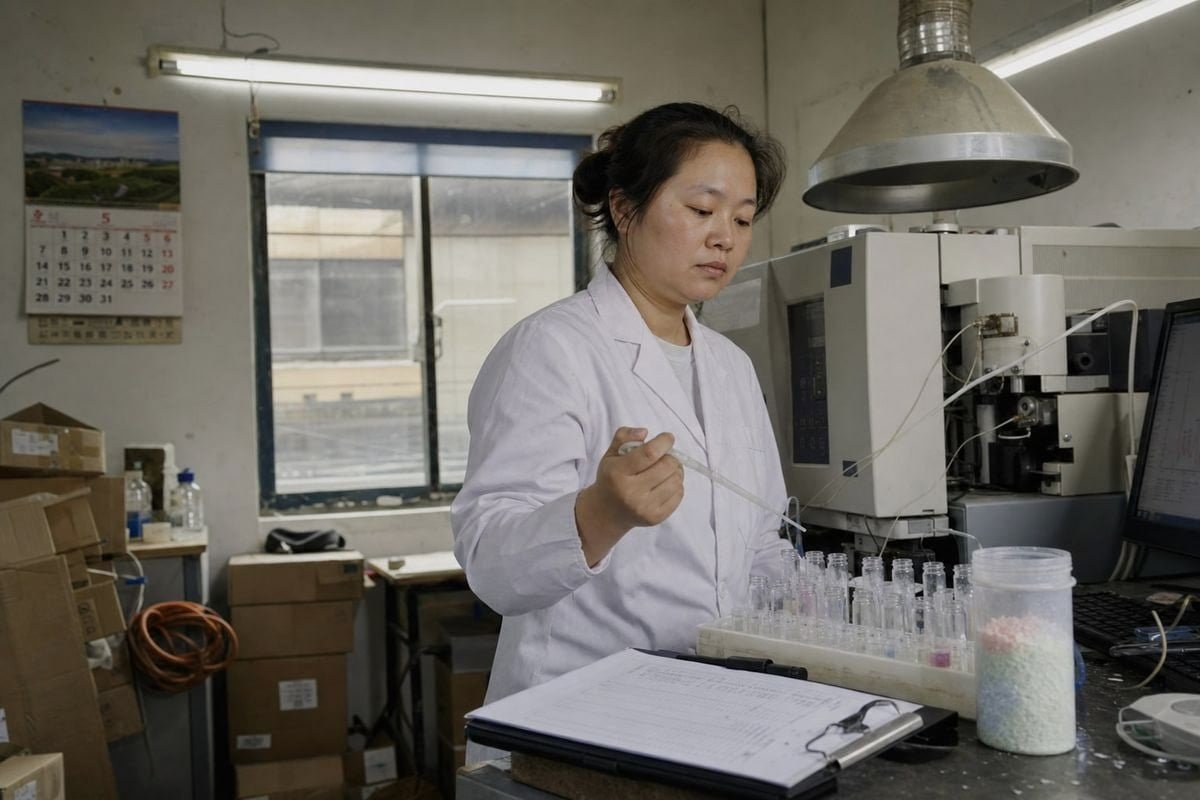
الاتساق هو المكان الذي يفصل فيه المصنع الحقيقي نفسه عن شركة تجارية تعيد التسمية. الصيغة على الورق سهلة. الحفاظ على هذه الصيغة عبر آلاف الكيلوغرامات، شهرًا بعد شهر، هو العمل الفعلي.
مصادر الانحراف الرئيسية الأربعة
| مصدر الانحراف | ماذا يحدث | التأثير على اللهب |
|---|---|---|
| نقاء المواد الخام | تختلف دفعات الموردين من كبريتات النحاس خماسية الماء في النقاء والترطيب | لون أزرق مخضر أضعف أو مزاح |
| امتصاص الرطوبة | تمتص الأملاح المسترطبة مثل كلوريد السترونشيوم الماء، مما يزيد الوزن | معدن أقل فعليًا لكل جرام، أحمر باهت |
| اتساق الخلط | الخلط السيئ يترك مناطق غنية بالملح وفقيرة بالملح في دفعة واحدة | الأكياس من نفس الدفعة تؤدي أداءً مختلفًا |
| انحراف حجم الجسيمات | تغيير طحن حجم الحبيبات ومساحة السطح | مدة احتراق وسطوع غير متسقين |
تستحق الرطوبة اهتمامًا خاصًا. الملح المرطب يحمل الماء داخل بنيته البلورية. إذا أضافت الرطوبة ماءً إضافيًا، فإن جرامًا من المسحوق يحتوي على معدن فعلي أقل مما يفترضه المواصفات. هذا هو السبب في أن المختبرات الجادة تجري معايرة كارل فيشر 5 لتحديد حالة الترطيب - الرطوبة الزائدة تشوه نسبة المعدن إلى الوزن وتدهش ناتج اللون. أكياس رقائق الألومنيوم المختومة بالحرارة لدينا موجودة لهذا السبب بالضبط: فهي تحبس حالة الرطوبة في لحظة التعبئة.
كيف يبدو التحكم الجيد في الدُفعات
في خطوطنا، يتم فحص كل دفعة من المواد الخام الواردة مقابل معايير نقاء المواد الكيميائية قبل دخولها إلى الخلط. تحصل كل دفعة إنتاج على رمز فريد، وعينة محفوظة، وسجل دفعة. كما نقوم بمراقبة حجم الجسيمات، حيث تؤكد بيانات حيود الليزر أن نسبة مساحة السطح إلى الحجم تظل ضمن نطاق التفاعل المطلوب لاحتراق ثابت ومتساوٍ. عمليات التحقق اللونية الرقمية مقابل لهب مرجعي تغلق الحلقة.
بالنسبة لك كمشتري، فإن النتيجة العملية هي هذه: اطلب من أي مورد وصف نظام تتبع الدُفعات الخاص به 6. إذا لم يتمكنوا من تسمية سياسة العينات المحفوظة الخاصة بهم أو نطاقات التسامح في غضون يوم، فإن اتساقهم هو الحظ، وليس العملية.
ما هي الوثائق التي يجب أن أحتفظ بها لإثبات الامتثال لعملائي؟
اتصل بنا موزع مدفأة في المملكة المتحدة ذات مرة في حالة ذعر خفيف - طلبت سلسلة بيع بالتجزئة ملف الامتثال الكامل الخاص بهم في غضون 48 ساعة. نظرًا لأننا نشحن حزمة مستندات مع كل طلب، فقد حققوا الموعد النهائي. ليس كل مستورد محظوظًا بهذا القدر.
احتفظ بـ SDS الخاص بالمورد، وشهادات التحليل الخاصة بالدفعة، وتقارير اختبار SGS أو Intertek، ونتائج فحص المعادن الثقيلة، وشهادات ISO 9001 و BSCI، ووثائق CE، وسجلات تتبع الدُفعات، وأعمال الملصقات التحذيرية الفنية، ونتائج التحقق المستقلة الخاصة بك، وكلها منظمة حسب المنتج ورقم الدفعة.

ملف الامتثال الخاص بك هو درعك. عندما يشكك بائع تجزئة أو منظم أو عميل نهائي في منتجك، فإن سرعة واكتمال إجابتك يحددان ما إذا كانت المشكلة تموت بهدوء أم تتصاعد إلى إلغاء الإدراج.
بناء الملف في ثلاث طبقات
الطبقة 1 - بيانات اعتماد المورد. هذه تثبت أن مصدرك شرعي: ISO 9001 7 شهادة نظام الجودة، تدقيق BSCI الاجتماعي، وثائق CE، ورخصة عمل المصنع. قم بتحديثها سنويًا. نعيد إصدار هذه الحزمة لمشترينا على المدى الطويل كل عام دون أن يُطلب منا ذلك، لأن الشهادات منتهية الصلاحية هي الفجوة الأكثر شيوعًا التي يجدها المدققون.
الطبقة 2 - دليل المنتج والدُفعة. هذا هو القلب التقني للملف. يتضمن SDS الذي يؤكد الامتثال لصحيفة بيانات السلامة، وشهادات الدُفعات مع تركيزات أملاح المعادن، وتقارير ICP-OES أو XRF العنصرية، وفحوصات ملوثات المعادن الثقيلة، و بيانات أداء الاحتراق. اربط كل مستند برقم دفعة يتطابق مع أوامر الشراء ومستندات الشحن الخاصة بك. التقرير غير المرتبط لا يثبت شيئًا تقريبًا.
الطبقة 3 - اجتهادك الخاص. احتفظ بسجلات لعمل التحقق الذي قمت به: تأكيدات أرقام تقارير المختبر، نتائج اختباراتك العشوائية المستقلة، صور الفحص، والمراسلات التي أكد فيها المورد المواصفات كتابيًا. تُظهر هذه الطبقة للمنظمين أنك مارست العناية الواجبة بدلاً من الثقة العمياء.
| وثيقة | المصدر | دورة التحديث |
|---|---|---|
| شهادات ISO 9001 / BSCI / CE | المورد | سنويًا |
| صحيفة بيانات السلامة | المورد | عند أي تغيير في التركيبة |
| شهادة الدُفعة مع بيانات العناصر | المورد | كل دفعة |
| تقارير اختبار الطرف الثالث (SGS/Intertek) | التحقق من المورد والمختبر | لكل إصدار منتج |
| نتائج اختبارات عشوائية مستقلة | مختبرك | حسب جدول المخاطر الخاص بك |
| ملصق التحذير وأعمال التعبئة والتغليف الفنية | موافقة مشتركة | عند أي تغيير في الأعمال الفنية |
| تتبع الدُفعات وسجلات الشحن | كلا الطرفين | كل شحنة |
قم بتخزين كل شيء رقميًا باستخدام اصطلاح تسمية واضح - المنتج، الدُفعة، التاريخ. احتفظ بالملفات لمدة لا تقل عن العمر الافتراضي للمنتج بالإضافة إلى فترة الحد القانوني في السوق الخاص بك. عندما تقوم شركات تصنيع المعدات الأصلية الخاصة بنا بتسمية عبوات اللهب الملون الخاصة بنا، نقوم بإعداد هذه الحزمة بأكملها تحت اسم علامتهم التجارية، لذلك تعمل عمليات تدقيق البيع بالتجزئة الخاصة بهم على أوراقهم، وليس أوراقنا.
خاتمة
التخمين باستخدام ملونات اللهب يعرضك للاستدعاءات وفقدان عقود البيع بالتجزئة. تحقق من محتوى أملاح المعادن في مسحوق اللهب السحري من خلال الاختبارات المتدرجة، والتقارير الموثقة من طرف ثالث، وضوابط الدُفعات، والتوثيق المنظم - ثم الشراكة مع المصانع التي ترحب بالتدقيق.
ملاحظات ختامية
يغطي معيار التواصل الرسمي بشأن المخاطر الصادر عن إدارة السلامة والصحة المهنية (OSHA) تنسيق ومحتوى صحيفة بيانات السلامة (SDS) المشار إليها في المقال. ↩︎
مرجع كيمياء خلفية لملح تلوين اللهب الأخضر المزرق المحدد المذكور في المقال. ↩︎
مورد وكالة حكومية بشأن المعادن الثقيلة السامة ذات الصلة باختبار التلوث الموصوف. ↩︎
يوفر خلفية كيميائية لملح تلوين اللهب الأحمر الذي تمت مناقشته في قسم هوية التركيبة. ↩︎
يشرح طريقة التحليل التي تستخدمها المختبرات لقياس حالة الترطيب المذكورة في مناقشة الرطوبة. ↩︎
مرجع موثوق به على ويكيبيديا لتتبع المنتجات وتتبعها عبر سلسلة توريد التصنيع. ↩︎
نظرة عامة موثوقة على ويكيبيديا للمعايير الدولية لأنظمة إدارة الجودة. ↩︎


 English
  Spanish
  German
  French
  Arabic
  Portuguese
انضم إلى المحادثة