






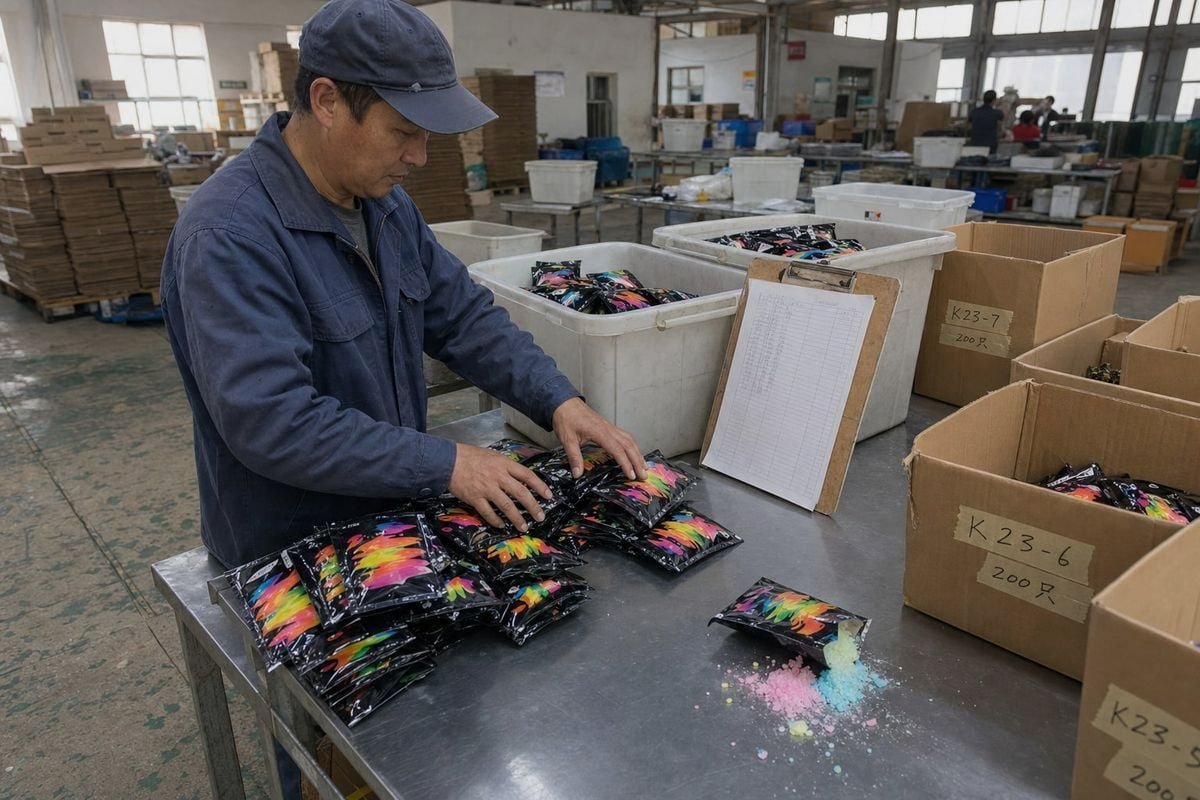
تقسيم وحدات تعريف المنتج (SKUs) وتحديد نسب التخزين لمتغيرات ألوان مسحوق النار السحري يربك العديد من المشترين. أرى ذلك باستمرار عندما يطلب المستوردون عبوات تلوين نار المخيم الخاصة بنا، ووحدات تعريف المنتج الفوضوية تستنزف هوامش ربحهم بصمت من خلال نفاد المخزون، والمخزون الميت، وأخطاء التنفيذ.
تقسيم مسحوق سحر النار إلى معرف المنتج الفريد (SKU) واحد لكل متغير لون قابل للبيع باستخدام هيكل أب-ابن مثل MFP-BLUE. ثم قم بتعيين نسب المخزون من بيانات الطلب: وزن المنتجات الأكثر مبيعًا مثل الأزرق والأخضر بنسبة 30-40٪ لكل منهما، وقم بوضع حدود للألوان البطيئة عند 10-15٪ حتى تبرر سرعة المبيعات المزيد.
هذا هو الجواب المختصر. الصورة الكاملة تحتاج إلى مزيد من التفاصيل. أدناه، سأفصل عدد الألوان التي يجب إطلاقها، وكيفية ترجيح طلبك، وكيفية تحديد الحد الأدنى لكمية الطلب لكل لون، ومتى يكون طلب التجربة منطقيًا.
كيف أقرر عدد الألوان المتنوعة التي يجب تضمينها في تشكيلة منتجات Magic Fire Powder الأولية الخاصة بي؟
في الربيع الماضي، طلب موزع ألماني من فريقنا تقديم عروض أسعار لجميع ألوان اللهب التسعة التي ننتجها. أقنعناه بتقليلها إلى خمسة. أثبتت بيانات مبيعاته بعد موسم واحد صحة هذا القرار.
ابدأ بثلاثة إلى خمسة ألوان مختلفة لمجموعتك الأولية من مسحوق السحر الناري: الأزرق والأخضر ومزيج قوس قزح أو متعدد الألوان كأساس، بالإضافة إلى لون أو لونين إضافيين. عدد أقل من وحدات SKU يبسط تخطيط الطلب؛ يمكنك التوسع بمجرد تأكيد الطلب ببيانات مبيعات على مستوى الألوان المختلفة.
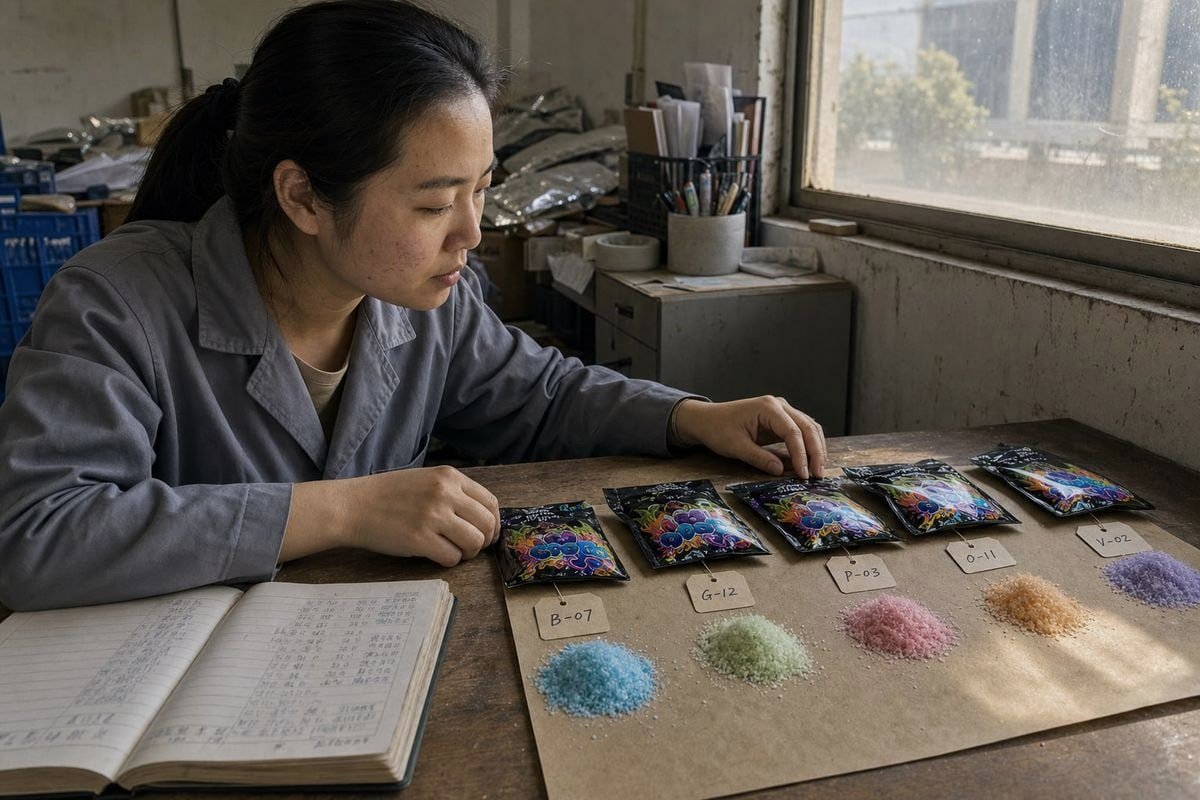
كل لون تضيفه ليس مجرد قائمة جديدة. إنه سطر مخزون منفصل 1, ، قرار إعادة طلب منفصل، وشريحة منفصلة من أموالك. خلال أكثر من 17 عامًا من توريد منتجات اللهب الملون للمشترين في الولايات المتحدة وألمانيا والمملكة المتحدة وخارجها، فإن النمط ثابت: الكتالوجات ذات الخطوط الضيقة تدير المخزون بشكل أسرع من الكتالوجات التي تطلق كل درجة ممكنة دفعة واحدة.
ابدأ بما تمثله وحدة تعريف المنتج (SKU) فعليًا
وحدة تعريف المنتج (SKU) هي وحدة واحدة قابلة للبيع فعليًا 2, ، وليست عائلة ألوان مدمجة. إذا كانت العبوات الزرقاء والعبوات الخضراء موجودة في صناديق مختلفة في مستودعك، فهي تحتاج إلى وحدات تعريف منتج مختلفة. هذه ممارسة قياسية لإدارة تنوع المنتجات عبر أنظمة التجارة الإلكترونية والتجزئة، ومنصات مثل Shopify تعين وحدات تعريف المنتج على مستوى المتغير لهذا السبب بالضبط.
استخدم بنية وحدات تعريف المنتج (SKU) الرئيسية والفرعية
نوصي ببنية وحدات تعريف المنتج (SKU) الرئيسية والفرعية منذ اليوم الأول. يمثل الأصل عائلة مسحوق النار السحري. كل وحدة تعريف منتج فرعية هي لون محدد. يبدو النمط الثابت كالتالي:
| رمز المنتج | الأصل | لون | تنسيق العبوة |
|---|---|---|---|
| MFP-BLU-25 | MFP | أزرق | كيس رقائق 25 جرام |
| MFP-GRN-25 | MFP | أخضر | كيس رقائق 25 جرام |
| MFP-RBW-25 | MFP | مزيج قوس قزح | كيس رقائق 25 جرام |
| MFP-RED-25 | MFP | أحمر | كيس رقائق 25 جرام |
| MFP-PUR-25 | MFP | بنفسجي | كيس رقائق 25 جرام |
حافظ على الرمز قصيرًا ومستقرًا. قم بترميز اللون وحجم العبوة، لأنهما سمات مادية. لا تقم بترميز التفاصيل المتغيرة مثل فئة السعر أو دفعة المورد الحالية. إذا أضفت لاحقًا أكياسًا ورقية أو جرارًا - وهي تنسيقات ننتجها على نفس الخطوط - فقم بتوسيع اللاحقة بدلاً من إعادة بناء كتاب الرموز بالكامل.
قرار آخر: هل يجب أن يكون كل لون متغيرًا تحت صفحة منتج واحدة، أم منتجًا منفصلاً؟ للعرض على واجهة المتجر، يمكن أن يؤدي تقسيم الألوان إلى قوائم منفصلة إلى تحسين التسويق والتنقل. ولكن يجب أن يظل مخزون الواجهة الخلفية وحدة تعريف منتج واحدة لكل لون بغض النظر عن ذلك. يعد تقسيم العرض وتقسيم الكتالوج أدوات مختلفة؛ الخلط بينهما يخلق تضاربًا في تحسين محركات البحث (SEO) وفجوات في إعداد التقارير.
ما هي نسبة التخزين التي يجب أن أستخدمها بين ألوان اللهب الأكثر مبيعًا والأبطأ حركة؟
مقايضة متكررة تشكل كل طلب شراء نساعد المشترين على التخطيط له: ترجيح اللون المثبت بشكل مفرط والمخاطرة بفقدان بائع مفاجئ، أو التوزيع بالتساوي وتقييد النقد في الظلال البطيئة.
وزن طلب مسحوق السحر الناري الخاص بك نحو الألوان المثبتة: حوالي 35٪ أزرق، 25٪ أخضر، 20٪ مزيج قوس قزح، و 10٪ لكل من لونين مميزين. عادةً ما تباع ألسنة اللهب الزرقاء والخضراء ذات التباين العالي أكثر من الألوان الدافئة، لذا تجنب التقسيمات المتساوية ما لم يكن لديك سجل مبيعات صفري.
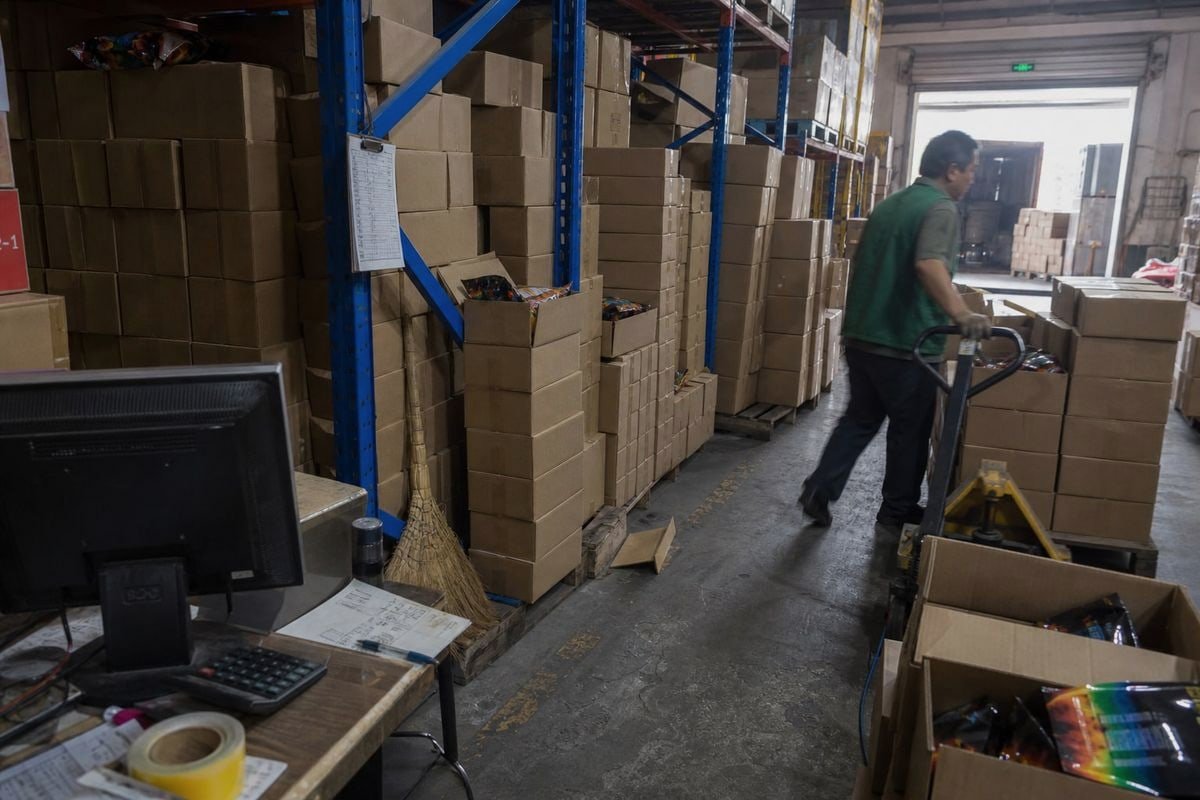
نسبة التخزين هي ببساطة حصة الوحدات التي تخصصها لكل لون في طلب الشراء. إنها ليست قاعدة ثابتة. إنها فرضية تقوم بتحسينها في كل دورة إعادة طلب باستخدام سرعة المبيعات حسب المتغير. عبر أكثر من 30 دولة نصدر إليها، نرى باستمرار تركيز الطلب على الألوان الباردة عالية التباين - ألوان اللهب الزرقاء والخضراء تظهر بشكل أفضل وتشعر بأنها "سحرية" أكثر للمستهلكين - وهذا هو السبب في أن بعض المشترين يحملون هذه المتغيرات بمستويات مخزون أعلى بنسبة 40٪ من الألوان الدافئة.
ثلاثة نماذج نسب اعتمادًا على بياناتك
| نموذج | متى تستخدمها | مثال على التقسيم (5 ألوان) |
|---|---|---|
| المزيج التاريخي | لديك موسم واحد أو أكثر من مبيعات المتغيرات | طابق نسب الموسم الماضي الفعلية، مع تعديلها لنفاد المخزون |
| الإطلاق المرجح | منتج جديد، لا توجد بيانات، ولكن توجد إشارات سوقية | 35 / 25 / 20 / 10 / 10 لصالح الأزرق والأخضر وقوس قزح |
| التقسيم المتساوي | اختبار نقي بدون إشارات | 20 / 20 / 20 / 20 / 20، كمية إجمالية صغيرة |
التعديل للموسم وسلسلة التوريد
تعديلان مهمان يتجاوزان الطلب الخام. أولاً، التحول الموسمي للألوان: الألوان الدافئة مثل الأحمر والبرتقالي ترتفع خلال أشهر مواقد الشتاء 4, ، بينما تبلغ الألوان الزرقاء والخضراء ذروتها مع تخييم الصيف. إذا وصل طلب إعادة طلبك قبل تغيير الموسم، قم بتحويل 5-10 نقاط نحو ألوان الموسم القادم. ثانيًا، مخاطر تجديد المخزون خلال فترة المهلة: تقع الملونات الزرقاء والخضراء القائمة على النحاس في سلاسل توريد مواد خام 5 أكثر تقلبًا من الألوان الدافئة القائمة على الصوديوم. ننصح المشترين بالاحتفاظ بـ مستويات المخزون الاحتياطي أعلى قليلاً.
للأزرق والأخضر - فهما أسرع المتغيرات لديك وأصعب الألوان في تسريعها.
كيف يمكنني تعيين الحد الأدنى لكميات الطلب لكل متغير لون دون الإفراط في الالتزام بميزانية المخزون الخاصة بي؟
أخبرتني علامة تجارية كندية للتخييم ذات مرة أنها كادت أن تتخلى تمامًا عن منتجات الألوان النارية لأن موردًا سابقًا طالب بحد أدنى للحاوية الكاملة لكل لون. غيرت تلك المحادثة طريقة هيكلة عروضنا الخاصة.
تفاوض على حد أدنى لكمية الطلب الإجمالي مع تخصيص مرن للألوان بدلاً من حد أدنى صارم لكل لون. اطلب من مورد مسحوق Magic Fire الخاص بك السماح بتقسيم دفعة إنتاج واحدة عبر الألوان - على سبيل المثال، 10000 وحدة إجمالاً مقسمة 4000/2500/2000/1000/500 - بحيث تظل الألوان البطيئة صغيرة.
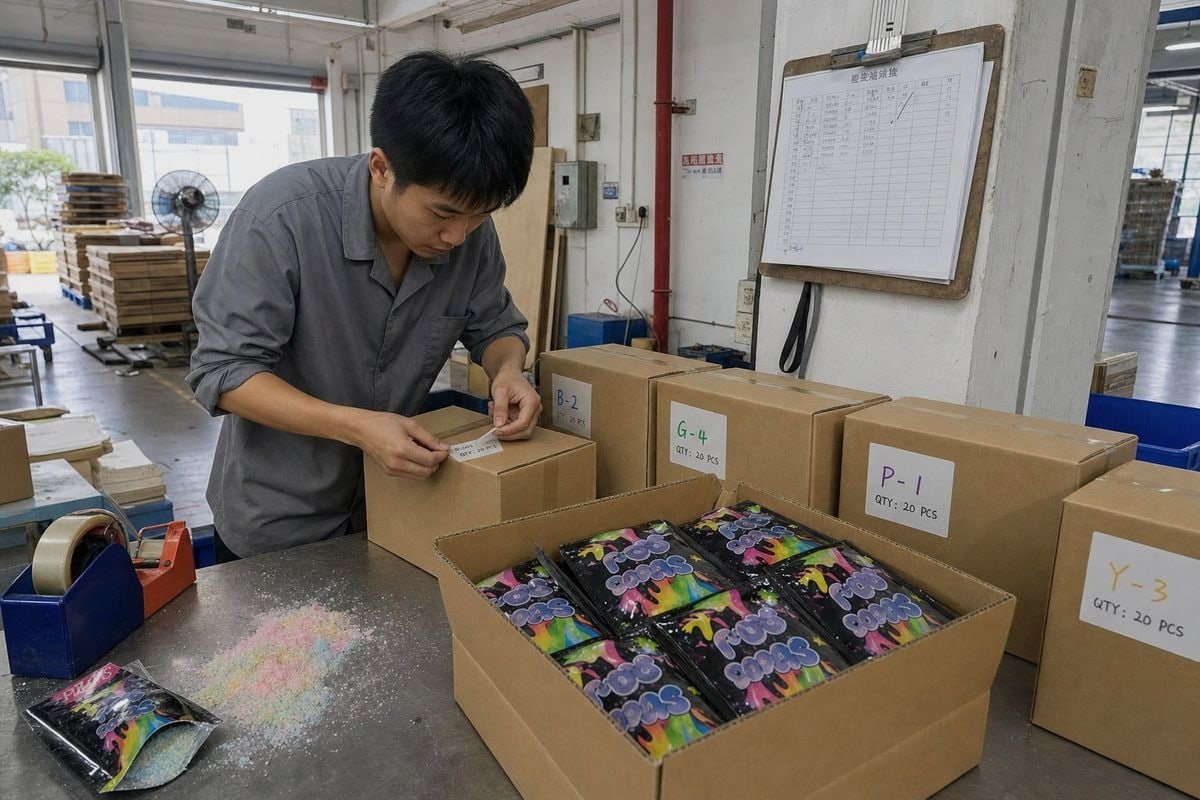
ضغط الحد الأدنى للطلب هو المكان الذي يلتقي فيه تخطيط وحدات البضائع الجيدة بالمال الحقيقي. على جانب الإنتاج لدينا، فإن المحرك الصادق للحد الأدنى هو التغيير: كل لون يعني مزيجًا منفصلاً من الملونات، وتشغيل تعبئة منفصل، وتغليف مطبوع منفصل. ولكن نظرًا لأننا ندير خطوط إنتاج كاملة داخليًا، يمكننا تجميع عدة ألوان ضمن طلب واحد بمرونة أكبر بكثير من شركة تجارية تعيد بيع المخزون الثابت. هذه هي بالضبط المرونة التي يجب أن تسعى إليها.
عملية تخصيص الميزانية أولاً
اعمل للخلف من النقد، وليس للأمام من رقم المورد:
- حدد ميزانية المخزون الإجمالية لهذه العائلة من المنتجات.
- اقسم الميزانية على تكلفة الوحدة الواصلة للحصول على إجمالي الوحدات.
- طبق نسب التخزين الخاصة بك للحصول على وحدات مستهدفة لكل لون.
- قارن هدف كل لون بالحد الأدنى للمورد لكل لون.
- حيث يقع هدف اللون البطيء تحت الحد الأدنى، إما أن تسقط هذا اللون في هذه الدورة، أو تدمجه في تشكيلة متعددة الألوان.
استخدم الحزم لاستيعاب الحد الأدنى للألوان البطيئة
A استراتيجية تجميع العبوات المتعددة يحل مشكلة الميل الأخير بشكل أنيق. وحدات البضائع المجمعة - لنقل عبوة متنوعة من 5 ألوان عبوة متنوعة من 5 ألوان 6 - خصم المخزون من وحدات الألوان الفردية، لذا يصبح فائض اللون الأرجواني محتوى عبوة متنوعة بدلاً من مخزون ميت. نقوم ببناء صناديق عرض وتغليف عبوات متنوعة للمشترين لهذا السبب بالضبط؛ إنه جزء من سبب أهمية خدمة OEM الشاملة أكثر من سعر الوحدة.
| الموقف | تكتيك الحد الأدنى للطلب |
|---|---|
| لون بطيء أقل من الحد الأدنى لكل لون | ادمجه في عبوة متنوعة أو تخطى دورة واحدة |
| لونان بطيئان متشابهان | احتفظ بواحد، أجل الآخر، أعد النظر بالبيانات |
| لون سريع قريب من نفاد المخزون | انقل الميزانية من تخصيص أبطأ لون |
| لون جديد غير مثبت | قم بتشغيل أصغر تشغيل مسموح به على طلب عادي |
تأكد أيضًا من الامتثال مبكرًا. لا يزال كل متغير لون يحتاج إلى ملصقات تحذير صحيحة، ورموز شريطية، وثائق الاختبار الخاصة بنا 7 لسوقك - تغطي تقارير CE و SGS/Intertek الخاصة بنا نطاق الألوان الكامل، لذا فإن إضافة لون لا تعيد ضبط ساعة الامتثال الخاصة بك. اسأل أي مورد نفس السؤال قبل الالتزام بالميزانية.
هل يجب علي اختبار وحدات تعريف المنتج (SKUs) ذات الألوان الجديدة بطلب تجريبي قبل إضافتها إلى خطة المخزون العادية الخاصة بي؟
سنوات من مشاهدة أوامر الشراء العائدة لإعادة الطلب علمت فريق التصدير لدينا درسًا بسيطًا: الألوان التي يخمن المشترون أنها ستفوز والألوان التي تفوز بالفعل تتداخل بشكل أقل مما يتوقعه أي شخص.
نعم. اختبر كل لون جديد من مسحوق سحر النار بطلب تجريبي صغير - عادةً ما بين 500 إلى 1000 وحدة - يتم بيعه عبر قنواتك الحقيقية لموسم كامل. قم فقط بترويج لون في خطة المخزون العادية الخاصة بك عندما تتطابق مبيعاته أو تتجاوز مبيعات أبطأ لون دائم لديك حاليًا.
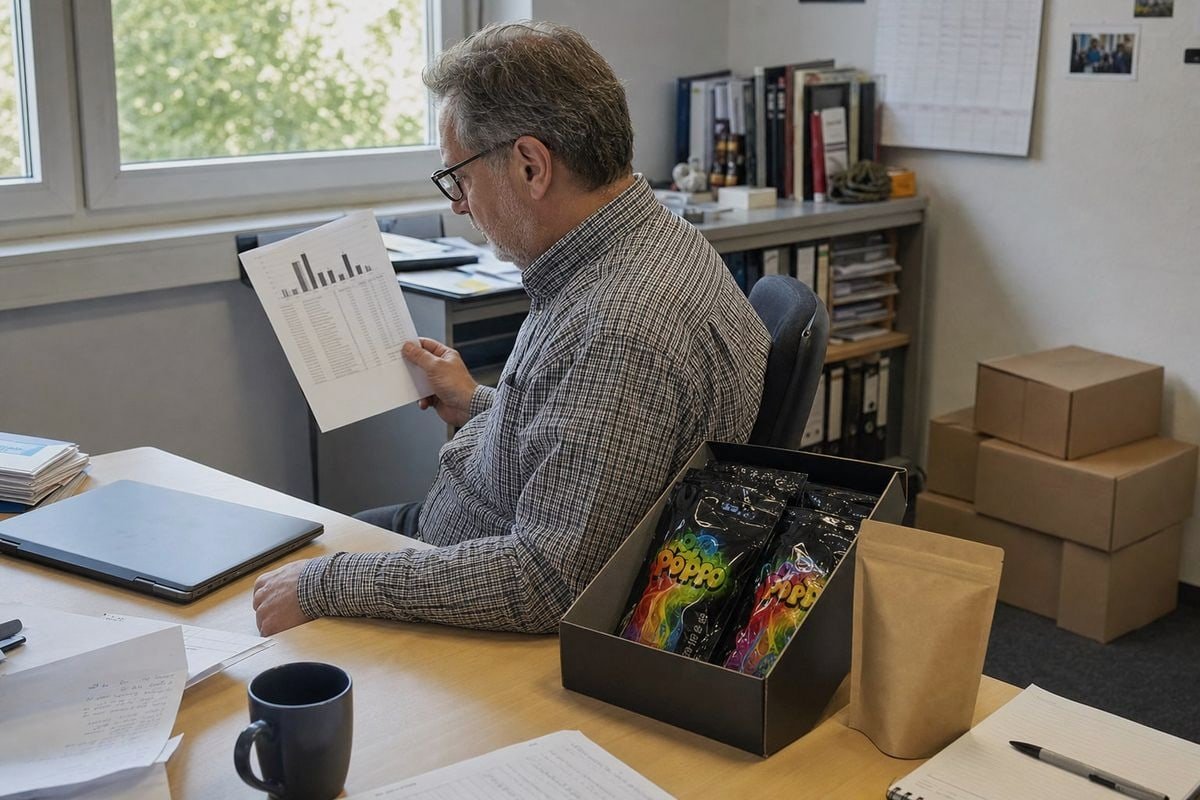
طلب التجربة هو تأمين رخيص ضد خطأ هيكلي. إضافة لون إلى خطك الدائم هو التزام متكرر: مساحة الرف، ونقد إعادة الطلب، واهتمام التنبؤ، دورة بعد دورة. تحول التجربة هذا الالتزام المفتوح إلى تجربة لمرة واحدة ومحدودة.
قم بتشغيل التجربة كتجربة، وليس كإطلاق ناعم
امنح اللون التجريبي وحدة بضائع فرعية مناسبة داخل بنية وحدات البضائع الرئيسية والفرعية الخاصة بك من الوحدة الأولى. لا تضعه تحت رمز "متنوع" عام. بدون وحدة بضائع خاصة به، لا يمكنك قياس سرعة مبيعاته، أو معدل إرجاعه، أو مساهمته - مما يلغي الغرض. ثم حدد عتبات النجاح والفشل قبل وصول المخزون. قاعدة قابلة للتطبيق: يجب أن يباع اللون التجريبي بسرعة لا تقل عن أبطأ لون دائم لديك، بهامش ربح مماثل، في غضون موسم واحد. إذا نجح، قم بتعيين نسبة بدء من 8-12٪ من طلبك التالي ودع البيانات تحركه من هناك. إذا فشل، قم بتصفية الوحدات المتبقية عبر عبوتك المتنوعة وأغلق وحدة البضائع بشكل نظيف.
يأتي اعتراضان. أولاً، يجادل بعض المشترين بأن التجارب تضيع الوقت عندما يناسب اللون "بشكل واضح" سوقهم. في الممارسة العملية، يفاجئ الخاسرون الواضحون أحيانًا ويفشل الفائزون الواضحون أحيانًا؛ تكلف التجربة موسمًا واحدًا، بينما تكلف وحدة البضائع الدائمة الخاطئة عدة مواسم. ثانيًا، يقلق المشترون من أن دفعات التجارب الصغيرة لن تتطابق مع جودة الإنتاج الضخم. هذا القلق عادل مع بعض الموردين. هذا هو بالضبط سبب قيامنا بمراقبة جودة صارمة من دفعة إلى أخرى على نفس الخطوط لأوامر التجارب والطلبات الكبيرة - يجب أن يحترق اختبار الـ 500 وحدة الخاص بك بنفس الطريقة التي يحترق بها طلب إعادة الطلب الخاص بك البالغ 50000 وحدة. اجعل اتساق العينة مع الإنتاج سؤالًا صريحًا عند اختيار شريك، لأن توقعات المخزون الخاصة بك لا تكون جيدة إلا بقدر اتساق المنتج الذي يقف وراءها.
خاتمة
وحدات البضائع الملونة الفوضوية تكلفك مبيعات ونقدًا بصمت. وحدة بضائع واحدة لكل لون، ونسب تخزين تعتمد على البيانات، وحدود طلب دنيا مرنة، وتجارب منضبطة تحول متغيرات مسحوق سحر النار إلى تشكيلة يمكن التنبؤ بها ومربحة.
ملاحظات ختامية
1. مدخل ويكيبيديا لوحدات تتبع المخزون، وهي أساس خطوط المخزون الفردية. ↩︎
2. مدخل ويكيبيديا موثوق يحدد وحدة تتبع المخزون كعنصر قابل للبيع بشكل مميز. ↩︎
3. مورد مالي احترافي يحدد سرعة المبيعات وأهميتها في أداء البيع بالتجزئة. ↩︎
4. تقدم جمعية الموقد والفناء والشواء بيانات عن الاتجاهات الموسمية لمنتجات متعلقة بالمواقد. ↩︎
5. نظرة عامة على ويكيبيديا لهياكل سلسلة التوريد، بما في ذلك مصادر المواد الخام والتقلب. ↩︎
6. مدخل ويكيبيديا لتجميع المنتجات، ذي صلة بإنشاء عبوات متنوعة لإدارة المخزون. ↩︎
7. SGS هي شركة عالمية رائدة في تقديم وثائق الاختبار والامتثال للسلع الاستهلاكية. ↩︎

 English
  Spanish
  German
  French
  Arabic
  Portuguese
انضم إلى المحادثة