







Setting recall responsibilities and cost terms with colored pine cone suppliers is something our factory negotiates constantly. One vague contract clause can turn a small safety incident into a six-figure dispute.
Set recall responsibilities and cost terms by naming the supplier as recall lead, requiring 24–48 hour incident notification, defining who pays shipping, disposal, and replacement costs, adding indemnification clauses and product recall insurance, and mandating batch traceability so a recall stays limited and fast.
That is the short answer. Below, I will break it down clause by clause, using what we have learned from 17+ years of exporting color-flame products to over 30 countries.
What certifications should I require from a supplier to reduce recall risk before signing a contract?
A German distributor once asked us for our full test file 1 before even discussing price. That request was smart. Our compliance folder is the first thing serious buyers should audit.
Require ISO 9001 for quality systems, BSCI for factory ethics, CE marking for the EU, and SGS or Intertek third-party lab testing reports covering flammability, heavy metals, and chemical safety. Also request safety data sheets and proof the reports match the exact product batch you are buying.
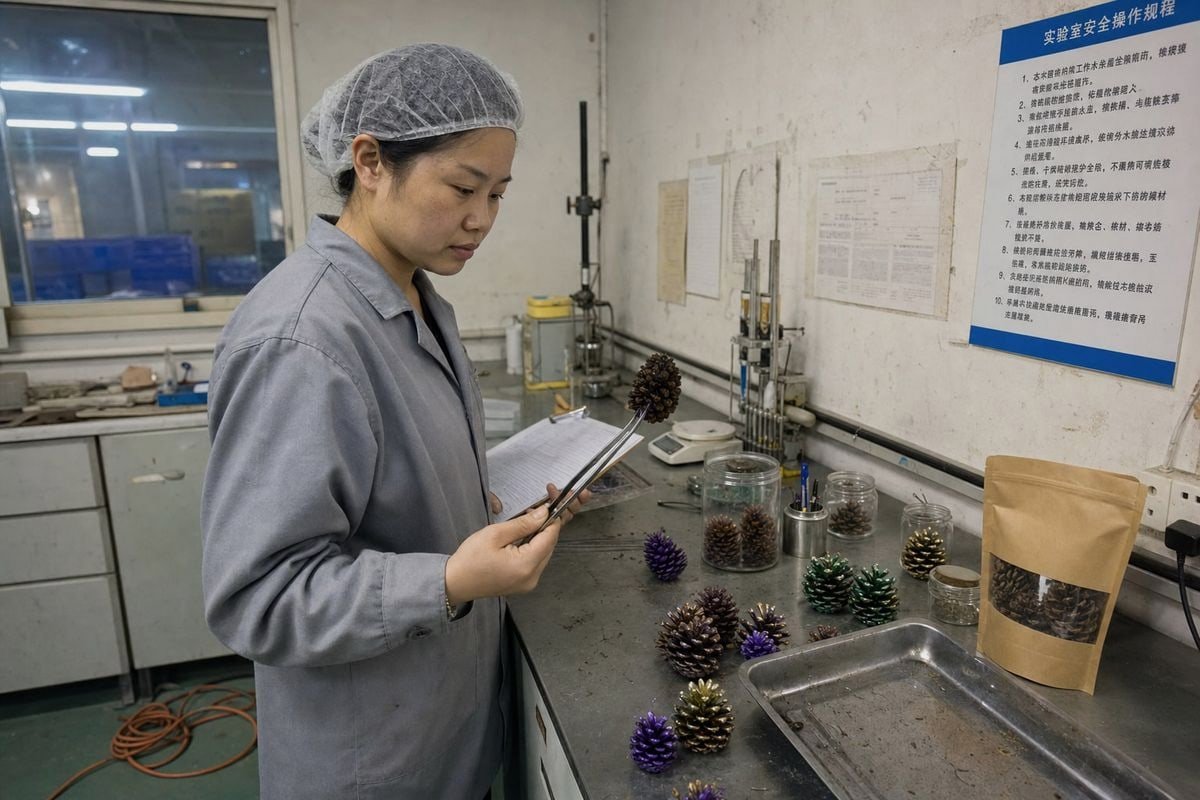
Certifications do not eliminate recall risk. But they shrink it dramatically, and they prove the supplier can pass an audit when regulators come asking. When we ship color-flame pinecones to the US, our buyers know CPSC compliance 2 is not optional. Any consumer product firm that learns of a reportable defect must inform the CPSC within 24 hours. If your supplier cannot produce test data quickly, you carry that regulatory exposure alone.
The certification checklist that actually matters
Here is the baseline we recommend to every purchasing manager who contacts us:
| الشهادة / المستند | ما يثبته | Recall Risk It Reduces |
|---|---|---|
| ISO 9001 | نظام إدارة جودة عامل | Batch-to-batch inconsistency |
| تدقيق BSCI | Ethical, stable factory operations | Sudden production disruption |
| علامة CE | مطابقة السلامة للاتحاد الأوروبي | Border seizures and EU recalls |
| تقارير SGS / Intertek | اختبار معمل مستقل من طرف ثالث | Flammability and toxicity claims |
| Safety data sheets 3 | Chemical composition transparency | Mislabeling and handling incidents |
| Batch test records | Each lot was verified, not just the sample | "Total inventory" recalls |
Why third-party testing beats supplier self-declaration
A supplier can claim anything on a spec sheet. Third-party lab testing from SGS or Intertek removes that ambiguity. In our experience exporting to the US and Germany, buyers who insist on lab reports tied to production batches 4 resolve safety questions in days. Buyers who accepted self-declared data often spend weeks arguing about whose test is valid — while the product sits in quarantine and reverse logistics costs pile up.
One more point. Ask for safety data sheets on every colorant chemistry used. Colored pine cones involve metal salts or dyes. If a warehouse worker or a customer asks what is in the product, you need an answer within hours, not weeks.
How do I define who pays for shipping, disposal, and replacement costs if a recall happens?
The hardest negotiation I ever sat through was not about unit price. It was about who pays freight on returned goods. Cost allocation deserves its own contract section.
Define recall costs in three buckets: retrieval costs like return freight and shelf-pull labor, disposal costs like certified destruction of chemically treated cones, and remedy costs like refunds and replacement stock. Assign each bucket to the party at fault, with the supplier paying when a manufacturing defect caused the recall.
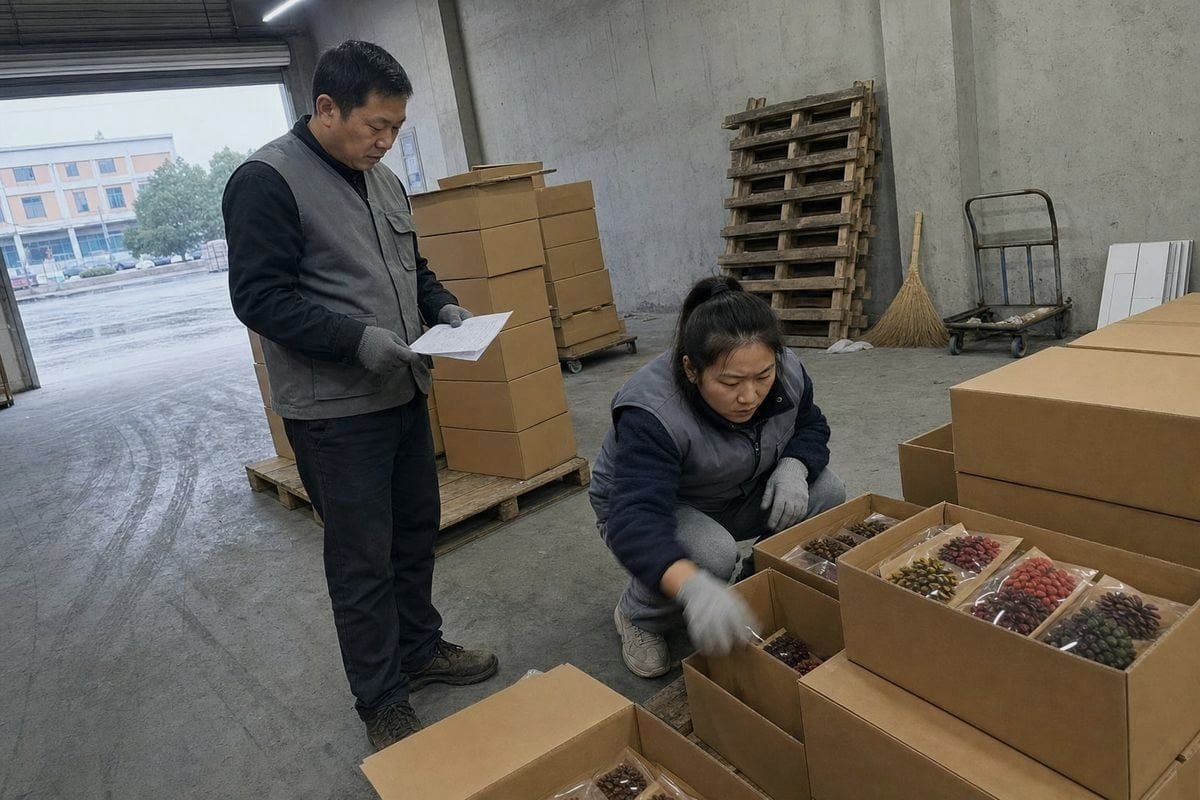
Vague phrases like "supplier bears recall costs" cause disputes because nobody agrees on what "recall costs" includes. Does it cover retail labor for shelf-pulls? Consumer notification ads? Customs re-export fees? Write it all down before you sign.
The three cost buckets, defined
| Cost Bucket | Typical Line Items | Default Payer (Manufacturing Defect) |
|---|---|---|
| Retrieval | Return freight, shelf-pull labor, warehouse quarantine, reverse logistics costs | المورد |
| التخلص | Certified destruction, hazardous waste fees, Certificate of Destruction | المورد |
| الانتصاف | Consumer refunds, replacement production, expedited replacement shipping | المورد |
Two details matter for colored pine cones specifically. First, chemically treated cones 5 may need specialized disposal. Require the supplier to fund a Certificate of Destruction from a certified facility. This prevents recalled product from re-entering the market through salvage channels — a real risk with seasonal decor. Second, if your product sits in shared warehouses, address chemical migration liability. If dyes or salts leach into adjacent inventory, that damage should also fall under the supplier's cost obligations when the defect is theirs.
Fault-based allocation versus supplier-pays-all
Some buyers push for "supplier pays everything, always." I understand the appeal, and honestly, a confident factory can accept broad terms for defects it caused. But blanket clauses backfire. If a retailer relabels the product incorrectly or stores it next to heat sources, the hazard is downstream, and a fair contract shifts those specific costs downstream too. Fault-based allocation with a documented claims process keeps both sides motivated to prevent incidents. When we quote OEM projects, we accept full cost responsibility for manufacturing defects — because our batch controls let us take that risk with open eyes.
One practical rule: the contract must let you act first and invoice later. Regulators expect containment within days, not after a fault investigation ends.
What contract clauses protect my business if a supplier's batch fails safety testing after delivery?
We once re-tested an entire production run at our own expense because one carton showed inconsistent coating. That experience shaped how we now structure post-delivery clauses with our buyers.
Protect yourself with an immediate-notification clause of 24–48 hours, a stop-ship and quarantine right, indemnification clauses covering injury claims and legal defense, product recall insurance naming you as additional insured, liability limits that carve out recalls, and a mandatory corrective action plan with survival beyond contract termination.
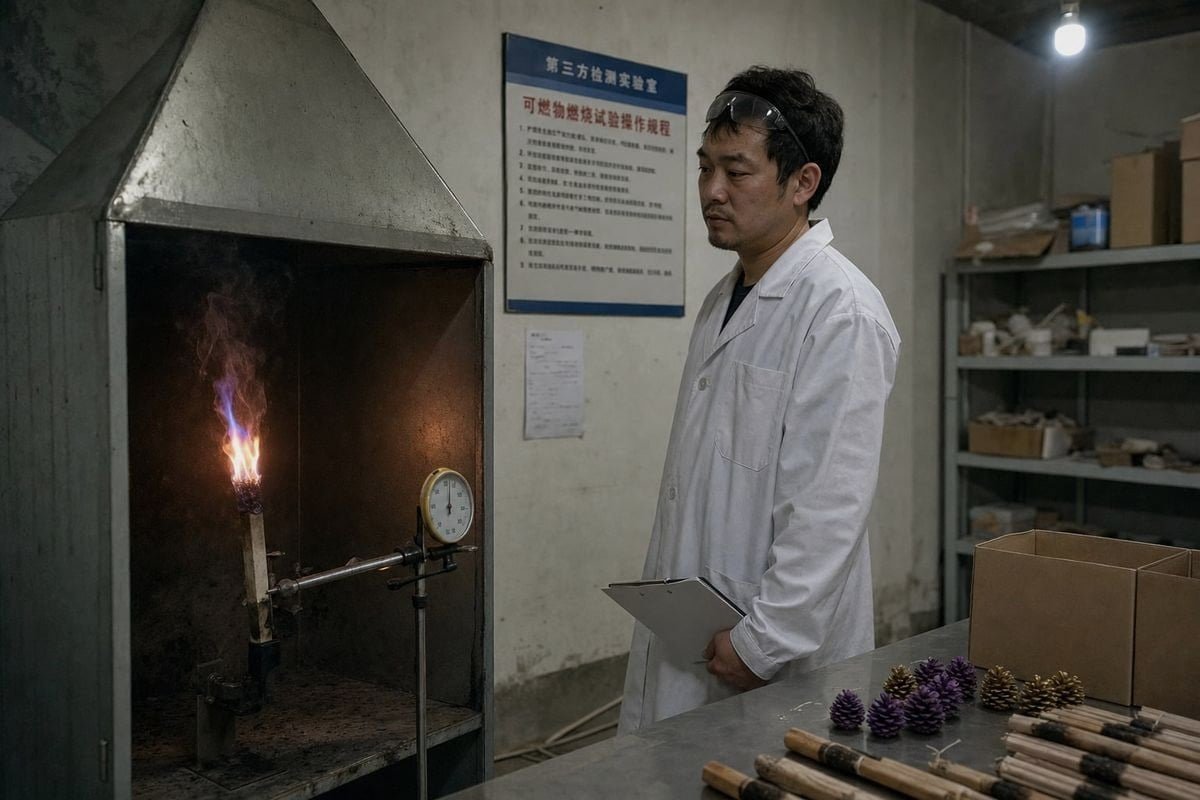
A batch that passes pre-shipment inspection can still fail a retailer's spot check or a customs test months later. Your contract has to work in that scenario, not just the happy path.
The six clauses I would never skip
- Immediate notification. The supplier must report any safety anomaly, failed test, or regulatory inquiry within 24–48 hours of learning about it. This mirrors CPSC compliance timelines in the US and the two-day notification windows in Australia. Your contract clock should never be slower than the regulator's clock.
- Stop-ship and quarantine authority. You need the unilateral right to hold inventory and cancel in-transit orders the moment credible evidence of a hazard appears — without waiting for the supplier to agree the product is defective.
- Indemnification clauses. A hold-harmless provision should cover third-party bodily injury 6, property damage, and your legal defense fees. For a fire-related product, this is the clause that protects your company's balance sheet, not just a shipment's value.
- Product recall insurance. Require the supplier to carry recall coverage and name you as an additional insured. That gives you direct access to funds instead of chasing reimbursement from a factory across an ocean. Verify the policy annually.
- Liability limits with recall carve-outs. Suppliers will push for caps tied to order value. Accept caps for ordinary claims, but carve out recalls, indemnity, and willful non-disclosure. A cap equal to one purchase order is meaningless against a Q4 recall.
- Corrective action plan and survival. Any confirmed failure must trigger a written corrective action plan with root-cause analysis and deadlines. And the recall and indemnity obligations must survive contract termination — defects surface long after the last invoice is paid.
For seasonal goods, also consider a seasonal dead-stop clause. If a safety incident hits during the peak Q4 window, you can automatically cancel pending orders and return stock at the supplier's expense. Some buyers negotiate lost-opportunity credits on the following year's contract to offset lost floor space. We find suppliers with genuine manufacturing depth will discuss these terms; suppliers who refuse all of them are telling you something.
How can I verify a supplier's quality control process to avoid recurring safety incidents?
Buyers who visit our Ningbo production line always inspect the same thing first: our batch records. They know paperwork on the wall means nothing without traceability behind it.
Verify quality control by auditing batch traceability records, reviewing in-process inspection logs, confirming third-party lab testing frequency, signing a quality assurance agreement with defined tolerances, and checking that the first sample process matches mass-production controls. On-site or virtual audits should happen before the first order and annually after.
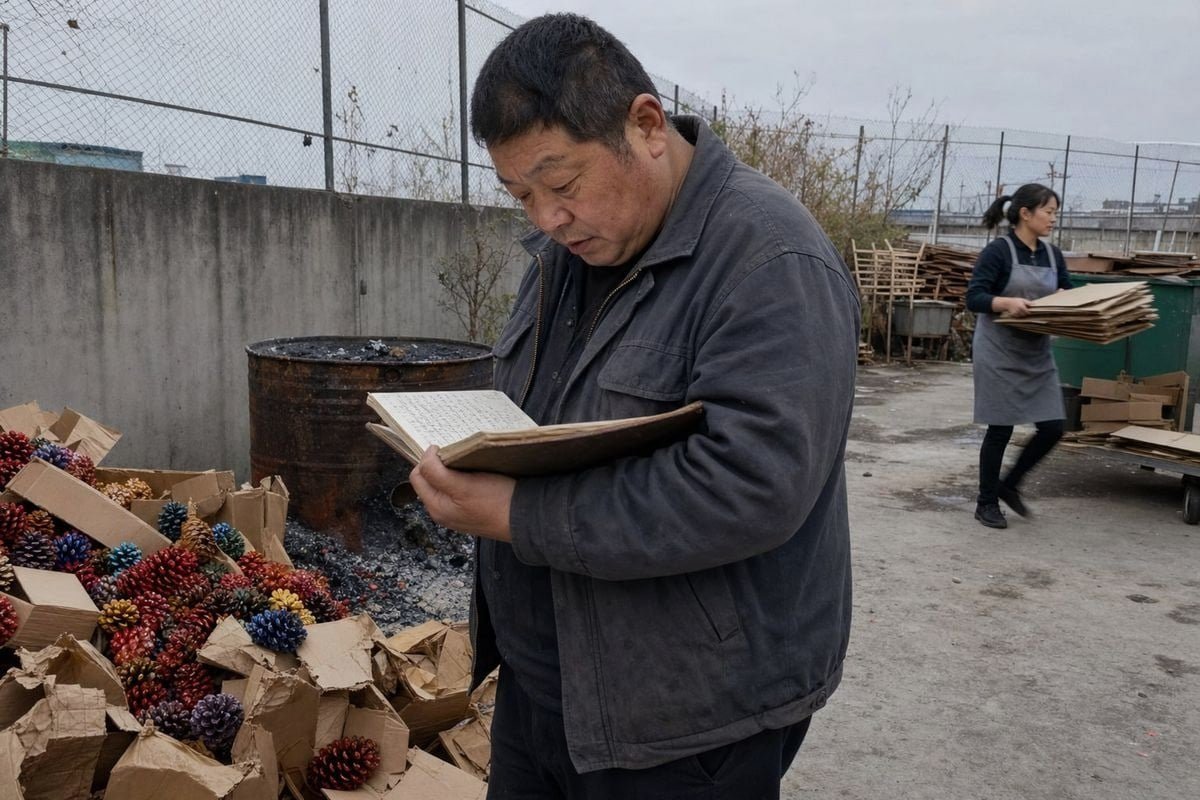
Contracts allocate costs after an incident. Quality verification prevents the incident. Both matter, but prevention is cheaper every single time.
What a real QC audit should examine
| Audit Area | ما يجب أن تطلبه | علامة حمراء |
|---|---|---|
| تتبع الدفعة | Lot codes linking cartons to treatment date and raw material source | Codes exist on paper but not on cartons |
| المواد الواردة | Supplier certificates for colorants and coatings | No records for chemical inputs |
| In-process checks | Coating weight, drying time, and burn-test logs per batch | Only final inspection, no in-process data |
| Outgoing testing | Third-party lab testing schedule and recent reports | Reports older than one year |
| الوثائق | Safety data sheets, warning label approvals, retained samples | No retained samples from past lots |
Batch traceability is your recall firewall
Here is the practical payoff. If every master carton links to a specific treatment date and raw material lot, a safety incident triggers a recall of one batch — maybe a few hundred cartons. Without traceability, you recall everything on every shelf. On our lines, we keep lot-level records precisely so a question about one shipment never becomes a question about a whole season. Niche seasonal products often come from smaller vendors with weaker records, which is exactly why you should demand this in writing.
Put it in a quality assurance agreement
A handshake understanding about quality evaporates under pressure. A quality assurance agreement makes verification enforceable. It should define acceptance tolerances, inspection rights 7, retained-sample requirements, testing frequency, and the escalation path when a check fails. Pair it with audit rights — on-site or virtual — before the first order and at least annually. When we onboard a new distributor, we walk them through this document ourselves, because a buyer who understands our controls trusts our containers.
Finally, watch how a supplier handles small deviations. A factory that documents a minor coating inconsistency and issues a corrective action plan will handle a real safety incident well. A factory that hides small problems will hide big ones.
خاتمة
Clear recall responsibilities, defined cost buckets, strong indemnification, verified certifications, and batch traceability turn a potential crisis into a managed process. Negotiate these terms before signing — never after an incident.
ملاحظات ختامية
1. Wikipedia entry on the technical documentation required to demonstrate a product's compliance with safety standards. ↩︎
2. Official US government guidance on statutory reporting obligations for consumer product defects. ↩︎
3. Authoritative OSHA page detailing Hazard Communication and SDS requirements. ↩︎
4. Wikipedia entry explaining the manufacturing process where components are produced in specific groups or lots. ↩︎
5. EPA guidance on the management and disposal of hazardous materials requiring specific handling. ↩︎
6. Wikipedia overview of legal liability and claims related to physical harm to individuals. ↩︎
7. FDA regulation details regarding quality systems and inspection requirements for manufacturing. ↩︎



 English
  Spanish
  German
  French
  Arabic
  Portuguese
انضم إلى المحادثة