







كل خريف، يطرح المشترون على فريق التصدير لدينا نفس السؤال: الشحن البحري أم الصين... عامل تعديل الوقود 1؟ موسم الذروة يجعل الاختيار الخاطئ مكلفًا بسرعة.
الشحن البحري للسفن مسحوق ماجيك فاير بأقل تكلفة ولكنه يستغرق 30-45 يومًا ويعاني من الازدحام في مواسم الذروة. يسلم السكك الحديدية الصينية الأوروبية في 15-25 يومًا بجداول زمنية أكثر ثباتًا بسعر متوسط. اختر البحر للمخزون بالجملة، والسكك الحديدية للتجديد الحرج للوقت.
يمكن لكلا الوضعين العمل لمسحوق اللهب الملون. لكنهما يتصرفان بشكل مختلف جدًا بمجرد وصول موسم الذروة قانون IMDG 2. دعني أرشدك عبر الاختلافات الحقيقية، بناءً على الشحنات التي نتعامل معها كل عام.
كيف تقارن تكاليف الشحن البحري والسكك الحديدية بين الصين وأوروبا عندما أقوم بشحن مسحوق Magic Fire بكميات كبيرة؟
في نوفمبر الماضي، طلب منا موزع ألماني تقديم عروض أسعار لكلا الوضعين لنفس طلب Magic Fire المكون من 20 منصة نقالة. فاجأته الفجوة - وتغيرت خلال أسابيع الذروة.
الشحن البحري هو الأقل تكلفة لكل وحدة من مسحوق نار السحر بكميات كبيرة، وغالباً ما يكون أقل بنسبة 40-60% من السكك الحديدية على الأسعار الأساسية. لكن رسوم ذروة الموسم يمكن أن تضيف 20-40% إلى أسعار الشحن البحري، بينما تظل أسعار السكك الحديدية أكثر استقرارًا، مما يقلل الفجوة الحقيقية للشحنات متوسطة الحجم.

سعر الشحن الأساسي هو مجرد نقطة البداية. عندما يحجز فريقنا في نينغبو مساحة بحرية للمشترين الأوروبيين، نادرًا ما يتطابق الفاتورة مع السعر المعلن بمجرد وصول موسم الذروة. يحمل التسعير البحري مجموعة من الإضافات: عامل تعديل الوقود 3 (BAF)، عامل تعديل العملة (CAF)، رسوم ازدحام الموانئ، رسوم موسم الذروة، ورسوم الأمن. تتراكم هذه بسرعة بين أكتوبر وديسمبر، ومرة أخرى قبل عيد الربيع الصيني.
يعمل تسعير السكك الحديدية بشكل مختلف. السعر المعلن أعلى، لكنه يتحرك أقل. بالنسبة لمشترينا في ألمانيا وبولندا وهولندا، فإن هذا القدرة على التنبؤ مهم عندما يحددون أسعار البيع بالتجزئة قبل أشهر.
صورة تكلفة جنبًا إلى جنب
| عامل التكلفة | الشحن البحري | السكك الحديدية بين الصين وأوروبا |
|---|---|---|
| السعر الأساسي لكل متر مكعب | الأدنى | متوسط المدى (أعلى من البحر، أقل بكثير من الجو) |
| رسوم موسم الذروة | ارتفاعات متكررة، 20-40٪ | متواضع، أكثر استقرارًا |
| تقلب الأسعار | مرتفع أثناء الازدحام | منخفض إلى متوسط |
| أفضل اقتصاديات في | حمولات الحاويات الكاملة، طلبات بالجملة | منصات متوسطة الحجم، ذات قيمة أعلى |
| مخاطر التكلفة المخفية | رسوم الانتظار، الترحيل، الإلغاءات الفارغة | رسوم المناولة الحدودية، رسوم إعادة الشحن |
فكر في التكلفة النهائية، وليس سعر الشحن
بالنسبة للمنتجات خفيفة الوزن والمدمجة مثل أكياس Magic Fire الخاصة بنا، فإن فرق الشحن لكل وحدة بين الوضعين غالبًا ما يكون أصغر مما يتوقعه المشترون. منصة نقالة من الأكياس الرقائقية كثيفة في قيمة البيع بالتجزئة ولكنها متواضعة في الحجم. لذلك قد يضيف قسط السكك الحديدية المنتشر على آلاف الوحدات سنتات قليلة لكل كيس. قارن ذلك بتكلفة نفاد المخزون خلال موسم المواقد الشتوية، ويمكن أن يصبح الوضع "المكلف" أرخص بشكل عام.
أي طريقة شحن تمنحني أوقات عبور أكثر موثوقية خلال ازدحام ذروة الموسم؟
درس واحد من 17 عامًا وأكثر من التصدير من الصين: وقت العبور الموعود ووقت العبور الفعلي شيئان مختلفان، خاصة من أكتوبر فصاعدًا.
الصين وأوروبا بالسكك الحديدية تقدم عبورًا أكثر موثوقية في موسم الذروة، عادةً ما بين 15 و 25 يومًا مع جداول زمنية مستقرة. تقتبس الشحن البحري 30-45 يومًا ولكنه يتأخر أكثر بسبب ازدحام الموانئ، وتأجيل السفن، والإلغاءات، والأعاصير، والعواصف الشتوية - وهي تأخيرات تضرب بشدة بالضبط عندما تصل الطلب إلى ذروته.

الموثوقية هي المكان الذي تكسب فيه السكك الحديدية قسطها. تبدو جداول الشحن البحري جيدة على الورق. في الممارسة العملية، يقدم موسم الذروة نقاط فشل متعددة. موسم الأعاصير 4 يعطل الموانئ الصينية في أواخر الصيف. تبطئ العواصف الشتوية موانئ شمال أوروبا. تصدر شركات الشحن رحلات فارغة لحماية الأسعار، ويتم ترحيل الحاويات إلى سفن لاحقة عندما تفرط السفن في الحجز. كل اضطراب يضيف أيامًا - وأحيانًا أسابيع - ولا يظهر أي منها في عرض الأسعار الأصلي.
السكك الحديدية ليست محصنة ضد التأخير. يمكن أن تضيف معابر الحدود عبر كازاخستان وروسيا وبيلاروسيا يومًا أو يومين، وتتطلب تغييرات المقاييس إعادة شحن. لكن الطقس يؤثر على السكك الحديدية بشكل أقل بكثير، وتعمل الشبكة بجداول مغادرة ثابتة على مدار العام. عندما نقوم بشحن طلبات Magic Fire التي يجب أن تصل قبل موسم المواقد في العطلات، فإن ثقة الجدول الزمني هذه غالبًا ما تكون العامل الحاسم.
نوافذ العبور النموذجية حسب الوضع
| سيناريو المسار | الشحن البحري | السكك الحديدية بين الصين وأوروبا |
|---|---|---|
| الصين إلى ألمانيا | 30-40 يومًا | 15-18 يومًا |
| الصين إلى بولندا | 30-38 يومًا | 12-14 يومًا |
| الصين إلى هولندا/المملكة المتحدة | 32-45 يومًا | 18-22 يومًا |
| مخاطر انزلاق موسم الذروة | مرتفع (1-3 أسابيع ممكن) | منخفض إلى معتدل (1-3 أيام) |
السكك الحديدية شبكة، وليست خدمة واحدة
ضع في اعتبارك أن "سكة حديد الصين وأوروبا" تغطي مسارات متعددة بأداء مختلف. المسارات التي تنتهي في بولندا أسرع من تلك التي تستمر إلى أوروبا الغربية. عندما يطلب منا المشترون تقديرات للتسليم، فإننا نقتبس دائمًا حسب الممر المحدد، وليس متوسطًا عامًا للسكك الحديدية.
هل تختلف متطلبات التصنيف الجمركي والمواد الخطرة بين الشحن البحري والسكك الحديدية لمسحوق اللهب الملون؟
أوراق الامتثال هي المكان الذي نقضي فيه معظم الوقت مع المشترين الجدد. قبل مغادرة أي شحنة Magic Fire من منشأتنا في نينغبو، يتم بناء ملف الوثائق أولاً - الوضع ثانياً.
نعم، يختلفون اختلافًا كبيرًا. يتبع الشحن البحري مدونة IMDG بقبول أوسع للبضائع الخطرة، بينما تعبر السكك الحديدية ولايات قضائية متعددة بسياسات أكثر صرامة وأقل توحيدًا للمواد الخطرة. تحقق دائمًا من صحيفة بيانات سلامة المواد (SDS) الخاصة بمنتجك وتصنيف الأمم المتحدة وقبول الناقل قبل حجز أي من الطريقتين.
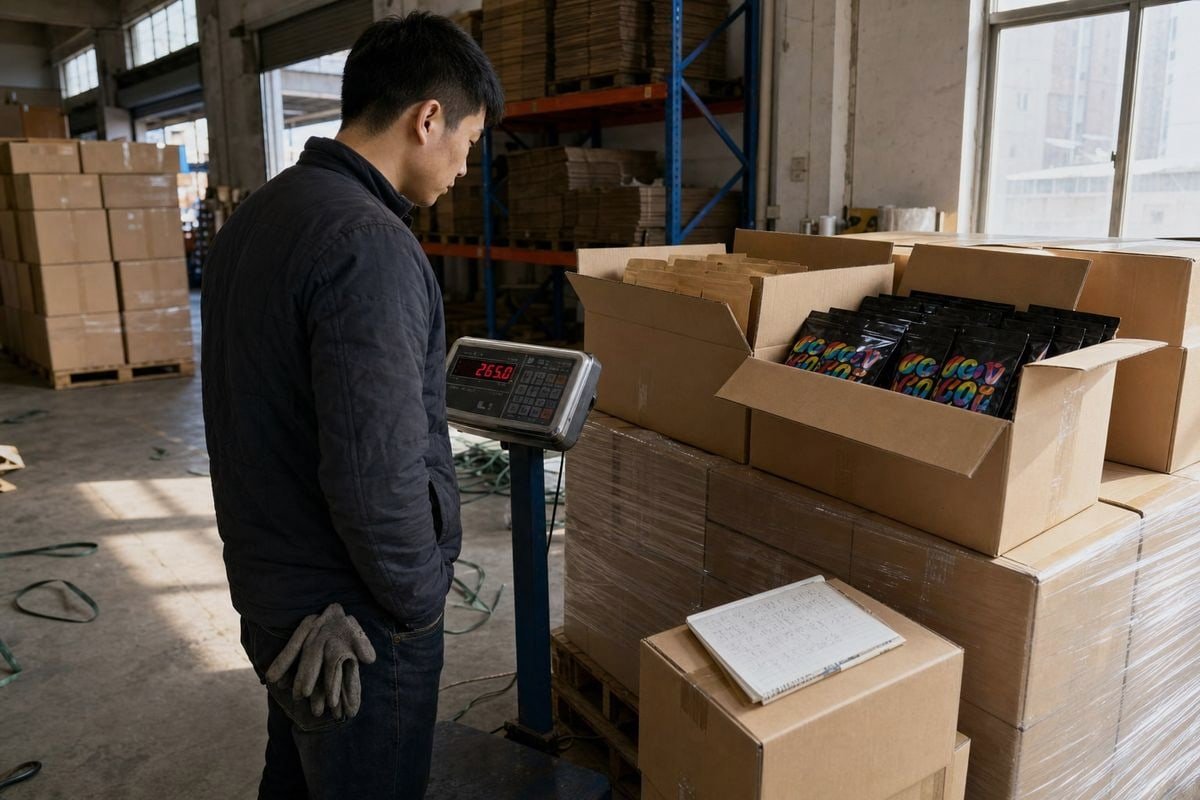
إليك نقطة البداية الصادقة: التصنيف يأتي قبل التوجيه. تختلف مساحيق اللهب الملون بشكل كبير حسب التركيبة. يتم تصنيف بعضها على أنها مواد صلبة مؤكسدة أو قابلة للاشتعال بموجب قواعد الأمم المتحدة للبضائع الخطرة; ؛ قد يتم شحن البعض الآخر، المصاغ بشكل مختلف، كبضائع عامة. منتجات Magic Fire الخاصة بنا مصنوعة من مواد صديقة للبيئة 5 بدون مواد كيميائية ضارة، وندعم كل شحنة بشهادة SGS أو Intertek 6 بالضبط حتى يتمكن المشترون والناقلون من التحقق من الحالة مقدمًا. لا ينبغي لأي مصدر جاد أن يفترض القبول - تحدد صحيفة بيانات السلامة.
ثم ينقسم الوضعان في الممارسة العملية:
مسار الامتثال للشحن البحري
- يحكمه قانون IMDG 7, ، وهو إطار عمل عالمي واحد.
- يتمتع الناقلون بخبرة طويلة مع البضائع المصنفة؛ سياسات القبول راسخة.
- نظام جمارك واحد عند المنشأ، وواحد عند الوجهة.
- يتطلب تغليفًا ووضع علامات متوافقين، و إعلان البضائع الخطرة إذا تم تصنيف المنتج.
مسار امتثال السكك الحديدية
- تعبر الشحنات بلدان عبور متعددة - عادة كازاخستان وروسيا وبيلاروسيا - يطبق كل منها معايير الفحص الخاصة به.
- قبول المواد الخطرة على السكك الحديدية أضيق. يرفض بعض المشغلين البضائع المصنفة تمامًا أو يطالبون بتصاريح خاصة لا يطلبها ناقلو البحر أبدًا.
- المزيد من مناولة الحدود يعني المزيد من نقاط الفحص، مما قد يزيد أيضًا من تكاليف التأمين.
- يجب أن تلبي الوثائق كل ولاية قضائية على الطريق، وليس فقط المنشأ والوجهة.
في تجربتنا في التصدير إلى أكثر من 30 دولة، فإن فجوة الأوراق قابلة للإدارة عندما يكون ملف المنتج نظيفًا. نقدم وثائق SDS كاملة وتقارير اختبار وملصقات تحذير ورموز شريطية كجزء من حزمة OEM الخاصة بنا، لأن وثيقة مفقودة عند أحد حدود السكك الحديدية يمكن أن توقف جدول قطار بأكمله - ومخزونك معه.
كيف يمكنني تجنب نقص السعة وتأخير الحجز عندما يصل موسم الذروة إلى طلبات Magic Fire الخاصة بي؟
جاء إلينا مشترٍ من المملكة المتحدة في أواخر سبتمبر يريد التسليم قبل عيد الميلاد عن طريق البحر. كان علينا أن نكون مباشرين معه: نافذة الحجز قد أغلقت بالفعل للراحة.
احجز قبل 4-6 أسابيع من أوقات الذروة، وقسّم الحجم بين البحر للمخزون الكبير والسكك الحديدية للتجديد العاجل، وتأكد من قبول المواد الخطرة مبكرًا، ونسّق الإنتاج مع جدول الشحن الخاص بك. التخطيط المبكر يتغلب على الأسعار المميزة في كل مرة.

تضيق السعة في موجات يمكن التنبؤ بها. إذا كنت تعرف التقويم، يمكنك التخطيط حوله بدلاً من دفع أسعار الذعر.
اعرف تقويم الذروة
| نافذة الذروة | التوقيت | التأثير على حجزك |
|---|---|---|
| ذروة العودة إلى المدرسة | أغسطس - سبتمبر | تضيق المساحة، زحف مبكر للأسعار |
| موسم التسوق للعطلات | أكتوبر - ديسمبر | أعلى ازدحام، ذروة الرسوم الإضافية |
| قبل رأس السنة الصينية | يناير - فبراير | المصانع تسرع الإنتاج، تختفي المساحة |
| موسم الأعاصير (الصين) | يوليو - سبتمبر | اضطراب الجدول الزمني البحري |
كتيب حجز عملي
- اعمل للخلف من نافذة المبيعات الخاصة بك. قاعدة إبهام مفيدة: اختر البحر عندما تحتفظ بـ 40+ يومًا من مخزون المخزن المؤقت، والسكك الحديدية عندما تحتفظ بـ 20-35 يومًا، وأعد النظر في تخطيطك أقل من ذلك.
- احجز مبكرًا. احجز مساحة بحرية قبل 4-6 أسابيع من المغادرة في الأشهر القصوى. تضيق فتحات السكك الحديدية أيضًا، ويمكن تصنيف البضائع المصنفة أو غير ذات الأولوية عندما يعطي المشغلون الأولوية للإلكترونيات والبضائع الحساسة للوقت - لذا قم بتأمين حجوزات السكك الحديدية مبكرًا أيضًا.
- قسّم الشحنة. النهج الهجين يعمل بشكل أفضل للمنتجات الموسمية مثل منتجاتنا: أرسل مخزون القاعدة بالجملة عن طريق البحر في أواخر الصيف، ثم استخدم السكك الحديدية لطلبات التعبئة بمجرد وصول بيانات مبيعات الموسم المبكر. هذا يحد من تكلفة الشحن مع الحماية من نفاد المخزون.
- مواءمة الإنتاج والخدمات اللوجستية. نظرًا لأننا ندير خطوط الإنتاج الخاصة بنا، يمكننا جدولة تصنيع Magic Fire حول سفينة المشتري أو مغادرة القطار بدلاً من العكس. اطلب من المورد الخاص بك الالتزام بتاريخ اكتمال يتوافق مع حجزك، وليس مجرد "وقت تسليم تقديري"."
- قم بتخليص ملف الامتثال مسبقًا. احصل على تأكيد قبول الناقل على SDS وتقارير الاختبار قبل موسم الذروة. الحجز المرفوض في نوفمبر أكثر تكلفة بكثير من الحجز في أغسطس.
المشترون الذين لا يتصلون بنا أبدًا في حالة ذعر هم أولئك الذين يعاملون تخطيط الشحن كجزء من أمر الشراء، وليس كفكرة لاحقة.
خاتمة
تفوز الشحنات البحرية من حيث التكلفة؛ تفوز السكك الحديدية بين الصين وأوروبا من حيث السرعة والموثوقية. في موسم الذروة، خطط مبكراً، تحقق من الامتثال أولاً، وقسّم الوسائل لحماية كل من هامش الربح وتواريخ التسليم.
ملاحظات ختامية
1. شرح خلفية لرسوم الشحن البحري الشائعة هذه المذكورة في تفصيل التكاليف. ↩︎
2. مصدر المنظمة البحرية الدولية الرسمي لمدونة البضائع الخطرة التي تحكم تصنيف المواد الخطرة للشحن البحري. ↩︎
3. يشرح مصطلح رسوم الشحن هذا المشار إليه عند تفصيل تكاليف الشحن البحري الإضافية. ↩︎
4. خلفية عن الأعاصير، سبب رئيسي لاضطراب الشحن البحري في موسم الذروة المذكور في المقال. ↩︎
5. برنامج وكالة حماية البيئة للتحقق من تركيبات المنتجات الأكثر أماناً وصديقة للبيئة ذات الصلة بتركيبة المسحوق. ↩︎
6. الموقع الرسمي لـ Intertek، هيئة الاختبار الخارجية المذكورة للتحقق من المنتج. ↩︎
7. إطار عمل المنظمة البحرية الدولية الرسمي الذي يحكم تصنيف البضائع الخطرة لشحنات الشحن البحري. ↩︎



 English
  Spanish
  German
  French
  Arabic
  Portuguese
انضم إلى المحادثة