






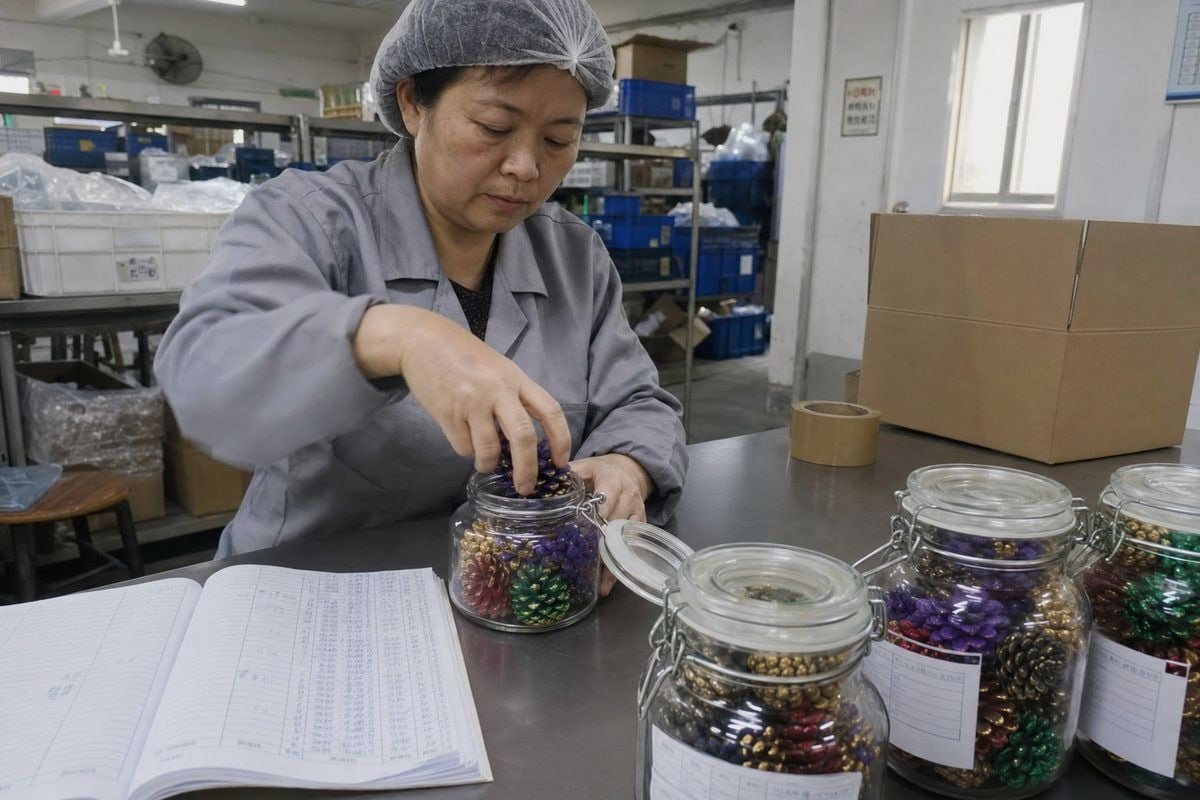
الاحتفاظ بعينات دفعات من مخاريط الصنوبر الملونة للمواقد أنقذ أحد حسابات الموزعين لدينا من نزاع مكلف BSCI 1. في خط الإنتاج الخاص بنا، نتعامل مع كل مخروط محتفظ به كدليل مستقبلي.
للاحتفاظ بعينات دفعات من مخاريط الصنوبر الملونة بالنار كدليل على الشكوى، قم بإغلاق وحدات تمثيلية من كل دفعة في حاويات نظيفة ومحكمة الإغلاق، وقم بتسميتها برقم الدفعة وتاريخ الإنتاج والصياغة، وسجل كل معالج في سجل سلسلة العهدة، وخزنها في منطقة خاضعة للرقابة طوال فترة النافذة الشكوى.
يمكن أن تصل الشكوى بعد أشهر من الشحن. إذا لم تتمكن من إنتاج عينة مطابقة وموثقة جيدًا من نفس الدفعة، فإن النزاع يصبح كلمتك مقابل كلمة المشتري. أدناه، سأشرح خطوات التخزين والتوقيت ووضع العلامات وتقديم الشكاوى التي تجعل العينة المحتفظ بها قابلة للدفاع عنها بالفعل.
ما هي أفضل طريقة لتخزين عينات الدُفعات المحتفظ بها بحيث تظل قابلة للاستخدام كدليل بعد أشهر؟
في وقت مبكر من تاريخ تصديرنا، قمنا بتخزين المخاريط المحتفظ بها في زاوية مستودع مفتوحة. أدت الرطوبة إلى إغلاق الحراشف وتعتيم الملونات. علمتنا تلك الخسارة أن ظروف التخزين تحدد جودة الدليل.
قم بتخزين العينات المحتفظ بها في حاويات محكمة الإغلاق بخارياً وغير تفاعلية مثل علب معدنية مبطنة أو جرار زجاجية، مع الاحتفاظ بها في منطقة يمكن التحكم في مناخها، ذات رطوبة منخفضة، ومقيدة الوصول. تمنع درجة الحرارة والرطوبة المستقرة العفن، وإغلاق المقياس، وتدهور الملونات، بحيث لا تزال العينة تعكس جودة الدفعة الأصلية بعد أشهر.
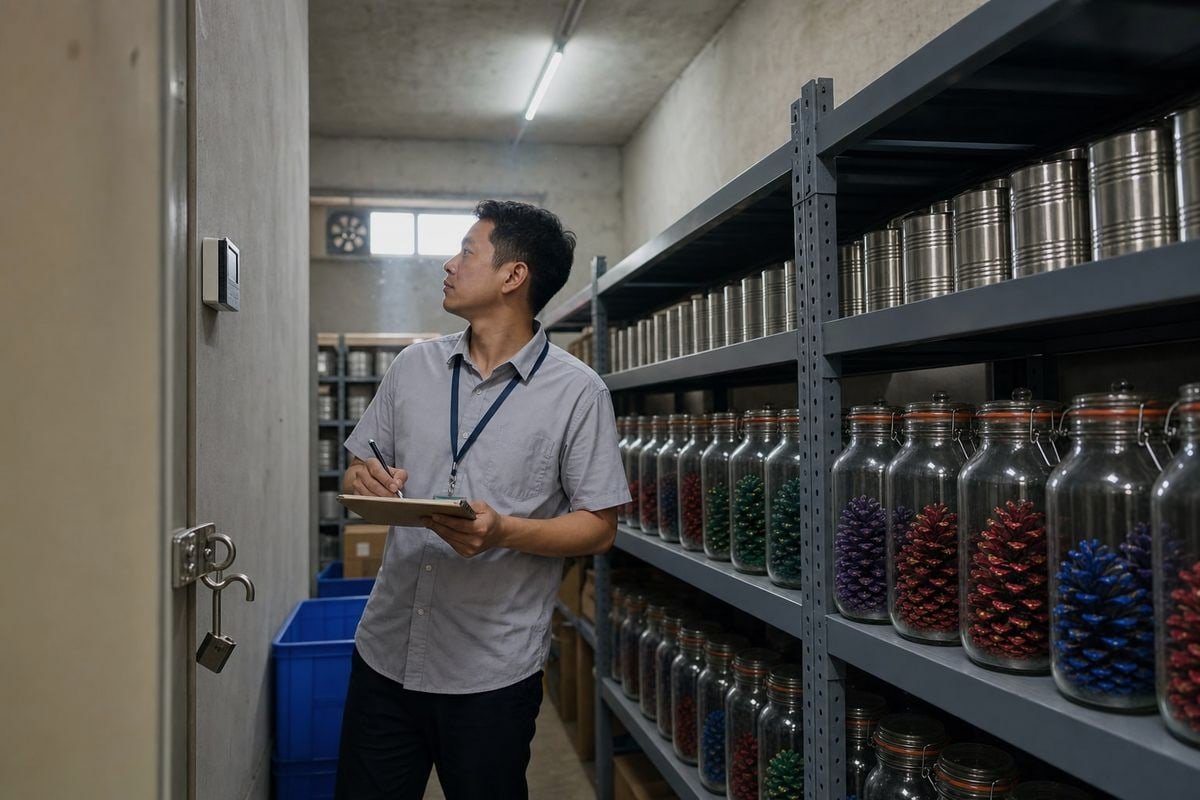
الهدف الكامل من العينة المحتفظ بها هو أنها يجب أن تظل تتصرف مثل المنتج الأصلي عندما يفتحها شخص ما لاحقًا. مخاريط الصنوبر استرطابية. تمتص الرطوبة، وتغلق حراشفها، ويمكن أن تنمو العفن. يمكن أيضًا أن تتحلل أملاح المعادن التي تخلق ألسنة اللهب الملونة أو تنتقل إذا تعرضت للرطوبة أو التعبئة التفاعلية. لذا فإن التخزين ليس مجرد تفصيل في المستودع. إنه جزء أساسي من بروتوكولات ضمان الجودة الخاصة بك.
اختيار الحاوية أكثر أهمية مما تعتقد
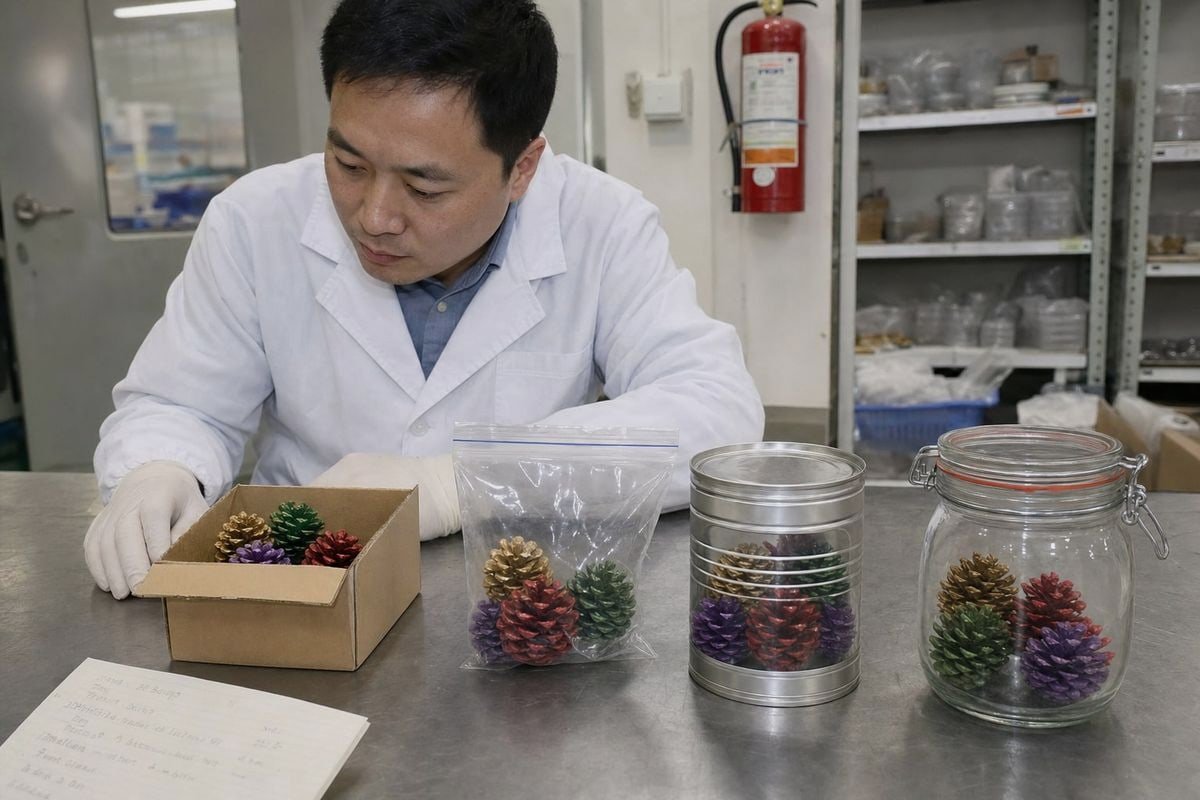
في منشأتنا في نينغبو، انتقلنا من الأكياس البلاستيكية إلى الحاويات المغلقة والمبطنة قبل سنوات. يمكن أن تسمح الأغشية البلاستيكية بتبادل بطيء للرطوبة. علب معدنية مبطنة ومرطبانات زجاجية لا تفعل ذلك. كما أنها تحمي العينة من الملوثات الخارجية، وهو أمر مهم إذا تم اختبار المخروط لاحقًا بواسطة مختبر.
| نوع الحاوية | حماية الرطوبة | خطر التلوث | الحكم لاستخدام الدليل |
|---|---|---|---|
| صندوق كرتوني مفتوح | ضعيف | عالي | غير مقبول |
| كيس بلاستيكي بسحاب | معتدل | معتدل | على المدى القصير فقط |
| علبة معدنية مبطنة، مغلقة | ممتاز | منخفض | موصى به |
| مرطبان زجاجي بغطاء محكم | ممتاز | منخفض جداً | موصى به |
تحكم في البيئة، ثم أثبت ذلك
إغلاق الحاوية هو نصف المهمة. النصف الآخر هو إثبات أن الظروف ظلت مستقرة. نحتفظ بالعينات المحتفظ بها في غرفة مقفلة مع مراقبة درجة الحرارة والرطوبة. للمشترين الذين يريدون ضمانًا إضافيًا،, مسجلات بيانات مدعومة بتقنية إنترنت الأشياء 2 إنشاء سجل رقمي مستمر. يسمح لك هذا السجل بإظهار أن العينة لم تتعرض أبدًا للإجهاد البيئي، مما يوقف حجة مضادة شائعة في النزاعات.
حافظ على منطقة التخزين مقيدة. عدد أقل من الأيدي على العينة يعني نظافة أكبر سلسلة الحفظ 3, ، وهذا يدعم بشكل مباشر قيمتها كدليل.
كم من الوقت يجب أن أحتفظ بعينات مخاريط الصنوبر الملونة للمدفأة قبل أن يكون من الآمن التخلص منها؟
طلب موزع مواقد ألماني منا ذات مرة الاحتفاظ بالعينات لموسم واحد فقط. قاومنا، لأن المستهلكين غالبًا ما يخزنون منتجات المواقد الموسمية لمدة شتوية أو شتوية قبل استخدامها.
احتفظ بالعينات المحتفظ بها لمدة عام واحد على الأقل بعد تاريخ انتهاء صلاحية المنتج المتوقع - عادةً ثلاث سنوات إجمالاً لأكواز الصنوبر الملونة باللون الأحمر. لا تتخلص أبدًا من عينة مرتبطة بشكوى مفتوحة أو أمر قضائي، وقم دائمًا بتوثيق التخلص عند انتهاء سياسة فترة الاحتفاظ.
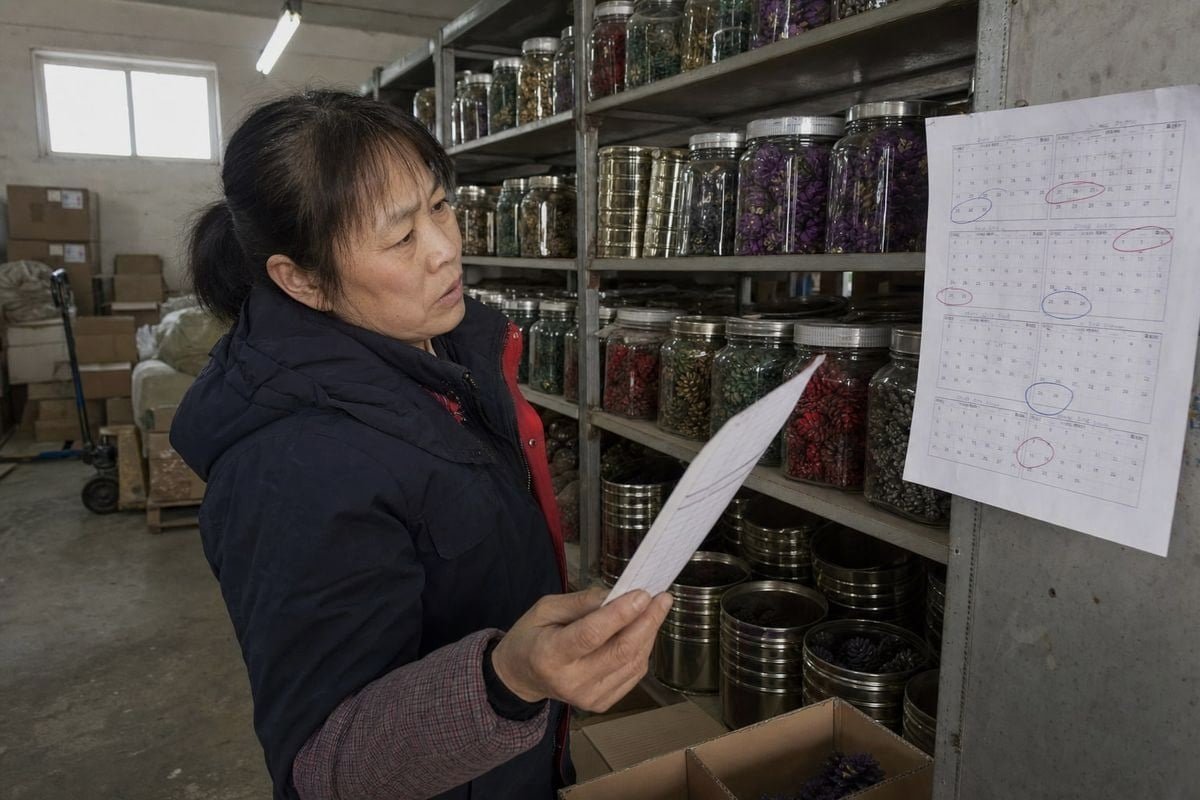
لا توجد فترة احتفاظ قانونية ثابتة واحدة للمنتجات النارية الزخرفية في معظم الأسواق. لذا فإن الإجابة الصادقة هي أن مدة الاحتفاظ هي قرار سياسة، ويجب تدوينها. في تجربتنا في التصدير إلى أكثر من 30 دولة، فإن النهج الذكي هو ربط الاحتفاظ بالمخاطر الواقعية، وليس براحة المستودع.
بناء فترة الاحتفاظ حول ثلاث نوافذ
أولاً، نافذة الشكوى. مخاريط الصنوبر الملونة موسمية. قد لا تلمس المخروط المشحون في سبتمبر النار حتى ديسمبر، أو حتى الشتاء التالي. ثانيًا، نافذة إعادة الطلب. يقارن المشترون الشحنات الجديدة بالقديمة، و عينة مرجعية محتفظ بها تسوي النزاعات المتعلقة بالاتساق بسرعة. ثالثًا، أي فترة قانونية أو ضمان مرتبطة بـ معايير سلامة المنتجات الاستهلاكية 4 في السوق الوجهة.
| محرك الاحتفاظ | المدة النموذجية | لماذا هو مهم |
|---|---|---|
| موسم استخدام المستهلك | ما يصل إلى 2-3 شتاء بعد الشراء | العناصر الموسمية تبقى في التخزين قبل الاستخدام |
| مدة صلاحية المنتج | مدة صلاحية المنتج + سنة واحدة | يعكس ممارسات الاحتفاظ بالسلع المنظمة |
| شكوى أو تعليق قانوني | حتى يتم إغلاق القضية رسميًا | التخلص من الدليل في منتصف النزاع يدمر موقفك |
| مقارنة إعادة الطلب | خلال دورة الإنتاج التالية | يثبت الاتساق من دفعة إلى أخرى |
توثيق نهاية العمر، وليس فقط البداية
عندما تنتهي فترة الاحتفاظ، نقوم بتسجيل التخلص: من أذن به، ومتى، وكيف. إذا حلت دفعة جديدة محل دفعة قديمة، يتم إدخال العينة المحتفظ بها الجديدة قبل إخراج العينة القديمة. فجوة غير موثقة في سجلات التحكم في الدفعات الخاصة بك تضر تقريبًا بقدر عدم وجود عينة على الإطلاق. وإذا كانت أي مرجع شكوى لا يزال مفتوحًا، فإن تلك العينة تبقى في مكانها، نقطة توقف كاملة.
ما هي الملصقات والوثائق التي أحتاجها على كل عينة محفوظة لتتبعها إلى دفعة الإنتاج الخاصة بها؟
أحد المقايضات التي نزنها باستمرار هو تفاصيل الملصق مقابل سرعة الملصق. الملصق البسيط يوفر ثوانٍ على الخط. الملصق الكامل يوفر أسابيع أثناء النزاع. نختار الكامل، في كل مرة.
قم بتسمية كل عينة محتفظ بها بمعرف عنصر فريد، واسم المنتج، ورقم الدفعة، وتاريخ الإنتاج، ومرجع التركيبة الكيميائية، والكمية المحتفظ بها، وموقع التخزين. اربط الملصق بسجلات التحكم في الدُفعات، وصحيفة بيانات السلامة (SDS)، ودورة الإنتاج بحيث يمكن تتبع أي شكوى مباشرة إلى دفعتها الدقيقة.
تتبع رقم الدفعة هو المكان الذي يقصر فيه معظم البائعين الصغار. يحتفظون بعينة، لكنهم لا يستطيعون ربطها بدفعة إنتاج معينة، أو دفعة محلول غمس، أو إصدار تغليف. بدون هذا الرابط، تثبت العينة القليل جدًا. في خطوطنا في نينغبو، تحمل كل دفعة من الصنوبر الملون باللهب رمز دفعة يربط مصدر المخروط الخام، وصيغة الملون، وتاريخ الغمس، ودفعة التغليف. ترث العينة المحتفظ بها نفس الرمز.
الحد الأدنى من حقول الملصق
| حقل الملصق | إدخال مثال | الغرض |
|---|---|---|
| معرف العنصر الفريد | آر إس-2024-1187 | يمنع الخلط بين الوحدات المحتفظ بها |
| اسم المنتج ورقم تعريف المنتج التجاري (SKU) | صنوبر لهب ملون، كيس 500 جرام | يؤكد هوية المنتج |
| رقم الدفعة / الدفعة | لوط-بي سي-240915-ب | يربط التتبع بالإنتاج |
| تاريخ الإنتاج والوردية | 2024-09-15، الوردية 2 | يعزل الدفعة الدقيقة |
| مرجع الصيغة | مرجع خليط الملون CF-07 | يربط ببيانات سلامة الملون الكيميائي |
| الكمية المحتفظ بها | 6 وحدات | يظهر ما يكفي متبقيًا للاختبار من قبل طرف ثالث |
| موقع التخزين | غرفة الاحتفاظ أ، الرف 3 | يتيح الاسترجاع السريع |
المسار الورقي وراء الملصق
يشير الملصق إلى المستندات. هذه المستندات تقوم بالعمل الشاق. احتفظ بـ صحائف بيانات السلامة (SDS) 5 لصيغة الملون، ونسبة التوازن الكتلي للوزن الكيميائي إلى الكتلة الحيوية الجافة للدفعة، وتوقيعات الفحص. هذه هي وثائق مسؤولية المنتج الخاصة بك 6. إذا ادعى مشترٍ تركيزًا كيميائيًا غير صحيح أو احتراقًا خطيرًا، فإن النسبة المسجلة تدحضها أو تؤكدها علميًا. نوصي أيضًا بالاحتفاظ بقارورة مرجعية صغيرة لمحلول الغمس المستخدم لكل دفعة. إذا نشأت شكوى تتعلق بالبقايا أو السمية، فإن هذه القارورة تتيح اختبار كروماتوغرافيا سائلة سريعًا دون تخمين.
إذا كانت العينة تتعلق بتحقيق شكوى بدلاً من الاحتفاظ الروتيني، أضف رقم مرجع الشاكي وتاريخ الشراء ونقطة البيع. العينة المحتفظ بها من قبل المصنع وعينة الشكوى التي يحتفظ بها المحقق شيئان مختلفان، ويجب أن توضح وثائقهما أيهما.
كيف أستخدم عينات الدُفعات المحفوظة بفعالية عند تقديم شكوى جودة لموردّي؟
أرسل لنا مستورد بريطاني ذات مرة بريدًا إلكترونيًا بشأن السناج واللون الضعيف من شحنة. نظرًا لأن كلا الطرفين احتفظا بعينات مختومة من نفس الدفعة، فقد قمنا بحل المطالبة في أيام، وليس أشهر.
قدم العينة المحفوظة المختومة جنبًا إلى جنب مع رقم الدفعة وسجل سلسلة العهدة والصور ووثائق الدُفعة. قارن المنتج المتنازع عليه بالوحدة المرجعية، واطلب اختبار حرق مشترك أو طرف ثالث، واحتفظ بكمية كافية من حجم العينة للتحقق المستقل أثناء النزاع.
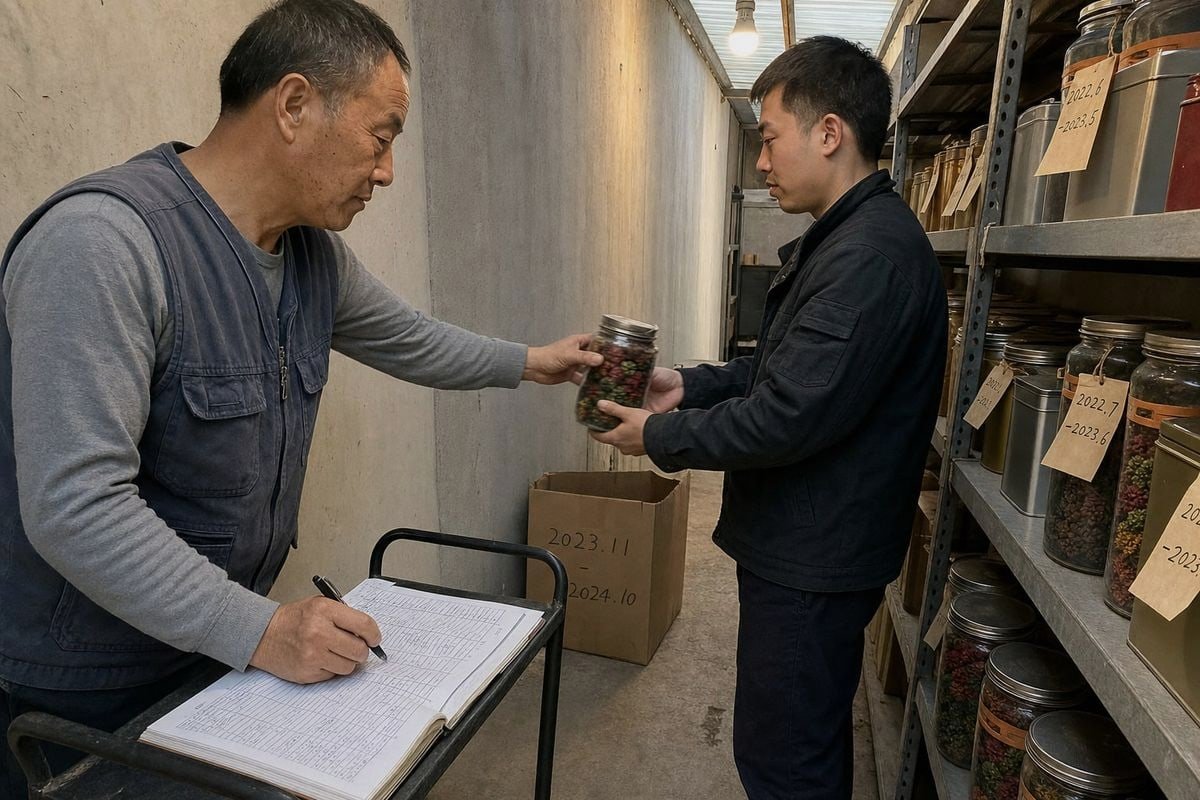
الشكوى المدعومة بحزمة عينات قابلة للدفاع عنها تغير المحادثة بأكملها مع المورد. بدلاً من الجدال حول الانطباعات، يفحص كلا الطرفين نفس الأدلة المادية. من خلال أكثر من 17 عامًا من التعامل مع حوارات الجودة بين الشركات، يمكنني أن أخبرك أن أقوى الشكاوى تتبع عملية قابلة للتكرار.
سير عمل شكوى من خمس خطوات
- حدد رقم الدفعة الدقيق على المنتج المتنازع عليه واسحب العينة المحتفظ بها المطابقة. لا تفتحها بعد.
- قم بتجميع الأوراق: سجلات جمع العينات التمثيلية، إجراءات سلسلة العهدة التي توضح كل متعامل، سجلات البيئة، ووثائق الشراء.
- قم بتصوير المنتج المتنازع عليه والتعبئة قبل أي اختبار. إذا قمت بتسجيل فيديو احتراق تحكم للدفعة عند الاستلام، فأرفقه - دليل مرئي على ألوان اللهب ومدة الاحتراق وقت الإنتاج يصعب الجدال معه.
- أبلغ المورد كتابيًا, ، مع ذكر رقم الدفعة وإرفاق حزمة الأدلة. اقترح اختبار احتراق مقارن، ويفضل أن يكون بحضور طرف ثالث أو يتم إجراؤه بواسطة طرف ثالث.
- احتفظ بما لا يقل عن ضعف الحجم المطلوب لاختبار معملي قياسي للاحتراق. يتم اختبار جزء واحد؛ يبقى الاحتياطي مختومًا للتحقق المستقل إذا اعترض أي من الطرفين على النتيجة.
لماذا تحدد سلسلة العهدة المصداقية
العينة نفسها هي نصف الدليل فقط. النصف الآخر هو المسار الورقي الذي يثبت الهوية والتعامل والتخزين. يجب تسجيل كل نقل بأسماء وتواريخ وسبب الوصول. تمنح سلسلة العهدة المكسورة الطرف الآخر مخرجًا سهلاً: فهم ببساطة يجادلون بأن العينة تم تغييرها. قلل عدد المتعاملين إلى الحد الأدنى، وحافظ على الأختام سليمة حتى الاختبار المتفق عليه، ووثق كل شيء. بصفتنا مصنعًا معتمدًا لـ ISO 9001 7 و BSCI، نرحب بهذه الصرامة من المشترين - فهي تحمي كلا الطرفين وتحافظ على العلاقة على الحقائق.
خاتمة
عينات الدُفعات المحتفظ بها من مخاريط الصنوبر الملونة بالمدافئ تحميك فقط إذا تم ختمها وتسميتها وتسجيلها وتخزينها بشكل صحيح طوال فترة الشكوى الكاملة - الأدلة بالإضافة إلى الأوراق تفوز بالنزاعات.
ملاحظات ختامية
روابط لبرنامج الامتثال الاجتماعي amfori BSCI المذكور كشهادة مصنع. ↩︎
يشرح تقنية إنترنت الأشياء المستخدمة للمراقبة البيئية المستمرة للعينات المخزنة. ↩︎
مفهوم الخلفية الذي يشرح عملية المناولة الموثقة الحاسمة لمصداقية الأدلة. ↩︎
تنظم CPSC معايير سلامة المنتجات الاستهلاكية ذات الصلة بامتثال منتجات المدافئ. ↩︎
تشرح صفحة التواصل بشأن المخاطر الخاصة بـ OSHA متطلبات SDS المشار إليها لتركيبات الملونات. ↩︎
خلفية عن مفاهيم مسؤولية المنتج التي تدعم ممارسات التوثيق الموضحة. ↩︎
مورد NIST الموثوق الذي يشرح معايير إدارة الجودة ISO 9001 وتنفيذها للمصنعين. ↩︎
 English
  Spanish
  German
  French
  Arabic
  Portuguese
انضم إلى المحادثة