






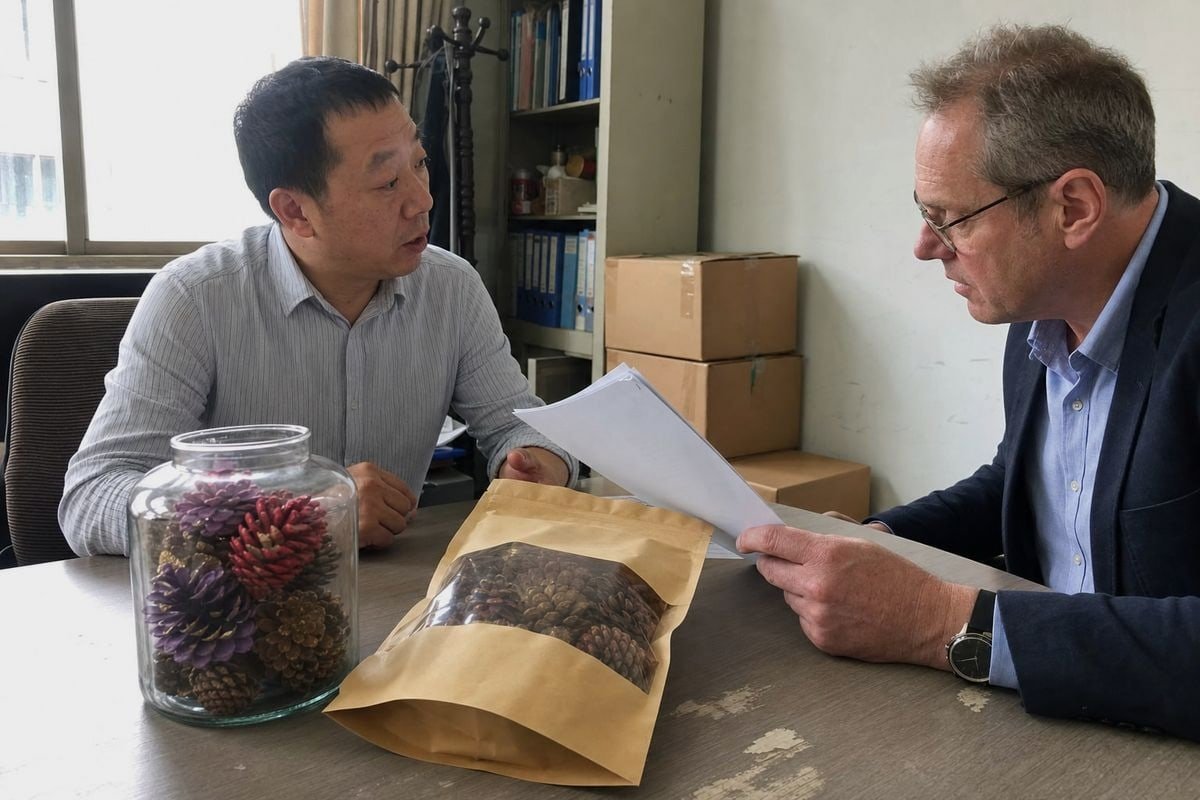
تعاون المورد بشأن التأمين ضد المسؤولية وتتبع الدُفعات هو السؤال الذي تسمعه مصنعنا أكثر من المستوردين الذين يشترون أكواز الصنوبر الملونة للمدفأة، والوقوع في الخطأ يمكن أن يكون مكلفًا.
طلب تعاون المورد بشأن التأمين ضد المسؤولية وتتبع الدُفعات بجعل كليهما تعاقديًا: المطالبة بتغطية مسؤولية المنتج مع وضع الطرف المؤمن عليه الإضافي وشهادة تأمين موثقة، بالإضافة إلى شحنات مرمزة بالدُفعات مرتبطة بسجلات المواد الخام والطلاء والاختبار - كل ذلك قبل شحن أول أمر شراء.
هذا هو الجواب المختصر. بقية هذه المقالة تقسمه إلى أربع خطوات عملية يمكنك تطبيقها على أي مورد لأكواز الصنوبر، بدءًا بالشهادات.
ما هي الشهادات التي يجب أن أطلبها لتأكيد تغطية المسؤولية والامتثال لسلامة المنتج؟
قبل بضع سنوات، طلب منا موزع ألماني ملف الامتثال الكامل الخاص بنا قبل مناقشة السعر. هذا الطلب علّمنا مدى جدية المشترين في فحص موردي أكواز الصنوبر الملونة للهب.
اطلب شهادة تأمين حالية (COI) توضح تغطية مسؤولية المنتج، بالإضافة إلى ISO 9001 لإدارة الجودة، و BSCI للامتثال الاجتماعي، ووضع علامة CE حيثما ينطبق، وتقارير اختبار معملية من طرف ثالث من SGS أو Intertek تؤكد أن مواد التلوين الكيميائية تلبي معايير سلامة المستهلك.
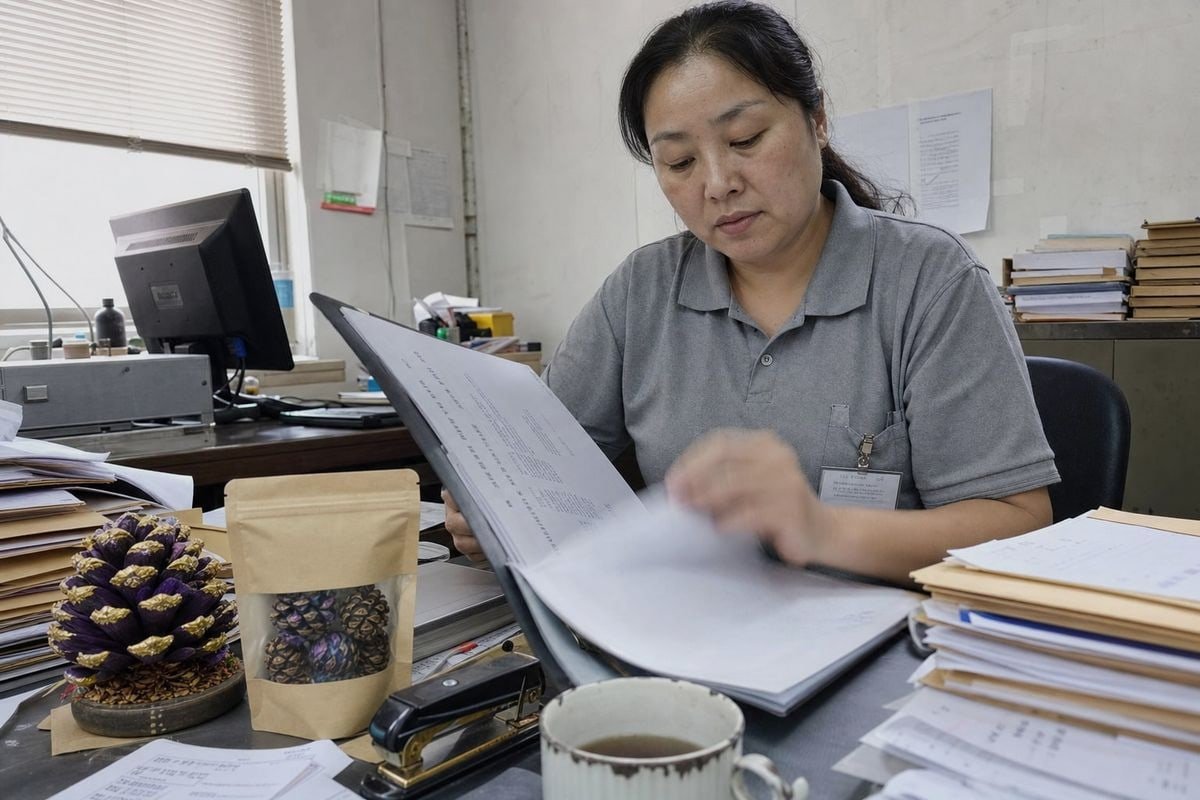
أكواز الصنوبر الملونة للمدفأة ليست ديكورًا عاديًا. إنها مصممة للاحتراق داخل منزل المستهلك. هذا يعني أن حزمة الشهادات التي تطلبها يجب أن تغطي خطرين منفصلين: القدرة المالية للمورد على دفع المطالبات، والسلامة الكيميائية للمنتج عند تسخينه.
جانب التأمين
ابدأ بشهادة التأمين (COI). يجب أن تذكر اسم شركة التأمين ورقم البوليصة وأنواع التغطية والحدود. معيار شائع للمنتجات الاستهلاكية هو 1 مليون دولار لكل حادث و 2 مليون دولار إجمالي لـ مسؤولية المنتج 1 أو المسؤولية العامة التجارية. تأكد من أن البوليصة تشمل المنتجات /تغطية العمليات المكتملة 2, ، لأن المطالبة قد تصل بعد أشهر من البيع. اطلب أيضًا بند إشعار إلغاء مدته 30 يومًا، وهو أمر قياسي في معظم برامج تأمين الموردين. تذكر: الشهادة هي لقطة، وليست البوليصة نفسها. بالنسبة للطلبات ذات الحجم الكبير، اطلب مراجعة استثناءات البوليصة الفعلية.
جانب سلامة المنتج
ثم انتقل إلى الامتثال للسلامة. بالنسبة للبضائع المتجهة إلى الولايات المتحدة، اسأل كيف يتوافق المنتج مع معايير السلامة CPSC 3 للمواد القابلة للاحتراق الاستهلاكية. بالنسبة لأوروبا، اسأل عن الوثائق ذات الصلة بـ CE وعمليات التحقق الكيميائي المتعلقة بـ REACH. اطلب صحائف بيانات سلامة المواد (MSDS) لكل ملون وطلاء مستخدم، و تقارير اختبار معملية من طرف ثالث حول محتوى المعادن الثقيلة وسلوك الاحتراق.
| الشهادة / المستند | ما يثبته | الأولوية |
|---|---|---|
| شهادة التأمين (COI) | يمكن للمورد دفع مطالبات المسؤولية | إلزامي |
| ISO 9001 | نظام إدارة جودة متسق | إلزامي |
| تقارير اختبار SGS / Intertek | تم التحقق من السلامة الكيميائية والاحتراق | إلزامي |
| تقرير تدقيق BSCI | موقع إنتاج أخلاقي ومدقق | موصى به بشدة |
| MSDS للملونات | تم الكشف عن التركيب الكيميائي | إلزامي |
| علامات CE / خاصة بالسوق | الاستعداد للامتثال الإقليمي | يعتمد على السوق |
في ملفات التصدير الخاصة بنا للولايات المتحدة وألمانيا والمملكة المتحدة، هذه المجموعة بالضبط هي التي تمرر الحاويات عبر الجمارك وتصل إلى أرفف البيع بالتجزئة دون نزاعات.
كيف يمكنني التحقق من نظام تتبع الدُفعات لدى المورد قبل تقديم طلب بالجملة؟
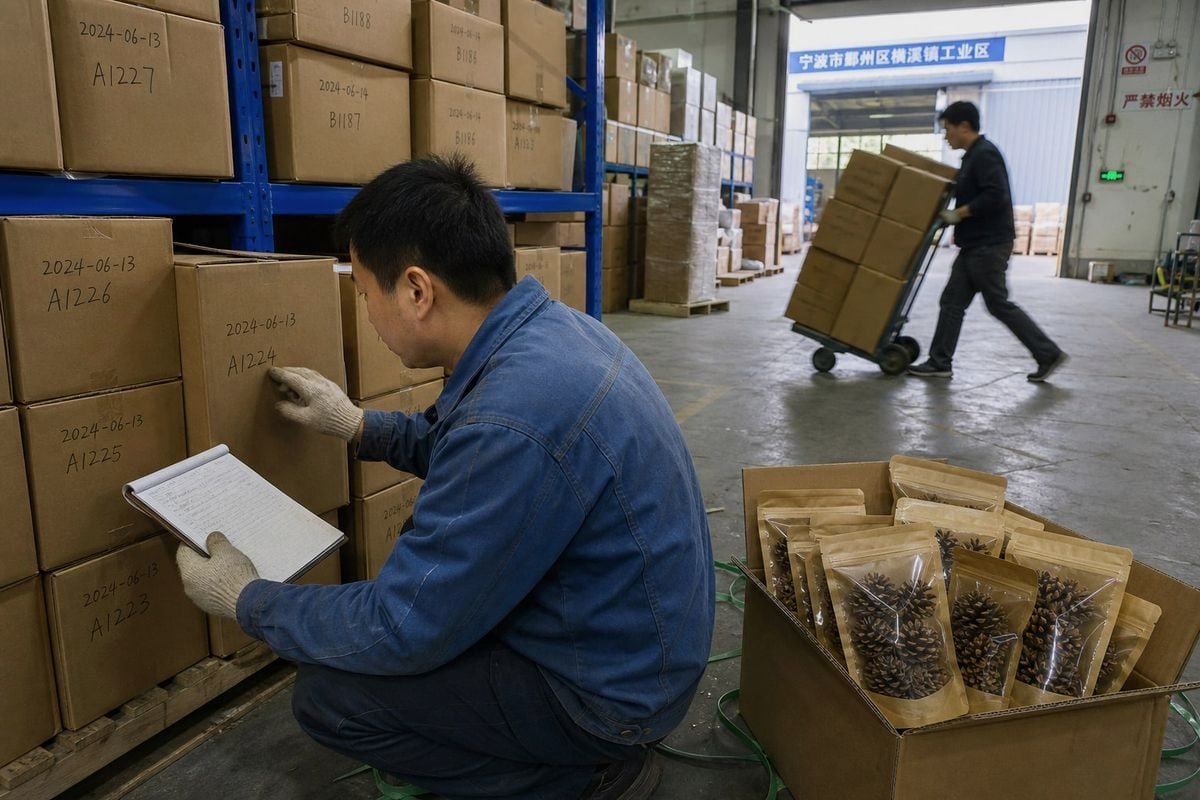
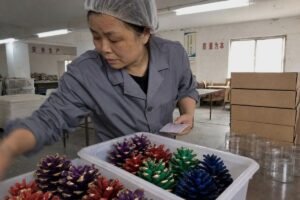
عندما يقوم المشترون بجولة في خطوط إنتاجنا في نينغبو، نمشيهم من استلام أكواز الصنوبر الخام مباشرة إلى ملصق الكرتون. هذا المسير هو أسرع اختبار للتتبع موجود.
تحقق من إمكانية تتبع الدُفعات عن طريق طلب تمرين استدعاء وهمي: امنح المورد رمز دفعة منتج نهائي واطلب منه إنتاج دفعات المواد الخام، ودفعة الطلاء، وتاريخ الإنتاج، وسجلات ضمان الجودة، ووجهات الشحن في غضون 24 ساعة. يقدم المورد القادر هذا بسرعة.
مطالبات التتبع سهلة الصنع وصعبة التزييف تحت الضغط. لذلك لا تقبل عرضًا تقديميًا كدليل. اختبر النظام قبل التزام أموالك. إليك العملية التي أوصي بها لكل مدير مشتريات نعمل معه.
عملية تحقق من خمس خطوات
- اطلب خريطة التتبع. يجب على المورد أن يوضح، على الورق، كيف دفعة نهائية 4 ترتبط بمصدر أكواز الصنوبر، أو دفعة الصبغة أو الطلاء، أو خط الإنتاج، أو دفعة التعبئة. إذا كانت الخريطة تعيش فقط في رأس شخص ما، فهذه علامة حمراء.
- قم بإجراء استدعاء وهمي. اختر أي رمز دفعة من شحنة سابقة. اطلب سلسلة السجلات الكاملة في غضون 24 ساعة. السرعة تكشف ما إذا كان نظام تتبع الدُفعات حقيقيًا أم تم إعادة بنائه بعد الواقعة.
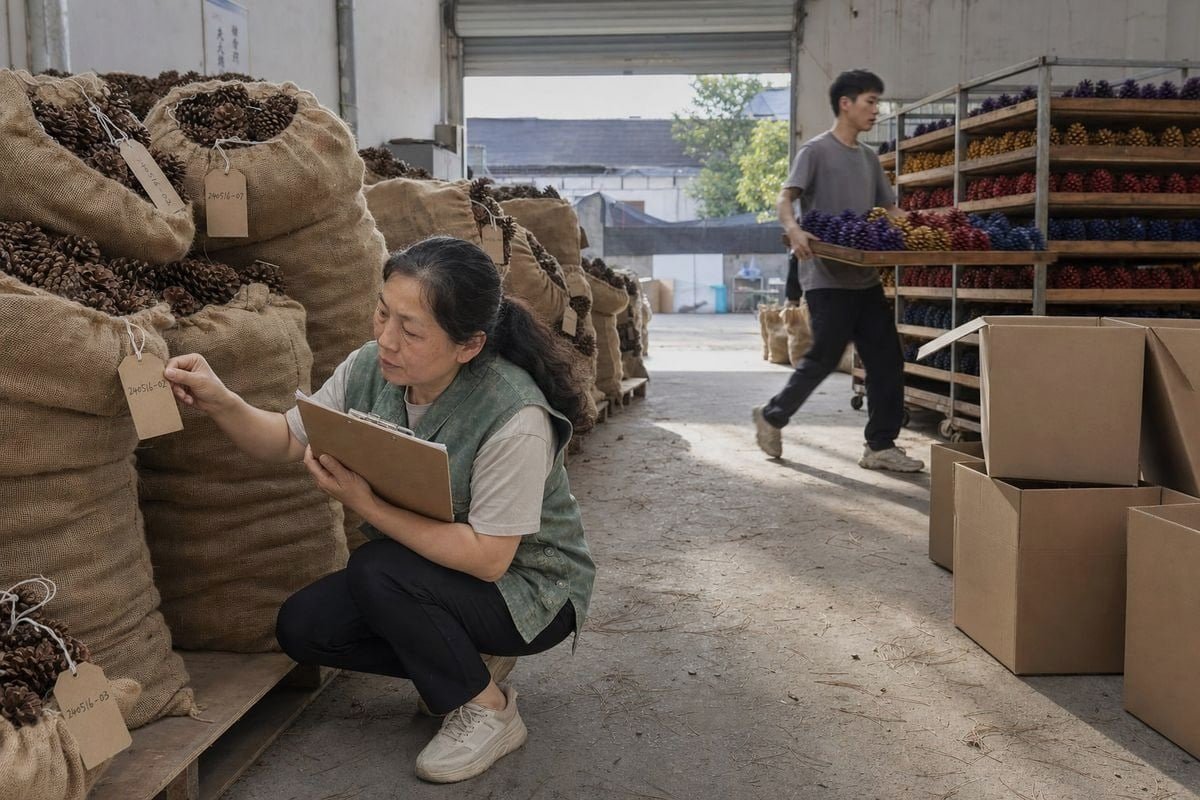
- افحص العلامات المادية. تحقق من أن الكراتين،, الأكياس الداخلية 5, ، والمنصات تحمل جميعها معرف الدُفعة. يطلب بعض المشترين الآن ترميز قائم على GTIN 6 حتى تسافر الدُفعة بشكل نظيف عبر أنظمة المستودعات الخاصة بهم.
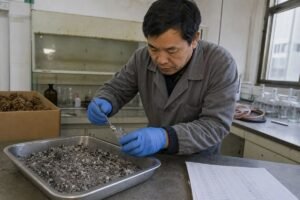
- قم بتدقيق السجلات في الموقع أو عن طريق الفيديو. قارن السجلات الرقمية بالعلامات المادية للدُفعات الموجودة على الأرض. تعمل عمليات التدقيق من طرف ثالث بشكل جيد هنا إذا لم تتمكن من السفر. يجب أن تتطابق السجلات الرقمية والمادية.
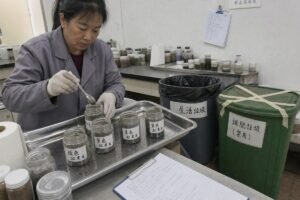
- تحقق من العينات المحفوظة. بالنسبة للمنتج القابل للاحتراق المطلي، تسمح العينة المحفوظة لكل دفعة لكلا الطرفين بإعادة الاختبار إذا ظهرت شكوى بعد أشهر.
قد لا يزال المورد الذي يقاوم هذه الخطوات صادقًا. لكن خطرًا يزداد، لأن المطالبة المستقبلية تصبح مستحيلة العزل. في تجربتنا في التصدير إلى أكثر من 30 دولة، فإن المشترين الذين يجرون استدعاءً وهميًا قبل الطلب نادرًا ما يواجهون استدعاءً كاملاً لاحقًا - الشفافية في سلسلة التوريد في الواجهة الأمامية تقلل المشاكل في الواجهة الخلفية.
ما هي الوثائق التي يجب أن أطلبها لكل دفعة إنتاجية للحماية من مطالبات المسؤولية؟
هناك مفاضلة نزنها في كل عملية إنتاج: المزيد من الأعمال الورقية لكل دفعة يبطئ الخط قليلاً، ولكنه يحول أي شكوى مستقبلية إلى مشكلة دفعة واحدة بدلاً من أزمة علامة تجارية.
يتطلب، لكل دفعة: هوية مورد المواد الخام وأرقام الدُفعات، وورقة بيانات سلامة المواد الملونة المرتبطة بدُفعة المواد الكيميائية المستخدمة، وتاريخ الإنتاج والموقع، وسجلات اختبارات ضمان الجودة، ورمز دفعة المنتجات النهائية، ومعرفات دُفعات التعبئة، وسجلات الشحن التي توضح العملاء الذين تلقوا أي دُفعة.

فكر في ملف الدُفعة كدليل ستتمنى لو كان لديك في اليوم الذي يرسل فيه عميل بريدًا إلكترونيًا حول دخان غريب أو اشتعال مفاجئ. التأمين يدفع المطالبات. التوثيق يدافع عنها، ويحد منها، وغالبًا ما يمنعها من أن تصبح مطالبات على الإطلاق.
حزمة توثيق الدُفعة الكاملة
| وثيقة | ما يسجله | لماذا تحميك |
|---|---|---|
| سجل استلام المواد الخام | مصدر المخاريط الصنوبرية ودفعة الاستلام | يعزل مشاكل المواد الطبيعية مثل الرطوبة أو محتوى الراتنج |
| سجل دفعة المواد الكيميائية + MSDS | دفعة الملون الدقيقة المستخدمة في تلك الدورة | يربط أي شكوى احتراق بدفعة تركيبة محددة |
| سجل الإنتاج | التاريخ والوقت والمصنع والخط والمشغلون | يحد التعرض لدورة واحدة، وليس خط الإنتاج بأكمله |
| ورقة اختبار ضمان الجودة | اختبار الاحتراق، التصاق الطلاء، الفحوصات البصرية | يثبت أنه تم اتباع بروتوكولات ضمان الجودة (QA) الخاصة بك |
| رمز دفعة المنتجات النهائية | المعرف المطبوع على العبوة | المرساة التي تربط كل ما سبق |
| سجل دفعة التعبئة والتغليف | دفعة الأكياس والكرتون والملصقات | يلتقط أخطاء تلوث التعبئة والتغليف أو الملصقات |
| سجل الشحن | أي عميل تلقى أي دفعة | يتيح استدعاءً مستهدفًا بدلاً من استدعاء شامل |
| سجل التحكم في التغيير | أي تغيير في الصبغة أو الطلاء أو المقاول من الباطن | يشرح الاختلافات المفاجئة بين الدُفعات |
طبقتان إضافيتان تستحقان التفاوض
أولاً، اطلب من المورد ربط كل رقم دفعة مباشرة بـ MSDS المحدد لدُفعات المواد الكيميائية المستخدمة في تلك الدورة - وليس ورقة عامة. ثانيًا، لبرامج البيع بالتجزئة المتميزة، يطلب بعض المشترين شهادة معملية لرماد ما بعد الاحتراق للتأكد من بقايا المعادن الثقيلة 7 آمنة للتخلص منها في المنازل. في خطوطنا في نينغبو، نحتفظ بسجلات الدُفعات بالضبط لأن عينتنا الأولى يجب أن تتطابق مع الإنتاج الضخم؛ نفس الانضباط هو ما يجعل تلك السجلات ذات مصداقية في نزاع. إذا وصف المورد هذه الوثائق بأنها مفرطة، فأشر إلى أن التزامات التعويض الخاصة بهم تصبح شبه مستحيلة الإنفاذ بدونها - مما يضر بهم بقدر ما يضرك.
كيف يمكنني بناء متطلبات التتبع والتأمين في شروط عقد المورد الخاص بي؟
أخبرني موزع مواقد بريطاني ذات مرة أن عقده القديم ذكر التأمين في جملة واحدة غامضة - وقد كلفهم نزاعًا بستة أرقام. أعاد اتفاقهم المكتوب تشكيل الطريقة التي ننصح بها المشترين الآن.
اكتب التأمين وإمكانية التتبع في اتفاقية التوريد الرئيسية نفسها: حدد أنواع السياسات، والحدود الدنيا، وحالة المؤمن له الإضافي، وتقديم شهادة التأمين قبل الشحن، وإشعار الإلغاء قبل 30 يومًا، والتزامات الترميز الدفعي، وفترات الاحتفاظ بالسجلات، وحقوق التدقيق، وبنود التعويض التي تغطي العيوب والتلوث ووضع العلامات الخاطئة.
المتطلبات التي تعيش فقط في بريد إلكتروني للترحيب ليست قابلة للتنفيذ. المتطلبات المكتوبة في اتفاقية الخدمة الرئيسية أو شروط أمر الشراء قابلة للتنفيذ. تعامل مع هذا كتحكم في المشتريات، وليس كإجراء شكلي قانوني.
بنود العقد الأساسية
| بند | ما يجب تحديده | معيار شائع |
|---|---|---|
| أنواع التأمين | CGL / مسؤولية المنتج مع العمليات المكتملة | مذكور صراحة في العقد |
| الحدود الدنيا | لكل حادث وتراكمي | 1 مليون دولار / 2 مليون دولار خط أساس، أعلى للحجم الكبير |
| مؤمن عليه إضافي | شركتك مدرجة في السياسة | نسخة من الإضافة مطلوبة |
| تقديم COI | COI الحالي قبل شحن أي أمر شراء أو إصدار دفعة | لا شهادة تأمين، لا شحن |
| إشعار إلغاء | إشعار كتابي مسبق بالانقطاع أو الإلغاء | 30 يومًا |
| واجبات التتبع | ترميز الدفعة، محتوى السجل، فترة الاحتفاظ | عادةً ما تكون فترة الاحتفاظ 3-5 سنوات |
| حقوق التدقيق | الوصول إلى سجلات الدُفعات وملفات ضمان الجودة والموقع | سنويًا أو عند الطلب |
| إشعار التغيير | تغييرات الصيغة أو المقاول من الباطن أو المصنع تتم الموافقة عليها مسبقًا | قبل بدء الإنتاج |
| بنود التعويض | عيوب، تلوث، تسمية خاطئة، فشل المواصفات | يبقى ساريًا بعد إنهاء العقد |
| التعاون في الاستدعاء | يساعد المورد في إجراءات سحب المنتج بتكلفة مقسمة محددة | الاستجابة في غضون 24-48 ساعة |
التعامل مع رفض المورد دون تقليص مجموعة الموردين الخاصة بك
سيقاوم الموردون الصغار. الحدود العالية والسجلات التفصيلية تكلفهم المال. الإجابة العملية هي متطلبات متدرجة: متطلبات كاملة للمنتجات ذات الحجم الكبير أو المنتجات المعرضة لخطر الحريق، وسير عمل استثناء موثق مع ضوابط تعويضية لطلبات التجربة منخفضة المخاطر. ينشر بعض المشترين أيضًا دليل امتثال للبائعين حتى يرى كل مورد نفس المعيار، مما يزيل الشعور بالتمييز. تذهب بعض برامج البيع بالتجزئة الكبيرة إلى أبعد من ذلك، باستخدام منصات بيانات مشتركة تشير تلقائيًا إلى شهادات التأمين المفقودة أو فجوات التتبع. من جانبنا، نحن نفضل في الواقع المشترين الذين لديهم متطلبات كتابية واضحة - أظهرت لنا 17 عامًا من الصادرات أن الغموض، وليس الصرامة، هو ما يدمر علاقات الموردين. واحتفظ بالربط بشكل صريح في العقد: التأمين يحمي ميزانيتك العمومية بعد الفشل، بينما يقلل التتبع من الفشل نفسه. أنت بحاجة إلى كلا البندين يعملان معًا.
خاتمة
أكواز الصنوبر الملونة للمدفأة تحمل مخاطر حقيقية مرتبطة بالحريق. اطلب تأمينًا موثقًا، وتتبعًا مختبرًا، وملفات دُفعات كاملة، وشروط عقد قابلة للتنفيذ - ثم شارك مع الموردين الذين يرحبون بهذا التدقيق.
ملاحظات ختامية
نظرة عامة على ويكيبيديا لقوانين مسؤولية المنتج ومسؤوليات الشركة المصنعة عن السلع المعيبة. ↩︎
شرح Investopedia لتغطية التأمين للمطالبات الناشئة بعد الانتهاء من المشروع أو المنتج. ↩︎
قوانين ومعايير CPSC الرسمية لسلامة المنتجات الاستهلاكية في الولايات المتحدة. ↩︎
مدخل ويكيبيديا يشرح مفهوم أرقام الدُفعات في إدارة التصنيع والمخزون. ↩︎
مقال ويكيبيديا يشرح تصميم واستخدام الأكياس في تغليف المنتجات التجارية. ↩︎
GS1
 English
  Spanish
  German
  French
  Arabic
  Portuguese
انضم إلى المحادثة