






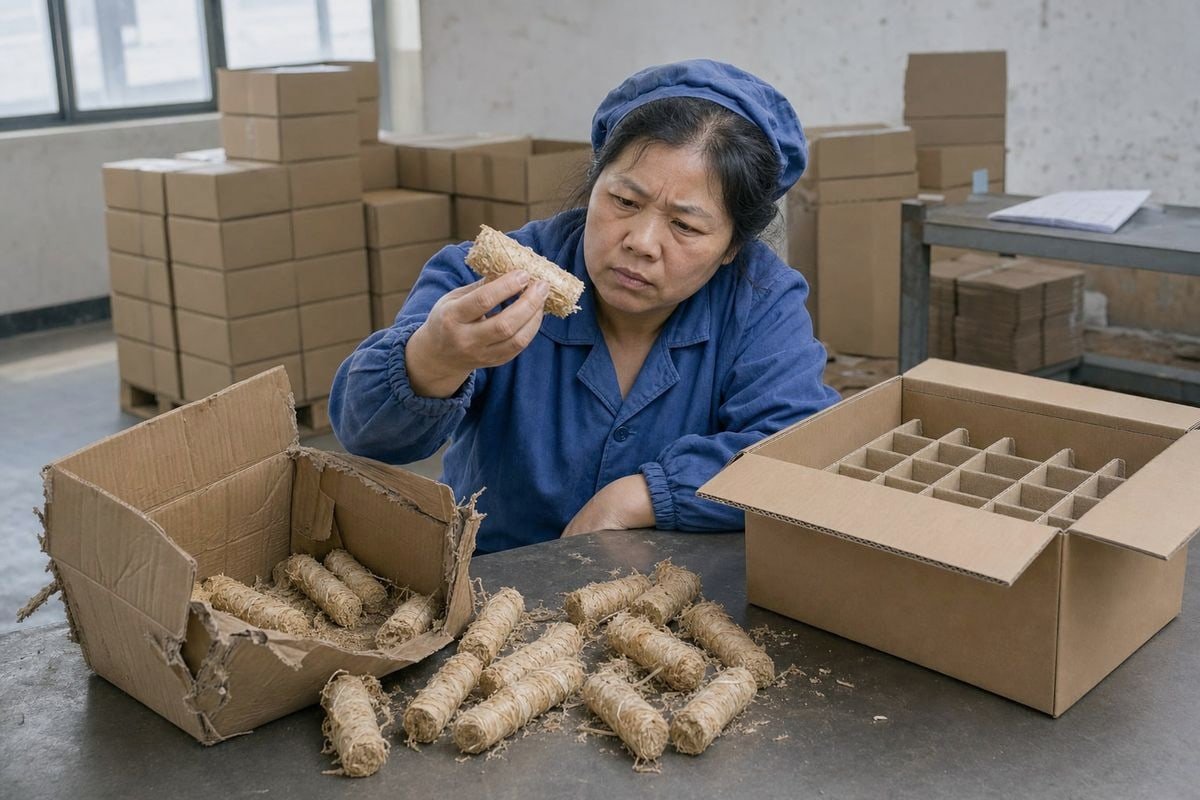
التعبئة والتغليف الأفضل لبادئات إشعال النار الخشبية هي أسرع طريقة لإصلاح الأضرار المرتجعة الامتثال للائحة CE 1. تعلمت هذا بالطريقة الصعبة في خط الإنتاج الخاص بنا، وشاهدت صناديق المشترين المحطمة تعود.
لتقليل مرتجعات تلف الشحن لبادئات الحريق الخشبية، اطلب صناديق كرتونية مزدوجة الجدران مع تصنيف ECT معتمد، وبطانة حاجز رطوبة محكمة الغلق، وفواصل داخلية لمنع الحركة، واختبار نقل ISTA، ورموز دفعات مطبوعة بالإضافة إلى تحذيرات التخزين قبل الموافقة على الإنتاج الضخم.
هذه هي الإجابة المختصرة. أدناه، سأقوم بتفصيل كل جزء من الطلب، حتى تعرف بالضبط ما يجب كتابته في بريدك الإلكتروني التالي للمورد.
ما هي مواصفات التعبئة والتغليف التي يجب أن أطلبها لتحمل الشحن البحري والشحن للميل الأخير؟
قبل بضع سنوات، أرسل لنا أحد موزعينا الألمان صورًا للفائف خشبية مغموسة بالشمع تحطمت داخل كرتون أحادي الجدار. لقد غير هذا الادعاء الطريقة التي نحدد بها كل صندوق تصدير.
اطلب صناديق كرتونية مموجة مزدوجة الجدار مصنفة بـ 32 ECT على الأقل، وبطانة حاجز رطوبة داخلي أو كيس محكم الغلق، وفواصل من خلايا النحل أو لب القوالب، وشريط لاصق على جميع الدرزات، واختبارات نقل معايير التعبئة والتغليف ISTA لتحمل رطوبة الشحن البحري والتعامل الخشن في الميل الأخير.
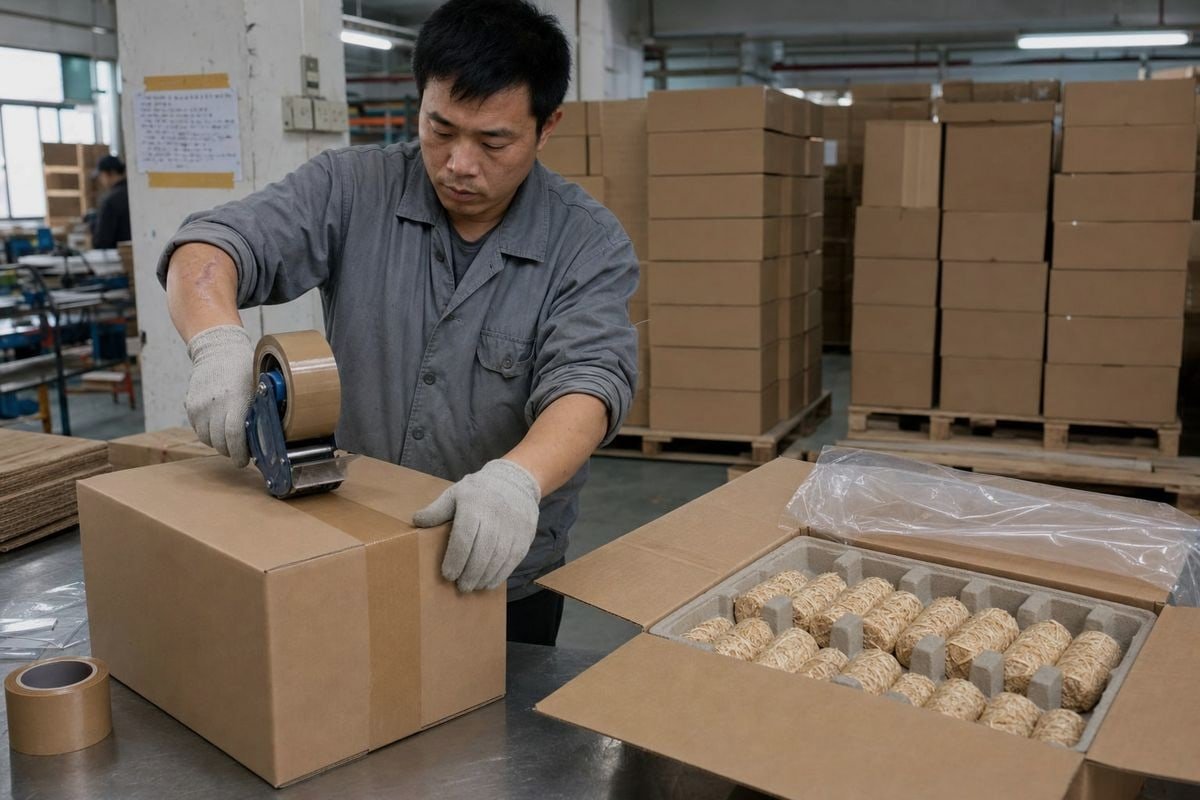
بادئات إشعال النار الخشبية هشة بشكل خادع. تجمع منتجاتنا بين الصوف الخشبي والبارافين، لذا فهي تواجه ثلاثة تهديدات منفصلة أثناء النقل: ضغط السحق، والرطوبة، والاهتزاز. يجب أن يستجيب مواصفات التعبئة والتغليف الخاصة بك لكل هذه الأمور الثلاثة، وليس واحدًا فقط. عندما نشحن إلى الولايات المتحدة أو البرازيل، يمكن للحاوية أن تجلس في البحر لمدة أربعة إلى ستة أسابيع. تتأرجح الرطوبة داخل تلك الحاوية بشدة. ثم تصل البضائع إلى شبكة طرود، حيث يتم إسقاط الصناديق ورميها وتكديسها رأسًا على عقب. التعبئة والتغليف التي تصمد أمام مرحلة واحدة غالبًا ما تفشل في المرحلة التالية.
أوضاع الفشل الثلاثة التي يجب تحديدها
ضرر السحق يأتي أولاً. تنهار الصناديق أحادية الجدار تحت تكديس الحاويات. لذلك نوصي بجدار مزدوج كرتون مموج 2 المتانة كخط أساس لأي شحنة لبادئات إشعال النار. اطلب من المورد الخاص بك ذكر معدل ECT أو معدل الانفجار كتابيًا في ورقة مواصفات التعبئة والتغليف.
ضرر الرطوبة يأتي ثانيًا. يمتص الشمع والألياف الخشبية الرطوبة. بادئات الإشعال الرطبة تشتعل بشكل سيء، والكرتون الرطب يفقد ما يصل إلى نصف قوة تكديسه. توفر لك البطانة البلاستيكية البسيطة أو الكيس الداخلي المغلق حماية حاجز الرطوبة بتكلفة منخفضة جدًا.
ضرر الحركة يأتي ثالثًا. الوحدات السائبة تحتك وتتشقق وتتخلص من الألياف. ضرر اهتزاز النقل بطيء وغير مرئي حتى يفتح العميل الصندوق. فواصل أو حشوات صينية محكمة توقف ذلك.
| وضع الفشل | ماذا يحدث | ماذا تطلب |
|---|---|---|
| سحق | تنهار الكراتين تحت التكديس | كرتون مزدوج الجدار، 32+ ECT، شريط لاصق H |
| الرطوبة | منتج رطب، اشتعال ضعيف، صناديق لينة | بطانة محكمة، مجفف، حاجز رطوبة |
| اهتزاز | الوحدات تحتك، تتفتت، تتخلص من الشمع والألياف | فواصل،, صواني لب الخشب المصبوب 3, ، أعداد عبوات محكمة |
| الحرارة | يصبح البارافين طريًا ويتشوه | تحذيرات درجة الحرارة، ملاحظات تخزين مهواة |
نقطة أخرى. لا تقبل الحشو السائب كحماية رئيسية. يتحرك أثناء التعامل مع تسليم الطرود ويترك الوحدات مكشوفة بحلول الوقت الذي يصل فيه الصندوق. الحشوات المنظمة تتفوق دائمًا على الحشو للمنتجات القائمة على الشمع.
كيف أحسب الحد الأدنى لكمية الطلب (MOQ) المناسب لاختبار تصميم تغليف جديد قبل الالتزام بطلب كامل؟
هناك مفاضلة نناقشها مع كل مشترٍ جديد تقريبًا: اطلب كمية صغيرة جدًا ويثبت اختبارك لا شيء، اطلب كمية كبيرة جدًا وتخاطر بحاوية من التعبئة والتغليف غير المثبتة.
احسب حد أدنى للكمية المطلوبة للاختبار من خلال تغطية ثلاثة احتياجات: عدد كافٍ من الكراتين لاختبار السقوط والاهتزاز وفقًا لمعايير تغليف ISTA، وطبقة منصة نقالة كاملة للتحقق من سلوك التكديس، ودُفعة صغيرة للسوق الحية تتراوح من 500 إلى 2000 وحدة لقياس معدلات العائد الحقيقية.
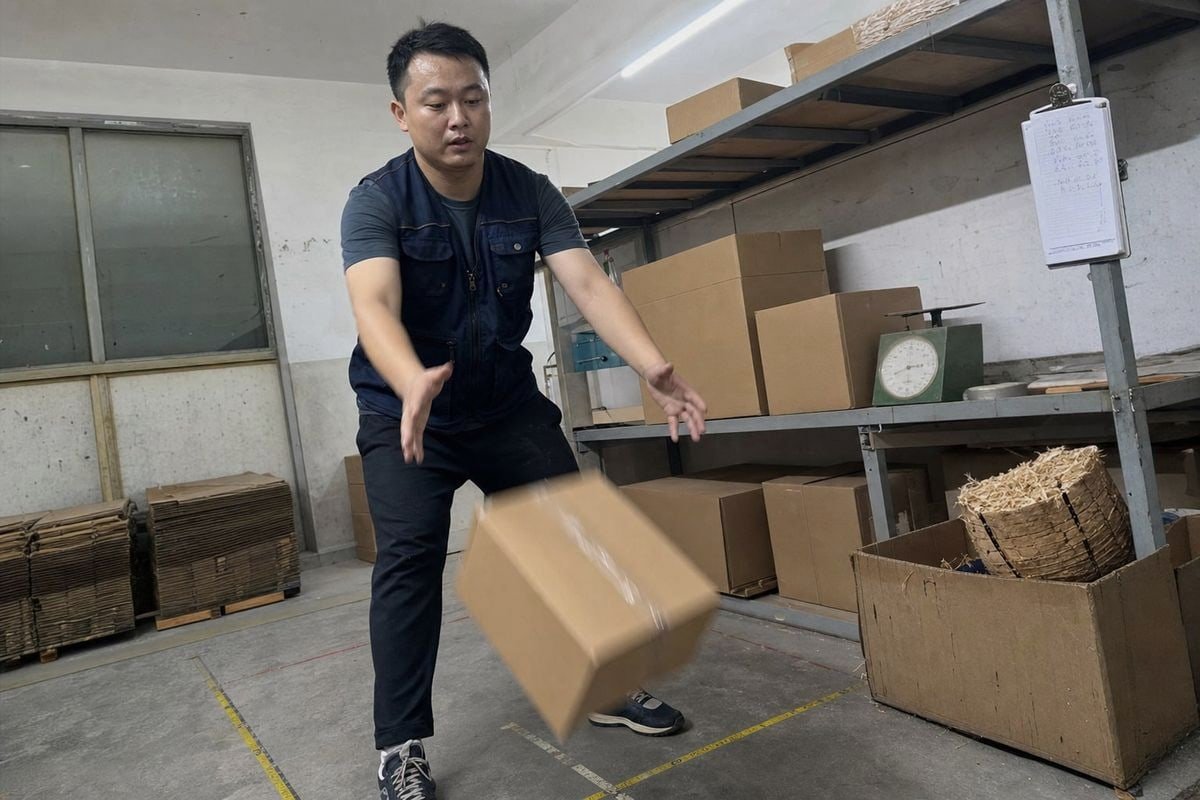
اختبار التعبئة والتغليف مفيد فقط إذا كان يعكس الواقع لوجستيات سلسلة التوريد 4. في تجربتنا في التصدير إلى أكثر من 30 دولة، يفوت المشترون الذين يختبرون ببضع عينات المشاكل التي تظهر فقط على نطاق البليت. لذلك نقترح هيكل اختبار من ثلاث طبقات، ونبني وحدات الحد الأدنى للطلب التجريبي حوله.
إطار اختبار عملي من ثلاث خطوات
- اختبار النقل في المختبر. تحتاج إلى حوالي 6 إلى 12 كرتون شحن معبأة لاختبارات السقوط وفحوصات الضغط ومحاكاة الاهتزاز. إذا لم تتمكن من الوصول إلى مختبر، فإن رحلة ذهاب وعودة مع ساعي بريد إلى نفسك هي بديل تقريبي ولكنه صادق.
- التحقق من طبقة البليت. طبقة كاملة، عادة 8 إلى 12 حالة، توضح ما إذا كانت الكراتين الجديدة تتشابك أو تتداخل أو تتكسر عند الزوايا. تتسبب أخطاء البليت في مطالبات ضرر المنتج أكثر مما يتوقع معظم المشترين.
- دفعة السوق الحية. اشحن 500 إلى 2000 وحدة بيع بالتجزئة عبر قناتك الفعلية. تتبع معدل العائد مقابل التعبئة والتغليف السابقة. هذا هو تحسين معدل العائد الحقيقي، وليس التخمين.
| طبقة الاختبار | الكمية النموذجية | ما يثبته |
|---|---|---|
| عينات السقوط والاهتزاز | 6-12 كرتون | بقاء الوحدة في شبكات الطرود |
| طبقة المنصة | 8-12 حالة | التكديس، التشابك، قوة الزاوية |
| دفعة السوق الحية | 500–2,000 وحدة | تغيير معدل العائد الفعلي |
من جانبنا، نحافظ على مرونة وحدات الحد الأدنى للطلب التجريبي لهذا السبب بالضبط. غالبًا ما يكون الطلب الأول لبليت واحد كافيًا للتحقق من صحة مواصفات جديدة. المفتاح هو الاتفاق مقدمًا على أن الإنتاج الضخم لا يبدأ إلا بعد عودة بيانات دفعة الاختبار. ضع هذا الشرط في أمر الشراء الخاص بك. سيقبل المصنع الجاد ذلك، لأن المواصفات التي تم التحقق منها تحمي كلا الجانبين. تكلف حاوية تالفة أكثر بكثير من تجربة مدفوعة صغيرة على الإطلاق.
ما هي الشهادات أو تقارير الاختبار التي يجب أن أطلبها للتأكد من أن تغليف المورد الخاص بي يلبي معايير السلامة في سوقي؟
عندما قام مشترٍ كبير في المملكة المتحدة بتدقيقنا، لم تكن المستندات الأولى التي طلبوها صورًا للمنتج. كانت تقارير الاختبار وشهادات المصنع الخاصة بنا، قبل أي حديث عن السعر.
اطلب شهادات المصنع ISO 9001 و BSCI، وتقارير اختبار المنتج من SGS أو Intertek، وامتثال CE عند الاقتضاء، ووثائق اختبار النقل من ISTA أو ما يعادلها، وإثبات أن الملصقات تحمل التحذيرات المطلوبة، والرموز الشريطية، ورموز الدُفعات، وبلد المنشأ لسوقك.
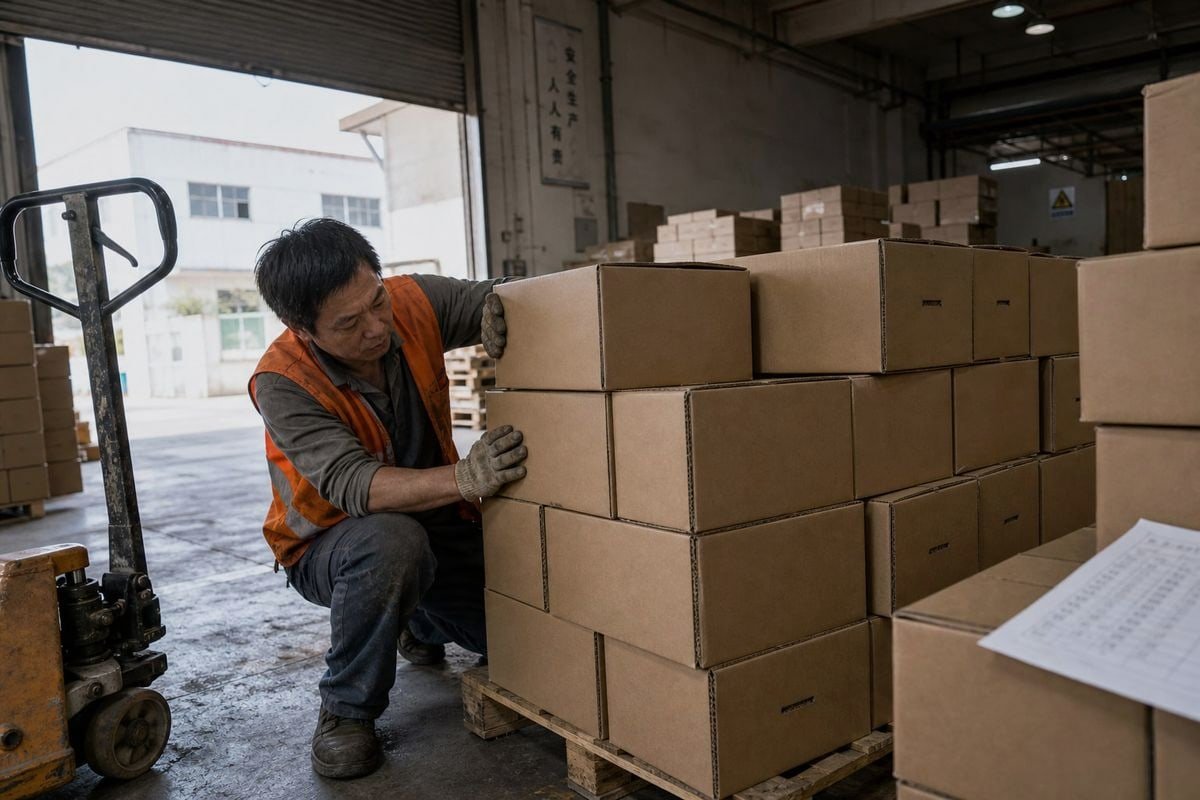
الامتثال ليس شيئًا إضافيًا للمنتجات النارية. في الولايات المتحدة والاتحاد الأوروبي، يمكن رفض منتج إشعال النار الذي يصل مع تحذيرات مفقودة أو تغليف غير موثق في متاجر البيع بالتجزئة، أو ما هو أسوأ، سحبه بعد إدراجه. لذلك، يجب أن يشمل طلب التعبئة والتغليف الخاص بك دائمًا قائمة مرجعية بالمستندات، ويجب عليك التحقق من كل مستند، وليس مجرد استلامه.
قائمة المستندات المرجعية التي نقدمها للمشترين
تثبت المستندات على مستوى المصنع أن المورد يمكنه الإنتاج باستمرار. ISO 9001 5 يوضح نظام جودة عامل. يوضح BSCI الامتثال الاجتماعي المدقق، والذي يتطلبه العديد من تجار التجزئة الأوروبيين الآن. يعتبر كل من مشترينا في ألمانيا وهولندا بمثابة بوابات صارمة.
تثبت المستندات على مستوى المنتج أن البضائع نفسها آمنة. تغطي تقارير اختبار SGS أو Intertek التركيب وسلوك الاحتراق. بالنسبة لمنتجاتنا الخشبية المغطاة بالشمع، يؤكد التقرير محتوى البارافين والألياف الخشبية وغياب المواد الكيميائية الضارة.
تثبت مستندات التعبئة والتغليف أن العبوة تتحمل وتحقق التواصل. معايير التعبئة والتغليف ISTA 6 تؤكد التقارير أو ملخص اختبار النقل المكافئ أن تصميم الكرتون قد تم اختباره بالفعل، وليس مجرد رسمه. على العبوة، أصر على رمز الدفعة، وتاريخ التصنيع، وبلد المنشأ،, رمز شريطي GTIN 7, ، وإرشادات التخزين، وتحذيرات السلامة من الحرائق بلغة السوق الخاص بك.
| المستوى | وثيقة | لماذا هو مهم |
|---|---|---|
| المصنع | ISO 9001، BSCI | جودة متسقة، قبول تدقيق تجار التجزئة |
| منتج | تقارير SGS / Intertek، CE | السلامة، التركيب، دخول السوق |
| التعبئة والتغليف | مستندات اختبار النقل ISTA، إثباتات الملصقات | منع التلف، وضع العلامات القانونية |
نصيحة تحقق واحدة. تحقق من تاريخ التقرير والمقدم إليه المسمى. التقرير القديم، أو التقرير الصادر لشركة مختلفة، هو علامة حمراء على أنك تتعامل مع شركة تجارية بدلاً من مصنع حقيقي.
هل يمكن لموردي توفير تغليف مخصص بعلامة تجارية دون إبطاء أوقات التسليم أو زيادة التكاليف؟
طلبت علامة تجارية كندية خارجية ذات مرة هذا السؤال بالضبط، مقتنعة بأن صناديق الملصقات الخاصة ستضيف شهرًا إلى جدولهم الزمني. الإجابة الحقيقية فاجأتهم.
نعم، يمكن لمصنع يتمتع بقدرات تصنيع المعدات الأصلية/تصميم المعدات الأصلية (OEM/ODM) الداخلية تقديم تغليف مخصص بعلامة تجارية مع عقوبة زمنية قليلة أو معدومة، شريطة الموافقة المبكرة على الأعمال الفنية، وإعادة استخدام خطوط الأبعاد لأحجام الكرتون الحالية، وتشغيل الطباعة بالتوازي مع الإنتاج بدلاً من بعده.
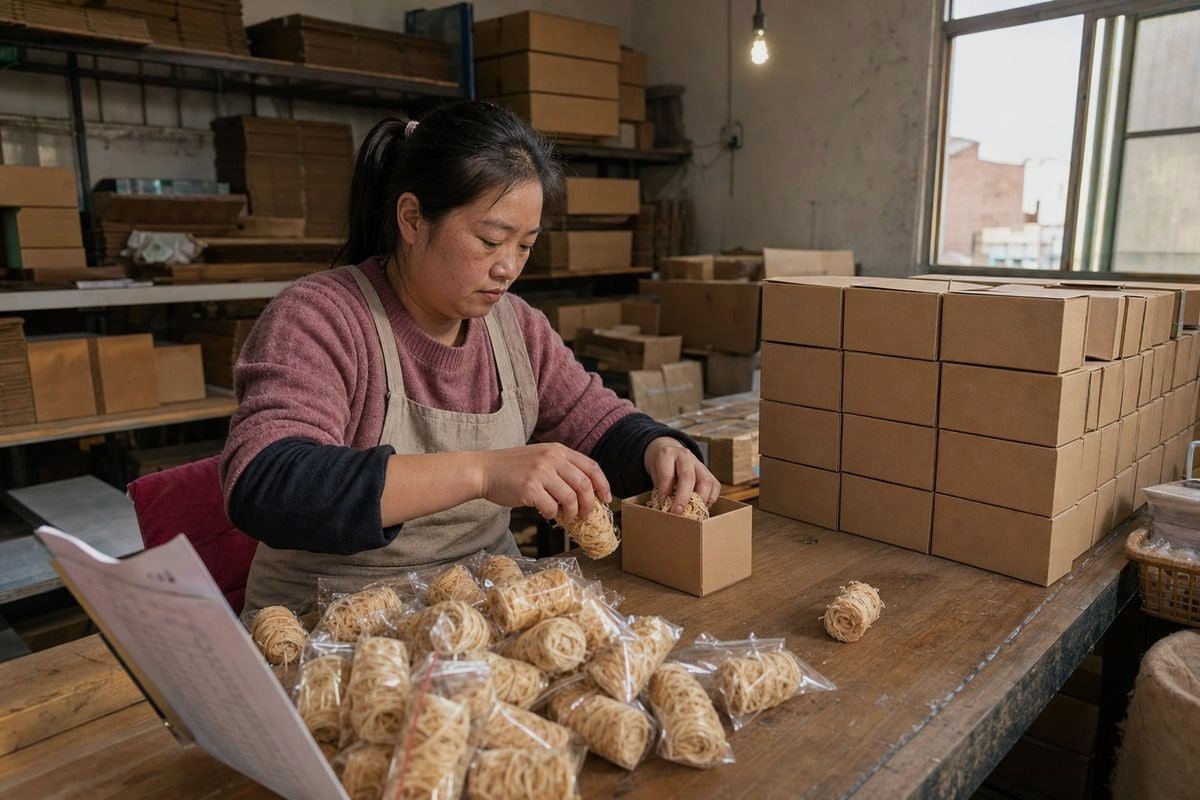
الخوف من التأخير يأتي عادة من الخبرة مع الشركات التجارية. يجب على الوسيط طلب الصناديق من طرف ثالث، والانتظار، ثم التعبئة اليدوية. يعمل المصنع الحقيقي بشكل مختلف. في مصنعنا في نينغبو، تتم طباعة التعبئة والتغليف بالتوازي مع إنتاج منتج إشعال النار نفسه. إذا تم تأكيد عملك الفني عند تقديم الطلب، تكون الكراتين ذات العلامات التجارية جاهزة قبل مغادرة البضائع خط الشمع. وقت التسليم هو نفسه وقت التعبئة والتغليف القياسي.
من أين تأتي التكاليف والتأخيرات فعليًا
ترتفع التكلفة بشكل كبير فقط في ثلاث حالات. أولاً، أحجام الصناديق غير القياسية التي تتطلب قوالب جديدة وأدوات جديدة. ثانيًا، دفعات طباعة صغيرة جدًا، حيث تهيمن إعدادات الألواح على تكلفة الوحدة. ثالثًا، تغييرات فنية متأخرة بعد صنع الألواح. تجنب هذه الثلاثة، وعادة ما تضيف العلامات التجارية المخصصة سنتات فقط لكل وحدة.
هناك أيضًا مسار وسيط ذكي. يبدأ العديد من مشترينا بـ حجم كرتون قياسي بالإضافة إلى غلاف أو ملصق مطبوع مخصص. هذا يعطي علامة تجارية جاهزة للعرض, ، لا تحتاج إلى أدوات جديدة، وتعمل حتى في الحد الأدنى لكميات الطلب التجريبية. بمجرد زيادة الأحجام، ينتقلون إلى صناديق عرض مطبوعة بالكامل مع ثقوب سهلة الفتح للبيع بالتجزئة.
ملاحظتان عمليتان إضافيتان. اطلب من المورد الخاص بك دمج العلامة التجارية مع المواصفات الوقائية، وليس استبدالها. الصندوق الجميل الذي يفشل في اختبار الضغط لا يزال يولد مرتجعات. يمكن لصناديق الشحن الثقيلة أن تحمل بالتأكيد طباعة فاخرة. وإذا كانت الاستدامة مهمة لعملائك، فاطلب تغليفًا وقائيًا مستدامًا مثل صواني اللب المصبوب وبطانات الكرافت القابلة لإعادة التدوير. إنها تحمي جيدًا، وتطبع جيدًا، وتدعم قصة علامة تجارية صديقة للبيئة دون بلاستيك إضافي.
أخيرًا، قم بتثبيت الجدول الزمني كتابيًا. يجب أن يظهر تاريخ الموافقة على العمل الفني، وأيام صنع الألواح، وبدء دفعة الطباعة في تأكيد الطلب. المعالم الواضحة هي ما يمنع التعبئة والتغليف المخصصة من الانزلاق.
خاتمة
منتجات إشعال النار التالفة تعني مرتجعات، واسترداد أموال، ومساحة رف مفقودة. الحل هو مواصفات تعبئة مكتوبة: كراتين قوية، حواجز رطوبة، فواصل، اختبار نقل، مستندات موثقة، وعلامات تجارية معتمدة مبكرًا.
اطلب المواصفات، اختبر منصة نقالة واحدة، تحقق من التقارير، ثم قم بالتوسع. لقد أبقى هذا التسلسل معدلات مرتجعات مشترينا منخفضة عبر أكثر من 30 سوقًا للتصدير، وسيعمل معك أيضًا.
ملاحظات ختامية
مصدر رسمي للاتحاد الأوروبي يشرح متطلبات علامة CE المذكورة للامتثال للسوق. ↩︎
مرجع خلفي لمواد التعبئة والتغليف المركزية لمناقشة منع التلف. ↩︎
مرجع خلفي لمواد التعبئة والتغليف المستدامة الموصى بها للحشوات الواقية. ↩︎
يوفر سياقًا واسعًا لمفاهيم الخدمات اللوجستية التي تقوم عليها إطار عمل اختبار الحد الأدنى لكمية الطلب. ↩︎
مصدر موثوق يحدد شهادة إدارة الجودة المطلوبة من الموردين. ↩︎
ISTA هي السلطة المعترف بها لمعايير اختبار نقل التعبئة والتغليف المشار إليها في المقال. ↩︎
GS1 هي هيئة المعايير الموثوقة التي تحدد رموز GTIN الشريطية المستخدمة لوضع علامات المنتج. ↩︎

 English
  Spanish
  German
  French
  Arabic
  Portuguese
انضم إلى المحادثة