







الخدمات اللوجستية العكسية 1 يمكن أن تؤدي تكاليف بادئات إشعال النار الخشبية إلى محو هامشك بهدوء. لقد شاهدت المشترين يخسرون ربح موسم كامل بسبب المرتجعات التي كان مصنعنا قادرًا على مساعدتهم في منعها.
قلل تكاليف الخدمات اللوجستية العكسية لبادئات إشعال النار الخشبية عن طريق منع عمليات الإرجاع من المصدر من خلال مراقبة الجودة المعتمدة، وتوحيد الوحدات المرتجعة في مراكز التوزيع الإقليمية بدلاً من الشحن عبر الحدود، والمطالبة بوضع العلامات المتوافقة بالإضافة إلى معايير التعبئة المقاومة للسحق من الشركة المصنعة الخاصة بك قبل مغادرة البضائع للمصنع.
دعني أرشدك خلال كل رافعة. تحدث بعض المدخرات في المستودع. لكن أكبر المدخرات تحدث في خط الإنتاج، قبل وقت طويل من قيام العميل بالنقر على "إرجاع"."
ما الذي يسبب معظم عمليات الإرجاع لبادئات إشعال النار الخشبية، وكيف يمكن لمراقبة الجودة الأفضل منعها قبل شحنها؟
قبل بضع سنوات، أرسل موزع أوروبي لنا صورًا لشحنة منافس: شمع متقشر، لفائف مفكوكة، أوقات احتراق غير متناسقة شهادة اختبار السقوط 2. أصبح كل عيب مرتجعًا. درس فريق مراقبة الجودة لدينا هذه الحالة بعناية.
معظم مرتجعات بادئات إشعال الخشب تأتي من أداء احتراق غير متناسق، أو وحدات مسحوقة أو تالفة بالشمع، أو امتصاص الرطوبة أثناء النقل، ووصف منتجات غير متطابق. يمنع التحكم الصارم في الجودة دفعة تلو الأخرى - اختبار الاحتراق، وفحص طلاء الشمع، وختم الرطوبة قبل الشحن - غالبية هذه المرتجعات في المراحل المبكرة.
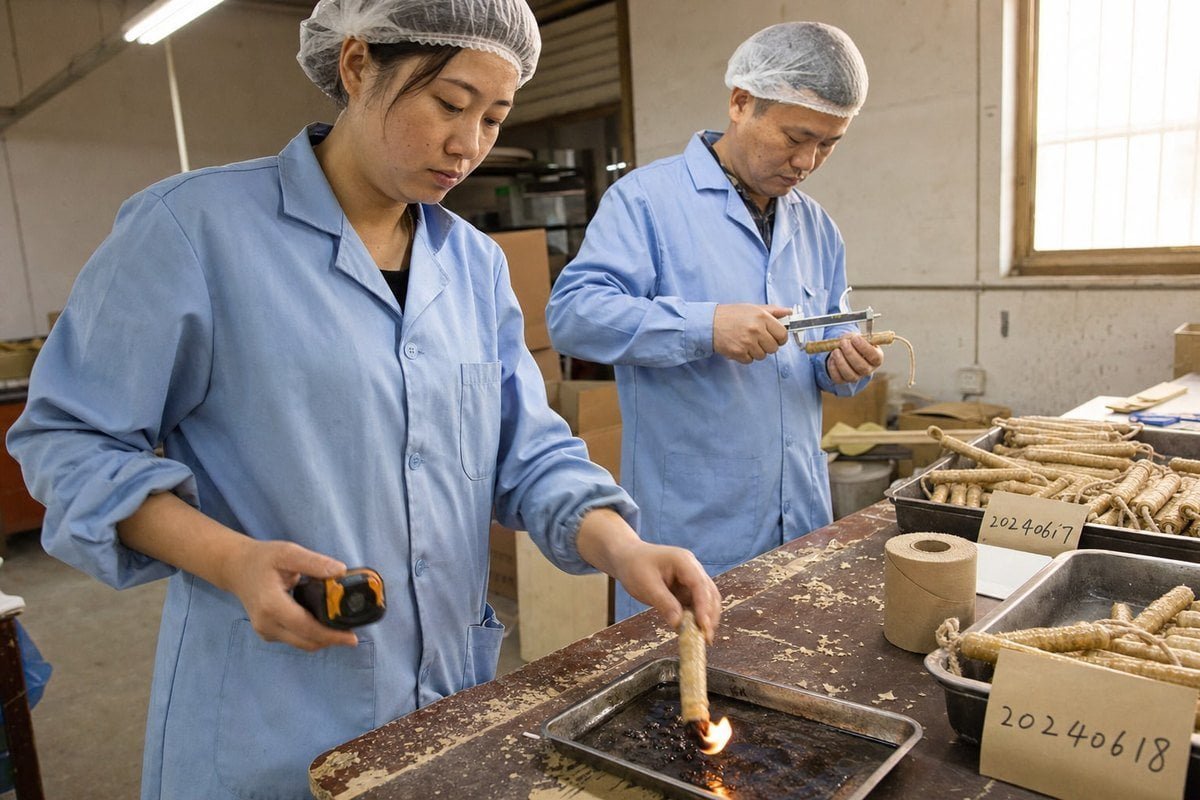
نادرًا ما تكون المرتجعات عشوائية. عندما نحلل أسباب الإرجاع مع مشترين B2B لدينا، تظهر نفس الأسباب مرارًا وتكرارًا. وكلها تقريبًا تعود إلى ما حدث قبل مغادرة الحاوية للميناء.
أهم محفزات الإرجاع لبادئات إشعال النار الخشبية
| سبب الإرجاع | المصدر الجذري | نقطة المنع |
|---|---|---|
| لن تشتعل أو تحترق بسرعة كبيرة | نسبة الشمع إلى الألياف غير متناسقة | اختبار الاحتراق الدفعي في المصنع |
| لفائف مسحوقة أو مفكوكة | تغليف داخلي ضعيف | اختبارات السقوط والضغط |
| وحدات رطبة أو متعفنة | لا يوجد حاجز رطوبة للممرات الرطبة | بطانات محكمة الإغلاق ومواد مجففة |
| "غير كما هو موصوف" | قوائم غامضة حول وقت الاحتراق أو عدد العبوات | أوراق مواصفات دقيقة من المورد |
| ملصقات تحذير مفقودة | وضع علامات غير متوافق مع السوق | مراجعة الامتثال قبل الشحن |
لاحظ شيئًا. سبب واحد فقط من هذه الأسباب الخمسة يحدث بعد البيع. الباقي قرارات تصنيع وتعبئة. لهذا السبب أقول دائمًا لمديري المشتريات: أرخص مرتجع لديك هو الذي لا يتم شحنه كعيب أبدًا.
في خطوط إنتاج نينغبو الخاصة بنا، تخضع كل دفعة من لفائف الخشب المغمسة بالشمع لأخذ عينات من وقت الاحتراق. نتحقق من أن لف الخشب المضغوط محكم، وأن طلاء البارافين متساوٍ، وأن محتوى الرطوبة يبقى ضمن الحدود المسموح بها. على مدار 17 عامًا، تعلمنا أن العينة الأولى لا تعني شيئًا إذا انحرفت الدفعة 40. لذلك نلتزم كل دفعة بنفس معيار مجموعة العينات.
هناك أيضًا جانب بيانات. تتبع أسباب الإرجاع حسب SKU من خلال سير عمل تفويض البضائع المرتجعة (RMA) إدارة سلسلة التوريد 3. إذا أظهر SKU واحد ارتفاعًا في "تالف عند الوصول" من منطقة واحدة، فإن الحل عادة ما يكون التعبئة والتغليف أو ممر شحن رطب - وليس المنتج نفسه. يمكن لهذا البصيرة الواحدة أن تقلل المرتجعات المتكررة بشكل كبير، ولا تكلفك شيئًا سوى جدول بيانات.
كيف أختار حلول التخزين الإقليمي أو التعبئة والتغليف التي تقلل من تكاليف الشحن العكسي عبر الحدود؟
أحد المقايضات التي نناقشها مع المستوردين باستمرار: شحن كل شيء إلى مستودع وطني واحد، أو تقسيم المخزون عبر مراكز إقليمية؟ بالنسبة للبضائع الضخمة ذات القيمة المنخفضة مثل بادئات إشعال النار، فإن الحسابات تفضل عادةً الإقليمية.
اختر مستودعات إقليمية بالقرب من أكثر تجمعات المبيعات كثافة لديك، وقم بتوجيه جميع المرتجعات إلى مركز فرز محلي بدلاً من العبور عبر الحدود، واستخدم تجميع الشحن لتجميع شحنات المرتجعات الصغيرة في عمليات نقل كبيرة. عقد شراكة مع طرف ثالث لوجستي إقليمي عندما لا يكون حجمك كافياً لتبرير امتلاك البنية التحتية.
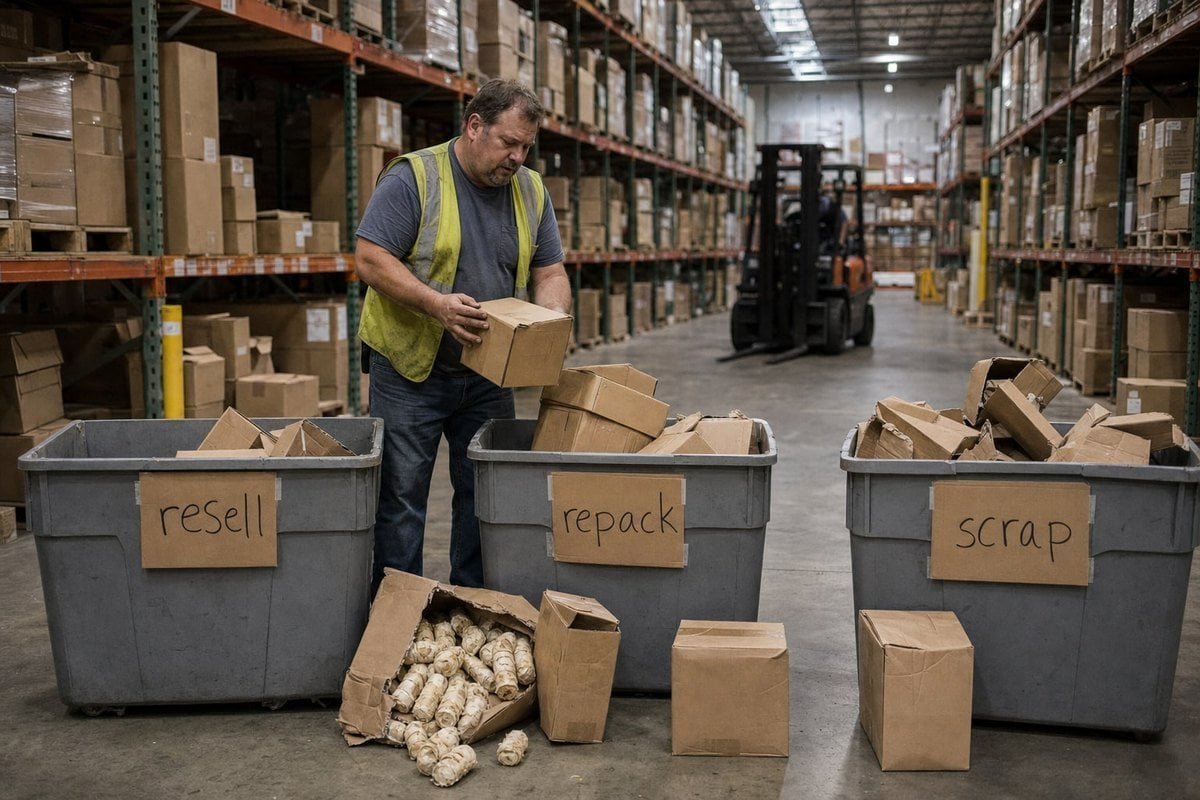
الشحن العكسي عبر الحدود هو أكبر فخ تكلفة في هذه الفئة. يمكن أن تكلف علبة مرتجعة من بادئات إشعال النار بقيمة بضعة دولارات أضعاف ذلك لنقلها عبر الحدود - خاصة مع رسوم شحن المواد الخطرة 4 التي تطبقها بعض شركات النقل على المواد القابلة للاحتراق من الشمع والخشب. لذا فإن الهدف بسيط: تقليل الأميال.
نهج عملي للمحور والتحدث
- ارسم كثافة مبيعاتك. إذا تركزت معظم الطلبات في عدد قليل من المناطق الحضرية أو بالقرب من كبار تجار التجزئة، فضع المخزون ونقاط الإرجاع هناك.
- قم بتعيين نقطة فرز إقليمية واحدة لكل سوق. كل مرتجع في تلك المنطقة يتدفق إلى محور واحد للفحص والتقييم: إعادة البيع، إعادة التعبئة، التصفية، أو الخردة.
- قم بالتوحيد قبل أي رحلة طويلة. لا تدع الطرود الفردية تسافر مرة أخرى إلى المقر الرئيسي. اجمعها وانقلها كشحن - أو لا تنقلها على الإطلاق.
- اجمع الأحمال الأمامية والعكسية. عندما تعود شاحنات التوصيل الخاصة بك فارغة، استخدمها لالتقاط المرتجعات لتقليل الأميال الفارغة.
- استخدم قنوات التصفية محليًا. يمكن بيع المخزون غير القابل للبيع ولكنه قابل للاستخدام لمتاجر الأجهزة القريبة، أو مواقع التخييم، أو قنوات الخصم بدلاً من السفر إلى أي مكان.
بناء، أو الاستعانة بمصادر خارجية، أو هجين؟
| نموذج | الأفضل لـ | احذر من |
|---|---|---|
| مراكز إقليمية داخلية | حجم مرتفع وثابت في مناطق مركزة | تكاليف ثابتة خلال غير موسم الذروة |
| إقليمي الخدمات اللوجستية لطرف ثالث 5 (هم) | المستوردون من الشركات الصغيرة والمتوسطة والأسواق المتوسطة | رؤية أقل لجودة التصرف |
| هجين (امتلاك مركز واحد، 3PL في مكان آخر) | العلامات التجارية التي تختبر أسواقًا جديدة | التنسيق وتكامل الأنظمة |
ندعم هذا أيضًا في جانب التصدير. نظرًا لأننا نحسن الخدمات اللوجستية العالمية كجزء من خدمة OEM الخاصة بنا، يمكننا تعبئة الكراتين الرئيسية لتتناسب مع مواصفات منصات التوزيع الإقليمية الخاصة بك، ووضع الملصقات حسب مركز التوزيع الوجهة، و تقسيم طلب واحد عبر منافذ متعددة. هذا يقلل من احتكاك الخدمات اللوجستية للميل الأخير عند الوصول - ويعني أن المرتجع لا يحتاج أبدًا إلى السفر بعيدًا للعثور على مستودع يمكنه إعادة تخزينه.
كلمة تحذير أشاركها مع كل مشترٍ: المرتجعات الإقليمية ليست أرخص تلقائيًا. إذا كان حجمك في منطقة ما قليلًا جدًا، فإن استخدام المركز ينخفض وتأكل التكاليف الثابتة المدخرات. قم بتجربة منطقة واحدة وعائلة منتجات واحدة لمدة 60-90 يومًا، وقم بقياس التكلفة لكل مرتجع والوقت اللازم للتصرف، ثم قم بالتوسع.
هل يمكن أن يؤدي العمل مع مُصنِّع متوافق ومعتمد إلى تقليل مخاطر عمليات الإرجاع بسبب مشكلات تتعلق بالسلامة أو الملصقات؟
جاءنا مشترٍ من المملكة المتحدة ذات مرة بعد أن سحب بائع تجزئة ولاعة شرارات المورد السابق من الأرفف بسبب نقص ملصقات التحذير. أصبح كل منتج تم سحبه مطالبة مرتجع إلى بائع. شكلت تلك الحلقة كيف ندير الامتثال اليوم.
نعم. الشركة المصنعة المعتمدة وفقًا لمعايير ISO 9001 و BSCI و CE، والتي تم اختبارها بواسطة SGS أو Intertek، تقلل بشكل كبير من عمليات الإرجاع المتعلقة بالسلامة ووضع العلامات، لأن ملصقات التحذير المتوافقة، والتركيبات التي تم التحقق منها، وتقارير الاختبار الموثقة تمنع رفض تجار التجزئة، واحتجاز الجمارك، وعمليات الاستدعاء التنظيمية قبل وصول المنتجات إلى الأرفف.
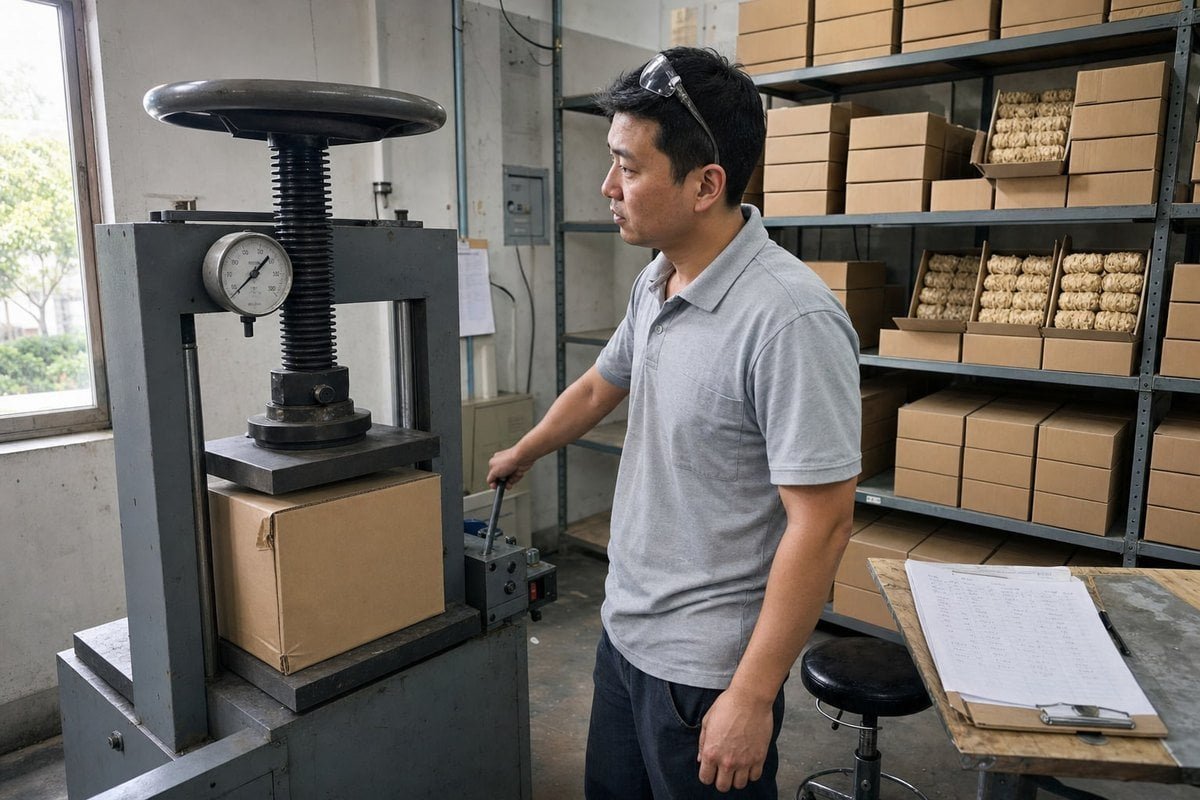
مرتجعات السلامة والملصقات هي الأكثر تكلفة. يؤثر عيب جودة واحد على وحدة واحدة. يؤثر عيب الملصقات على الشحنة بأكملها. عندما ترفض سلسلة بيع بالتجزئة منصة بسبب نقص رسم توضيحي أو ادعاء تكوين غير مؤكد، فإنك تواجه رسوم إعادة التخزين، ورسوم استرداد المبالغ المدفوعة من البائع، وأحيانًا تكاليف التدمير - لأن السلع القابلة للاشتعال غالبًا لا يمكن إعادة شحنها أو إعادة تسميتها بسهولة بعد حقيقة الأمر.
لماذا الشهادة أداة لمنع المرتجعات، وليس مجرد أوراق
في تجربتنا في التصدير إلى أكثر من 30 دولة، تتجمع حالات فشل الامتثال في ثلاثة مجالات:
- شفافية التركيب. تذكر عبوات ولاعة الشرارات الخاصة بنا التركيب الفعلي - على سبيل المثال، نسب ألياف الخشب والبارافين - مع تقارير اختبار لدعمها. الادعاءات الغامضة أو الكاذبة حول التركيب تؤدي إلى عمليات تفتيش جمركية وتدقيق من قبل تجار التجزئة.
- ملصقات تحذير خاصة بالسوق. يتوقع الاتحاد الأوروبي والولايات المتحدة والمملكة المتحدة وأستراليا كل منها متطلبات مختلفة للتحذير والرسوم التوضيحية واللغة. نقوم بدمج هذه في مرحلة التصميم الفني لكل طلب علامة تجارية خاصة، وليس كفكرة لاحقة.
- جودة موثقة وقابلة للتكرار. ISO 9001 6 يعني التحكم في العملية أن الشهادة تعكس كيفية تصنيع كل دفعة. يجد المشترون الذين يشترون من ورش عمل غير معتمدة أن الدفعة 10 لم تعد تطابق العينة المختبرة - وتصبح تلك الفجوة مرتجعات.
هناك فائدة من الدرجة الثانية يغفلها مديرو المشتريات أحيانًا. عندما تكون أوراقك كاملة - علامة CE 7, ، تقارير اختبار SGS أو Intertek، الباركود الصحيح - يتم حل النزاعات بشكل أسرع. إذا شكك بائع تجزئة في شحنة، فإنك تقدم وثائق بدلاً من قبول مرتجع شامل. هذا وحده يمكن أن يحول مرتجع منصة كاملة إلى تبادل وثائق بسيط. الشهادة لا تمنع المرتجعات فحسب. إنها تمنحك نفوذًا عندما تكون المرتجعات مهددة.
عندما نقوم بتطوير عبوات لعميل جديد، نبدأ بسؤال صريح: أي مسار شحن سيعاقب هذا الصندوق أكثر؟ الشحن البحري الرطب إلى البرازيل والشحن بالشاحنات في فصل الشتاء الجاف في كندا يتطلبان إجابات مختلفة.
اطلب صناديق رئيسية مختبرة للصدمات، وبطانات حاجز للرطوبة مع مواد مجففة للممرات الرطبة، وفحوصات فردية لسلامة الطلاء الشمعي، وشهادة اختبار السقوط لصناديق البيع بالتجزئة، وملصقات تحذير خاصة بالسوق، وتفاوتات محددة لوقت الاحتراق كتابيًا. ضع هذه المعايير في اتفاقية الشراء الخاصة بك، وليس فقط في بريد إلكتروني.
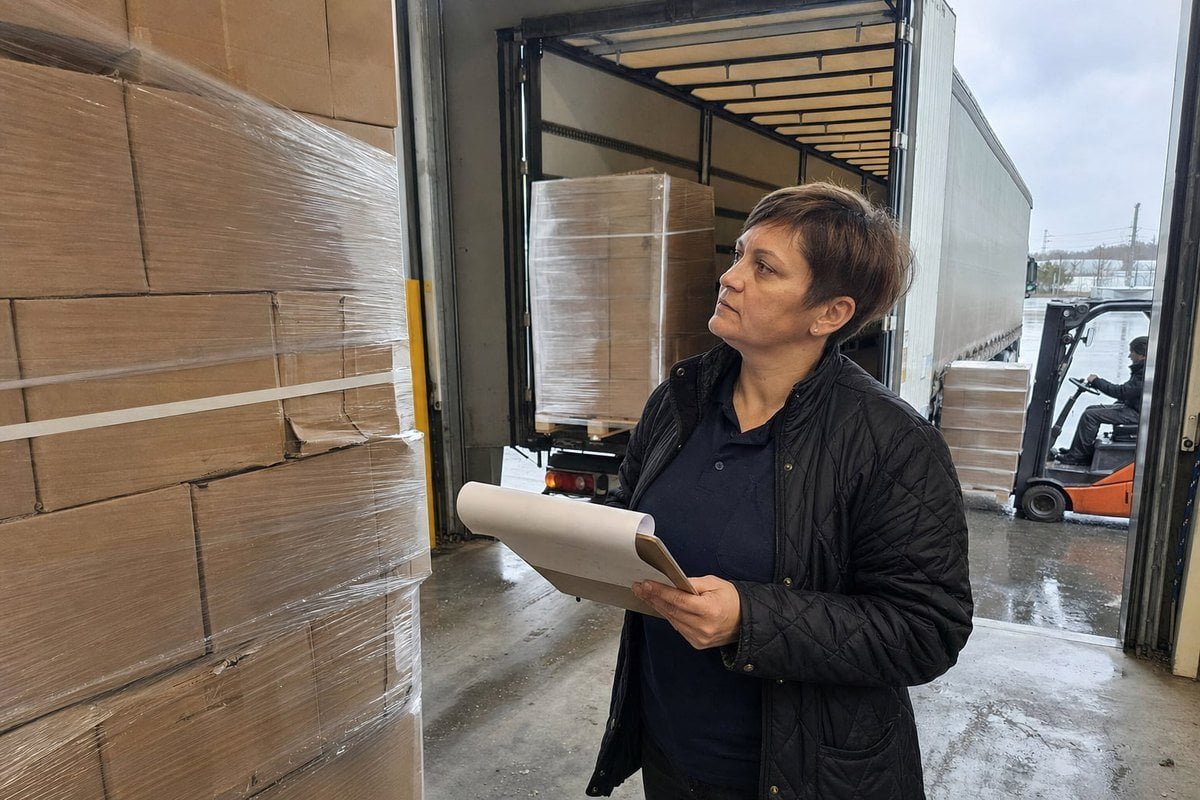
العبوات مهمة أكثر للولاعات من معظم الفئات. صندوق بيع بالتجزئة مسحوق يجعل المنتج غير قابل للبيع بالسعر الكامل حتى عندما تكون اللفائف المغطاة بالشمع بالداخل سليمة تمامًا. هذا خسارة استرداد للمخزون بحتة - قيمة دمرتها الكرتون، وليس المنتج.
قائمة فحص المواصفات التي أوصي بها
| معيار للطلب | ما يجب تحديده | لماذا يقلل المرتجعات |
|---|---|---|
| قوة الكرتون الرئيسي | معدل مقاومة الحواف مناسب للمنصات المكدسة | يمنع صناديق البيع بالتجزئة المسحوقة أثناء النقل |
| حماية الرطوبة | بطانات محكمة الإغلاق بالإضافة إلى مجففات في الممرات الرطبة | يوقف الوحدات الرطبة وغير القابلة للإضاءة |
| تحمل المنتج | نطاق وقت الاحتراق وتغطية الشمع كتابيًا | يضمن تطابق الوحدات مع ادعاءات قائمتك |
| اختبار السقوط | صندوق البيع بالتجزئة يتحمل ارتفاعات سقوط محددة | يحمي شحنات الطرود للميل الأخير |
| الامتثال للملصقات | تحذيرات خاصة بالسوق، ورموز شريطية، ولغات | تجنب رفض بائع التجزئة ومطالبات الإرجاع إلى البائع |
| تكوين المنصة | عدد الكراتين مطابق لمواصفات مركز التوزيع الخاص بك | يسرّع الاستلام وإعادة التخزين |
اضبط التغليف حسب السوق، وليس عالميًا
نادرًا ما يناسب مواصفات واحدة جميع المناطق. بالنسبة للمشترين في الولايات المتحدة وكندا، نقوم بتقوية الكراتين لأرجل الشحن الطويلة وهشاشة الطقس البارد في الشمع. بالنسبة للبرازيل والشرق الأوسط، فإن الحماية من الرطوبة والحرارة تقود المواصفات. بالنسبة لقنوات البيع بالتجزئة الألمانية والهولندية، فإن تغليف العرض الجاهز للرف مع وضع العلامات الدقيقة هو الأكثر أهمية، لأن هؤلاء البائعين يقومون بالتدقيق بأشد الطرق.
اطلب أيضًا من المورد الخاص بك التصميم للإرجاع نفسه. تسمح صناديق العبوات المتعددة التي يمكن إعادة إغلاقها بشكل نظيف لمركز إقليمي بإعادة تغليف الكراتين الخارجية التالفة قليلاً وإعادة تخزينها، بدلاً من التخلص من الوحدة بأكملها. هذا الاختيار التصميمي الصغير يرفع نسبة إعادة البيع مقابل التخلص منها - وهي واحدة من أكثر مؤشرات الأداء الرئيسية فائدة في الخدمات اللوجستية العكسية. بصفتنا شريكًا مصنعًا للمعدات الأصلية (OEM) متكاملًا، فإننا نتعامل مع الصناديق المخصصة وتغليف العرض وملصقات التحذير والرموز الشريطية داخليًا، لذلك يتم بناء هذه المعايير في مرحلة التصميم الفني بدلاً من إصلاحها عند الميناء.
خاتمة
يمكن أن تستهلك المرتجعات بهدوء ربح موسم كامل من بادئات تشغيل النار الخشبية. ولكن يمكن التحكم في كل محرك تكلفة رئيسي.
منع العيوب في المصنع من خلال مراقبة الجودة المعتمدة للدُفعات. تجميع المرتجعات من خلال المراكز الإقليمية و توحيد الشحن 8 بدلاً من الطرود عبر الحدود. اطلب ملصقات متوافقة ومعايير تغليف مكتوبة من المورد الخاص بك. خلال أكثر من 17 عامًا من توريد سلع إشعال النار للمستوردين عبر الولايات المتحدة وأوروبا، فإن المشترين الذين يعاملون الشركة المصنعة لديهم كشريك في منع الإرجاع - وليس مجرد عرض أسعار - يحتفظون باستمرار بأكبر هامش ربح. إذا كنت تريد معايير تغليف ووضع علامات ومراقبة جودة مصممة لشبكتك الإقليمية المحددة، فيجب أن تبدأ هذه المحادثة قبل طلب الشراء التالي، وليس بعد ذروة الإرجاع التالية.
ملاحظات ختامية
تعريف المفهوم الأساسي الذي يدعم الموضوع المركزي للمقال حول إدارة المرتجعات ↩︎
تغطي صفحة اختبار الحزم في ويكيبيديا معايير ISTA وبروتوكولات اختبار السقوط. ↩︎
إدخال شامل في ويكيبيديا لإدارة سلسلة التوريد ليحل محل رابط ISO المعطل. ↩︎
مرجع وكالة حماية البيئة للوائح المواد الخطرة ذات الصلة بشحنات الشمع والخشب القابلة للاحتراق ↩︎
مرجع تعريفي لنموذج 3PL الذي تمت مقارنته في جدول المستودعات الإقليمية ↩︎
إدخال موثوق في ويكيبيديا لمعيار ISO 9001 لتجنب أخطاء 403 على الموقع الرسمي. ↩︎
مرجع خلفية يشرح علامة المطابقة الأوروبية المذكورة في قسم الامتثال ↩︎
رابط مفهوم خلفية يشرح ممارسات حركة الشحن والتوحيد المذكورة في استراتيجية الخدمات اللوجستية ↩︎



 English
  Spanish
  German
  French
  Arabic
  Portuguese
انضم إلى المحادثة