






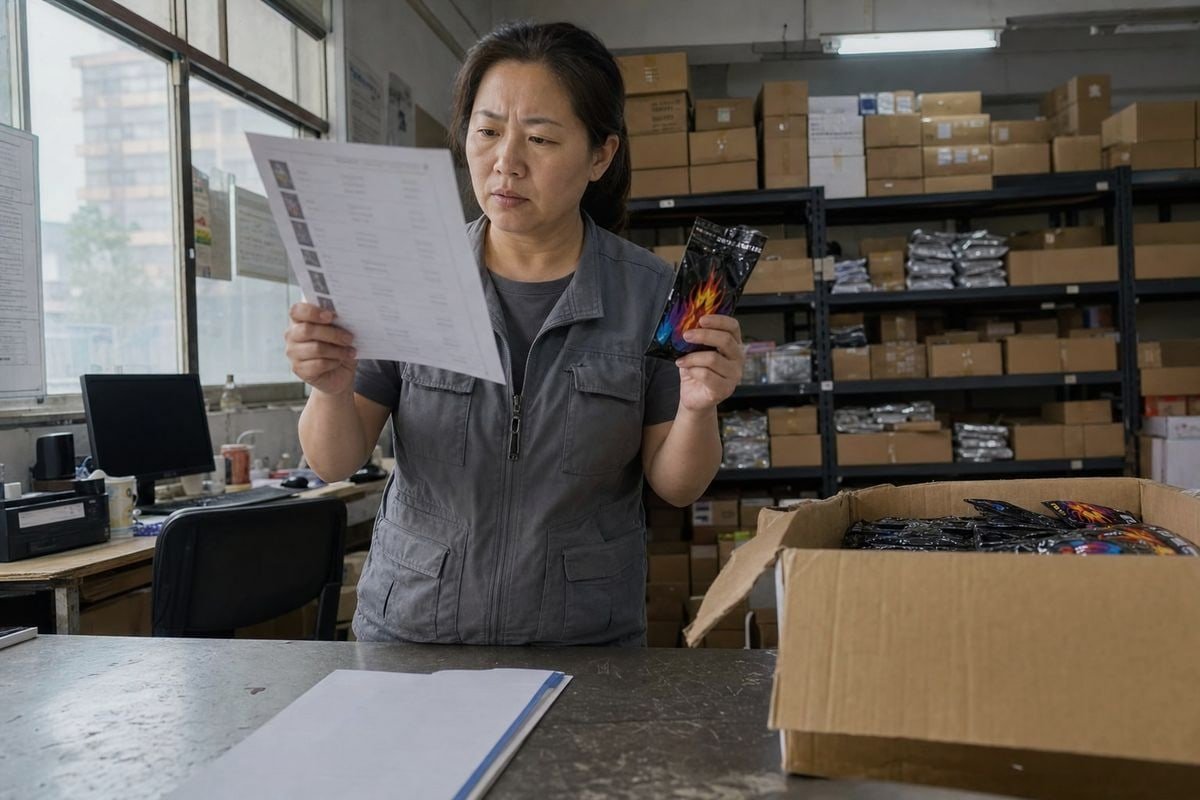
تحضير ملصقات مخاطر متعددة اللغات متوافقة مع CLP لمسحوق النار السحري كاد أن يعرقل إحدى شحناتنا الألمانية الأولى إخطار مركز السموم 1. كتلة لغة واحدة مفقودة، ويمكن للجمارك احتجاز حاويتك بالكامل. لقد تعلمنا هذا الدرس في خط الإنتاج الخاص بنا - وبنينا نظامًا لمنعه.
ملصقات المخاطر متعددة اللغات المتوافقة مع لائحة CLP لمسحوق سحر النار يجب أن تتضمن تفاصيل المورد، ومعرف المنتج، ورسوم GHS التوضيحية، وكلمات الإشارة، وبيانات المخاطر والاحتياطات بموجب المادة 17 من لائحة CLP، مكتوبة باللغة الرسمية لكل دولة عضو في الاتحاد الأوروبي حيث يتم بيع المنتج.
هذه الجملة الواحدة تخفي الكثير من العمل العملي. أدناه، أقوم بتقسيم العملية إلى أربع خطوات: التصنيف، وقواعد اللغة، وتقارير الاختبار، والطباعة. كل خطوة تستند إلى خبرة تصدير حقيقية.
ما هو تصنيف مخاطر CLP والرسوم التوضيحية التي يجب أن أستخدمها لمسحوق نار سحري؟
قبل بضع سنوات، سألنا موزع فرنسي لماذا تحتاج عبوات اللهب الملون لدينا إلى رسم توضيحي للهب عندما "يذهب فقط في النار على أي حال". هذا السؤال شكل كيف نشرح التصنيف لكل مشترٍ الآن.
يجب تصنيف مسحوق نار السحر على أنه خليط خطير بناءً على تركيبته الفعلية، وعادةً ما يتم استخدام الرسوم التوضيحية للهب أو علامة التعجب الخاصة بالنظام المنسق عالميًا، وكلمة إشارة مثل "تحذير"، وبيانات الخطر والاحتياطات المحددة المشتقة من أملاح المعادن التي يحتوي عليها.

الاسم التجاري لا يخبر المنظمين شيئًا. "Magic Fire" يبدو كلعبة، لكن CLP تنظر إلى الكيمياء، وليس العلامة التجارية. يبدأ التصنيف الخاص بك ببيانات التركيب. تعتمد معظم مساحيق اللهب الملون على أملاح المعادن - مركبات النحاس لتأثيرات اللون الأزرق والأخضر، على سبيل المثال. بعض هذه الأملاح تثير فئات مخاطر محددة مثل السمية الحادة 2, ، تهيج العين، أو المخاطر المائية. تستخدم تركيباتنا مواد صديقة للبيئة، ولكن حتى مع ذلك، نقوم بتشغيل كل خليط من خلال تمرين تصنيف كامل قبل أن نصمم أي ملصق.
ابدأ بالخليط، وليس التسويق
هذا هو التسلسل الذي نتبعه في مصنعنا:
- اسحب التركيب الكامل من سجل التركيبة.
- تحقق من كل مكون مقابل قائمة التصنيف المنسقة على قاعدة بيانات ECHA. مخزون ECHA C&L 3
- طبق قواعد حساب خليط CLP أو استخدم بيانات الاختبار حيثما كانت متاحة.
- اشتق الرسوم التوضيحية، وكلمات الإشارة، وبيانات H/P من النتيجة.
- قم بمواءمة نص الملصق مع صحيفة بيانات السلامة 4 صحيفة بيانات السلامة بحيث تتطابق كلتا الوثيقتين تمامًا.
هذه الخطوة الأخيرة مهمة أكثر مما يتوقع معظم المشترين. تتطلب متطلبات وضع العلامات الخاصة بـ ECHA الاتساق بين الملصق وصحيفة بيانات السلامة. إذا كانت صحيفة بيانات السلامة الخاصة بك تقول H319 ولكن الملصق يغفلها، فسوف يشير إليها مفتش على الفور.
العناصر النموذجية للملصقات لمسحوق اللهب الملون
| عنصر الملصق | مثال لمسحوق Magic Fire | إلزامي؟ |
|---|---|---|
| رمز النظام المنسق عالمياً لتصنيف المواد الكيميائية ووسمها | علامة تعجب (GHS07) أو بيئة (GHS09)، اعتمادًا على الأملاح | نعم، إذا تم تصنيفه |
| كلمة الإشارة | تحذير | نعم، إذا تم تصنيفه |
| بيانات الخطر | على سبيل المثال، H319 (تهيج العين)، H412 (مائي) | نعم، لكل تصنيف |
| بيانات الاحتياطات | على سبيل المثال، P102، P305+P351+P338 | نعم، مجموعة مختارة |
| عبارات EUH | فقط إذا تم تشغيلها بواسطة خصائص محددة | إذا كان ذلك منطبقًا |
| هوية المورد | اسم وعنوان وهاتف المستورد في الاتحاد الأوروبي | دائماً |
| الكمية الاسمية | على سبيل المثال، 25 جم | عبوات المستهلك |
نقطة أخرى غالبًا ما يغفلها المشترون. إذا كانت الكيس مختومة ولم يفتحها المستهلك أبدًا، يجادل بعض البائعين بأنه يجب معاملة المنتج كـ "مادة" لتقليل عبء وضع العلامات. في تجربتنا، هذه الحجة نادرًا ما تكون صالحة لخليط مسحوق، وننصح بعدم الاعتماد عليها. إضافة تعليمات وقائية واضحة "لا تفتح - ضع الكيس المختوم مباشرة على النار" هي الطريق الأكثر أمانًا. إنها تحافظ على ملف تعريف سلامة الخليط المحتوي دون تمديد التعريفات القانونية.
مبيعات المستهلك تضيف طبقة أخرى. إذا ذهب مسحوق النار السحري إلى عامة الناس، يجب عليك أيضًا التحقق من الملحق السابع عشر من لائحة REACH 5 القيود على أملاح المعادن المحددة المعنية، لأن بعض المواد مقيدة للتوريد للمستهلكين تمامًا. نتحقق من ذلك أثناء التركيب، وليس بعد تصميم العبوة.
ما هي لغات الاتحاد الأوروبي المطلوبة قانونًا على ملصقات المخاطر متعددة اللغات الخاصة بي؟
المقايضة التي نزنها في كل طلب أوروبي بسيطة: ملصق واحد متعدد اللغات يغطي جميع الأسواق، أم ملصقات بلد منفصلة؟ كل خيار يغير تكلفة العمل الفني، وعدد وحدات SKU، وخطر الخطأ بشكل مختلف.
يجب أن تظهر ملصقات المخاطر متعددة اللغات الخاصة بك باللغة الرسمية لكل دولة عضو حيث يتم طرح المنتج في السوق. يتطلب البيع في ألمانيا اللغة الألمانية؛ وتتطلب فرنسا اللغة الفرنسية؛ وتتطلب بلجيكا اللغات الهولندية والفرنسية والألمانية. يُسمح بلغات إضافية إذا ظل المحتوى متطابقًا.

CLP نفسها منسقة عبر الاتحاد الأوروبي، ولكن التزامات اللغة تعمل على المستوى الوطني. يجب أن يتطابق الملصق مع السوق الذي يباع فيه المنتج فعليًا. هذا يعني أن نفس كيس مسحوق النار السحري قد يحتاج إلى إصدارات ملصقات مختلفة اعتمادًا على بصمة التوزيع الخاصة بك. نحن نوفر مشترين في ألمانيا وفرنسا وهولندا وبولندا، لذا يأتي هذا السؤال في كل عرض أسعار تقريبًا.
متطلبات اللغة حسب السوق المستهدف الشائع
| السوق | اللغة (اللغات) المطلوبة | ملاحظات عملية |
|---|---|---|
| ألمانيا | الألمانية | الملصقات باللغة الإنجليزية فقط غير متوافقة |
| فرنسا | الفرنسية | يتم تطبيقه بصرامة في البيع بالتجزئة |
| هولندا | الهولندية | يتم التسامح مع اللغة الإنجليزية أحيانًا بشكل غير رسمي، ولكن الهولندية هي المتطلب القانوني |
| بلجيكا | الهولندية والفرنسية والألمانية | ثلاث لغات لسوق صغير واحد |
| بولندا | البولندية | تزايد الإنفاذ في السنوات الأخيرة |
| أيرلندا | الإنجليزية | غالبًا ما تقترن بأعمال فنية خاصة بالسوق البريطانية |
تخلق قاعدة اللغات الرسمية للدول الأعضاء مشكلة تصميم حقيقية على عبوة صغيرة من الرقائق المعدنية. يوجد حلان. الأول، ملصقات منفصلة خاصة بكل بلد - نظيفة وسهلة القراءة، لكنها تضاعف عدد وحدات SKU الخاصة بك. الثاني، ملصق متعدد اللغات - فعال، ولكنه مزدحم. بالنسبة للمنتجات التي تغطي أربع لغات أو أكثر، فإن الملصقات القابلة للطي أو الملصقات الشبيهة بالكتيبات هي الحل القياسي: لوحة أمامية تحتوي على العناصر المرئية الأساسية، ولوحات داخلية تحمل كتل اللغات الكاملة، ولوحة خلفية تكرر العناصر الرئيسية.
قواعد التجميع التي يتحقق منها المفتشون بالفعل
مهما كان التنسيق الذي تختاره، قم بتجميع عبارات المخاطر والاحتياطات لكل لغة معًا. يعد خلط عبارات H الألمانية مع عبارات P الفرنسية في كتلة واحدة اكتشافًا شائعًا لعدم الامتثال. يجب أن تكون كل كتلة لغوية كاملة داخليًا ومتسقة داخليًا. ويجب أن تقول كل نسخة لغوية بالضبط نفس الشيء - لا تقم بتقصير النص البولندي بسبب نفاد المساحة.
تحذير واحد من واقع الخبرة: هذه ترجمات منظمة، وليست ترجمات مجانية. الكلمات الدقيقة لكل عبارة H و P بكل لغة من لغات الاتحاد الأوروبي منشورة في قاعدة بيانات العبارات متعددة اللغات ECHA 6. استخدمها حرفيًا. صياغة المترجم "المحسنة" لـ H319 هي، قانونيًا، النص الخاطئ.
كيف يمكنني الحصول على تقارير اختبار SGS أو Intertek لدعم ادعاءات ملصقات CLP الخاصة بي؟
في وقت مبكر من تاريخ تصديرنا، رفض مشترٍ بريطاني طلبًا جاهزًا للشحن لأن حزمة المستندات الخاصة بنا افتقرت إلى التحقق من طرف ثالث. منذ ذلك الحين، تم دمج تقارير SGS و Intertek في سير عملنا القياسي، ولم تعد تُعامل كإضافة.
اطلب اختبارًا من طرف ثالث عن طريق إرسال تركيبتك وعينات منتجاتك إلى SGS أو Intertek لتحليل التركيب والتحقق من التصنيف وتأليف صحائف بيانات السلامة. تؤكد تقارير الاختبار الناتجة تصنيفك وفقًا لـ CLP، وتدعم ادعاءات الملصق الخاص بك، وتلبي متطلبات وثائق المستورد وتجار التجزئة.

تخدم تقارير الاختبار جمهورين. يريد المنظمون دليلًا على أن تصنيفك يعكس بيانات حقيقية. يريد مشترو التجزئة - وخاصة السلاسل الكبيرة - ملف امتثال قبل إدراج منتجك. نحن نحمل شهادات ISO 9001 و BSCI و CE و SGS / Intertek على وجه التحديد لأن عملائنا من الشركات B2B يعاملونها كشرط أساسي، وليس كشيء لطيف.
سير عمل الاختبار، خطوة بخطوة
إليك العملية التي نجريها لطلبات Magic Fire المتجهة إلى الاتحاد الأوروبي:
- الكشف عن التركيبة الكاملة. يحتاج المختبر إلى نسب مئوية دقيقة، وليس نطاقات، للتحقق من التصنيف.
- تقديم عينات الإنتاج. استخدم دفعات الإنتاج الضخم، وليس النماذج الأولية المصنوعة يدويًا. اتساق الدفعة هو ما تصدق عليه التقرير.
- تكليف تحليل التركيب. يؤكد المختبر أن المكونات المعلنة تطابق المنتج الفعلي.
- التحقق من تصنيف CLP. يتحقق المختبر من فئات المخاطر الخاصة بك،, رموز GHS 7, وكلمات الإشارة مقابل البيانات.
- تأليف أو مراجعة صحيفة بيانات السلامة SDS. تؤمن صحيفة بيانات السلامة المتوافقة والمترجمة كل ادعاءات الملصق.
- تقديم إشعار مركز السموم PCN. تحتاج المخاليط الخطرة المباعة في الاتحاد الأوروبي إلى تقديم إشعار PCN، والذي ينشئ معرف صيغة فريد 8 UFI الذي يجب أن يظهر على ملصق المنتجات الاستهلاكية.
هذه النقطة UFI تربك العديد من المستوردين لأول مرة. يربط الرمز المكون من 16 حرفًا ملصقك ببيانات الاستجابة للطوارئ التي تحتفظ بها مراكز السموم. إذا كان مسحوق Magic Fire الخاص بك يحمل تصنيف خطر صحي، فإن UFI ينتمي إلى الملصق جنبًا إلى جنب مع العناصر المطلوبة الأخرى. نقوم بتنسيق هذا مع عملائنا في الاتحاد الأوروبي لأن PCN يتم تقديمه من قبل صاحب الواجب المقيم في الاتحاد الأوروبي، بينما نوفر بيانات التركيبة بموجب السرية.
التوقيت مهم أيضًا. يستغرق الاختبار وتأليف SDS عادةً عدة أسابيع. ننصح المشترين ببدء مسار التوثيق بالتوازي مع أخذ العينات، وليس بعد الموافقة على الأعمال الفنية. الملصق النهائي بتصنيف غير متحقق منه هو ملصق قد تضطر إلى إعادة طباعته.
هل يمكن لمصنعي التعامل مع طباعة ملصقات مخصصة متعددة اللغات لأسواق الاتحاد الأوروبي المختلفة؟
أرسل لنا مستورد هولندي خمسة ملفات أعمال فنية منفصلة لخمس دول وطلب منا إدارة التحكم في الإصدارات عبرها جميعًا. علمنا هذا المشروع لماذا توفر معالجة الملصقات الشاملة للمشترين المال والمخاطر الحقيقية.
يجب على الشركة المصنعة القادرة إدارة تصميم الملصقات متعددة اللغات، وإدراج عبارات CLP حرفيًا، وطباعة الملصقات القابلة للطي أو الكتيبات، وإصدارات الأعمال الفنية الخاصة بكل بلد، والرموز الشريطية، والعلامات التجارية الخاصة في سير عمل واحد — مع مراجعة الامتثال قبل الطباعة حتى تتطابق كل كتلة لغوية مع صحيفة بيانات السلامة قبل الإنتاج الضخم.
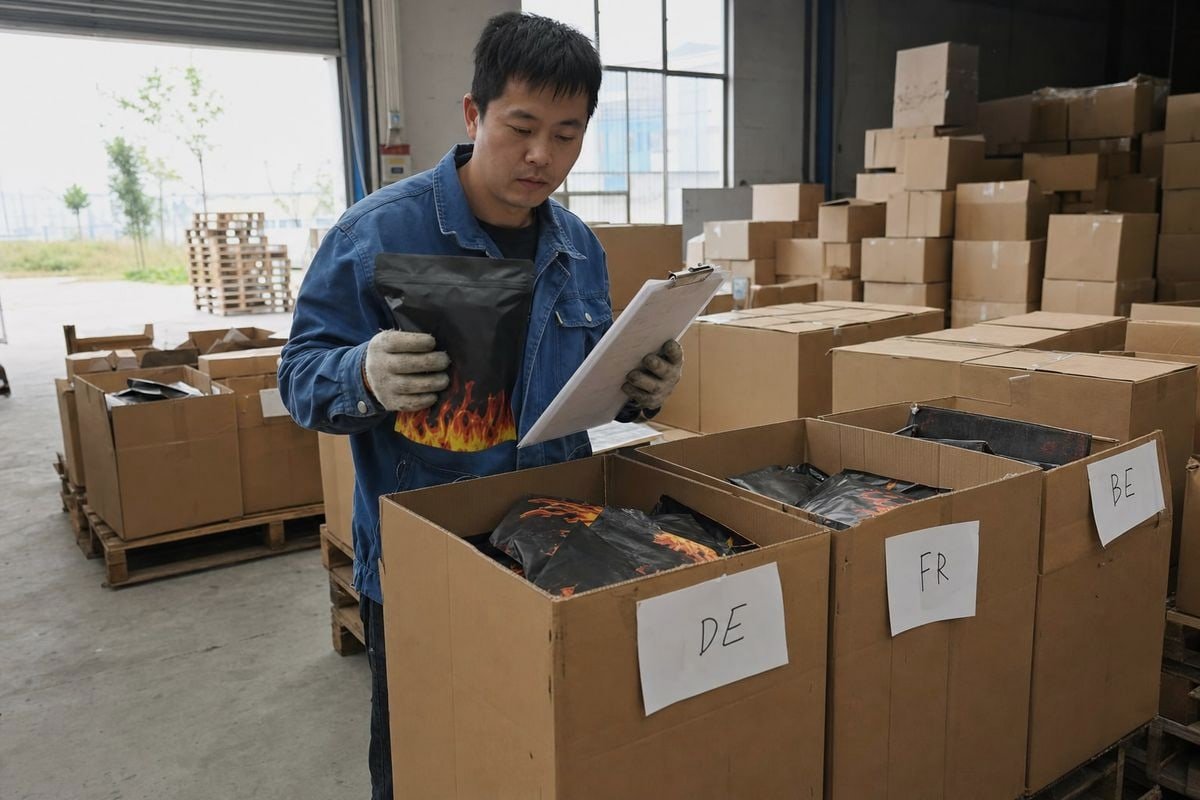
الطباعة هي المكان الذي ينجو فيه الامتثال أو ينكسر بهدوء. يمكن أن يكون التصنيف مثاليًا والترجمات دقيقة، ولكن إذا كانت الصورة الرمزية مطبوعة صغيرة جدًا أو تلطخت النصوص من الرقائق المعدنية، يفشل الملصق. يتطلب CLP أن تكون الملصقات مثبتة بإحكام، وقابلة للقراءة، وغير قابلة للمحو، وقابلة للقراءة أفقيًا عندما تكون العبوة في وضعها الطبيعي. على عبوة رقائق معدنية لامعة مثل كيس Magic Fire الخاص بنا، يعني ذلك أحبارًا مختبرة، وارتفاعًا كافيًا للحرف x، وتباينًا قويًا مع الخلفية السوداء، وإطارًا أحمر للصورة الرمزية يلبي توقعات الحد الأدنى للحجم.
ما يجب التحقق منه قبل الموافقة على الأعمال الفنية
| نقطة فحص | ما نتحقق منه | لماذا هو مهم |
|---|---|---|
| دقة العبارة | كل عبارة H / P تطابق صياغة ECHA الرسمية لكل لغة | الترجمات المجانية غير متوافقة |
| محاذاة SDS | مخاطر الملصق تعكس مراجعة SDS الحالية | عدم التطابق يؤدي إلى اكتشافات الفحص |
| حجم الصورة الرمزية | الإطار الماسي الأحمر يلبي الحد الأدنى للأبعاد، لا توجد عناصر نائبة فارغة | يتم تمييز الماسات الصغيرة جدًا أو الفارغة |
| تجميع اللغة | كل كتلة لغوية كاملة ومجمعة معًا | تخلط كتل اللغات المختلطة المستخدمين والمفتشين |
| الوضوح | حجم الخط، تباعد الأسطر، والتباين يجتازون مراجعة الوضوح | النوع الصغير على الرقائق المعدنية يفشل في اختبار الوضوح |
| بيانات UFI والمورد | رمز UFI واسم المورد في الاتحاد الأوروبي والعنوان والهاتف موجود | تفاصيل الاتصال المفقودة خطأ شائع |
| قواعد العبوات الصغيرة | تحقق مما إذا كانت الإعفاءات التي تقل عن 125 مل تنطبق | يمكن حذف بعض عبارات P على العبوات الصغيرة |
ملصق واحد أم ملصقات كثيرة؟ قرار عملي
بالنسبة للمشترين الذين يبيعون في بلد واحد أو بلدين، نوصي عادةً بملصقات خاصة بالبلد - أرفف أنظف، قراءة أسهل. بالنسبة للتوزيع على مستوى الاتحاد الأوروبي، يتحكم الملصق متعدد اللغات القابل للطي في انتشار وحدات حفظ المخزون، على الرغم من أن كل لغة مضافة تزيد من خطر حدوث خطأ في التصميم الفني. يوجد توتر حقيقي هنا بين الاكتمال القانوني وسهولة الاستخدام. إجابتنا هي مجموعة بيانات الملصقات الرئيسية: مصدر واحد متحكم فيه يحتفظ بكل كتلة لغة معتمدة، والتي يتم إنشاء كل إصدار فني منها. عندما يتغير التصنيف، نقوم بالتحديث مرة واحدة وكل إصدار ملصق يرث التغيير.
نتعامل أيضًا مع ملصقات التحذير، وصناديق مخصصة، وتغليف العرض، والرموز الشريطية ضمن نفس مشروع الملصق الخاص، لذلك تأتي ملفات الامتثال الخاصة بك وتغليف جاهز للعرض من مصدر واحد مسؤول بدلاً من ثلاثة بائعين يشيرون إلى بعضهم البعض.
خاتمة
تبدأ ملصقات المخاطر متعددة اللغات المتوافقة مع التصنيف الصادق، وتستخدم لغة CLP الدقيقة لكل سوق، وتستند إلى تقارير اختبار من طرف ثالث، وتنتهي بطباعة منضبطة. احصل على الأربعة بشكل صحيح، وستفتح أرفف الاتحاد الأوروبي.
ملاحظات ختامية
البوابة الرسمية لمركز السموم التابع لوكالة المواد الكيميائية الأوروبية (ECHA) تشرح متطلبات تقديم PCN للمخاليط. ↩︎
شرح خلفية لفئة خطر السمية الحادة المذكورة لأملاح المعادن. ↩︎
تم التحديث إلى منصة ECHA CHEM الجديدة لبيانات التصنيف ووضع العلامات. ↩︎
نظرة عامة رسمية من وكالة المواد الكيميائية الأوروبية (ECHA) على متطلبات SDS التي يجب أن تتوافق مع ملصقات CLP. ↩︎
رابط مباشر للقائمة الرسمية للمواد المقيدة على ECHA CHEM. ↩︎
مورد ملصقات رسمي من وكالة المواد الكيميائية الأوروبية (ECHA) يحتوي على صياغة عبارات المخاطر الموحدة متعددة اللغات. ↩︎
خلفية عن نظام GHS الذي تقوم عليه قواعد الرسوم التوضيحية والتصنيف. ↩︎
صفحة إرشادات من وكالة المواد الكيميائية الأوروبية (ECHA) تصف رمز UFI المطلوب على ملصقات المخاليط الخطرة. ↩︎
 English
  Spanish
  German
  French
  Arabic
  Portuguese
انضم إلى المحادثة