






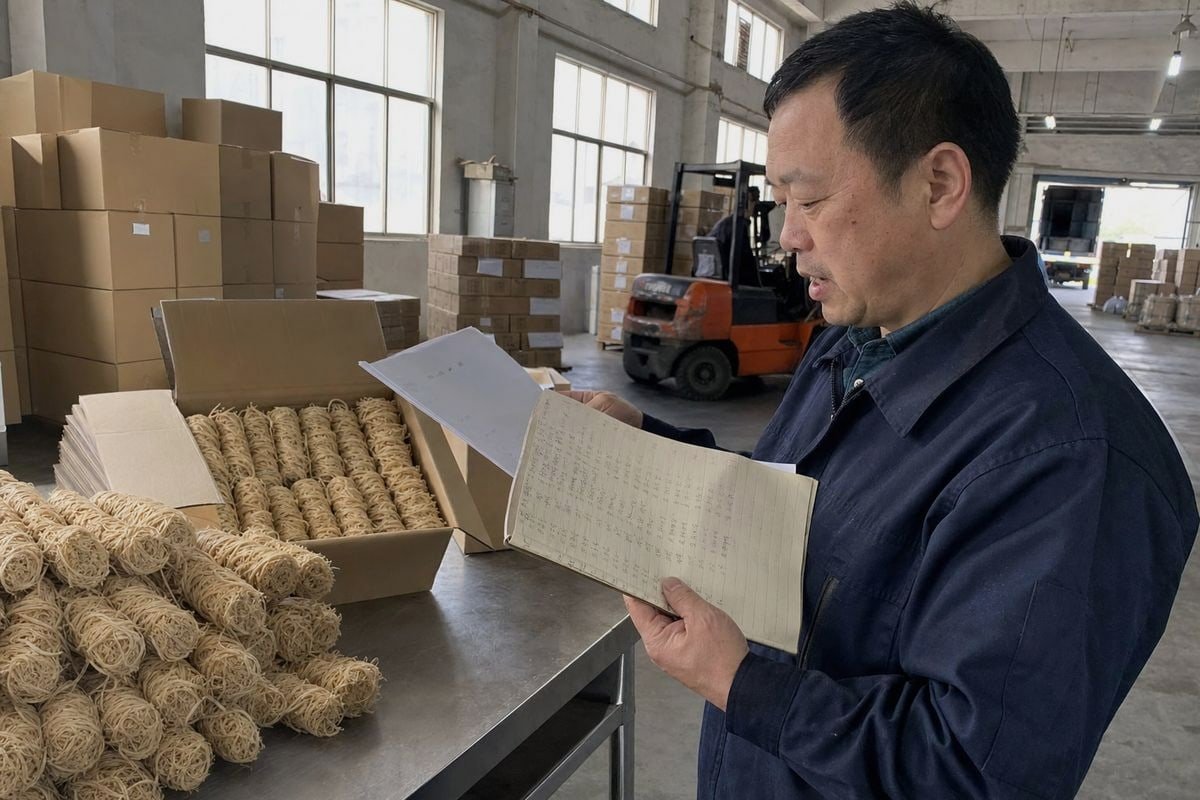
متطلبات أصل الأخشاب في اللائحة الأوروبية لمكافحة إزالة الغابات فاجأت العديد من مشترينا في الاتحاد الأوروبي. لفائف الخشب المغطاة بالشمع لدينا فجأة احتاجت إلى بيانات عن قطع الأراضي الحرجية، وليس مجرد أوراق المصنع - وفقدانها يمكن أن يمنع شحنتك عند الجمارك.
لتلبية متطلبات مصدر الخشب الخاصة بلائحة الاتحاد الأوروبي بشأن إزالة الغابات (EUDR) عند الحصول على مشعلات النار من الصين، اجمع إحداثيات الموقع الجغرافي على مستوى القطعة، وتواريخ الحصاد، وأسماء الأنواع، والتحقق من قانونية الأخشاب من المورد الخاص بك، وتأكد من أن الخشب خالٍ من إزالة الغابات بعد 31 ديسمبر 2020، ثم قدم بيان العناية الواجبة قبل الاستيراد إلى الاتحاد الأوروبي.
يبدو هذا بسيطًا على الورق. في الممارسة العملية، تعرف معظم المصانع الصينية مطاحن الأخشاب الخاصة بها ولكن ليس الغابة التي تقف وراءها. هذا الدليل يرشدك خلال ما يجب المطالبة به والتحقق منه وتوثيقه بالضبط.
ما هي الوثائق التي أحتاجها من المورد الخاص بي لإثبات إمكانية تتبع الأخشاب بموجب لائحة الاتحاد الأوروبي بشأن إزالة الغابات (EUDR)؟
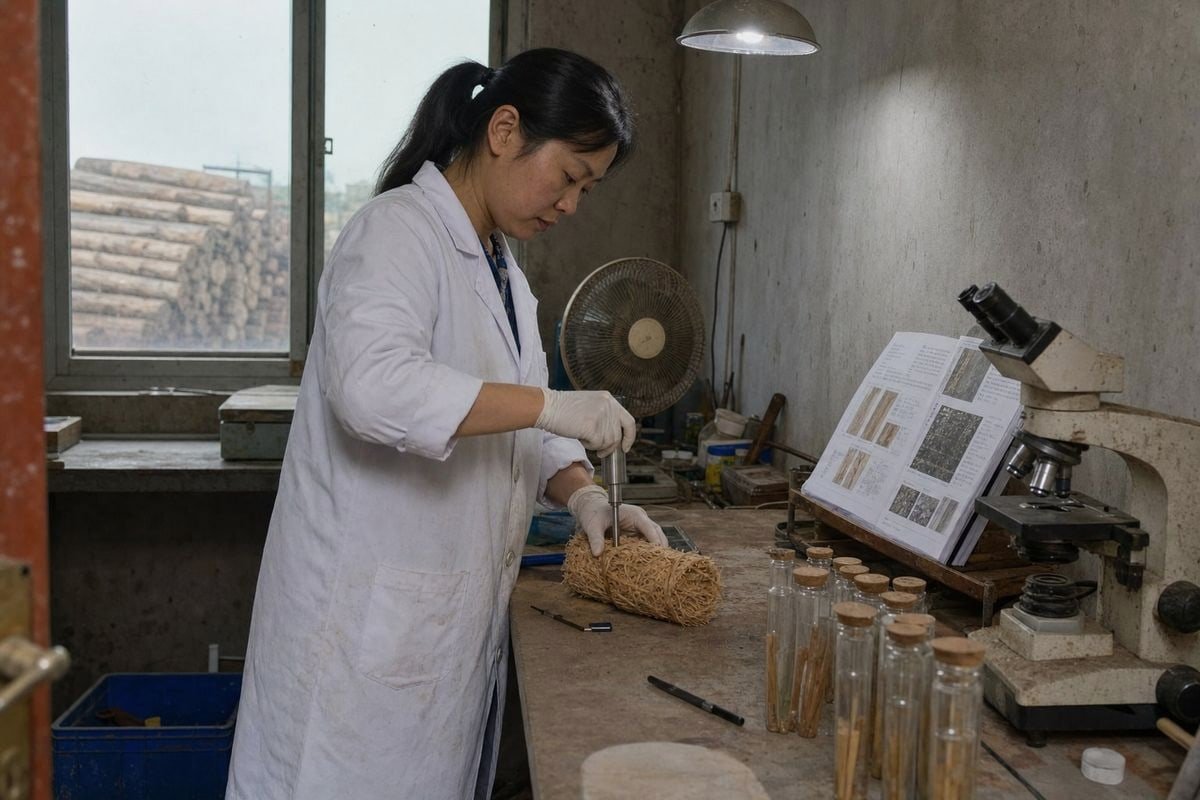
في العام الماضي، طلب موزع ألماني من فريقنا إحداثيات نظام تحديد المواقع العالمي (GPS) للمزرعة الواقعة خلف صوف الخشب 1 ولاعات الحريق الخاصة بنا. هذا البريد الإلكتروني الوحيد أعاد تشكيل كيفية حفظنا لكل سجل للمواد الخام في مصنعنا في نينغبو.
تحتاج إلى تحديد الأنواع، بلد الحصاد، إحداثيات الموقع الجغرافي لكل قطعة أرض تم فيها حصاد الخشب، تواريخ الحصاد أو النطاقات الزمنية، التحقق من شرعية الأخشاب بموجب القانون الصيني، دليل خلوه من إزالة الغابات، وسجلات سلسلة العهدة التي تربط قطعة الأرض الحرجية بدفعة الشحن المحددة الخاصة بك.
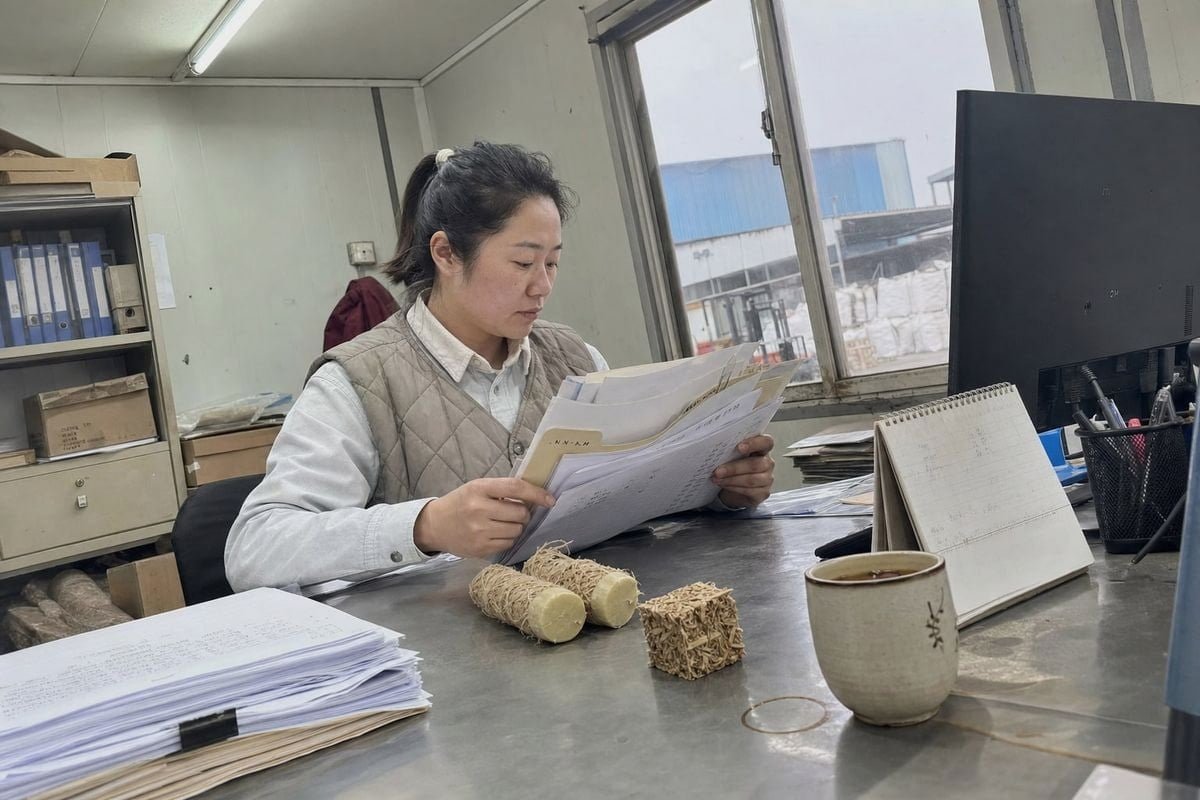
الخطأ الأساسي الذي أراه يرتكبه المستوردون هو قبول شهادة المنشأ 2 واستدعاء الأمر. بموجب اللائحة الأوروبية لمكافحة إزالة الغابات، لا تكفي شهادة على مستوى الدولة. تتطلب اللائحة دليلًا يتتبع كل مدخل خشبي إلى قطعة الحصاد. بالنسبة لمشعلات النار المصنوعة من صوف الخشب، أو نشارة الخشب، أو نشارة الخشب المضغوطة، فهذا يعني أن المورد الصيني الخاص بك يجب أن يتجاوز بوابة مصنعه الخاصة ويسحب المستندات من مستوى الغابة.
مكدس الوثائق الكامل
إليك حزمة المستندات التي نجمعها الآن لطلبات مشعلات النار الخشبية المتجهة إلى الاتحاد الأوروبي، وما يثبته كل عنصر:
| وثيقة | ما تثبته | فجوة شائعة |
|---|---|---|
| اسم النوع (علمي إن أمكن) | دقة وصف المنتج | قائمة الموردين "صنوبر" أو "خشب مختلط" فقط" |
| بلد الحصاد | مكان نمو الشجرة، وليس مكان معالجتها | مختلط مع بلد الإنتاج |
| إحداثيات الموقع الجغرافي 3 (مضلعات للقطع التي تزيد مساحتها عن 4 هكتارات) | قطعة الحصاد الدقيقة | تم تسمية المقاطعة أو الولاية فقط |
| تاريخ الحصاد أو النطاق الزمني | الخشب يتجاوز تصاريح الحصاد القانونية | مفقود تمامًا من فواتير المطاحن |
| تصاريح الحصاد القانونية وسجلات حقوق استخدام الأراضي | التحقق من قانونية الأخشاب بموجب القانون الصيني | تصاريح يملكها وسيط أعلى، لم تتم مشاركتها |
| دليل خلوه من إزالة الغابات (قمر صناعي أو سجل أراضي) | لا إزالة للغابات بعد 31 ديسمبر 2020 | مفترض بدلاً من موثق |
| سلسلة العهدة 4 سجلات | يربط الغابة والمطحنة والمصنع ودُفعة التصدير | مكسور عند خلط الدُفعات |
لماذا قطعة الحصاد أهم من المصنع
تعامل اللائحة الأوروبية لمكافحة إزالة الغابات المصنع كنقطة معالجة، وليس كنقطة منشأ. يجب أن يذكر بيان العناية الواجبة الخاصة بك القطع التي تم حصاد الخشب منها. إذا كان صوف الخشب الخاص بالمورد الخاص بك يأتي من ثلاث مزارع، فأنت بحاجة إلى إحداثيات الموقع الجغرافي للثلاثة. إذا تعذر تتبع أي مدخل، تصبح الدُفعة بأكملها غير متوافقة. لهذا السبب نصر على أخشاب أحادية المصدر أو مفصولة بوضوح قبل بدء الإنتاج - خلط المخلفات غير المتعقبة في دُفعة متوافقة يلوث الطلب بأكمله.
كيف يمكنني التحقق من أن مصادر الأخشاب لدى الشركة المصنعة الصينية خالية من إزالة الغابات؟
هناك مقايضة حقيقية نزنها في كل عملية شراء للأخشاب: قد توفر قطعة صغيرة مجزأة أليافًا أفضل، ولكن مزرعة غابات مملوكة للدولة توفر سجلات أراضي رقمية تصمد أمام التدقيق. بالنسبة لطلبات الاتحاد الأوروبي، نختار دائمًا المصدر القابل للتدقيق.
التحقق من المصادر الخالية من إزالة الغابات عن طريق التحقق المتقاطع لبيانات الموقع الجغرافي للموردين مقابل صور الأقمار الصناعية مثل EU Sentinel-2، والتأكد من عدم حدوث فقدان للغابات بعد 31 ديسمبر 2020، ومراجعة حقوق استخدام الأراضي وتصاريح الحصاد، واستخدام عمليات تدقيق من طرف ثالث أو أدوات تحليل جنائي مثل اختبار النظائر للمطالبات عالية المخاطر.
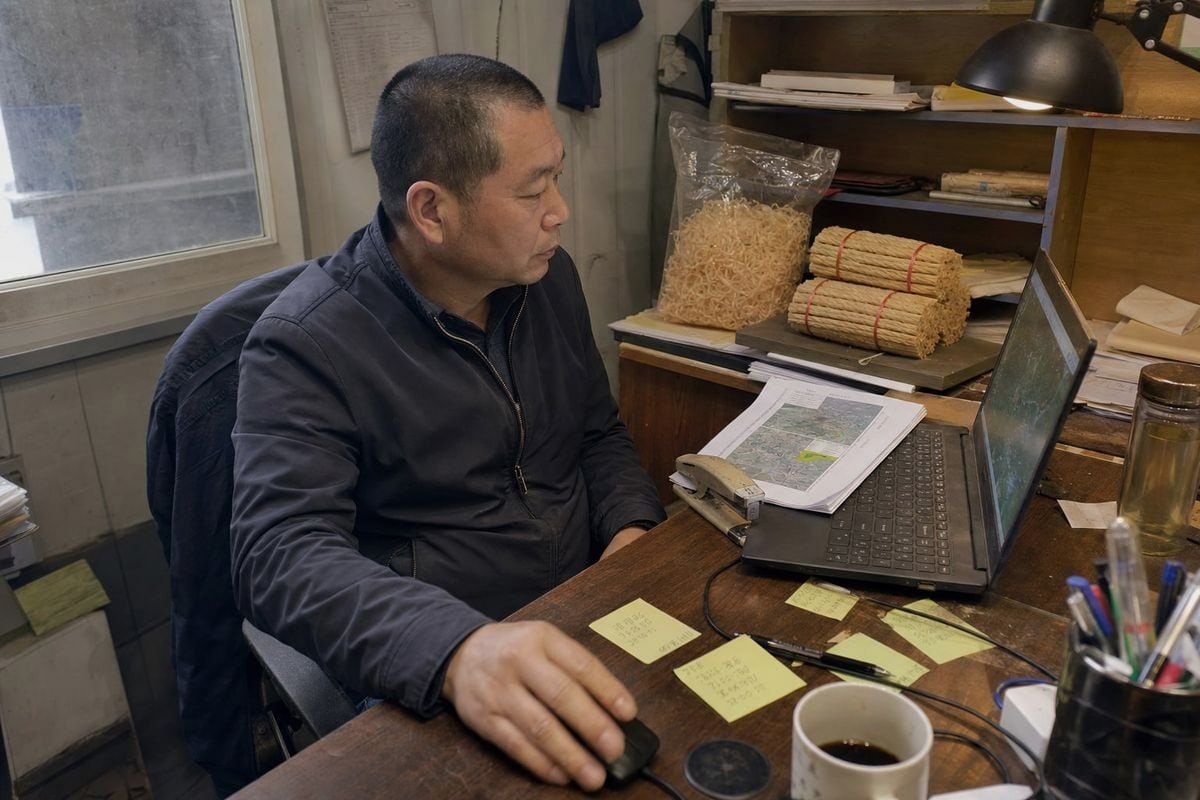
التحقق هو المكان الذي تلتقي فيه الأوراق بالواقع. يمكن للمورد أن يسلمك الإحداثيات، ولكن لا يزال يتعين عليك إثبات أن هذه الإحداثيات تصف سلسلة توريد قانونية وخالية من إزالة الغابات. في تجربتنا في التصدير إلى ألمانيا وهولندا وفرنسا، يقوم مشترو الاتحاد الأوروبي بشكل متزايد بإجراء فحوصاتهم الخاصة بدلاً من الثقة في الإعلانات وحدها.
طرق التحقق المتدرجة
أوصي بنهج متدرج. لا توجد أداة واحدة تثبت كل شيء، ولكن مكدسة معًا تمنحك دليلًا يمكن الدفاع عنه:
- المقارنة المرجعية بالأقمار الصناعية. قم بتغذية إحداثيات الموقع الجغرافي للمورد في صور Sentinel-2 وتحقق من الغطاء الأرضي حتى ديسمبر 2020. بالنسبة للمزارع الصينية، تساعد المقارنة المرجعية مع صور Gaofen المحلية في حل تنبيهات الإيجابية الكاذبة الناتجة عن دورات الحصاد وإعادة الزراعة العادية في المزارع، والتي يمكن أن تبدو كإزالة للغابات من الفضاء.
- التحقق من الوثائق. طابق تصاريح الحصاد وشهادات حقوق استخدام الأراضي ووثائق النقل مع القطعة والنطاق الزمني المطالب بهما. يجب أن تتوافق التواريخ وأسماء القطع عبر كل وثيقة.
- الاختبار الجنائي. يمكن لتحليل نسبة النظائر المستقرة (SIRA) تأكيد علميًا أن نوع الخشب والمنطقة الجغرافية تتطابق مع الادعاءات الوثائقية. إنه رادع قوي ضد استبدال المنشأ.
- عمليات التدقيق في الموقع. التدقيق المادي للمصنع، وحيثما أمكن، يؤكد المطحنة المنبع أنها ممارسات الفصل موجودة بالفعل في أرض المصنع، وليس فقط في دليل.
اختيار مصادر قابلة للتحقق في المنبع
يستحق اختصار هيكلي واحد الذكر. تحتفظ مزارع الغابات المملوكة للدولة الصينية بسجلات أراضي مركزية ورقمية، مما يجعل التحقق من القطع أسهل بكثير من تجميع عشرات القطع الصغيرة. عندما يقوم فريق التوريد لدينا فريق التوريد 5 باختيار موردي الألياف الخشبية لبرامج الاتحاد الأوروبي, ، فإن جودة السجل هذه هي الآن معيار رسمي لتقييم المخاطر. كن يقظًا أيضًا لنقطة احتكاك البيانات: يعامل بعض الموردين بيانات نظام تحديد المواقع العالمي (GPS) الدقيقة على أنها حساسة بموجب قانون أمن البيانات الصيني. ناقش شروط مشاركة البيانات مبكرًا، قبل الطلب، وليس عند الشحن المسبق.
ما هي خطوات العناية الواجبة التي يجب أن أتخذها قبل تقديم طلب لمشعل النار؟
اتصل بنا مشترٍ من المملكة المتحدة ذات مرة قبل أسبوعين من الشحن وطلب بيانات القطع لطلب كان قيد الإنتاج بالفعل. تمكنا من تتبعه، ولكن بصعوبة. يجب أن تبدأ العناية الواجبة قبل أمر الشراء، وليس بعده.
قبل الطلب، قم بتعيين كل SKU إلى مدخلات الخشب الخاصة به ورمز النظام المنسق، واطلب وثائق تحديد الموقع الجغرافي والشرعية للقطعة، وقم بإجراء تقييم للمخاطر المتعلقة بالبلد والمورد ومخاطر الخلط، وقم بتأكيد فصل الدُفعات، ثم قم بإعداد بيان العناية الواجبة الخاصة بك لنظام المعلومات الخاص بالاتحاد الأوروبي قبل شحن البضائع.
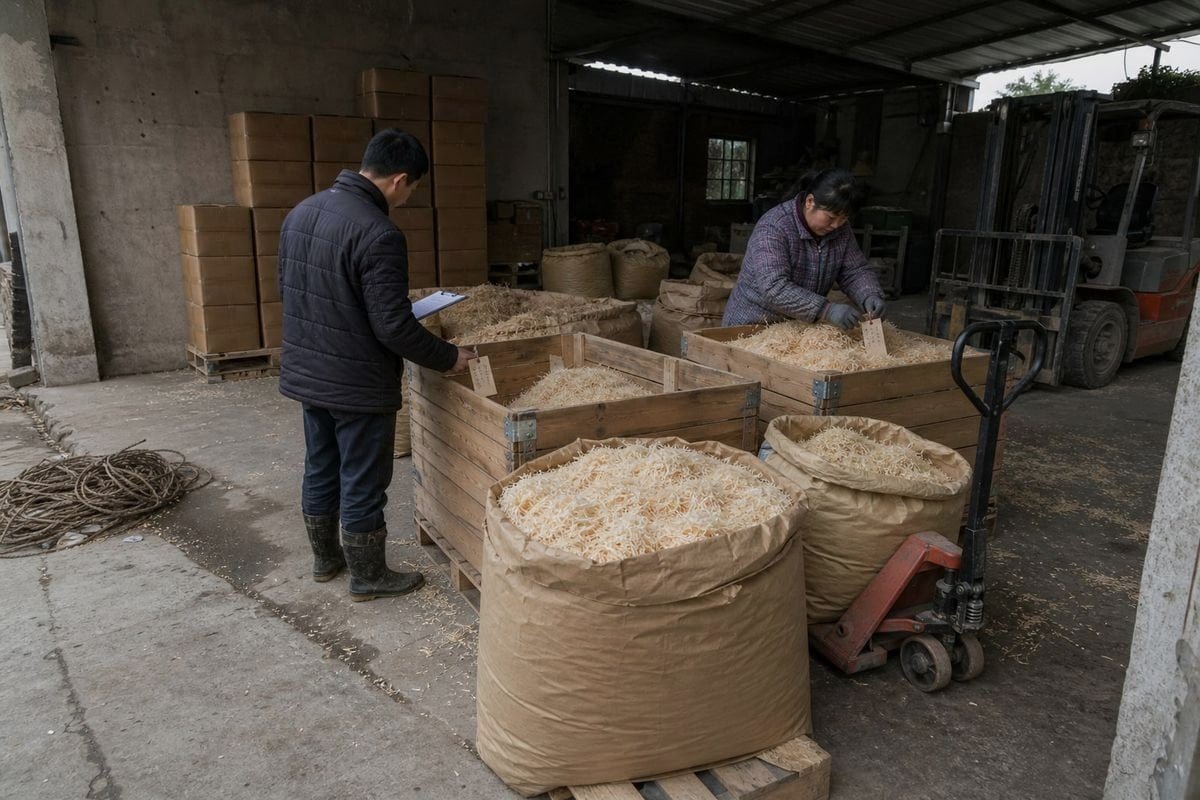
تم بناء EUDR حول العناية الواجبة القائمة على المخاطر، والتسلسل مهم. يجب أن توجد الأدلة قبل وضع البضائع في سوق الاتحاد الأوروبي - يمكن للجمارك منع الإفراج إذا كان مرجع بيان العناية الواجبة مفقودًا. إليك سير العمل الذي نمر به لموزعينا الأوروبيين، والذي تم تنقيحه على مدار عدة مواسم لشحنات مشعلات الخشب وشعلات الشمع.
سير العمل قبل الطلب
| خطوة | الإجراء | التوقيت |
|---|---|---|
| فحص النطاق | قم بتعيين كل SKU لمشعل الخشب إلى مدخلاته الخشبية ورمز CN/HS الدقيق | قبل اختيار المورد |
| رسم خرائط سلسلة التوريد | حدد كل مصدر خشب في المنبع خلف المصنع، مطحنة بمطحنة | أثناء تأهيل المورد |
| طلب البيانات | طلب إحداثيات جغرافية، وتواريخ حصاد، وأنواع، وتصاريح لكل دفعة | قبل أمر الشراء |
| تقييم المخاطر | قم بتقييم مخاطر البلد، وموثوقية المورد، وتعقيد سلسلة التوريد، ومخاطر الخلط مقابل معايير تقييم المخاطر المحددة | قبل أمر الشراء |
| التخفيف | إذا لم تكن المخاطر ضئيلة، أضف عمليات تدقيق، أو اختبار SIRA، أو قم بتغيير المصادر | قبل الإنتاج |
| بنود العقد | قم بتضمين التتبع والفصل والتزامات المستندات في العقد | عند وضع الطلب |
| حزمة ما قبل الشحن | اجمع مجموعة المستندات الكاملة وتحقق من الاتساق | قبل مغادرة البضائع للصين |
| تقديم DDS | قدم بيان العناية الواجبة عبر TRACES NT في نظام معلومات الاتحاد الأوروبي | قبل وضع البضائع في سوق الاتحاد الأوروبي |
أدوات العقد والتعبئة التي تحميك
أضافتان عمليتان وفرتا على عملائنا صداعًا حقيقيًا. أولاً، بنود العقد التي تجعل تتبع مستوى القطعة شرطًا للدفع تمنح المورد سببًا تجاريًا قويًا لتسليم المستندات في الوقت المحدد. ثانيًا، رموز QR الخاصة بالدفعة على عبوات البيع بالتجزئة 6 إنشاء جواز سفر رقمي للمنتج، مما يسمح لتجار التجزئة في المنبع بسحب أدلة المخاطر الضئيلة على الفور. نقوم بالفعل بطباعة رموز شريطية مخصصة وملصقات تحذير لعملاء العلامات الخاصة، لذا فإن إضافة رمز QR للتتبع هي خطوة صغيرة ذات قيمة امتثال كبيرة.
فارق بسيط آخر: التركيب مهم. قرص الإشعال النموذجي لدينا يتكون تقريبًا من نصف ألياف خشبية ونصف بارافين. البارافين خارج نطاق EUDR، لكن الألياف الخشبية ليست كذلك - المحتوى الخشبي الجزئي لا يزال يؤدي إلى الالتزام الكامل بالمنشأ لهذا المدخل.
ما هي الشهادات التي تساعدني في الامتثال للائحة الاتحاد الأوروبي بشأن إزالة الغابات (EUDR) عند استيراد المنتجات الخشبية؟
عندما سعينا لأول مرة إلى ISO 9001 7 و BSCI قبل سنوات، اعتبر المشترون الشهادات خط النهاية. قلب EUDR هذا المنطق. الآن أقول لكل مدير مشتريات نفس الشيء: الشهادة تدعم الامتثال، لكنها لا تحل محله أبدًا.
شهادات FSC و PEFC، وأنظمة الجودة ISO 9001، وتدقيق BSCI الاجتماعي تعزز تقييم مخاطر EUDR الخاص بك، ولكن لا توجد شهادة تحل محل بيان العناية الواجبة الإلزامي، وبيانات تحديد الموقع الجغرافي للقطع، والتحقق من خلوها من إزالة الغابات - الشهادات هي أدلة داعمة، وليست اختصارات للامتثال.
اللائحة صريحة في هذه النقطة. يمكن استخدام مخططات الشهادات ضمن تقييم المخاطر الخاص بك، ولكن يظل المشغل مسؤولاً بالكامل عن نتيجة العناية الواجبة. لذا فإن السؤال الصحيح ليس "أي شهادة تجعلني متوافقًا" بل "أي شهادات تقلل من مخاطري وتعزز ملف الأدلة الخاص بي"."
كيف تساعد كل شهادة
| شهادة | ما تغطيه | قيمة EUDR |
|---|---|---|
| شهادة FSC (FM/CoC) | إدارة الغابات وسلسلة الحيازة | أقوى دليل داعم لسلسلة توريد خالية من إزالة الغابات وانضباط التتبع |
| PEFC | الإدارة المستدامة للغابات، شائعة للخشب المزروع | مفيدة لمصادر المزارع الصينية؛ تدعم مطالبات الشرعية |
| ISO 9001 | أنظمة إدارة الجودة | يُظهر أن المصنع يمكنه الاحتفاظ بسجلات الدُفعات والفصل باستمرار |
| BSCI | الامتثال الاجتماعي وظروف العمل | يدعم اختبار الشرعية، والذي يشمل الامتثال لقانون العمل في بلد المنتج |
| تقارير اختبار SGS/Intertek | سلامة المنتج وتكوينه | يؤكد أن محتوى الخشب المعلن يتطابق مع التركيب الفعلي |
حيثما تكون الشهادات غير كافية
سلسلة الحفظ الخاصة بـ FSC يخبرك أن المواد المعتمدة تدفقت عبر النظام، لكن مطالبات سلسلة الحفظ القياسية لا تمنحك تلقائيًا إحداثيات تحديد الموقع الجغرافي التي يتطلبها EUDR. لا تزال بحاجة إلى بيانات القطعة. وبالمثل، فإن مجموعة الامتثال الخاصة بنا - ISO 9001، BSCI، CE، بالإضافة إلى تقارير SGS و Intertek - تثبت الانضباط التصنيعي وسلامة المنتج، وتجعل المدققين أكثر ارتياحًا. ولكن بالنسبة لـ EUDR على وجه التحديد، فإننا نقرن تلك الشهادات بملفات أصل الدُفعة: الأنواع، ومضلعات القطع، ونوافذ الحصاد، والتصاريح القانونية. اطلب من موردك كلا الطبقتين. المصنع الذي يحمل شهادات معترف بها وسجلات منظمة على مستوى القطع هو شريك أقل خطورة حقًا; ؛ المصنع الذي يلوح بالشهادات بدون بيانات أصل يعرض عليك الراحة، وليس الامتثال.
خاتمة
يأتي الامتثال لـ EUDR لبادئات الإشعال الصينية إلى تحول واحد: تتبع قطعة الغابة، وليس فقط المصنع. احصل على تحديد الموقع الجغرافي، وإثبات الشرعية، وبيان العناية الواجبة الخاص بك جاهزًا قبل الشحن - واختر



 English
  Spanish
  German
  French
  Arabic
  Portuguese
انضم إلى المحادثة