






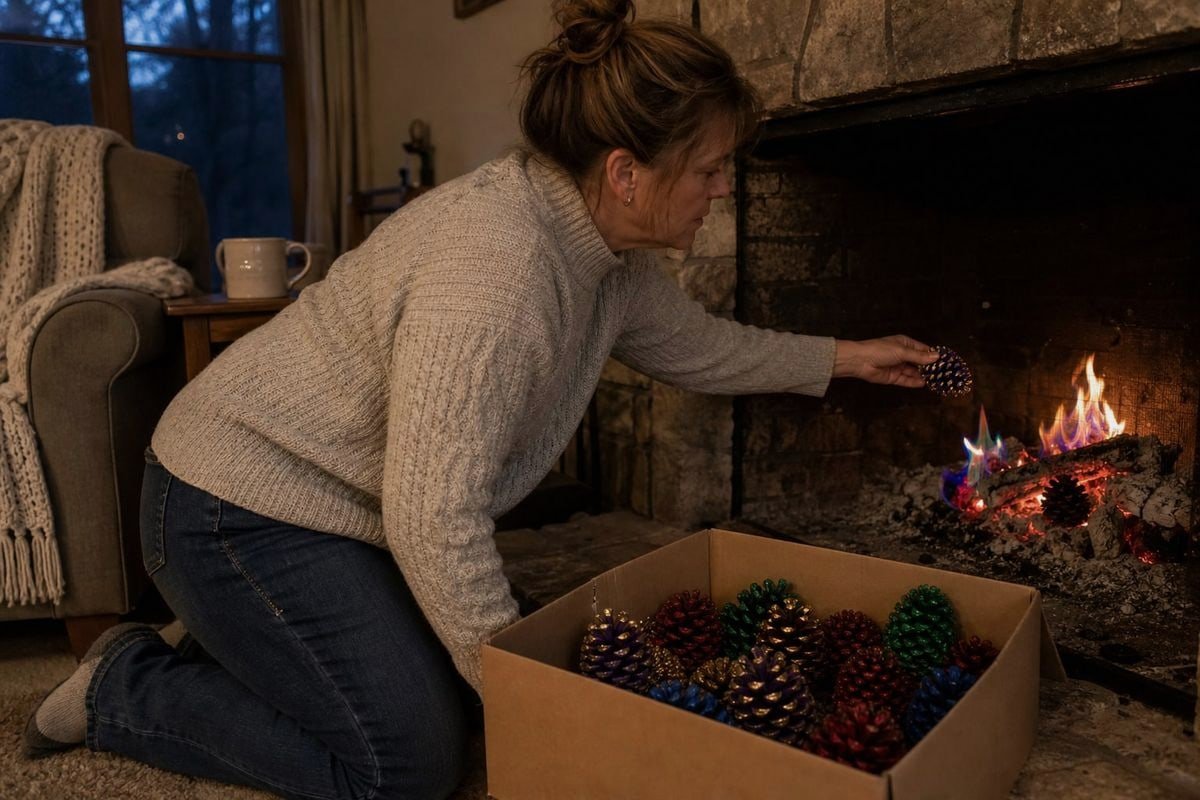
Fireplace colored pine cones sell fast in winter, but many buyers order boxes blind. On our production line, we see importers guess counts, run out mid-season, and lose repeat sales.
A standard box of fireplace colored pine cones holds 30 to 60 cones and delivers roughly 15 to 60 fire sessions per heating season, depending on whether users burn one, two, or three cones per fire. Most households get one full season from a single box.
The exact answer depends on box size, cone count, and fire habits. Below, I break down the math, burn times, custom packaging options, and the compliance checks every importer should run first.
How Many Color-Flame Pinecones Should I Order Per Box for a Full Heating Season?
A German distributor once asked us to size a box for exactly 120 days of winter fires. That single question changed how we spec cone counts at our factory.
For a full heating season, a box of 30 to 40 colored pinecones covers weekly use at two cones per fire, while daily users need 60 or more. Uses per box equals total cones divided by cones burned per fire session.
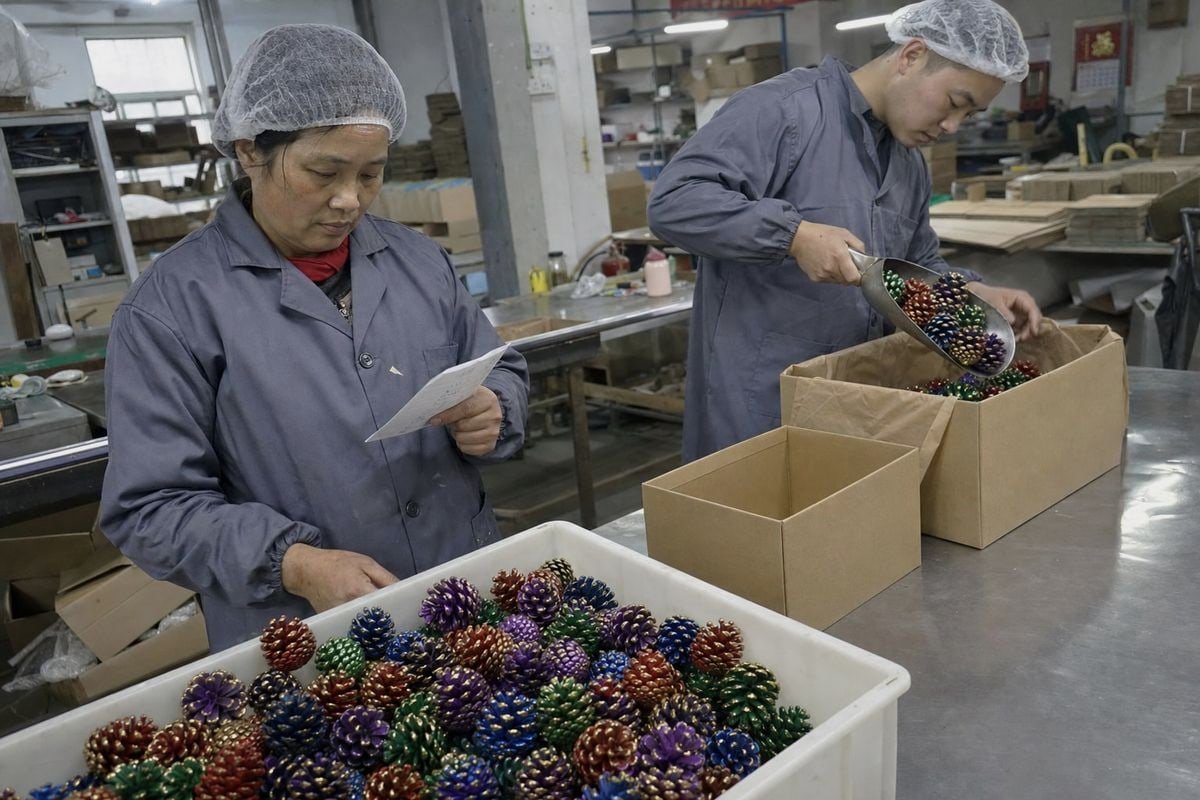
The simplest way to plan an order is with one formula. Uses per box = total cones in the box ÷ cones used per fire. A 20-cone box at one cone per fire gives 20 uses. The same box at two cones per fire gives 10 uses. That is the whole logic. But real-world habits shift the numbers.
Indoor Versus Outdoor Consumption
Indoor users in a wood-burning fireplace 1 usually add just one cone per fire. Too many flame colorants at once can overwhelm a small firebox. Outdoor fire pit users 2 often burn two or three cones because the fire is larger and airflow is stronger. So the same box lasts very differently depending on your customer's setting.
Typical Box Sizes and Season Coverage
Here is how standard retail counts map to a four-month heating season:
| Box Size | عدد المخاريط | Cones Per Fire | Approx. Uses | Season Fit |
|---|---|---|---|---|
| Small (2 lb) | 30–35 | 1 | 30–35 fires | Weekend fires, one season |
| Medium (3–4 lb) | 40–50 | 1–2 | 20–50 fires | Regular use, one season |
| Large (5 lb) | 55–60 | 2–3 | 20–60 fires | Daily use or fire pits |
In our experience exporting to the US and Northern Europe, colder markets like Poland and Canada favor the larger counts. Milder markets like France lean toward small gift-style boxes tied to holiday hearth decor. There is no universal number of uses per box. But if your buyer restricts use to two cones during weekend feature fires, a single medium box comfortably stretches across a four-month season.
What Burn Time and Fragrance Consistency Can I Expect From Each Pinecone Batch?
During batch testing at our Ningbo facility, we time every sample lot against a coal-bed fire. Consistency between the first sample and mass production is what our buyers actually pay for.
Each colored pinecone produces a vivid color effect for 10 to 20 minutes before the treated metal salts are consumed. Well-controlled batches keep burn duration and pine fragrance consistent within tight tolerances, provided cones stay dry in sealed packaging.

Burn duration is the number one question we get from purchasing managers. The color effect is temporary by design. Once the flame colorants ionize and burn off, the cone continues to burn as ordinary biomass. So the "use" your end customer experiences is that 10-to-20-minute color window, not the total time the cone glows.
What Affects Burn Rate and Color Intensity
Several variables shift performance, and buyers should understand them before fielding complaints:
- Fire temperature. Intense hardwood fires can wash out the flame color. Mixing in some softwood lowers the flame temperature slightly and keeps hues more vivid.
- Coal bed maturity. Cones must go onto an already established fire with a mature coal bed. The heat needs to be high enough to ionize the أملاح معدنية 3 fully.
- Cone species. Open-scaled species like Ponderosa hold more chemical solution than tight-scaled Spruce, which means longer color persistence per cone.
- Moisture. The salts are highly hygroscopic. Cones stored in damp conditions absorb moisture, sputter, and produce weaker color.
Why Batch Control Matters for Fragrance
Fragrance drift is usually a raw-material problem. Cones harvested at different moisture levels, or wax coatings applied at inconsistent temperatures, change how the natural pine scent releases. Our QC process weighs solution uptake per cone and checks each production run against a retained reference sample. Over 17 years, that discipline is why our first samples reliably match container-load quality. For your shelf, that means the tenth box performs like the first, which protects reviews and reorders.
Can I Customize Box Sizes and Counts to Match My Retail Market's Season Length?
Last year, a Canadian fireplace distributor and a Brazilian gift trader placed orders in the same week. One needed 60-count winter boxes; the other wanted 12-count festival pouches. Both ran on our same line.
Yes. Box sizes, cone counts, packaging formats, and private-label branding can all be customized to your market's season length. Common OEM formats include kraft pouches, drawstring burlap sacks, jars, and retail display boxes from 10 to 60 cones.
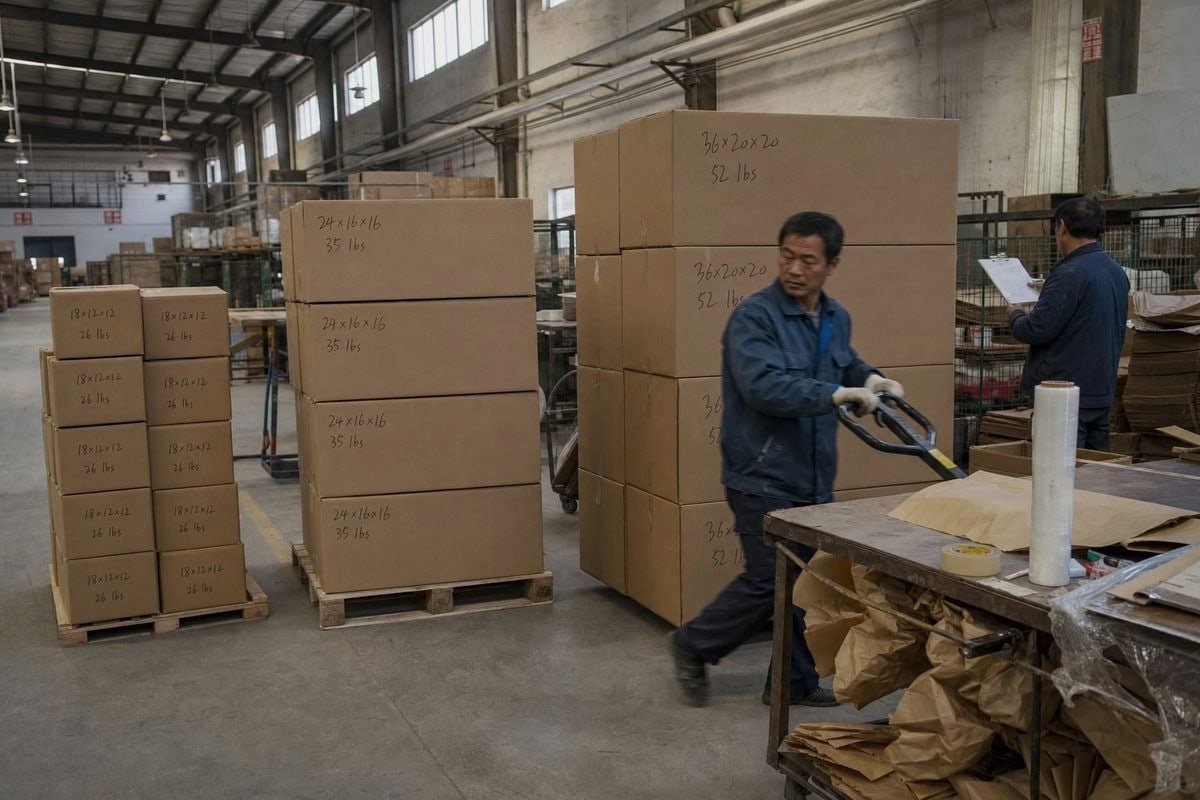
Season length should drive your SKU strategy, not the other way around. A four-month heating season in Germany justifies a 50-count value box. A gift-driven holiday market may sell better with a 15-count decorative pouch positioned as holiday hearth decor. When we develop private-label programs, we start with one question: how many fire sessions does your typical end customer light per month?
Matching Format to Market
| Market Type | Season Length | Suggested Count | شكل التعبئة |
|---|---|---|---|
| Northern US / Canada | 5-6 أشهر | 50–60 cones | صندوق عرض للبيع بالتجزئة |
| Central Europe | 4 months | 30–40 cones | كيس كرافت قائم |
| Gift / festival channels | Holiday window | 10-15 قمعًا | كيس برباط من الخيش |
| علامات تجارية للتخييم / في الهواء الطلق | على مدار السنة | 20–30 cones | Resealable outdoor pouch |
What a One-Stop OEM Program Includes
Beyond counts, we customize the pieces that make a product shelf-ready. That includes burn duration tuning through solution uptake, custom وسجلات التبخير لمعظم أسواق الوجهة. يضيف الصنوبر الملون طبقة أخرى: اختبار سلامة الملونات، 4 in your market's language, barcodes, inner cartons sized to your planogram, and display-ready master cartons. Resealable pouches matter more than most buyers expect. Because the salts are hygroscopic, an airtight reclosure keeps unused cones dry across the whole season, which directly protects the uses-per-box promise printed on your packaging. We also keep MOQs flexible for trial orders, since most of our long-term buyers started with a single test container before scaling.
What Compliance Certifications Should I Verify Before Importing Bulk Pinecone Orders?
A UK buyer once told me his previous supplier's shipment sat in customs for six weeks over missing test reports. That story is why compliance leads every quotation we send.
Before importing bulk colored pinecone orders, verify ISO 9001 quality management, BSCI social audit, CE marking where applicable, and third-party SGS or Intertek test reports. Also confirm chemical additive disclosures, correct warning labels, and wood-burning-only usage statements.
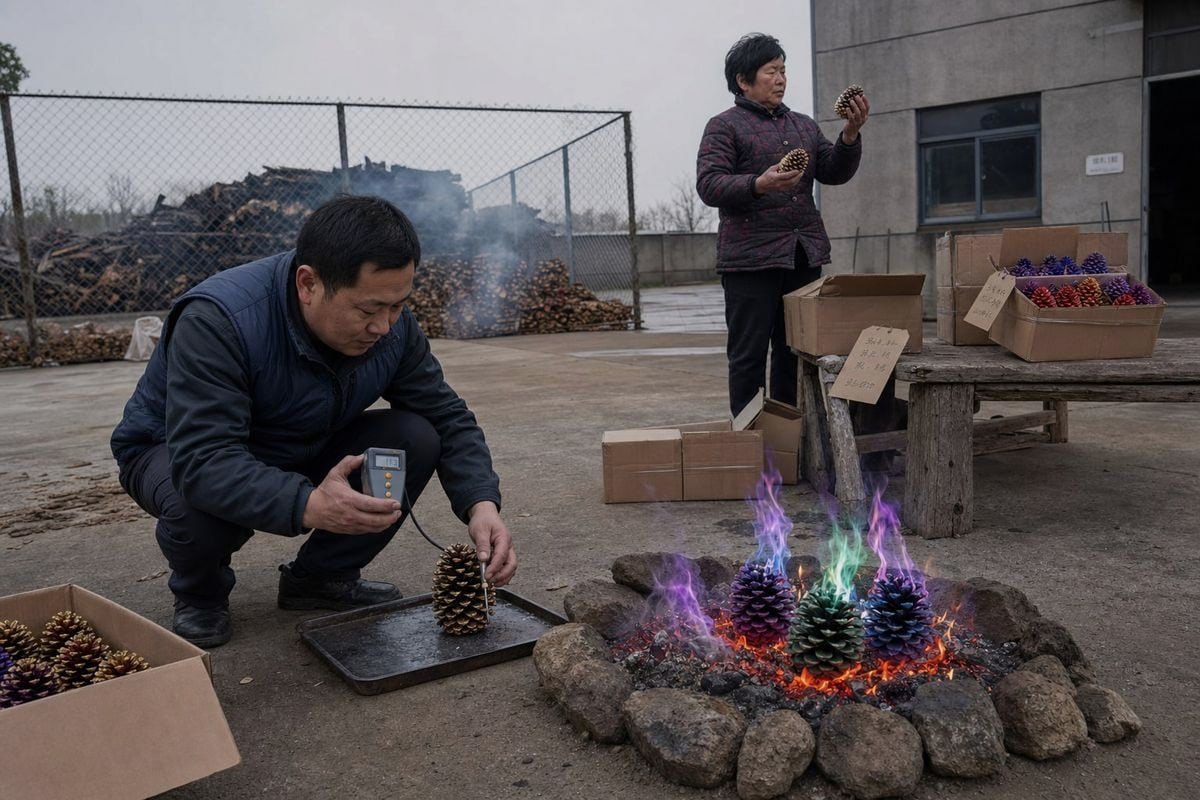
Compliance is not paperwork. It is the difference between a smooth التخليص الجمركي 5 and a seized container. Color-flame products contain chemical additives, typically safe mineral salts, and regulators in the US and EU want proof those formulations exclude hazardous compounds. Some legacy recipes on the market still rely on كبريتات النحاس 6 or boric acid at levels that trigger scrutiny. Our formulations are built on eco-friendly materials with no harmful chemicals, and we back that with current third-party test reports rather than expired certificates.
The Importer's Verification Checklist
| وثيقة | ما يثبته | علامة حمراء إذا كانت مفقودة |
|---|---|---|
| شهادة ISO 9001 | نظام إدارة جودة متسق | مخاطر التباين من دفعة إلى أخرى |
| تقرير تدقيق BSCI | ظروف المصنع الأخلاقية | رفض قناة البيع بالتجزئة |
| تقرير اختبار SGS / Intertek | Chemical safety of flame colorants | Customs holds, recalls |
| وثائق CE | التوافق مع السوق الأوروبية عند الاقتضاء | Blocked EU distribution |
| Warning label proofs | Correct fire safety usage instructions | Liability exposure |
Label Requirements That Protect You
Your packaging must state that the product is for a wood-burning fireplace, fire pit, or campfire only. Gas log fireplaces are excluded because residue can clog burners and valves. Labels should also warn against cooking food over colored flames, since burning metal salts can release fumes that contaminate food. Finally, verify that your supplier addresses creosote buildup honestly: quality cones used at recommended doses of one to three per fire do not meaningfully worsen chimney deposits, but usage guidance should still reference normal seasonal maintenance and chimney inspection. We include these statements on every private-label run because they protect our buyers, not just end users.
خاتمة
Guessing uses per box costs importers reorders and reviews. The fix is simple math and solid sourcing: 30 to 60 cones per box, one to three per fire, verified compliance behind every batch. Size your boxes to your market's season, demand test reports, and one box will reliably carry your customers through a full heating season.
ملاحظات ختامية
1. Authoritative EPA guide on selecting and safely using wood-burning appliances in homes. ↩︎
2. Stable, authoritative reference for fire pit usage. ↩︎
3. Scientific explanation of how metal salts produce colored flames through the ionization process. ↩︎
4. Official CPSC guidelines on mandatory safety labeling and warning requirements for consumer products. ↩︎
5. Official U.S. government resource explaining the legal requirements for importing goods and clearing customs. ↩︎
6. Comprehensive chemical data and safety information for copper sulfate from the National Institutes of Health. ↩︎



 English
  Spanish
  German
  French
  Arabic
  Portuguese
انضم إلى المحادثة