







يستمر المشترون في سؤالنا عما إذا كان مسحوق نار سحري واحد يعمل في كل مكان. لا يعمل، وخلط التطبيقين يخلق صداعًا حقيقيًا للسلامة والامتثال للمستوردين.
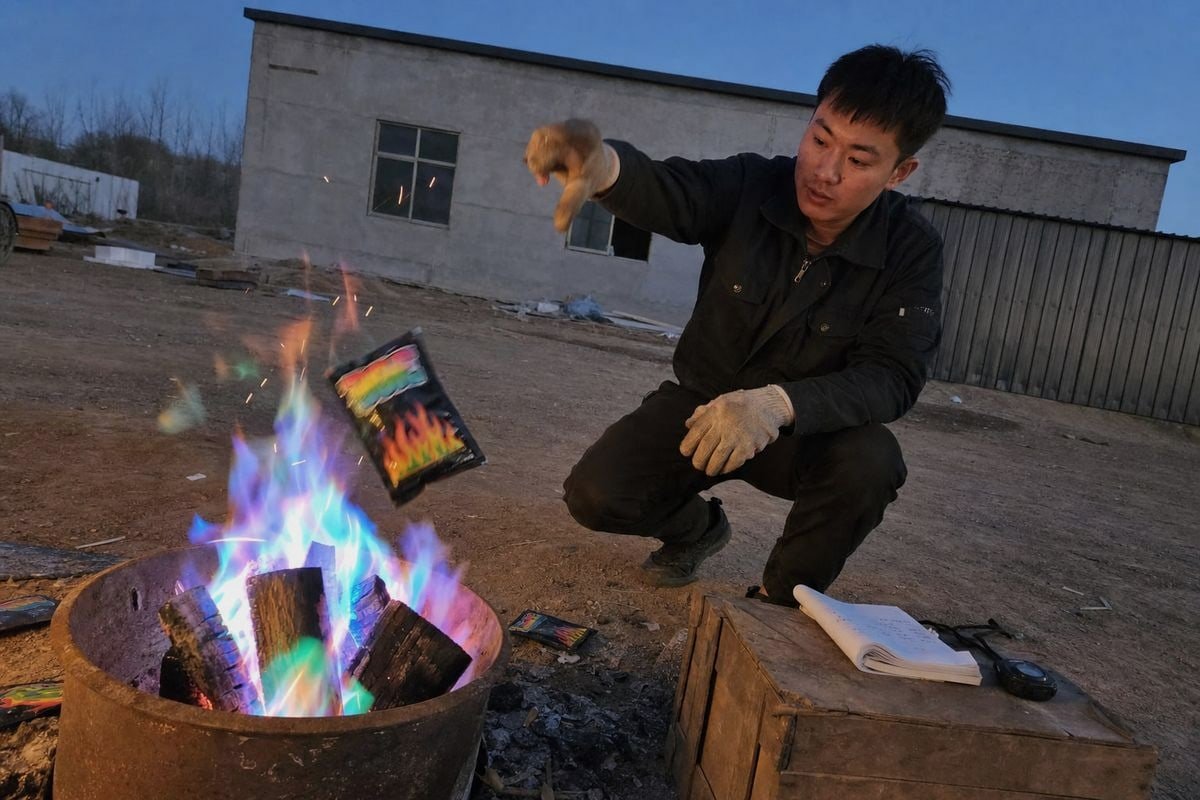
مسحوق النار السحري للشموع مدمج في الفتيل أو نظام الشمع وينتج تأثيرات صغيرة وموضعية، بينما يتم ختم إصدارات مواقد النار الخارجية في عبوات متغيرة اللون تُلقى دون فتح في حرائق الخشب، مما يوفر لهبًا متعدد الألوان زاهيًا لمدة 20-60 دقيقة في درجات حرارة احتراق أعلى بكثير.
يذهب الفرق أعمق بكثير من التعبئة والتغليف. دعني أريك الكيمياء، والشهادات، وخيارات التوريد، وعوامل أداء الاحتراق التي تهم عند الشراء على نطاق واسع.
ما هي المكونات التي تجعل مسحوق النار الآمن للشموع مختلفًا عن التركيبات الخارجية؟
قبل بضع سنوات، أرسل موزع أوروبي لنا تركيبة شمعة وطلب منا تعبئتها في أكياس لموقد النار. أشار مختبرنا إليها على الفور. الكيمياء ببساطة لا تنتقل.
مسحوق الشمعة الآمن للنار يعتمد على إضافات دقيقة يتم تنشيطها في درجات حرارة منخفضة مدمجة في الفتيل أو الشمع، بينما تستخدم التركيبات الخارجية أملاحًا معدنية أكثر خشونة - مثل مركبات النحاس للأزرق والأخضر وكلوريد السترونشيوم للأحمر - التي تحتاج إلى درجة حرارة احتراق عالية لنار الخشب لإنتاج ألوان مشبعة.

تعتمد كلتا عائلتي المنتجات على نفس العلم الأساسي: انبعاث ذري 1. عندما تسخن أملاح المعادن، تقفز إلكتروناتها إلى حالات مثارة وتطلق أطوال موجية محددة من الضوء أثناء سقوطها مرة أخرى. مركبات النحاس تبعث اللون الأزرق والأخضر. كلوريد السترونشيوم 2 تبعث اللون الأحمر. يميل البوتاسيوم إلى اللون الأرجواني. لكن نظام الوقود يغير كل شيء حول كيفية صياغة هذه الملونات للهب.
يحدد نظام الوقود التركيبة
يشتعل لهب الشمعة في درجة حرارة معتدلة نسبيًا. العديد من أملاح المعادن لا تصل أبدًا إلى درجة حرارة كافية في الشمعة لإصدار لونها الكامل. لهذا السبب غالبًا ما تركز منتجات "السحر" للشمع على التأثيرات الخادعة - مثل مسحوق المغنيسيوم في الفتيل الذي يعيد إشعال اللهب بعد إطفائه - بدلاً من تلوين قوس قزح الحقيقي. هناك أيضًا مشكلة مادية. معظم ملونات اللهب غير قابلة للذوبان في الشمع. تنتقل الجسيمات الصلبة لأعلى الفتيل عبر الخاصية الشعرية 3, ، ثم تسده. يتقلص اللهب أو ينطفئ. يجب أن تظل كمية الجسيمات منخفضة للغاية.
حريق الخشب حيوان مختلف. يشتعل بدرجة حرارة أعلى بكثير، مع تدفق هواء مضطرب وسرير لهب كبير. هذه الحرارة تثير أملاح المعادن بالكامل، وهذا هو السبب في أن عبواتنا المتغيرة اللون تنتج الألوان الزاهية من الأزرق والأخضر والأرجواني التي يتوقعها المشترون.
| عامل | تركيبة الشمعة | تركيبة موقد النار الخارجي |
|---|---|---|
| المكونات النشطة | إضافات أثرية في الفتيل/الشمع | أملاح المعادن (النحاس، السترونشيوم، البوتاسيوم) |
| درجة حرارة التنشيط | منخفض (لهب الشمعة) | مرتفع (احتراق حريق الخشب) |
| طريقة التوصيل | مدمج أثناء الإنتاج | كيس محكم الإغلاق يُلقى بالكامل |
| شدة اللون | خافت، موضعي | تلوين زاهٍ للهب بالكامل |
| مشكلة الذوبان | حاسم - الجسيمات تسد الفتائل | غير ذي صلة - احتراق مفتوح |
في خطوط إنتاج نينغبو لدينا، نقوم بصياغة عبوات خارجية بتكوينات صديقة للبيئة ونتجنب المواد الكيميائية النارية القاسية مثل كبريتات النحاس الخام في شكل سائب يواجه المستهلك. كل شيء يبقى مغلقًا حتى يصل إلى اللهب.
ما هي شهادات الامتثال التي أحتاجها لمنتجات ألوان اللهب الداخلية مقابل الخارجية؟
الامتثال هو السؤال الأول الذي يطرحه المشترون الجادون علينا - غالبًا قبل التسعير. في تجربتنا في التصدير إلى الولايات المتحدة وألمانيا والمملكة المتحدة، يمكن لتقرير اختبار مفقود أن يعلق حاوية بأكملها في الجمارك.
تواجه المنتجات المجاورة للشموع الداخلية تدقيقًا أكثر صرامة بشأن جودة الهواء الداخلي والانبعاثات، وعادةً ما تتطلب علامة CE، وتقارير اختبارات كيميائية من SGS أو Intertek، والتوافق مع REACH في أوروبا. تتطلب ملونات حفر النار الخارجية الامتثال لـ CE، ووضع علامات أمان تم التحقق منها، وفحص المعادن الثقيلة، وعمليات تدقيق ISO 9001 و BSCI على مستوى المصنع.

المنطق التنظيمي واضح بمجرد رؤية النمط. يهتم المنظمون بالتعرض. المنتجات الداخلية تعني قربًا أكبر، ومساحات مغلقة، ومخاطر استنشاق مركزة. تستفيد المنتجات الخارجية من التشتت الجوي، لذا يتحول التركيز إلى الملصقات، وسلامة التعبئة والتغليف، وحدود التركيب الكيميائي.
ما تغطيه كل شهادة فعليًا
مصنعنا يحمل ISO 9001 4 لإدارة الجودة و BSCI للامتثال الاجتماعي. هذه مؤهلات على مستوى المصنع تطمئن قنوات التوريد بالتجزئة. متطلبات مستوى المنتج تقع فوق ذلك.
| الشهادة / التقرير | الصلة الداخلية | الصلة الخارجية | من يطالب بها |
|---|---|---|---|
| علامة CE | ضروري | ضروري | مستوردو الاتحاد الأوروبي، الجمارك |
| تقارير اختبار SGS / Intertek | انبعاثات وفحص المعادن الثقيلة | التحقق من التركيب وسلوك الاحتراق | الموزعون، كبار تجار التجزئة |
| ISO 9001 | على مستوى المصنع | على مستوى المصنع | مشترو B2B، سلاسل البيع بالتجزئة |
| BSCI 5 تدقيق | على مستوى المصنع | على مستوى المصنع | برامج البيع بالتجزئة الأوروبية |
| الامتثال لملصقات التحذير | التهوية، حدود وقت الاحتراق | تحذيرات للاستخدام في حريق الخشب فقط، وعدم الطهي | سلطات مراقبة السوق |
الملصقات جزء من الامتثال، وليست فكرة لاحقة
كل عبوة خارجية ننتجها تحمل تحذيرات إلزامية: الاستخدام في مواقد حرق الخشب فقط، وعدم فتح الكيس أبدًا، وعدم طهي الطعام فوق اللهب الملون. هذا الأخير مهم. يمكن لأملاح المعادن أن تترك بقايا على أسطح الطعام، لذا احتياطات سلامة الغذاء 6 يجب أن تظهر بشكل بارز. نطبع هذه التحذيرات بلغة السوق المستهدف للمشتري، ونضيف الباركود، ونكيف لوحة التحذير لتناسب التنسيقات المحلية. بالنسبة للمنتجات المسوقة للاستخدام الداخلي، نضيف إرشادات التهوية لأن جودة الهواء الداخلي 7 المطالبات تجذب الانتباه التنظيمي بسرعة. عندما نقوم بإعداد دفعة تسمية خاصة، تتم مراجعة الملصق قبل شحن أول عينة إنتاج - وليس بعد أن يثير مسؤول الجمارك سؤالاً.
هل يمكنني العثور على مصنع واحد ينتج مساحيق تلوين الشموع ومواقد النار؟
أخبرتني مديرة مشتريات من هولندا ذات مرة أنها تعاملت مع أربعة موردين لخط إنتاج واحد مستوحى من النار. كان توحيد الموردين هدفها الأسمى في ذلك العام، وهو هدف واقعي.
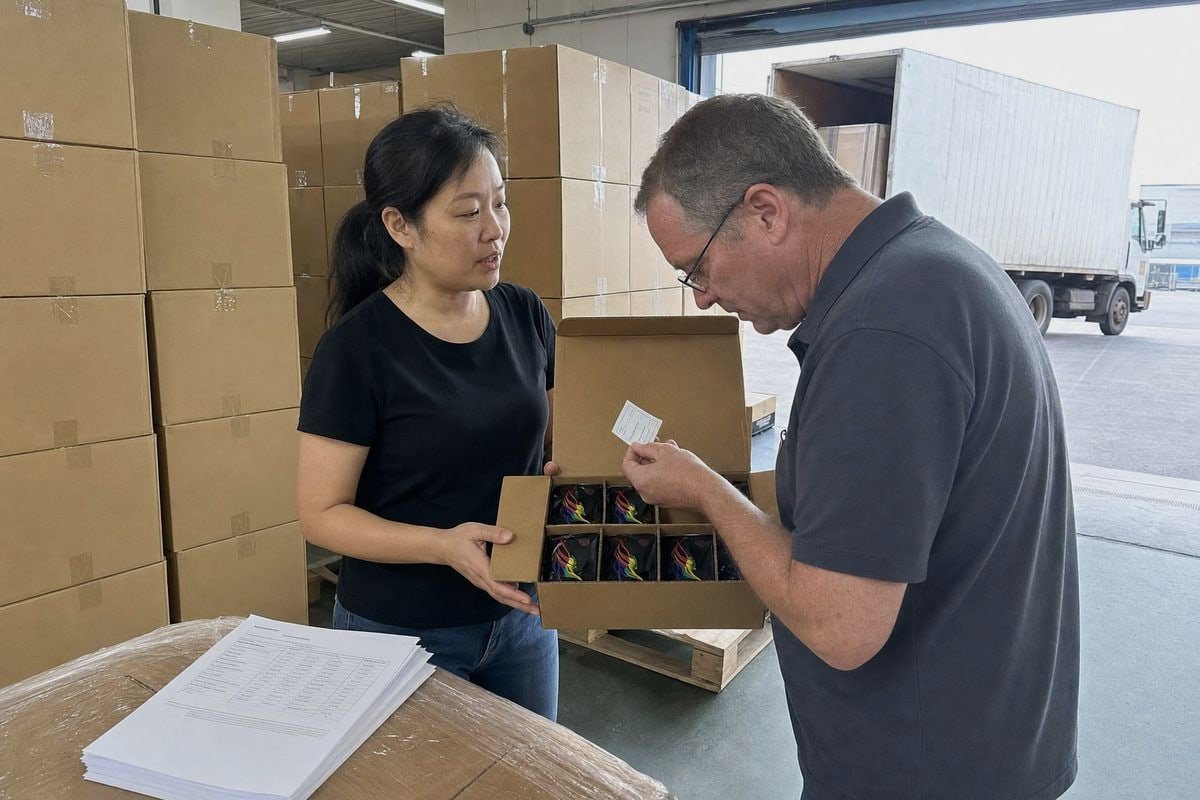
نعم، ولكن فقط من المصانع ذات العمق الحقيقي في التركيبة وضوابط الإنتاج المنفصلة. يجب أن يُظهر المورد الحقيقي الشامل بروتوكولات مراقبة جودة مميزة للمنتجات القائمة على الفتيل والمنتجات المعبأة، وأن يحمل شهادة ISO 9001 و BSCI، وأن يقدم تخصيص OEM/ODM عبر كلا الفئتين.
يؤدي توحيد الموردين إلى خفض تكاليف الشحن وتبسيط عمليات التدقيق ويمنحك نقطة مسؤولية واحدة. ولكنه يعمل فقط إذا أتقن المصنع حقًا كلا العائلتين من المنتجات. تدعي العديد من شركات التجارة أنها تفعل ذلك. قليلون يديرون الخطوط بالفعل.
كيفية التحقق من القدرة المزدوجة الحقيقية
يقع مقرنا الرئيسي في ليويانغ، هونان - مركز الألعاب النارية والمتفجرات التاريخي في الصين - مع الإنتاج في نينغبو، تشجيانغ. على مدار أكثر من 17 عامًا، قمنا ببناء خطوط لعبوات اللهب الملون Magic Fire، وأكواز الصنوبر ذات اللهب الملون، وبادئات الحريق الخشبية المغطاة بالشمع، والمشاعل الشمعية ذات الألباب القطنية أو الخشبية أو الخيزران. هذه المجموعة الواسعة مهمة لأن كل منتج يتطلب أدوات ومعدات ختم وضوابط دفعات مختلفة.
إليك قائمة تحقق عملية للفحص أشاركها مع المشترين الجدد:
- اطلب تقارير اختبار منفصلة لكل عائلة منتجات. تقرير عام واحد يغطي "منتجات النار" هو علامة حمراء.
- اطلب عينات من دفعات الإنتاج الفعلية, ، وليس نماذج أولية معملية. يجب أن تتنبأ العينات الأولى بشكل موثوق بجودة الإنتاج الضخم.
- تحقق من مرونة التعبئة والتغليف. نوفر أكياس بلاستيكية، وأكياس كرافت قائمة بذاتها، وعلب، وصناديق عرض للبيع بالتجزئة بأغطية قابلة للطي - عادة ما تقدم شركة تجارية خيارًا مخزونًا واحدًا.
- تأكيد عمق العلامة الخاصة. يجب أن تكون الصناديق المخصصة، والملصقات التحذيرية بلغة السوق الخاص بك، والباركود، وتغليف العرض كلها خدمات داخلية.
- تحقق من عنوان المصنع. تستغرق عمليات التدقيق بالفيديو ساعة واحدة وتقضي على معظم الوسطاء.
المقايضة صادقة: مصنع واحد يغطي كلا الفئتين نادرًا ما ينافس المورد الأرخص تمامًا لمنتج واحد. ما تكسبه هو الاتساق بين الدفعات، ومسار تدقيق واحد، وشريك يفهم كيف يجب ألا تتلوث التركيبتان أبدًا.
كيف يتغير وقت الاحتراق وحجم الجسيمات بين شمعة الشمع وحطب النار في الهواء الطلق؟
خلال إحدى دورات مراقبة الجودة، اختبرنا كيف أثر حجم الحبيبات على انتشار اللون عبر سرير النار. كان الاختلاف بين المسحوق الناعم والبلورات الخشنة مفاجئًا حتى لمشرفي الخطوط لدينا.
تتطلب تطبيقات الشموع جزيئات فائقة الدقة بتركيزات منخفضة جدًا لتجنب انسداد الفتيل، مما ينتج عنه تأثيرات قصيرة ومحلية. تستخدم عبوات حفرة النار الخارجية حبيبات بلورية أكثر خشونة في أكياس بحجم 10-25 جرامًا، مما يوفر 20-60 دقيقة من اللون الكامل للهب اعتمادًا على حجم النار وموضعها.
حجم الجسيمات ليس تفصيلاً تجميليًا. إنه يحدد كيفية عمل المنتج، ومدة استمرار التأثير، وما الذي يمكن أن يحدث بشكل خاطئ. دعني أشرح الفيزياء في كل جانب.
لماذا الشموع تعاقب الجسيمات الكبيرة
الشمعة هي نظام دقيق لتوصيل الوقود. الشمع المنصهر يصعد الفتيل عن طريق الخاصية الشعرية عبر قنوات صغيرة. أي جسيم صلب أكبر من تلك القنوات يتعطل. بمرور الوقت، يتشبع بقايا المادة المضافة الفتيل، وتتقلص اللهبة، ويتلاشى التأثير. يمكن للمواد المضافة أيضًا تغيير التوتر السطحي لحوض الذوبان، مما يتسبب في تشقق الشمعة - تحرق الشمعة ثقبًا ضيقًا في المنتصف وتضيع الشمع حول الحواف. تتحمل فتائل الخشب المواد المضافة بشكل أفضل قليلاً من القطن المضفر لأن هيكلها المسطح والعريض يمنح الشمع مسارات أكثر حول الانسدادات الموضعية. حتى مع ذلك، تظل تأثيرات الشموع قصيرة ودقيقة حسب التصميم.
لماذا مواقد النار تكافئ الحبيبات الخشنة
في احتراق الخشب المفتوح، لا تنطبق أي من هذه القيود. البلورات الخشنة تساعد في الواقع. إنها تقاوم التبخر الفوري، وتطلق اللون تدريجيًا، وتطيل التأثير المرئي. الموقع مهم أيضًا: توزيع العبوات عبر سرير جمر ساخن يوزع اللون على نطاق أوسع من إسقاط عبوة واحدة على الحافة.
| المعلمة | تطبيق الشموع | تطبيق موقد النار الخارجي |
|---|---|---|
| حجم الجسيمات | مسحوق فائق الدقة | حبيبات بلورية خشنة |
| الجرعة النموذجية | كميات ضئيلة في الفتيل/الشمع | 10-25 جرام لكل كيس محكم الإغلاق |
| مدة التأثير | دقائق، تتلاشى مع تراكم البقايا | 20-60 دقيقة لكل عبوة |
| الكمية الموصى بها | مدمج في المنتج | 1-3 عبوات لكل نار |
| وضع الفشل | انسداد الفتيل، تشقق الشمعة | لون ضعيف إذا كانت النار باردة جدًا |
| ملاحظة الأجهزة | يمكن أن تسبب بقايا الملح تآكل علب الصفيح المعدنية | قد تسرع بقايا الملح من صدأ مواقد الفولاذ المقاوم للصدأ |
نصيحة أخرى بشأن التوريد: يجب دائمًا تحديد ظروف النار في ادعاءات وقت الاحتراق. نقوم بمعايرة المدد المحددة لدينا مقابل نار خشبية قياسية، ونقوم بتخصيص حجم الحبيبات ووزن الكيس عندما يرغب المشتري في عرض أطول أو أقصر لسوقه.
خاتمة
مسحوق النار السحري للشموع وحفر النار هو منتجات مختلفة ذات كيمياء وشهادات وسلوك احتراق مختلف. اختر شريك مصنع معتمد يتقن كليهما - ولا تفترض أبدًا أنهما قابلان للتبديل.
ملاحظات ختامية
يشرح الفيزياء وراء أملاح المعادن التي تصدر ضوءًا ملونًا عند تسخينها. ↩︎
مرجع للمركب الكيميائي المسؤول عن لون اللهب الأحمر. ↩︎
خلفية عن العملية الفيزيائية التي تسحب الشمع لأعلى الفتيل. ↩︎
مدخل ويكيبيديا موثوق لمعيار إدارة الجودة ISO 9001. ↩︎
الهيئة الرسمية وراء تدقيق الامتثال الاجتماعي BSCI المشار إليه. ↩︎
إرشادات موثوقة حول سلامة الأغذية ذات الصلة بتحذيرات المخلفات على الأغذية. ↩︎
مورد وكالة حماية البيئة (EPA) حول معايير جودة الهواء الداخلي المشار إليها لإرشادات التهوية. ↩︎

 English
  Spanish
  German
  French
  Arabic
  Portuguese
انضم إلى المحادثة