






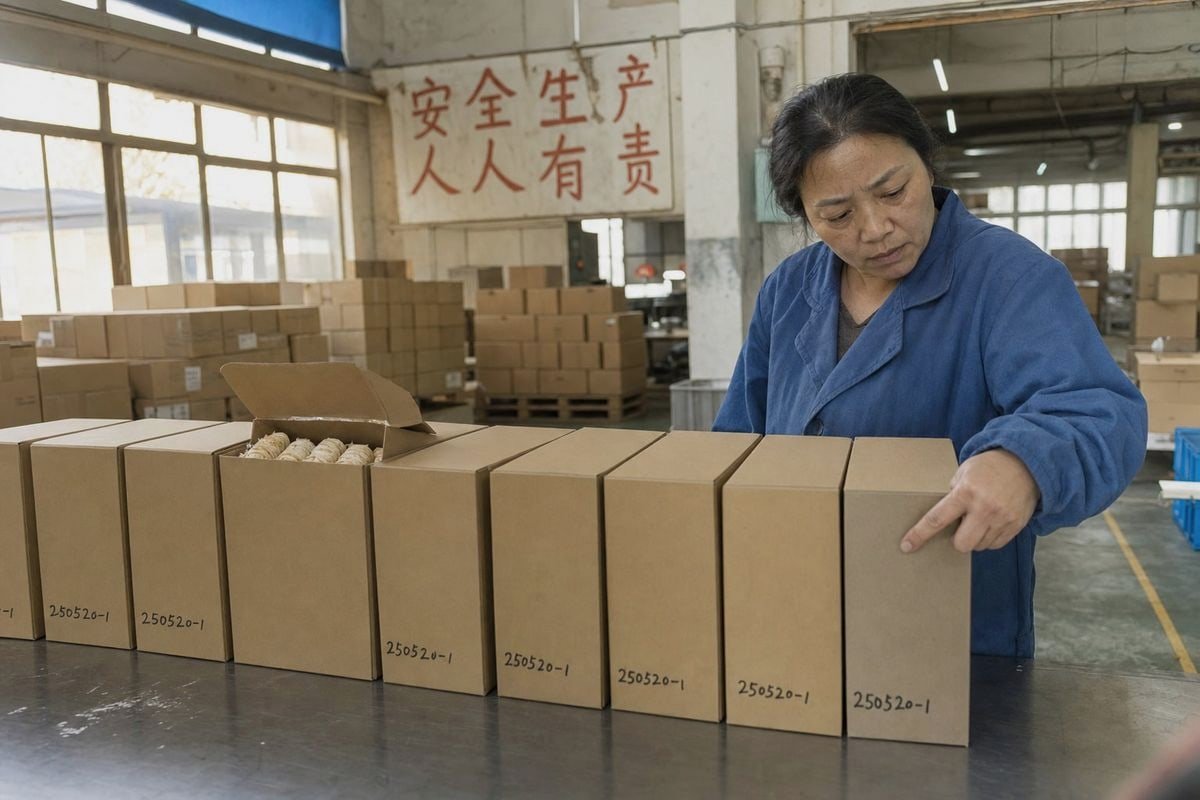
يمكن لبادئات إشعال النار الخشبية ذات العلامة التجارية الخاصة أن تلحق الضرر بعلامة تجارية بصمت. على خط الإنتاج الخاص بنا في نينغبو، رأيت خطوط منتجات جميلة تُفسد بسبب رمز SKU واحد غير متطابق. يلاحظ المشترون. يلاحظ تجار التجزئة. يتجاوز المتسوقون رفًا يبدو فيه صندوق واحد "غير مناسب"، وينخفض الولاء قبل أن يقرأ أحد أي كلمة. الحل ليس المزيد من التصميم - بل هو نظام مرئي منضبط، مطبق من العينة إلى الإنتاج الضخم.
حافظ على مولدات الحرائق الخشبية ذات العلامة الخاصة متسقة بصريًا من خلال بناء نظام علامة تجارية رئيسي - قواعد الشعار الثابتة، ورموز ألوان بانتون، والطباعة، وتصميم التغليف - ثم توثيقه في دليل أسلوب يتبعه المصنع الخاص بك، والتحقق من عينات ما قبل الإنتاج، وطلب ضوابط جودة معتمدة دفعة تلو دفعة قبل شحن الطلبات بالجملة.
يغطي هذا الرد الصورة الكبيرة. لكن كل خطوة لها تفاصيل تحدد ما إذا كان خطك يبدو موحدًا أم مجزأً. دعني أمر عبر الأسئلة الأربعة التي يطرحها علينا المشترون في أغلب الأحيان.
ما هي الشهادات التي يجب أن أطلبها للتأكد من الجودة المتسقة عبر كل دفعة؟
في الربيع الماضي، سألني موزع ألماني سؤالًا صريحًا أثناء تدقيق المصنع: "كيف أعرف أن الدفعة 40 ستبدو مثل الدفعة 1؟" بدأ ردنا بالوثائق، وليس الوعود - لأن الشهادات هي ما تجعل الاتساق قابلاً للتحقق بدلاً من كونه مجرد أمل.
طلب شهادة ISO 9001 لأنظمة إدارة الجودة، وشهادة BSCI لمعايير المصانع المدققة، ووضع علامة CE للوصول إلى سوق الاتحاد الأوروبي، وتقارير اختبار من طرف ثالث من SGS أو Intertek. تؤكد هذه الشهادات مجتمعة أن المورد الخاص بك يدير عمليات موثقة وقابلة للتكرار تحافظ على اتساق كل دفعة من مشعلات الخشب في المواد، وأداء الاحتراق، والمظهر.

الشهادات ليست زينة لموقع المورد على الويب. كل منها يغطي مخاطر مختلفة، وفهم ما يتحقق منه كل منها بالفعل يساعدك على طرح أسئلة أكثر دقة أثناء التوريد. في أكثر من 17 عامًا من تصدير منتجات إشعال النار إلى أكثر من 30 دولة، وجدنا أن المشترين الذين يتحققون من الوثائق مقدمًا لا يواجهون مفاجآت عند باب الحاوية تقريبًا.
ما تخبرك به كل شهادة فعليًا
| شهادة | ما يتحقق منه | لماذا هو مهم للاتساق |
|---|---|---|
| ISO 9001 1 | نظام إدارة جودة موثق | العمليات مكتوبة وقابلة للتكرار، وليست معتمدة على عمال أفراد |
| BSCI | الامتثال الاجتماعي والمصنع المدقق | المصنع هو موقع إنتاج حقيقي ومستقر - وليس شركة تجارية تعيد بيع مخزون متغير |
| سي | متطلبات سلامة المنتجات في الاتحاد الأوروبي | يمكن لمنتجك أن يجلس بشكل قانوني على الأرفف الأوروبية دون إعادة تصميم |
| تقارير SGS / Intertek 2 | اختبار طرف ثالث مستقل | يتم التحقق من تركيبة المواد ومطالبات الأداء خارجيًا، دفعة تلو الأخرى |
تجاوز الشهادة نفسها
تثبت الشهادة وجود نظام. يجب عليك أيضًا أن تسأل كيف يلامس هذا النظام منتجك المحدد. في مصنعنا، يعني التحكم في الجودة من دفعة إلى أخرى أننا نسجل تركيبة الشمع، ومصدر ألياف الخشب، واتساق الغمس، وتفاوتات وقت الاحتراق لكل دورة إنتاج. اطلب من المورد الخاص بك نفس الشيء: سجلات الدُفعات، وفحص المواد الواردة، والعينات المحفوظة من الدُفعات السابقة. العينات المحفوظة هي الأكثر أهمية للاتساق البصري. إذا احتفظ المورد الخاص بك بعينة مرجعية مادية من دفعتك المعتمدة، فيمكن مقارنة كل دفعة مستقبلية بها مباشرة - لون الشمع، وأبعاد اللف، وطباعة التعبئة والتغليف. المستندات بالإضافة إلى المراجع المادية تمنحك فحصين مستقلين. واحد بدون الآخر يترك فجوة.
هل يمكن لـ Sunrich مطابقة تصميم التعبئة والتغليف الدقيق لعلامتك التجارية ونظام الألوان الخاص بها لبادئات الحريق الخشبية؟
أرسلت لنا علامة تجارية ألمانية للتخييم ذات مرة لا شيء سوى Pantone 4 صفحة كتاب وصندوق منافس، قائلين "اجعل منتجنا يناسب عائلتنا، وليس منتجهم." بعد ثلاث جولات من التدقيق، استقر كرتون بادئ الإشعال الخاص بهم بسلاسة بجوار الفوانيس والمواقد الحالية الخاصة بهم على الرف. علمتنا تلك المشروع مدى الدقة التي يتطلبها مطابقة التعبئة والتغليف حقًا.
نعم. توفر Sunrich تخصيصًا كاملاً لتغليف العلامة الخاصة - صناديق مطبوعة مخصصة، مطابقة دقيقة لألوان Pantone، وضع الشعار وفقًا لإرشادات علامتك التجارية، تغليف جاهز للعرض، ملصقات تحذير، ورموز شريطية. أنت توفر رسومات متجهة ورموز ألوان؛ ونحن ننتج عينات مادية للموافقة عليها قبل بدء الطباعة بالجملة.
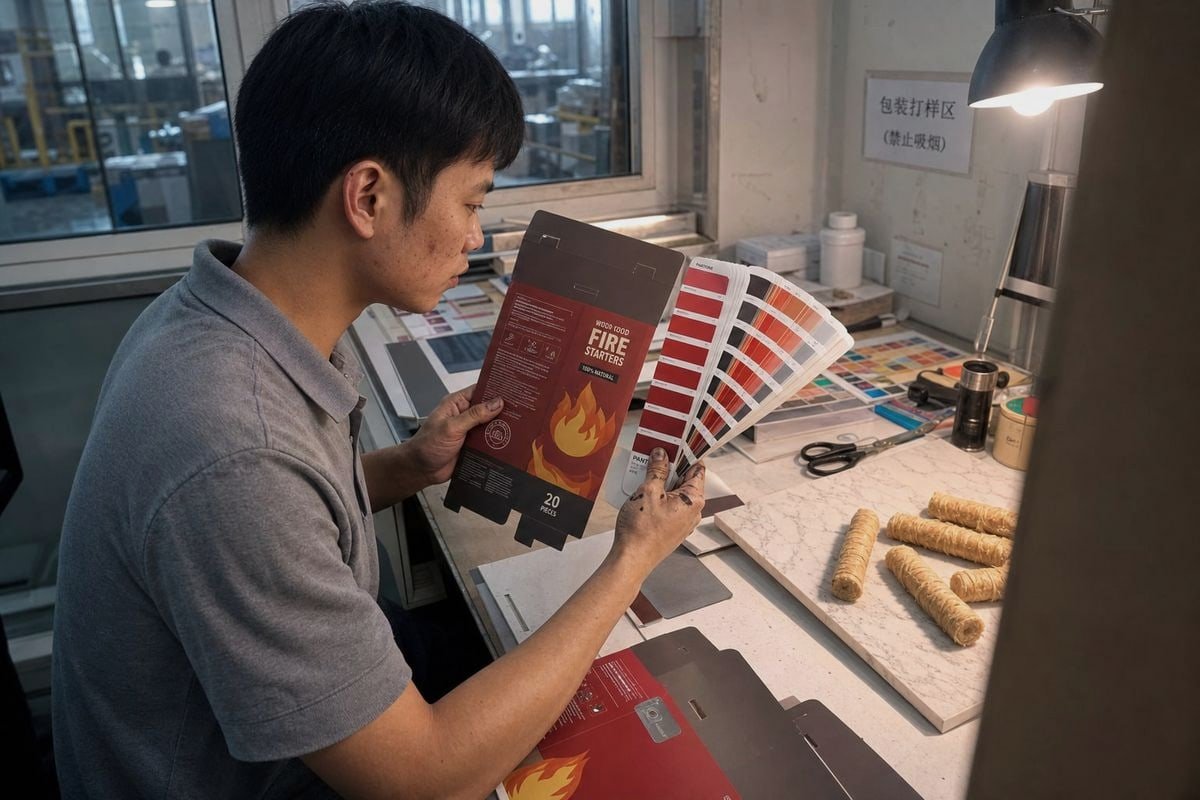
تبدو مطابقة الألوان بسيطة حتى يلتقي الحبر بالكرتون. نفس اللون الأحمر Pantone يُطبع بشكل مختلف على المخزون المطلي اللامع، والكرتون غير اللامع، وورق الكرافت. لذا فإن أول شيء نسأله للمشتري ليس "ما اللون؟" بل "ما هو الركيزة، وما هي التشطيبات، وماذا يستخدم بقية خطك؟" إذا كان خط منتجك الحالي يستخدم تغليفًا غير لامع مع شعار لامع موضعي، فيجب أن يستخدم صندوق بادئ الإشعال نفس المزيج. وإلا، سيبدو الصندوق مثل قريب، وليس شقيقًا.
ما يجب إعداده قبل إرسال العمل الفني
- ملفات شعار المتجهات 5 بجميع التكوينات المعتمدة - الإصدارات الأساسية والأفقية والمتراصة والأيقونية تغطي كل لوحة بحجم.
- قيم الألوان الدقيقة - رموز Pantone للطباعة، بالإضافة إلى بدائل CMYK، وأي ملاحظات حول التفاوت.
- ملفات الطباعة أو النص المحدد، لذلك لا يتم استبدال الخطوط أبدًا في دار الطباعة.
- تسلسل هرمي للتخطيط - الترتيب الثابت لاسم العلامة التجارية، ونوع المنتج، والمطالبات، والتعليمات، ونسخ السلامة، والرمز الشريطي.
- عينات مرجعية لتعبئتك الحالية، حتى نتمكن من مطابقة التشطيب والمادة فعليًا، وليس فقط رقميًا.
كيف يبقى تمييز المتغيرات داخل النظام
سينمو خطك. صندوق مكون من 24 قطعة، صندوق مكون من 100 قطعة، ربما إصدار موسمي. النهج الأقوى الذي طبقناه للعملاء هو هوية أساسية ثابتة بالإضافة إلى إشارة متغير واحدة خاضعة للرقابة - شريط مميز، أو شارة، أو كتلة رقمية. التخطيط الأساسي، وموضع الشعار، والطباعة لا تتحرك أبدًا. فقط منطقة المتغير المحددة تتغير. هذا يسمح للمتسوقين بتمييز رموز SKU في ثانية واحدة مع الاستمرار في قراءة الرف بأكمله كعلامة تجارية واحدة. يمكننا أيضًا طباعة رموز QR التي تربط بمقاطع الفيديو التوضيحية ذات العلامة التجارية الخاصة بك، مما يوسع الهوية المرئية إلى نقاط اتصال رقمية.
كيف أضمن أن تتطابق العينة الأولى مع ما سأستلمه في الإنتاج الضخم؟
هناك مفاضلة أناقشها مع كل مشترٍ جديد تقريبًا: السرعة مقابل اليقين. توفر الموافقة السريعة على النموذج الرقمي أسبوعين. تضيف حلقة عينة ما قبل الإنتاج المادية الكاملة هذين الأسبوعين مرة أخرى. في تجربتي في الشحن إلى الولايات المتحدة وعبر أوروبا، فإن المشترين الذين يختارون اليقين في مرحلة العينة لا يندمون أبدًا في مرحلة الفحص.
وافق على عينة مادية ما قبل الإنتاج المصنوعة على خط الإنتاج الفعلي باستخدام المواد النهائية، ثم اجعل المصنع يختمها كعينة ذهبية. اطلب فحص إنتاج الدُفعات مقابل هذا المرجع المختوم، وأضف فحصًا لطرف ثالث أو فحصًا قائمًا على الصور قبل الشحن قبل مغادرة البضائع للمصنع.
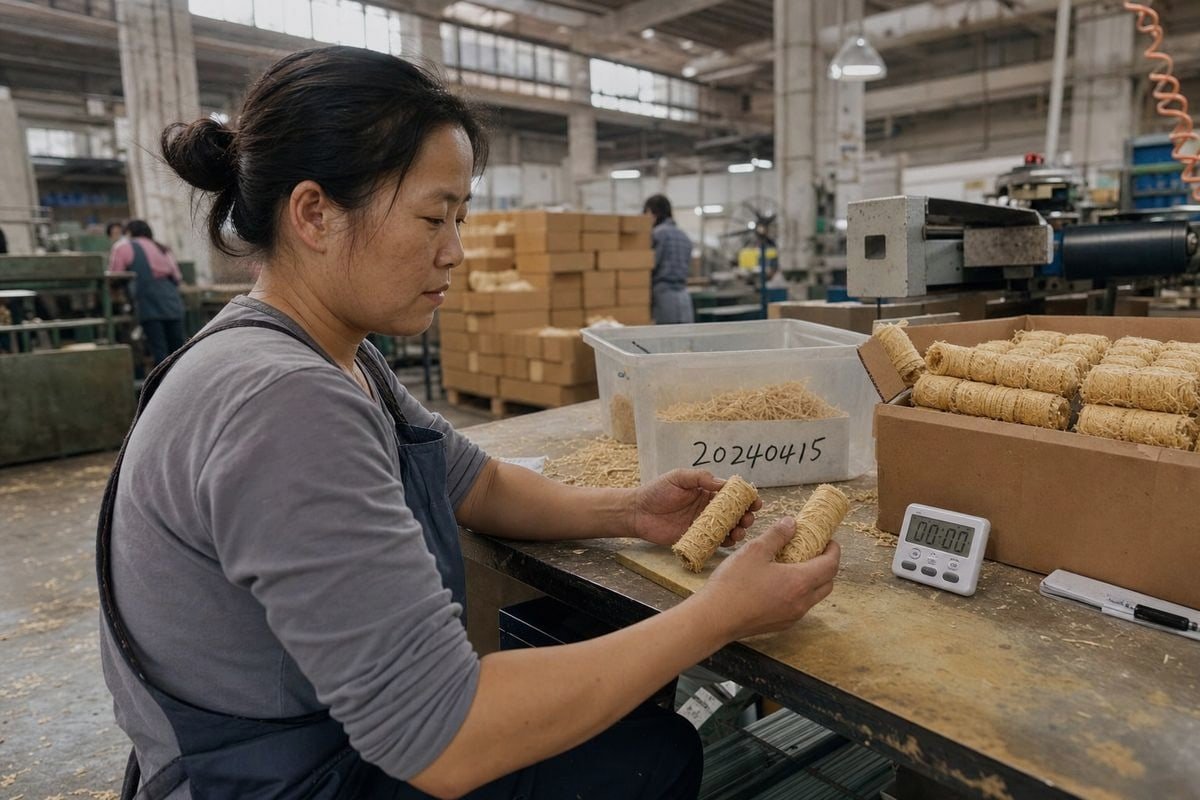
الفجوة بين العينة والإنتاج الضخم هي المكان الذي تحدث فيه معظم خيبات الأمل الخاصة بالعلامات التجارية الخاصة - وهي دائمًا فجوة في العملية، وليست مشكلة عدم أمانة. غالبًا ما يتم صنع العينات بواسطة فنيين مهرة بكميات صغيرة. الإنتاج الضخم يعمل على خطوط كاملة بأدوات مختلفة، ودفعات حبر، وكميات مواد مختلفة. سد هذه الفجوة يتطلب سير عمل محدد، وليس مجرد حسن نية.
سير عمل التحقق المكون من خمس خطوات الذي نقوم به لعملاء العلامات التجارية الخاصة
| خطوة | ماذا يحدث | ما يجب أن تتلقاه |
|---|---|---|
| إثبات التصميم | التحقق من الأعمال الفنية الرقمية مقابل دليل علامتك التجارية | إثبات PDF مع خطوط التقطيع وتحديد الألوان |
| عينة ما قبل الإنتاج | عينة مادية من مواد الخط الفعلي | المنتج بالإضافة إلى التعبئة والتغليف المطبوع، يتم شحنه إليك |
| ختم العينة الذهبية | العينة المعتمدة موقعة ومختومة من قبل الطرفين | سجل الصور ومرجع مختوم محفوظ في المصنع |
| مراقبة الجودة أثناء الإنتاج | يتم فحص الإنتاج مقابل العينة الذهبية على فترات محددة | سجلات مراقبة الجودة الدفعية عند الطلب |
| 5. فحص ما قبل الشحن 6 | فحص عشوائي نهائي قبل التحميل | تقرير فحص بالصور، أو تقرير طرف ثالث |
لماذا العينة الذهبية غير قابلة للتفاوض
تُحوّل العينة الذهبية "يبدو مختلفًا" من جدال إلى قياس. عندما يسحب فريق مراقبة الجودة لدينا وحدات من خط الإنتاج، فإنهم يقارنون درجة اللون، وقطر اللفة، ونسيج الألياف، ولون الطباعة بالعينة المرجعية المختومة مباشرة. نظرًا لأننا ندير خطوط إنتاج كاملة بأنفسنا - مقرها في Liuyang مع إنتاج في Ningbo - فإن العينة والإنتاج الضخم يأتيان من نفس المعدات ونفس موردي المواد. هذا هو السبب الهيكلي الذي يجعل العينة الأولى من مصنع حقيقي تعكس جودة الدفعة بشكل موثوق، بينما غالبًا ما لا تستطيع عينة شركة تجارية ذلك. قم أيضًا بتثبيت مواصفاتك كتابيًا: تحمل وقت الاحتراق، والأبعاد، وتغطية الشمع، وتشطيب التعبئة والتغليف. تمنح التفاوتات المكتوبة عمليات الفحص معايير موضوعية للنجاح والفشل.
ما هي خيارات التخصيص المتاحة للحجم والشكل والعلامة التجارية على بادئات إشعال العلامة الخاصة؟
أحد الدروس التي تعلمتها في وقت مبكر من عملنا في تصنيع المعدات الأصلية (OEM): نادرًا ما يريد المشترون منتجًا مختلفًا - يريدون نفس المنتج الموثوق الذي يرتدي هويتهم، بالحجم الذي يتوقعه سوقهم. يحتاج موزع مدفأة أمريكي إلى أوقات احتراق أطول؛ يريد تاجر هدايا المهرجانات عبوات مدمجة في صناديق عرض. يبقى جوهر المنتج؛ كل ما حوله يتكيف.
يمكن تخصيص بادئات إشعال النار الخشبية ذات العلامة التجارية الخاصة من حيث حجم اللفة وقطرها، ووقت الاحتراق، ولون الشمع وتغطيته، وعدد القطع في العبوة، وشكل التعبئة من الأكياس الورقية إلى الصناديق المطبوعة للبيع بالتجزئة، بالإضافة إلى العلامة التجارية الكاملة - الشعارات والألوان والرموز الشريطية وملصقات التحذير وتغليف العرض الجاهز للبيع بالتجزئة.
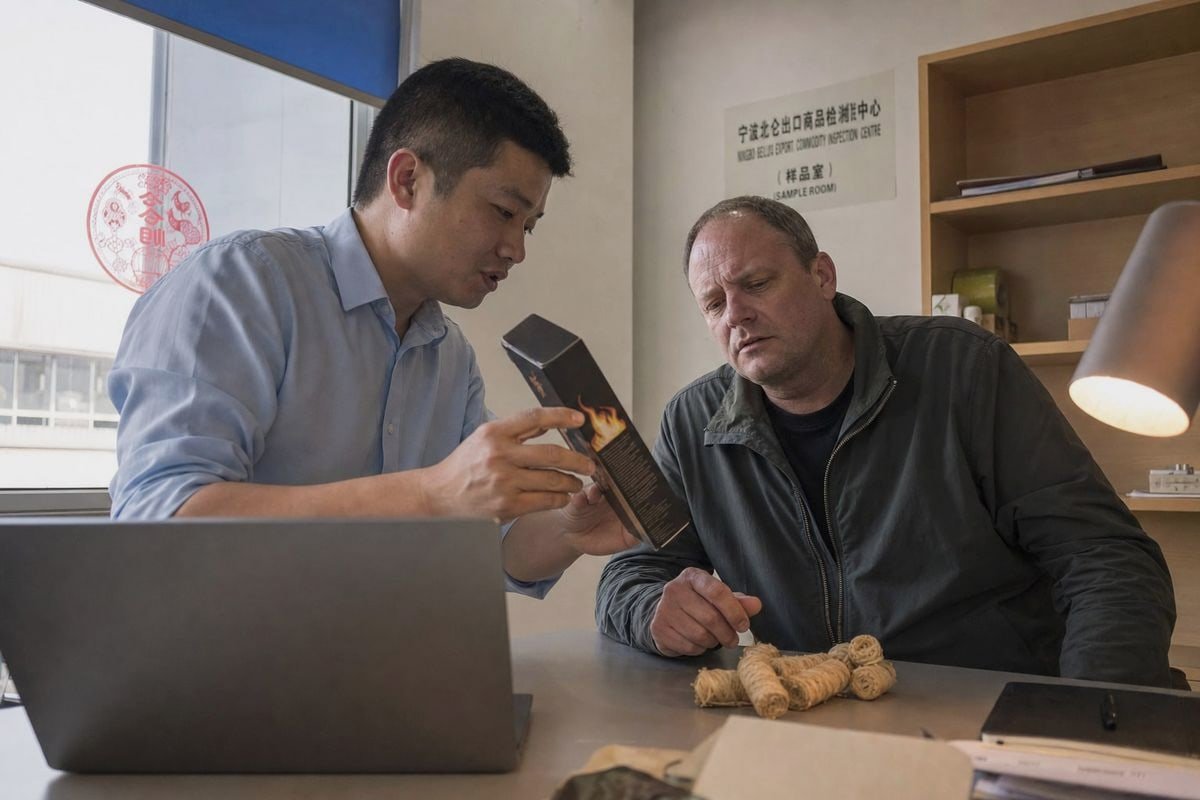
يعمل التخصيص بشكل أفضل عندما تفكر في ثلاث طبقات: المنتج نفسه، وتعبئة الوحدة، والعرض التقديمي للبيع بالتجزئة. تحمل كل طبقة علامتك التجارية، ولكل منها خياراتها وقيودها الخاصة. تغطي إعدادات OEM/ODM الشاملة لدينا كل الثلاثة، وهو أمر مهم لأن تقسيمها عبر البائعين هو المكان الذي يتسلل فيه عدم الاتساق البصري عادةً إدارة سلسلة التوريد 7.
طبقات التخصيص الثلاث
| طبقة | الخيارات المتاحة | اعتبار الاتساق |
|---|---|---|
| منتج | طول وقطر اللفة، عمق غمس الشمع، وقت الاحتراق، لون الشمع الطبيعي أو الملون | يجب أن يتناغم لون الشمع مع لوحة التعبئة والتغليف الخاصة بك عبر جميع وحدات SKU |
| تغليف الوحدة | أكياس كرافت، جرار بلاستيكية، علب مطبوعة، تغليف انكماشي، بطاقات تعليق | نفس عائلة المواد والتشطيب مثل بقية خط منتجاتك |
| صناديق عرض قابلة للطي، بطاقات تعليق، وحدات عداد | صناديق عرض، صواني جاهزة للعرض على الرفوف، عروض مضادة، صناديق شحن رئيسية | تدعم الأبعاد الموحدة التجميع النظيف على الرفوف في المتجر |
حواجز عملية لخط متنامي
حافظ على حجم الوحدة ومنطق التجميع متوقعين. إذا كان صندوقك المكون من 24 قطعة هو تنسيق كرتون واحد، فيجب أن يبدو صندوقك المكون من 100 قطعة نسخة متدرجة، وليس إعادة تصميم. ننصح العملاء بتثبيت تسلسل المعلومات الهرمي - العلامة التجارية، اسم المنتج، شارة العدد، ملاحظة التركيب، نص السلامة، الباركود - في نفس المواضع على كل حجم. يمكن للإصدارات الموسمية أو المحدودة تغيير لون التمييز أو إضافة شارة، ولكن يظل التخطيط الأساسي ثابتًا. بالنسبة للمشترين الذين يختبرون سوقًا جديدًا، ندعم الحد الأدنى لكميات الطلب المرنة للطلبات التجريبية، حتى تتمكن من الإطلاق بتعبئة مخصصة أبسط، وإثبات الطلب، ثم الترقية إلى تشطيبات متميزة عند إعادة الطلب دون تغيير النظام الأساسي. كل ما ننتجه يستخدم مواد صديقة للبيئة خالية من المواد الكيميائية الضارة، لذا تظل رسائل الاستدامة الخاصة بك صادقة عبر الخط بأكمله أيضًا.
خاتمة
يؤدي عدم الاتساق البصري إلى تآكل الثقة وعمليات الشراء المتكررة بهدوء. الحل: نظام علامة تجارية موثق، وضوابط دفعات معتمدة، وعينات ذهبية مختومة، ومصنع واحد يتعامل مع المنتج والتعبئة والعلامات التجارية معًا - حتى تتوسع منتجات إشعال النار الخشبية الخاصة بك دون فقدان الهوية.
ملاحظات ختامية
تتحقق صفحة ISO الرسمية مما يتطلبه بالفعل شهادة إدارة الجودة ISO 9001. ↩︎
يشرح الموقع الرسمي لـ SGS دوره في اختبار المنتجات المستقل من طرف ثالث. ↩︎
يشرح المصدر الرسمي للاتحاد الأوروبي متطلبات علامة CE المشار إليها للامتثال لسلامة المنتج. ↩︎
مرجع خلفية يشرح نظام مطابقة الألوان Pantone المذكور في المقال. ↩︎
يشرح لماذا تحتفظ ملفات المتجهات بقابلية التوسع والدقة مقارنة بالصور النقطية. ↩︎
تفصل صفحة Intertek ما تتحقق منه عمليات التفتيش قبل الشحن من طرف ثالث قبل شحن البضائع. ↩︎
مفهوم خلفية ذي صلة بتنسيق المنتج والتعبئة والعلامات التجارية تحت مصنع واحد. ↩︎


 English
  Spanish
  German
  French
  Arabic
  Portuguese
انضم إلى المحادثة