







امتثال ملصقات FPLA لبادئات الحريق الخشبية ذات العلامة التجارية الخاصة يوقع المزيد من المستوردين في المتاعب أكثر من التسعير على الإطلاق. لقد شاهدت مشترين يفقدون قوائم بيع بالتجزئة كاملة بسبب سطر محتويات صافية مفقود على عمل فني أشار إليه فريقنا في وقت متأخر جدًا من عمليتهم.
يتطلب امتثال ملصقات FPLA لبادئات الحريق الخشبية ذات العلامة التجارية الخاصة ثلاثة عناصر: بيان هوية واضح، واسم ومكان عمل الشركة المصنعة أو المعبئة أو الموزعة، وكمية صافية للمحتويات معلنة بكل من الوحدات المترية ووحدات البوصة والرطل على لوحة العرض الرئيسية.
تبدو هذه العناصر الثلاثة بسيطة. في الممارسة العملية، تضيف عبوات العلامات التجارية الخاصة طبقات من المخاطر. دعني أريك كيف نساعد العلامات التجارية على الحصول على كل منها بشكل صحيح قبل أن يذهب العمل الفني إلى الطباعة.
ما هي المعلومات التي يجب أن أدرجها على ملصق FPLA الخاص بي لتلبية المتطلبات القانونية؟
أرسل موزع أمريكي ذات مرة عملاً فنيًا يحتوي على رسم شعلة جميل ولا توجد هوية للمنتج في أي مكان على اللوحة الأمامية. اكتشف فريق الامتثال لدينا ذلك أثناء مراجعة ما قبل الطباعة، قبل يومين من الطباعة.
يجب أن يتضمن ملصق FPLA الخاص بك هوية السلعة على اللوحة الأمامية، واسم ومكان عمل الطرف المسؤول، وكمية المحتويات الصافية بالوحدات المترية ووحدات البوصة والرطل، موضوعة بشكل واضح على لوحة العرض الرئيسية.
يشتعل سائل الإشعال في أقل من ثانية ولكنه ينطفئ في 30 إلى 60 ثانية، وهو وقت قصير جدًا لإشعال نار خشبية - التحمل هو معيار الأداء الحقيقي. قانون التعبئة والتغليف ووضع العلامات العادل 1 تغطي السلع الاستهلاكية المباعة بالتجزئة. تقع بادئات الحريق الخشبية المباعة للأسر بشكل مباشر ضمن هذا النطاق. لذا ما لم تكن تبيع بشكل بحت للشركات (B2B)، يجب عليك التعامل مع صندوق البيع بالتجزئة الخاص بك كحزمة مغطاة. تحدد متطلبات وضع العلامات الخاصة بلجنة التجارة الفيدرالية (FTC) ثلاثة عناصر أساسية، ولكل منها قواعد وضع تحد من مفاجأة الناس.
بيان الهوية
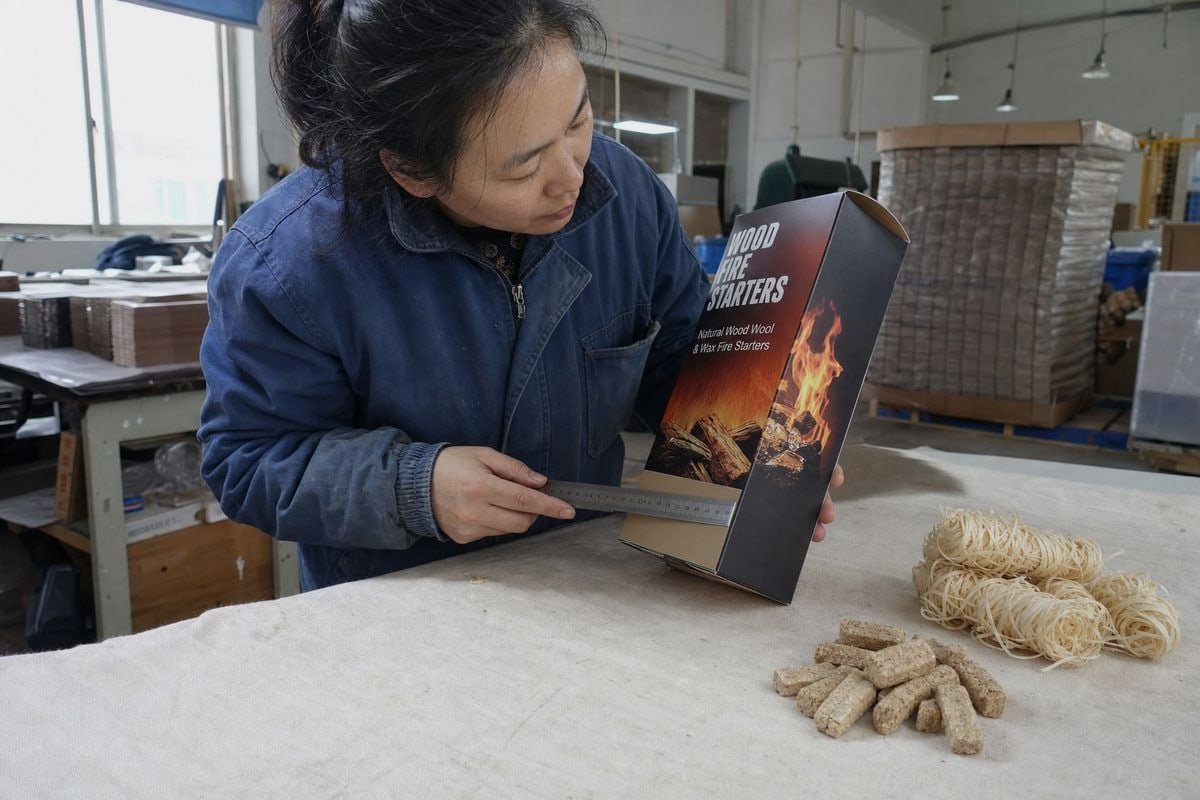
هوية السلعة تخبر المتسوق بما هو المنتج. "بادئات الحريق" تعمل. اسم العلامة التجارية وحده لا يكفي. يجب أن يظهر البيان على لوحة العرض الرئيسية، بخط عريض، وعادة ما يكون موازيًا لقاعدة العبوة. في صناديق البيع بالتجزئة الخاصة بنا من طراز SUNRICH، نضع "بادئات الحريق" بخط أبيض كبير على التدرج الداكن لهذا السبب بالضبط. التباين العالي ليس مجرد تصميم جيد. إنه مطلب امتثال، لأن النص الإلزامي المحجوب يمكن اعتباره وضع علامات خادعًا.
الطرف المسؤول
يجب أن يذكر الملصق اسم الشركة المصنعة أو المعبئة أو الموزعة ويذكر مكان العمل. بالنسبة لعلامات العلامات التجارية الخاصة، هذا هو المكان الذي تحدث فيه معظم الأخطاء، وأنا أغطيها بالتفصيل في القسم التالي.
إعلان الكمية الصافية
يمكن بيع بادئات الحريق بالعدد، أو بالوزن، أو بكليهما. يحدد تنسيق عبوتك الإعلان الصحيح:
| كيف تبيع | نمط الإعلان الصحيح | مثال |
|---|---|---|
| أقراص فردية في صندوق | عدد رقمي | 100 قطعة |
| صوف خشبي سائب بالوزن | وزن مزدوج الوحدة | الوزن الصافي 2 رطل (907 جم) |
| قطع معدودة ذات وزن موحد | عدد بالإضافة إلى الوزن | 24 قطعة / الوزن الصافي 1.5 رطل (680 جم) |
| مجموعة مختلطة (لفائف، كرات، عصي) | عدد لكل نوع مكون | 12 لفة، 6 كرات، 6 عصي |
دليل NIST 130 2 يوفر لوائح نموذجية تستخدمها معظم الولايات لفرض قواعد الكمية هذه، لذلك يتحقق مفتشو الولايات من نفس المعايير في البيع بالتجزئة. يقع الإعلان بشكل عام في الثلث السفلي من لوحة العرض الرئيسية، ويتناسب الحد الأدنى لحجم خطه مع المساحة الإجمالية بالبوصة المربعة للوحة.
هل يمكن لشركتي المصنعة تقديم تقارير اختبار لدعم مطالبات امتثال FPLA؟
يسألنا المشترون من ألمانيا والولايات المتحدة هذا السؤال في كل مكالمة فيديو أولى تقريبًا، عادة قبل أن يسألوا عن السعر. هذا الترتيب للأولويات يخبرك كيف تحول السوق.
نعم، يجب على الشركة المصنعة المؤهلة تقديم تقارير اختبار من طرف ثالث، ووثائق التركيب، وسجلات التحقق من الوزن الصافي. في حين أن قانون FPLA نفسه ينظم وضع العلامات بدلاً من الاختبار، فإن التقارير من مختبرات مثل SGS أو Intertek تدعم ادعاءات التركيب والكمية والسلامة المطبوعة على ملصقك.

هذا هو التمييز الذي يهم. يخبرك قانون FPLA بما يجب أن يظهر على العبوة. لا يثبت أن ادعاءاتك صحيحة. ولكن كل بيان على ملصقك يخلق عبئًا للإثبات. إذا كان صندوقك يقول "50٪ ألياف خشبية، 50٪ بارافين"، فأنت بحاجة إلى وثائق وراء هذا الادعاء بالتركيب. إذا كان يقول "100 قطعة"، فيجب أن تثبت سجلات التعبئة الخاصة بك أن العدد دقيق دفعة بعد دفعة. هذا هو المكان الذي يحميك فيه شريك التصنيع الخاص بك أو يكشفك.
في مصنعنا في نينغبو، نجري مراقبة جودة دفعة تلو الأخرى بالضبط لأن مشتري العلامات التجارية الخاصة يتحملون المسؤولية القانونية عن ما تدعيه ملصقاتهم. على مدار أكثر من 17 عامًا من التصدير إلى أكثر من 30 دولة، تعلمنا أن تقرير اختبار مؤرخ منذ عامين من خط إنتاج مختلف لا يقنع أحدًا. تبحث قنوات مصادر البيع بالتجزئة عن وثائق حالية مرتبطة بـ SKU الفعلي الخاص بك.
ما هي الوثائق التي يجب طلبها
اطلب من الشركة المصنعة هذه العناصر قبل الانتهاء من العمل الفني:
- تحليل التركيب يؤكد نسب الألياف الخشبية والشمع التي تطبعها على الصندوق.
- التحقق من الوزن الصافي والعدد من سجلات مراقبة الجودة الإنتاجية، لدعم كمية المحتويات الصافية الخاصة بك.
- اختبار السلامة من طرف ثالث من SGS أو Intertek، ذات الصلة بـ معايير السلامة CPSC 3 ولوائح سلامة المنتجات الاستهلاكية.
- شهادات المصنع مثل ISO 9001 4 و BSCI، التي تتطلبها متاجر البيع بالتجزئة بشكل متزايد لبرامج العلامات التجارية الخاصة.
- وثائق سلامة المواد يمكنك الرجوع إليها للتحذيرات،, التواصل بشأن المخاطر, ، وحتى كاليفورنيا Proposition 65 5 تحليل.
نقطة عملية أخرى. الادعاءات البيئية مثل "شمع طبيعي" أو "ألياف خشبية معاد تدويرها" تندرج تحت أدلة التجارة العادلة الخضراء 6, ، وليس قانون تعبئة المنتجات الاستهلاكية. إذا لم يتمكن المصنع الخاص بك من توثيق الادعاء، فلا تطبعه. إنفاذ الغسل الأخضر حقيقي، والعلامة التجارية على الصندوق تتحمل الضربة، وليس المصنع.
كيف أقوم بتخصيص عبوات العلامات التجارية الخاصة دون المخاطرة بمشاكل الامتثال؟
المقايضة التي نزنها في كل مشروع OEM هي نفسها: ما مقدار الحرية الإبداعية التي يمكن أن تأخذها العلامة التجارية قبل أن تزدحم الإفصاحات الإلزامية عن اللوحة؟ فريق التصميم لدينا يخوض هذه المعركة أسبوعيًا.
قم بالتخصيص بحرية على الرسومات وألوان العلامة التجارية والشعارات، ولكن قم بتثبيت عناصر FPLA الثلاثة أولاً: بيان الهوية في المقدمة، وتعيين الطرف المسؤول بدقة مع صياغة "صُنع لـ" أو "وزع بواسطة"، وسطر محتويات صافي مزدوج الوحدة في الموضع الصحيح وحجم الخط.
تفشل عبوات العلامة التجارية الخاصة في الامتثال لسبب أساسي واحد: الملصق يمثل بشكل خاطئ من هو المسؤول عن المنتج. تتطلب قواعد FTC اسم ومكان عمل 7 الشركة المصنعة أو المعبئة أو الموزعة. إذا كان اسم شركتك على الصندوق ولكنك لم تصنع المنتج، فيجب تأهيل العلاقة. هذه ليست صياغة اختيارية. إنها ما يمنع ملصقك من أن يكون مضللاً.
اختيار لغة الإسناد الصحيحة
| دورك | صياغة الملصق الصحيحة | متى ينطبق |
|---|---|---|
| مالك العلامة التجارية، إنتاج خارجي | "صُنع لـ [العلامة التجارية]، [العنوان]" | أنت تكلف بالإنتاج تحت علامتك التجارية |
| مستورد/موزع | "وزع بواسطة [الشركة]، [العنوان]" | أنت تشتري سلعًا نهائية وتعيد بيعها |
| معيد التعبئة | "عبئت لـ [الشركة]، [العنوان]" | أنت تعيد تعبئة السلع المجمعة في وحدات البيع بالتجزئة |
| الشركة المصنعة الفعلية | اسم الشركة وعنوانها وحده | أنت تنتج السلع فعليًا |
إعلان مكان العمل
يحتاج إعلان مكان عملك إلى عنوان شارع ومدينة وولاية ورمز بريدي، ما لم يظهر عنوانك في مصدر عام يسهل الوصول إليه، مثل دليل حالي أو موقع ويب عام معروف. إذا كنت تعمل من مكتب افتراضي أو تقوم بتوجيه التنفيذ من خلال طرف ثالث، فتحقق من ذلك بعناية. غالبًا ما يفشل صندوق البريد وحده في الفحص.
عملية التحكم في الأعمال الفنية المكونة من ثلاث مراحل
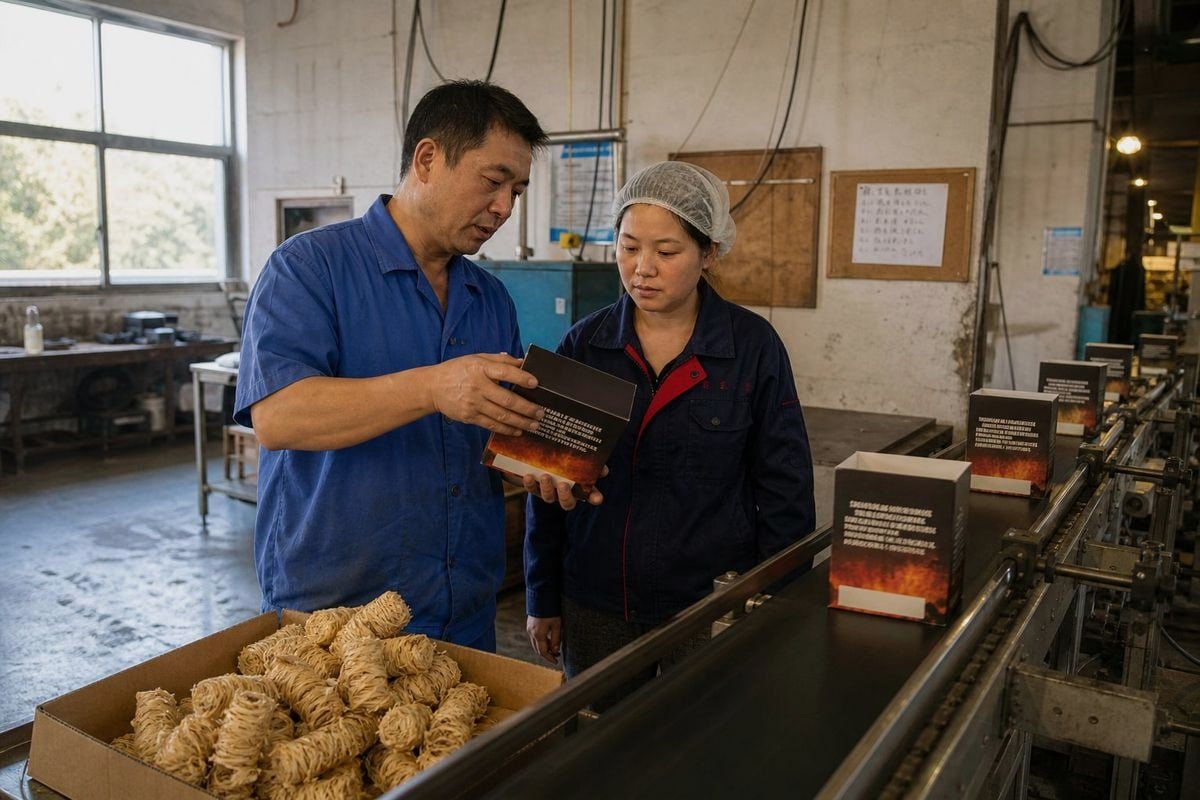
عندما نقوم بمشاريع العلامات التجارية الخاصة، ندفع المشترين عبر ثلاث بوابات. أولاً، مراجعة قانونية لجميع النصوص والادعاءات مقابل متطلبات وضع العلامات الخاصة بـ FTC. ثانيًا، مراجعة ما قبل الطباعة للتخطيط وأحجام الخطوط والتباين وموضع اللوحة مقابل معايير تغليف البيع بالتجزئة. ثالثًا، فحص خط الإنتاج للصندوق المطبوع نفسه، لأن كثافة الحبر وملمس الركيزة وتسجيل الطباعة يمكن أن تجعل الأعمال الفنية المتوافقة غير متوافقة على العبوة المادية. نقوم أيضًا بتجميد الأعمال الفنية المعتمدة. أي مراجعة، حتى تغيير الحجم من 24 قطعة إلى 100 قطعة، يؤدي إلى إعادة موافقة كاملة. قام أحد المشترين الأوروبيين لدينا بتغيير الموزعين في منتصف الموسم ونسي تحديث كتلة العنوان. اكتشفنا ذلك لأن تغييرات الأعمال الفنية تعود عبر مراجعتنا، وليس حولها.
ماذا يحدث إذا فشلت بادئات الحريق الخشبية الخاصة بي في تلبية معايير وضع العلامات FPLA؟
درس تعلمته مبكرًا في أعمال التصدير لدينا: نادراً ما تأتي حالات فشل الامتثال كدعاوى قضائية دراماتيكية. تأتي كبريد إلكتروني هادئ من مكتب الامتثال الخاص بائع التجزئة يرفض شحنتك بالكامل.
تواجه بادئات الحرائق الخشبية غير المتوافقة إنفاذ FTC، وإجراءات على مستوى الولاية بموجب لوائح نموذج دليل NIST 130، وإلغاء إدراجها من قبل بائعي التجزئة، واحتجاز الجمارك، وتكاليف إعادة الملصقات الإلزامية. يمكن منع بيع المنتجات حتى يتم تصحيحها، ويمكن أن تؤدي الملصقات المضللة إلى أوامر قضائية وعقوبات مالية.

تحتوي صورة الإنفاذ على عدة طبقات، وكل منها يؤثر على جزء مختلف من عملك. فهمها يساعدك على تحديد أولويات الإصلاحات قبل تفاقم المشاكل.
سلم الإنفاذ
| طبقة الإنفاذ | من يتصرف | العواقب النموذجية |
|---|---|---|
| فيدرالي | لجنة التجارة الفيدرالية | أوامر قضائية، عقوبات، أوامر تصحيح الملصقات |
| أوزان ومقاييس الولاية | مفتشو الولاية | أوامر وقف البيع، الإزالة من الرفوف، الغرامات |
| تمرير مواد التحذير إلى المصب | فرق الامتثال للسلاسل | رسوم إضافية، إلغاء إدراج، ضرر في بطاقة أداء المورد |
| استيراد | الجمارك | الاحتجاز أو الرفض عند ميناء الدخول |
| سلامة المنتج | CPSC | اتخذ إجراءً منفصلاً إذا كانت هناك قضايا تتعلق بالسلامة إلى جانب عيوب الملصقات |
يستحق مفتشو الولاية اهتمامًا خاصًا. يقوم مسؤولو الأوزان والمقاييس بمراجعة الكمية الصافية للمحتويات في البيع بالتجزئة، باستخدام معايير نموذج NIST Handbook 130. إذا كان عدد العد المعلن لديك هو 100 قطعة وتتضمن الصناديق التي تم أخذ عينات منها 97 قطعة، فستواجه انتهاكًا للنقص بغض النظر عن النية. لهذا السبب تقوم خطوط التعبئة لدينا بالتحقق من كل دفعة قبل الختم.
التكاليف التي لا يضعها أحد في الميزانية
بالإضافة إلى العقوبات الرسمية، يكون الضرر التشغيلي أسوأ عادةً. قد تكلف إعادة تسمية حاوية من صناديق البيع بالتجزئة يدويًا أكثر من تشغيل التعبئة والتغليف الأصلي. تبقى الشحنة المرفوضة في المستودع وتستهلك رسوم التخزين بينما تنتهي نافذة إطلاق البيع بالتجزئة الخاصة بك. وثقة بائع التجزئة، بمجرد إتلافها، تكون مكلفة لإعادة بنائها. لقد قمنا بدمج مشترين جاءوا إلينا خصيصًا بعد فشل ملصقات المورد السابق في تدقيق سلسلة المتاجر.
تذكر أيضًا أن قانون FPLA هو طبقة واحدة من مجموعة. تطبق بعض الولايات قواعد الصحة النباتية على المنتجات الخشبية، وتتطلب شهادة المعالجة الحرارية للحركة بين الولايات. قد يتطلب قانون كاليفورنيا 65 تحذيرات مرتبطة بمنتجات الاحتراق. إصلاح أساسيات قانون FPLA الخاص بك هو الأساس، ولكن مراجعة ما قبل الشحن الحقيقية تتحقق من مجموعة اللوائح الكاملة لكل سوق وجهة.
خاتمة
الامتثال لقانون FPLA ليس مجرد أوراق. إنه يحمي قوائمك وشحناتك وعلامتك التجارية. احصل على عناصر الملصق الثلاثة بشكل صحيح، واطلب الوثائق من مصنعك، وقم بتجميد الأعمال الفنية المعتمدة قبل الطباعة.
ملاحظات ختامية
روابط إلى القانون الفيدرالي الأساسي الذي يحكم متطلبات وضع العلامات التي تمت مناقشتها في جميع أنحاء المقال. ↩︎
صفحة الهبوط الرسمية لـ NIST لمنشورات Handbook 130. ↩︎
روابط إلى الجهة التنظيمية الفيدرالية لسلامة المنتجات التي تشرف على المعايير المشار إليها لاختبار بادئات الحريق. ↩︎
نظرة عامة شاملة على معيار إدارة الجودة ISO 9001. ↩︎
تشرح صفحة وكالة الولاية متطلبات التحذير المذكورة لمنتجات الاحتراق.
{
</p>
<p></p>
</body></html>">

 English
  Spanish
  German
  French
  Arabic
  Portuguese
انضم إلى المحادثة