






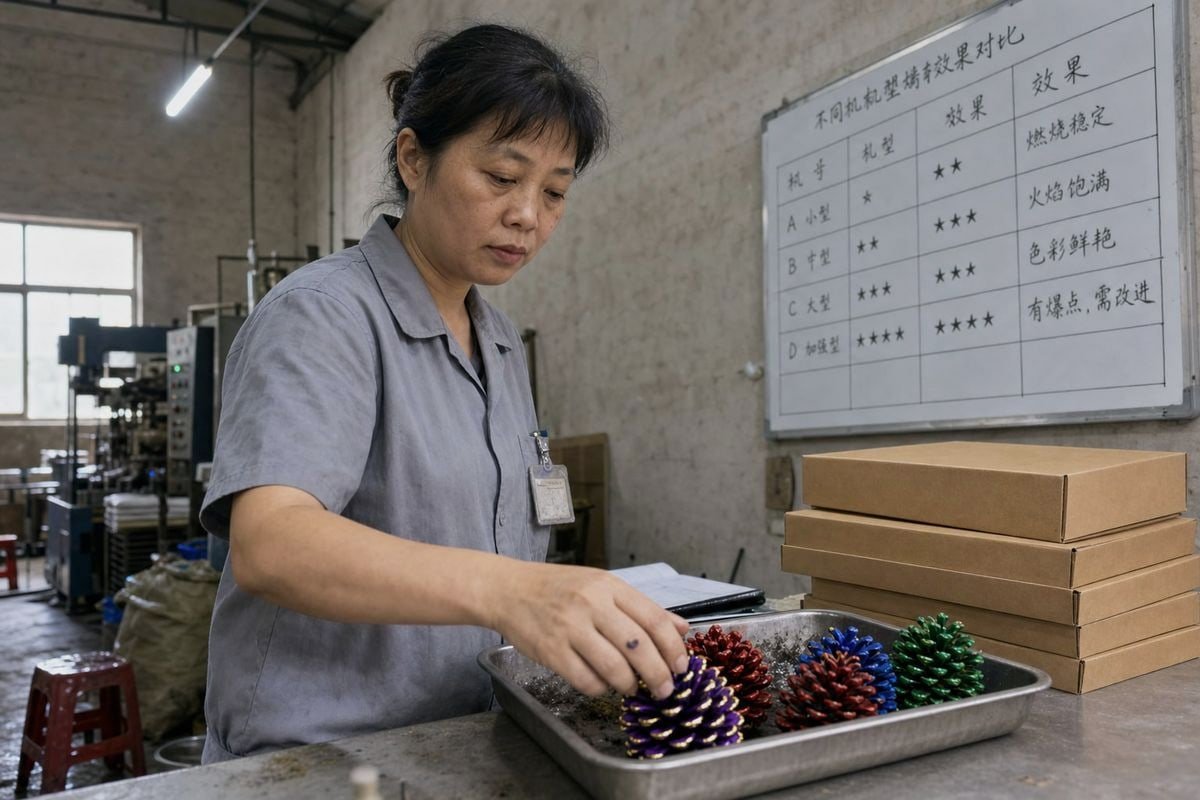
بناء مخطط توافق لمخاريط الصنوبر الملونة للمواقد كان أحد الأدوات الأولى التي أنشأها فريق التصدير لدينا، لأن المشترين استمروا في طرح نفس السؤال المؤلم: "هل ستعمل هذه في كل موقد؟"
مخطط توافق لأكواز الصنوبر الملونة للمواقد يربط فئات الأجهزة - المواقد الخشبية المفتوحة، والمواقد غير التحفيزية، والمواقد التحفيزية، والملحقات، ووحدات الغاز، ومواقد الحبيبات - بثلاثة تقييمات: متوافق، استخدم بحذر، أو غير موصى به، مدعومًا بتقارير الاختبار وفحوصات أدلة الشركة المصنعة.
المخطط ليس معقدًا في بنائه. ولكنك تحتاج إلى الفئات الصحيحة، والأدلة الصحيحة، والتنسيق الصحيح شهادة إدارة الجودة ISO 9001 1. سأرشدك خلال جميع الخطوات الأربع أدناه.
ما هي أنواع المواقد والمدافئ التي يجب أن أدرجها عند بناء مخطط توافق لأكواز الصنوبر الملونة؟
أعاد موزع ألماني طلبًا تجريبيًا ذات مرة لأن عملائه استخدموا مواقد تحفيزية علامة CE 2. علّم هذا الحادث الوحيد فريقنا بتنظيم التوافق حسب نظام الاحتراق، وليس حسب اسم العلامة التجارية وحده.
يجب أن تتضمن خريطة التوافق الخاصة بك ست فئات من الأجهزة: المدافئ المفتوحة التي تعمل بالحطب، ومواقد الحطب غير التحفيزية، ومواقد الحطب التحفيزية، ووحدات إدخال المدافئ والأجهزة المغلقة، ومدافئ سجلات الغاز، ومواقد الحبيبات. قم بتقييم كل منها حسب نظام الاحتراق وتصميم صندوق النار، وليس حسب العلامة التجارية.
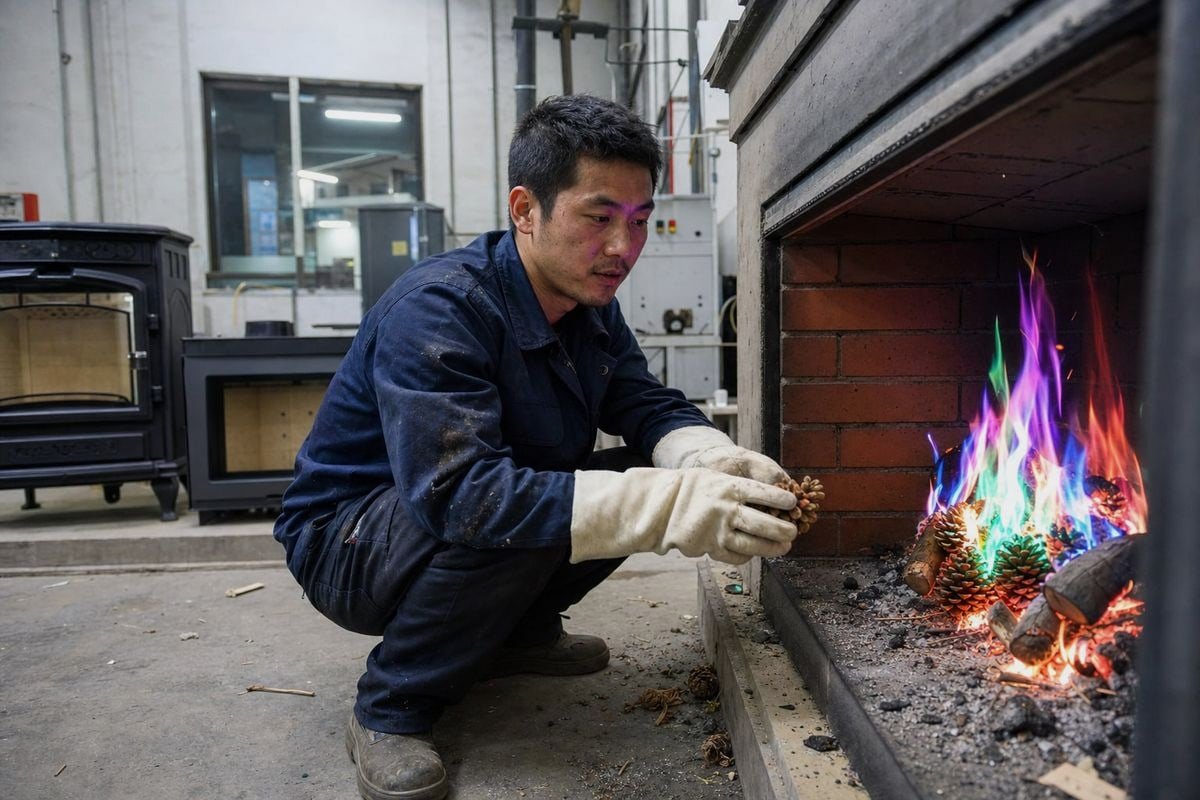
أكبر خطأ أراه في مطالبات التوافق في متاجر التجزئة هو تجميع كل جهاز تحت "مواقد". هذه الكلمة تعني أشياء مختلفة جدًا في أسواق مختلفة تدقيق الامتثال الاجتماعي BSCI 3. في الولايات المتحدة، تحتوي العديد من المنازل على مواقد حجرية مفتوحة. في ألمانيا وبولندا، مغلقة للمواقد الخشبية المعتمدة من وكالة حماية البيئة 4 وما يعادلها في أوروبا تهيمن. يجب أن يعكس مخططك هذا الواقع، وإلا فإن موزعيكم سيواجهون شكاوى لم تتوقعوها أبدًا.
الفئات الأساسية الست وكيفية تقييمها
| نوع الجهاز | تصنيف | لماذا | ملاحظات لتجار التجزئة |
|---|---|---|---|
| موقد حطب مفتوح | ✔ متوافق | مصمم لهب الحطب المفتوح | أفضل استخدام؛ سيناريو صورة مثالي |
| موقد حطب غير تحفيزي | ✔ متوافق | أنابيب الاحتراق الثانوية تتحمل الإضافات بشكل جيد | تحقق من حجم صندوق النار؛ أضف مادة إشعال إذا كانت كبيرة |
| موقد حطب تحفيزي | ⚠ تحذير | يمكن أن تسمم أملاح المعادن المحفز 5 | ارجع إلى دليل الموقد؛ ضع علامة واضحة |
| مدفأة مدمجة / جهاز مغلق | ⚠ تحذير | تختلف مواصفات المدفأة المدمجة بشكل كبير | تتطلب فحصًا يدويًا قبل الاستخدام |
| موقد غاز | ✘ غير موصى به | البقايا تسد المواقد وتتلف الصمامات | اطبع الاستثناء على العبوة |
| موقد الحبيبات | ✘ غير موصى به | يتسبب رماد المعادن في تكوين كتل تسد الناقل اللولبي | توافق موقد الحبيبات مستحيل |
المنطق وراء هذه التقييمات مهم بقدر أهمية التقييمات نفسها. المواقد غير التحفيزية ذات أنابيب الاحتراق الثانوية تتعامل مع ملونات اللهب الكيميائية بشكل أفضل بكثير من الأنظمة المغلقة عالية الكفاءة. تلف المحفز التحفيزي هو وضع الفشل الأكثر تكلفة - يمكن أن يكلف استبدال المحفز المسموم مئات الدولارات. لم يتم تصميم أنظمة تهوية مواقد الغاز ومجموعات السجلات أبدًا لمخلفات الوقود الصلب. وتعتمد مواقد الحبيبات على نواقل لولبية وأجهزة استشعار بصرية ستتلوث بسرعة بالرماد عالي المعادن.
عندما نقوم بتوجيه موزع جديد، أضيف دائمًا قاعدة واحدة: إذا كان دليل الجهاز يحظر بادئات الحريق الأجنبية، فإن الدليل هو الفائز، بغض النظر عما يقوله مخططنا.
ما هي شهادات السلامة وتقارير الاختبار التي أحتاجها لدعم مطالبات التوافق الخاصة بي؟
وثائق الامتثال هي أول شيء يطلبه المشترون الأمريكيون والأوروبيون - عادة قبل التسعير. في سبعة عشر عامًا من التصدير، لم يتخط أي مدير مشتريات جاد هذه الخطوة أبدًا.
ادعم مخطط التوافق الخاص بك بشهادة إدارة الجودة ISO 9001، وتقارير الاختبار من طرف ثالث من SGS أو Intertek، ووضع علامة CE للاتحاد الأوروبي، وعمليات تدقيق الامتثال الاجتماعي BSCI. يجب أن تغطي تقارير الاختبار سلوك الاحتراق والانبعاثات وتكوين المواد لكل فئة جهاز مصنفة.

مخطط التوافق بدون دليل هو مجرد تسويق. المخطط المدعوم بتقارير اختبار يصبح أداة مبيعات يمكن لشركائك في البيع الدفاع عنها عندما يطرح العميل أو شركة التأمين أو الجهة التنظيمية أسئلة. مخاريط الصنوبر الملونة الخاصة بنا تُشحن مع تقارير SGS و Intertek تحديدًا لأن قنوات التوريد الكبيرة تعامل هذا كشرط أساسي، وليس كشيء لطيف.
طابق كل ادعاء بوثيقة
فكر في كل خلية في مخططك كادعاء يحتاج إلى مصدر. إليك التعيين الذي أوصي به:
| ادعاء المخطط | دليل داعم |
|---|---|
| "آمن في مواقد الحطب" | تقرير اختبار احتراق من طرف ثالث (SGS/Intertek) |
| "صديق للبيئة، لا توجد مواد كيميائية ضارة" | تقرير تكوين المواد وفحص المعادن الثقيلة |
| "أداء لون ثابت" | سجلات مراقبة الجودة من دفعة إلى أخرى ISO 9001 |
| "متوافق مع البيع بالتجزئة في الاتحاد الأوروبي" | وثائق CE وفحص REACH ذي الصلة |
| "منتج أخلاقياً" | تقرير تدقيق BSCI |
| "تنبيه: المواقد التحفيزية" | "إشارة إلى لغة دليل الشركة المصنعة للموقد" |
"تغطية أسئلة التآكل والمخلفات مبكرًا"
"سيستفسر المشترون المتطورون عن الإضافات القائمة على الكلوريد. يمكن أن تكون هذه مسببة للتآكل لبطانات المداخن المصنوعة من الفولاذ المقاوم للصدأ وصناديق النار المصنوعة من الحديد الزهر بمرور الوقت، لذا يجب أن تتناول وثائق الاختبار الخاصة بك كيمياء المخلفات مباشرة. وينطبق الشيء نفسه على" بلورات كبريتات النحاس 6, "، وهي سامة إذا تم ابتلاعها —" وسجلات التبخير لمعظم أسواق الوجهة. يضيف الصنوبر الملون طبقة أخرى: اختبار سلامة الملونات، "يجب أن تبقي المنتج بعيدًا عن متناول الأطفال والحيوانات الأليفة، ويجب أن تنص إرشادات التخلص من الرماد الخاصة بك على أنه لا يجوز وضع الرماد الناتج عن الحرائق المعالجة بالألوان في تربة الحديقة أو السماد. ".
"درس آخر من خط الإنتاج لدينا: الشهادات لا تهم إلا إذا كانت دفعة الإنتاج الضخم تتطابق مع العينة المختبرة. مراقبة الجودة الصارمة من دفعة إلى أخرى هي ما يجعل تقرير الاختبار الخاص بك ذا مغزى بعد ستة أشهر من إصداره.". "ادعاءات سلامة مواقد حرق الخشب" "تتفكك بسرعة عندما ينحرف التركيب بين الدفعات.".
كيف يمكنني العمل مع الشركة المصنعة الخاصة بي للتحقق من أداء الاحتراق عبر نماذج مواقد مختلفة؟
"التبادلات تدفع كل برنامج تحقق نقوم به. اختبار المزيد من نماذج المواقد يكلف وقتًا ومالًا؛ واختبار عدد قليل جدًا يترك فجوات توافق سيجدها عملاؤك لك.".
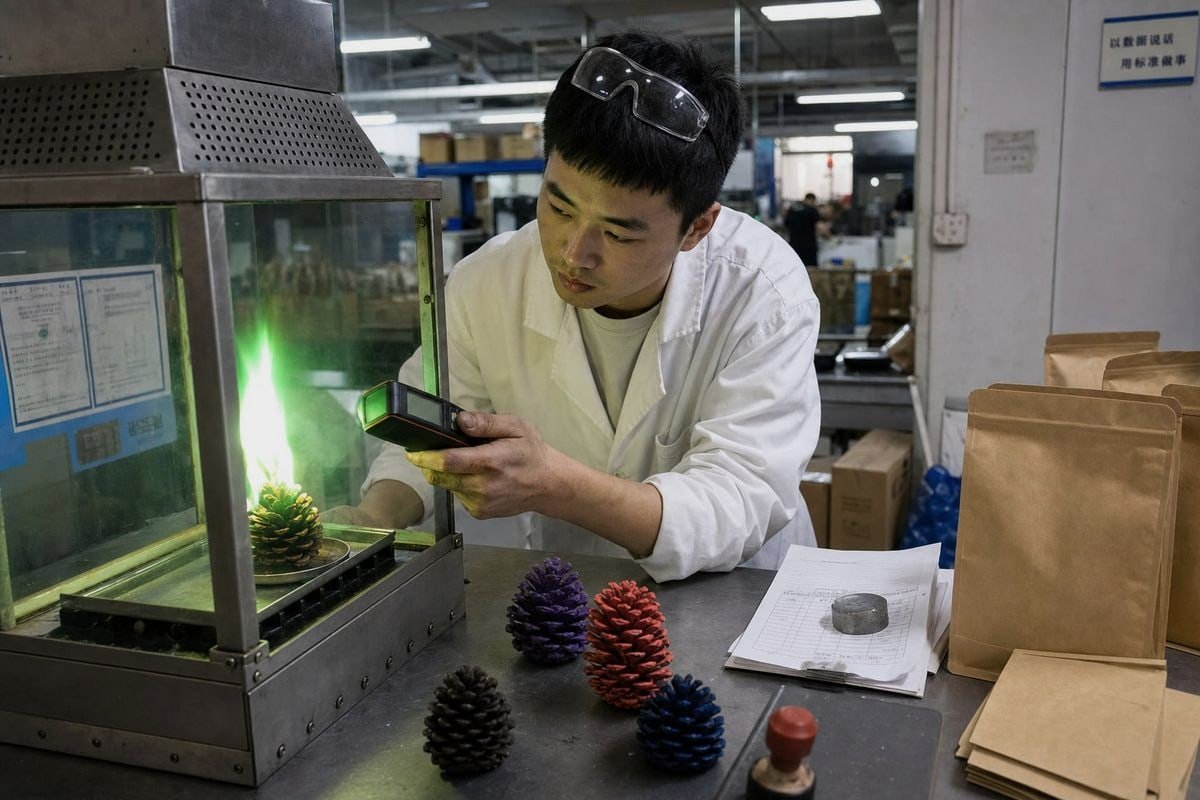
اطلب من الشركة المصنعة الخاصة بك إجراء اختبارات احتراق منظمة في أجهزة تمثيلية: مدفأة مفتوحة، وموقد غير محفز، ووحدة إدخال محكمة الغلق. وثّق لون اللهب، ووقت الاحتراق، والبقايا، ونقش الزجاج، وتركيب الرماد، ثم قارن النتائج مقابل كل فئة موقد في الرسم البياني الخاص بك.
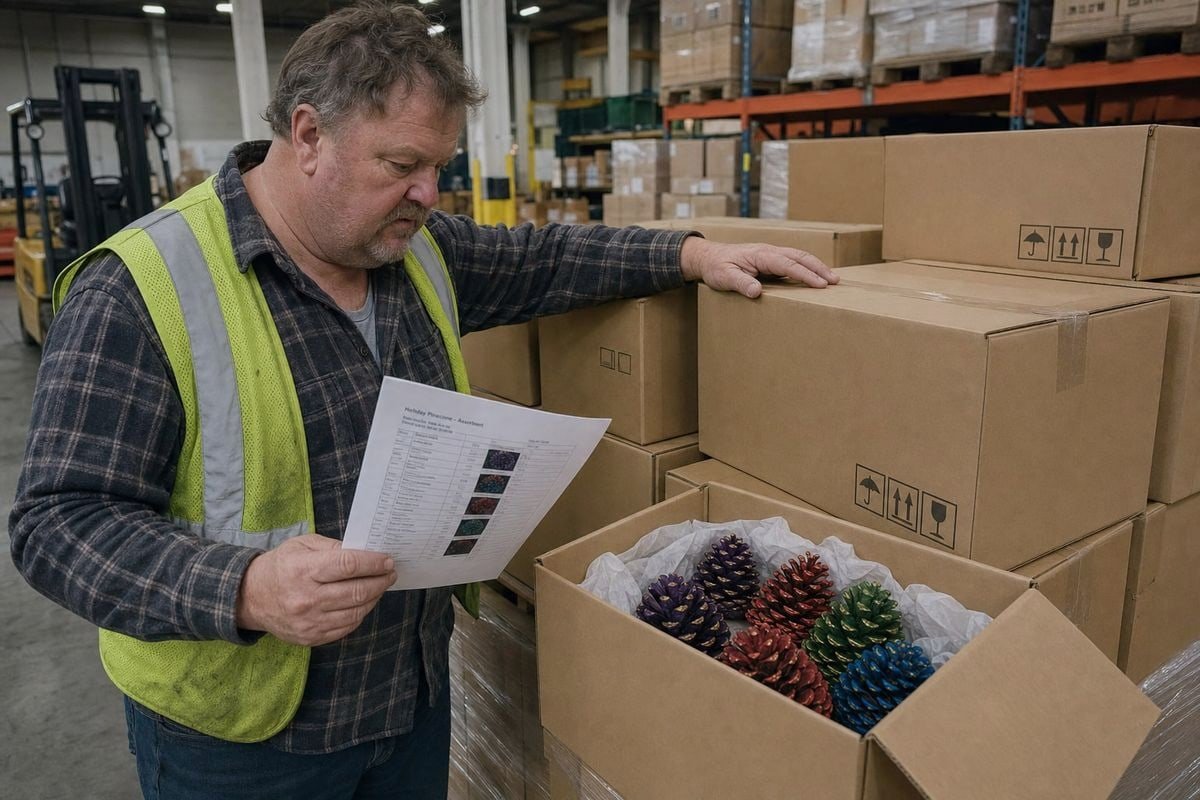
"لا تحتاج إلى اختبار كل نموذج موقد في السوق. تحتاج إلى بروتوكول قابل للتكرار يغطي كل فئة جهاز في الرسم البياني الخاص بك. عندما يقوم مهندسونا بإعداد التحقق من الاحتراق لعميل خاص، فإننا نتبع عملية مرقمة، وأوصي بأن تطلب نفس الشيء من أي مورد.".
عملية تحقق من خمس خطوات
- "تحديد مصفوفة الاختبار.". "اختر جهازًا تمثيليًا واحدًا لكل فئة في الرسم البياني. الموقد المفتوح، والموقد غير التحفيزي مع أنابيب الاحتراق، والمدخل المغلق تغطي معظم سيناريوهات المخاطر.".
- "توحيد ظروف الاحتراق.". "تغيير توقيت الاحتراق للنتائج. معظم المخاريط الملونة تؤدي أفضل أداء عند إضافتها إلى سرير جمر راسخ، وليس نارًا مشتعلة حديثًا. اختبر كلتا الحالتين.".
- "قياس ما يهتم به المشترون.". سجل "شدة لون اللهب لكل مادة مضافة", "، مدة الاحتراق لكل مخروط، وما إذا كان لون واحد في كل مرة يعطي تأثيرات أنظف من الخلط (وهو كذلك - الألوان المختلطة تصبح باهتة).".
- "الفحص بحثًا عن نواقل الضرر.". "تحقق من أبواب الزجاج السيراميكي بحثًا عن النقش الكيميائي، حيث يمكن للأبخرة أن تترك علامات دائمة على زجاج Neoceram أو Robax عند درجات حرارة عالية. افحص أسطح المداخن بحثًا عن تسريع" تراكم الكريوزوت 7 "أو علامات التآكل.".
- "تحليل الرماد.". "يؤكد محتوى الرماد المعدني العالي سبب وجوب بقاء مواقد الحبيبات في عمود "غير موصى به"، ويبلغ عن تحذيرات التخلص الخاصة بك.".
ما يجب أن تسأله لموردك
"اطلب لقطات اختبار خام، وليس مجرد ورقة ملخص. اسأل عن كيفية التحكم في عملية التجفيف والمعالجة - المخاريط المعالجة بشكل صحيح تحتاج إلى تجفيف كامل، غالبًا ثلاثة أيام أو أكثر، وتغيير المعالجة غير المتسقة لسلوك الاحتراق. اسأل عما إذا كانت تركيبة طلاء الشمع مستقرة عبر المواسم. وتأكد من أن المورد يمكنه إعادة إنتاج أداء العينة الأولى على نطاق الإنتاج الضخم، لأن هذه الفجوة هي المكان الذي تموت فيه معظم ادعاءات التوافق بهدوء. يجب أن تأتي إرشادات صيانة مداخن المداخن أيضًا من هذا الاختبار، حتى يتمكن تجار التجزئة من تمرير نصائح العناية الدقيقة للمستخدمين النهائيين.".
ما هي أفضل طريقة لتنسيق جدول التوافق حتى يتمكن تجار التجزئة والموزعون من استخدامه بثقة؟
"أخبرني موزع مداخن في المملكة المتحدة ذات مرة أن موظفي أرضيته لديهم ثماني ثوانٍ للإجابة على سؤال توافق العميل. أعادت هذه المحادثة تشكيل كيفية تصميم كل رسم بياني نشحنه مع عبوات OEM الخاصة بنا.".
قم بتنسيق الرسم البياني كجدول من صفحة واحدة بنظام تسجيل بثلاثة ألوان: علامة خضراء للتوافق، علامة صفراء للحاجة إلى فحص يدوي، علامة X حمراء للتجنب. أضف أعمدة لنوع الجهاز، والتقييم، والسبب، وملاحظات الاستخدام، بالإضافة إلى تذييل ينص على أن دليل الموقد يلغي الرسم البياني.
"لا يقرأ تجار التجزئة الفقرات. إنهم يمسحون. يجب أن يعمل الرسم البياني الخاص بك كبطاقة على حافة الرف، وإدراج في العبوة، وشريحة تدريب دون إعادة تصميم. إليك الهيكل الدقيق الذي أوصي به، والذي تم تنقيحه عبر برامج العلامات الخاصة التي دعمناها في الولايات المتحدة وألمانيا وأستراليا.".
"التخطيط الجاهز للبيع بالتجزئة"
| "العمود" | الغرض | مثال إدخال |
|---|---|---|
| "نوع الجهاز" | "تحديد فوري" | "موقد خشب تحفيزي" |
| "النتيجة" | "إجابة 8 ثوانٍ" | "⚠ أصفر - تحقق من الدليل" |
| "سبب من سطر واحد" | "يبني ثقة الموظفين" | "قد تسمم الأملاح المحفز" |
| "ملاحظة الاستخدام" | "يمنع سوء الاستخدام" | "تأكيد السماح ببدء الحريق في الدليل" |
| أفضل حالة استخدام | "يقود المبيعات الصحيحة" | "نوصي بنماذج غير تحفيزية بدلاً من ذلك" |
"قواعد القرار للطباعة على الظهر"
"امنح الموظفين منطقًا بسيطًا إذا-ثم. إذا كان الجهاز يعمل بالخشب ويسمح الدليل ببدء الحرائق، فقم بالنتيجة باللون الأخضر. إذا كان موقدًا تحفيزيًا أو مدخلًا مغلقًا، فقم بالنتيجة باللون الأصفر حتى يؤكد الدليل. إذا كان يعمل بالغاز أو الحبيبات، فقم بالنتيجة باللون الأحمر - لا استثناءات. إذا كان صندوق النار صغيرًا بشكل غير عادي أو كان تدفق الهواء مقيدًا بشدة، فانتقل إلى مستوى أكثر حذرًا.".
"إضافتان تجعلان الرسم البياني موثوقًا به حقًا. أولاً، اطبع مراجع الشهادات الخاصة بك - CE، SGS، ISO 9001 - في التذييل، حتى يحمل الرسم البياني دليلًا، وليس مجرد رأي. ثانيًا، تعامل مع مقارنات DIY مباشرة. تختلف المخاريط المغموسة المصنوعة يدويًا بشكل كبير في تحميل الملح والتجفيف، لذا يجب أن ينص الرسم البياني الخاص بك على أن تقييماته تنطبق فقط على منتجك التجاري المختبر. هذا يحمي الموزعين الخاصين بك من إلقاء اللوم عليهم في نتائج دروس الحرف اليدوية. عندما نقوم ببناء عبوات عرض وملصقات تحذير للعملاء، فإن هذا الإخلاء يذهب على كل SKU، وقد منع المزيد من النزاعات أكثر من أي سطر نصي واحد آخر.".
خاتمة
رسم بياني موثوق للتوافق لأكواز الصنوبر الملونة للمدفأة يستند إلى ثلاثة أعمدة: فئات فئة الأجهزة، وأدلة الاختبار المعتمدة، وتنسيق بيع بالتجزئة قابل للمسح. قم ببناء الثلاثة، وسيتم بيع منتجك بأمان.
ملاحظات ختامية
نظرة عامة مستقرة وموثوقة من ويكيبيديا على معيار ISO 9001 ومتطلبات اعتماده. ↩︎
مصدر رسمي للاتحاد الأوروبي يشرح متطلبات الامتثال لعلامة CE المشار إليها للبيع بالتجزئة. ↩︎
صفحة هبوط محدثة رسمية لـ amfori BSCI لحلول تدقيق الامتثال الاجتماعي. ↩︎
صفحة برنامج وكالة حماية البيئة ذات الصلة بمعايير انبعاثات مواقد الخشب المذكورة في مقارنة السوق. ↩︎
مفهوم خلفي حول تقنية الاحتراق التحفيزي المشار إليها لخطر تلف الموقد. ↩︎
بيانات كيميائية موثوقة ومعلومات السلامة من قاعدة بيانات PubChem التابعة للمعاهد الوطنية للصحة. ↩︎
شرح خلفي للكريوزوت، المشار إليه كمؤشر لخطر سلامة المدخنة. ↩︎



 English
  Spanish
  German
  French
  Arabic
  Portuguese
انضم إلى المحادثة