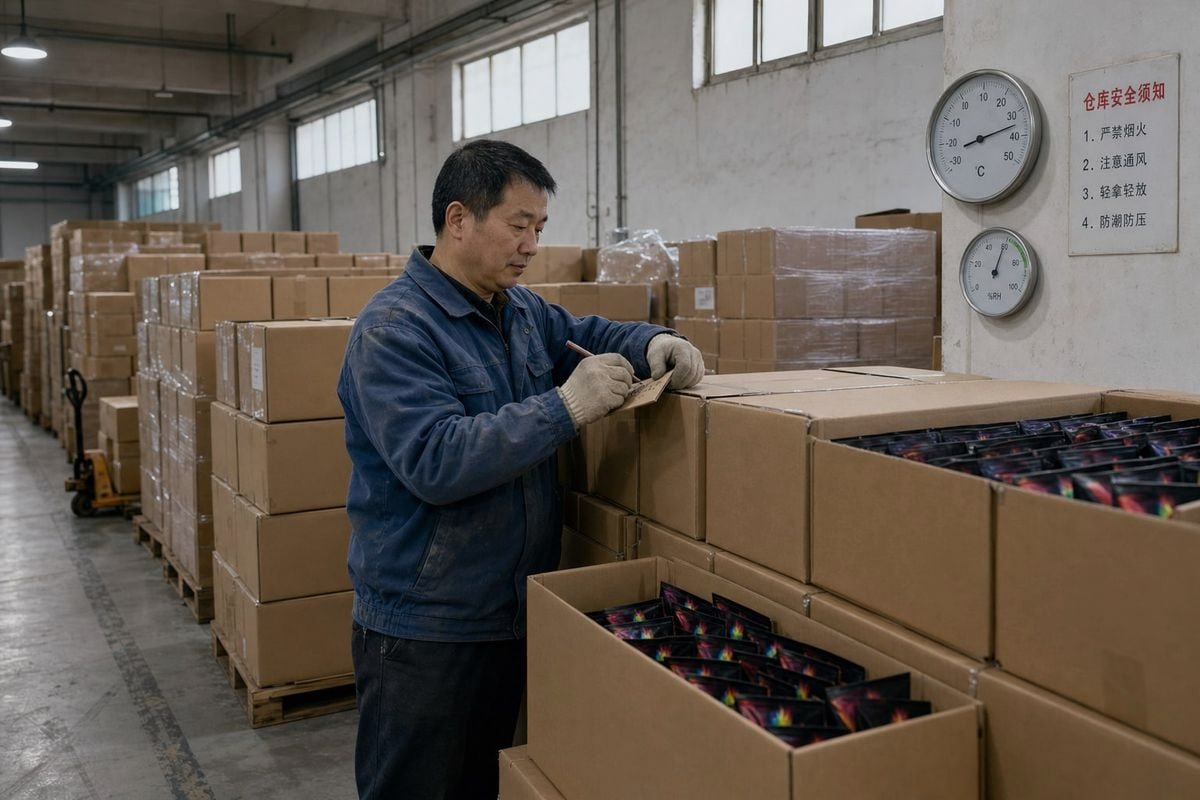
Controlling the shelf life and storage conditions of Magic Fire Powder is a question I hear constantly from buyers touring our Ningbo production line الرطوبة النسبية 1. Stock that cakes or fades costs real money. It stalls turnover, triggers returns, and damages your brand moisture barrier packaging 2. The good news: with the right storage discipline, this problem is almost entirely preventable.
Control Magic Fire Powder shelf life by storing sealed packets in a cool, dry space below 25°C with humidity under 60%, away from sunlight. Combine date-labeled FIFO rotation, periodic quality checks every 3–6 months, and demand-based ordering to keep stock turning before it ages.
That is the short answer. Now let me walk you through each part of the system, from warehouse conditions to batch testing to inventory planning, so you can apply it to your own operation.
What Storage Conditions Keep My Magic Fire Powder Stable Before It Reaches Store Shelves?
During a factory audit last spring, a German distributor asked me why we keep our finished-goods warehouse in Ningbo so strictly climate-managed. My answer was simple: the powder's stability is decided long before it reaches a store shelf, and we treat storage as part of production quality.
Keep Magic Fire Powder in its original sealed foil sachets, stored indoors between 15–25°C with relative humidity below 60%. Protect stock from direct sunlight, heat sources, and temperature swings that cause condensation, and never leave opened bulk containers unsealed between uses.
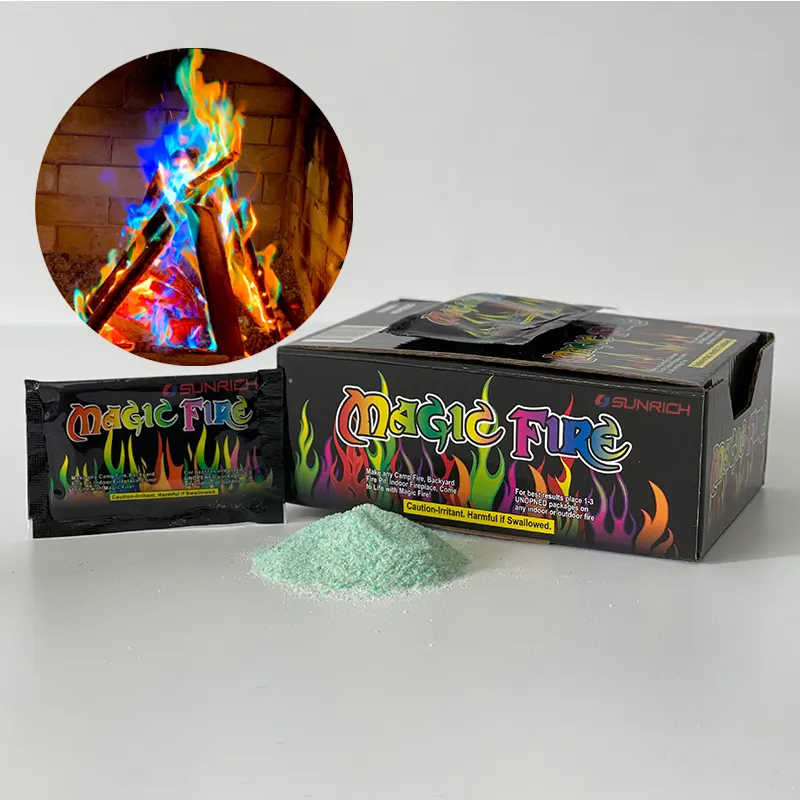
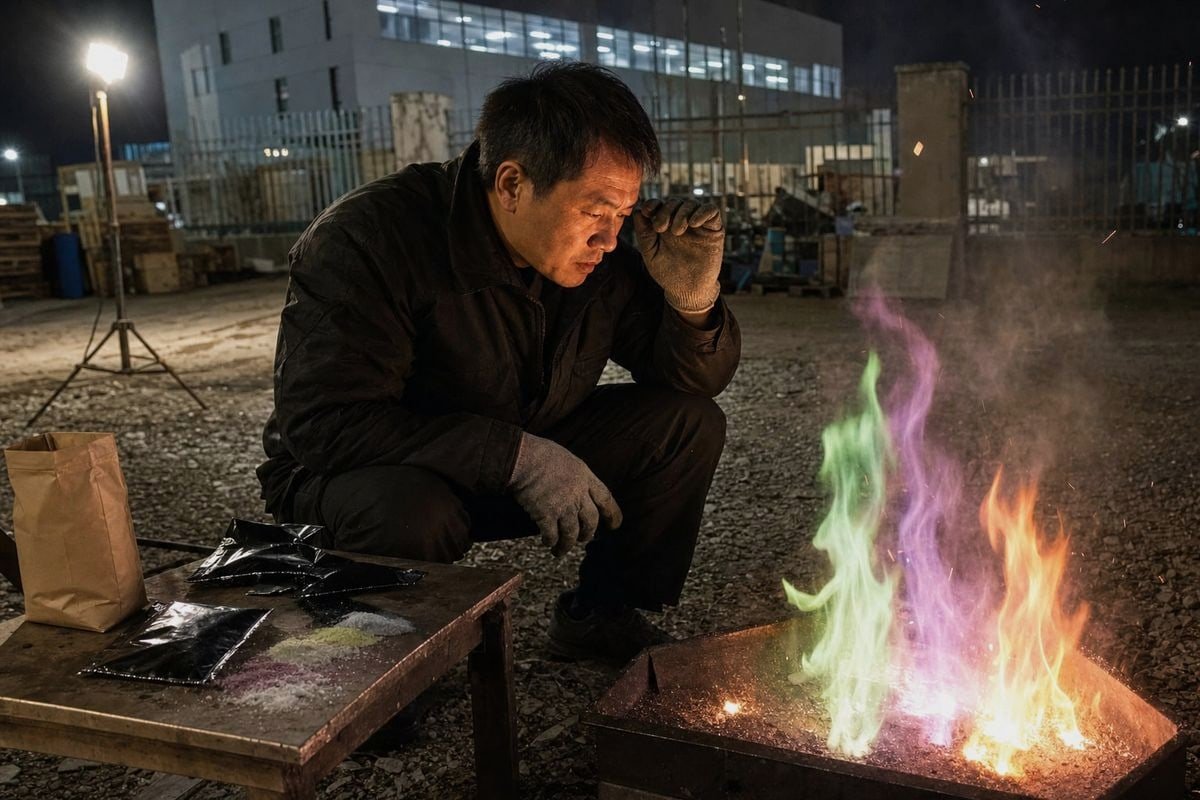
Color-flame powder is a dry chemical product. That means its two biggest enemies are heat and moisture. Heat accelerates chemical change inside the granules. Moisture makes the crystalline powder absorb water, clump, and cake, which ruins its free-flowing texture and can weaken the color-flame effect. Industry guidance for dry powders backs this up: manufacturer warning sheets recommend an average storage temperature below 25°C, and note that shelf life can drop by roughly one-third for every 10°C above that mark. That is a striking number. A pallet sitting in a 35°C metal shed all summer is quietly losing a third of its usable life.
The Four Conditions That Matter Most
In our experience shipping to markets as different as Canada and the Middle East, four factors decide whether powder arrives and stays stable:
| عامل | الحالة المستهدفة | لماذا هو مهم |
|---|---|---|
| درجة الحرارة | 15-25 درجة مئوية، ثابتة | Heat speeds up degradation; swings cause condensation inside packaging |
| الرطوبة | أقل من 60٪ رطوبة نسبية | Moisture is the top cause of caking and reduced flame color |
| خفيف | لا توجد أشعة شمس مباشرة | Sun exposure heats packaging and can degrade contents over time |
| Air exposure | Sealed original packaging | Opened containers absorb ambient humidity every time they breathe |
Practical Warehouse Rules
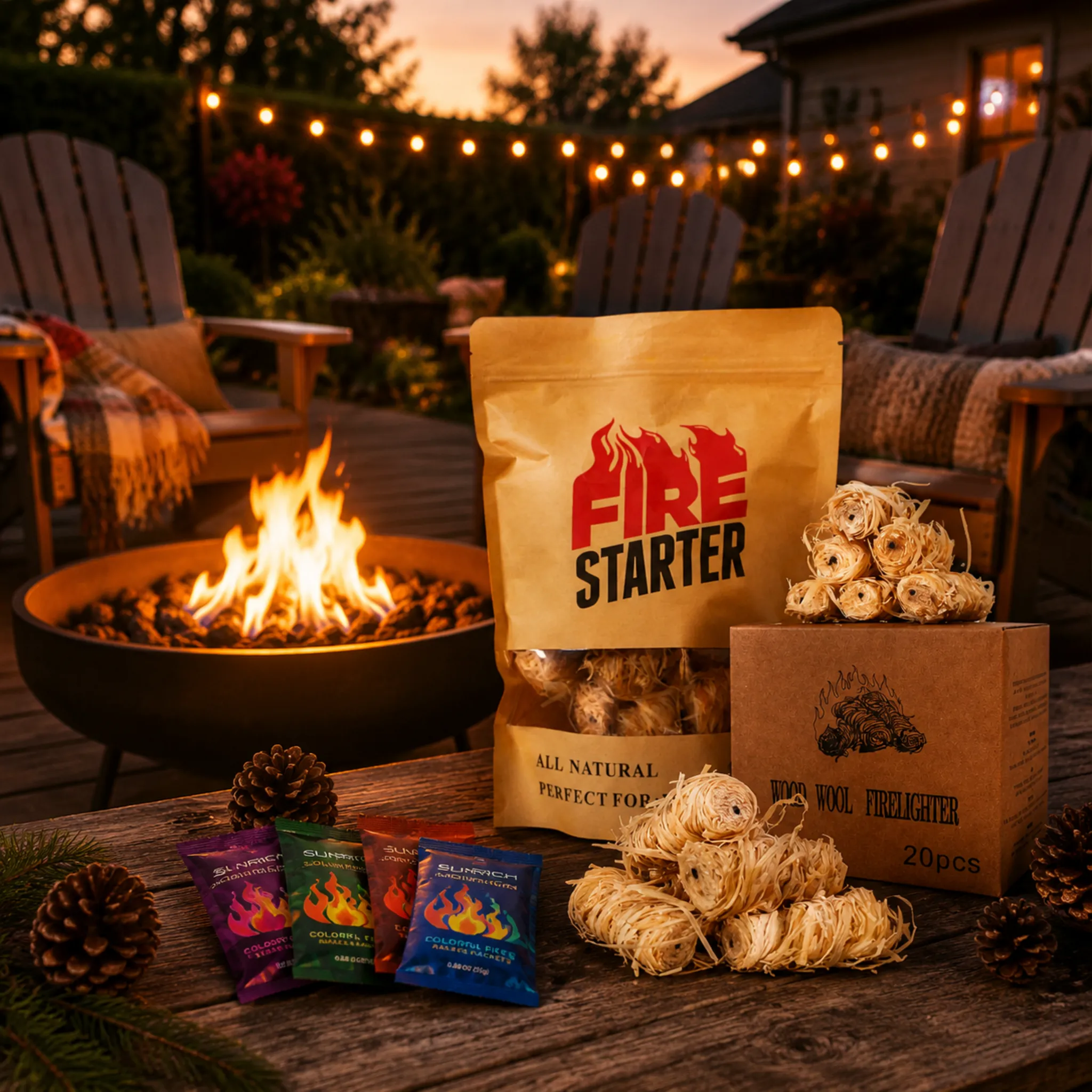
Keep pallets off exterior sun-heated walls. Avoid storing near heaters, skylights, or loading-dock doors where temperature swings are worst. And keep the product in its original heat-sealed foil sachets and outer cartons — the foil layer is a moisture barrier we specify deliberately, and it does most of the protective work for you.
How Long Can I Expect Magic Fire Powder to Maintain Its Color-Flame Performance in My Warehouse?
One lesson I learned early in our 17 years of exporting fire-themed goods: never promise a buyer a single universal shelf-life number. The honest answer depends on formulation, packaging, and — above all — how the buyer stores the stock.
Properly sealed Magic Fire Powder typically maintains full color-flame performance for 3–5 years under normal warehouse conditions, and potentially longer when stored consistently below 25°C. Hot, humid, or sunlit storage can cut that period substantially, so conditions matter more than the printed date.

Shelf life is not a fixed calendar promise. It is a range that your storage discipline either preserves or erodes. Published guidance across the dry-powder industry illustrates this spread clearly. One powder storage manual gives a general five-year life, shorter in extreme environments. A dry chemical datasheet guarantees a minimum of three years even under tropical conditions, provided the product stays in original packing away from sun and moisture. Another manufacturer sheet states that with average temperatures kept below 25°C, safe shelf life can reach ten years or more. Hobbyist forums claim even longer, but those are anecdotes, not commitments — treat them as proof that conditions matter, not as guarantees.
What Degradation Actually Looks Like
Color-flame powder rarely fails all at once. It fades gradually. Watch for these warning signs during stock checks:
- Caking or clumping — the first and most common sign of moisture absorption
- A damp or unusual odor when a sachet or jar is opened
- Discoloration of the granules compared to a fresh reference sample
- Weaker or shorter color effect in a burn test versus a new batch
- Packaging damage — punctured foil, corroded jar lids, or swollen pouches
A Realistic Planning Horizon
For inventory planning, I advise our wholesale partners to treat 24–36 months as their working turnover window, even when the technical shelf life is longer. That buffer absorbs shipping time, distribution-center dwell time, and retail shelf time, and it keeps end customers seeing vivid rainbow flames rather than a muted, disappointing effect.
What Packaging and Batch Testing Should I Require to Verify Shelf Life Before Placing a Bulk Order?
A US camping-brand buyer once told me his previous supplier's samples burned brilliantly, but the mass-production shipment arrived half-caked. That conversation shaped how we structure our own QC documentation, because a bulk order should never be an act of faith.
Require heat-sealed foil or moisture-barrier packaging, batch numbers and production dates on every unit, and third-party test reports such as SGS or Intertek. Ask for accelerated aging data, a retained reference sample, and written storage specifications before committing to a bulk order.

Packaging is your first line of defense, so specify it in your purchase agreement rather than leaving it to chance. At our factory we offer plastic bags, kraft stand-up pouches, and plastic jars, and each format has a different moisture profile. Foil-lined heat-sealed sachets give the strongest barrier for single-use retail. Kraft pouches need an inner lining or lined construction to match that protection. Jars work well for multi-use products but depend on lid seal quality, so we test lid torque and gasket integrity on the line. For bulk industrial quantities, some buyers also request nitrogen-flushed or vacuum-sealed packing to push shelf life beyond standard atmospheric storage.
A Pre-Order Verification Checklist
| ما هو المطلوب | لماذا تحميك |
|---|---|
| Batch/lot number + production date on every unit | تمكن تناوب الوارد أولاً يخرج أولاً 3 and traceability if issues arise |
| Moisture-barrier packaging specification in writing | Prevents silent substitution of cheaper, weaker films |
| SGS/إنترتيك 4 or equivalent test reports | Confirms compliance and consistent formulation |
| Accelerated aging 5 test data | Predicts real-world shelf life better than estimates alone |
| Retained reference sample from your batch | Gives you a comparison baseline for future quality checks |
| Written storage instructions from the supplier | Sets clear responsibility boundaries for warranty claims |
Why Batch-to-Batch Consistency Is the Real Test
One sample proves capability. Consistency proves a factory. Ask your supplier how they control raw-material moisture content, sealing temperature, and fill weight across production runs. On our lines, we hold ISO 9001 6 and BSCI certification precisely because established importers treat documented process control as a hard requirement, not a nice-to-have. If a supplier cannot show batch records, the printed shelf life on the pouch is just a number.
How Can I Plan Inventory Turnover to Avoid Overstocking Magic Fire Powder Past Its Optimal Shelf Life?
Balancing container-load pricing against aging risk is a trade-off I discuss with almost every new distributor. Ordering big saves freight cost per unit. But if that stock sits for four years, the savings evaporate into markdowns and write-offs.
Plan turnover using FIFO rotation with date-labeled lots, order against forecasted seasonal demand rather than maximum discounts, and physically separate old stock from new. Inspect aging inventory every 3–6 months and target a full stock turn within 24–36 months.
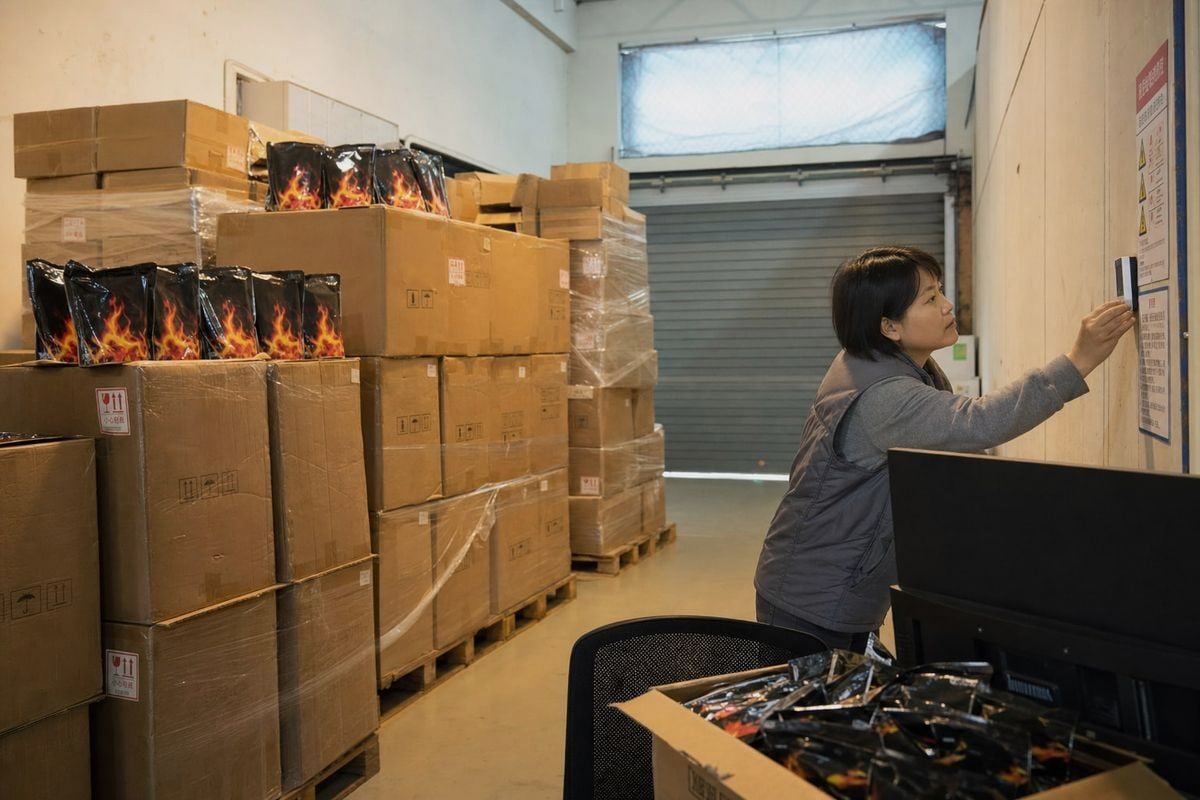
Turnover efficiency starts with knowing the age of every carton in your warehouse. Lot-based tracking makes that possible. When goods arrive, log the production date and lot number, then label the receiving date on each pallet. From there, FIFO becomes a physical layout problem: keep older lots at the front of picking positions and newer lots behind them, so the natural flow of order fulfillment issues aged stock first.
A Simple Turnover SOP
- Receive and inspect each shipment; check seal integrity and record lot numbers.
- Date-label pallets with production date and arrival date.
- Store correctly — cool, dry, shaded, sealed, per the conditions covered earlier.
- Inspect quarterly in warm climates, or at least every six months elsewhere; run a burn test on the oldest lot.
- Rotate by age — oldest lot ships first, always.
- Quarantine any compromised stock and consult your supplier before selling it.
Matching Order Size to Demand Cycles
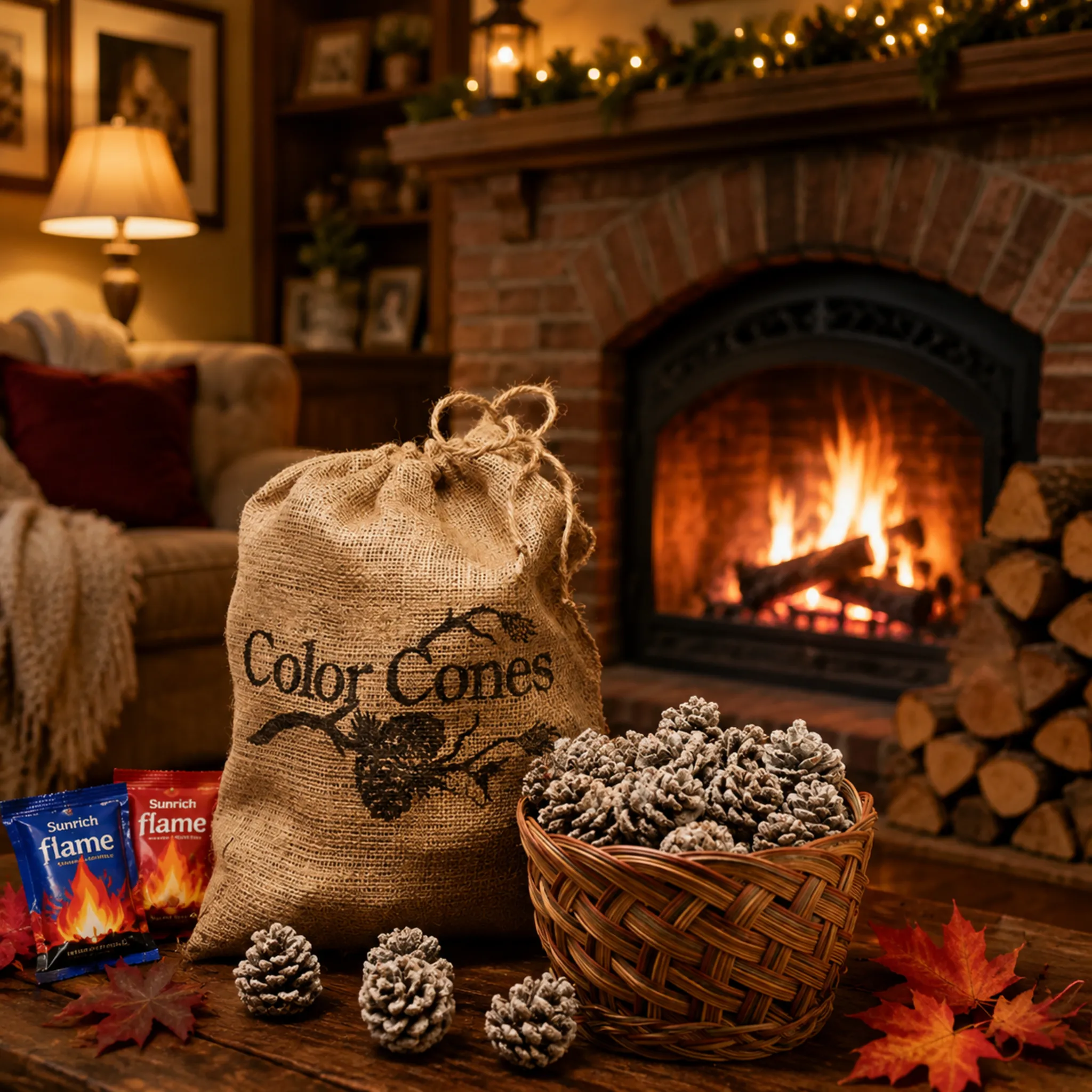
Color-flame products are strongly seasonal. Camping season drives spring and summer sales; fireplaces and holiday gifting drive Q4. Plan your purchase orders so each shipment turns within one to two seasons. An تصنيف ABC 7 helps here: place your fastest-moving SKUs in the most accessible warehouse positions, and hold slower novelty variants in smaller quantities with more frequent reorders.
| Ordering Approach | تكلفة الشحن لكل وحدة | Aging Risk | الأفضل لـ |
|---|---|---|---|
| طلب سنوي كبير واحد | الأدنى | عالي | Very high, predictable volume |
| Two seasonal orders per year | معتدل | منخفض إلى معتدل | Most distributors and brands |
| مرتفع إذا تأخرت أوقات التسليم | الأعلى | ضئيل | New market tests, trial SKUs |
For most of our long-term partners in the US and Europe, two well-timed seasonal orders hit the sweet spot. We also support flexible MOQs on trial orders specifically so buyers can validate turnover speed in their own market before scaling volume — because a stock plan built on real sell-through data always beats one built on a freight discount.
خاتمة
Aging stock quietly destroys margin. But shelf life is a storage system, not a date. Control temperature, humidity, sealing, rotation, and order timing, and your Magic Fire Powder turns profitably every season.
ملاحظات ختامية
1. Defines the humidity metric central to storage condition targets described in the article. ↩︎
2. Explains the packaging science behind the foil sachets protecting powder from humidity. ↩︎
3. Background concept link explaining first-in-first-out inventory rotation method referenced repeatedly. ↩︎
4. Official site for the third-party testing and inspection company named as a verification source. ↩︎
5. Explains the testing methodology used to predict shelf life mentioned in the checklist. ↩︎
6. Official standard reference for the quality management certification the factory holds. ↩︎
7. Wikipedia background on the inventory prioritization method referenced for SKU management. ↩︎



 English
 Spanish
 German
 French
 Arabic
 Portuguese
انضم إلى المحادثة