






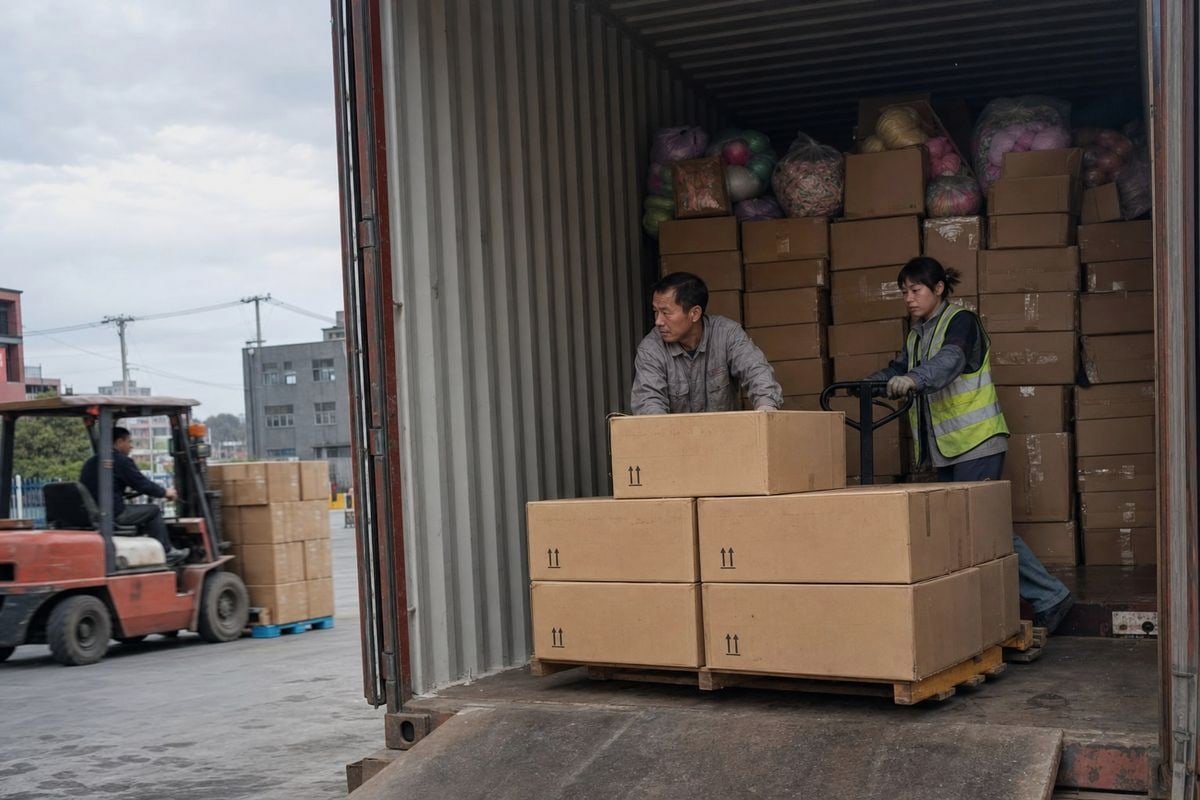
دمج مسحوق نار السحر مع زينة الحفلات في حاوية كاملة واحدة من الصين يبدو بسيطًا - حتى تحتجز الجمارك شحنتك. في خط الإنتاج الخاص بنا في ليويانغ، شاهدت المشترين يفقدون أسابيع بسبب وثيقة واحدة مفقودة. لا يجب أن يحدث لك هذا.
لدمج مسحوق Magic Fire مع زينة الحفلات في حاوية كاملة من الصين، استخدم توحيد الحاويات المختلطة: قم بتحميل عبوات ملون اللهب الكثيفة كصابورة سفلية، املأ الحجم المتبقي بديكور خفيف الوزن، وقدم وثائق MSDS وشهادات CE، واعمل مع وكيل شحن مرخص له بالمواد الخطرة.
هذا هو الإصدار المختصر. التفاصيل أكثر أهمية. أدناه، سأستعرض خطة التحميل، وأوراق الامتثال، وحسابات الحد الأدنى لكمية الطلب، وخيارات العلامة التجارية الخاصة - خطوة بخطوة.
كيف يمكنني خلط عبوات Magic Fire color-flame مع عناصر تزيين الحفلات لملء حاوية FCL بكفاءة؟
في الربيع الماضي، طلب موزع هولندي منا وضع اثني عشر منصة نقالة من عبوات تلوين اللهب 1 جنبًا إلى جنب مع البالونات واللافتات. علمتنا حسابات الحاويات درسًا يستحق المشاركة.
املأ حاوية FCL بكفاءة عن طريق وضع صناديق Magic Fire الثقيلة والكثيفة على أرضية الحاوية كصابورة، وتكديس زينة الحفلات خفيفة الوزن فوقها، وتحميل عبوات اللهب أخيرًا بالقرب من الأبواب حتى يتمكن مفتشو الجمارك من فحص تغليف البضائع الخطرة دون تفريغ كل شيء.
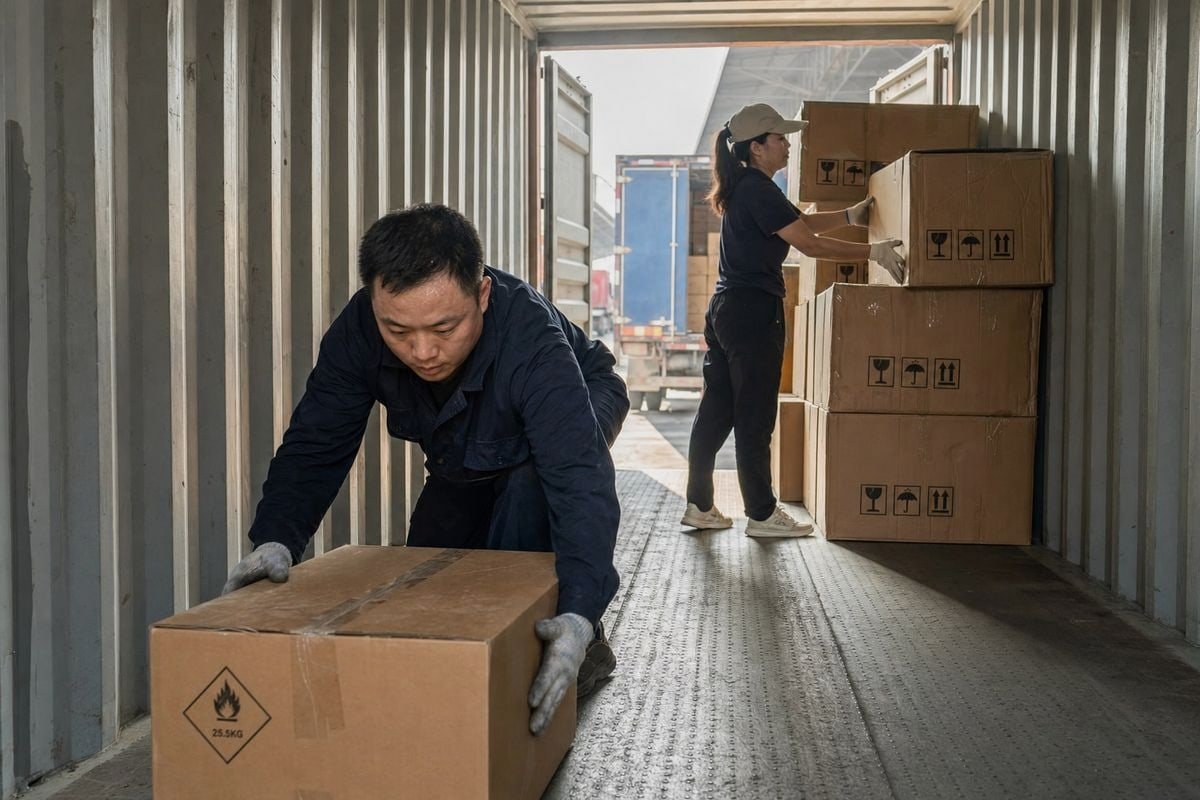
المشكلة الأساسية في شحن حاوية كاملة (FCL) لسلع الحفلات هي عدم التطابق. زينة الحفلات ضخمة ولكنها خفيفة. البالونات، والشرائط، والفوانيس الورقية، واللافتات "تملأ" الحاوية قبل الوصول إلى حد الوزن. عبوات ملون اللهب هي العكس. كرتون التصدير القياسي الخاص بنا - 25 كيسًا لكل صندوق، 24 صندوقًا لكل كرتون - مدمج وكثيف. إنه "يصل إلى الحد الأقصى للوزن" بسرعة ولكنه يستخدم مساحة أرضية قليلة. عندما تجمع بين الاثنين، يصلح كل منتج ضعف الآخر. لهذا السبب توحيد الحاويات المختلطة يعمل بشكل جيد لهذه الفئة.
موازنة الوزن والحجم
فكر في حاويتك في طبقات. توضع كراتين عبوات اللهب الكثيفة في الأسفل. إنها تثبت الحمولة وتستخدم مخصص الوزن. توضع كراتين الديكور الخفيفة في الأعلى. تملأ المساحة الهوائية التي قد تُشحن فارغة بخلاف ذلك.
| نوع المنتج | الكثافة | قيد الحاوية | موضع التحميل |
|---|---|---|---|
| عبوات نار السحر (أكياس 10 جم - 60 جم) | عالي | حد الوزن | مستوى الأرضية، ولكن الكراتين النهائية بالقرب من الأبواب |
| بالونات، شرائط، لافتات | منخفض جداً | حد الحجم | الطبقات العليا |
| فوانيس ورقية، مجموعات أدوات مائدة | منخفض إلى متوسط | حد الحجم | الطبقات الوسطى |
| صناديق عرض وحوامل بيع بالتجزئة | متوسط | حد الحجم | الطبقات الوسطى |
لماذا يهم موضع الباب
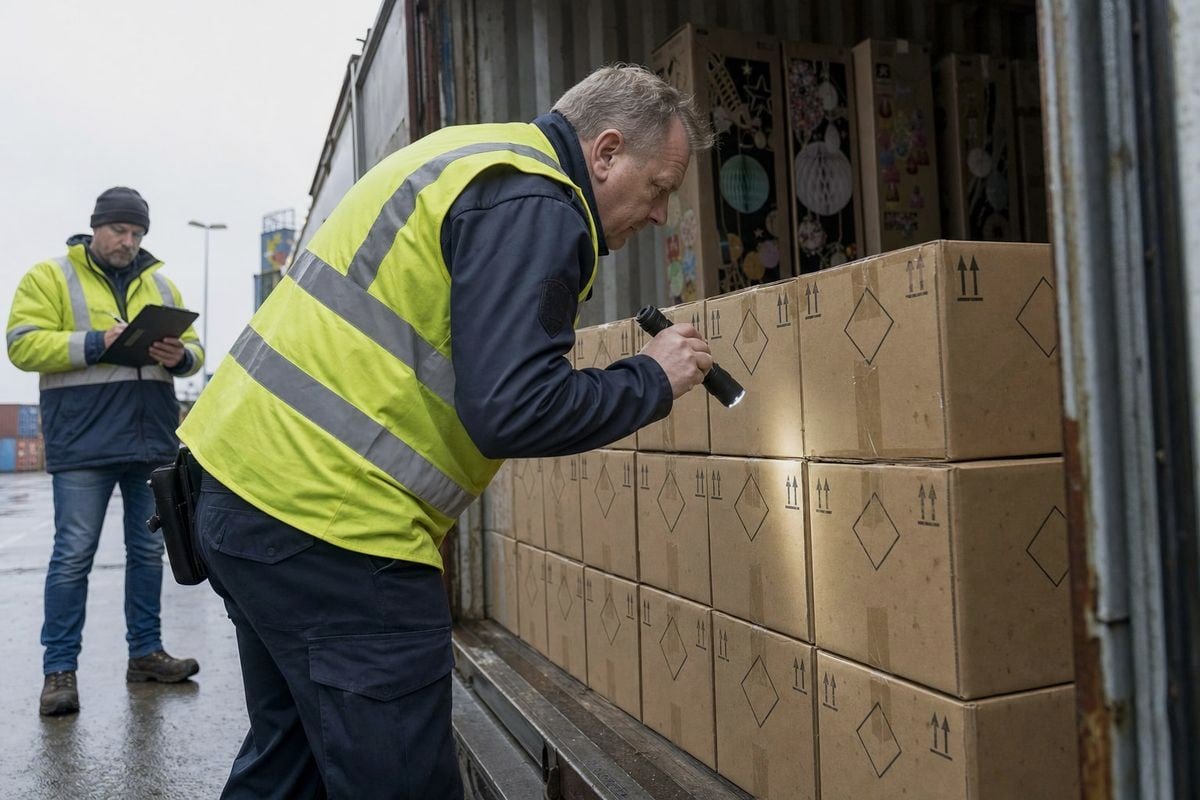
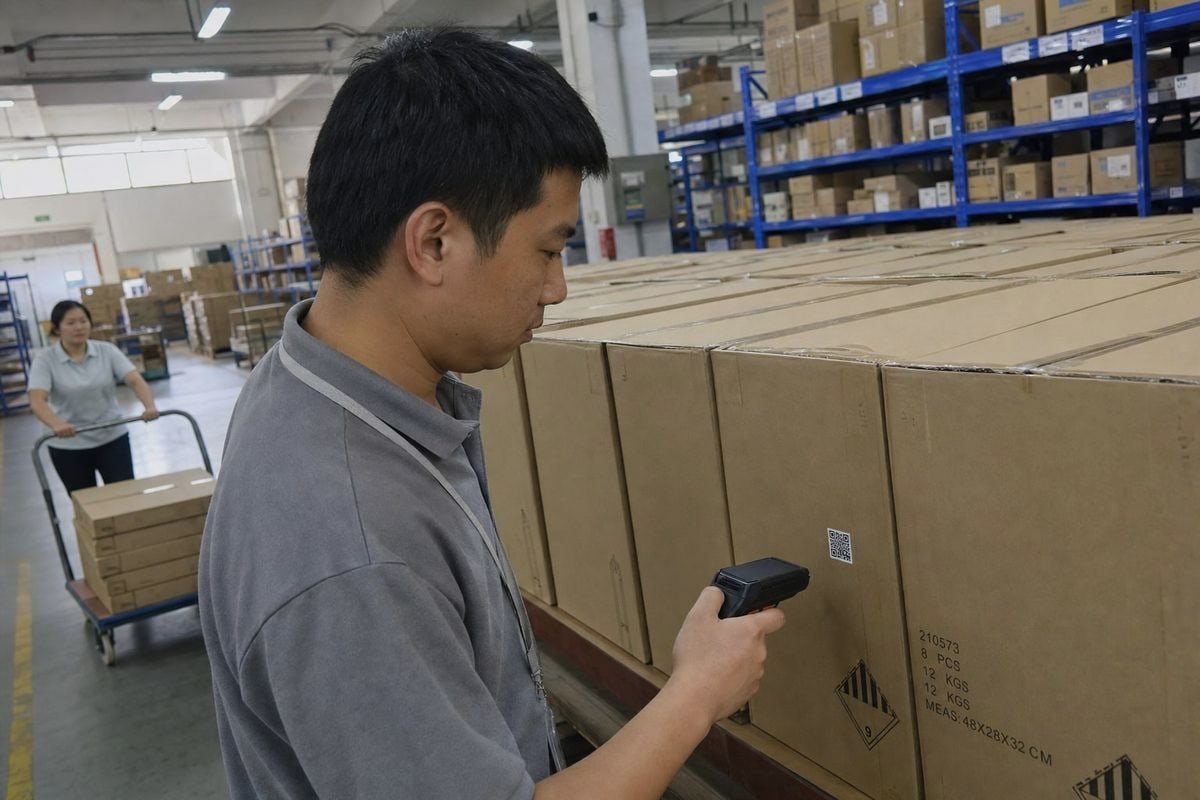
إليك تفصيل يغفل عنه العديد من المستوردين لأول مرة. غالبًا ما تحمل عبوات ملون اللهب تصنيف مواد خطرة - عادةً الفئة 4.1 مواد قابلة للاشتعال 2 أو الفئة 9. غالبًا ما يرغب موظفو الجمارك في فحص كراتين المواد الخطرة (DG) فعليًا. إذا كانت تلك الكراتين في الجزء الخلفي من الحاوية، فقد يأمر المفتشون بتفريغ كامل. لذلك نقوم بتحميل كراتين المواد الخطرة النهائية أخيرًا، عند الأبواب مباشرة. في تجربتنا في التصدير إلى أكثر من 30 دولة، قلل هذا العادة الواحدة من تأخيرات الفحص من أيام إلى ساعات.
تسلسل تحميل بسيط
- تأكيد الوزن الإجمالي مقابل حد حمولة الحاوية.
- تحميل كراتين عبوات اللهب الكثيفة على الأرض، موزعة بالتساوي.
- تكديس كراتين الديكور في الطبقات الوسطى والعليا.
- تخصيص منطقة الباب لكراتين المواد الخطرة المسماة.
- تصوير خطة التحميل لشريك الشحن الخاص بك وملف الجمارك.
ما هي شهادات الامتثال التي أحتاجها عند دمج منتجات color-flame مع عناصر ديكور الحفلات في شحنة واحدة؟
الامتثال هو المكان الذي تنجح فيه معظم الشحنات المختلطة أو تفشل. عندما نشحن عينات إلى ألمانيا أو الولايات المتحدة، تسافر تقارير اختبار SGS و Intertek الخاصة بنا مع كل دفعة - لا استثناءات.
شحنة مجمعة تحتاج إلى وثائق MSDS وشهادة CE لعلب صبغة اللهب، والامتثال لمعايير سلامة المنتج للديكورات، وتصنيف رمز النظام المنسق الصحيح لكل بند، ووكيل شحن مرخص له بالمواد الخطرة، وتتبع الدُفعات برمز QR بموجب قواعد المواد الكيميائية الخطرة في الصين.
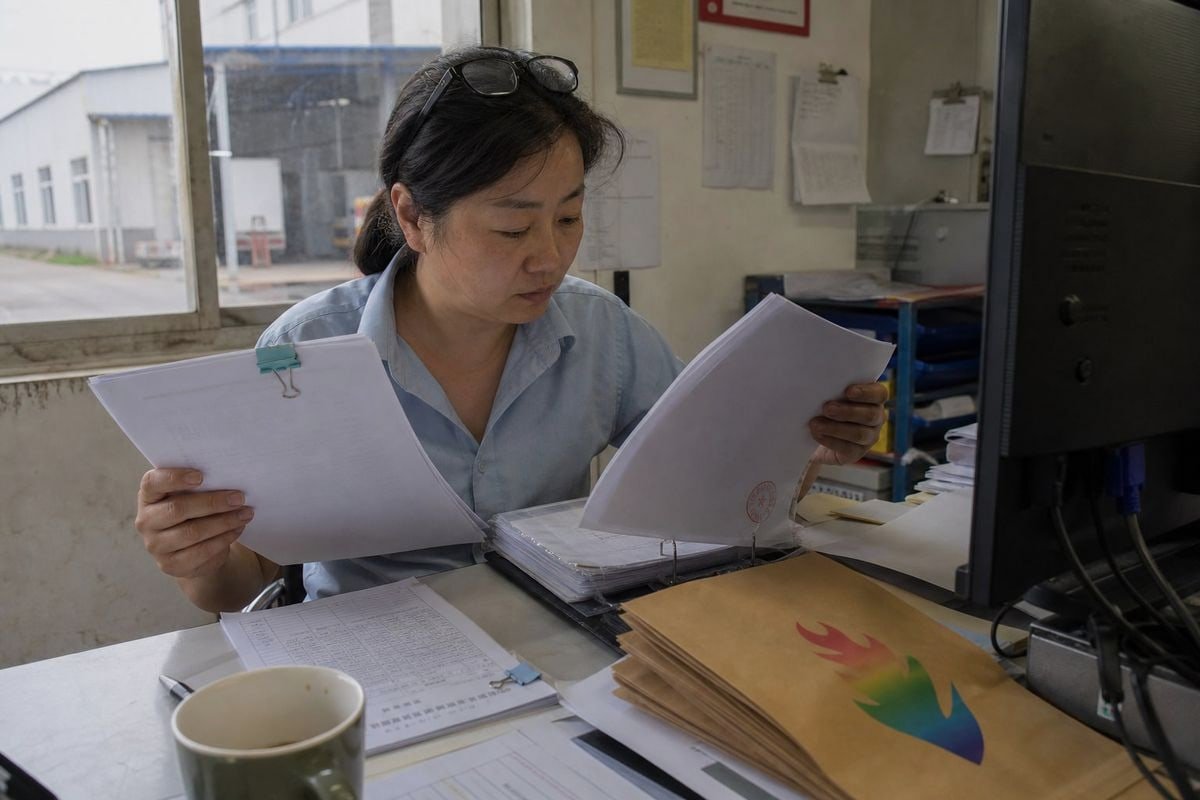
دعني أكون مباشرًا: اعتراض شائع لدى المشترين هو أن هذه المنتجات يتم تسويقها على أنها "آمنة للمرح العائلي"، لذلك يفترض المستوردون أن الأوراق بسيطة. هذا الافتراض خاطئ. لغة التسويق هي بيان بائع، وليست تصنيفًا قانونيًا. حتى التركيبات الصديقة للبيئة مثل تركيباتنا - المصنوعة بدون مواد كيميائية ضارة - لا تزال تُشحن كمواد استهلاكية متعلقة بالنار ولا تزال بحاجة إلى وثائق كاملة للتخليص الجمركي. تعامل مع كل ادعاء بالسلامة على أنه غير متحقق منه حتى تحصل على تقرير الاختبار.
مجموعة المستندات الأساسية
| وثيقة | المحفز للملصقات | الغرض |
|---|---|---|
| صحيفة بيانات السلامة / SDS | عبوات اللهب | يؤكد الاستقرار الكيميائي والتعامل الآمن أثناء النقل |
| شهادة CE | عبوات اللهب (الاتحاد الأوروبي) | الوصول إلى السوق وتوافق السلامة |
| تقارير اختبار SGS / Intertek | عبوات اللهب | التحقق من طرف ثالث من ادعاءات التركيب |
| عمليات تدقيق المصنع ISO 9001 / BSCI | المورد | يثبت الإنتاج المتسق والمعايير الأخلاقية |
| إعلان المواد الخطرة | عبوات اللهب | يتيح النقل البحري القانوني كفئة 4.1 أو الفئة 9 |
| ملفات سلامة المنتج العامة | زينة الحفلات | الامتثال القياسي للسلع الاستهلاكية |
طبقة التتبع
يتطلب إطار سلامة المواد الكيميائية الخطرة في الصين الآن التتبع الإلكتروني 3. يجب أن تحمل كل دفعة من مسحوق النار ملصقات مرمزة بـ QR قبل مغادرتها المصنع. يطبق موقع الإنتاج لدينا في نينغبو هذه الرموز في مرحلة التعبئة، لذا يرتبط كل كرتون بسجل دفعته. إذا لم يتمكن المورد الخاص بك من إظهار هذا النظام لك، فابتعد. يمكن أن يوقف رمز QR المفقود الحاوية بأكملها - بما في ذلك الزخارف - في الميناء.
استراتيجية رمز النظام المنسق
هذه نقطة نادراً ما تشرحها صفحات التصنيف جيداً. إذا قمت باستيراد عبوات اللهب والزخارف كبنود منفصلة، فلكل منها تصنيف رمز النظام المنسق الخاص بها ومعدل التعريفة الجمركية. ولكن إذا قمت بتجميعها مسبقًا في "مجموعات حفلات النار" للبيع بالتجزئة، فقد تتأهل للتصنيف الموحد بموجب رمز النظام المنسق 9505 4 للمقالات الاحتفالية والكرنفالية. في بعض الأسواق، يقلل هذا من التعريفة المدمجة. تحقق دائمًا من وسيط جمارك مرخص قبل الالتزام - تختلف الأحكام حسب البلد.
كيف يمكنني تعيين الحد الأدنى لكميات الطلب (MOQs) ونسب المنتجات لتحسين طلب حاوية كاملة عبر خطوط إنتاج متعددة؟
مفاضلة أزنها مع كل مشترٍ جديد تقريبًا: اطلب الكثير من وحدة تخزين واحدة وتجلس على مخزون ميت؛ انشر الحد الأدنى لكميات الطلب قليلاً جدًا وترتفع تكاليف الوحدة. تخطيط نسبة الحاوية يحل كليهما.
قم بتعيين الحد الأدنى لكميات الطلب عن طريق تثبيت الطلب حول علب عبوات اللهب بحجم حاوية يبلغ حوالي 20-30٪ ولكن وزن 60-70٪، ثم تخصيص الحجم المتبقي لـ 4-8 وحدات حفظ المخزون للديكور، مع الحفاظ على كل وحدة حفظ مخزون فوق الحد الأدنى لإنتاج المصنع.
تبدأ الرياضيات بعبوات اللهب، لأنها مرساة الوزن. تُشحن عبواتنا بأحجام 10 جرام، 25 جرام، 30 جرام، و 60 جرام، ويمكن لعبوة واحدة إنتاج ما يصل إلى 20 دقيقة من اللهب الملون في ادعاءات البيع بالتجزئة - تحقق من وقت الاحتراق بالعينات قبل الالتزام. تنسيق 25 عبوة لكل صندوق، 24 صندوقًا لكل كرتون يمنحك 600 وحدة بيع بالتجزئة لكل كرتون. من هناك، تقوم ببناء بقية الحاوية حول توقعات مبيعاتك، وليس حول ما يملأ المساحة.
مثال على نسبة عمل لحاوية 20 قدمًا
| خط الإنتاج | حصة الحجم | حصة الوزن | دور البيع بالتجزئة |
|---|---|---|---|
| عبوات لهب السحر (أحجام مختلطة) | 25% | 65% | منتج بطل، هامش مرتفع |
| بالونات ولافتات | 30% | 8% | حشو حجم، بائع سريع |
| فوانيس ورقية وديكور LED | 20% | 10% | باني الثيم |
| مجموعات أدوات المائدة والمناديل | 15% | 12% | باني السلة |
| حوامل عرض البيع بالتجزئة | 10% | 5% | دعم التسويق |
حد أدنى للطلبات مرن للطلبات التجريبية.
غالبًا ما يخبرني مديرو المشتريات أنهم يريدون اختبار سوق قبل الالتزام بحاوية كاملة. نحن ندعم ذلك. في تجربتنا، المسار الذكي هو توحيد تجريبي: باليت أو اثنتين من عبوات ملونات اللهب مجمعة مع مستلزمات حفلات بالجملة في شحنة LCL, ، ثم التوسع إلى FCL بمجرد وصول بيانات البيع. يستخدم بعض المشترين وكلاء مصادر لتوحيد الديكور من مصانع متعددة مع منتجات اللهب الخاصة بنا في مستودع واحد. هذا يعمل - ولكن أصر على أن يكون لدى الموحد رخصة بضائع خطرة صالحة 5, ، أو لا يمكن لعبوات اللهب الانضمام إلى الحمل بشكل قانوني.
ثلاث قواعد أعطيها لكل مشترٍ
- لا تدع وحدة تخزين حشو تنخفض عن الحد الأدنى لتشغيل المصنع - عقوبة سعر الوحدة تمحو مدخرات الشحن.
- تختلف دورات إعادة الطلب: عبوات اللهب موسمية (نيران الخريف والشتاء، تخييم الصيف)، بينما تباع الديكورات على مدار العام. نسبة وفقًا لذلك.
- احتفظ بنسبة 5-10٪ من حجم الحاوية لتغليف العرض. صناديق جاهزة للرف تكسب مساحتها في البيع بالتجزئة.
هل يمكنني الحصول على تغليف وعلامة تجارية خاصة عبر منتجات Magic Fire ومنتجات زينة الحفلات في نفس الطلب؟
أرسل لنا موزع مدفأة في المملكة المتحدة مرة واحدة ملف شعار ورمز لون فقط. بعد ستة أسابيع، تم شحن عبوات اللهب ذات العلامة التجارية الخاصة بهم، وأكياس الكرافت، وصناديق العرض المتطابقة في حاوية واحدة. أعاد هذا المشروع تشكيل كيفية تشغيلنا لعمل OEM.
نعم - تتوفر علامة تجارية خاصة بالكامل عبر كلا خطي الإنتاج في طلب واحد، بما في ذلك طباعة الأكياس المخصصة، والأكياس الورقية، والجرار، وصناديق العرض، وملصقات التحذير، والرموز الشريطية، والتعبئة والتغليف المنسق ذي الطابع الخاص، وعادةً ما تكون بحد أدنى لكل وحدة حفظ المخزون ووقت إنتاج يتراوح بين 4-8 أسابيع.
التوسيم الخاص هو المكان الذي تصبح فيه الحاوية المختلطة برنامج علامة تجارية حقيقي بدلاً من تمرين إعادة بيع. خطنا OEM/ODM 6 يغطي منتجات اللهب من البداية إلى النهاية: فن الأكياس، حجم العبوة، وقت الاحتراق، والتعبئة الخارجية. التنسيقات القياسية التي ننتجها - أكياس رقائق لامعة، قابلة لإعادة الإغلاق أكياس واقفة من ورق الكرافت 7, ، وعلب بلاستيكية - يمكن أن تحمل جميعها فنك. كيس الكرافت، على سبيل المثال، يعطي جمالية علامة تجارية خارجية تتناسب بشكل طبيعي مع ثيمات ديكور التخييم، بينما يناسب كيس الرقائق شاشات البيع بالتجزئة المشرقة والمركزة على الحفلات.
ما يمكن تخصيصه
- التغليف الأساسي: كيس رقائق، كيس كرافت، أو علبة، مطبوعة بعلامتك التجارية، رسومات اللهب، وتعليمات بلغة سوقك.
- العناصر التنظيمية: ملصقات تحذير، نص تحذير، رموز QR للدفعات، ورموز شريطية موضوعة لتلبية قواعد وضع العلامات في الاتحاد الأوروبي والولايات المتحدة.
- تغليف البيع بالتجزئة: صناديق عرض قابلة للطي مع صور توضيحية للهب الملون، بحجم مناسب للوضع على الرف أو المنضدة.
- مجموعات مجمعة: عبوة لهب مختومة مدرجة كمنتج مصاحب داخل مجموعة حفلات ذات طابع خاص - تظل العبوة مختومة؛ التجميع هو تسويق، وليس خلطًا ماديًا أبدًا.
تنسيق العلامات التجارية المتناسقة عبر مصدرين للإمداد
تخرج منتجات اللهب من خطوطنا في نينغبو. غالبًا ما تأتي الزخارف من مصنع ديكور منفصل. للحفاظ على تناسق العلامات التجارية، نشارك رموز بانتون 8, ، وخطوط التصميم، وملفات الأعمال الفنية مع مورد الديكور أو وكيل المصادر الخاص بك، ثم نقوم بتوحيد السلع النهائية قبل التحميل. تحذير واحد من الخبرة: وافق على عينات ما قبل الإنتاج لكلا خطي الإنتاج جنبًا إلى جنب، تحت نفس الضوء. معاينات الشاشة تكذب. يمكن أن يبدو اللون الأرجواني "المطابق" على كيس رقائق ولافتة ورقية كعلامتين تجاريتين مختلفتين على الرف.
لأننا ندير خطوط إنتاج كاملة مع مراقبة جودة دفعة تلو دفعة، فإن العينة التي توافق عليها تعكس ما تقدمه الإنتاج الضخم. بالنسبة لمدير المشتريات، فإن هذا الاتساق يهم أكثر من أي عرض سعر.
خاتمة
حاوية مختلطة من مسحوق Magic Fire وديكورات الحفلات مربحة - إذا كنت تخطط لتحميل الصابورة، وملفات الامتثال، ونسب وحدات حفظ المخزون، والعلامات الخاصة قبل الحجز. إذا قمت بإتقان هذه الأمور الأربعة، فسيتم شحن حاويتك الكاملة (FCL) بسرعة وتبيع بسرعة.
ملاحظات ختامية
تشرف لجنة سلامة المنتجات الاستهلاكية (CPSC) على سلامة المنتجات الاستهلاكية المتعلقة بمضافات ألوان اللهب. ↩︎
مصدر حكومي موثوق (eCFR) يقدم التعريف والتصنيف القانوني الرسمي للقسم 4.1 من المواد الصلبة القابلة للاشتعال. ↩︎
تغطي ويكيبيديا أنظمة التتبع المتعلقة بتتبع رمز الاستجابة السريعة للدفعة الموصوف. ↩︎
تدير منظمة الجمارك العالمية (WCO) رموز النظام المنسق المستخدمة في التصنيف الجمركي. ↩︎
تحكم المنظمة البحرية الدولية (IMO) في ترخيص شحن البضائع الخطرة المشار إليه لوكلاء الشحن. ↩︎
تشرح ويكيبيديا مفاهيم التصنيع OEM/ODM المشار إليها لإنتاج العلامات الخاصة. ↩︎
تصف ويكيبيديا التعبئة والتغليف في أكياس قائمة بذاتها المشار إليها كخيار لتنسيق المنتج. ↩︎
يتحقق الموقع الرسمي لبانتون من معايير مطابقة الألوان المذكورة لاتساق العلامة التجارية. ↩︎

 English
  Spanish
  German
  French
  Arabic
  Portuguese
انضم إلى المحادثة