






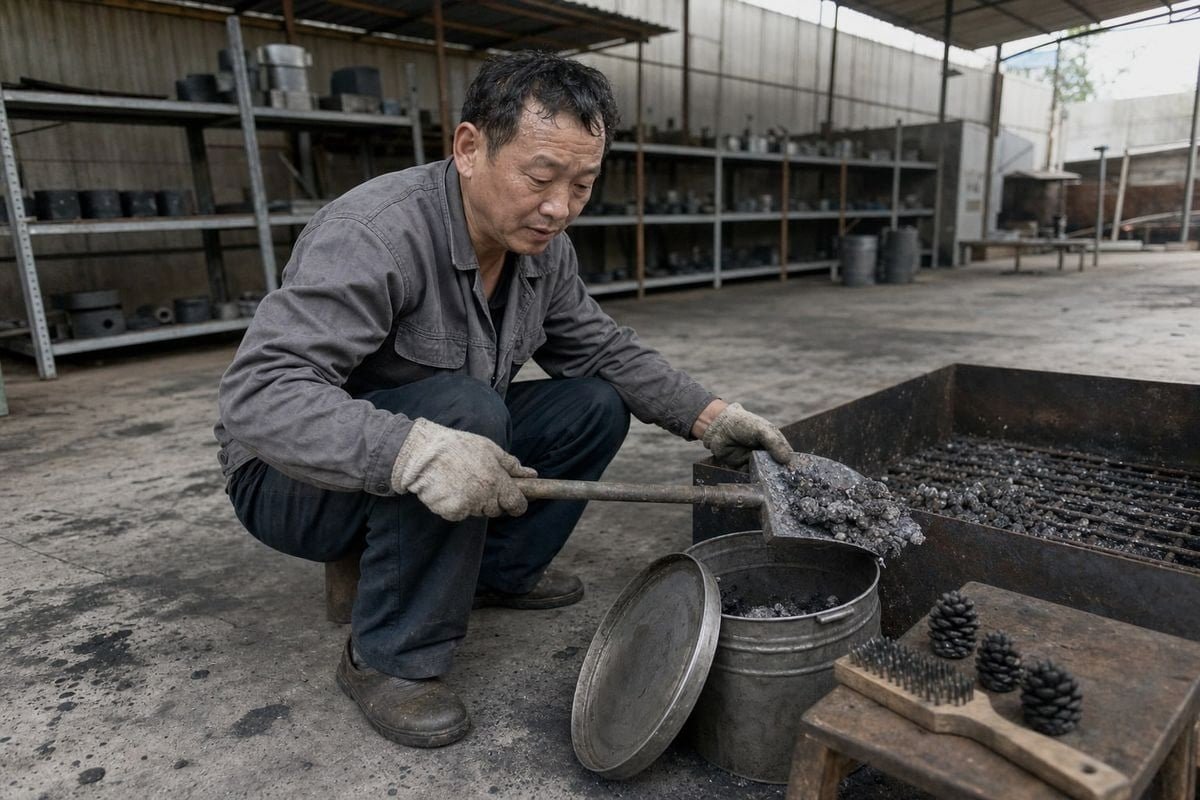
بقايا وتكتلات بعد حرق أكواز الصنوبر الملونة تُحبط العديد من المشترين. في خط الإنتاج الخاص بنا، نختبر كل دفعة بدقة لأن الرماد الفوضوي يؤدي إلى شكاوى العملاء وعمليات إرجاع المنتجات.
لتنظيف البقايا والتكتلات بعد حرق أكواز الصنوبر الملونة، انتظر 36 ساعة حتى تبرد تمامًا، قم بإزالة الرماد جافًا باستخدام مجرفة معدنية في دلو معدني بغطاء، قم بفرك التكتلات المتصلبة، امسح الأسطح بقطعة قماش مبللة وصابون خفيف، ثم جفف كل شيء جيدًا.
هذا هو الإصدار المختصر. أدناه، سأشرح ما الذي يسبب البقايا، وما الذي تخبرك به الرماد الثقيل حقًا عن جودة المنتج، وكيفية حماية عملائك.
ما الذي يسبب بقايا متخلفة وتكتلات متصلبة بعد احتراق مخاريط الصنوبر الملونة؟
في الشتاء الماضي، أرسل موزع هولندي لنا صورًا لقشرة زجاجية في حفرة نار أحد العملاء. تتبع مختبرنا ذلك إلى جرعة زائدة من الملونات في مخروط منافس، وليس رمادًا عاديًا.
يأتي الباقي المتبقي من مصدرين: رماد الخشب العادي والسخام من مخروط الصنوبر نفسه، بالإضافة إلى رواسب الأملاح المعدنية من ملونات اللهب. تتشكل كتل متصلبة عندما تندمج الأملاح المعدنية مع راتنج الصنوبر المنصهر أثناء الاحتراق، مما يخلق قشرة زجاجية متحجرة تشبه الزجاج على الشوايات والطوب الحراري.

فهم ما تنظر إليه يجعل التنظيف أسهل بكثير. عندما يحترق مخروط الصنوبر الملون، تحدث ثلاثة أشياء في وقت واحد. تتحول القشور الخشبية إلى رماد وسخام ناعم. يذوب الراتنج الطبيعي داخل المخروط ويمكن أن يتقطر. وعوامل اللون - عادةً أملاح معدنية 1 - إما تتبخر لتلوين اللهب أو تبقى كبقايا. في 17 عامًا من تصنيع منتجات اللهب الملون، تعلمنا أن النسبة بين هذه النتائج الثلاثة تعتمد بشكل كبير على جودة التركيبة.
أنواع البقايا الثلاثة التي ستراها
| نوع البقايا | ما يبدو عليه الأمر | من أين تأتي | صعوبة التنظيف |
|---|---|---|---|
| رماد ناعم وسخام | مسحوق وفيلم رمادي أو أسود | احتراق الخشب الطبيعي | سهل - إزالة جافة |
| فيلم راتنج لزج | بقع داكنة لزجة | عصارة الصنوبر المذابة | متوسط - صابون وماء |
| تكتلات متزججة | قشرة صلبة زجاجية | رواسب أملاح معدنية منصهرة مع الراتنج | أصعب - فرشاة خشنة مطلوبة |
الرماد الناعم يتصرف مثل أي تنظيف رماد الموقد 2 مهمة. يستجيب فيلم الراتنج للماء الدافئ ومنظف الأطباق. التكتلات المتزججة هي الجزء الصعب. تتشكل هذه عندما يكون درجة حرارة الاحتراق 3 عالية بما يكفي لإذابة الأملاح المعدنية ولكن المخروط يحتوي على ملون أكثر مما يمكن للهب استهلاكه. تكسر فرشاة خشنة هذه التكتلات ميكانيكيًا. يقوم بعض المشترين أيضًا بإجراء احتراق نظيف قصير مع خشب صلب مُعتق؛ يساعد التمدد الحراري على تقشير البقايا الكيميائية العنيدة من الشبكة. نقطة أخرى جديرة بالمعرفة: الأملاح المتبقية مسترطبة. تسحب الرطوبة من الهواء، مما يسرع الصدأ على شبكات الحديد. لذا قم دائمًا بإنهاء تنظيف صندوق النار عن طريق مسح الأجزاء المعدنية بقطعة قماش مبللة، ثم تجفيفها تمامًا.
هل تراكم الرماد الكثيف علامة على تركيبات كيميائية ذات جودة رديئة في مخاريط الصنوبر الملونة باللهب؟
هناك مقايضة حقيقية نزنها في منشأتنا في نينغبو في كل دورة إنتاج: كثافة لون أقوى مقابل احتراق أنظف. التحميل الزائد للملون هو الاختصار الرخيص، ودائمًا ما يظهر كرماد.
نعم، في معظم الحالات. الرماد المفرط، أو الأغشية اللزجة، أو بقايا كبريتات النحاس السميكة تعني عادةً أن الشركة المصنعة أفرطت في جرعات الملونات أو استخدمت مواد حاملة منخفضة الجودة. تستهلك مخاريط الصنوبر الملونة المصممة جيدًا معظم أملاحها في اللهب، تاركةً رمادًا أكثر بقليل من المخروط العادي.
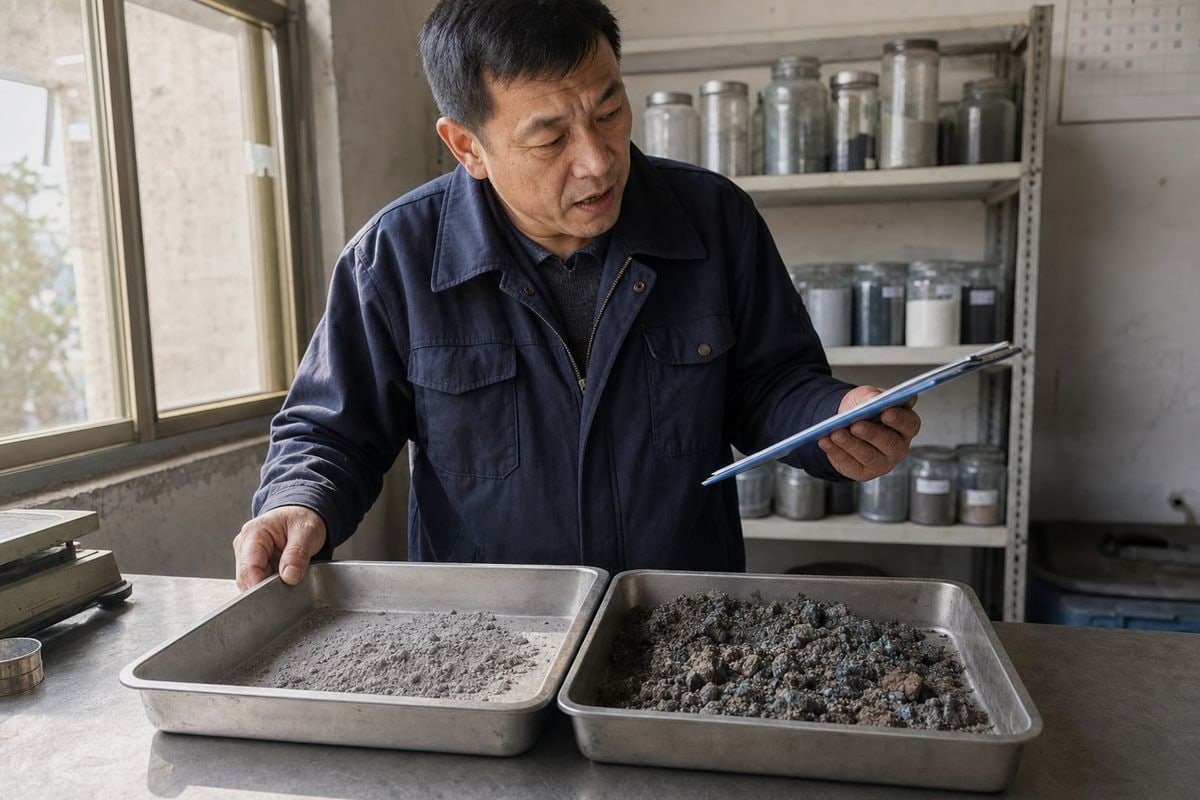
دعني أشرح الكيمياء بعبارات بسيطة. تعمل ملونات اللهب عن طريق تبخير أيونات المعادن 5 في اللهب. مركبات النحاس تعطي اللون الأزرق والأخضر. السترونشيوم يعطي اللون الأحمر. إذا تمت مطابقة الجرعة مع وقت احتراق المخروط وخرج الحرارة، فإن معظم الملح يتبخر. القليل جدًا يبقى. ولكن إذا قامت المصنع بجرعة زائدة لمحاكاة لون "أقوى"، فلا يمكن للهب استهلاك كل شيء. يسقط الفائض كرماد كلوريد السترونشيوم، وبقايا كبريتات النحاس، وتلك التكتلات الصلبة التي ناقشناها أعلاه.
نرى هذا النمط عندما يرسل لنا المشترون عينات منافسين للمقارنة. غالبًا ما تشترك المخاريط ذات البقايا الثقيلة في نفس الاختصارات: طلاء ملون غير متساوٍ، وعدم التحكم في المادة الرابطة، ومخاريط رطبة تحترق باردة. الاحتراق البارد والدخاني يضيف مشكلة أخرى - تراكم قطران الفحم في المدخنة، والذي يصبح مشكلة صيانة وسلامة للمدخنة على مدار موسم كامل، وليس مجرد مشكلة جمالية.
قائمة تدقيق تشخيصية سريعة
- رماد رمادي فاتح، حجم قليل - تركيبة جيدة، احتراق فعال.
- مسحوق ملون متبقٍ في صندوق النار - أملاح معدنية بجرعة زائدة.
- طبقة لزجة وزيتية على الأبواب الزجاجية - شمع أو زيت حامل ذو جودة رديئة.
- تكتلات زجاجية منصهرة مع كل احتراق - تحميل الملون أعلى بكثير من المواصفات.
- صداع إزالة بقع الدخان الأسود والسخام الزائد - مخاريط رطبة أو مواد خام ملوثة.
تحذير واحد بشأن المقارنة بين الأعمال اليدوية. المخاريط الملونة المصنوعة منزليًا المنقوعة في محاليل ملحية غير مخففة دائمًا ما تترك بقايا كيميائية أثقل من منتج مصنع خاضع للرقابة. هذه ليست حجة ضد الألوان النارية. إنها حجة للتحكم في الجرعة، وهو بالضبط ما تهدف مراقبة الجودة دفعة بدفعة إلى فرضه.
كيف يمكنني التحقق من معايير التصنيع لدى المورد لتجنب شكاوى المخلفات من عملائي؟
سألني مدير مشتريات في المملكة المتحدة سؤالاً صريحًا ذات مرة أثناء تدقيق المصنع: "كيف أعرف أن المخروط رقم 10000 يحترق مثل العينة؟" هذا السؤال يستحق إجابة منهجية.
تحقق من أن المورد يحمل شهادات ISO 9001 و BSCI و CE وتقارير اختبار SGS أو Intertek، واطلب سجلات مراقبة الجودة الدفعية ومقاطع فيديو اختبار الاحتراق، واطلب عينات تجريبية من خطوط الإنتاج الفعلية، وتأكد من أن جرعات الملونات يتم التحكم فيها بمواصفات مكتوبة، وليس حكم المشغل.
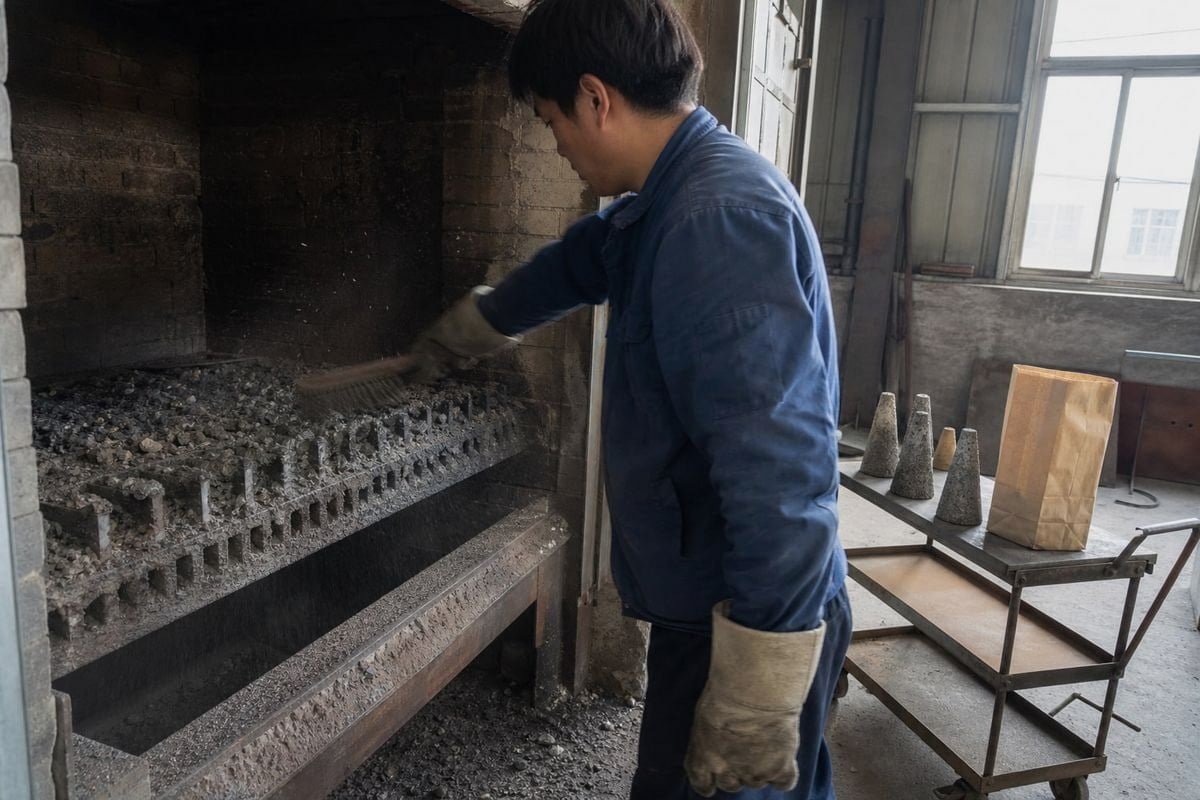
شكاوى البقايا لا تأتي أبدًا من مفهوم سيء. إنها تأتي من تنفيذ غير متسق. في تجربتنا في التصدير إلى أكثر من 30 دولة، فإن الفجوة بين عينة تحترق بشكل نظيف وشحنة إنتاج جماعي فوضوية هي المكان الذي يتضرر فيه معظم المستوردين. لذلك يجب أن يركز تدقيقك على التحكم في العملية، وليس فقط على عينة صالة العرض. 6 ما يجب طلبه، ولماذا هو مهم.
عنصر التدقيق
| وجود تحكم موثق في العملية | ما تثبته | علامة حمراء إذا كانت مفقودة |
|---|---|---|
| شهادة ISO 9001 | الجرعات تتم "بالإحساس" | تم اختبار نواتج الاحتراق بشكل مستقل" |
| أكواز زخرفية مقابل أكواز وظيفية - قرر أولاً | لا توجد بيانات عن عبء إزالة البقايا الكيميائية | سجلات احتراق مراقبة الجودة دفعة بدفعة |
| يتم اختبار كل دفعة قبل الشحن | يتم اختبار العينات الذهبية فقط | مواصفات جرعات الملون |
| يتم تثبيت تحميل الملح لكل وزن مخروط | تختلف البقايا من دفعة إلى أخرى | المصنع هو منشأة حقيقية تم تدقيقها |
| تقرير تدقيق BSCI | قد تكون تشتري من تاجر | بضع خطوات عملية تتجاوز الأوراق. أولاً، اطلب عينتين - مرة كعينة مبيعات، ومرة مسحوبة من تشغيل إنتاج مباشر - و |
احرق كليهما جنبًا إلى جنب . قارن حجم الرماد وتكوين التكتلات. ثانيًا، اسأل كيف يتحكم المصنع في رطوبة مخاريط الصنوبر الخام. المخاريط الرطبة تدخن، وتحترق ببرودة، وتزيد من تراكم الكريوزوت للمستخدم النهائي. ثالثًا، اسأل ما إذا كان المورد يمكنه تعديل وقت الاحتراق وكمية الملون لسوقك. القدرة الحقيقية على تصنيع المعدات الأصلية / التصميم الأصلي تعني أنه يمكن ضبط التركيبة، مما يخبرك أن المصنع يتحكم فيها بالفعل. في مقرنا الرئيسي في ليويانغ، نحتفظ بعينات من كل دفعة تصدير لهذا السبب بالضبط: إذا وردت شكوى على الإطلاق، يمكننا إعادة حرق الدفعة المحتفظ بها وتتبع السبب في غضون أيام، وليس أسابيع.. علمتنا الملصقات درسًا صعبًا في وقت مبكر. قبل سنوات، رفض موزع مواقد ألمانية شحنة مثالية لولا ذلك لأن نص التحذير لدينا لم يتوافق مع توقعات البيع بالتجزئة المحلية. أعدنا بناء قوالب الملصقات لدينا من الصفر.
ما هي معلومات السلامة والتنظيف التي يجب أن أدرجها على ملصقات المنتجات للمشترين بالتجزئة؟
الملصقات الجيدة تقوم بوظيفتين. إنها تحمي المستخدم النهائي، وتحمي علامتك التجارية من الشكاوى والمسؤولية. نظرًا لأننا ننتج عبوات تحمل علامة خاصة - أكياس ورقية، وجرار، وصناديق عرض - للعلامات التجارية في جميع أنحاء الولايات المتحدة وأوروبا، فقد قمنا بتحسين مجموعة أساسية من بيانات التنظيف التي يوافق عليها مشترو التجزئة باستمرار.
يجب أن تُعلِم الملصقات المستخدمين بالانتظار 36 ساعة قبل التنظيف، وارتداء قناع N95 وقفازات، واستخدام مجرفة معدنية ودلو معدني بغطاء، وعدم التخلص مطلقًا من رماد الملونات في الحدائق أو السماد، وإبقاء الرماد بعيدًا عن أسطح الطعام، وتنظيف الشبكات بقطعة قماش مبللة بعد ذلك.

المحتوى الأساسي للملصق حسب الفئة.
قسم الملصق
| تركيز الصياغة الموصى به | تحذير التبريد |
|---|---|
| انتظر 36 ساعة على الأقل؛ قد تظل الجمرات التي تحتوي على ملونات ساخنة لفترة أطول مما تبدو عليه | الحماية الشخصية |
| قناع N95 أو عالي الترشيح بالإضافة إلى قفازات مطاطية أثناء إزالة رماد الموقد | الأدوات |
| مجرفة معدنية ودلو معدني مخصص بغطاء محكم الإغلاق | لا تنشر الرماد أبدًا في الحدائق أو السماد؛ الأملاح المعدنية تضر بالنباتات والتربة |
| التخلص | العناية بالأسطح |
| امسح الشوايات بقطعة قماش مبللة لإزالة الأملاح المحبة للماء التي تسبب الصدأ؛ استخدم معجون صودا الخبز أو منظف حجر الموقد للسخام المبني | إرشادات التنظيف بالمكنسة الكهربائية |
| فقط؛ المكانس القياسية تعيد توزيع الجسيمات الدقيقة | استخدم مكنسة كهربائية مزودة بفلتر HEPA 7 تفصيلان يستحقان التأكيد على أي عبوة تقوم بتكليفها. تحذير التخلص غير قابل للتفاوض: يعالج المستخدمون النهائيون رماد الخشب بشكل روتيني، ويجب ألا يذهب رماد الملون أبدًا في هذا الطريق. وملاحظة المكنسة الكهربائية مهمة أكثر مما تتوقع معظم العلامات التجارية. تلتقط المكنسة الكهربائية HEPA جسيمات الملح المجهرية؛ المكنسة الكهربائية المنزلية العادية ببساطة تنفخها مرة أخرى إلى هواء الغرفة. بالنسبة للمباني، نوصي بأن تشير الملصقات إلى معجون صودا الخبز والماء الدافئ لإزالة بقع السخام قبل أن يصلوا إلى المواد الكيميائية القاسية. أخيرًا، نقترح دائمًا إضافة سطر قصير "لا تحرق الطعام فوق اللهب الملون". يكلف سطرًا واحدًا من مساحة الملصق ويقضي على فئة كاملة من شكاوى البيع بالتجزئة. نطبع هذه التحذيرات، والرموز الشريطية، والنصوص متعددة اللغات المتعلقة بالسلامة مباشرة في عبوات العملاء ذات العلامات التجارية، لذلك يتم إنجاز عمل الامتثال قبل وصول المنتج إلى الرف. |
يجب ألا يتم التخلص من رماد مخاريط الصنوبر الملونة أبدًا في الحدائق أو السماد.
خاتمة
البقايا والتكتلات بعد حرق أكواز الصنوبر الملونة يمكن التعامل معها عن طريق وقت التبريد، والإزالة الجافة، والتنظيف الرطب اللطيف، والتخلص السليم - ويمكن منعها إلى حد كبير باستخدام منتجات معتمدة ومصاغة بشكل جيد.
ملاحظات ختامية
1. يشرح كيف تنتج الأملاح المعدنية ألوانًا مختلفة في اللهب. ↩︎
2. دليل أكاديمي موثوق به للتخلص الآمن من رماد الموقد وإزالته. ↩︎
3. نظرة عامة علمية على عملية الاحتراق وتوليد الحرارة. ↩︎
4. مورد شامل يفصل التركيب الكيميائي والاستخدامات الشائعة لرماد الخشب. ↩︎
5. تعريف علمي وشرح للأيونات المعدنية من مصدر موثوق. ↩︎
6. نظرة عامة على مبادئ الإنتاج الضخم ومراقبة الجودة في التصنيع. ↩︎
7. تعريف ومعايير وكالة حماية البيئة (EPA) للمرشحات الهوائية عالية الكفاءة. ↩︎

 English
  Spanish
  German
  French
  Arabic
  Portuguese
انضم إلى المحادثة