






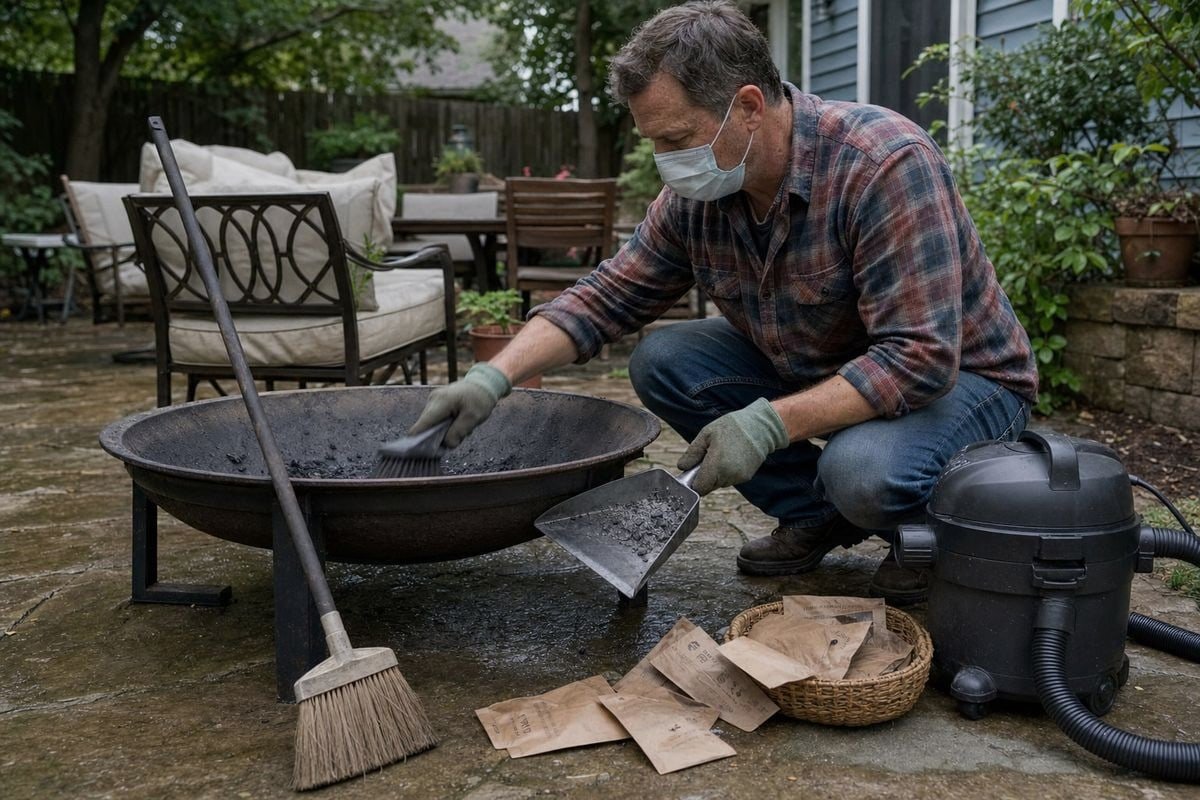
تنظيف الرماد والمخلفات بعد استخدام مسحوق النار السحري يربك العديد من المستخدمين لأول مرة.
لتنظيف الرماد والمخلفات بعد استخدام مسحوق نار سحري، اترك النار لتبرد لمدة 24 ساعة، وارتدِ قفازات واقية وقناعًا، وأزل المخلفات الجافة باستخدام مكنسة كهربائية مزودة بفلتر HEPA أو بالكنس اللطيف، ثم امسح الأسطح بقطعة قماش مبللة بالماء والصابون المعتدل.
هذه هي الإجابة المختصرة. لكن التفاصيل مهمة.
ما هي الطريقة الأكثر أمانًا لإزالة بقايا الرماد التي خلفتها عبوات اللهب الملون؟
خلال جلسة مراقبة الجودة في منشأتنا في نينغبو الربيع الماضي، شاهدت زميلاً يحرق اثنتي عشرة كيسًا اختباريًا على التوالي.
الطريقة الأكثر أمانًا هي اتباع نهج التجفيف أولاً: انتظر فترة تبريد كاملة للجمرات، وارتدِ قفازات واقية وقناعًا، وقم بكنس الرماد السائب برفق أو باستخدام مكنسة كهربائية مزودة بفلتر HEPA، وبعد ذلك فقط امسح الفيلم المتبقي بقطعة قماش مبللة وصابون خفيف.
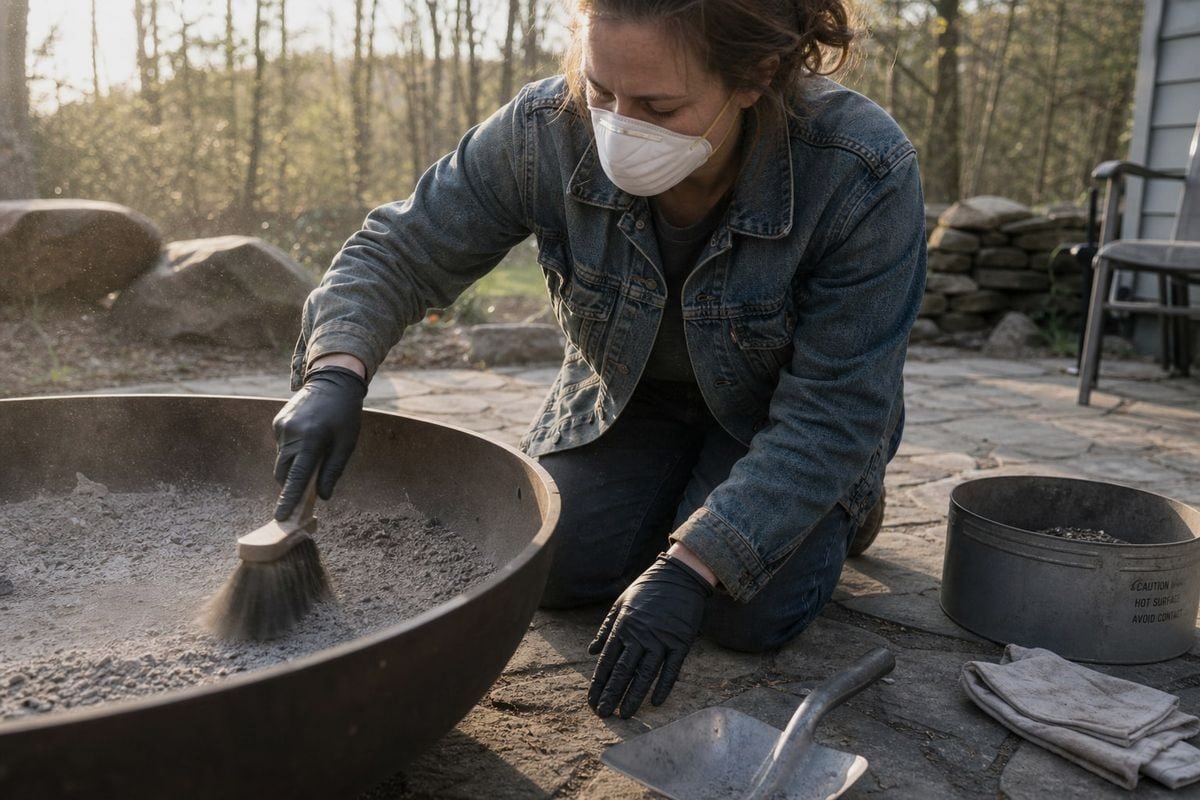
الخطأ الأكبر الذي يرتكبه الناس هو الاستعجال. تنظيف الرماد 1 إنها تحميك من الحروق، وتمنعك من وضع الرماد الدافئ في كيس بلاستيكي أو مكنسة كهربائية.
تنظيف جاف خطوة بخطوة
هذا هو التسلسل الدقيق الذي نوصي به في وثائق منتجاتنا:
- انتظر 24 ساعة بعد انطفاء النار.
- افتح الأبواب والنوافذ للتهوية إذا كنت في الداخل.
- ارتدِ قفازات النتريل، وقناع N95، وحماية للعين.
- اجمع الحطام الكبير بمجرفة معدنية في حاوية غير قابلة للاحتراق.
- مكنسة كهربائية للغبار الناعم باستخدام مكنسة كهربائية مزودة بفلتر HEPA 2.
- امسح الفيلم المتبقي بقطعة قماش مبللة بالماء والصابون الخفيف.
- جفف السطح بقطعة قماش نظيفة.
لماذا يعتبر فلتر HEPA مهمًا
ستسحب المكنسة الكهربائية المنزلية العادية الرماد الناعم وتنفخ الكثير منه مرة أخرى إلى الغرفة. تلتقط المكنسة الكهربائية المزودة بفلتر HEPA ما لا يقل عن 99.97% من الجسيمات التي يصل حجمها إلى 0.3 ميكرون. هذا هو نطاق الحجم الذي يوجد فيه غبار ملون اللهب. إذا لم تكن تمتلك واحدة، فإن الكنس اللطيف بفرشاة ناعمة هو الخيار الأفضل التالي. اكْنس ببطء. الحركات السريعة والعدوانية تثير الغبار في الهواء. لا تستخدم أبدًا منفاخ أوراق على الرماد. إنه يحول فناءك إلى سحابة غبار.
لماذا التجفيف قبل الترطيب
الماء في وقت مبكر يجعل الأمور أسوأ. يمكن أن يتحول بقايا المسحوق الناعم إلى عجينة عند ترطيبها. تلك العجينة تتلطخ في خطوط الجص والحجر المسامي. لذا اجمع المادة الجافة أولاً. ثم استخدم قطعة قماش مبللة قليلاً للفيلم الرقيق المتبقي. استخدم أقل كمية ممكنة من الماء.
هل يترك مسحوق نار السحر أي بقايا كيميائية تؤثر على مدفأتي أو حفرة النار؟
سألنا موزع مدفأة ألماني هذا السؤال بالضبط قبل تقديم أول طلب تجريبي له. أراد تقارير اختبار SGS الخاصة بنا قبل أن ينظر حتى في الأسعار. أنا أحترم ذلك. إنه السؤال الصحيح الذي يجب طرحه.
عبوات اللهب الملون عالي الجودة تترك معظمها رمادًا عاديًا بالإضافة إلى كمية صغيرة من بقايا الأملاح المعدنية. هذه البقايا ليست ضارة إذا تم إزالتها على الفور، ولكن الأملاح المتروكة على المعدن يمكن أن تجذب الرطوبة وتسرع التآكل بمرور الوقت.
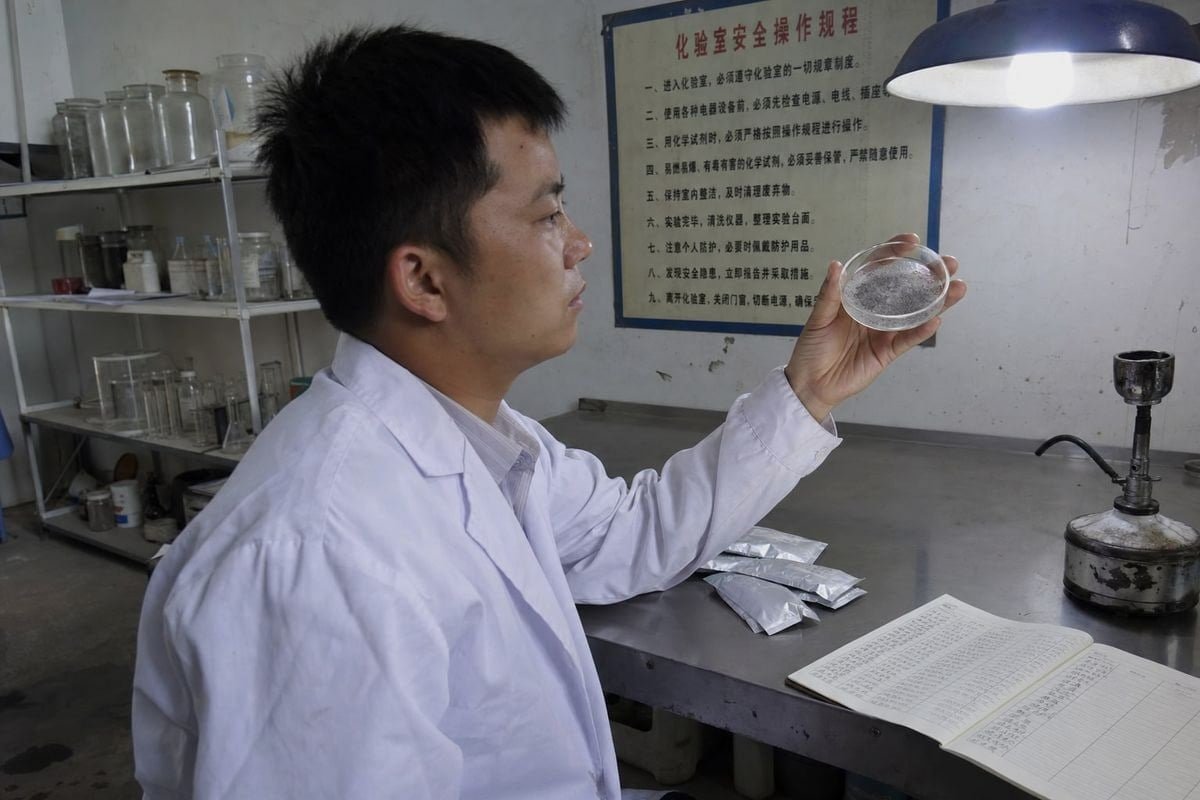
دعني أكون صريحًا بشأن ما مواد تلوين اللهب توجد بالفعل. تأتي ألوان اللهب من أملاح معدنية 3. تنتج الأملاح المختلفة ألوانًا مختلفة عند تسخينها. بعد الاحتراق، تبقى نسبة صغيرة من تلك الأملاح في الرماد. عبوات Magic Fire الخاصة بنا مصنوعة من تركيبات صديقة للبيئة ولا تحتوي على مواد كيميائية ضارة، وهو مطلب امتثال صعب لأسواق التصدير لدينا. ولكن المنتجات الرخيصة وغير المعتمدة في السوق يمكن أن تحتوي على بقايا معادن ثقيلة. يعتمد بعض الملونات منخفضة الجودة على مركبات ذات سمية كبريتات النحاس 4 حقيقية. لهذا السبب نصر على شهادة CE واختبارات SGS و Intertek من طرف ثالث لكل ما نقوم بشحنه.
كيف تؤثر المخلفات على مواد المدفأة المختلفة
| السطح | الخطر من المخلفات | ماذا تفعل |
|---|---|---|
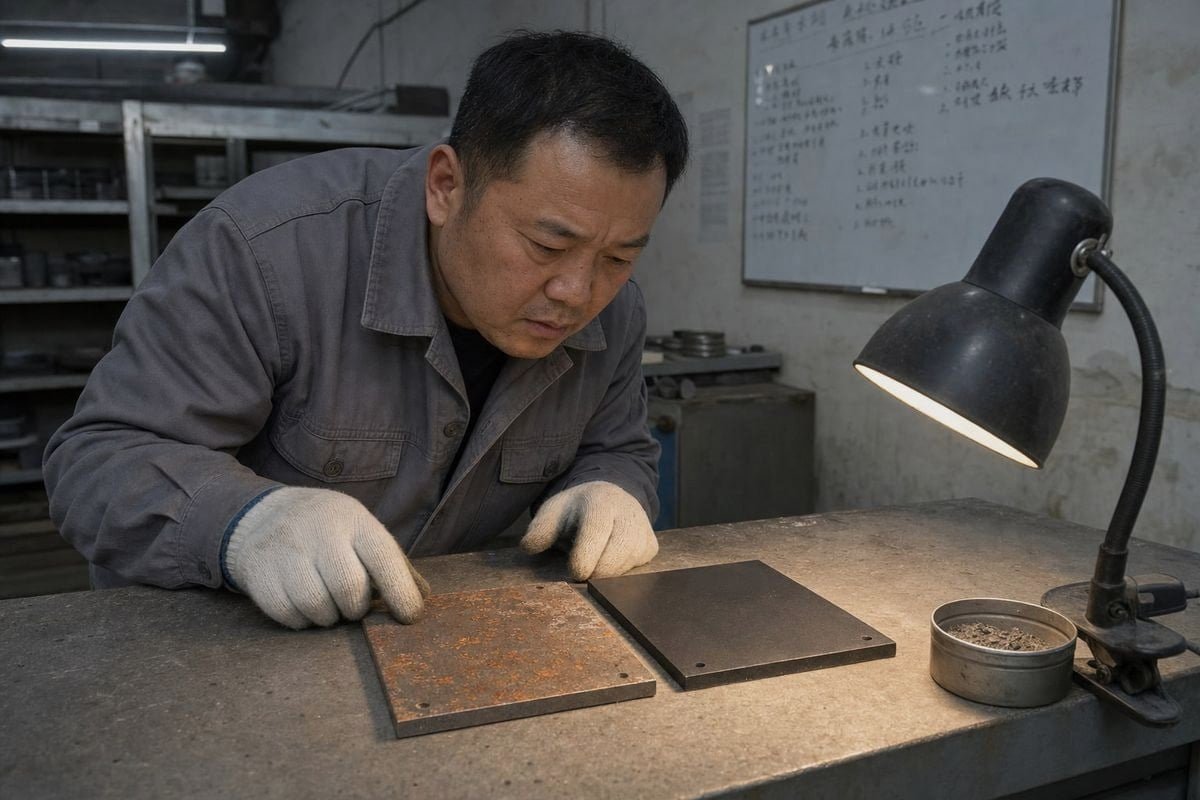
| حفرة نار من الحديد الزهر / الصلب | بقايا الملح مسترطبة؛ تسحب الرطوبة وتسرع الصدأ | أزل الرماد فورًا، امسح بقطعة قماش مبللة، ثم جفف تمامًا |
| طوب أو حجر غير مختوم | يمكن للرطوبة أن ترشح الأملاح الملونة إلى المسام، مما يسبب بقعًا | مكنسة كهربائية جافة أولاً؛ حافظ على الماء بعيدًا عن المناطق المسامية |
| أبواب زجاجية | أفلام وغبار دقيق | ارفع الغبار أولاً، ثم نظف بالصابون الخفيف |
| موقد حطب تحفيزي 5 | يمكن لأبخرة الملح أن تغطي المحفز وتتلفه | تجنب الملونات في المواقد التحفيزية تمامًا |
هناك نقطتان تستحقان اهتمامًا خاصًا. أولاً، البقايا المتروكة على الحديد الزهر ستسرع الصدأ حتى بعد انطفاء النار، لأن الأملاح تسحب الرطوبة من الهواء. الصيانة المنتظمة لحفرة النار تحل هذه المشكلة. قم بتنظيف الرماد بعد كل بضع مرات حرق وحافظ على الوعاء جافًا. ثانيًا، يجب على أصحاب مواقد الحطب التحفيزية الحديثة تجنب الملونات تمامًا. يمكن لأبخرة أملاح المعادن أن تعطل المحفز بشكل دائم. لا يمكن لتنظيف موقد الحطب عكس هذا الضرر. بالنسبة للمدافئ القياسية وحفر النار المفتوحة، فإن التنظيف الفوري هو كل ما تحتاجه.
قاعدة أخرى نطبعها على كل عبوة: لا تقم أبدًا بطهي الطعام فوق نار تحتوي على بقايا ملونة. افصل نيران اللهب الملون عن نيران الطهي.
كيف يمكنني التخلص من الرماد المتبقي من منتجات اللهب الملون بأمان ومسؤولية؟
كانت قواعد التخلص من النفايات من أول الأشياء التي كان علينا إتقانها عندما بدأنا التصدير إلى أكثر من 30 دولة. يتعامل كل سوق مع التخلص من رماد الموقد بشكل مختلف قليلاً، ويحتاج المشترون لدينا في متاجر التجزئة إلى إرشادات دقيقة على الملصقات لكل منطقة.
اجمع الرماد المبرد في كيس بلاستيكي محكم الغلق ومزدوج الأكياس شديد التحمل، وضعه في القمامة المنزلية العادية ما لم تنص لوائح النفايات الخطرة المحلية على خلاف ذلك، ولا تتخلص منه أبدًا في الحدائق أو المصارف أو الممرات المائية.
المبدأ الأساسي هو الاحتواء. ينتشر الرماد الناعم بسهولة. تحافظ الحقيبة المغلقة على الغبار من التسرب في سلة المهملات الخاصة بك، أو في الشاحنة، أو في مكب النفايات. يضيف التعبئة المزدوجة تأمينًا رخيصًا ضد التمزق.
الممنوعات والمسموحات في التخلص من النفايات
| الإجراء | آمن؟ | السبب |
|---|---|---|
| حقيبة مغلقة في القمامة المنزلية | نعم، في معظم المناطق | لا يمكن للغبار المحتوى أن ينتشر |
| دلو رماد معدني للتخزين المؤقت | نعم | حاوية غير قابلة للاحتراق تمنع خطر الحريق |
| نشر الرماد في الحديقة | لا | يمكن لأملاح الملونات أن تعمل كمبيدات أعشاب وتضر بالتربة |
| غسل الرماد في المصارف العاصفة 6 | لا | تدخل البقايا إلى المجاري المائية دون معالجة |
| تعبئة الرماد الدافئ | لا | يمكن للجمر أن يستمر في الاشتعال لمدة 24 ساعة أو أكثر |
لماذا التخلص في الحديقة مختلف هذه المرة
غالبًا ما يكون رماد الخشب العادي مكملًا جيدًا للحديقة. رماد اللهب الملون ليس كذلك. يمكن أن تعمل أملاح المعادن المتبقية كمطهرات قوية للتربة. مركبات النحاس بشكل خاص سامة للنباتات وميكروبات التربة. لذا احتفظ بهذا الرماد بعيدًا عن السماد وأحواض الزهور تمامًا.
احترم القواعد المحلية والبيئة
تحقق من إرشادات بلدتك. تتعامل معظم المناطق مع كميات صغيرة من الرماد المنزلي كنفايات عادية. يصنف البعض بقايا الملونات بموجب قواعد أكثر صرامة لوائح النفايات الخطرة 7, ، خاصة بالنسبة للكميات التجارية. عند الشك، اتصل بسلطة النفايات المحلية. واتبع احتياطات السلامة البيئية الأساسية: حافظ على الرماد جافًا، وحافظ عليه محتويًا، وأبعده عن المصارف. إذا قمت بشطف فناء لاحقًا، استخدم الحد الأدنى من الماء ووجه الجريان السطحي نحو الحصى الخالي من التربة أو نقطة تجميع، وليس أبدًا نحو مصرف عاصف.
هل أحتاج إلى أدوات تنظيف أو منتجات خاصة لإزالة البقايا بعد كل استخدام؟
عندما كنا نطور خط التعبئة والتغليف الخاص بنا بأكياس الكرافت، طلبت منا علامة تجارية كندية للتخييم إضافة ملاحظة تنظيف بسيطة على اللوحة الخلفية. كان قلقهم هو أن العملاء سيفترضون أنهم بحاجة إلى منظفات متخصصة باهظة الثمن. هم لا يحتاجون إليها.
لا توجد منتجات خاصة مطلوبة. مجرفة رماد معدنية، دلو غير قابل للاحتراق، مكنسة كهربائية HEPA أو فرشاة ناعمة، قفازات واقية وقناع، صابون أطباق لطيف، وأقمشة مايكروفايبر تتعامل مع كل ما تتركه بودرة Magic Fire Powder.
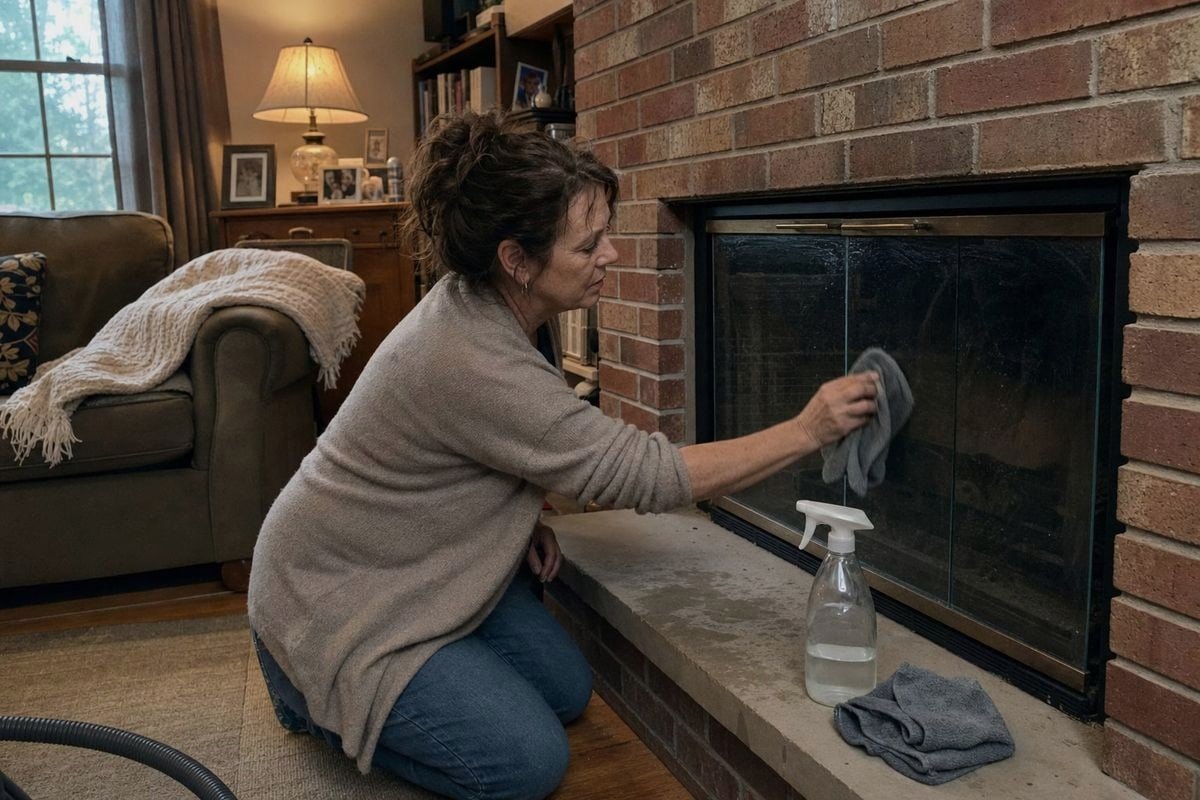
معظم هذه العناصر موجودة بالفعل في المرآب أو المطبخ الخاص بك. النقطة ليست المعدات الفاخرة. النقطة هي استخدام المعدات العادية بالترتيب الصحيح.
مجموعة الأدوات الكاملة
| أداة | الغرض | بديل منزلي |
|---|---|---|
| مجرفة معدنية ودلو رماد | كشط وتخزين الرماد المبرد | مقشة معدنية قديمة ووعاء فولاذي |
| مكنسة كهربائية مزودة بفلتر HEPA | التقاط الغبار الناعم بأمان | فرشاة ناعمة، تستخدم بلطف |
| قناع N95 وقفازات النتريل | منع استنشاق الغبار وملامسة الجلد | لا شيء - لا تتخطى هذه |
| أقمشة مايكروفايبر | مسح الفيلم النهائي بقطعة قماش مبللة | خرق قطنية ناعمة |
| صابون أطباق لطيف | إزالة البقايا الخفيفة على الأسطح الصلبة | أي منظف لطيف غير كاشط |
| إسفنجة تنظيف جافة | إزالة علامات السخام من الجدران والمواقد | اختياري ولكنه مفيد |
ما يجب تجنبه
تجنب المواد الكيميائية القاسية. المبيض والأمونيا والمساحيق الكاشطة تضيف خطرًا دون إضافة قوة تنظيف. يمكنها أيضًا التفاعل مع البقايا أو خدش الزجاج والمينا. تجنب منظفات الضغط العالي في الداخل. تجنب الفرش السلكية على المعادن المطلية أو المغلفة.
روتين بسيط لكل استخدام
بعد كل حريق ملون، يستغرق الروتين عشر دقائق. انتظر حتى يبرد تمامًا. ارتدِ قفازاتك الواقية وقناعك. اكشط الرماد الكبير. قم بتنظيف الغبار الناعم بالمكنسة الكهربائية أو المكنسة. امسح الأسطح المعدنية بقطعة قماش مبللة على الفور، لأن آثار الكلوريد والكبريتات الموجودة على المعدن تسبب التآكل. جفف كل شيء. تم. هذه العادة الصغيرة تحافظ على مظهر حفرة النار جديدة لسنوات. وحدات العرض الخاصة بنا في ليويانغ قد احترقت مئات العبوات التجريبية، ولا تزال تبدو لائقة لأن فريقنا يتبع هذا الروتين بالضبط بعد كل عرض توضيحي.
خاتمة
يمكن أن تبدو الرماد والبقايا المتبقية مخيفة، وعادات التنظيف السيئة تسبب بالفعل الصدأ والبقع والغبار المحمول جواً. الحل بسيط. اتركه ليبرد تمامًا، ونظفه جافًا أولاً بأدوات أساسية، وامسح المعدن على الفور، وضع الرماد في كيس للتخلص منه. بعد أكثر من 17 عامًا من صنع منتجات اللهب الملون المعتمدة، يمكنني أن أعدك بهذا: مع عبوات عالية الجودة وهذا الروتين، يظل التنظيف مهمة مدتها عشر دقائق، وليس مشكلة.
ملاحظات ختامية
إرشادات وكالة حماية البيئة بشأن التعامل الآمن مع الرماد وإجراءات التنظيف بعد الحرق. ↩︎
يشرح معيار ترشيح HEPA المشار إليه لالتقاط جزيئات الرماد الدقيقة. ↩︎
معلومات أساسية حول كيفية تكوين أملاح المعادن لللهب الملون الذي تمت مناقشته في المقال. ↩︎
مرجع لمخاوف سمية المركب المذكورة فيما يتعلق بالملونات منخفضة الجودة. ↩︎
مورد وكالة حماية البيئة لتشغيل مواقد الحطب وصيانة المحارق التحفيزية. ↩︎
بديل رسمي لوكالة حماية البيئة لصفحة تلوث المصادر غير النقطية المعطلة. ↩︎
إرشادات رسمية لوكالة حماية البيئة بشأن تصنيف النفايات الخطرة والتعامل معها. ↩︎


 English
  Spanish
  German
  French
  Arabic
  Portuguese
انضم إلى المحادثة