







يبدو أن طلب مكونات عامل التلوين من الموردين على مخاريط الصنوبر لموقد الحطب أمرًا بسيطًا - حتى تصل ردود غامضة. في خط الإنتاج الخاص بنا، نرى كيف أن الإفصاح غير المكتمل يغرق صفقات الاستيراد بسرعة.
اطلب من الموردين الأسماء الكيميائية الدقيقة وأرقام تسجيل CAS ودرجات إضافات تلوين اللهب - عادةً ما تكون ملونات أملاح معدنية مثل كبريتات النحاس أو كلوريد السترونشيوم - بالإضافة إلى صحائف بيانات السلامة (SDS) وشهادة التحليل وتقارير الاختبار من طرف ثالث لكل دفعة.
هذا هو الجواب المختصر. بقية هذا الدليل يوضح لك كيفية الحصول عليه كتابيًا، والتحقق منه، وتحديد الموردين الذين يخفون شيئًا ما.
ما هي الشهادات التي يجب أن أطلبها للتأكد من أن عوامل التلوين آمنة ومتوافقة؟
أخبرني مشترٍ من ألمانيا ذات مرة أن مورده السابق أرسل "شهادة" من صفحة واحدة بدون اسم مختبر عليها. اكتشف فريق الامتثال لدينا المشكلة في ثوانٍ.
اطلب صحائف بيانات السلامة (SDS) لكل ملون لهب، وتقارير مختبرات خارجية من SGS أو Intertek تغطي اختبار المعادن الثقيلة، وتأكيد الامتثال للائحة REACH أو قائمة TSCA، بالإضافة إلى شهادات ISO 9001 و BSCI على مستوى المصنع التي تثبت قدرة المورد على الحفاظ على الجودة دفعة بعد دفعة.

تقع الشهادات في مجموعتين، وتحتاج إلى كليهما. تغطي المجموعة الأولى المواد الكيميائية نفسها. تغطي الثانية المصنع الذي يتعامل معها. يمكن للمورد الاحتفاظ بـ SDS نظيف لـ كبريتات النحاس خماسي الهيدرات 1 ولا يزال يدير ورشة عمل فوضوية بدون ضوابط امتثال لسلامة المواد. في تجربتنا في التصدير إلى أكثر من 30 دولة، يتحقق كل من الجمارك ومشترو التجزئة من كلا الطبقتين.
وثائق على مستوى المواد الكيميائية
ابدأ بـ SDS لكل ملح معدني مستخدم. يجب أن يسرد SDS الاسم الكيميائي وأرقام تسجيل CAS وتصنيف المخاطر وإرشادات التعامل. ثم اسأل عما إذا كانت الإضافات متوافقة مع REACH 2 للاتحاد الأوروبي أو مدرجة في TSCA للولايات المتحدة. تؤكد هذه الفحوصات أن المواد الكيميائية اجتازت مراجعة الصحة والبيئة الحديثة. هذا مهم لأن إضافات تلوين اللهب ليست أصباغًا غذائية - فبعض المركبات التي تنتج ألوانًا جميلة ليست مناسبة ببساطة لمنتجات الحريق الاستهلاكية.
شهادات على مستوى المصنع
بعد ذلك، تحقق من الشركة المصنعة نفسها. إليك قائمة التحقق التي نقدمها للمشترين الجدد:
| الشهادة | ما تثبته | لماذا هو مهم لمخاريط الصنوبر |
|---|---|---|
| SDS (لكل مادة كيميائية) | بيانات هوية المخاطر والتعامل معها | يؤكد الإفصاح الدقيق عن التركيب الكيميائي |
| تقرير اختبار SGS / Intertek | التحقق من صحة المختبر المستقل | يغطي اختبار المعادن الثقيلة 3 وسلامة الاحتراق |
| حالة REACH / TSCA | الوصول إلى السوق التنظيمي | مطلوب للاستيراد إلى الاتحاد الأوروبي والولايات المتحدة |
| ISO 9001 | نظام إدارة الجودة | اتساق الدفعة تلو الدفعة في تحميل عامل التلوين |
| BSCI | تدقيق المصنع الأخلاقي | مطلوب من قبل العديد من قنوات البيع بالتجزئة الكبيرة |
| CE (حيثما ينطبق) | المطابقة للاتحاد الأوروبي | يدعم وضع البيع بالتجزئة الجاهز للعرض |
في مصنعنا في الصين، نتعامل مع هذه كمتطلبات صارمة لأن موزعينا في الولايات المتحدة وأوروبا يتعاملون معها بنفس الطريقة. المورد الذي يقاوم هذه القائمة يخبرك بشيء ما.
ما هي الأسئلة التي تساعدني في التحقق من أن إفصاح المورد عن المكونات دقيق وغير مضلل؟
هناك مفاضلة نزنها باستمرار: الإفصاح الكامل عن التركيب الكيميائي مقابل حماية تركيباتنا. تدير المصانع الجادة كليهما. يستخدم المراوغون "الأسرار التجارية" كدرع.
اطلب الاسم الكيميائي الدقيق ورقم CAS لكل ملون، والدرجة والتركيز المستخدمين، وما إذا كان أي مكون محجوبًا كسر تجاري، وما هي المواد الرابطة أو الشموع أو المواد الحافظة الموجودة. تحقق من كل إجابة مقابل صحيفة بيانات السلامة (SDS) وشهادة التحليل.
الإفصاح الدقيق قابل للاختبار. الإفصاح الغامض ليس كذلك. تكمن الحيلة في طرح أسئلة لها إجابات يمكن التحقق منها مقابل المستندات، وليس أسئلة تدعو إلى لغة تسويقية. عندما نقتبس أسعار مخاريط الصنوبر الملونة باللهب لموزع جديد، نتوقع هذا المستوى من التدقيق - وبصراحة، نحن نحترم المشترين الذين يطبقونه.
أسئلة تفرض إجابات قابلة للتحقق
- ما هو الاسم الكيميائي الدقيق ورقم CAS لكل عامل تلوين للهب؟ "مركب نحاسي" ليس إجابة. كبريتات النحاس خماسي الهيدرات مع رقم CAS الخاص بها هو.
- ما هي درجة الملح، وهل هو مصنف لمنتجات الحريق الاستهلاكية؟ غالبًا ما تحمل الأملاح الصناعية شوائب مثل الرصاص أو الزرنيخ.
- ما هو التركيز أو التحميل الذي تطبقه لكل مخروط؟ هذا يؤثر على لون اللهب، سلوك الاحتراق, ، وخطر تهيج الجهاز التنفسي في الداخل.
- هل تم حجب أي مكونات كأسرار تجارية؟ تحت معيار الاتصال بالمخاطر الخاص بـ OSHA 4, ، يمكن للموردين إخفاء الهويات بشكل قانوني على SDS. إذا فعلوا ذلك، فاطلب إفصاحًا كاملاً عن المواد (FMD) بموجب اتفاقية عدم إفشاء بدلاً من ذلك.
- هل تم معالجة المخاريط مسبقًا بمواد حافظة للخشب أو عوامل مضادة للفطريات قبل التلوين؟ هذه المعالجات المسبقة تغير ما يحترق في غرفة معيشة عميلك.
- ما هو الرابط الذي يثبت الأملاح على المخروط؟ البارافين و الشموع البترولية 5 تضيف السناج والكريوزوت إلى المداخن - أنظمة الشمع الصديقة للبيئة تتصرف بشكل مختلف.
تحقق من الإجابات
ثم قارن. هل يتطابق رقم CAS في البريد الإلكتروني مع SDS؟ هل تتطابق درجة النقاء المذكورة مع شهادة التحليل 6؟ المورد الذي يقول الحقيقة يمنحك أرقامًا متسقة عبر كل مستند. المورد الذي يرتجل يمنحك تناقضات في غضون أسبوع. قام أحد المشترين من هولندا بإجراء هذا التحقق الدقيق على أوراقنا قبل طلبه الأول؛ حقيقة أن كل شيء تطابق أغلق الصفقة بشكل أسرع مما قد يفعله أي خصم.
كيف يمكنني طلب تقارير اختبار من طرف ثالث للمواد الكيميائية الملونة المستخدمة في المخاريط الصنوبرية؟
في وقت مبكر من تاريخ تصديرنا، تعلمنا درسًا قاسيًا: لا يريد المشترون بيانات معمل المصنع الخاصة بهم. يريدون دليلًا مستقلاً. نحن الآن ندمج اختبارات SGS و Intertek في كل إطلاق منتج.
اطلب تقارير خاصة بالدفعة من مختبرات معتمدة مثل SGS أو Intertek تغطي ملوثات المعادن الثقيلة، والهوية الكيميائية، وسلامة الاحتراق. اطلب رقم التقرير، وجهة اتصال المختبر، وتاريخ الإصدار حتى تتمكن من التحقق من الأصالة مباشرة مع المختبر.
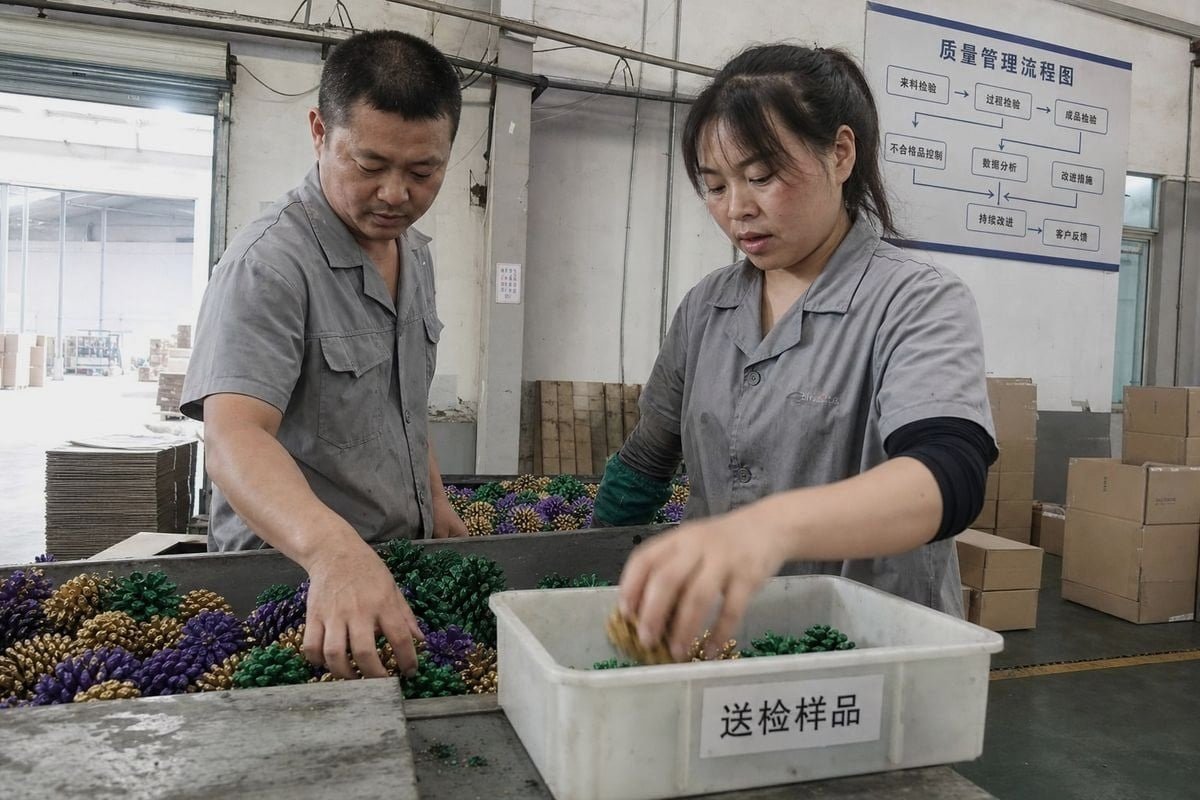
التقارير الخارجية هي العمود الفقري لـ الامتثال لسلامة المواد في هذه الفئة، لأن الاستخدام النهائي هو نار داخل منزل شخص ما. إليك العملية التي نوصي بها، بناءً على كيفية تعامل المشترين لدينا معها.
عملية طلب بسيطة من خمس خطوات
- قم بتسمية الاختبارات التي تحتاجها. لا تطلب "تقارير سلامة" بشكل عام. حدد اختبار المعادن الثقيلة (الرصاص، الزرنيخ، الكادميوم، الزئبق)،, تأكيد الهوية الكيميائية لأصباغ أملاح المعادن, - وعند توفرها - فحص الانبعاثات أو نواتج الاحتراق.
- اطلب مستندات خاصة بالدفعة. قائمة SDS العامة بنطاقات النقاء. شهادة التحليل (CoA) تُظهر النقاء الفعلي المقاس للدفعة التي ستتلقاها. اطلب شهادة التحليل لدورة الإنتاج الخاصة بك، وليس لدورة العام الماضي.
- تحقق من المختبر، وليس فقط الورقة. كل SGS أو Intertek 7 تقرير شرعي يحمل رقم تقرير. اتصل بالمختبر وقم بتأكيده. التقارير المزيفة شائعة في المصادر منخفضة التكلفة، وهذا الفحص يستغرق عشر دقائق.
- تحقق من تطابق النطاق مع منتجك. تقرير عن مسحوق كلوريد السترونشيوم السائب لا يغطي مخروط صنوبر مكتمل ومغطى بالشمع. اسأل عما إذا كانت العينة المختبرة تطابق شكل المنتج النهائي.
- ربط الاختبارات بالعينات. اطلب عينات، ثم اسأل عما إذا كان المورد سيدعم اختبار دفعة عينتك في مختبرك المختار. نقول نعم لهذا بشكل روتيني؛ الموردون الذين يرفضون يراهنون على أنك لن تتحقق.
ما يغطيه كل مستند فعليًا
| وثيقة | النطاق | خاص بالدفعة؟ |
|---|---|---|
| صحيفة بيانات السلامة | مخاطر التعامل مع مادة كيميائية | لا - عام |
| إجمالي المواد الصلبة الذائبة | بيانات الأداء الفني | لا - عام |
| شهادة تحليل | نقاء مقاس لدفعة واحدة | نعم |
| تقرير SGS / Intertek | تحقق مستقل من الاختبارات المسماة | نعم، إذا طُلب ذلك |
العادة الرئيسية هي الدقة. المشترون الذين يسمون الاختبارات الدقيقة يحصلون على إجابات دقيقة. المشترون الذين يسألون بشكل غامض يحصلون على أي ملف PDF قديم ملقى حولهم.
ما هي العلامات الحمراء التي يجب أن أنتبه إليها عندما يكون المورد غامضًا بشأن تركيبة الألوان الخاصة به؟
قام مستورد بريطاني ذات مرة بإعادة توجيه عرض أسعار منافس إلينا للمقارنة. كان السعر منخفضًا، لكن قسم المكونات ذكر فقط "مسحوق لون خاص". هذه العبارة وحدها يجب أن تنهي المفاوضات.
انتبه إلى رفض تسمية المواد الكيميائية أو أرقام CAS، والأوصاف العامة مثل "مسحوق لون آمن"، وملفات SDS المفقودة أو المؤرخة، وعدم وجود شهادة تحليل على مستوى الدفعة، وادعاءات الأسرار التجارية بدون بديل FMD، والصمت بشأن المعادن الثقيلة أو المواد الرابطة، والأسعار المنخفضة جدًا لتغطية أملاح المعادن ذات الدرجة المناسبة.

الغموض نادرًا ما يكون حادثًا. في سبعة عشر عامًا أو أكثر من صنع منتجات اللهب الملون، وجدنا أن المورد الذي لا يستطيع تسمية مواده الكيميائية إما لا يعرفها - لأنه يشتري مسحوقًا مخلوطًا مسبقًا من طرف ثالث - أو لا يريدك أن تعرفها. كلاهما خطير عندما يكون الاستخدام النهائي هو مدفأة استهلاكية.
قائمة الأعلام الحمراء
| علامة حمراء | ماذا يعني عادةً | ردك |
|---|---|---|
| "تركيبة مملوكة" بدون خيار اتفاقية عدم إفشاء | إخفاء المواد الكيميائية منخفضة الدرجة أو المقيدة | اطلب FMD بموجب اتفاقية عدم إفشاء؛ انسحب إذا تم الرفض |
| لم يتم تقديم أرقام تسجيل CAS | قد لا يعرف المورد مدخلاته الخاصة | اطلب SDS؛ تحقق من الهويات |
| SDS غير مؤرخ أو في شكل قالب | وثائق معاد تدويرها أو ملفقة | تحقق مع الجهة المصدرة |
| لا توجد إجابة بشأن ملوثات المعادن الثقيلة | من المحتمل استخدام أملاح صناعية | اطلب اختبار المعادن الثقيلة من طرف ثالث |
| صمت بشأن نوع الشمع أو المادة الرابطة | خطر محتمل من شمع البترول والقار | اطلب تكوين المادة الرابطة كتابيًا |
| السعر أقل بكثير من السوق | تم قطع الزوايا على درجة المادة الكيميائية أو مراقبة الجودة | قارن مع عروض الأسعار الموثقة |
| "مثل تلوين الطعام، آمن تمامًا" | سوء فهم أساسي للمنتج | استبعاد - ملونات اللهب ليست أصباغًا |
لماذا الإجابات بأسلوب DIY هي علامة تحذير
يجيب بعض الموردين على أسئلة المشتريات بلغة الهواة - أوقات النقع، وصفات منزلية، "تمامًا مثل دروس الإنترنت". تعليمات DIY جيدة لصنع بعض المخاريط التجريبية في المنزل. إنها ليست أساسًا لاستيراد حمولات حاويات من منتج نار استهلاكي. إذا توقف العمق الفني للمورد عند نصائح مستوى المدونة، فمن المحتمل أن تكون مراقبة الجودة لديه كذلك. يمكن للمصنع الحقيقي مناقشة تحمّل تحميل الملونات، وضوابط الدُفعات، ومعلمات التجفيف، وكيف تتوافق العينة الأولى مع الإنتاج الضخم. هذا العمق في المحادثة هو بحد ذاته أداة فحص - استخدمها.
خاتمة
إجابات المورد الغامضة تخلق مخاطر حقيقية - تنظيمية، وسلامة، وسمعة. اطلب المواد الكيميائية المسماة، وأرقام CAS، وملفات صحائف بيانات السلامة، وشهادات التحليل على دفعات، وتقارير الاختبار المعتمدة. الإفصاح الموثق هو ما يميز الشريك الموثوق به عن المقامرة.
ملاحظات ختامية
مرجع خلفية لهذا الملون المعدني المحدد المذكور كمثال لمادة كيميائية. ↩︎
نظرة عامة أوروبية رسمية من المفوضية الأوروبية على لوائح المواد الكيميائية REACH والامتثال. ↩︎
مصدر رسمي من OSHA يغطي المعايير التنظيمية والآثار الصحية للمعادن السامة. ↩︎
مصدر رسمي من OSHA يشرح قواعد الكشف عن الأسرار التجارية المشار إليها لهويات المواد الكيميائية في صحائف بيانات السلامة. ↩︎
مرجع خلفية عن المواد الرابطة للشمع التي تؤثر على نواتج الاحتراق مثل السخام والقار. ↩︎
تعريف خلفية لهذه الوثيقة الخاصة بالجودة على دفعات والمشار إليها مرارًا في المقال. ↩︎
الموقع الرسمي لمختبر اختبار مستقل رائد تم تسميته كمصدر تحقق للمشترين. ↩︎
 English
  Spanish
  German
  French
  Arabic
  Portuguese
انضم إلى المحادثة