






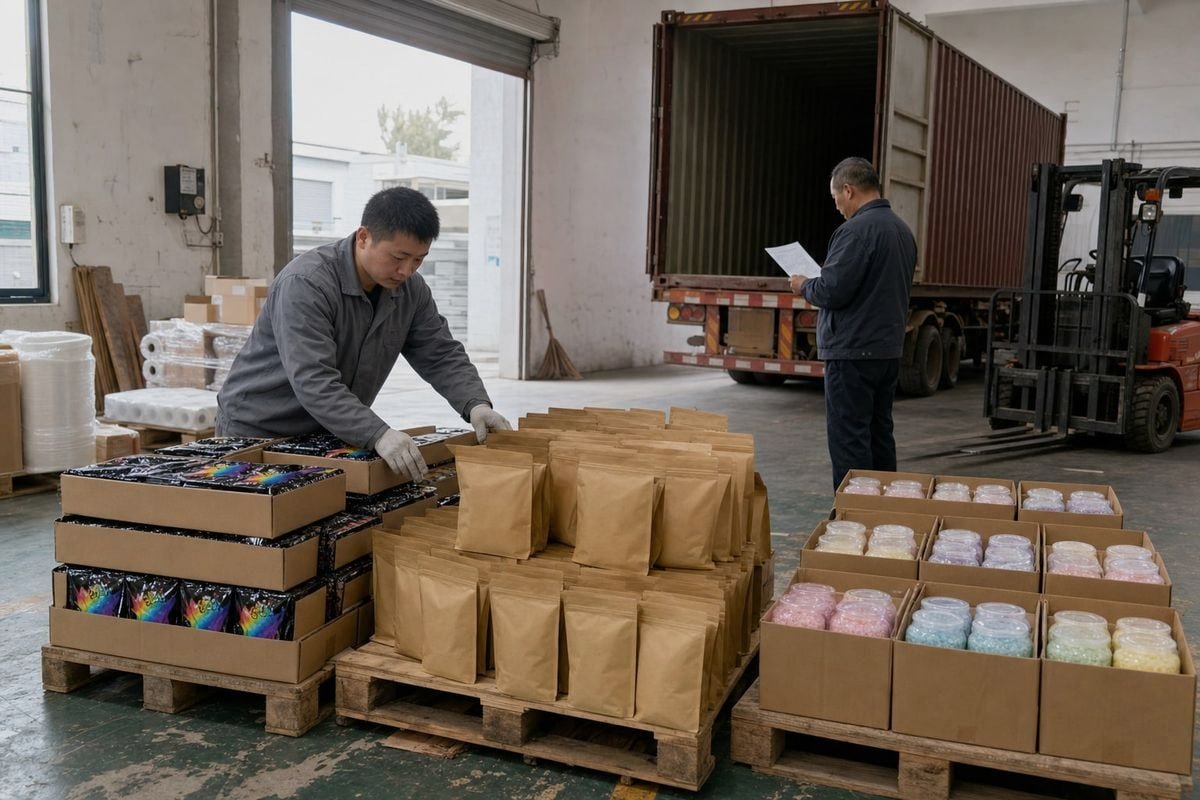
إن الحصول على نسب حاويات مختلطة لمسحوق Magic Fire بشكل خاطئ يربط النقد في عبوات بطيئة الحركة بينما تنفد العبوات الأكثر مبيعًا. لقد شاهدت المشترين في خط الإنتاج لدينا يرتكبون هذا الخطأ بالضبط.
لترتيب نسب الحاويات المختلطة لمسحوق Magic Fire من الصين، قم بتقسيم طلبك عبر الأكياس الرقائقية، والأكياس الورقية، والجرار بناءً على بيانات قناة البيع بالتجزئة، وتأكد من أن المورد يسمح بوحدات تعريف المنتج المختلطة ضمن حد أدنى واحد للطلب، وتحقق من وثائق الامتثال لكل نوع عبوة، وقم بتوحيد كل شيء في حمولة حاوية واحدة محسّنة.
هذا هو الجواب المختصر. التفاصيل مهمة أكثر. أدناه، سأستعرض خلطات الطلبات التجريبية، وحسابات مساحة الرف، والمرونة الموسمية، وحساب تكلفة الشحن، خطوة بخطوة.
ما هو مزيج الحاويات الذي يجب أن أختاره لطلب تجريبي مع المورد الصيني الخاص بي؟
في منشأتنا في نينغبو، فإن السؤال الأول الأكثر شيوعًا من المشترين الأمريكيين والألمان الجدد ليس السعر. إنه كيفية تقسيم طلب تجريبي عبر تنسيقات التعبئة الثلاثة لدينا.
لطلب تجريبي، يبدأ معظم المستوردين بتقسيم 60/25/15: 60% أكياس رقائق للتجزئة الاندفاعية، 25% أكياس كرافت قائمة بذاتها للقنوات الخارجية والبيئية، و 15% عبوات بلاستيكية لوضعيات متميزة أو إعادة التعبئة. هذا التوزيع يختبر نقاط السعر الثلاث دون تضخيم الحد الأدنى لكمية الطلب.
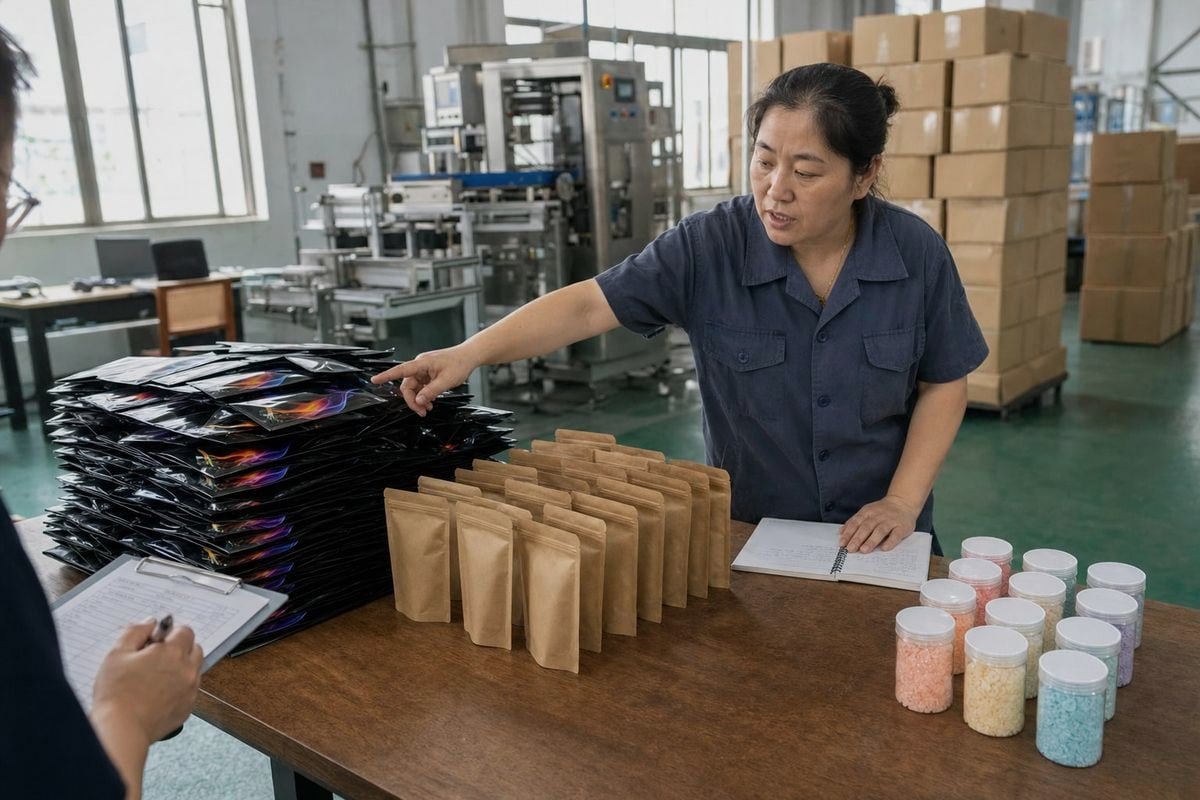
لدى الطلب التجريبي وظيفة واحدة: توليد بيانات مبيعات حقيقية قبل الالتزام بحاوية كاملة. لذلك يجب أن يعكس المزيج القنوات التي تخطط لبيعها بالفعل، وليس تخمينًا لما يبدو لطيفًا.
طابق التنسيق مع القناة أولاً
كل تنسيق تعبئة ننتجه يتصرف بشكل مختلف في البيع بالتجزئة. الكيس اللامع المصنوع من رقائق معدنية مع رسومات اللهب الملونة هو عنصر اندفاعي. يعلق بالقرب من حطب المخيم، أو أدوات الشواء، أو عدادات الدفع. الحقيبة الواقفة المصنوعة من الكرافت مع سحاب قابل لإعادة الإغلاق تجذب تجار التجزئة الخارجيين المهتمين بالبيئة، خاصة في ألمانيا وهولندا، حيث تتفوق التعبئة ذات المظهر الطبيعي على البلاستيك اللامع. العبوة هي تنسيق متعدد الاستخدامات لمتاجر المدافئ ومجموعات الهدايا.
| تنسيق | دور البيع بالتجزئة النموذجي | أفضل حصة تجريبية | المخاطر في حالة الإفراط في الطلب |
|---|---|---|---|
| كيس رقائق معدنية (استخدام واحد) | متاجر الاندفاع، عدادات الدفع، متاجر التخييم | 50–65% | منخفض - دوران سريع |
| كيس كرافت قابل لإعادة الإغلاق | تجارة التجزئة البيئية/الخارجية، البيع المباشر للمستهلك عبر الإنترنت | 20–30% | متوسط - خاص بالقناة |
| جرة بلاستيكية | متاجر المدافئ، مجموعات الهدايا، عبوات إعادة التعبئة | 10–20% | أعلى - دوران أبطأ، عمق رف أكبر |
تأكيد هيكل الحد الأدنى لكمية الطلب قبل التقسيم
إليك اعتراض من مشترٍ أسمعه كثيرًا: "خلط التنسيقات سيزيد الحد الأدنى لكمية الطلب لدي ثلاثة أضعاف." مع شركة تجارية، يحدث ذلك عادةً، لأنهم يحصلون على كل تنسيق من مصنع مختلف. نظرًا لأننا ندير خطوط التعبئة الثلاثة تحت سقف واحد في نينغبو، يمكننا التعامل مع طلب مختلط كحد أدنى لكمية طلب واحد، طالما أن كل تنسيق يلبي حدًا أدنى معقولًا لتغيير الخط. اسأل المورد الخاص بك هذا السؤال مباشرة قبل التفاوض على السعر. إذا لم يتمكنوا من خلط التنسيقات ضمن حد أدنى لكمية طلب واحد، فهذا يخبرك شيئًا عن عمق التصنيع الفعلي لديهم.
اطلب أيضًا وثائق الامتثال لصحيفة بيانات سلامة المواد (MSDS) 1 لكل حجم عبوة في مرحلة التجربة، وليس لاحقًا. يمكن أن تختلف متطلبات التوثيق بين كيس 25 جرام وعبوة 500 جرام، وتريد تأكيد ذلك قبل التوسع.
كيف أوازن بين نسب الأكياس والبرطمانات وعبوات الكرافت لتناسب مساحة رف البيع بالتجزئة الخاصة بي؟
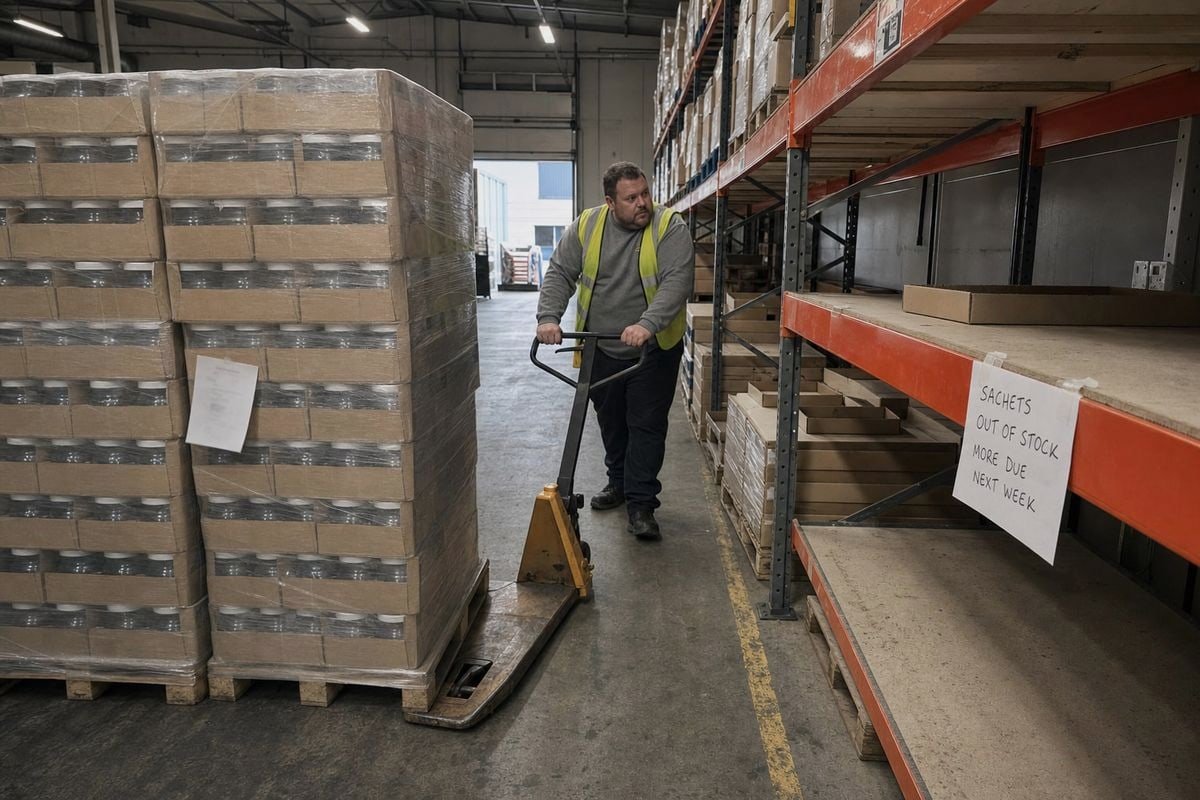
أرسل لي أحد موزعينا في المملكة المتحدة ذات مرة صورة لمستودعه: ثلاث منصات من العبوات، لم تمس، بينما كانت أكياسنا في طلب إعادة التخزين. خطة الرف ونسبة الحاوية لم تتطابق أبدًا.
وازن نسب التعبئة والتغليف بالعمل بشكل عكسي من واجهات البلانوجرام: قم بقياس مساحة الرف أو العرض التي تشغلها كل عبوة، واقسمها على المبيعات الأسبوعية لكل واجهة، واطلب بنفس النسبة. عادةً ما تحصل الأكياس على 3-4 أضعاف واجهات البرطمانات في متاجر التجزئة الخارجية العامة.
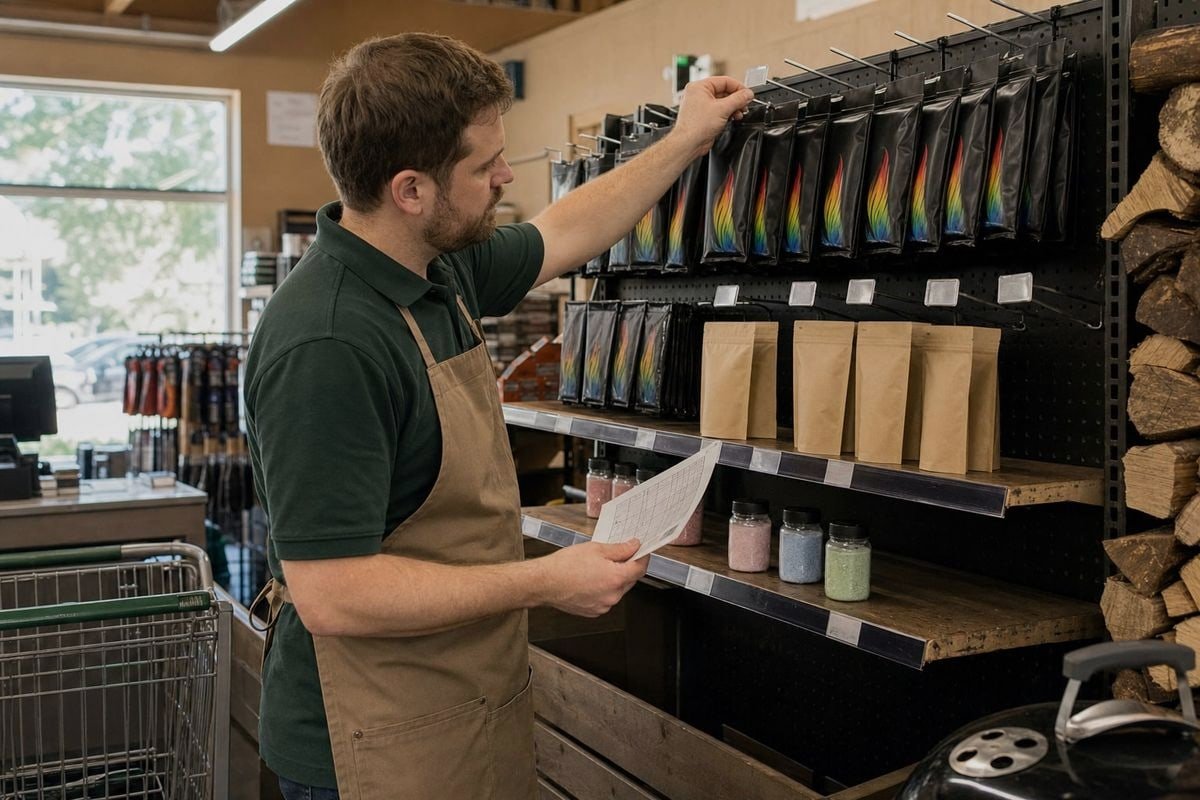
مساحة الرف هي القيد الحقيقي الذي ينساه معظم المستوردين عند تحديد نسب الحاويات. يتم شراء حاوية مرة واحدة. يتم استئجار مساحة الرف باستمرار، سواء منك أو من قبل عملائك في البيع بالتجزئة.
اعمل للخلف من مخطط العرض
ابدأ بالعرض، وليس بالحاوية. يشغل الكيس المعلق تقريبًا بصمة بطاقة لعب. تحتاج الحقيبة الواقفة المصنوعة من الكرافت إلى رف مسطح وعرض أكبر بثلاث مرات تقريبًا. تحتاج العبوة إلى عمق رف وغالبًا ما تواجه ثانية لتكون مرئية على الإطلاق. ثم قم بتضمين الدوران. في تجربتنا في توريد قنوات المصادر من نوع Home Depot، تدور الأكياس ذات الاستخدام الواحد بشكل أسرع لأن قرار الشراء بسيط - بضعة دولارات تضاف إلى سلة حطب المخيم. تدور العبوات ببطء ولكنها تحمل هامش ربح أعلى لكل وحدة.
| تنسيق | بصمة الرف لكل مواجهة | دورات أسبوعية نسبية | نسبة المواجهة المقترحة |
|---|---|---|---|
| كيس رقائق | صغير جدًا (خطاف تعليق أو صندوق عداد) | عالي | 4 |
| كيس كرافت | متوسط (رف واقف) | متوسط | 2 |
| عبوة | كبير (رف عميق) | منخفض إلى متوسط | 1 |
استخدم صناديق العرض لمضاعفة كفاءة الأكياس
هذا هو المكان الذي يغير فيه دعم OEM المعادلة. ننتج صناديق عرض على العداد قابلة للطي تحمل 24 أو 48 كيسًا في بصمة مدمجة واحدة. يحول صندوق العرض الواحد مواجهة واحدة إلى عشرات الوحدات القابلة للبيع. إذا كان المورد الخاص بك يقدم تغليف عرض مخصص، ورموز شريطية، وملصقات تحذير كجزء من حزمة العلامة الخاصة، يمكن أن يتحول نسبة الكيس إلى العبوة الفعالة لديك بشكل أكبر نحو الأكياس دون استهلاك مساحة الرف. وهذا بدوره يغذي تحسين تحميل الحاوية: تتكدس صناديق العرض بشكل أكثر قابلية للتنبؤ في الكرتون من وحدات SKU المختلطة السائبة، مما يقلل من المكعب الضائع في شحنك البحري.
اختبر النسبة في طلبك التجريبي، وتتبع الدورات لكل مواجهة لمدة ثمانية إلى اثني عشر أسبوعًا، ثم قم بتثبيت نسبة طلب التكرار الخاصة بك بناءً على تلك البيانات.
هل يمكنني تعديل نسب الحاويات الخاصة بي بناءً على الطلب الموسمي دون زيادة الحد الأدنى لكمية الطلب الخاصة بي؟
علمني مشترٍ كندي هذا الدرس منذ سنوات. طلب نفس المزيج على مدار العام، ثم تساءل لماذا تراكمت أكياس التخييم المصنوعة من الكرافت كل نوفمبر بينما نفدت العبوات الموجهة للمدافئ.
نعم. اعمل مع مصنع يحدد حجم الطلب الإجمالي، وليس حجم كل وحدة تخزين، حتى تتمكن من تغيير النسبة الداخلية لكل طلب. نمط نموذجي: تهيمن الأكياس والأكياس الورقية على طلبات التخييم في الربيع والصيف، بينما ترتفع البرطمانات وصناديق الهدايا بنسبة 20-30% لموسم مواقد الشتاء.
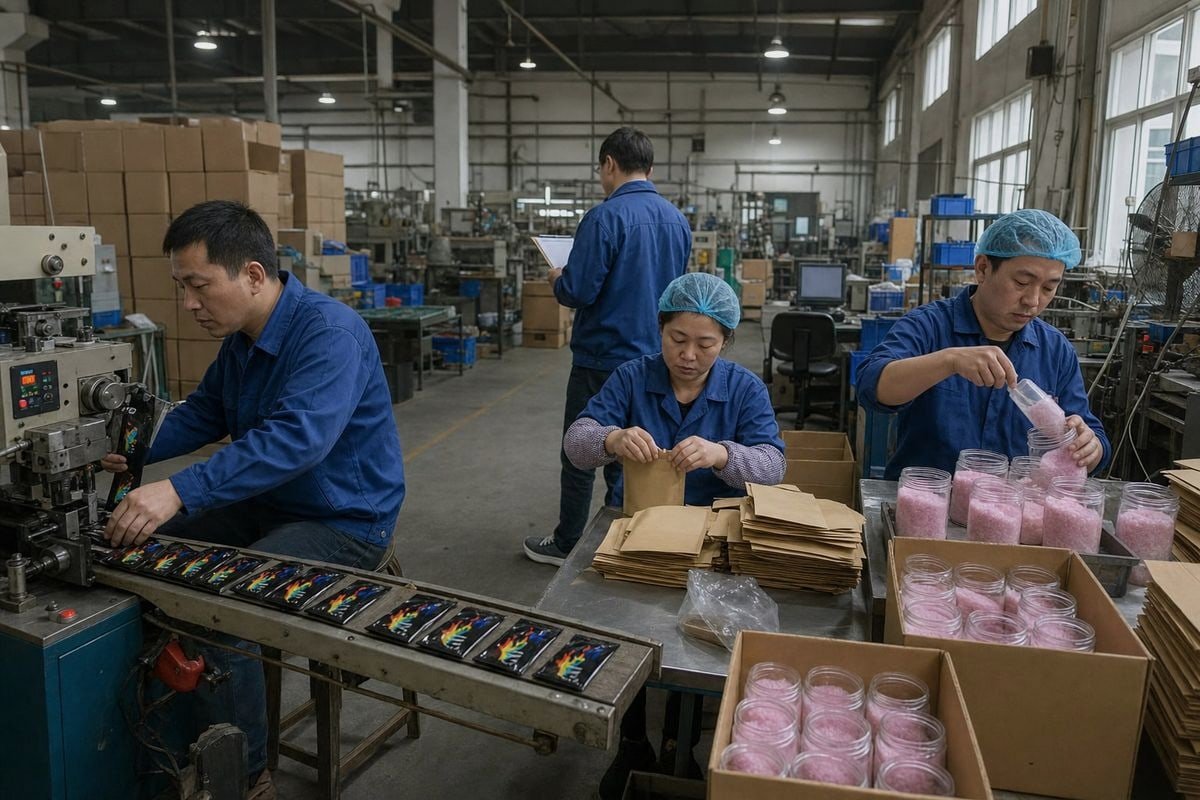
الموسمية لمنتجات اللهب الملون حقيقية ويمكن التنبؤ بها. تبلغ ذروة الطلب على التخييم وحفر النار في الفناء الخلفي من أواخر الربيع حتى أوائل الخريف في الولايات المتحدة وأوروبا. تبلغ ذروة الطلب على المدافئ وهدايا العطلات من أكتوبر إلى يناير. يجب أن تتنفس نسبة الحاوية الخاصة بك مع هذه الدورة.
كيف تعمل حدود الطلب ذات النسبة المرنة فعليًا
النقطة التعاقدية الرئيسية بسيطة: تفاوض على الحد الأدنى لكمية الطلب على مستوى إجمالي الوحدات أو القيمة الإجمالية. في ظل هذا الهيكل، يمكن أن يكون طلب، على سبيل المثال، كمية إجمالية ثابتة عبارة عن 70% أكياس في أبريل و 45% أكياس في أكتوبر، مع انتقال الرصيد إلى العبوات وتنسيقات الهدايا المعبأة. نظرًا لأن خطوط الإنتاج لدينا في نينغبو تتعامل مع التعبئة والتغليف لجميع التنسيقات، فإن تكلفة التغيير تقع على عاتقنا لإدارتها، وليس كرسوم إضافية تُمرر إليك - شريطة أن تظل كل وحدة SKU فوق حد أدنى صغير للخط. اطلب من أي مورد هذا الحد الأدنى للخط كتابيًا.
خطط حول واقع الإنتاج والموانئ الصينية
هناك عاملان توقيت يستحقان الاهتمام. أولاً،, عيد رأس السنة الصينية 2 يغلق معظم المصانع لمدة أسبوعين إلى أربعة أسابيع، لذا يجب تأكيد طلبات نسبة الشتاء بحلول أوائل الخريف. ثانيًا، غالبًا ما يقلق المشترون للبضائع المجاورة للألعاب النارية بشأن فترات "حظر الحرارة" الصيفية في الموانئ الصينية، عندما يتم تحميل بعض الفئة 4.1 من المنظمة البحرية الدولية 3 يتم تعليق شحن البضائع الصلبة القابلة للاشتعال أثناء الحرارة الشديدة. هذا مصدر قلق مشروع للبضائع الخطرة الحقيقية. هذا هو بالضبط سبب أهمية تركيب المنتج وتصنيفه: عبوات Magic Fire الخاصة بنا مصممة كمنتجات صديقة للبيئة لتلوين اللهب الاستهلاكي، ونحن نوفر تقارير اختبار SGS و Intertek 4 بالإضافة إلى وثائق MSDS الكاملة حتى يتمكن وكيل الشحن الخاص بك من تصنيف الشحنة بشكل صحيح بدلاً من الافتراض الافتراضي لأسوأ حالة للبضائع الخطرة. التصنيف الصحيح يحمي جدولك الموسمي.
- أكد طلبات نسبة الشتاء قبل أكتوبر.
- احجز طلبات نسبة الربيع قبل السنة الصينية الجديدة.
- احتفظ بمنتج واحد احتياطي (عادةً أكياس) يُباع في كلا الموسمين.
كيف أحسب تكاليف الشحن والتخزين عند خلط أنواع حاويات متعددة في طلب واحد؟
المقايضة التي أزنها في أغلب الأحيان مع المشترين هي الكثافة مقابل الحجم. العبوات تشحن ثقيلة ولكنها مدمجة. الأكياس الورقية تشحن خفيفة ولكنها ضخمة. تغييرها يغير معادلة الشحن بأكملها.
احسب الشحن عن طريق حساب حجم كل تنسيق من الكرتون والوزن الإجمالي، وجمعها للحصول على الإجمالي، ثم مقارنة أسعار LCL لكل متر مكعب مقابل سعر FCL الثابت. أضف رسوم المناولة في الوجهة، وأي رسوم مناولة للمواد الخطرة إذا تم تصنيفها على أنها DG، وتكلفة تخزين المستودع لكل منصة في الشهر.
حسابات الشحن للطلب المختلط ليست صعبة، لكنها تعاقب التخمين. دعني أقسمها إلى التسلسل الذي نتبعه مع المشترين قبل كل شحنة.
الخطوة 1: بناء جدول التعبئة في الكرتون
احصل على مواصفات الكرتون الرئيسي لكل تنسيق من المورد الخاص بك. ثم اضرب الحجم والوزن لكل منتج. هيكل توضيحي واقعي يبدو كالتالي:
| تنسيق | وحدات لكل كرتون رئيسي | حجم الكرتون بالمتر المكعب | الوزن الإجمالي للكرتون | مصادر الأكواز الخام |
|---|---|---|---|---|
| كيس رقائق (في صناديق عرض) | 480 | 0.045 | 14 كجم | كثيف، يتكدس جيدًا |
| كيس كرافت | 120 | 0.055 | 11 كجم | خفيف، حجم كبير |
| عبوة | 48 | 0.050 | 19 كجم | ثقيل الوزن |
اجمع الإجماليات عبر نسبتك. تحقق من النتيجة مقابل حدود وزن الشحن البحري 5 لكل حاوية - يمكن أن يصل المزيج الثقيل بالعبوات إلى الحد الأقصى للوزن قبل أن تمتلئ الحاوية فعليًا، مما يهدر الحجم المدفوع.
الخطوة 2: قارن الشحن الجزئي مقابل الشحن الكامل للحاوية بصدق
توحيد الشحن البحري الجزئي الرسوم حسب المتر المكعب ويضيف مناولة المنشأ والوجهة لكل شحنة. كقاعدة تقريبية، بمجرد أن يتجاوز الطلب المختلط 12-15 مترًا مكعبًا، غالبًا ما تكون حاوية 20 قدمًا كاملة أقل تكلفة إجمالية، مع نقاط اتصال أقل وخطر تلف أقل. إذا تم تصنيف منتجك ضمن لوائح شحن البضائع الخطرة - على سبيل المثال تحت تصنيف UN3178 6 كصلب قابل للاشتعال - سترفض العديد من شركات التوحيد الشحن الجزئي المختلط تمامًا أو تطبق رسومًا باهظة لمناولة المواد الخطرة، وستحتاج إلى وثائق إعلان البضائع الخطرة بالإضافة إلى، بالنسبة لعناصر فئة الألعاب النارية الحقيقية، ترخيص تصدير للألعاب النارية. هذا خطر حقيقي مع الموردين غير المعتمدين الذين لم يتم اختبار مساحيقهم بشكل صحيح. هذا هو السبب في أننا نصر على أن يتلقى المشترون تقارير الاختبار الخاصة بنا،, وثائق CE 7, وملفات MSDS مقدمًا: الأوراق الصحيحة هي الفرق بين معدلات الشحن القياسية ورسوم البضائع الخطرة التي تمحو هامشك.
الخطوة 3: قم بتسعير التخزين حسب معدل الدوران، وليس فقط المنصات
أخيرًا، قم بنمذجة تكلفة المستودع لكل تنسيق. تشغل العبوات عددًا أقل من المنصات لكل ألف وحدة ولكنها تبقى لفترة أطول. تشغل الأكياس المنصات لفترة وجيزة. غالبًا ما تدفع تكلفة شهرية بسيطة لكل وحدة مخزنة لكل تنسيق نسبتك المثالية بضع نقاط إضافية نحو الأكياس سريعة الدوران - وهو ما يكون عادةً القرار الصحيح على أي حال.
خاتمة
تعتمد نسب الحاويات المختلطة لمسحوق Magic Fire على بيانات القناة، والحد الأدنى لكميات الطلب المرنة، والتوقيت الموسمي، وحسابات الشحن الصادقة. إذا قمت بضبط هذه الأمور الأربعة بشكل صحيح، فستظل رفوفك وتدفقك النقدي متوازنين.
ملاحظات ختامية
1. توفر OSHA الإطار التنظيمي لصحائف بيانات السلامة، مما يضمن الامتثال لمعايير التواصل بشأن المخاطر. ↩︎
2. توفر ويكيبيديا سياقًا تاريخيًا ولوجستيًا لتأثير السنة الصينية الجديدة على التصنيع العالمي. ↩︎
3. تحدد المنظمة البحرية الدولية فئات البضائع البحرية الخطرة الدولية، بما في ذلك الفئة 4.1 للمواد الصلبة القابلة للاشتعال. ↩︎
4. SGS هي شركة رائدة عالميًا في اختبار المواد الكيميائية وإصدار الشهادات لسلامة المنتجات الاستهلاكية. ↩︎
5. تشرح ويكيبيديا لوجستيات وقيود الشحن البحري، بما في ذلك حدود الوزن والحجم. ↩︎
6. تحتفظ اللجنة الاقتصادية لأوروبا التابعة للأمم المتحدة بتوصيات الأمم المتحدة بشأن نقل البضائع الخطرة، والتي تشمل تصنيف UN3178. ↩︎
7. تشرح المفوضية الأوروبية متطلبات علامة CE للمنتجات المباعة داخل المنطقة الاقتصادية الأوروبية. ↩︎
 English
  Spanish
  German
  French
  Arabic
  Portuguese
انضم إلى المحادثة