






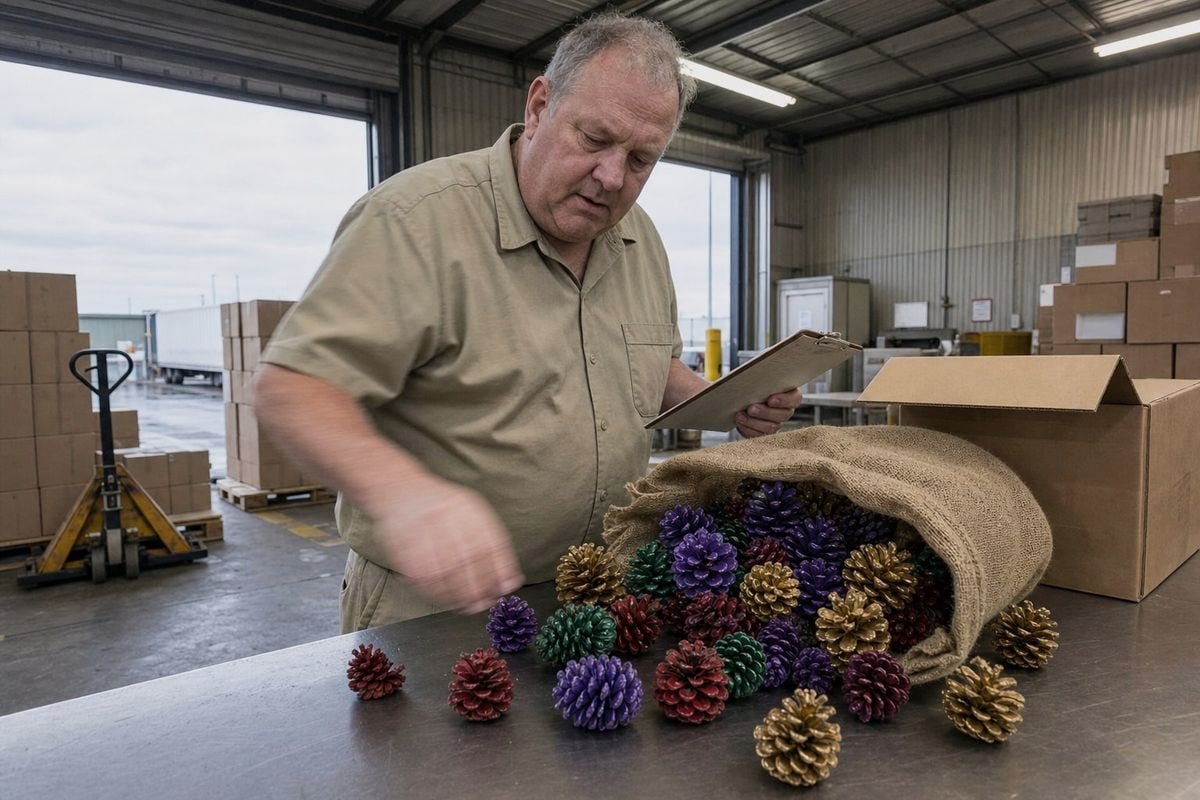
أقماع الصنوبر الملونة للمواقد من الصين تثير سؤالاً ملحاً للمستوردين: هل تطلب الجمارك الأمريكية شهادة صحة نباتية؟ جنس الصنوبر 1؟ في منشأتنا في نينغبو، يسألنا المشترون هذا السؤال أسبوعيًا.
لا تحتاج أقماع الصنوبر الملونة للمواقد من الصين تلقائيًا إلى شهادة صحة نباتية للجمارك الأمريكية. معظم الأقماع المزخرفة المعالجة وغير التكاثرية مقبولة بعد الفحص. لا يلزم الحصول على شهادة إلا إذا كانت الشحنة تحتوي على بذور حية، أو لحاء أو خشب غير معالج، أو تندرج تحت قيود محددة من APHIS.
هذا الجواب المختصر يخفي الكثير من التفاصيل. الخطر الحقيقي ليس الشهادة نفسها. إنه التصريح الخاطئ عن منتجك، أو تخطي إعلان قانون لاسي، أو شحن الأقماع مع آفات حية. دعني أشرح لك ما يهم فعلاً، قسمًا تلو الآخر، بناءً على شحنات التصدير الخاصة بنا إلى الموزعين الأمريكيين.
كيف أعرف ما إذا كانت شحنة أقماع الصنوبر الملونة الخاصة بي تتطلب فعلاً شهادة صحة نباتية للجمارك الأمريكية؟
اتصل بنا موزع مواقد أمريكي ذات مرة في حالة ذعر لأن وكيل شحن أخبره "أن جميع منتجات الصنوبر من الصين تحتاج إلى شهادة صحة نباتية". كانت تلك النصيحة خاطئة، وكادت أن تكلفه موسمًا كاملاً. يتعامل فريق التصدير لدينا مع هذا الارتباك في كل طلب أول تقريبًا.
تتطلب شحنتك شهادة صحة نباتية فقط إذا اعتبرتها الجمارك وحماية الحدود (CBP) أو خدمة فحص الصحة النباتية والحجر الصحي الحيواني (APHIS) مادة نباتية خاضعة للتنظيم: أجزاء تكاثرية، بذور حية، أو منتجات نباتية مقيدة. الأقماع المزخرفة المعالجة والملونة وغير التكاثرية عادة ما يتم قبولها كسلع زراعية قابلة للفحص دون شهادة، ما لم ينطبق شرط استيراد محدد.
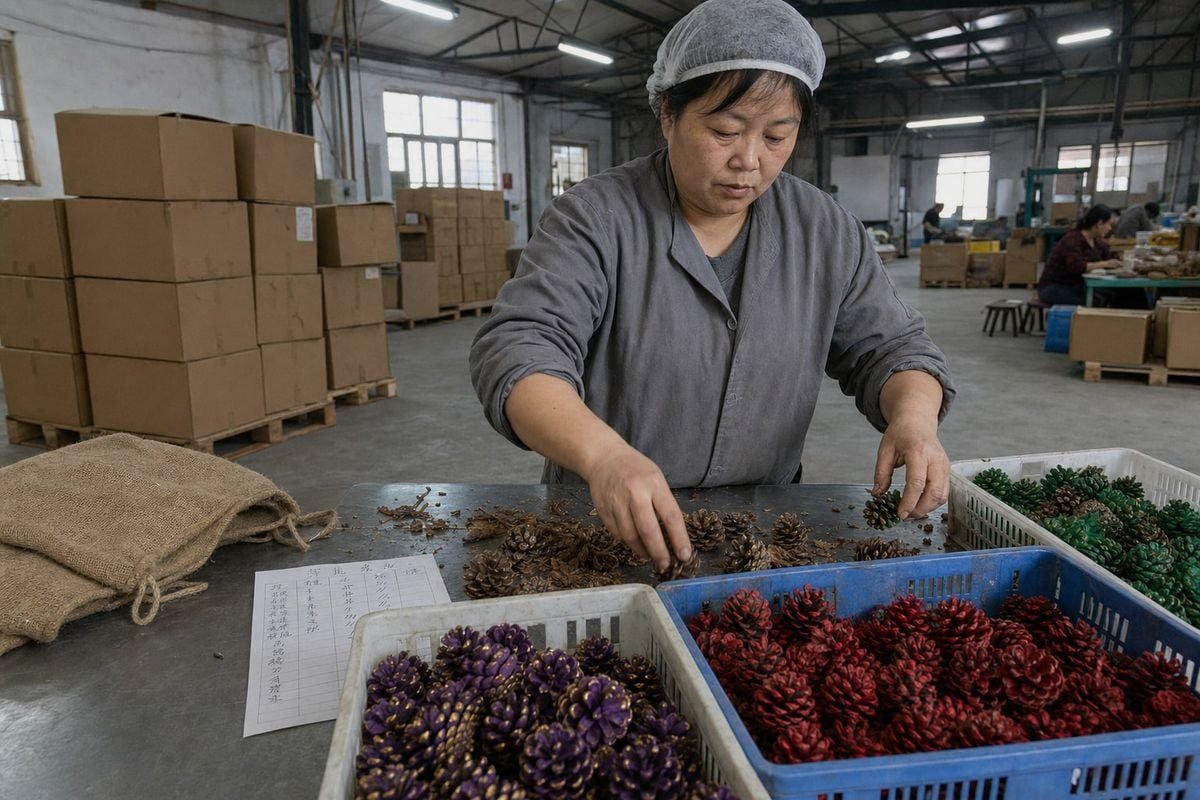
التمييز القانوني الرئيسي يكمن داخل لوائح خدمة فحص الصحة النباتية والحجر الصحي الحيواني (APHIS) التابعة لوزارة الزراعة الأمريكية. تقسم خدمة فحص الصحة النباتية والحجر الصحي الحيواني (APHIS) مواد نباتية 2 إلى فئتين رئيسيتين: المواد التكاثرية المخصصة للزراعة، والمنتجات النباتية غير التكاثرية المستخدمة كسلع. تنص متطلبات دخول الجمارك وحماية الحدود (CBP) على أن النباتات وأي أجزاء نباتية مخصصة للتكاثر تحتاج إلى شهادة صحة نباتية أجنبية مسبقًا. أما المنتجات النباتية غير التكاثرية، فبشكل عام مسموح بدخولها من معظم البلدان. لا تزال تخضع للفحص في الميناء، ولكنها لا تحتاج إلى شهادة أو تصريح استيراد PPQ Form 587 افتراضيًا.
إذن أين تقع أقماع الصنوبر الملونة؟ ذكرت استشارة سابقة من الجمارك وحماية الحدود (CBP) وخدمة فحص الصحة النباتية والحجر الصحي الحيواني (APHIS) أن أقماع الصنوبر من الصين مؤهلة للاستيراد شريطة أن تستوفي جميع متطلبات الدخول وأن تكون خالية من آفات النبات. هذا يؤكد شيئين في وقت واحد. أولاً، أقماع الصنوبر ليست محظورة. ثانيًا، تظل سلعًا زراعية تخضع لفحص الجمارك وحماية الحدود، حتى عندما تباع كأدوات زخرفية للمواقد.
لماذا "الصنوبر" من الصين يثير خوفًا إضافيًا
يأتي الكثير من القلق من دودة خشب الصنوبر 3 اللوائح. تواجه جذوع الصنوبر والأخشاب والخشب من الصين إجراءات صارمة لأخذ العينات والتبخير والمعالجة الحرارية وإعلانات الشهادات الخاصة. تنطبق هذه اللوائح على الخشب، وليس تلقائيًا على الأقماع. لكن المستوردين يفترضون غالبًا أن أي عنصر "صنوبر" يرث نفس العبء. هذا ليس صحيحًا.
فحص ذاتي سريع لشحنتك
| سؤال حول شحنتك | إذا كانت الإجابة بنعم | إذا كانت الإجابة بلا |
|---|---|---|
| هل الأقماع مخصصة للزراعة أم أنها تحتوي على بذور حية؟ | شهادة صحة نباتية مطلوبة | تابع أدناه |
| هل يشمل المنتج لحاءً ملتصقًا، أو أغصانًا، أو قطع خشب غير معالجة؟ | تدقيق أعلى؛ شهادة أو إثبات معالجة محتمل | تابع أدناه |
| هل الأقماع معالجة كيميائيًا، وملونة، ومعالجة حراريًا؟ | مقبولة بشكل عام بعد الفحص | الفحص لا يزال مطبقًا |
| هل هناك أمر فيدرالي خاص من خدمة فحص الصحة النباتية والحجر الصحي الحيواني (APHIS) أو قيد ساري المفعول على العنصر؟ | اتبع قواعد المستندات الخاصة بهذا الأمر | عملية دخول قياسية |
هناك فارق دقيق آخر مهم. إذا كانت الشهادة مطلوبة لشحنتك المحددة، فإن التنسيق مهم. منذ أكتوبر 2022، يقبل المسؤولون الأمريكيون فقط شهادات الصحة النباتية الأصلية 4 أو تبادلات إلكترونية معتمدة عبر ePhyto. لن تكون النسخة الممسوحة ضوئيًا المرسلة عبر البريد الإلكتروني من المورد الخاص بك كافية للميناء.
ما هي معايير المعالجة أو التصنيع التي يمكن أن تساعد موردي الصيني على تجنب مشاكل فحص الصحة النباتية؟
المقايضة التي نزنها في كل دفعة بسيطة: معالجة الأقماع بعمق كافٍ لإرضاء مفتشي الزراعة الأمريكيين، ولكن ليس بشكل مفرط بحيث تتأثر كيمياء الألوان أو بنية المخروط. بعد أكثر من 17 عامًا من تشغيل خطوط إنتاج المواقد، استقرنا على تسلسل يحافظ على وضعه في الميناء.
يجب على الموردين معالجة الأقماع حراريًا لجعل البذور غير قابلة للحياة، وإزالة جميع اللحاء والحطام، وتطبيق التشريب الكيميائي بأملاح معدنية موثقة. تعمل هذه المعالجة كإجراء وقائي للصحة النباتية. قم بإقرانها بشهادة معالجة مصدقة وتقارير اختبار من SGS أو Intertek لإرضاء المفتشين.
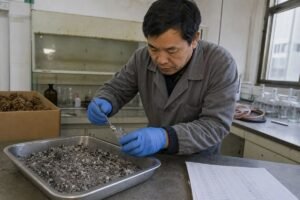
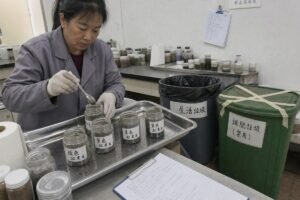
المعالجة مهمة لأن الفحص يركز على خطر الآفات، وليس بلد المنشأ وحده. يقوم أخصائي زراعي في الجمارك وحماية الحدود (CBP) بفحص الشحنات فعليًا المستوردات النباتية المجففة 5 في ميناء الدخول. يبحثون عن الحشرات الناخرة للخشب، واليرقات، والفضلات، والبذور الحية، والتربة، واللحاء الملتصق. التلوين الكيميائي وحده لا يعفيك من هذا الفحص. لكن المعالجة العميقة تغير كيفية تصنيف منتجك ومدى سرعة تخليصه.
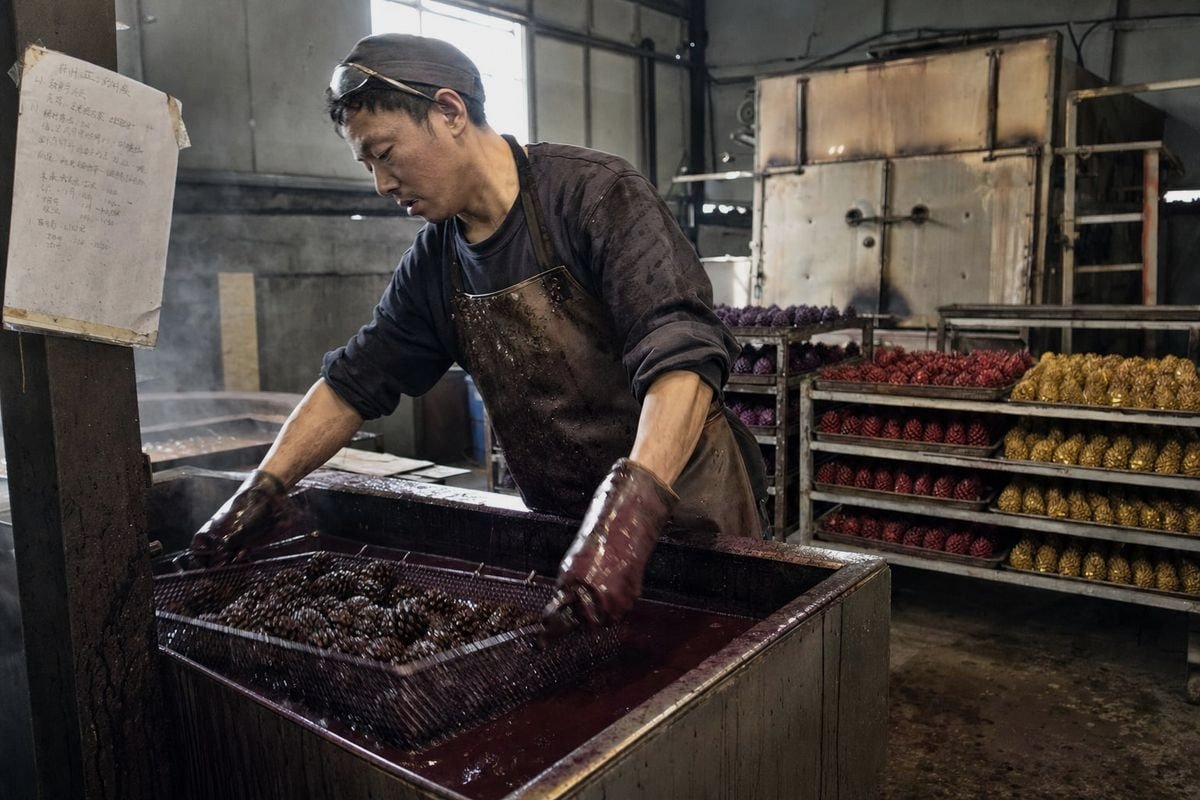
هذا هو المنطق العملي. عملية التشريب الكيميائي التي تخلق الألوان النارية - نقع الأقماع في محاليل الأملاح المعدنية 6 — يعمل أيضًا كخطوة تخفيف للصحة النباتية. بالاقتران مع المعالجة الحرارية على مستوى الفرن، فإنه يقتل الحشرات ويجعل البذور غير قابلة للحياة. هذا أمر بالغ الأهمية. إذا وجد مفتش بذورًا قابلة للحياة أثناء الفحص، يمكن إعادة تصنيف الشحنة على أنها بذور للزراعة. هذا يؤدي فورًا إلى شهادة صحة نباتية إلزامية لا تملكها شحنتك، وتتوقف البضائع.
تسلسل المعالجة الذي نقوم به في مصنعنا
- تنظيف المصدر: يتم فرز المخاريط، وإزالة جميع شظايا اللحاء والأغصان والتربة قبل المعالجة.
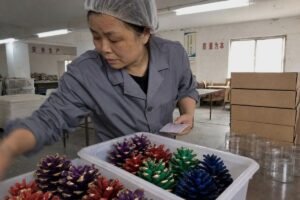
- المعالجة الحرارية: يتم تجفيف المخاريط في درجات حرارة مضبوطة لفترة كافية لفتح الحراشف وقتل قابلية حياة البذور ويرقات الحشرات.
- المعالجة الكيميائية: تُنقع المخاريط في محاليل ملحية معدنية صديقة للبيئة تنتج اللهب الملون.
- دورة التجفيف الثانية: هذا يثبت المعالجة ويخفض الرطوبة إلى ما دون المستويات التي تجذب الآفات.
- توثيق الدُفعة: تحصل كل دفعة إنتاج على سجل معالجة يمكننا تسليمه إلى وسيط الجمارك الخاص بك.
ما هي الوثائق التي يجب أن تدعم المعالجة
| خطوة المعالجة | وثيقة داعمة | لماذا يهتم المفتشون |
|---|---|---|
| المعالجة الحرارية | شهادة المعالجة مع درجة الحرارة والمدة | يثبت أن البذور غير قابلة للحياة وأن اليرقات ميتة |
| المعالجة الكيميائية | شهادة المعالجة الكيميائية وبيانات السلامة | يؤكد التخفيف وسلامة المستهلك |
| مراقبة جودة الدُفعة | سجلات فحص المصنع | يظهر الاتساق من دفعة إلى أخرى |
| اختبار طرف ثالث | أكواز زخرفية مقابل أكواز وظيفية - قرر أولاً | تحقق مستقل لهيئة الجمارك وحماية الحدود وتجار التجزئة |
خطوطنا الخاصة تعمل تحت ISO 9001 7 مع ضوابط صارمة من دفعة إلى أخرى، لذا تتطابق سجلات المعالجة مع ما هو موجود فعليًا في الكرتون. هذا الاتساق هو بالضبط ما تهدف برامج منع الآفات الغازية في موانئ الولايات المتحدة إلى التحقق منه.
ما هي المستندات الأخرى المتعلقة بالامتثال التي يجب أن أطلبها إلى جانب شهادة الصحة النباتية أو بدلاً منها؟
درس تعلمناه مبكرًا: تحصل الشهادة الصحية النباتية على كل الاهتمام، ولكنها نادرًا ما تكون الوثيقة التي تمنع فعليًا شحنة من المخاريط الصنوبرية. في تجربتنا في التصدير إلى الولايات المتحدة، يتسبب إعلان قانون لاسي والأوراق التجارية في تأخيرات أكثر بكثير من أي شهادة صحية نباتية مفقودة.
اطلب إعلان قانون لاسي (نموذج PPQ 505) يذكر جنس الصنوبر ونوعه وبلد الحصاد؛ شهادة معالجة حرارية وكيميائية؛ تقارير اختبار معملية من طرف ثالث؛ وفواتير تجارية دقيقة مع رمز النظام المنسق الصحيح. هذه الوثائق أهم من شهادة صحية نباتية للمخاريط المعالجة.

سأقوم بتفصيل كل وثيقة وسبب وجودها. قانون لاسي هو الشيء الكبير. المخاريط الصنوبرية هي منتجات نباتية، لذا يجب أن تحمل الشحنات إعلان قانون لاسي يصدق على الحصاد القانوني للجنس والنوع المحدد. بموجب إنفاذ المرحلة السابعة، يجب عليك الآن Pinus الإعلان عن بلد الحصاد الفعلي وليس فقط بلد التصنيع. إذا تم الحصول على المخاريط الخام من بلد ثالث، فإن هذا البلد يوضع على النموذج. الخطأ في هذا يسبب تأخيرات حتى عندما يكون كل شيء آخر مثاليًا. عندما نقوم بضم مشترٍ أمريكي جديد، نقدم بيانات النوع ومنشأ الحصاد مقدمًا حتى يتمكن وسيطهم من تقديم الطلب بشكل نظيف., التصنيف يأتي بعد ذلك.
للمخاريط الصنوبرية مهم لكل من الرسوم والتدقيق. عادة ما يتم تصنيف المخاريط الملونة والمعالجة تحت HTS 0604.99.6000 كأجزاء نباتية "مجهزة بطريقة أخرى"، والتي تحمل معدل رسوم أعلى من المخاريط المجففة الطبيعية. تؤكد أحكام التعريفة الجمركية لهيئة الجمارك وحماية الحدود أن السلع المخروطية الصنوبرية المزخرفة تظل أجزاء نباتية لأغراض الجمارك. لا تدع موردًا أو وكيل شحن يصنفها على أنها "حرف يدوية" عامة لتجنب الرسوم. هذا الاختصار يؤدي إلى عقوبات. رمز النظام المنسق 8 قائمة مرجعية للوثائق لوسيط الجمارك الخاص بك.
إعلان قانون لاسي (نموذج PPQ 505)
| وثيقة | مطلوب؟ | من يقدمه |
|---|---|---|
| نعم، للدخول التجاري | يقدم المستورد؛ المورد يوفر بيانات النوع والحصاد | شهادة المعالجة (حرارية وكيميائية) |
| فقط إذا كانت شروط APHIS تتطلب ذلك | موصى به بشدة | الشركة المصنعة |
| شهادة صحة نباتية | هيئة الحجر الصحي النباتي الصينية عبر المورد | تصريح الاستيراد PPQ Form 587 |
| غير مطلوب للمنتجات النباتية غير التكاثرية المصرح بها بشكل عام | المستورد، فقط إذا كانت المواد مقيدة متورطة | موصى به لبرامج البيع بالتجزئة |
| أكواز زخرفية مقابل أكواز وظيفية - قرر أولاً | فاتورة تجارية مع رمز النظام المنسق الصحيح | الشركة المصنعة |
| الشركة المصنعة والوسيط معًا | نعم | نقطة واحدة ذات صلة بأمر الحرف اليدوية الخشبية الصينية الفيدرالي: إذا كان منتجك يتضمن مكونات خشبية طبيعية، فقد يلزم وجود وثيقة مستورد توضح |
طريقة المعالجة الحرارية أو التبخير قد تكون مطلوبة. المخاريط المعالجة النقية عادة ما تكون خارج هذا الأمر، ولكن المنتجات المجمعة مع قطع خشبية ليست كذلك. مطلوب إعلان قانون لاسي مع الجنس والنوع وبلد الحصاد لاستيراد المخاريط الصنوبرية التجارية.
كيف يمكنني منع تأخيرات الجمارك أو رفض الشحنات عند استيراد أقماع الصنوبر للمواقد من الصين؟
منع التأخير عن طريق الإعلان عن البضائع بصدق كمنتجات زراعية، والتحقق من رمز النظام المنسق الصحيح قبل الشحن، وتقديم إعلان قانون لاسي بدقة، واستخدام مورد لديه معالجة حرارية وكيميائية موثقة، وتعبئة المخاريط الخالية من اللحاء والتربة والبذور والنشاط الحشري.
أسرع طريقة لخسارة شحنة هي عدم الإعلان عنها. قد يؤدي عدم الإعلان عن المخاريط الصنوبرية كمنتجات زراعية - في وثائق الدخول التجاري، أو في نموذج CBP 6059B للكميات الشخصية - إلى مصادرة فورية وعقوبات مدنية تبدأ من حوالي 300 دولار حتى للكميات غير التجارية. الصدق رخيص. المصادرة ليست كذلك.
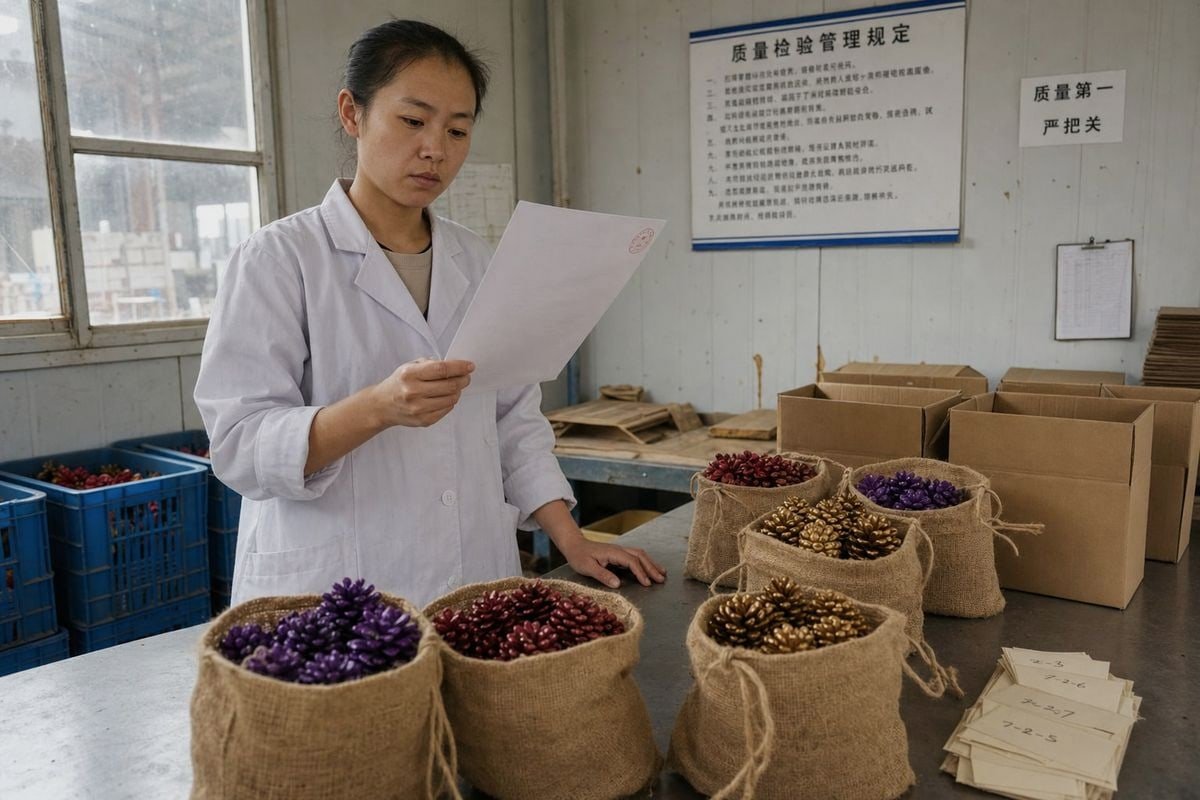
الآن، دعني أعالج وجهتي نظر متعارضتين يثيرهما المشترون معنا. الرأي المحافظ يقول: عامل جميع السلع القائمة على الصنوبر من الصين على أنها حساسة للوثائق، لأن مسؤولي صحة النبات قد يطالبون بإثبات المعالجة في أي وقت. الرأي الأضيق يقول: المنتجات الزخرفية غير التكاثرية مصرح بها بشكل عام، لذا فإن الأوراق الإضافية هي جهد ضائع. موقفنا بعد مئات الشحنات يقع عمدًا في المنتصف. لا ينبغي لك الدفع مقابل شهادة صحية نباتية لا تحتاجها. ولكن يجب عليك دائمًا الشحن مع شهادات المعالجة وبيانات قانون لاسي في متناول اليد، لأن التفتيش إلزامي ويطرح المفتشون أسئلة. الوثائق التي تظل غير مستخدمة لا تكلفك شيئًا. الوثائق المفقودة تكلفك رسوم الاحتجاز.
الآن، دعوني أعالج وجهتي نظر متعارضتين يطرحهما المشترون علينا. الرأي المحافظ يقول: تعامل مع جميع السلع المصنوعة من الصنوبر من الصين على أنها حساسة للمستندات، لأن مسؤولي صحة النبات قد يطالبون بإثبات المعالجة في أي وقت. الرأي الأضيق يقول: المنتجات الزخرفية غير التكاثرية مصرح بها بشكل عام، لذا فإن الأوراق الإضافية هي جهد ضائع. موقفنا بعد مئات الشحنات يقع عن قصد في المنتصف. لا ينبغي عليك الدفع مقابل شهادة صحة نبات لا تحتاجها. ولكن يجب عليك دائمًا الشحن مع شهادات المعالجة وبيانات Lacey في متناول اليد، لأن الفحص إلزامي ويطرح المفتشون أسئلة. المستندات التي لا تستخدم لا تكلفك شيئًا. المستندات المفقودة تكلفك رسوم الانتظار.
خطوات عملية قبل حجز الحاوية
- تأكيد تركيبة المنتج كتابيًا: مخاريط فقط، بدون لحاء، بدون أغصان، بدون إضافات خشبية.
- تحقق من تصنيف HTS مع وسيطك، وتحقق مما إذا كان أي أمر حالي من APHIS يمس المنتج.
- اجمع شهادة المعالجة من المورد، وبيانات الأنواع، ومنشأ الحصاد قبل مغادرة البضائع للمصنع.
- ضع في اعتبارك وصف المنتج بعناية: الشحنات الموصوفة على أنها سلع معالجة يتم تخليصها بشكل مختلف عن تلك المسماة بالحرف اليدوية الطبيعية، ويجب أن يتطابق الوصف مع الواقع.
- اسأل عما إذا كان المورد يمكنه دعم التبادل الإلكتروني لـ ePhyto إذا أصبحت الشهادة ضرورية في أي وقت، حيث لا يتم قبول سوى الأصول أو الإرسالات الإلكترونية المعتمدة.
- اطلب صورًا قبل الشحن للكرتون المعبأ حتى يتمكن وسيطك من الفحص المسبق للحطام المرئي.
يلعب التغليف دورًا هادئًا ولكنه حقيقي في منع الآفات الغازية. نقوم بإغلاق مخاريط الصنوبر الملونة باللهب في أكياس قابلة لإعادة الإغلاق، أو أكياس كرافت، أو جرار في خط الإنتاج، فورًا بعد دورة التجفيف النهائية. يحد التغليف الجاهز للبيع بالتجزئة والمغلق من إعادة التلوث أثناء النقل ويمنح أخصائي الزراعة في CBP منتجًا أنظف لفحصه. كما أنه ما تتطلبه قنوات التوريد الكبيرة بالتجزئة على أي حال، لذا فإن الامتثال والاستعداد للعرض يعزز كل منهما الآخر. بالنسبة لمشتري العلامات الخاصة، نقوم بطباعة ملصقات التحذير، والرموز الشريطية، وعلامات بلد المنشأ حتى لا يتم الإبلاغ عن أي شيء عند الدخول بسبب فجوات في الملصقات.
خاتمة
نادرًا ما تحتاج مخاريط الصنوبر الملونة للمدفأة من الصين إلى شهادة صحية نباتية - ولكنها دائمًا ما تحتاج إلى إعلان صادق، وبيانات قانون لاسي، ومعالجة مثبتة، ومورد تتطابق أوراقه مع الكرتون.
إليك الخلاصة المضغوطة لكل ما سبق:
- تعتبر مخاريط الصنوبر الملونة المعالجة وغير التكاثرية قابلة للقبول بشكل عام في الولايات المتحدة دون شهادة صحية نباتية، وتخضع للفحص.
- البذور الحية، أو اللحاء المرفق، أو المكونات الخشبية تغير التحليل ويمكن أن تؤدي إلى متطلبات الشهادة أو المعالجة.
- إعلان قانون لاسي مع الجنس والنوع وبلد الحصاد هو الوثيقة الأكثر احتمالاً لتأخيرك، وليس شهادة الصحة النباتية.
- المعالجة الحرارية بالإضافة إلى التشريب الكيميائي تعمل كإجراء وقائي للصحة النباتية ويجب أن تدعمها شهادة معالجة مكتوبة.
- التصنيف تحت رمز HTS الصحيح والإعلان الزراعي الصادق يحميك من المصادرة والعقوبات.
إذا كنت تقوم بتوريد مخاريط الصنوبر الملونة باللهب وترغب في شريك يشحن مع ملف الامتثال جاهزًا - سجلات المعالجة، وبيانات الأنواع، وتقارير الاختبار، وتغليف العلامات الخاصة الجاهز للبيع بالتجزئة - فهذا بالضبط ما نعمل به منذ أكثر من 17 عامًا. احصل على الأوراق الصحيحة مرة واحدة، وكل حاوية بعد ذلك يتم تخليصها بنفس الطريقة: بهدوء.
ملاحظات ختامية
معلومات رسمية من APHIS بشأن إعلانات قانون لاسي لواردات المنتجات النباتية. ↩︎
البوابة الرسمية لـ USDA APHIS لمعلومات ولوائح استيراد صحة النبات. ↩︎
نظرة عامة علمية على دودة خشب الصنوبر، وهي آفة غابات منظمة رئيسية.
 English
  Spanish
  German
  French
  Arabic
  Portuguese
انضم إلى المحادثة