






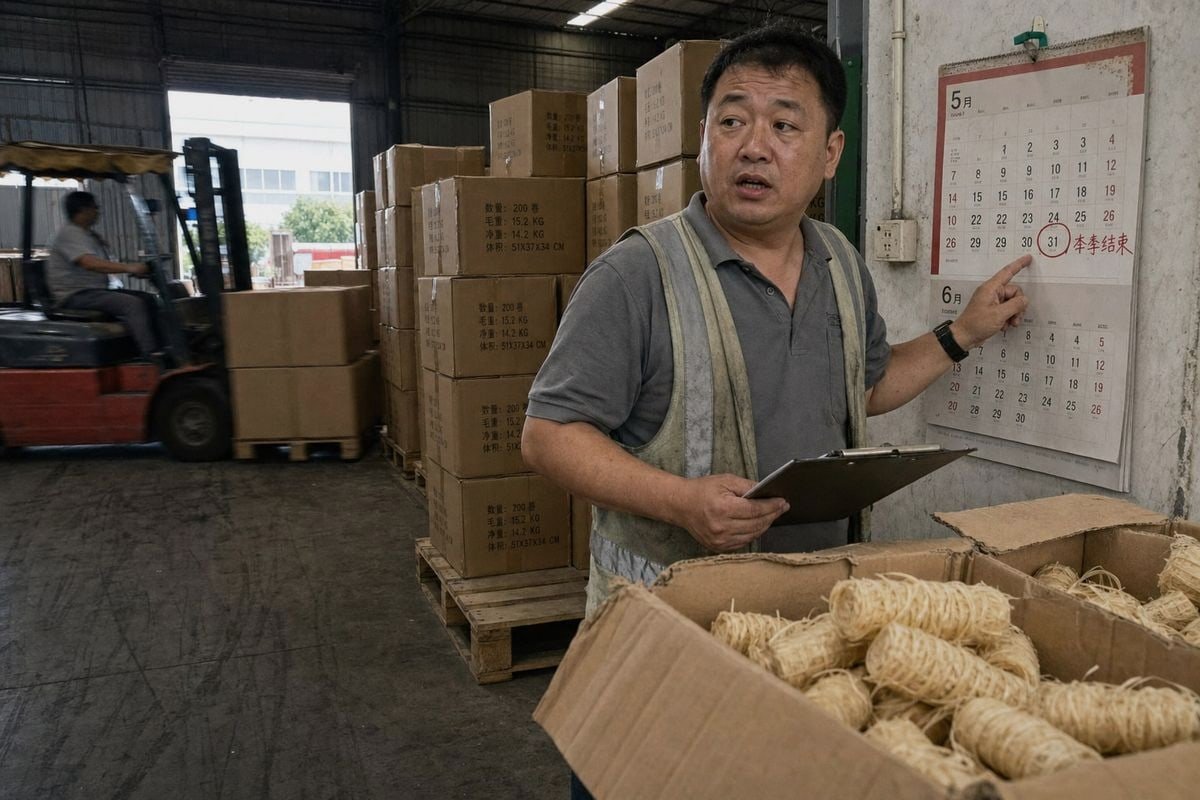
Toda primavera, os compradores me fazem a mesma pergunta sobre acendedores de fogo a lenha não vendidos SGS 1. Paletes sobrando prendem dinheiro, entopem armazéns e desgastam as relações com os distribuidores. Após mais de 17 anos gerenciando nossas linhas de produção, vi uma política de devolução clara resolver os três problemas.
Crie uma política de devolução para acendedores de fogo de madeira não vendidos, definindo uma janela de devolução pós-temporada de 30 a 60 dias, aceitando apenas unidades não abertas na embalagem original, oferecendo crédito para a próxima temporada em vez de reembolsos em dinheiro, cobrando uma taxa de reabastecimento e exigindo aprovação de devolução por escrito com documentação do lote antes de qualquer remessa.
Essa é a resposta curta. Os detalhes importam mais. Abaixo, detalho cada parte da política para que você possa proteger suas margens, manter seus distribuidores felizes e começar a próxima temporada limpo.
Como posso estruturar uma janela de devolução justa para acendedores de fogo de madeira sazonais que proteja minhas margens?
Um distribuidor alemão devolveu três paletes em julho, cinco meses após o fim da temporada de incêndios. Nosso contrato não tinha data de corte. Esse erro ensinou nossa equipe a definir janelas de devolução com precisão.
Defina uma janela de devolução de 30 a 60 dias a partir de uma data fixa de fim de temporada, não da compra. Aceite apenas estoque não aberto e revendável, limite as devoluções a 10-20% do pedido original e aplique uma taxa de reabastecimento para cobrir custos de inspeção, frete e reembalagem.
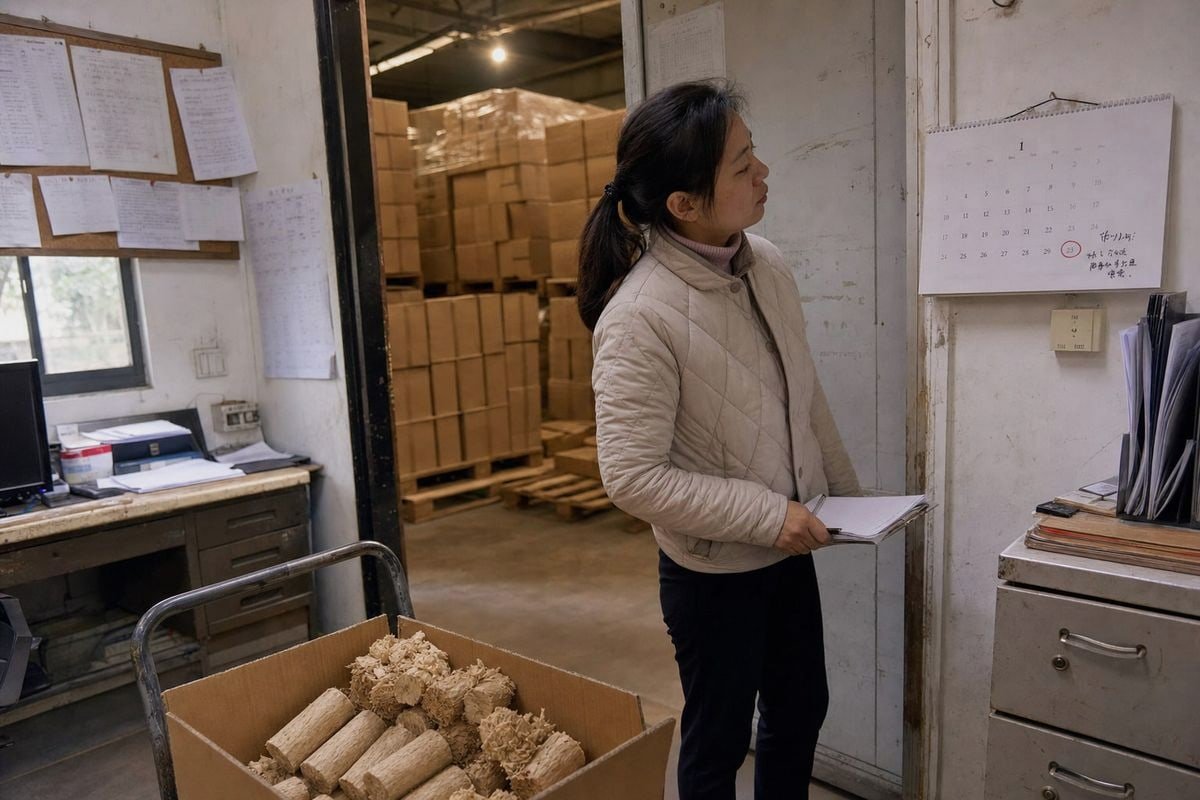
O maior erro que vejo é vincular a janela de devolução à data de compra. Compradores sazonais fazem pedidos em momentos diferentes. Um varejista que comprou em agosto e outro que comprou em novembro devem ter o mesmo prazo. Portanto, vincule a janela a um ponto fixo do calendário, como 31 de março no Hemisfério Norte, e dê a todos 30 a 60 dias a partir dessa data.
Por que a duração da janela importa
Uma janela curta força os varejistas a descontar e vender. Uma janela longa os convida a pedir em excesso, sabendo que podem devolver o estoque. Você quer uma janela longa o suficiente para parecer justa, mas curta o suficiente para que as devoluções cheguem enquanto você ainda pode inspecionar, reembalar e planejar a produção da próxima temporada.
Veja como as opções comuns se comparam:
| Duração da Janela | Proteção de Margem | Boa Vontade do Comprador | Exposição de Caixa Inicial |
|---|---|---|---|
| 14 dias pós-temporada | Forte | Fraco | Linhas de liquidação ou promocionais |
| 30 dias pós-temporada | Forte | Bom | Linha de base padrão para a maioria dos contratos |
| 60 dias pós-temporada | Moderado | Forte | Grandes contas-chave e novos mercados |
| 90+ dias pós-temporada | Fraco | Forte | Raramente aconselhável para consumíveis |
Limites e taxas mantêm a janela honesta
Também recomendamos um limite de devolução. Limitar as devoluções a 10-20% do valor do pedido original desencoraja pedidos em excesso especulativos. Combine o limite com uma taxa de reabastecimento 2 de 10-15%. A taxa não é uma penalidade. Ela reflete custos reais: coordenação de frete de devolução, mão de obra de inspeção e reembalagem. Quando os compradores conhecem esses termos antecipadamente, eles preveem com mais cuidado, e todos ganham.
Que conformidade e documentação devo exigir dos distribuidores ao aceitar devoluções de estoque não vendido?
Nossa equipe de CQ em Ningbo uma vez rejeitou um palete devolvido porque as caixas tinham manchas visíveis de água. Sem registros de lote, não conseguimos determinar quando o dano ocorreu. A documentação teria resolvido em minutos.
Exigir uma autorização de devolução de mercadoria por escrito antes do envio, mais números de lote ou partida, referências de fatura original, listas detalhadas de quantidade, fotos da condição da caixa, confirmação da condição de armazenamento e prova de que os bens permanecem na embalagem original fechada com etiquetas intactas.
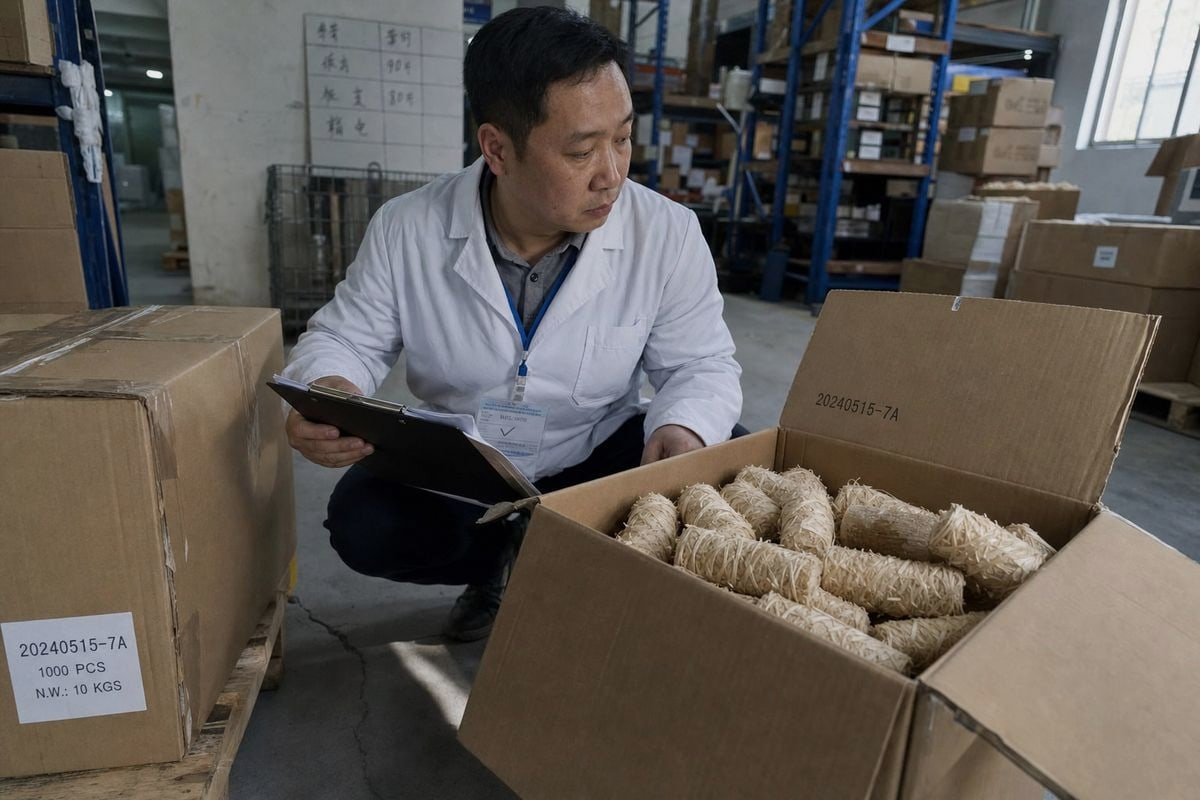
Acendedores de fogo são consumíveis de cera e fibra de madeira. Eles absorvem umidade, degradam no calor e perdem a confiabilidade de ignição se armazenados incorretamente. Portanto, a documentação não é burocracia. É como você separa estoque revendível de estoque não revendível antes que ele chegue ao seu cais.
Construa a devolução em torno de um processo de RMA
Nunca aceite uma devolução que simplesmente apareça. Exija uma autorização de devolução de mercadoria 3 primeiro. O distribuidor envia uma solicitação, você a revisa de acordo com os termos do contrato, e somente então os bens se movem. Este único passo filtra a maioria das devoluções problemáticas. Em nossos contratos de exportação para os EUA e Europa, tratamos o RMA como prática padrão, não uma exceção.
Aqui está o pacote de documentação que recomendamos exigir:
| Documento | Propósito | Quem o Fornece |
|---|---|---|
| Formulário de solicitação de RMA | Aciona a aprovação antes do envio | Distribuidor |
| Fatura original ou número do PO | Verifica os bens e preços | Distribuidor |
| Códigos de lote ou partida | Confirma a idade e o lote de produção | Ambas as partes |
| Fotos da condição da caixa | Documenta o estado antes do trânsito | Distribuidor |
| Declaração de armazenamento | Confirma armazenamento seco e seguro contra temperatura | Distribuidor |
| Relatório de inspeção | Decisão final de revenda | Vendedor / fábrica |
Não se esqueça da classificação de envio
Acendedores de fogo de madeira feitos de fibra de madeira e parafina 4 são mercadorias combustíveis 5. Algumas transportadoras restringem ou cobram taxas extras. Exija que os distribuidores declarem o produto corretamente na documentação de frete de retorno. Uma remessa mal declarada pode ser recusada, atrasada ou multada. Imprimimos códigos de lote em todas as caixas de nossas linhas de produção, em parte por esse motivo: a rastreabilidade protege ambos os lados quando uma remessa é questionada em qualquer ponto da cadeia.
Como faço para gerenciar o reabastecimento, reembalagem ou reutilização de iniciadores de fogo devolvidos para a próxima temporada?
Os rolos de madeira mergulhados em cera são produtos tolerantes quando bem armazenados. Em nossos testes de armazém, unidades devidamente seladas de uma temporada acenderam tão confiavelmente quanto na próxima. A embalagem, não o produto, geralmente falha primeiro.
Inspecione cada unidade devolvida quanto a humidade, adulteração e danos na embalagem, em seguida, separe em três fluxos: revenda de stock fechado como está na próxima estação, reembalagem de unidades com caixas exteriores danificadas e desvio de produto comprometido para canais de doação, amostragem ou eliminação.
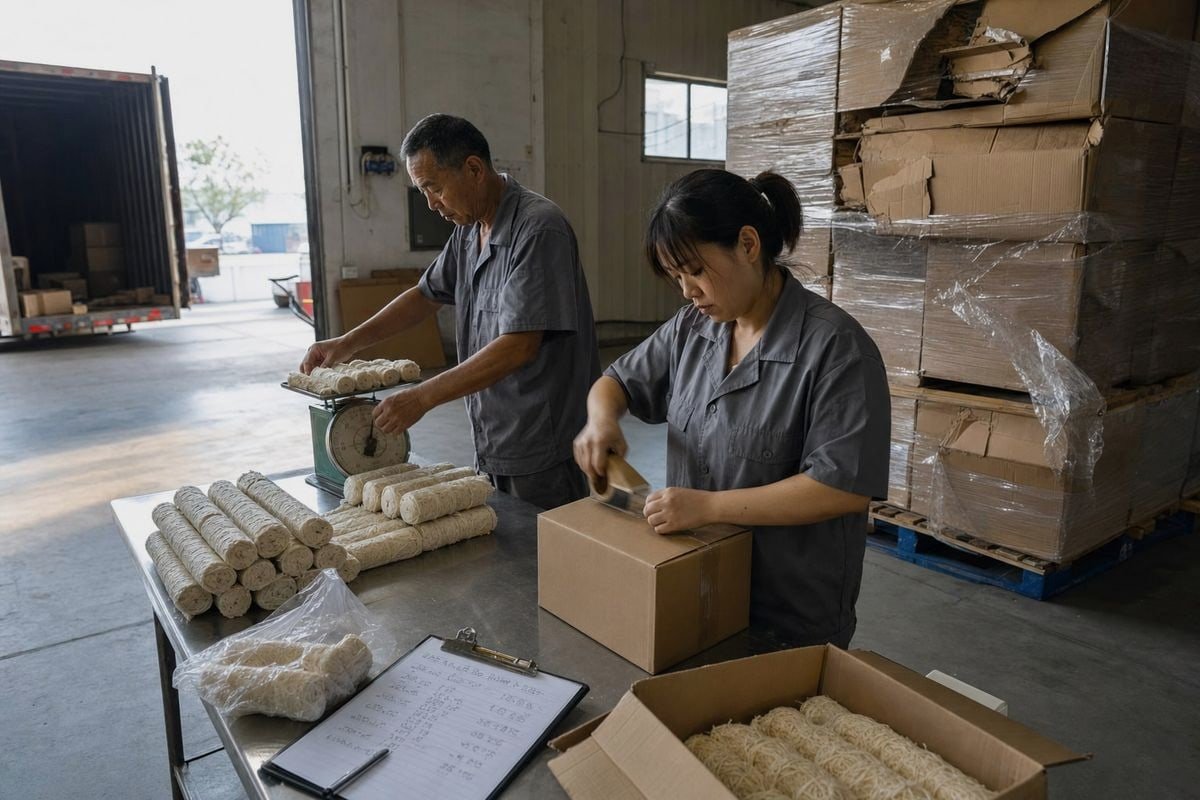
O objetivo da recepção é rapidez e honestidade. Você precisa saber, em poucos dias, quanto do estoque devolvido é inventário real para a próxima temporada e quanto é baixa. Esse número impulsiona seu próximo pedido de produção, portanto, não deixe paletes devolvidos fechados até o outono.
Um processo de triagem de três fluxos
Aconselhamos os compradores a executar a recepção como um processo numerado simples:
- Quarentene os retornos recebidos em uma área seca e fria, longe do estoque ativo.
- Verifique os códigos de lote em relação à documentação RMA.
- Inspecione as caixas em busca de manchas de água, amassados e exposição ao calor.
- Verifique unidades internas em busca de eflorescência de cera, umidade, fibras soltas ou odor.
- Separe em fluxos de revenda, reembalagem ou reutilização.
- Atualize os registros de inventário e confirme o valor do crédito devido.
As unidades revendáveis voltam para armazenamento selado. Como nossos acendedores de fogo de madeira usam parafina e fibra de madeira natural com sem produtos químicos nocivos, a vida útil é longa quando a umidade é controlada. Unidades com caixas externas danificadas, mas produto intacto, podem ser reembaladas. É aqui que trabalhar com um parceiro OEM ajuda: produzimos regularmente caixas de varejo de substituição, embalagens de exibição e rótulos de aviso atualizados para compradores que renovam estoque transferido, para que o produto da temporada passada volte às prateleiras com aparência de novo.
Reutilizando o que você não pode revender
Nem tudo deve retornar ao varejo. Unidades ligeiramente imperfeitas servem como excelentes amostras para feiras, kits de demonstração para revendedores ou brindes em pacotes. Doações para programas comunitários ou grupos de escoteiros também podem reduzir os custos de descarte e gerar boa vontade, e em alguns mercados um recibo fiscal. Apenas produtos claramente comprometidos, como unidades encharcadas de umidade ou contaminadas, devem ser descartados, e devem ser descartados adequadamente como material combustível.
Que termos de devolução devo negociar com meu fabricante para evitar absorver todo o risco sazonal sozinho?
Os compradores muitas vezes assumem que as fábricas se recusam a compartilhar o risco sazonal. Em nosso trabalho de exportação em mais de 30 países, o oposto é verdadeiro: boas fábricas preferem compartilhar o risco contratualmente a perder um comprador recorrente para uma temporada ruim.
Negocie direitos de devolução baseados em defeitos com evidências fotográficas, crédito transferível para o pedido da próxima temporada, remessas escalonadas menores em vez de uma entrega em massa, MOQs de teste flexíveis e embalagens neutras ou atualizáveis para que o estoque não vendido permaneça vendável em várias temporadas.
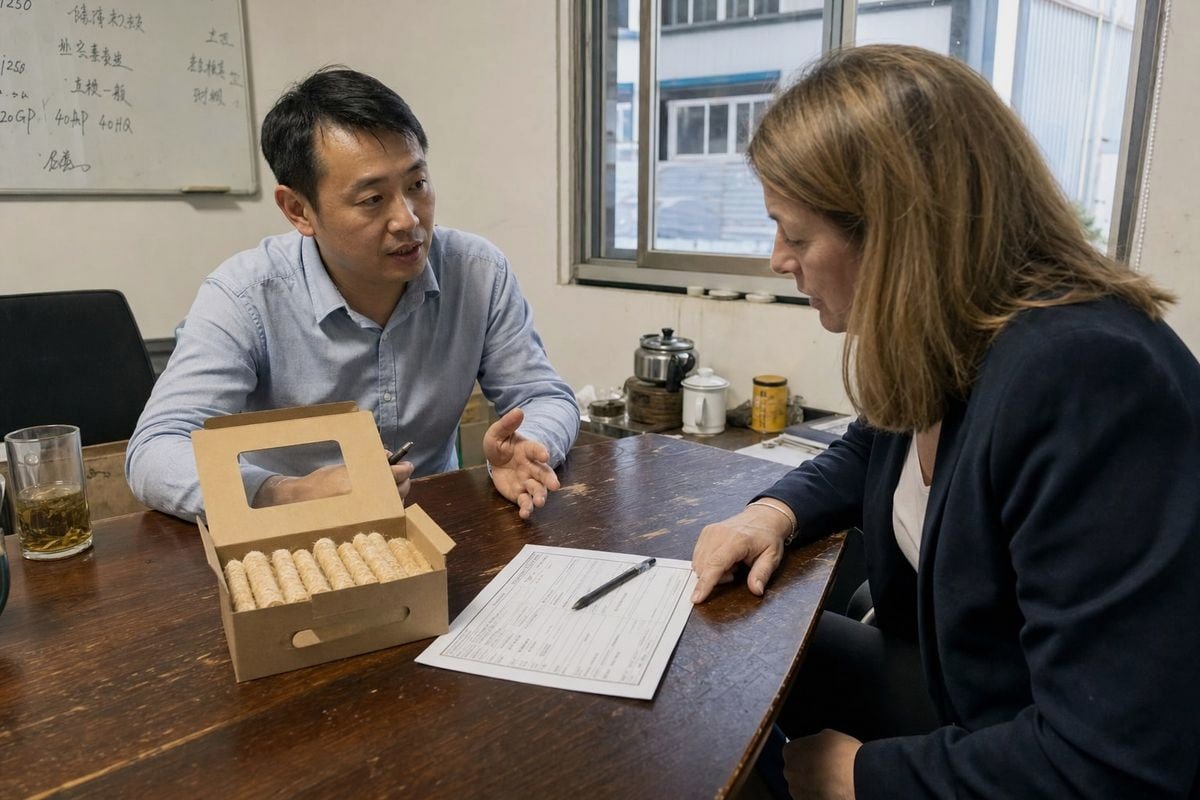
Você não pode enviar paletes de volta para a China economicamente. O frete de retorno de consumíveis combustíveis de baixo custo raramente faz sentido. Portanto, a negociação não é realmente sobre devoluções físicas. Trata-se de quem carrega o peso financeiro de estoque não vendido ou defeituoso, e como.
Separe defeitos de excesso de estoque
Primeiro, divida os dois tipos de risco. Defeitos são responsabilidade da fábrica. Excesso de estoque é um problema de previsão que você compartilha. Nossos contratos lidam com defeitos com evidências fotográficas e de código de lote: o comprador documenta o problema, nós o verificamos em relação aos nossos registros de produção e emitimos crédito ou unidades de substituição gratuitas no próximo envio. Nenhuma mercadoria cruza o oceano duas vezes. O excesso de estoque é tratado de forma diferente, por meio da estrutura de pedidos e créditos.
| Alavanca de Negociação | O que pedir | Por que reduz seu risco |
|---|---|---|
| Remédio para defeitos | Crédito ou substituições contra evidência fotográfica | Sem frete de retorno em mercadorias defeituosas |
| Crédito de transferência | Crédito parcial aplicado ao PO da próxima temporada | Converte o custo de estoque morto em desconto futuro |
| Envios escalonados | Duas ou três entregas ao longo da temporada | Você reordena com base na venda real |
| MOQs de Teste | Mínimos de primeiro pedido mais baixos quantidades mínimas de pedido 6 | Teste a demanda antes de comprometer o volume |
| Embalagem perene | Caixas de varejo neutras e sem data | Estoque sobrando vende na próxima temporada sem alterações |
Por que as remessas escalonadas importam mais
O termo mais forte é entrega escalonada. Um pedido em massa de setembro força você a adivinhar a demanda de uma temporada inteira com antecedência. Duas ou três remessas menores permitem que os dados de venda em tempo real impulsionem seus reordenamentos. Nossa fábrica apoia isso porque nosso controle de qualidade lote a lote mantém cada remessa consistente, para que sua segunda remessa corresponda exatamente à sua primeira. Uma fábrica que resiste a pedidos escalonados, ou cuja qualidade varia entre os lotes, está silenciosamente transferindo todo o risco sazonal para você. Certificações como ISO 9001 7, BSCI e relatórios de teste de terceiros SGS ou Intertek também valem a pena verificar aqui, porque produtos em conformidade e bem documentados são muito mais fáceis de transferir, descontar ou redirecionar para outro canal do que estoque não certificado.
Conclusão
Acendedores de fogo não vendidos drenam dinheiro e espaço de armazém a cada primavera. Se não gerenciados, eles envenenam os relacionamentos com os distribuidores. Uma política clara de devolução sazonal resolve isso silenciosamente.
Construa sobre quatro pilares: uma janela pós-temporada fixa de 30 a 60 dias, regras rigorosas de condição não aberta apoiadas por documentação RMA e códigos de lote, um processo disciplinado de triagem e reembalagem na entrada e termos do fabricante que trocam devoluções físicas por créditos e remessas escalonadas. Nos meus anos fornecendo acendedores de fogo a lenha para importadores nos EUA e na Europa, os compradores que prosperam não são aqueles que evitam completamente o estoque restante. São aqueles cujos contratos decidiram, meses antes, exatamente o que aconteceria com ele. Escreva sua política antes que a temporada comece, coloque-a em todos os acordos de venda e aplique-a da mesma forma para todas as contas. Suas margens, seu armazém e seus parceiros ficarão todos melhores por isso.
Notas de rodapé
Fonte oficial da empresa de testes e inspeção de terceiros referenciada no artigo. ↩︎
Orientação da FTC sobre práticas de política de reembolso e devolução relevantes para os termos de taxa de reabastecimento. ↩︎
Link de conceito de fundo explicando o processo RMA referenciado para devoluções de distribuidores. ↩︎
Referência de fundo sobre o material de cera usado na produção de acendedores de fogo a lenha. ↩︎
Explica a classificação relevante para restrições de envio em acendedores de fogo à base de cera. ↩︎
Recurso Trade.gov explicando conceitos de MOQ relevantes para negociações de pedidos de teste com fabricantes. ↩︎
Referência oficial da norma ISO para a certificação de gestão de qualidade mencionada no artigo. ↩︎

 English
  Spanish
  German
  French
  Arabic
  Portuguese
Participe da conversa