






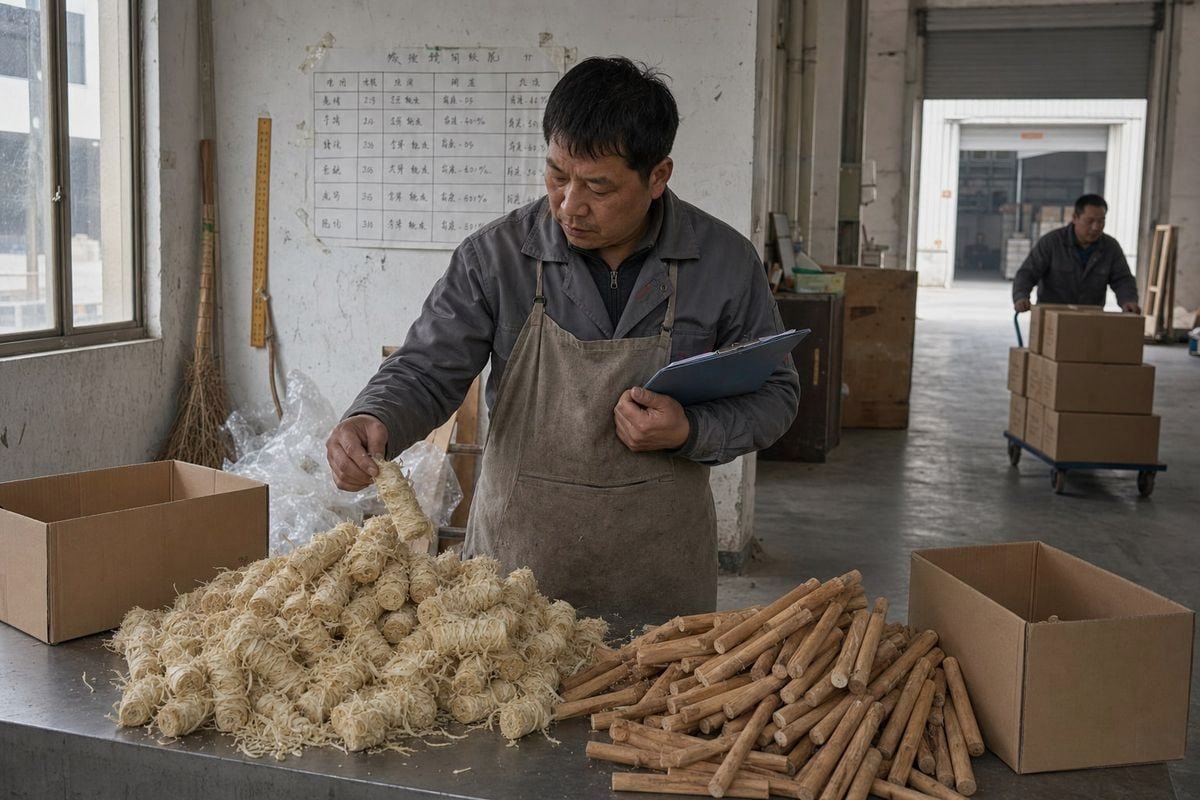
Ajuster votre assortiment de produits allume-feu pour bois en fonction des réglementations régionales sur la qualité de l'air est désormais une compétence de survie. J'ai appris cela à mes dépens lorsqu'une expédition d'un acheteur a été bloquée à la douane pour un rapport de test manquant. Un seul SKU non conforme peut geler un conteneur entier, réduire votre marge et nuire à la confiance des détaillants. Sur notre chaîne de production à Ningbo, nous avons résolu ce problème en intégrant la conformité dans la formule elle-même, plutôt qu'en l'ajoutant à la fin.
Pour ajuster un mélange de produits d'allumage de bois en fonction des réglementations régionales sur la qualité de l'air, cartographiez d'abord les limites de COV, les règles sur les particules et les politiques d'interdiction de brûlage de chaque marché. Ensuite, divisez les SKUS par région, utilisez des formulations naturelles à faibles émissions, ajoutez un étiquetage conforme et exigez des rapports de test de tiers de votre fournisseur avant l'expédition.
Cette réponse semble simple. En pratique, "allume-feu pour bois" n'est pas un produit universel. Laissez-moi vous expliquer comment les règles diffèrent et comment construire un portefeuille qui passe la douane et satisfait les régulateurs partout où vous vendez.
Quelles certifications de qualité de l'air ai-je besoin avant d'expédier des allume-feux en bois vers différentes régions ?
Un distributeur allemand m'a un jour posé une question qui a remodelé la façon dont nous gérons nos documents d'exportation : "Quel certificat arrête mon conteneur à Hambourg ?" La réponse honnête dépend entièrement de la destination du produit.
Les certifications requises varient selon la destination : les expéditions américaines vers la Californie peuvent nécessiter la conformité CARB pour les matériaux d'allumage adjacents au charbon, les marchés de l'UE attendent le marquage CE et des données de sécurité alignées sur REACH, et la plupart des grands détaillants exigent des rapports de test SGS ou Intertek couvrant les émissions, la composition et le comportement à la combustion.
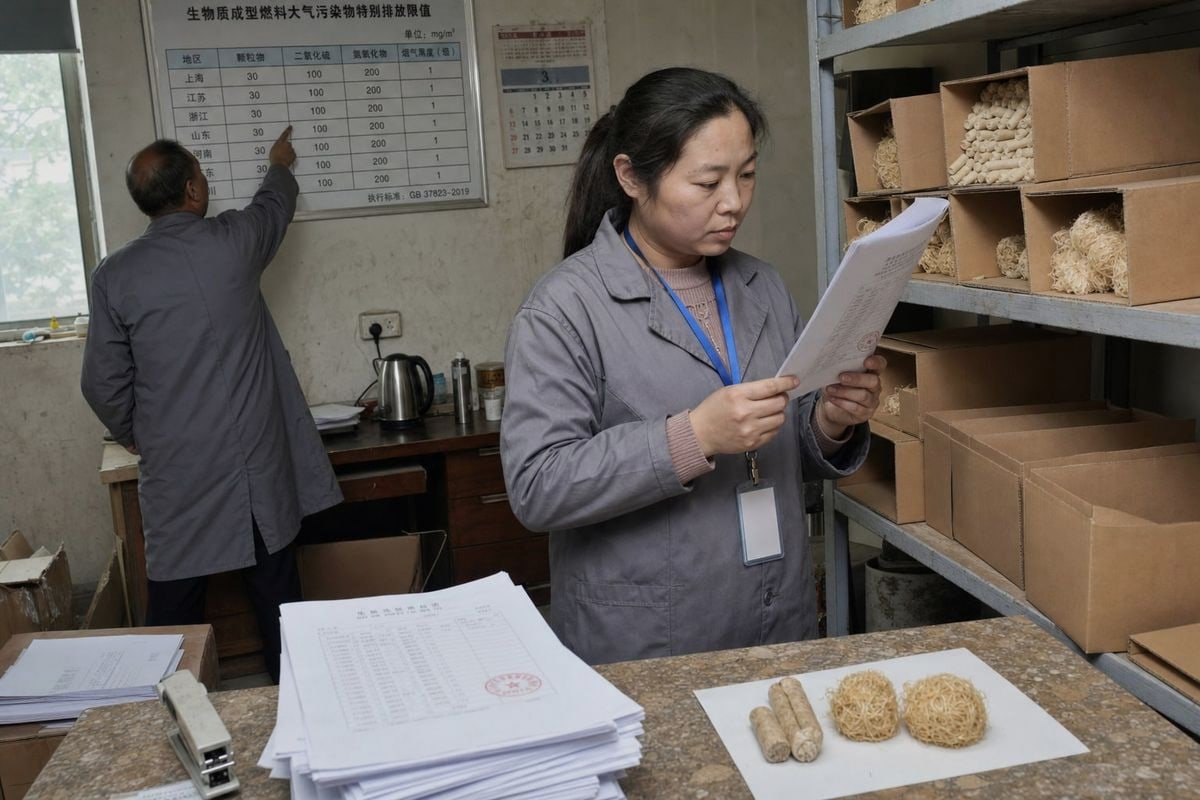
La première chose que je dis à chaque nouvel acheteur est la suivante : les régulateurs ciblent rarement les "allume-feux" comme une catégorie unique. Au lieu de cela, ils réglementent ce que votre produit émet, ce qu'il contient et avec quoi il est utilisé. Votre liste de contrôle de certification change donc en fonction de si l'allume-feu est vendu pour des barbecues au charbon de bois, des cheminées, des poêles à bois ou des braseros.
Les trois modèles réglementaires que vous devez connaître
Il existe trois modèles dominants dans le monde, et votre assortiment de produits devrait refléter les trois :
| Modèle réglementaire | Région exemple | Ce qu'il contrôle | Ce dont vous avez besoin |
|---|---|---|---|
| Certification COV | Californie (CARB, SCAQMD) | Composés Organiques Volatils par allumage | Tests en laboratoire, certification, étiquettes conformes |
| Réduction de la fumée | Baie de San Francisco, zones de contrôle de la fumée au Royaume-Uni | Matière particulaire PM2.5, conformité aux interdictions de brûlage | Formules à faible émission de fumée, affirmations d'utilisation prudentes |
| Qualité du combustible | Nouvelle-Zélande, Australie occidentale | Teneur en humidité du bois, émissions des appareils | Instructions supposant du bois sec avec moins de 20 % d'humidité |
La Californie est l'exemple le plus strict en matière de COV. Les allume-charbon de bois vendus là-bas ne doivent pas émettre plus de 0,020 livre de COV par allumage, et les produits nécessitent Certification ARB 1 avec un étiquetage approprié. Si votre allume-feu à base de cire est commercialisé pour l'allumage du charbon de bois, il peut entrer dans cette catégorie. Dans la région de la South Coast AQMD 2 , la certification du district en vertu de la règle 1174 s'applique en plus des règles de l'État.
D'après notre expérience d'exportation dans plus de 30 pays, le flux de travail le plus sûr consiste à certifier selon le marché le plus strict de votre plan de distribution. Nos systèmes ISO 9001 3 et BSCI garantissent que chaque lot de production est documenté, de sorte que lorsqu'un acheteur demande un nouveau rapport SGS ou Intertek pour un marché spécifique, nous pouvons retracer le lot et la formulation exacts. C'est cette traçabilité que les agents des douanes et les équipes de conformité des détaillants vérifient réellement.
N'oubliez pas non plus que les normes d'émission de l'EPA 4 pour les appareils de combustion du bois façonnent le marché indirect. Les poêles certifiés modernes brûlent plus proprement, et les détaillants souhaitent de plus en plus des allume-feux qui soutiennent cette combustion plus propre plutôt que de la combattre.
Comment choisir des formules d'allume-feu au bois à faibles émissions qui respectent les réglementations strictes de l'UE et des États-Unis ?
Il y a un compromis que nous évaluons dans chaque réunion de formulation : vitesse d'allumage versus profil d'émission. Un allume-feu riche en pétrole s'allume rapidement et fait bonne impression lors des démonstrations. Mais c'est exactement ce que les régulateurs stricts éliminent progressivement.
Choisissez des formules à base de fibre de bois naturelle, de laine de bois ou de sciure de bois compressée liée avec de la paraffine ou de la cire végétale à combustion propre. Évitez les solvants pétroliers, les plastiques et le bois traité. Ces allume-feu à faibles émissions minimisent les COV et les particules PM2,5 tout en assurant un allumage fiable et chaud.
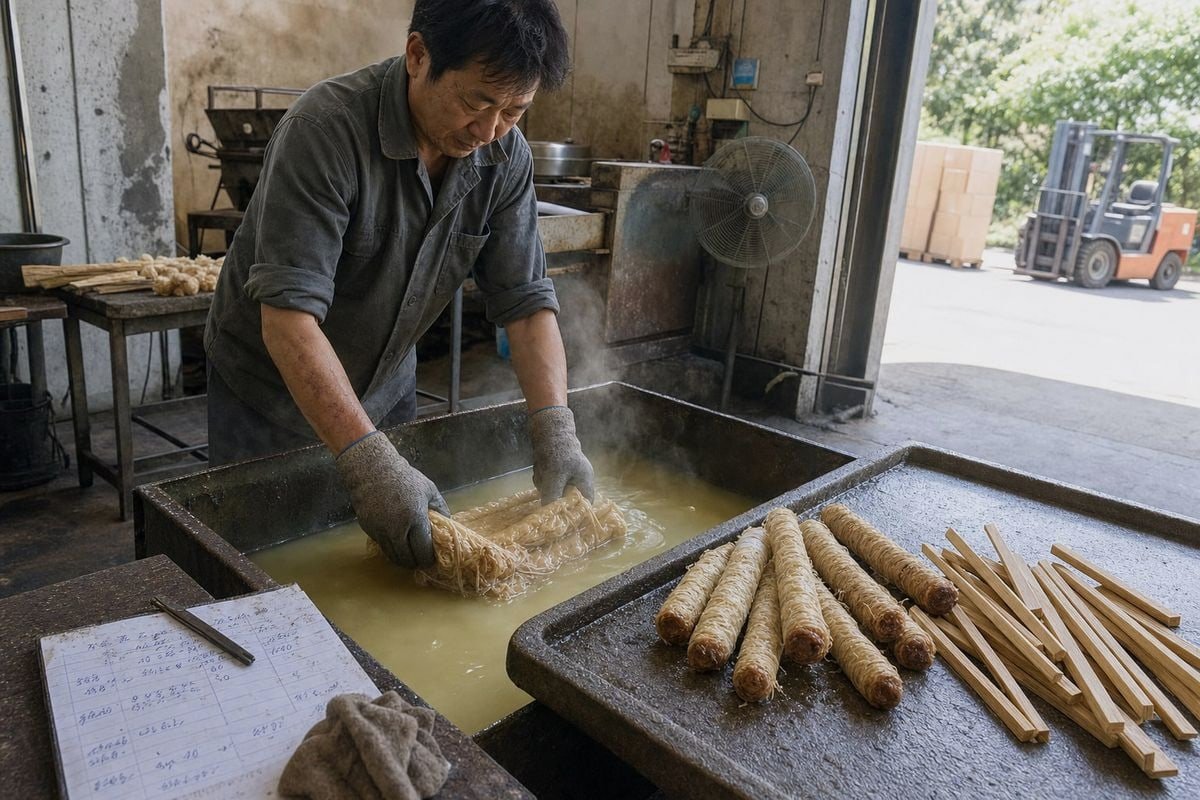
Lorsque nous avons développé nos rouleaux de bois trempés dans la cire, nous avons testé des dizaines de ratios cire/fibre. La leçon était claire : les émissions dépendent de la chimie et de la structure de combustion. Un allume-feu en laine de bois 5 bien enroulé avec la bonne charge de cire donne une flamme chaude et stable avec beaucoup moins de fumée visible qu'un bloc imbibé de solvant. Cela compte dans les zones de contrôle de la fumée au Royaume-Uni et dans les districts aériens américains qui émettent des restrictions de brûlage lors des journées de forte pollution.
Ce qu'il faut inclure et exclure
Voici la liste de contrôle de formulation pratique que je partage avec les responsables du développement de produits :
| Composant | Choix conforme | Éviter |
|---|---|---|
| Matériau de base | Fibre de bois naturelle, laine de bois, sciure de bois | Bois traité, plastiques, caoutchouc |
| Liant | Paraffine de qualité alimentaire, cire végétale | Solvants pétroliers, accélérants de type kérosène |
| Additifs | Aucun, ou colorants certifiés sans danger | Composés chlorés, métaux lourds |
| Structure | Unités compressées et pré-mesurées | Accélérants liquides ou en gel en vrac |
Une composition 50/50 de fibres de bois et de paraffine, comme celle imprimée sur nos boîtes de détail… est une base éprouvée. Elle brûle assez chaudement pour allumer rapidement le petit bois, ce qui raccourcit la phase de "démarrage à froid" enfumée qui génère la plupart des particules de démarrage 6. C'est la phase qui préoccupe le plus les régulateurs.
Adaptez la formule au modèle réglementaire
Pour les marchés réglementés par les COV, les allume-feux solides pré-mesurés sont intrinsèquement plus sûrs que les liquides car les émissions par allumage sont prévisibles et testables. Pour les marchés de réduction de la fumée, privilégiez les alternatives de petit bois écologiques et les allume-feux qui favorisent l'allumage par le haut, ce qui réduit considérablement la fumée de démarrage. Pour les marchés de qualité du bois de chauffage, comme en Australie occidentale, où le bois de chauffage avec une humidité interne de plus de 20% humidité interne 7 ne peut pas être vendu à Perth sans dérogation, vos instructions doivent supposer du bois sec — ne positionnez jamais l'allume-feu comme un secours pour les bûches humides.
Une tendance de plus à surveiller : les combustibles durables à base de biomasse 8 et les allume-feux "ultra-basse émission" à base de biochar gagnent de l'espace en rayon sur les marchés urbains européens. Ils constituent un article de luxe intelligent pour les régions où le contrôle des PM2,5 se resserre continuellement.
Sunrich peut-il m'aider à personnaliser des mélanges d'allume-feu en bois pour des marchés aux normes de qualité de l'air variables ?
L'année dernière, un importateur canadien est venu nous voir avec une demande inhabituelle : une marque, trois marchés, trois environnements de conformité différents. Notre réponse a été de créer trois variantes d'articles de stock à partir d'une famille de produits de base — et c'est exactement le type de projet pour lequel notre usine est conçue.
Oui. Sunrich offre une personnalisation complète OEM/ODM des mélanges d'allume-feu en bois, ajustant les ratios de cire, le temps de combustion, la taille et l'emballage par marché. Avec plus de 17 ans d'expérience dans la production, les systèmes ISO 9001 et BSCI, et les rapports de test SGS/Intertek, nous construisons des SKUs conformes aux réglementations régionales à partir de MOQ de commande d'essai et plus.
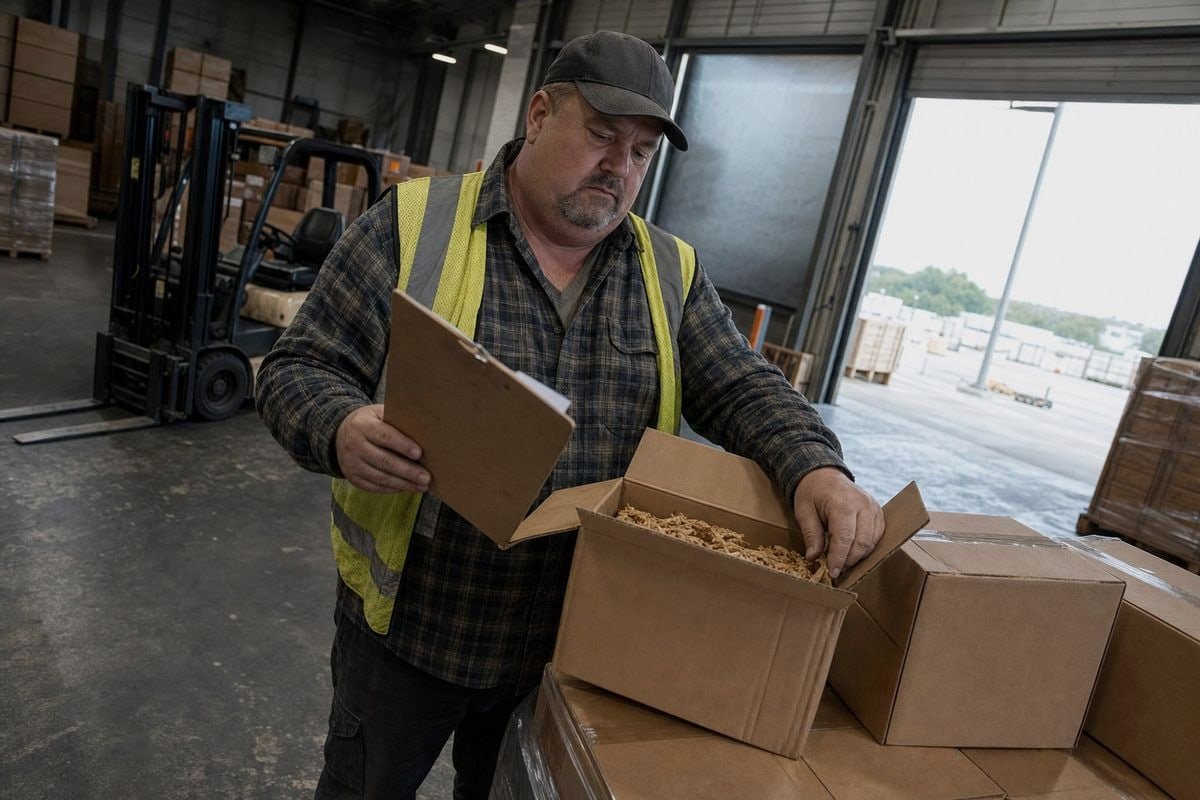
Laissez-moi être concret sur ce que signifie la personnalisation dans notre atelier de production à Ningbo, soutenu par notre siège social à Liuyang, Hunan. Nous sommes une vraie usine, pas une société de négoce, ce qui signifie que les changements de formulation se font en interne avec un contrôle qualité complet lot par lot. L'échantillon que vous approuvez reflète de manière fiable la qualité de la production de masse — un point que nos acheteurs de longue date valorisent plus que tout devis.
Comment se déroule généralement un projet de personnalisation régionale
- Cartographie du marché. Vous nous indiquez vos régions cibles. Nous examinons ensemble les règles pertinentes : limites de COV, zones de contrôle de la fumée, réglementations sur la teneur en humidité et exigences d'étiquetage.
- Ajustement de la formule. Nous ajustons les fibres de bois, le type de cire et la charge de cire pour le profil d'émission que chaque marché exige. Pour les marchés urbains stricts, cela signifie généralement une charge de cire plus faible et une compression des fibres plus dense pour une ignition plus propre.
- Calibration du temps de combustion. Le temps de combustion est réglable. Un allume-feu pour poêles certifiés EPA a besoin d'une courbe de combustion différente de celle d'un foyer ouvert.
- Emballage et étiquetage. Nous produisons des boîtes personnalisées, des emballages d'exposition, des étiquettes d'avertissement et des codes-barres. Pour les marchés réglementés, nous ajoutons des divulgations de composition, des ratios d'utilisation et un codage de date de fabrication.
- Tests et documentation. Nous organisons des tests SGS ou Intertek sur la formulation finale et fournissons des rapports liés à votre article de stock spécifique.
Pourquoi les articles de stock régionaux battent une formule universelle
Une seule formule nationale simplifie la logistique, mais elle vous oblige à tout certifier selon la règle la plus stricte — souvent en sur-ingénierie des produits pour les marchés laxistes. Une approche multi-articles de stock vous permet de vendre des allume-feux conformes CARB en Californie, des variantes à faible émission dans les zones de restriction, et des formules standard ailleurs. Parce que nous gérons des lignes de production complètes, la complexité ajoutée repose de notre côté, pas du vôtre. Nous prenons également en charge des MOQ flexibles pour les commandes d'essai, afin que vous puissiez tester une variante régionale avant de vous engager sur des volumes de conteneurs complets.
Notre politique de matériaux écologiques — aucun produit chimique nocif dans nos allume-feux, nos produits à flamme colorée et nos torches à cire — signifie que chaque mélange personnalisé part d'une base propre. Cela raccourcit le chemin vers la conformité dans presque toutes les juridictions.
Quelle documentation dois-je demander à mon fournisseur pour prouver la conformité avec les règles régionales de qualité de l'air ?
Au début de notre histoire d'exportation, nous avons appris une leçon douloureuse : la mise en vente au détail d'un acheteur a été retardée de plusieurs semaines car le rapport de test que nous avions fourni couvrait le bon produit mais la mauvaise année de lot. Depuis lors, nous traitons la documentation comme faisant partie intégrante du produit.
Demander des rapports d'essais de tiers sur les émissions et la composition (SGS ou Intertek), des certificats ISO 9001, BSCI et CE, des fiches de données de sécurité, des enregistrements de traçabilité des lots et des preuves d'étiquetage montrant la composition, les instructions d'utilisation et les déclarations requises. Vérifier que chaque document correspond exactement à votre SKU et à votre lot de production.
Le principe de base est simple : une affirmation sans document est un risque. Lorsque votre courtier en douane, votre équipe de conformité de détail ou un inspecteur de district de l'air demande une preuve, vous avez besoin de documents qui correspondent au produit physique sur l'étagère. Voici la matrice de documentation que je recommande à chaque responsable des achats de conserver :
| Document | Ce qu'il prouve | Signal d'alarme s'il manque |
|---|---|---|
| Rapport de test par un tiers (SGS/Intertek) | Émissions, composition, comportement de combustion | Le fournisseur s'appuie sur des données auto-déclarées |
| Certificat ISO 9001 | Système de management de la qualité | Risque de qualité de lot incohérente |
| rapport d'audit BSCI | Normes de production éthiques | Retards d'intégration des détaillants |
| documentation CE | Conformité au marché de l'UE | Blocage du dédouanement UE |
| Fiche de données de sécurité | Sécurité des ingrédients, manipulation | Incapacité à répondre aux questions de toxicité |
| Dossiers de lot avec codes de date | Traçabilité jusqu'à la série de production | Le rapport peut ne pas correspondre aux marchandises expédiées |
| Preuves d'étiquetage | Revendications et instructions conformes | Amendes pour étiquetage incorrect, rappels de produits |
Trois habitudes de vérification qui vous font économiser plus tard
Premièrement, vérifiez les dates. Les rapports de test vieillissent et les formulations dérivent dans les usines négligentes. Demandez quand le rapport a été émis et si la formule a changé depuis. Dans notre usine, des contrôles stricts lot par lot signifient que la réponse est documentée, pas devinée.
Deuxièmement, vérifiez la portée. Un rapport sur une formule d'allume-charbon ne couvre pas un allume-feu de cheminée, même du même fournisseur. La catégorie d'utilisation prévue est importante pour les régulateurs.
Troisièmement, vérifiez les revendications par rapport aux règles locales. Les étiquettes ne doivent jamais impliquer que le produit permet de brûler pendant les alertes "Spare the Air", de outrepasser les restrictions d'interdiction de brûlage, ou de fonctionner correctement avec du bois vert et à forte teneur en humidité. L'examen du langage des étiquettes par rapport aux règles de chaque région est une assurance bon marché — et c'est un examen que nous effectuons avec les acheteurs avant chaque tirage d'impression de marque privée.
Conclusion
Les règles régionales de qualité de l'air transforment les allume-feu à bois d'une commodité en un portefeuille axé sur la conformité. Cartographiez chaque marché, divisez les SKU, exigez la documentation — et associez-vous à une usine qui intègre la conformité dès le premier lot.
Notes de bas de page
Le California Air Resources Board établit les règles de certification des COV auxquelles il est fait référence pour les produits allume-feu au charbon de bois. ↩︎
Régulateur officiel dont la règle 1174 régit les émissions des allume-feu au charbon de bois dans le district. ↩︎
Page officielle de la norme ISO expliquant le système de gestion de la qualité auquel il est fait référence pour la documentation des lots. ↩︎
Le programme EPA Burn Wise explique les normes d'émission pour les appareils de chauffage au bois mentionnés dans l'article. ↩︎
Contexte sur le matériau de laine de bois utilisé comme base d'allume-feu à faibles émissions. ↩︎
Explication par l'EPA des particules PM2,5 pertinentes pour les émissions de fumée au démarrage discutées. ↩︎
Contexte sur les normes de teneur en humidité du bois de chauffage pertinentes pour la réglementation de la qualité du combustible en Australie occidentale. ↩︎
Ressource IEA bioénergie pertinente pour la tendance émergente des allume-feu à biomasse à faibles émissions discutée. ↩︎


 English
  Spanish
  German
  French
  Arabic
  Portuguese
Rejoignez la conversation