







L'approvisionnement en matériaux durables pour les allume-feu en bois est plus difficile qu'il n'y paraît. Sur notre chaîne de production à Ningbo, j'ai rejeté des expéditions entières de matières premières qui n'ont pas respecté nos normes écologiques. Les fournisseurs adorent le mot " naturel ", mais un allume-feu éco-labellisé peut rapidement couler une marque de détail. Les acheteurs reçoivent des retours, les détaillants retirent le produit et votre réputation s'enflamme avec lui. La solution consiste à savoir exactement quels matériaux résistent à l'examen minutieux — et quelles affirmations s'effondrent sous un rapport de test SGS.
Privilégiez les sous-produits du bois récupéré — laine de bois certifiée FSC, copeaux de bois post-industriels et sciure de bois comprimée — liés avec des cires d'origine végétale comme le soja ou la cire d'abeille naturelle. Évitez la paraffine, le kérosène et les gels de pétrole. Les matériaux dérivés de déchets, renouvelables, non toxiques et à combustion propre offrent l'argument le plus solide en matière de durabilité pour les allume-feu en bois.
C'est la réponse courte. Ci-dessous, je vais passer en revue les certifications qui comptent, les matières premières qui fonctionnent réellement, [comment vérifier les affirmations des fournisseurs](https://sunrichfire.com/how-verify-eco-friendly-claims-sourcing-wood-fire-starters/), et combien coûtent réellement les matériaux écologiques.
Quelles certifications confirment que mes allume-feux en bois sont vraiment écologiques et sûrs ?
Lors d'un audit d'usine il y a quelques années, un acheteur allemand m'a posé une question avant toute autre chose : " Montrez-moi les rapports de test. " Nos exportations vers plus de 30 pays m'ont appris que la paperasse ouvre des portes, pas des promesses.
Recherchez la certification FSC pour l'approvisionnement en fibres de bois, les rapports de test SGS ou Intertek pour une combustion non toxique, le marquage CE pour la sécurité du marché européen, l'ISO 9001 pour la gestion de la qualité et le BSCI pour les pratiques d'approvisionnement éthique. Ensemble, ceux-ci confirment à la fois les revendications environnementales et la sécurité des consommateurs.
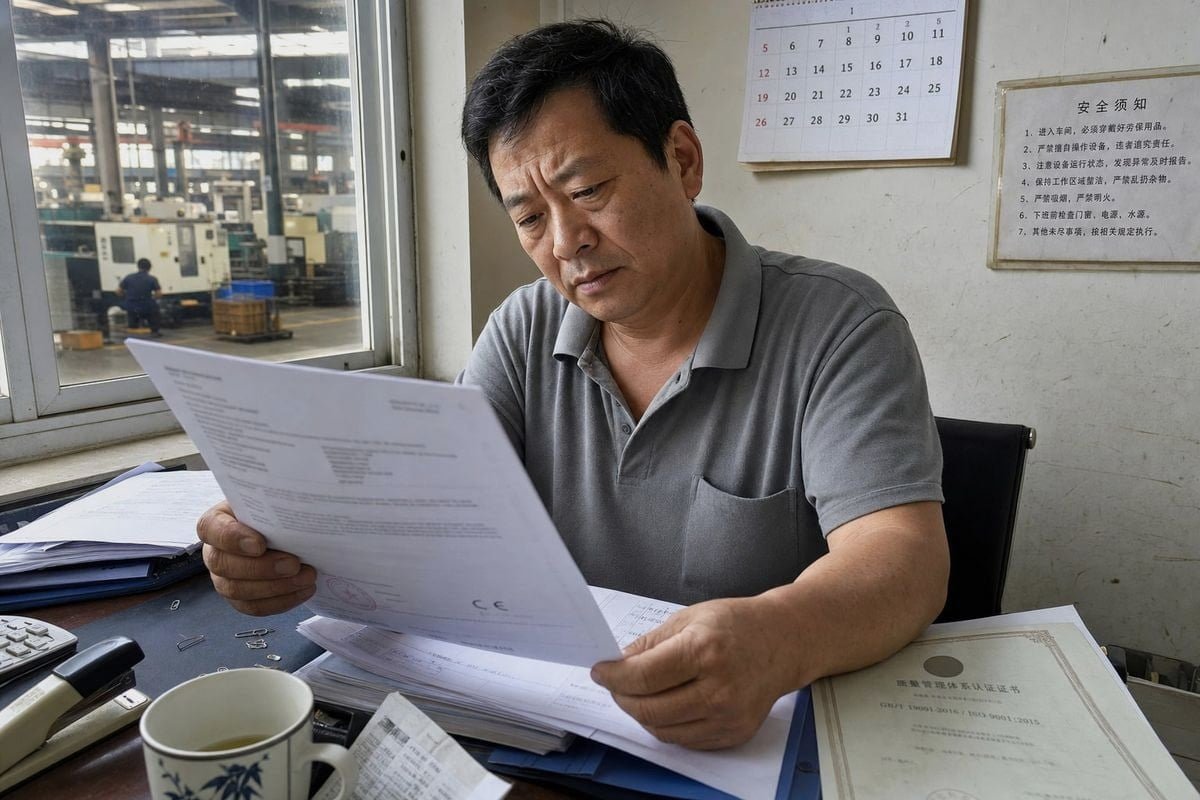
Les certifications remplissent deux fonctions. Elles prouvent que votre produit est sûr et écologique, et elles vous protègent légalement lorsque le détaillant ou l'agent des douanes pose des questions. D'après notre expérience d'exportation vers les États-Unis, l'Allemagne et le Royaume-Uni, les acheteurs considèrent la conformité comme une exigence stricte, pas comme un bonus. Une palette d'allume-feu sans rapports de test appropriés peut rester en douane pendant des semaines. Pire encore, elle peut être refusée complètement.
Les certifications clés, expliquées
Chaque certificat couvre un maillon différent de la chaîne. Bois certifié FSC 1 indique que la laine de bois ou les copeaux proviennent de forêts gérées de manière responsable ou de flux de récupération vérifiés. Les rapports de laboratoire SGS et Intertek confirment que le produit fini brûle sans libérer de produits chimiques nocifs — c'est là que les formules riches en pétrole sont exposées. Marquage CE 2 est obligatoire pour les produits allume-feu vendus dans l'UE. ISO 9001 3 indique que l'usine applique des processus cohérents, de sorte que le lot dix correspond au lot un. BSCI couvre le côté humain : travail équitable et pratiques d'approvisionnement éthiques dans l'usine elle-même.
| Certification | Ce qu'elle vérifie | Pourquoi les acheteurs B2B en ont besoin |
|---|---|---|
| FSC | Fibre de bois provenant de sources responsables ou récupérées | Soutient les affirmations marketing de zéro déforestation |
| SGS / Intertek | Combustion non toxique, aucune substance interdite | Exigé par les principaux détaillants et les douanes |
| CE | Conformité de sécurité de l'UE pour les allume-feu | Obligatoire pour la mise en rayon européenne |
| ISO 9001 | Système de gestion de la qualité de l'usine | Assure la cohérence d'un lot à l'autre |
| BSCI | Conformité sociale et normes du travail | Protège la réputation de la marque en matière d'éthique |
Un avertissement tiré de l'expérience : demandez les documents réels, pas les logos sur un site Web. Nous remettons nos rapports ISO 9001, BSCI, CE et SGS/Intertek avant même qu'un acheteur ne les demande, car nous savons qu'un responsable des achats sérieux vérifiera de toute façon les numéros de certificat. Si un fournisseur hésite ou envoie des documents périmés, considérez cela comme votre réponse.
Quelles matières premières offrent le meilleur équilibre entre durabilité et performance de combustion fiable ?
Il y a un compromis que j'évalue à chaque production : le matériau le plus écologique sur le papier est inutile s'il ne parvient pas à allumer une bûche humide. Après 17 ans de fabrication de rouleaux de bois trempés dans la cire, je juge les matériaux à la fois sur leur empreinte et sur leur flamme.
Laine de bois et copeaux de bois post-industriels enrobés de cire à base de soja ou de cire d'abeille offrent le meilleur équilibre. Ils sont issus de déchets, renouvelables et s'allument en quelques secondes avec des combustions stables de huit à dix minutes. Les bases en papier recyclé et les résidus agricoles se classent ensuite, tandis que les formules riches en paraffine doivent être évitées.
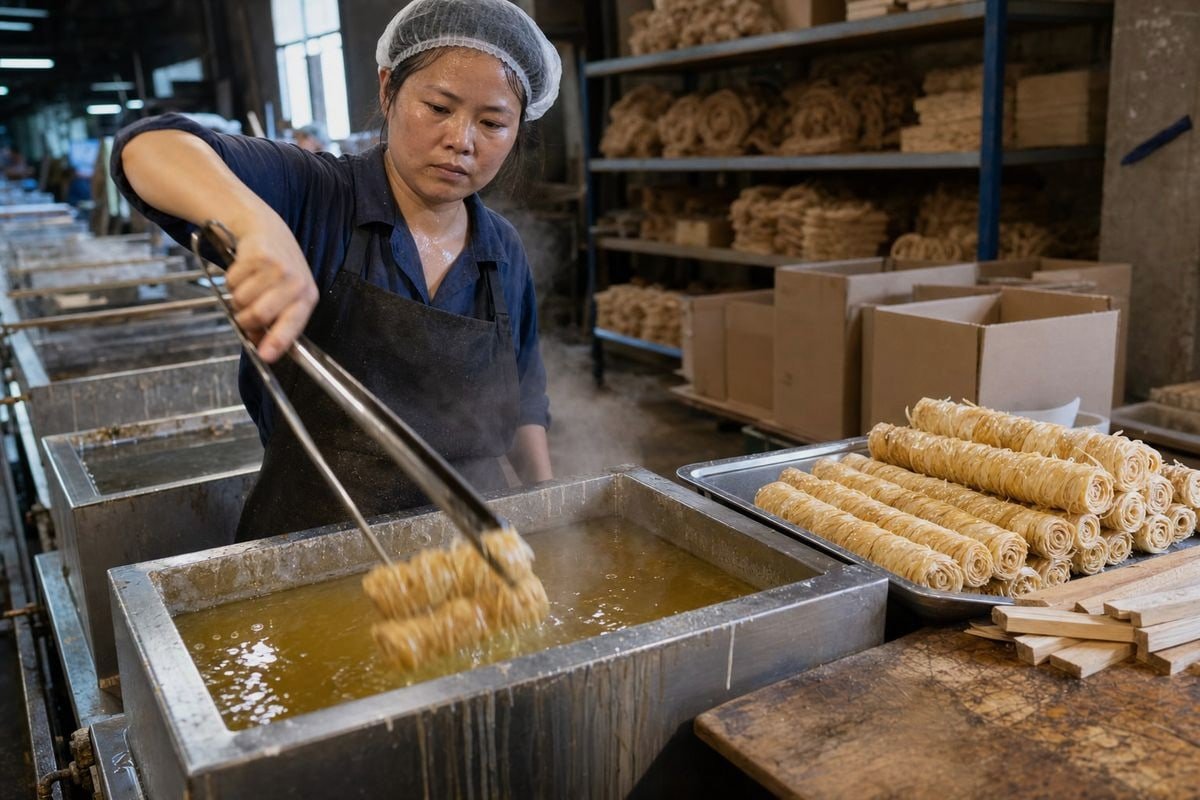
Voici comment les principales familles de matériaux se comparent lorsque vous pesez l'approvisionnement, la qualité de combustion et l'empreinte environnementale côte à côte :
| Famille de matériaux | Histoire de la durabilité | Performance de combustion | Meilleur cas d'utilisation |
|---|---|---|---|
| Laine de bois / copeaux de bois | Sous-produit du traitement du bois ; forte valorisation des déchets | Allumage rapide, flamme stable, résistant aux intempéries une fois ciré | Allume-feu de détail haut de gamme |
| Sciure de bois comprimée | Les briquettes de sciure upcyclées valorisent les déchets de scierie | Dense, combustion plus longue, plus lent à prendre | Marchés des cheminées et des poêles |
| Cire de soja / cire de coco | Renouvelable, évite les intrants pétroliers | Liaison propre, prolonge le temps de flamme | Revêtement et liant |
| Cire d'abeille | Liant naturel et efficace, mais pas végétalien | Excellente résistance à l'humidité | Gamme extérieure et camping |
| Papier / carton recyclé | Pâte post-consommation propre et non traitée | Bon marché, mais moins performant dans des conditions humides | Produits économiques et de style bricolage |
| Résidus agricoles | Flocons de noix de coco, bagasse, chanvre, déchets agricoles valorisés | Variable ; nécessite des tests par lot | Positionnement innovation et économie circulaire |
Pourquoi les sous-produits du bois mènent la liste
Les copeaux de bois post-industriels et la laine de bois sont la base d'un allume-feu écologique crédible. Ils proviennent de scieries et d'opérations de travail du bois, donc aucun arbre n'est abattu pour le produit lui-même. C'est biomasse combustible renouvelable 4 sous sa forme la plus défendable. Lorsque nous torsadons la laine de bois en rouleaux et que nous la trempons dans de la cire, nous obtenons un produit qui s'allume avec une seule allumette et maintient une flamme suffisamment longtemps pour allumer le petit bois — le critère que notre équipe de contrôle qualité teste sur chaque lot.
La question du liant : cire végétale ou pétrole
Le liant est là où la plupart des produits "écologiques" trichent silencieusement. La paraffine est bon marché et efficace, c'est pourquoi vous voyez encore des boîtes indiquant 50% teneur en paraffine 5. Mais c'est un dérivé du pétrole, et les acheteurs qui se positionnent sur le chauffage neutre en carbone ne peuvent pas le défendre. Cire de soja et cire d'abeille le remplacent proprement. Résine de pin naturelle 6, trouvé dans le bois gras des souches de pins mortes, est un autre accélérant sans produits chimiques qui mérite d'être considéré pour les gammes haut de gamme. La règle que je donne aux acheteurs est simple : si l'accélérant est sorti de terre sous forme d'huile, il n'a pas sa place dans un allume-feu durable.
Matériaux émergents à surveiller
Les écorces de chanvre, les cosses de riz, le marc de café et la biomasse issus de programmes d'éradication d'espèces envahissantes apparaissent dans les demandes de développement de produits. Ils racontent une forte histoire d'économie circulaire 7. Testez simplement soigneusement la cohérence de la combustion — les résidus agricoles varient davantage d'un lot à l'autre que la fibre de bois.
Comment puis-je vérifier les affirmations d'un fournisseur concernant l'approvisionnement durable avant de passer une commande en gros ?
Un distributeur britannique m'a un jour transmis le produit d'un concurrent fiche technique affirmant "cire écologique" — le test de laboratoire que nous avons effectué sur leur échantillon a montré un mélange de paraffine. Ce moment a façonné la manière dont j'apprends aux acheteurs à vérifier les affirmations avant de virer un acompte.
Demandez des copies de certificats avec des numéros d'enregistrement vérifiables, exigez des rapports de laboratoire de tiers de SGS ou Intertek, commandez des échantillons payants et faites-les tester par combustion vous-même, demandez une documentation sur la traçabilité des matériaux et auditez directement l'usine ou par l'intermédiaire d'une agence. Ne vous fiez jamais uniquement aux affirmations du site Web ou aux photos de produits.
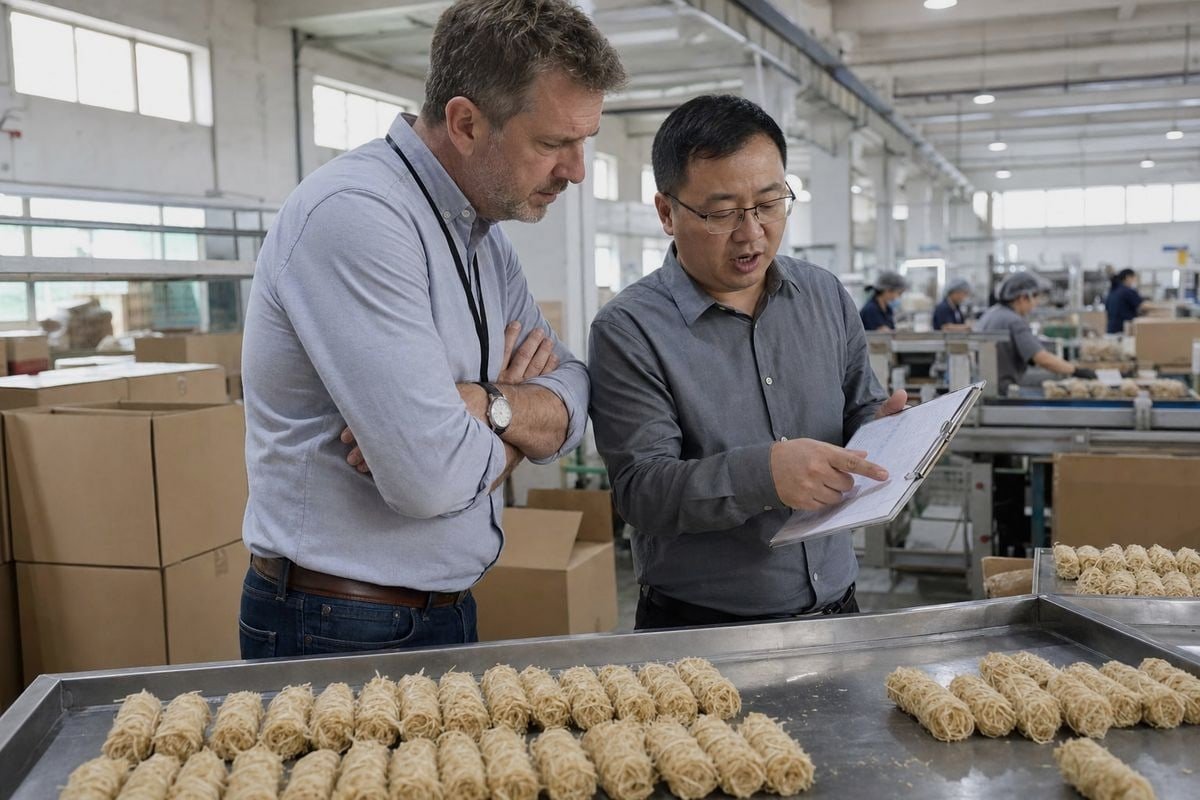
La vérification est un processus, pas une seule question. Voici la séquence que je recommande à chaque responsable des achats qui nous contacte, car c'est la même norme que nous nous imposons.
Un processus de vérification en cinq étapes
- Vérifiez les certificats à la source. Les numéros de certificat FSC peuvent être recherchés dans la base de données publique du FSC. Les certificats ISO 9001 et BSCI indiquent l'organisme émetteur — contactez-le si quelque chose semble suspect. Les documents expirés ou dont le filigrane est flou sont des signaux d'alarme.
- Demandez des rapports de test récents par des tiers. Un rapport de SGS ou Intertek 8 datant d'un an ou deux a du poids. Confirmez que le rapport correspond au produit exact que vous achetez, pas à un autre SKU. C'est votre preuve de combustion non toxique.
- Commandez des échantillons payants et testez-les à la flamme. Mesurez le temps d'allumage, la durée de la flamme, sentez la fumée et vérifiez les résidus. Les produits riches en paraffine laissent souvent une odeur de pétrole et de la suie noire. Un allume-feu propre à base de fibres de bois et de cire végétale brûle avec une odeur minimale et des cendres légères.
- Demandez la traçabilité des matériaux. Une usine authentique peut vous dire d'où proviennent ses copeaux de bois — de quelles scieries, de quelle région — et si la cire est à base de soja, de cire d'abeille ou un mélange. Des réponses vagues signifient généralement qu'une société commerciale revend le produit de quelqu'un d'autre.
- Auditez l'usine. Visitez en personne, envoyez un agent local ou demandez une visite virtuelle en direct de la chaîne de production. Nous en organisons régulièrement depuis notre usine de Ningbo, et je peux vous dire : les fournisseurs qui n'ont rien à cacher acceptent rapidement.
Encore une astuce pratique. Comparez le premier échantillon avec le premier lot de production de masse. Les usines cohérentes avec un véritable contrôle qualité lot par lot les feront correspondre. Les fournisseurs incohérents mettent en avant la qualité dans les échantillons et réduisent les coûts à grande échelle. L'intégration de cette comparaison dans votre contrat d'achat ne coûte rien et protège tout.
Les matériaux écologiques affecteront-ils le coût de production, le délai de livraison ou la quantité minimale de commande ?
Les discussions sur les coûts reviennent dans presque tous les premiers appels avec un nouvel importateur, alors soyons directs sur ce qui change lorsque vous passez au durable — et ce qui ne change pas.
Attendez-vous à une augmentation modérée des coûts d'environ dix à trente pour cent par rapport aux formules à base de paraffine, principalement en raison du prix de la cire végétale. Les délais de livraison restent largement inchangés avec une usine établie. Les MOQ dépendent davantage de la personnalisation de l'emballage que des matériaux, et la flexibilité des commandes d'essai est négociable avec les fabricants authentiques.

Le tableau honnête est plus nuancé que "l'écologique coûte plus cher". Certains intrants durables sont en fait moins chers car ils sont dérivés de déchets. La laine de bois et les copeaux post-industriels coûtent peu cher ; c'est le liant et les certifications qui font bouger l'argent.
Où les coûts changent réellement
| Facteur de coût | Produit à base de paraffine | Produit durable | Impact |
|---|---|---|---|
| Fibre de bois | Coût similaire | Coût similaire (FSC ajoute une petite prime) | Minimal |
| Liant / cire | Paraffine : faible coût | Cire de soja ou cire d'abeille : coût plus élevé | Principal facteur de coût |
| Certification et tests | Rapports de base | Chaîne de traçabilité FSC, tests de laboratoire supplémentaires | Modéré, principalement unique |
| Emballage | Film plastique standard | Kraft ou carton recyclable | Légère augmentation |
| Délai de livraison | Rouleau standard | Standard avec une usine en stock | Généralement aucun |
| MOQ | Défini par les séries de production | Défini par la personnalisation de l'emballage | Peu de différence |
Réalités des délais et des MOQ
Le délai dépend de si votre fournisseur a un stock de matières premières. Dans notre usine, nous gardons en stock de la fibre de bois et de la cire végétale car nos gammes de produits les partagent, donc une commande écologique est expédiée selon le même calendrier qu'une commande conventionnelle. Les retards surviennent lorsqu'un fournisseur doit s'approvisionner en matériaux inconnus sur demande — une autre raison de s'informer à l'avance sur la traçabilité des matériaux.
Le MOQ est principalement une question d'emballage. Une commande d'essai dans un emballage standard peut être petite. La personnalisation complète de la marque — boîtes personnalisées, emballage de présentation, étiquettes d'avertissement, codes-barres — nécessite des minimums d'impression, et cela fixe le véritable plancher. Dans notre travail OEM tout-en-un, nous structurons régulièrement des commandes d'essai avec des quantités plus faibles afin qu'un distributeur puisse tester son marché américain ou européen avant de s'engager sur un conteneur.
L'avantage commercial compense le coût. Les acheteurs de détail en Allemagne, aux Pays-Bas et au Royaume-Uni refusent de plus en plus les allume-feu à base de paraffine, et les produits positionnés écologiquement commandent des prix plus élevés en rayon. Un coût unitaire légèrement plus élevé qui permet un placement premium en magasin est un compromis que la plupart de nos partenaires à long terme font volontiers.


 English
  Spanish
  German
  French
  Arabic
  Portuguese
Rejoignez la conversation