







Calculating the total procurement cost 1 of wood fire starters trips up even seasoned buyers. On our production line in Ningbo, I have watched attractive quotes collapse once freight and tariffs landed. The fix is a full landed-cost view.
El costo total de adquisición de encendedores de leña es igual al precio del producto más el flete internacional, seguro, aranceles aduaneros, impuestos de importación, honorarios de intermediación y portuarios, y entrega en el interior. La mayoría de los importadores encuentran que el costo total de llegada real es un 20-40% superior a la cotización del proveedor, por lo que siempre compare los proveedores por el costo total de llegada por unidad.
Below, I break the calculation into four parts. Each part covers one cost layer. By the end, you will have a full framework and a checklist you can use on your next order.
¿Qué factores debería incluir al calcular el costo total real de mi pedido de iniciadores de fuego de madera?
A buyer from Poland once told me our quote looked higher than a competitor's. Then we ran his full landed-cost formula together. Our denser packing made us cheaper per delivered unit.
El costo total real incluye el precio del producto ex-fábrica o FOB, el flete internacional, el seguro de carga, los derechos de aduana basados en el código HS correcto, el IVA o el impuesto sobre las ventas, las tarifas de corretaje aduanero, los cargos de manipulación portuaria y el transporte interior a su almacén, nunca el precio unitario solo.
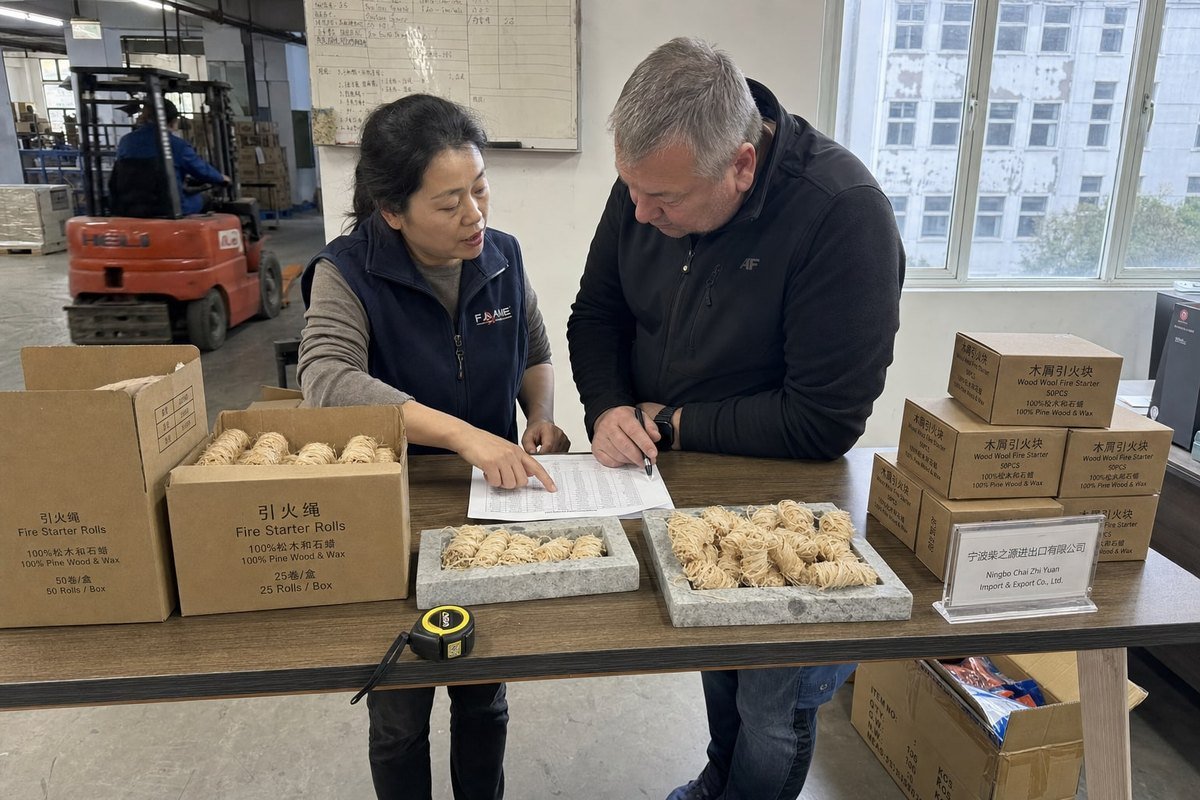
The biggest mistake I see is stopping at the FOB price. That number is only the starting point of your Total Cost of Ownership. To get the real figure, you need to build the full landed cost formula step by step.
The core landed-cost formula
Here is the structure we walk buyers through during quoting:
| Capa de costo | Qué cubre | Participación típica del costo de llegada |
|---|---|---|
| Costo del producto | Ex-factory or FOB unit price × quantity | 55–70% |
| International freight | Ocean, air, or courier charges | 10–25% |
| Seguro | Marine cargo cover, usually 0.3–0.5% of value | 1% or less |
| Derechos e impuestos | Based on Código HS 2 and origin country | 0–25%+ |
| Import taxes | VAT, GST, or sales tax at destination | Varía según el mercado |
| Brokerage and port fees | Customs clearance, terminal handling, docs | 2–5% |
| Inland freight | Port to your warehouse | 2–6% |
Why Incoterms change the math
Su Incoterms 2020 3 terms decide which costs sit on your side. Under EXW, you pay everything from the factory door. Under FOB, the supplier covers origin charges up to loading. Under DDP, the supplier handles almost all of it, but the cost is baked into the price. In our experience exporting to 30+ countries, FOB gives buyers the clearest cost visibility. You control the freight forwarding costs and can audit every line.
One more nuance matters. The customs value base differs by market. The EU and UK typically calculate duty on the Valor CIF 4 (cost + insurance + freight). The US usually uses the FOB value, with freight separated out. If you import into both regions, the same shipment produces two different duty amounts. Build your spreadsheet to handle both.
¿Cómo afectan mis elecciones de flete y método de envío a mi presupuesto total de adquisición?
Wood wool is light but bulky. When we redesigned our wax-dipped roll packing a few years back, tighter compression cut one client's per-unit freight cost noticeably — same product, better cube.
El flete para encendedores de leña se basa en el volumen, no en el peso, porque el producto es de baja densidad. El flete marítimo FCL ofrece el costo más bajo por unidad, LCL se adapta a pedidos de prueba y el transporte aéreo o de mensajería solo tiene sentido para muestras. La densidad del embalaje cambia directamente su presupuesto por unidad.
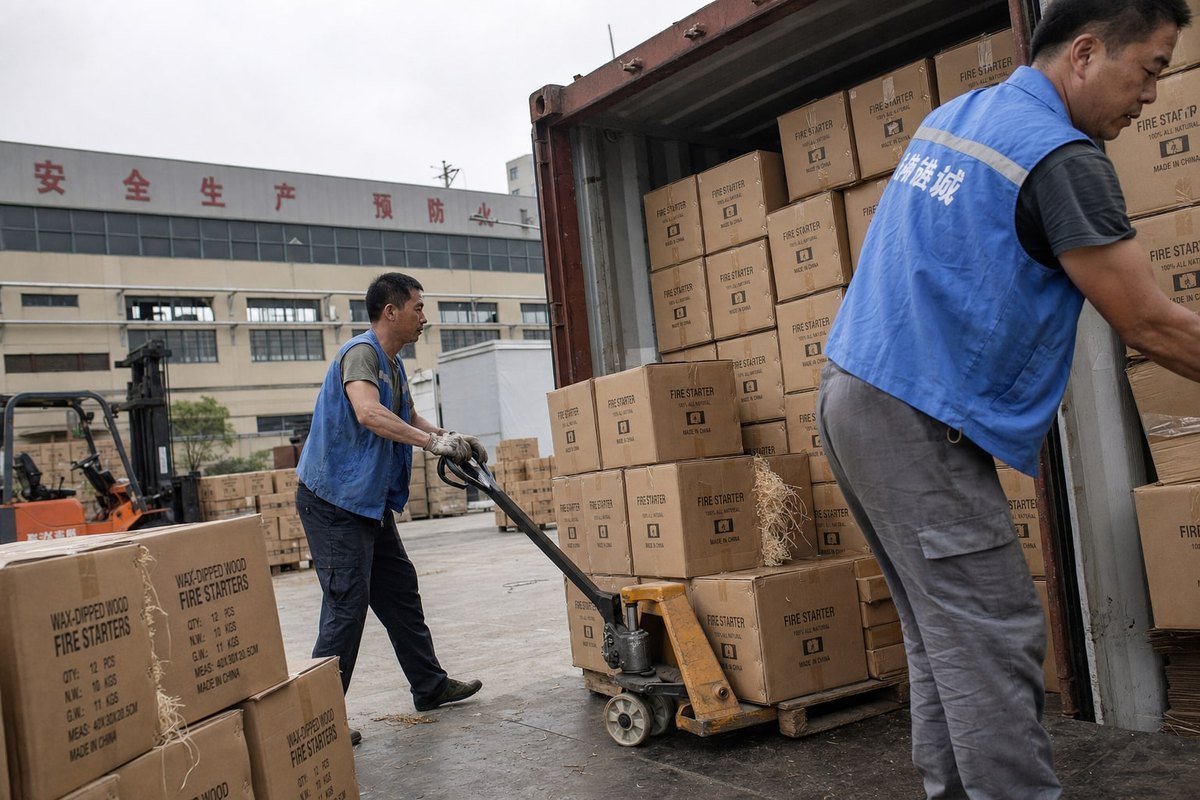
Fire starters made from shredded wood wool 5 hit container volume limits long before weight limits. This means your freight cost per unit depends heavily on how well the product and cartons are engineered. Carriers charge on volumetric (DIM) weight for parcel and air shipments, which punishes fluffy, loosely packed goods.
Comparing shipping modes
| Modo | Mejor para | Costo por Unidad | Transit Time | Riesgo clave |
|---|---|---|---|---|
| FCL ocean (20'/40') | Full production orders | Más bajo | 25–40 días | Demurrage if clearance stalls |
| Océano LCL | Pedidos de prueba, MOQ pequeños | Moderado | 30–45 días | Handling damage, per-CBM fees add up |
| Transporte aéreo | Urgent restocks | Alto | 5-10 días | DIM weight pricing hurts bulky goods |
| Courier (DHL/FedEx) | Samples only | Muy alto | 3–7 días | Not viable for volume |
Three levers that lower your freight cost per unit
- Increase product compression. High-compression wood-fiber rolls can nest tightly and improve container utilization dramatically compared to loose natural-cut starters.
- Optimize carton dimensions to the pallet. We design master cartons around standard EU and US pallet footprints so no cube is wasted.
- Time your bookings. Peak Season Surcharges hit hardest before winter, exactly when fire starter demand spikes. Booking production and freight in late summer avoids the squeeze.
Also plan around supply chain lead times as a cost, not just a schedule item. Longer transit means more working capital tied up in inventory. When a buyer needs stock on shelves by October, we work backward: production time, plus ocean transit, plus clearance, plus inland delivery. Missing that window forces expensive air freight, which can erase your entire margin on a bulky product like this.
¿Qué aranceles y derechos de aduana debo esperar al importar iniciadores de fuego de leña a mi mercado?
Getting classification right is a lesson we learned early. Years ago, a shipment sat in customs while a broker debated whether wax-coated wood rolls were a wood product or a chemical fire lighter.
Wood fire starters generally classify under HS Code 4401 for wood-based products, while chemical-based fire lighters fall under 3606.90. Your duty rate depends on the code, the origin country, and your market — plus any Section 301 or anti-dumping surcharges layered on top.
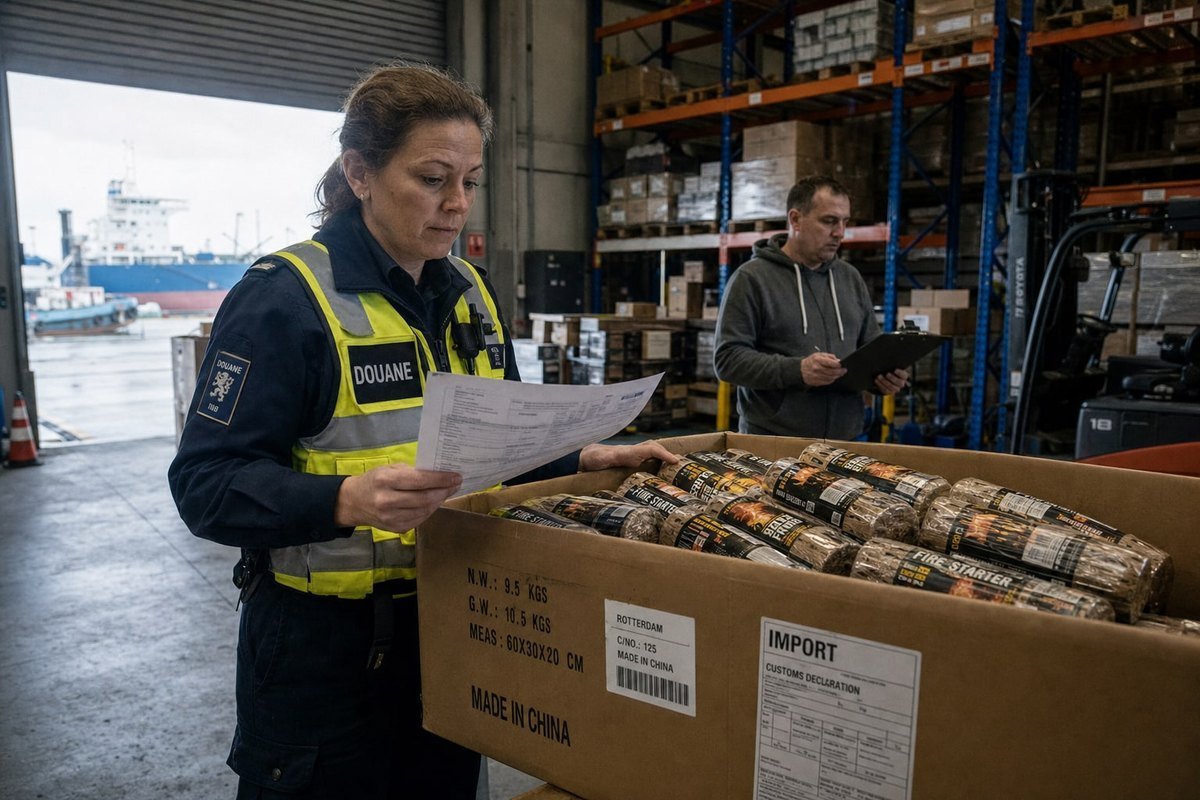
Import duties and taxes are the least predictable layer of your landed cost, so treat classification as step one. The distinction between wood-and-wax composites and chemical fire lighters is not academic. It can shift your duty rate and your compliance burden. Misclassification risks penalties and shipment delays, both of which cost far more than getting a binding ruling upfront.
How duty stacks up by market
| Mercado | Customs Value Base | Typical Layers on Top of Duty |
|---|---|---|
| Estados Unidos | FOB value | Section 301 tariffs on China-origin goods, MPF, HMF |
| Unión Europea | Valor CIF | Import VAT (varies 19–25% by member state) |
| Reino Unido | Valor CIF | Import VAT at 20% |
| Australia | FOB value | GST at 10% |
| Canadá | Transaction value | GST/HST, possible provincial taxes |
Practical steps we recommend to buyers
First, confirm the HS code with your customs broker before ordering. Do not rely only on the supplier's declared code — the importer of record carries the legal responsibility. Second, check for special duties. US buyers importing China-origin wood products should verify current Section 301 status 6 for the specific tariff line, as surcharges change with trade policy. Third, understand de minimis options. Section 321 entries let direct-to-consumer shipments under $800 enter the US duty-free, which can suit e-commerce fulfillment models, though it does not scale for pallet-level distribution. Fourth, remember that the tariff rate is not the total import cost. VAT, merchandise processing fees, and customs brokerage fees all apply on top. When we prepare export documentation from our factory, we provide accurate product descriptions, material composition, and origin details so your broker can classify with confidence.
Compliance is where we refuse to cut corners. Our ISO 9001, BSCI, CE, and SGS/Intertek documentation exists precisely because buyers kept getting burned by suppliers who skipped these steps.
Yes. Budget for ISPM 15 compliant packaging, phytosanitary certification where required, product safety test reports, warehousing and demurrage, peak-season storage surcharges, and MOQ-driven inventory carrying costs. These non-tariff costs are real, and skipping them risks rejected shipments and destroyed inventory.
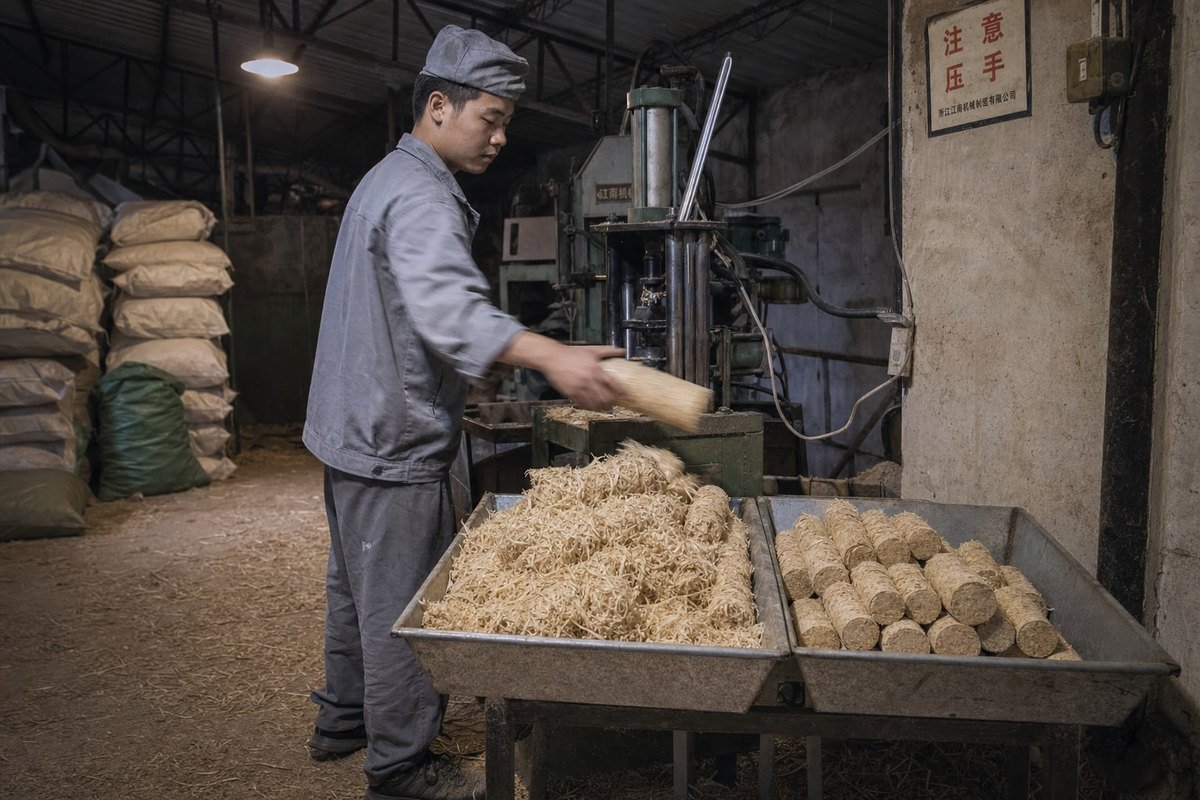
Hidden costs rarely appear on a quote sheet, but they always appear on your P&L. Let me walk through the main categories we help buyers plan for.
Costos de cumplimiento y documentación
Wood products cross borders under plant-health rules. Solid wood packaging must meet ISPM 15 compliance, meaning heat-treated and stamped pallets. Some markets also require phytosanitary certification 7 for the product itself, depending on how processed the wood is. Wax-dipped and compressed wood-fiber starters are typically considered processed, but requirements vary by country — verify with your broker before booking. Beyond plant health, retail buyers increasingly demand safety test reports, warning labels, and barcodes. We build these into our OEM packages, but if your supplier does not, you will pay for third-party testing yourself, and that cost lands on your first order.
Storage, moisture, and inventory risks
Moisture is the silent margin killer for this category. Wood wool absorbs humidity. Excess moisture at origin adds shipping weight and, worse, invites mold during a 35-day ocean transit. We control moisture content at packing for exactly this reason. On the destination side, budget for warehouse fees, especially in winter when demand peaks and space tightens. Demurrage charges hit fast if customs clearance stalls, so keep documents flawless.
MOQ and working capital
MOQs shape your cash flow. A low unit price at a huge MOQ can tie up capital for months. We offer flexible MOQs on trial orders because a first order should test the partnership, not strain your balance sheet. Factor inventory carrying cost — typically a monthly percentage of stock value — into your final per-unit price.
Conclusión
A cheap quote can hide an expensive shipment. Calculate the full landed cost — product, freight, duties, taxes, compliance, and storage — then compare suppliers per delivered unit. That is how smart procurement protects margin.
Notas al pie
1. Defines the comprehensive calculation of all costs related to a purchase. ↩︎
2. Official overview of the international nomenclature for classifying traded products. ↩︎
3. Official rules for the interpretation of trade terms in international commerce. ↩︎
4. Explains the valuation method used for calculating import duties in Europe. ↩︎
5. Describes the material composition and properties of the product being shipped. ↩︎
6. Official government resource for tracking trade enforcement and tariffs on Chinese imports. ↩︎
7. Official US government resource explaining the requirements for plant health certificates in international trade. ↩︎



 English
  Spanish
  German
  French
  Arabic
  Portuguese
Únete a la conversación