






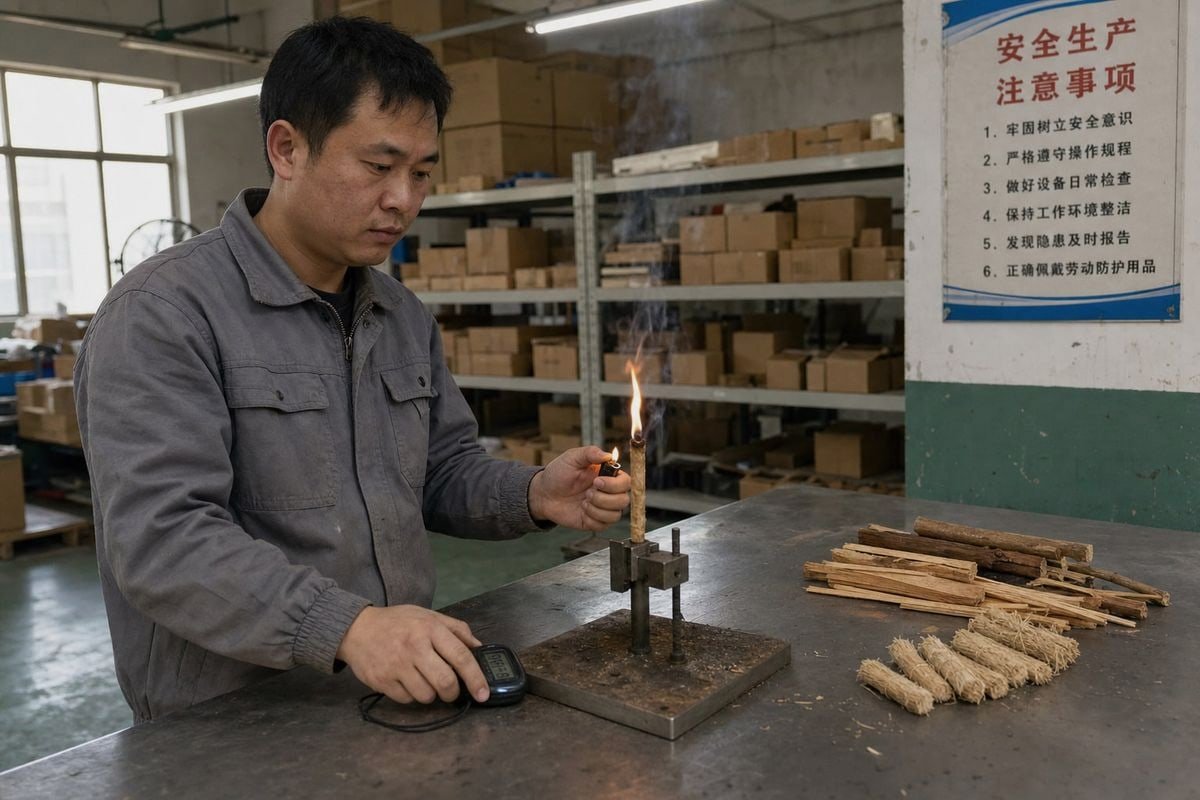
Los compradores me preguntan constantemente sobre la proporción y cantidad ideales de iniciadores de fuego de madera. Si te equivocas, los clientes se enfrentan a igniciones fallidas, malas críticas y kits devueltos. Nuestra línea de producción resolvió esto hace años.
El kit de inicio ideal incluye 1-2 iniciadores de fuego de madera por fuego en condiciones secas y 3-5 para uso en condiciones húmedas o ventosas. Un kit bien planificado cubre al menos 3-5 fuegos, emparejando cada iniciador con aproximadamente el doble de su volumen en yesca para una ignición confiable.
Esa respuesta cubre lo básico. Pero la cantidad correcta depende de tu mercado, tu punto de precio y las condiciones de tu comprador. Permíteme desglosar cada factor.
¿Cuántos iniciadores de fuego de leña debo incluir por kit para una primera combustión confiable?
Hace unos años, uno de nuestros distribuidores alemanes regresó de una feria comercial con una lista de quejas. Cada kit fallido compartía un defecto: muy pocos iniciadores empaquetados por caja.
Incluya 1–2 iniciadores de fuego de madera encerados por fuego para ambientes secos y controlados, y 3–5 por fuego para acampar o uso en exteriores húmedos. Un kit de venta al por menor debe cubrir al menos 3–5 fuegos, así que planifique un mínimo de 6–15 iniciadores.
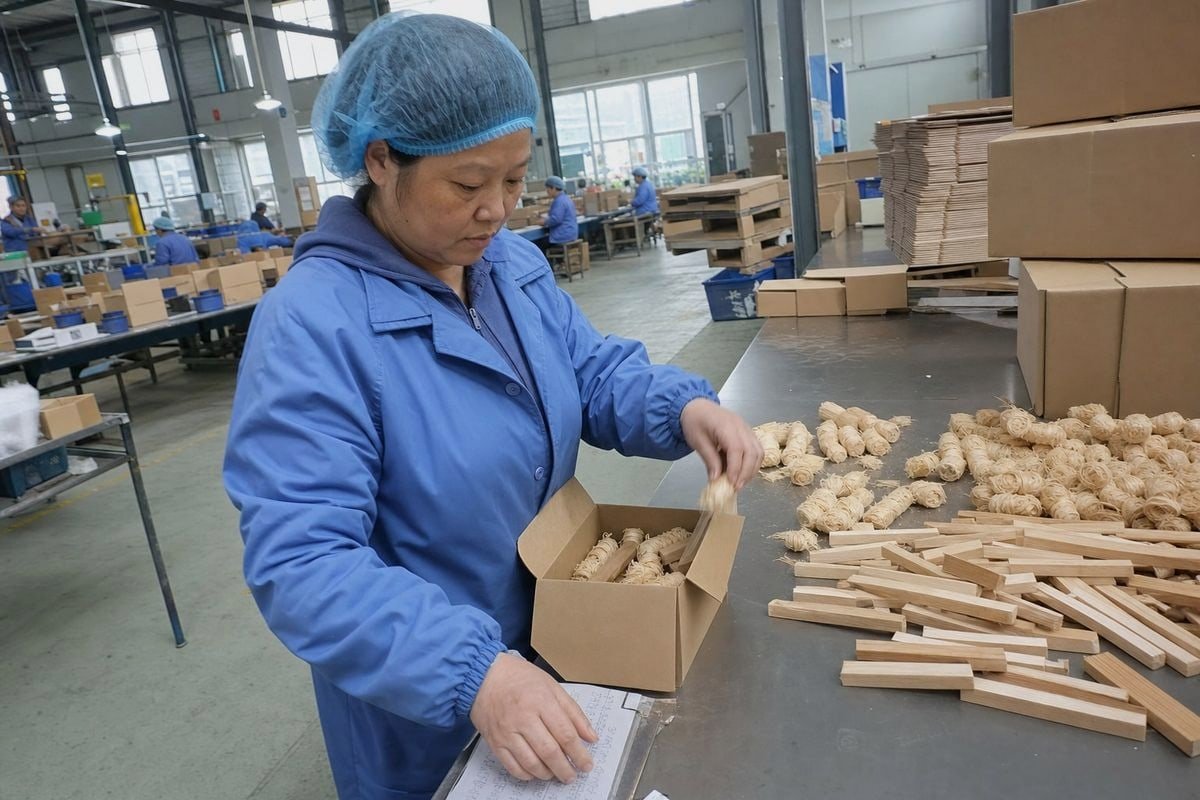
La métrica real detrás de la cantidad es el tiempo de combustión. Las reseñas de campo muestran que un iniciador de fuego necesita aproximadamente de 5 a 9 minutos de llama sostenida para encenderse por completo yesca 1 y transferir calor a los troncos. Nuestros rollos de madera encerada están construidos en torno a esa ventana. Una combustión más larga significa menos piezas por fuego. Una combustión más corta significa que el cliente necesita más piezas o mejor yesca.
Adapta la cantidad al caso de uso
Diferentes usuarios finales necesitan diferente redundancia. Un propietario de chimenea enciende fuegos en una habitación seca y sin viento. Un campista se enfrenta a la humedad, el viento y el frío. Los compradores de kits de emergencia necesitan una ignición garantizada, no solo una probable.
| Caso de uso | Iniciadores por fuego | Cantidad de kit recomendada |
|---|---|---|
| Chimenea interior / estufa de leña | 1–2 | 10–20 uds. |
| Hoguera de patio trasero / Barbacoa | 2 | 12–24 uds. |
| Camping (buen tiempo) | 2–3 | 15–30 uds. |
| Kit de emergencia / mal tiempo | 3–5 | 20–40 uds. |
Por qué la redundancia vende
Las guías de supervivencia recomiendan empacar extras para intentos fallidos, y algunas aconsejan una reserva del 25% en viajes de varios días. En condiciones frías, húmedas o de gran altitud, la eficiencia de ignición disminuye, por lo que las cantidades deben aumentar entre un 30 y un 50%. Cuando especificamos kits para marcas de exteriores en Canadá y Polonia, siempre aumentamos la cantidad. Una ignición fallida le cuesta la confianza a tu cliente. Un iniciador adicional cuesta céntimos. Esas matemáticas favorecen la redundancia en todo momento.
¿Qué relación de empaque funciona mejor si estoy empaquetando iniciadores con yesca o astillas?
Existe una compensación que sopesamos en cada proyecto de kit combinado: espacio en la caja frente a éxito en el primer encendido. La yesca es voluminosa, pero saltársela socava el iniciador en sí.
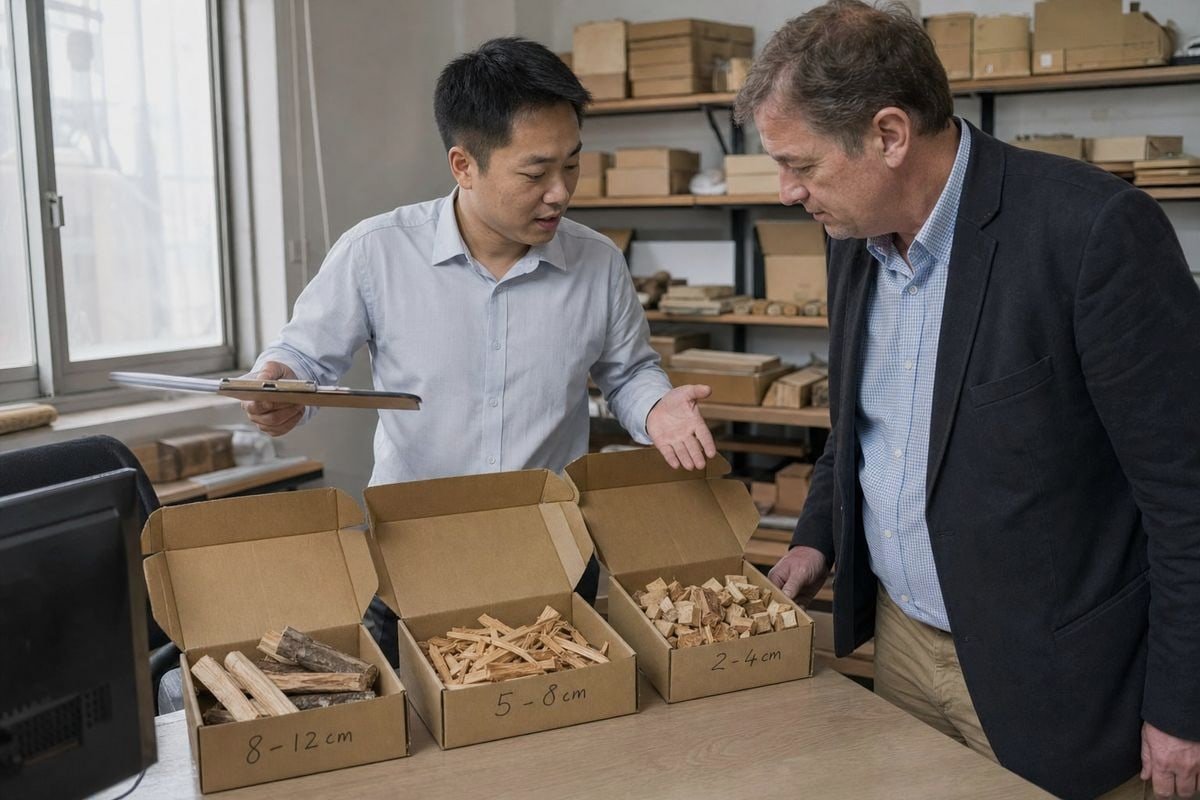
La proporción probada para hacer fuego es aproximadamente 1 parte de yesca por 2 partes de astillas por 4 partes de leña. Para kits empaquetados, empareje cada iniciador de fuego de madera con 2–4 astillas, de tamaño desde el grosor de un lápiz hasta el de un pulgar, para que la ignición se transfiera suavemente a la leña más grande.
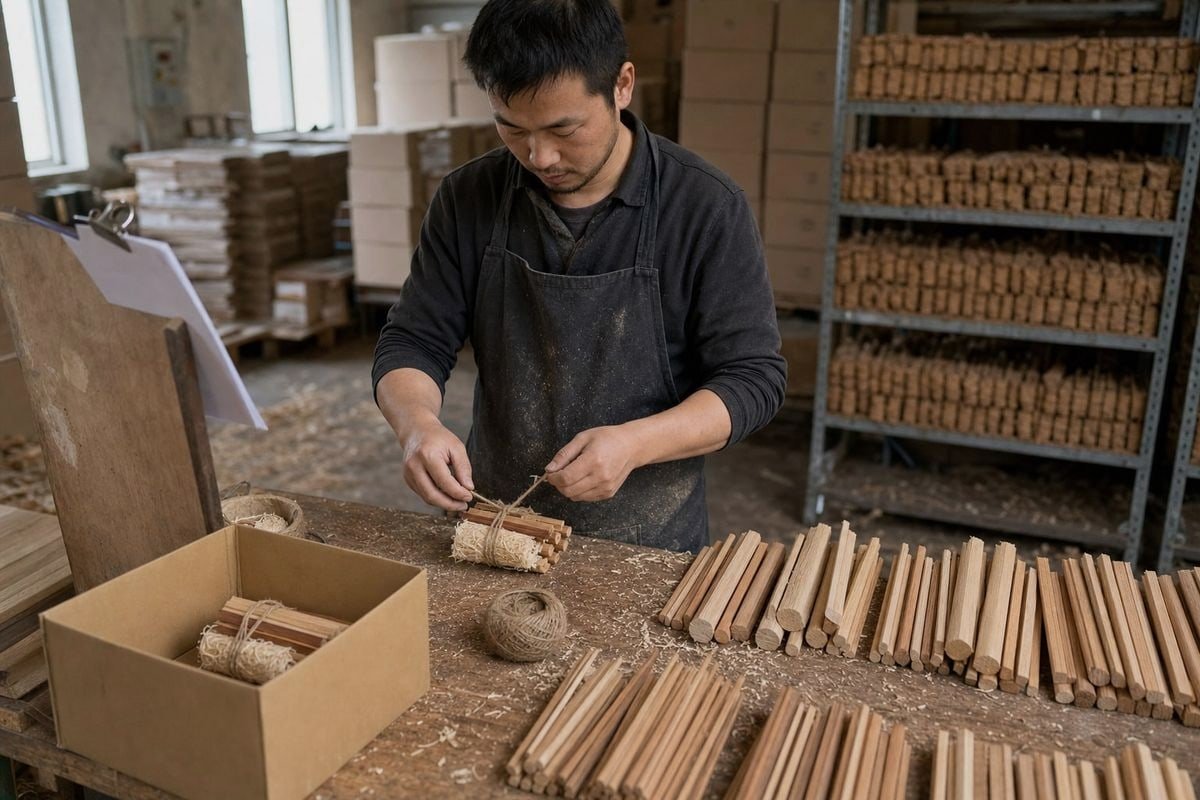
Un iniciador de fuego nunca enciende directamente un tronco. Enciende la yesca, y la yesca enciende el combustible. Es por eso que nuestros kits combinados, como los rollos de lana de madera combinados con tiras de yesca comprimida que ves en nuestra línea de productos, tratan el iniciador como una parte de un sistema, no como un producto independiente.
Una fórmula práctica de empaquetado
Cuando diseñamos un SKU empaquetado, trabajamos a través de cuatro pasos:
- Fija el número de fuegos que debe cubrir el kit, generalmente 5 para venta al por menor.
- Asigna 1-2 iniciadores por fuego, agregando margen para mal tiempo si el mercado lo exige.
- Agrega 2-4 astillas de yesca por iniciador, en una progresión de tamaño de delgada a gruesa como el pulgar.
- Verifica el total contra las dimensiones de la caja, la huella en el estante y el precio de venta objetivo.
Opciones de proporción por posicionamiento del kit
| Tipo de kit | Proporción Iniciadores : Yesca | Contenido Típico |
|---|---|---|
| Kit económico para chimenea | 1 : 2 | 10 iniciadores + 20 astillas |
| Kit estándar para exteriores | 1 : 3 | 12 iniciadores + 36 astillas |
| Kit premium para mal tiempo | 1 : 4 | 15 iniciadores + 60 astillas |
La proporción premium cuesta más de enviar, pero casi garantiza el éxito en el primer encendido. Para los compradores minoristas de EE. UU. y Europa, esa confiabilidad impulsa compras repetidas. También recomendamos imprimir la proporción yesca-combustible en el empaque como guía de uso. Las instrucciones sencillas reducen el error del cliente, y la reducción de errores protege las puntuaciones de las reseñas de tu marca.
¿Puede Sunrich personalizar la cantidad y el tamaño del iniciador para que coincida con mi precio minorista objetivo?
El año pasado, un distribuidor de chimeneas del Reino Unido se acercó a nosotros con un número fijo: un precio de venta de £9.99. Calculamos a la inversa todo el kit (tamaño del iniciador, cantidad y caja) a partir de ese objetivo.
Sí. Personalizamos completamente las dimensiones de inicio, la proporción de cera, el tiempo de combustión, el número de piezas y el embalaje para alcanzar su punto de precio minorista. Como fábrica OEM/ODM integral, también proporcionamos cajas de marca privada, embalajes de exhibición, etiquetas de advertencia y códigos de barras en MOQs flexibles.
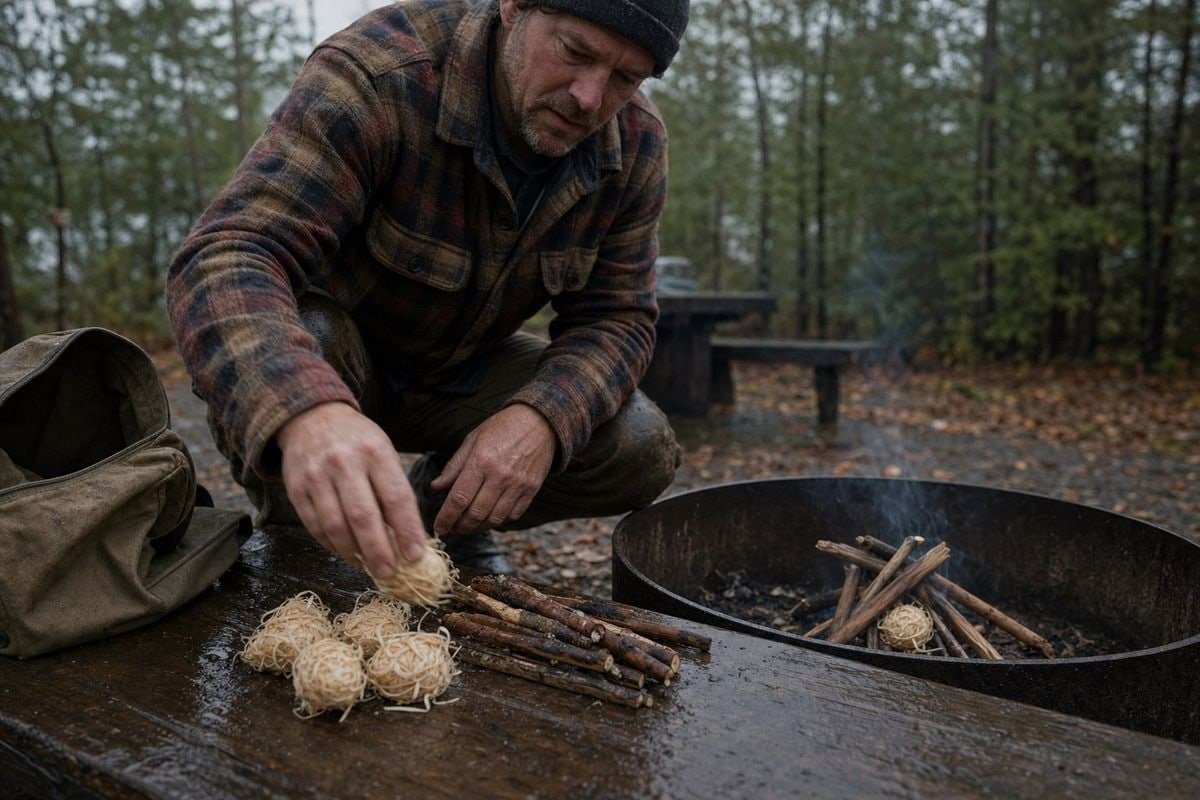
Trabajar a la inversa desde el precio de venta es una práctica estándar en nuestra fábrica. Después de más de 17 años produciendo artículos para iniciar fuego, conocemos las palancas que mueven el costo unitario sin perjudicar el rendimiento.
Las palancas que ajustamos
La relación cera-fibra 2 es el más grande. Las guías de bricolaje mencionan proporciones de 1:1 de cera a relleno hasta 5 partes... fibra de madera 3 y parafina 50%, que proporciona una combustión larga y constante. Para las líneas económicas, podemos...
| Nivel de precio | Tamaño de inicio | Piezas por kit | Estilo de embalaje |
|---|---|---|---|
| Entrada / valor | Rollos pequeños, combustión más corta | 50–100 uds. | Bolsa de kraft o caja simple |
| Minorista de gama media | Rollos estándar, combustión de 5 a 9 minutos | 20–40 uds. | o Caja minorista impresa |
| Premium / regalo | Rollos grandes, combustión extendida | 10–20 uds. | Caja expositora con paquete de yesca |
Por qué el cumplimiento es importante en cada nivel
Sea cual sea el nivel que elija, la capa de cumplimiento se mantiene constante. Nuestros productos llevan ISO 9001 4, BSCI, CE y certificación SGS/Intertek con informes de prueba. Para nuestros compradores en EE. UU., Alemania y Francia, esa documentación es un requisito indispensable para la cotización minorista. Reducir el precio nunca significa reducir el papeleo. También optimizamos los recuentos de cajas y la carga de paletas, porque el costo logístico es parte de su precio de llegada, no una ocurrencia tardía.
¿Cómo garantizo un rendimiento de combustión constante en cada lote al aumentar el tamaño de mi pedido?
Una lección que aprendimos temprano: una muestra perfecta no significa nada si el contenedor número diez arde de manera diferente. La consistencia es un problema de proceso, no un problema de producto.
Un rendimiento constante de la combustión proviene de proporciones controladas de cera a fibra, tiempos de inmersión fijos, control de humedad y pruebas de combustión a nivel de lote. Trabaje con una fábrica certificada que ejecute control de calidad documentado en cada corrida de producción, para que la calidad de la producción en masa coincida exactamente con su muestra aprobada.
El tiempo de combustión es la especificación que más importa. Si su kit promete primeras combustiones fiables, cada iniciador debe alcanzar la misma ventana de combustión. Un lote que arde tres minutos en lugar de siete fallará en el campo, y sus clientes culparán a la marca de la caja, la suya.
Qué causa la variación entre lotes
Tres variables causan la mayor parte de la inconsistencia. Primero, la absorción de cera: el tiempo de inmersión y la temperatura de la cera deben permanecer fijos, o algunos rollos llevan muy poca parafina 5. Segundo, la humedad de la fibra de madera: la fibra que absorbe la humedad antes de la inmersión arde más débil. Tercero, la densidad del rollo: la lana de madera enrollada flojamente se enciende rápido pero arde poco, mientras que los rollos demasiado densos resisten la ignición.
En nuestras líneas de producción en Ningbo, controlamos cada variable con parámetros documentados. Cada lote se somete a pruebas de combustión de muestras antes del embalaje. Registramos la velocidad de ignición, la altura de la llama y la duración total de la combustión en comparación con la muestra aprobada. Si un lote se desvía de la tolerancia, no se envía.
Qué debe exigir a cualquier proveedor
Pregunte por estos antes de escalar cualquier pedido:
- Una muestra de oro retenida de su corrida de prueba aprobada, guardada en la fábrica para su comparación.
- Registros de pruebas de combustión por lotes con cada envío.
- Informes de pruebas de terceros, como SGS o Intertek 6, bajo petición.
- Embalaje con barrera contra la humedad, ya que los iniciadores a base de cera pueden degradarse durante 12 a 18 meses en un almacenamiento deficiente.
- Credenciales de auditoría de fábrica como BSCI, que demuestran que está tratando con un sitio de producción real, no con una empresa comercial.
Nuestra primera muestra refleja de manera confiable la calidad de la producción en masa porque las mismas líneas, mezclas y puntos de control de calidad producen ambas. Ese es el estándar sobre el que se debe construir la escala.
Conclusión
No hay un único número mágico, solo un sistema. Planifique 1-2 iniciadores de fuego de madera por fuego en buenas condiciones, 3-5 en malas, y cubra al menos 3-5 fuegos por kit. Empareje los iniciadores con yesca en una proporción de 1:2 a 1:4, ajuste el tamaño de las piezas a su precio minorista y exija pruebas de combustión a nivel de lote antes de escalar. Si se equivoca en la proporción, un fin de semana lluvioso llenará su bandeja de entrada de quejas. Si lo hace bien, su kit se convertirá en el producto que los clientes vuelven a pedir cada temporada. Si desea un socio de fábrica certificado para construir ese kit con usted, desde mezcla de cera hasta la caja lista para el estante, nuestro equipo está listo para ejecutar su primer pedido de prueba.
Notas al pie
Wikipedia explica la yesca, un material central para encender fuego que se discute en la sección de la relación de agrupamiento. ↩︎
Los antecedentes sobre las propiedades de la cera de parafina aclaran por qué esta relación afecta la consistencia de la combustión. ↩︎
Wikipedia proporciona información sobre la fibra de madera, un componente material clave en la composición del iniciador de fuego. ↩︎
ISO 9001 es un estándar de gestión de calidad reconocido mundialmente al que se hace referencia como requisito de cumplimiento. ↩︎
La cera de parafina es central en la formulación del iniciador de fuego con cera descrita en el artículo. ↩︎
SGS es un organismo de pruebas externo reconocido y relevante para las afirmaciones de certificación de productos. ↩︎



 English
  Spanish
  German
  French
  Arabic
  Portuguese
Únete a la conversación