






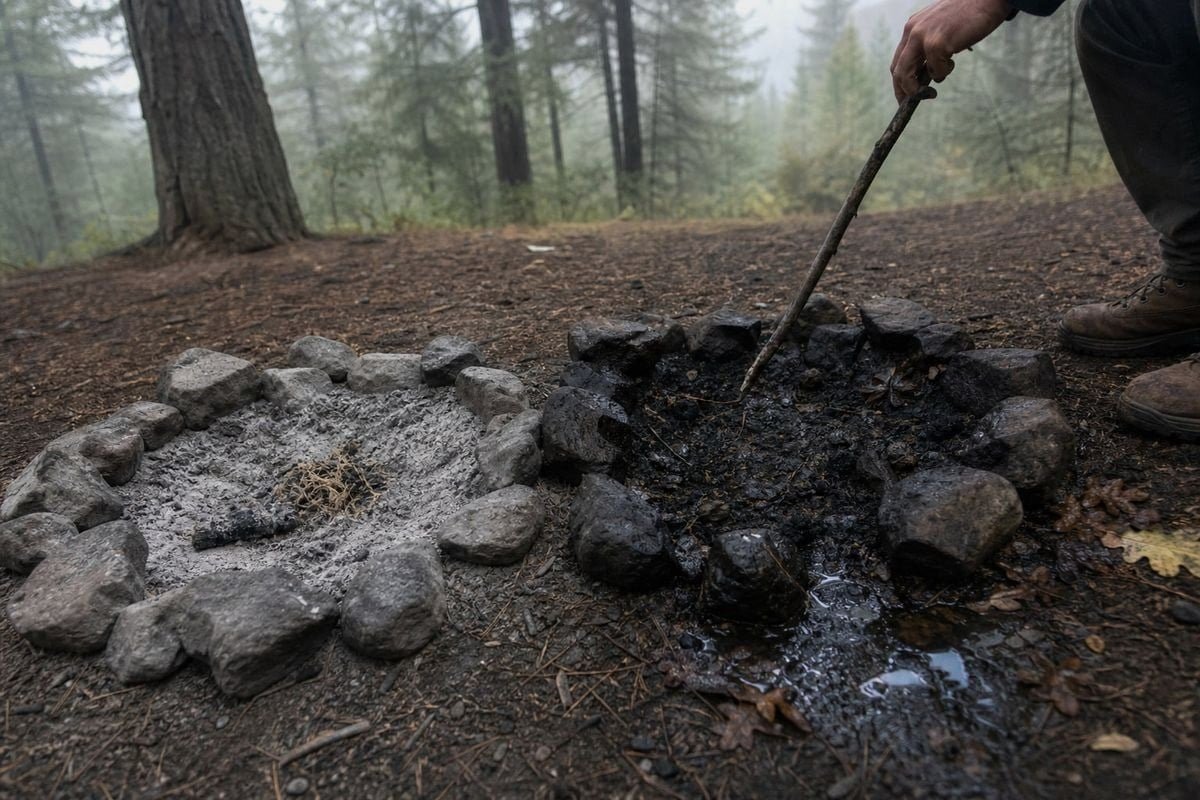
Los compradores me preguntan si los iniciadores de fuego de leña dejan residuos ecológicos en los campamentos. Sus clientes minoristas exigen pruebas, los reembolsos se acumulan sin ellas y nuestra línea de producción responde a esto a diario.
Iniciadores de fuego de madera hechos de fibra de madera, lana de madera y ceras naturales o de grado alimenticio se queman hasta dejar una pequeña cantidad de ceniza inerte que generalmente es segura para el suelo y el agua del campamento. Los iniciadores a base de petróleo, por el contrario, pueden dejar residuos pegajosos y lixiviar compuestos dañinos en el suelo.
Esa respuesta corta oculta un matiz real. Los materiales importan. Las certificaciones importan. Los hábitos de eliminación importan. Permítanme guiarlos a través de cada capa, basándome en lo que vemos en nuestro taller y en laboratorios de pruebas de terceros.
¿Cómo verifico que los iniciadores de fuego de madera son realmente seguros para el suelo y el agua en los campamentos?
Hace unos años, un distribuidor alemán envió nuestros rollos de madera encerados a un laboratorio independiente antes de firmar. Ese pedido me enseñó exactamente cómo es la verificación en la práctica.
Verificar la seguridad comprobando tres cosas: la lista completa de ingredientes (fibra de madera más cera natural o refinada, sin acelerantes), informes de pruebas de laboratorio independientes como SGS o Intertek, y el comportamiento completo de la combustión. Los iniciadores que se queman completamente hasta convertirse en cenizas presentan un riesgo mínimo para el suelo y el agua del campamento.
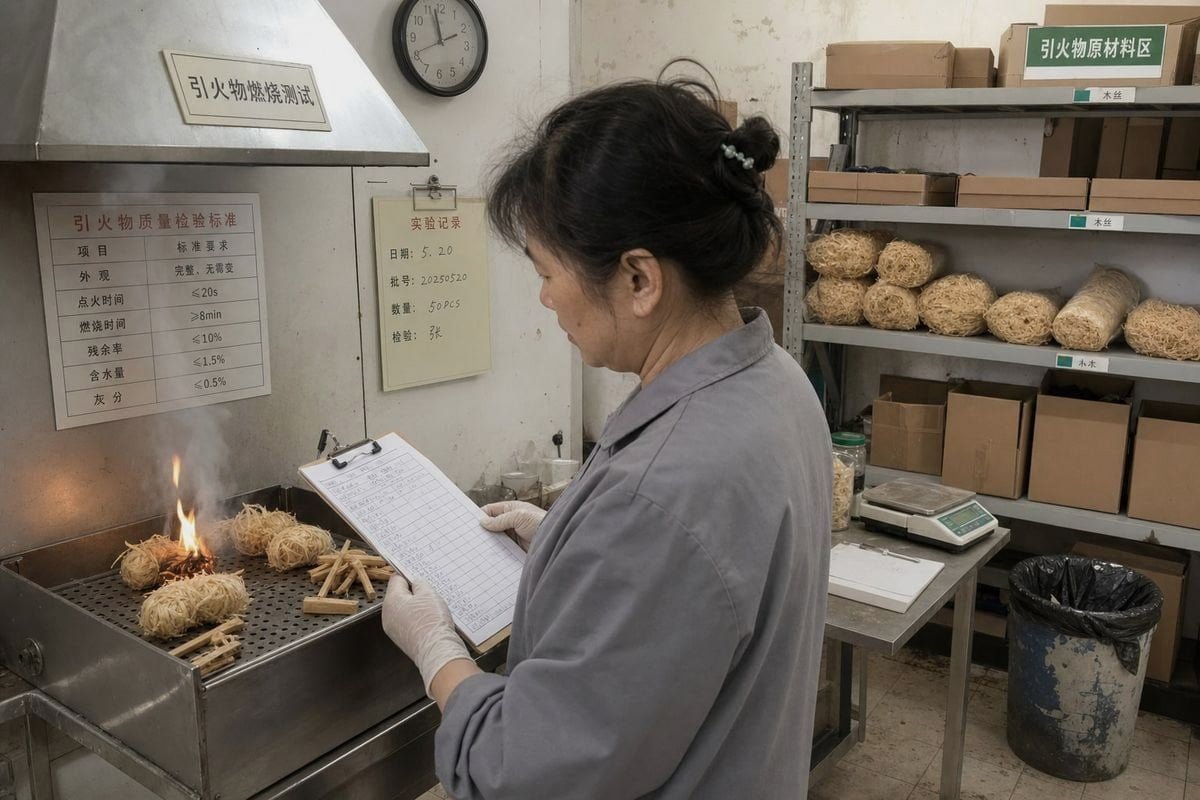
La verificación no es complicada, pero la mayoría de los compradores se saltan pasos. En nuestros más de 17 años enviando productos para iniciar fuego a más de 30 países, hemos visto los mismos puntos débiles una y otra vez. Así que permítanme desglosar el proceso en una lista de verificación manejable.
Comience con la declaración de ingredientes
Pida a su proveedor la composición exacta. Una respuesta confiable se ve así: "50% fibra de madera, 50% cera", con el tipo de cera especificado. Una respuesta vaga como "materiales naturales" es una señal de alerta. Quieres saber si el aglutinante es parafina, cera de soja 1, cera de abejas o aceite vegetal, porque ese único detalle impulsa la mayor parte de la pregunta sobre los residuos. Los destilados de petróleo en los iniciadores baratos empapados en acelerante son el principal culpable del aumento de los niveles de toxicidad del suelo cerca de los anillos de fuego de uso intensivo.
Luego confirme la completitud de la combustión
Un iniciador bien hecho debe encenderse con una cerilla y arder durante aproximadamente 8 a 20 minutos, consumiéndose por completo. La combustión incompleta deja fragmentos de cera sin quemar, e incluso las ceras naturales pueden crear hidrohidrofobicidad del suelo 2 — una capa repelente al agua que bloquea la infiltración de humedad. En nuestra línea, controlamos la saturación de cera lote por lote para que el núcleo de lana de madera atraiga la cera completamente a la llama.
Finalmente, evalúe las condiciones de eliminación
| Paso de verificación. | Qué solicitar | Lo que prueba |
|---|---|---|
| Auditoría de ingredientes | Declaración completa de materiales | Sin acelerantes ocultos ni destilados de petróleo |
| Pruebas de laboratorio | informe SGS o Intertek actual | Subproductos de la combustión y metales pesados 3 dentro de los límites |
| Prueba de combustión | Video de quema de muestra u orden de prueba | Combustión completa, ceniza mínima |
| Guía de eliminación | Instrucciones de uso impresas | Alineación con Principios de no dejar rastro 4 |
Incluso la ceniza más limpia debe enfriarse, retirarse o dispersarse lejos de los arroyos. La seguridad de los residuos es una cadena: los materiales, la combustión y el comportamiento del campista cuentan.
¿Qué certificaciones debería solicitar para confirmar que mis iniciadores de fuego son ecológicos y no tóxicos?
El papeleo de cumplimiento es lo primero que solicitan los gerentes de compras serios, a menudo antes de los precios. En nuestra experiencia de exportación con EE. UU., Alemania y el Reino Unido, la falta de documentos mata acuerdos más rápido que las cotizaciones altas.
Solicitar informes de prueba de SGS o Intertek que cubran emisiones de combustión y seguridad de materiales, marcado CE para el mercado europeo, ISO 9001 para una calidad de producción consistente y BSCI para el abastecimiento ético. En conjunto, estos confirman que los iniciadores de fuego no son tóxicos, son ecológicos y se fabrican en condiciones controladas.
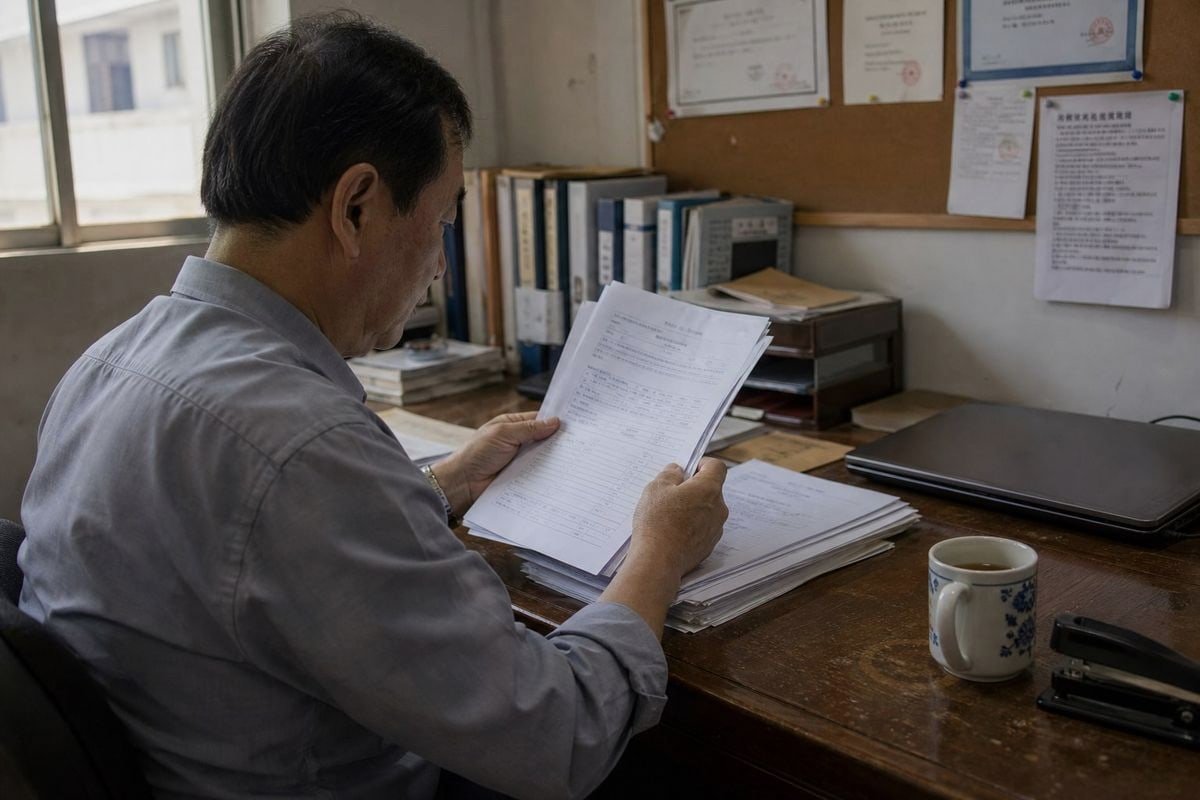
Las certificaciones responden a diferentes preguntas, y los compradores a menudo las confunden. Un documento demuestra que el producto es seguro. Otro demuestra que la fábrica puede repetir esa seguridad en diez mil cajas. Necesitas ambos, y aquí te explico por qué.
Prueba a nivel de producto versus prueba a nivel de fábrica
Un informe SGS único le dice que una muestra específica pasó. Eso es necesario pero no suficiente. Si la fábrica no tiene un sistema de calidad, el lote dos puede usar una mezcla de cera más barata y el informe se vuelve inútil. Es por eso que tenemos ISO 9001 5 junto con nuestros informes de pruebas de productos: la combinación muestra que la primera muestra refleja de manera confiable la producción en masa. Cuando un importador holandés nos auditó, verificaron nuestros registros de abastecimiento de cera contra tres lotes de producción separados por esta misma razón.
Lo que cubre cada certificación
| Por qué es importante para las piñas perfumadas | Nivel | Lo que confirma para usted |
|---|---|---|
| Requisitos de seguridad del producto de la UE | Producto | Sin productos químicos nocivos, subproductos de combustión seguros, bajos compuestos orgánicos volátiles |
| Marcado CE | Producto | Cumple con los requisitos de seguridad de la UE para la entrada al mercado |
| ISO 9001 | Fábrica | Control de calidad documentado, consistencia lote a lote |
| BSCI | Fábrica | Cumplimiento social auditado y producción ética |
Preguntas a hacer más allá del papeleo
Pregunte cuándo se emitió cada informe y si coincide con la formulación exacta que está comprando. Pregunte si el laboratorio probó metales pesados en la composición de las cenizas de la fogata. Pregunte si el proveedor apoyará la reevaluación bajo su marca privada. En nuestro caso, proporcionamos informes de prueba como estándar y volvemos a probar cuando un comprador personaliza el tamaño, el tiempo de combustión o la mezcla de cera, porque un informe antiguo sobre un producto modificado no protege a nadie. Los iniciadores de fuego biodegradables merecen documentación tan actual como el producto en sí.
¿Puedo confiar en que la cera y los materiales utilizados en los iniciadores de fuego de madera no dañarán el medio ambiente?
La cuestión de la cera es donde paso más tiempo educando a los nuevos compradores. Pesamos una compensación real en cada proyecto OEM: el tipo de cera afecta el tiempo de combustión, el costo y el perfil ambiental al mismo tiempo.
Sí, cuando el iniciador utiliza materiales naturales de yesca como virutas de madera o serrín aglutinados con cera de soja, cera de abejas o cera refinada de grado alimenticio. Estos se queman limpiamente hasta obtener cenizas biodegradables. Los iniciadores de parafina industrial no probados o empapados en acelerantes son los que corren el riesgo de dañar el medio ambiente.
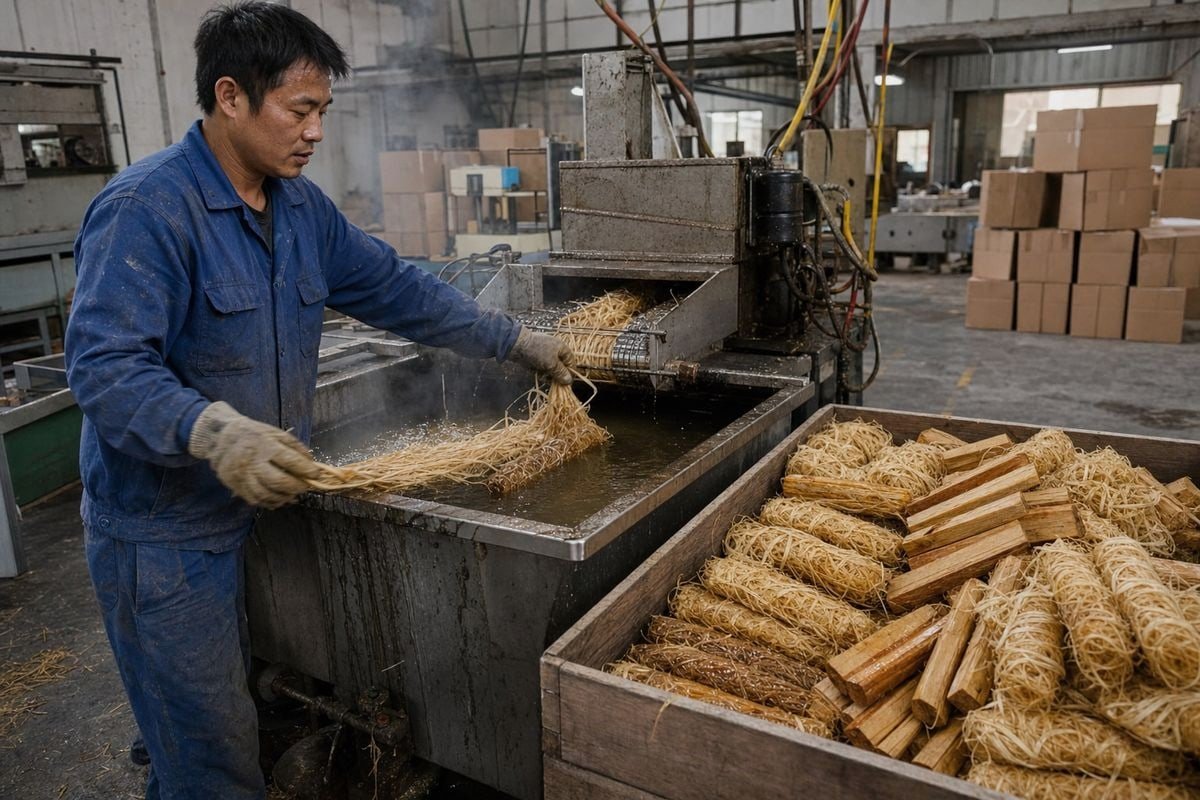
La confianza comienza con la comprensión de lo que hace cada material en una llama. Permítanme comparar las opciones comunes de la manera en que lo hacemos al desarrollar un producto para una marca de exteriores.
Cómo se comparan las principales opciones de cera
| Tipo de cera | Fuente | Comportamiento de los residuos | Perfil ambiental |
|---|---|---|---|
| Cera de soja | De origen vegetal, renovable | Arde limpiamente, mínima ceniza | Excelente; biodegradable |
| Cera de abejas | Natural, renovable | Combustión muy limpia, aroma agradable | Excelente; totalmente natural |
| Parafina refinada (grado alimenticio) | Derivado del petróleo, purificado | Combustión limpia cuando está completamente refinada | Aceptable con informes de prueba |
| Parafina industrial cruda | Destilados de petróleo, sin refinar | Posible residuo pegajoso y hollín | Pobre; evitar |
Observe que la parafina aparece dos veces. Este es el matiz que la mayoría de las listas minoristas pasan por alto. La parafina completamente refinada, el mismo grado que se usa en embalaje de alimentos 6, se quema limpiamente y pasa las pruebas de emisiones. La parafina cruda no. Por lo tanto, "libre de parafina" no es automáticamente mejor: una mezcla de soja sin probar puede funcionar peor que una cera refinada probada. Dicho esto, vemos una demanda creciente de alternativas de cera de parafina en el mercado de la UE, y formulamos versiones de soja y cera de abejas para compradores que posicionan sus marcas de esa manera.
El componente de madera también importa
La lana de madera, el serrín y la fibra comprimida son biodegradables. Se aplican dos advertencias. Primero, la madera que no se ha secado en horno puede transportar esporas de hongos o larvas de insectos 7 a través de las fronteras, razón por la cual el manejo fitosanitario es importante en la exportación. Segundo, la resina de fatwood, aunque natural, puede filtrarse en pequeños cuerpos de agua estancada en altas concentraciones y estresar la vida acuática sensible. Los iniciadores de lana de madera y serrín evitan casi por completo esa preocupación, razón por la cual dominan nuestro volumen de exportación.
¿Qué pruebas o documentación demuestran que mis iniciadores de fuego no dejarán residuos dañinos después de quemarse?
Una lección que aprendimos temprano: un comprador estadounidense nos pidió una vez que probáramos una negativa: que nada dañino quedaba después de quemarlo. Esa solicitud reformuló cómo documentamos el comportamiento de los residuos hoy.
Pruebas de emisiones de combustión, análisis de metales pesados de las cenizas y hojas de datos de seguridad de materiales demuestran la seguridad de los residuos. Laboratorios independientes como SGS o Intertek miden compuestos orgánicos volátiles durante la quema y analizan las cenizas restantes, confirmando que no contienen toxinas que puedan causar contaminación del agua subterránea.
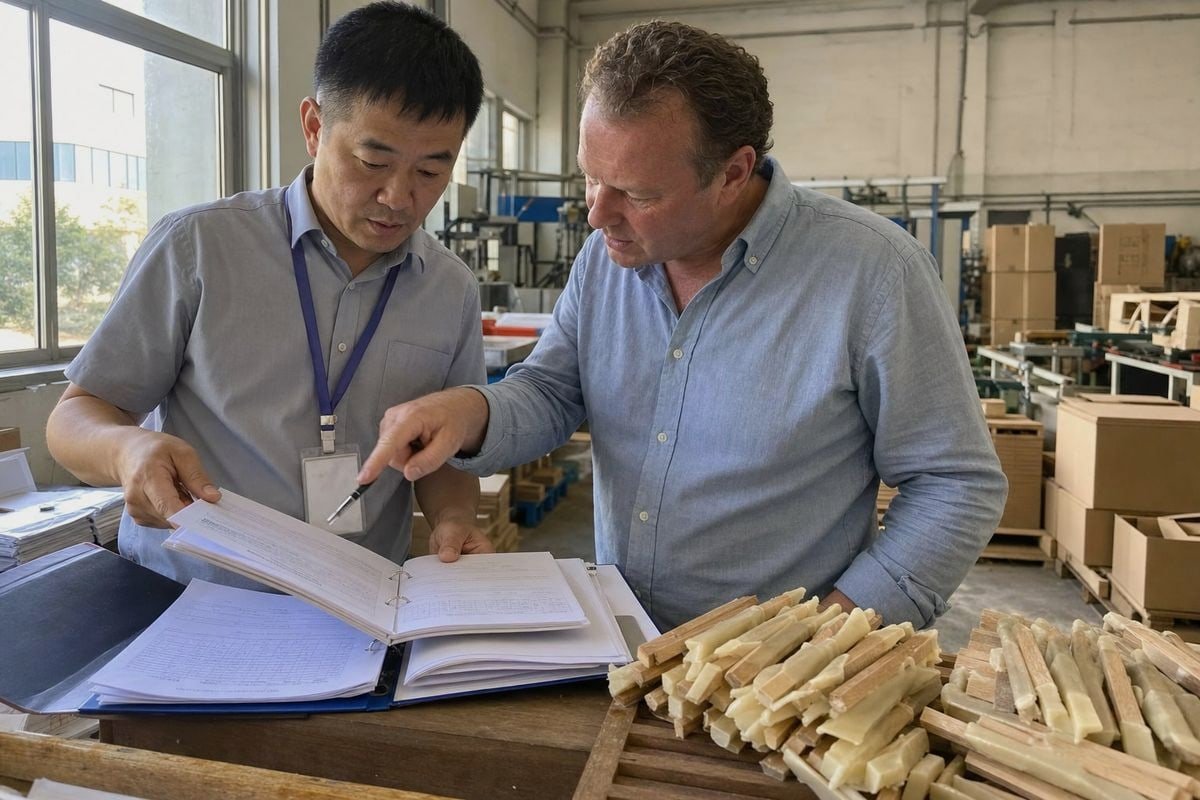
La documentación solo funciona cuando sabes lo que mide cada prueba. La mayoría de las páginas de productos afirman "sin residuos dañinos" sin un solo punto de datos detrás. Aquí está la pila de documentos que recomiendo que cada importador construya antes de realizar un pedido de contenedor.
La pila de cuatro documentos
- Hoja de datos de seguridad de materiales (MSDS). Enumera cada ingrediente y su clasificación de peligro. Es su línea de base: sin MSDS, no hay trato.
- Informe de emisiones de combustión. Un laboratorio acreditado quema el producto y mide el humo, las partículas y los compuestos orgánicos volátiles. Números limpios aquí significan que la llama en sí deposita poco sobre la vegetación y el agua circundantes.
- Análisis de cenizas. El laboratorio analiza las cenizas restantes en busca de metales pesados y pH. La ceniza de madera natural es ligeramente alcalina y rica en minerales, principalmente potasio y calcio. Eso es generalmente benigno, aunque el vertido concentrado de cenizas en sitios de alto tráfico puede aumentar el pH del suelo localmente, otra razón por la cual la guía de eliminación pertenece a su empaque.
- Declaración de biodegradabilidad o composición. Para los iniciadores comercializados como compostables, esto confirma que el material sin quemar se descompone naturalmente.
Lo que la documentación no puede reemplazar
Ningún informe de laboratorio sustituye el comportamiento en el campo. Incluso la ceniza certificada como limpia debe seguir Principios de no dejar rastro: queme todo completamente, enfríe la ceniza y espárzala ampliamente lejos de las fuentes de agua, o empáquela. Imprimimos esta guía en cajas minoristas personalizadas para nuestros clientes OEM, porque un producto compatible combinado con una eliminación descuidada todavía genera quejas en el campamento. La documentación demuestra que el producto es seguro; las instrucciones ayudan al usuario final a mantener el campamento seguro. Su marca necesita ambos, y un proveedor que entienda la diferencia vale la pena conservarlo.
Conclusión
Las afirmaciones de residuos sin pruebas cuestan a las marcas devoluciones y confianza. Materiales verificados, certificaciones actuales y una guía de eliminación honesta resuelven esto, y eso es exactamente lo que construimos en cada lote.
Notas al pie
Proporciona detalles técnicos sobre la producción y las propiedades de la cera de soja como recurso renovable. ↩︎
Explica el fenómeno de la repelencia al agua del suelo y su impacto en los procesos hidrológicos. ↩︎
Recurso de la EPA sobre contaminantes comunes, incluidos metales pesados, que se encuentran en el suelo y el agua. ↩︎
Fuente oficial .gov del Servicio de Parques Nacionales que detalla los siete principios básicos. ↩︎
Referencia autorizada altamente accesible y estable para el estándar de gestión de calidad. ↩︎
Resumen de la FDA sobre materiales de embalaje de alimentos y regulaciones de seguridad. ↩︎
Información del USDA sobre cómo las larvas de insectos en la madera pueden amenazar la salud del bosque durante el transporte. ↩︎
 English
  Spanish
  German
  French
  Arabic
  Portuguese
Únete a la conversación